How to Cook Vermicelli Perfectly Every Time (no Clumping!)
Make silky, tangle-free vermicelli for weeknights or meal prep with simple steps, exact timing, and a no-stick finish.
If your vermicelli turns into a sticky bird’s nest, you’re not the problem—the method is. The good news: a few small tweaks deliver glassy, springy strands every single time. Think precise timing, the right water strategy, and a quick “anti-clump” finish. Do it once, and you’ll never panic over a pot of noodles again.
Most packs say “boil 3–5 minutes.” Cool. And then what—mash it into a clump and hope for the best? Not here. You’ll learn exactly when to stop the heat, why rinsing matters, and how a 10-second toss keeps your vermicelli like silk. Ready to make your stir-fries, salads, and bowls ridiculously good?
Why You’ll Love This Recipe
Zero clumping. We cut starch and lock in bounce with a quick rinse and a light oil toss. It’s simple and reliable.
Fast. From start to bowl in under 10 minutes for most rice vermicelli. Weeknight-friendly? Absolutely.
Versatile. Use these noodles in stir-fries, pho-style soups, spring rolls, salad bowls, or curry. They play nice with everything.
Consistent results. Clear timing windows and visual cues mean you won’t guess ever again. FYI: guessing is for lottery tickets, not dinner.
What Goes Into This Recipe – Ingredients
- 200 g (7 oz) rice vermicelli (thin rice noodles; check package for thickness)
- 2–3 liters (2–3 quarts) water for boiling or hot soaking
- 1 teaspoon salt (seasons and helps the noodle flavor pop)
- 1 teaspoon neutral oil (canola, grapeseed) or sesame oil for post-cook toss
- Optional: 1 teaspoon rice vinegar or lemon juice for a bright finish (great for salads)
- Optional aromatics: sliced green onions, minced garlic, or chili oil for quick seasoning after cooking
Note: If you’re using wheat vermicelli (semolina pasta), cook times shift by a few minutes, and rinsing rules change. See FAQs for the scoop.
Instructions
- Read your package. Identify if you have rice vermicelli (usually labeled “rice noodles” or “rice sticks”) or wheat vermicelli. The method below focuses on rice vermicelli; wheat details appear in the FAQs.
- Pre-soak (optional but clutch for ultra-thin strands). Cover rice vermicelli with cool water for 5–8 minutes until flexible but not mushy. Drain well. This step evens out cooking and prevents broken noodles later.
- Boil water hard. Bring 2–3 liters of water to a rolling boil in a wide pot. Add 1 teaspoon salt. More water means better circulation and less tangling. Sounds obvious, but it’s the difference between silky strands and noodle dreadlocks.
- Cook fast. Add the vermicelli and stir gently with chopsticks or tongs to separate. Cook 30–90 seconds for thin rice vermicelli; thicker varieties may take 2–3 minutes. Visual cue: when noodles turn white and bend easily, they’re done. Don’t wait for “soft like spaghetti”—rice vermicelli should stay slightly firm.
- Drain immediately. Pour the noodles into a colander. Shake well to remove as much hot water as possible. Don’t let them sit in the pot—carryover heat keeps cooking and invites clumping.
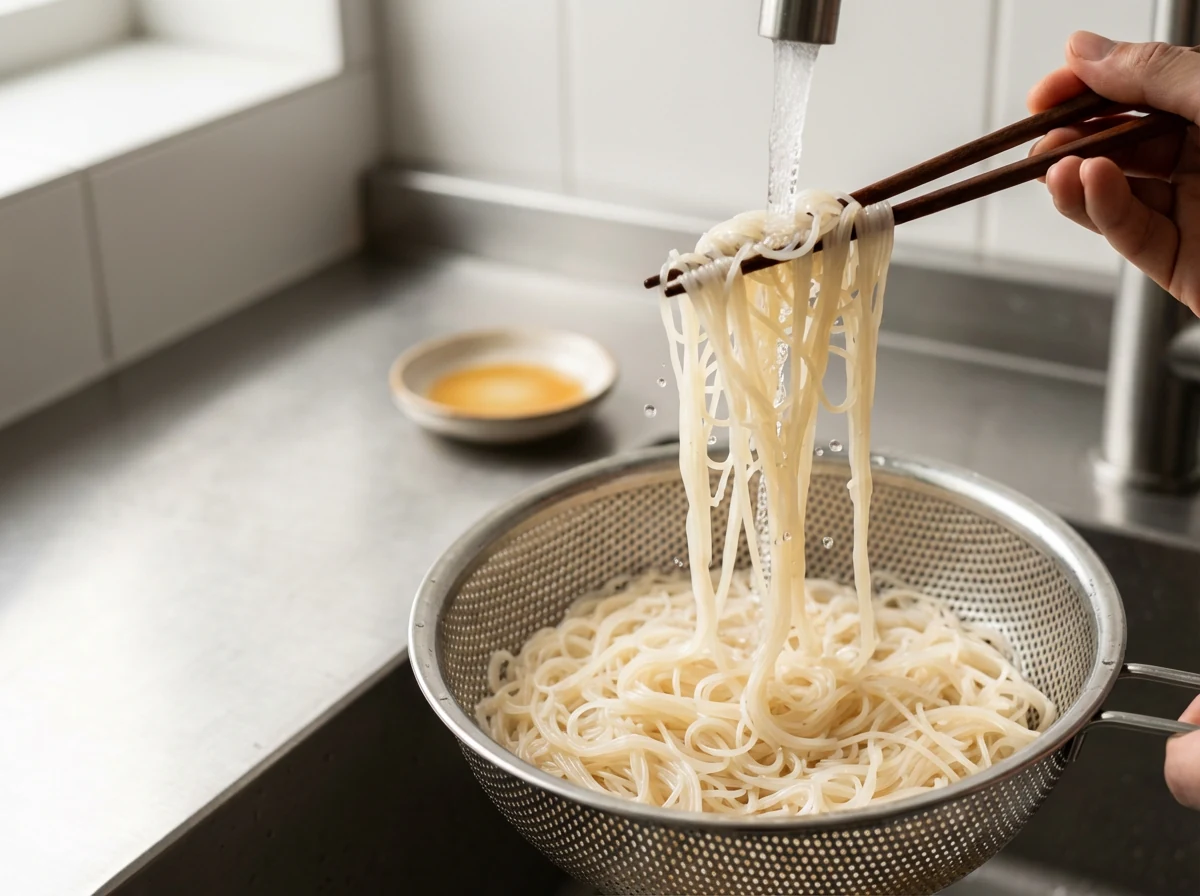
- Rinse to stop cooking and remove surface starch. Rinse under cool running water for 10–20 seconds, tossing gently until the noodles feel springy and separate. This step is the anti-stick insurance policy—skip it and, IMO, you’ll regret it.
- Steam-dry for 30 seconds. After rinsing, let the noodles drip and steam in the colander for about 30 seconds. Excess water trapped between strands equals clumps later. Let gravity do some work.
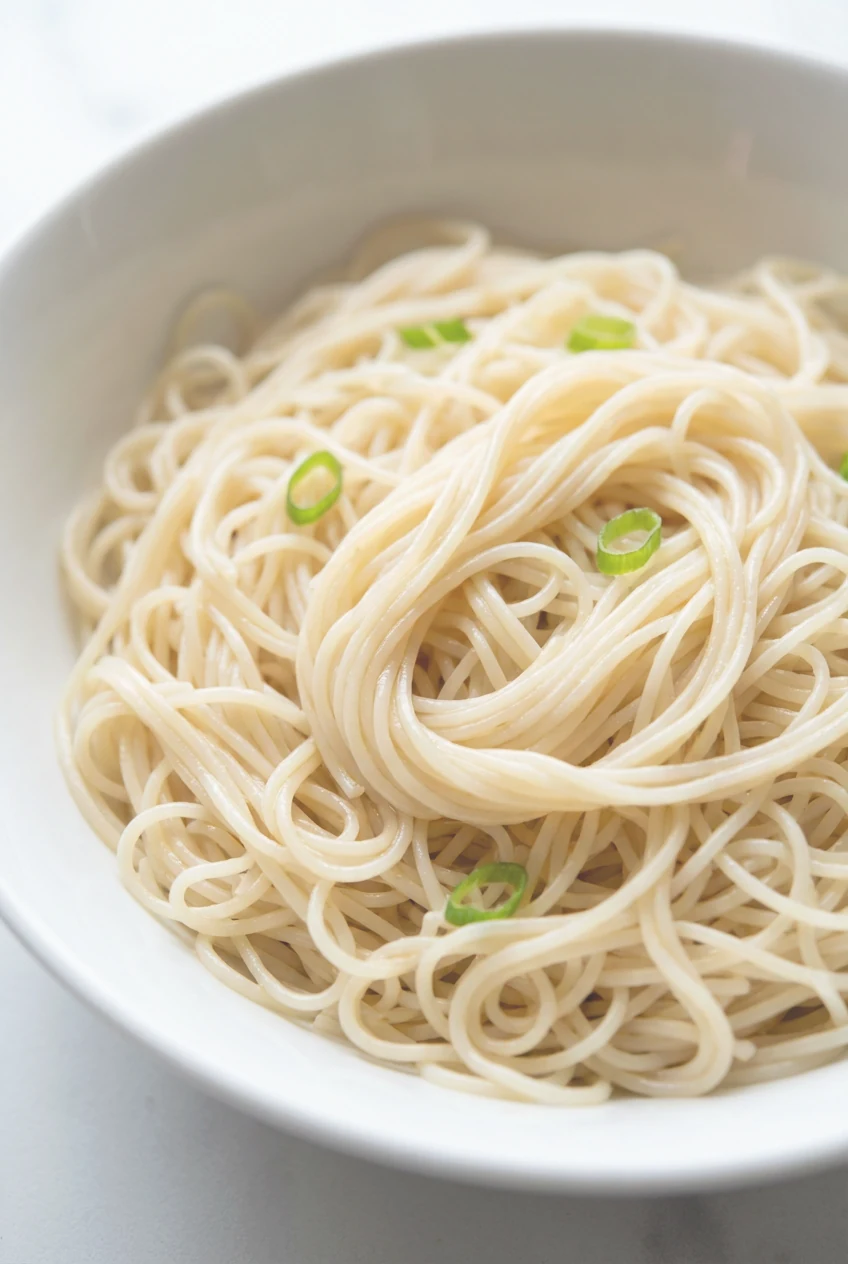
- Toss with a little oil. Transfer noodles to a bowl. Add 1 teaspoon neutral oil (or sesame for flavor) and toss. Key tip: distribute the oil lightly so it coats, not slicks. You want glide, not grease.
- Season or hold. If serving immediately, add a splash of rice vinegar or lemon for brightness and top with aromatics. If you plan to stir-fry, undercook by 10–15 seconds so they finish perfectly in the pan.
- For hot-soak method (no stovetop needed). Place vermicelli in a heatproof bowl. Cover with just-boiled water and stir to separate. Soak 3–5 minutes, taste for bite, then drain, rinse, steam-dry, and toss with oil as above. Great for dorms and office kitchens.
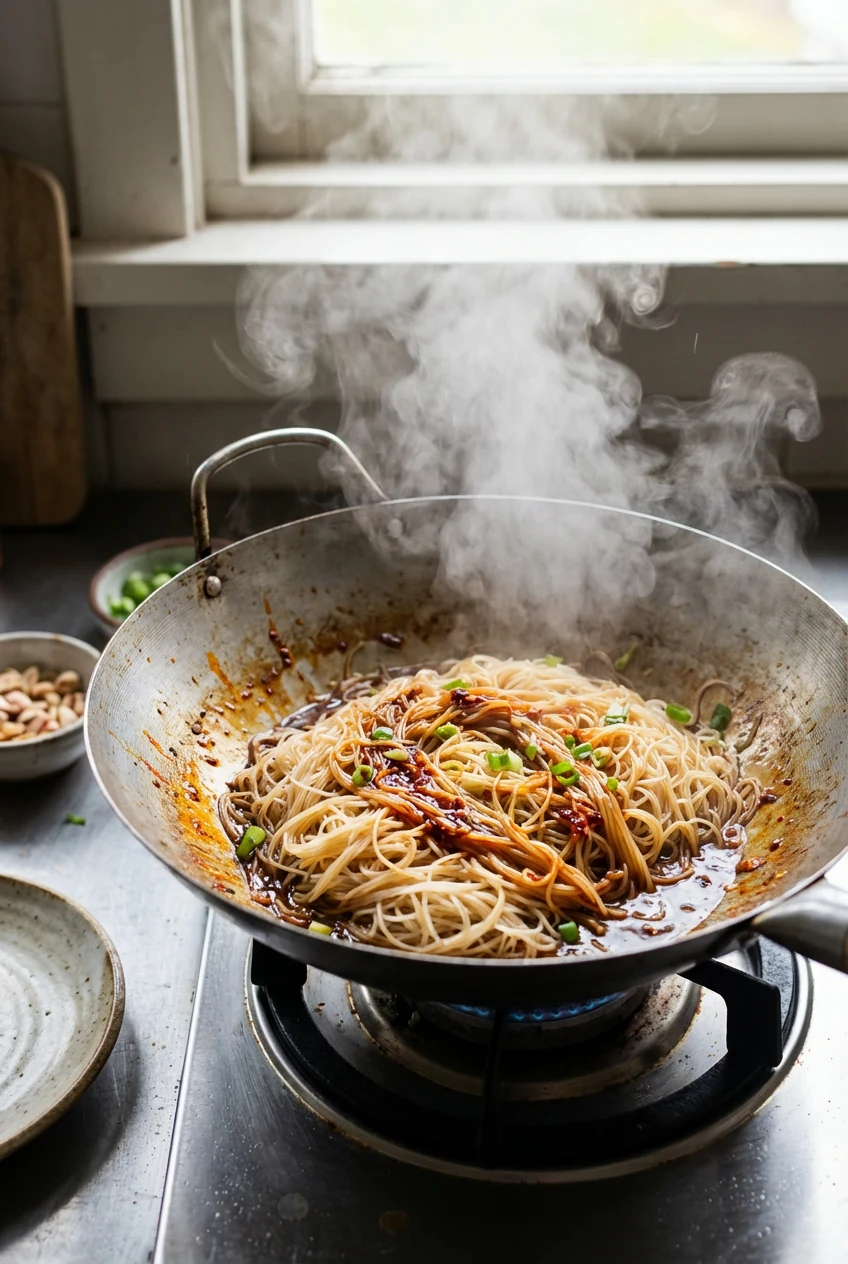
Chef’s cue: If you’re tossing vermicelli into a saucy stir-fry, add noodles at the very end and stir constantly for 30–60 seconds. A splash of water (2–3 tablespoons) re-loosens strands and integrates sauce without stickiness.
How to Store
Refrigerate: Cool noodles completely, then store in an airtight container for up to 3–4 days. Toss with a ½ teaspoon oil before storing to prevent clinging.
Reheat: Splash with 1–2 tablespoons water, cover, and microwave 45–60 seconds. Or briefly reheat in a skillet over medium heat with a touch of oil—keep noodles moving.
Freeze? Not ideal for rice vermicelli. The texture can turn brittle. If you must, freeze in small portions and thaw gently with hot water, then re-toss with oil.
What’s Great About This
- Foolproof technique: Clear timing and visual cues—no guesswork, no gummy mess.
- Meal-prep friendly: Cook now, toss with oil, store; noodles stay separate for days.
- Restaurant texture: Springy, slippery strands that soak up sauce like a pro.
- Flexible method: Works for boiling or hot-soaking depending on your setup.
- Scalable: The water-and-toss approach holds steady for 1 or 10 servings.
Don’t Make These Errors
- Overcooking. Rice vermicelli goes from perfect to mush in seconds. Taste early, pull early.
- Skipping the rinse. Without a quick cool rinse, surface starch turns into glue. Glue = clumps.
- Letting noodles sit in hot water. They keep cooking. Drain ASAP and steam-dry briefly.
- Dousing oil in the boiling water. Oil floats; it won’t keep noodles from sticking in the pot. Toss with oil after draining instead.
- Stir-frying too long. Add noodles late, keep them moving, and finish fast. Over-stir-frying dries them out.
Mix It Up
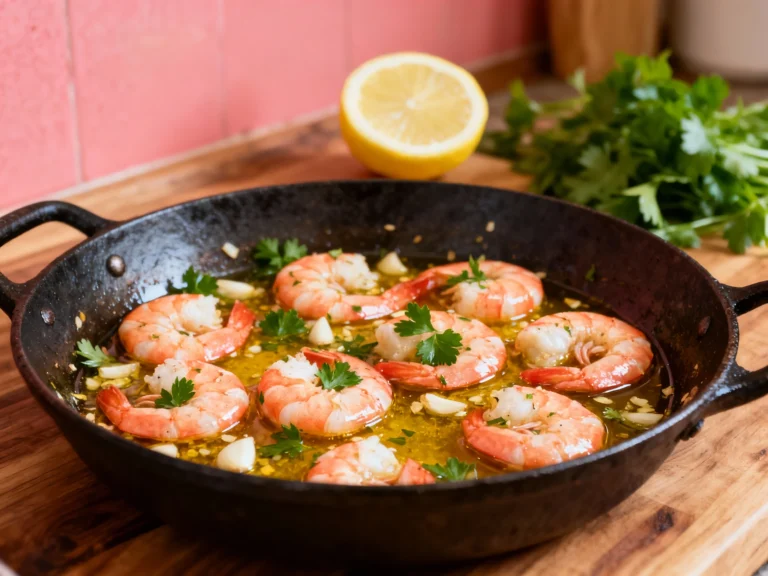
- Lemon-garlic vermicelli: Toss with olive oil, lemon juice, minced garlic, and parsley. Add shrimp for a 10-minute dinner.
- Sesame-chili noodles: Mix sesame oil, soy sauce, chili crisp, and a pinch of sugar. Top with scallions and toasted sesame seeds.
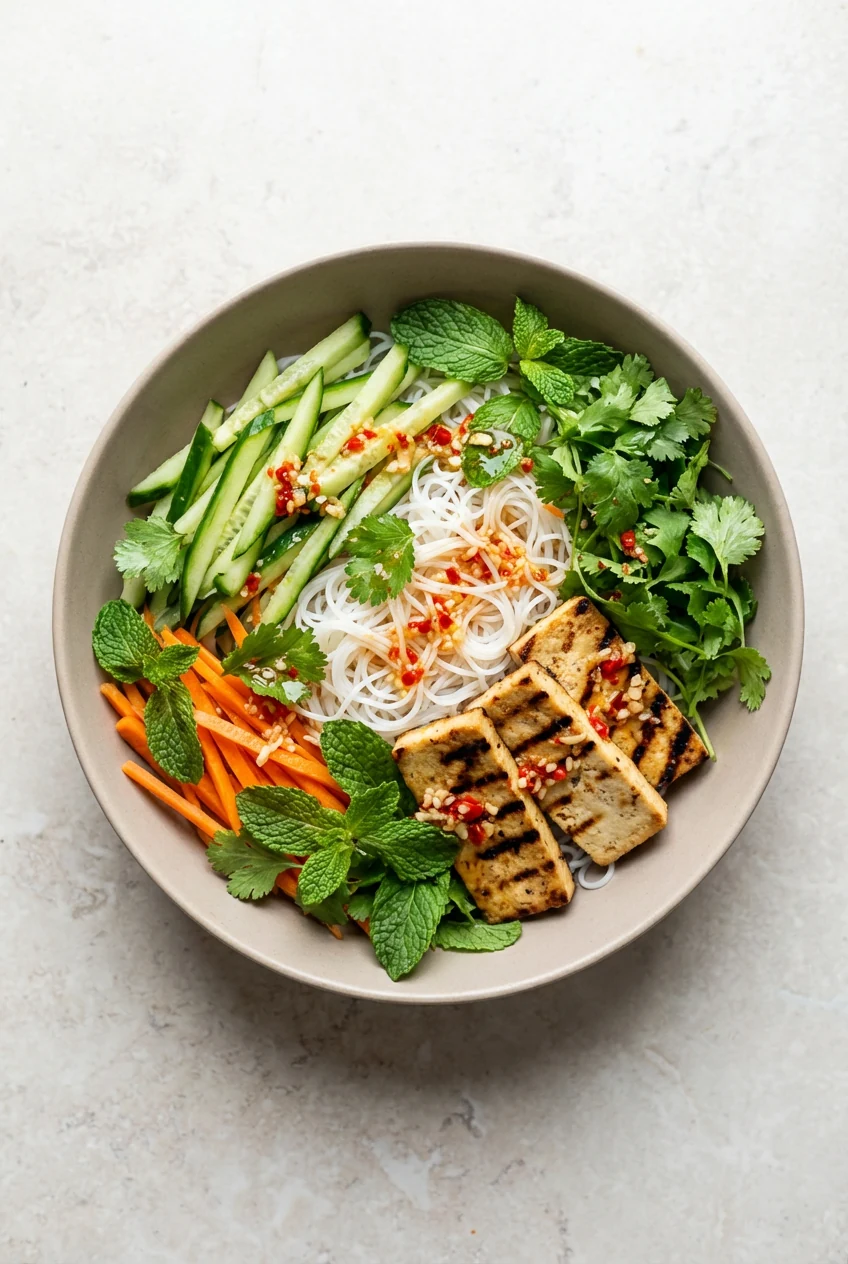
- Vietnamese-style salad bowl: Combine vermicelli with cucumbers, carrots, herbs, nuoc cham, and grilled pork or tofu.
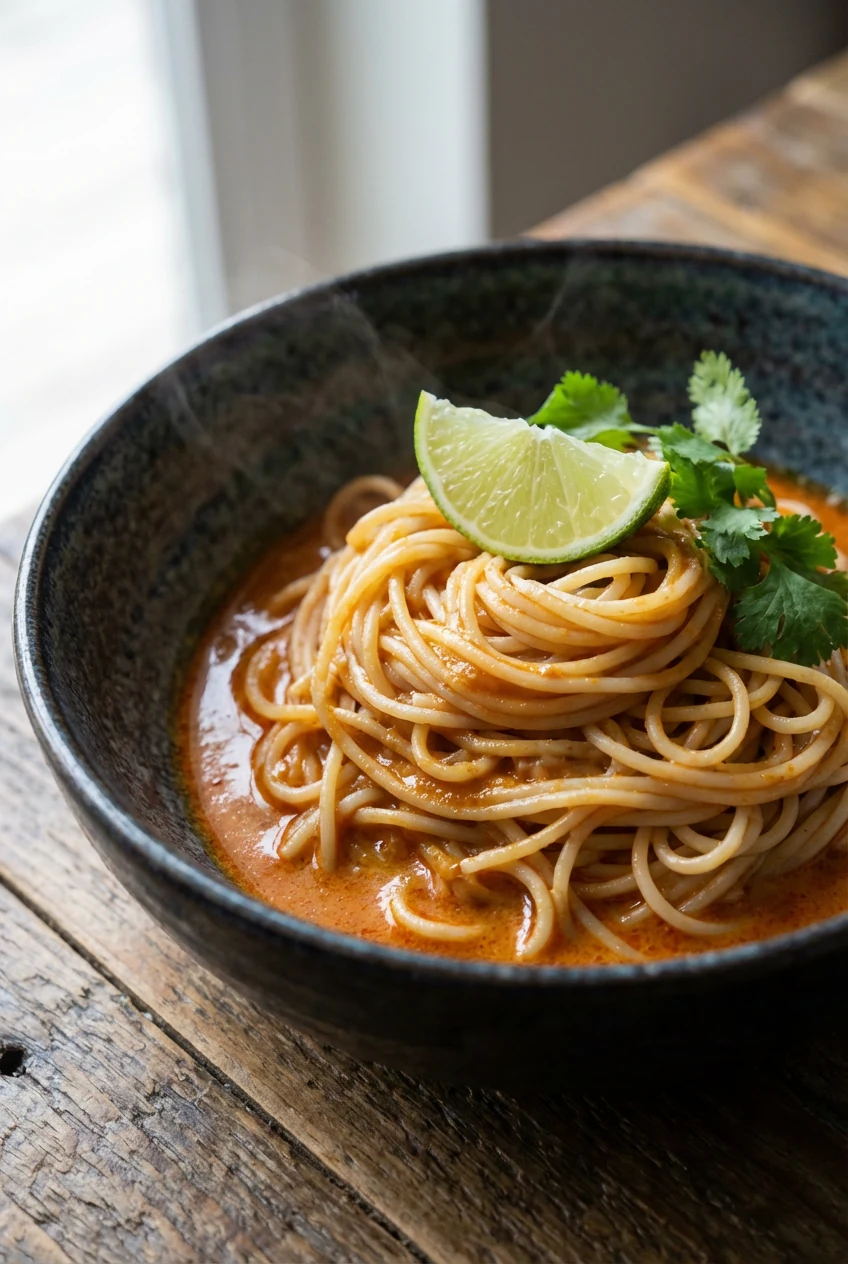
- Curry toss: Warm a spoon of red or yellow curry paste in coconut milk; toss noodles in and finish with lime and cilantro.
- Spring rolls: Use cooled vermicelli as the base in rice paper rolls with herbs and crunchy veg. Dip in peanut sauce and try not to smile.
FAQ
Is vermicelli the same as rice noodles?
“Vermicelli” describes thin, spaghetti-like strands and can be made from rice or wheat. Rice vermicelli is common in Southeast Asian cooking, while wheat vermicelli (semolina) behaves more like fine pasta. The clump-free method here focuses on rice vermicelli.
Should I soak or boil rice vermicelli?
Either works. A cool-water soak for 5–8 minutes plus a 30–90 second blanch gives the best texture control. The hot-soak method (cover with boiling water, 3–5 minutes) is great when you don’t want to use a stovetop. Always rinse after and toss with a touch of oil.
Do I need to rinse rice vermicelli after cooking?
Yes, for most uses. A quick cool rinse stops cooking and removes surface starch so strands stay separate. If you’re dropping directly into hot broth (like pho), you can skip the rinse—but expect more sticking if you hold the noodles after.
What about wheat vermicelli—should I rinse that?
For wheat (semolina) vermicelli, rinse only if you plan to hold or use in a salad; otherwise, toss directly with sauce. Cook in salted boiling water for 3–4 minutes, drain, and immediately mix with oil or sauce to prevent sticking. Different material, different rules.
How do I keep vermicelli from clumping in stir-fries?
Under-cook by 10–15 seconds, rinse, steam-dry, and toss with a teaspoon of oil. Add noodles at the end of the stir-fry, along with 2–3 tablespoons water or sauce, and keep them moving for 30–60 seconds. Low-key secret: motion plus moisture keeps strands separate.
What’s the ideal water-to-noodle ratio?
Use at least 2–3 liters of boiling water per 200 g (7 oz) of rice vermicelli. More water means better circulation and less tangle. Crowding the pot is the fast track to a sticky noodle blob—hard pass.
Can I make vermicelli ahead of time?
Absolutely. Cook, rinse, steam-dry, and toss with a little oil. Cool fully, then refrigerate for 3–4 days. Reheat with a splash of water in the microwave or a quick toss in a warm skillet before serving.
The Bottom Line
Perfect vermicelli isn’t magic; it’s method. Control time, stop the heat, cut the starch, and give the noodles a tiny bit of oil to glide. Whether you stir-fry, salad, or soup, these strands stay separate and springy.
Use the rinse-and-toss approach and you’ll win dinner on autopilot. The clumps? A distant memory. Enjoy the silky noodles and the confidence boost—because, FYI, you nailed it.
Printable Recipe Card
Want just the essential recipe details without scrolling through the article? Get our printable recipe card with just the ingredients and instructions.