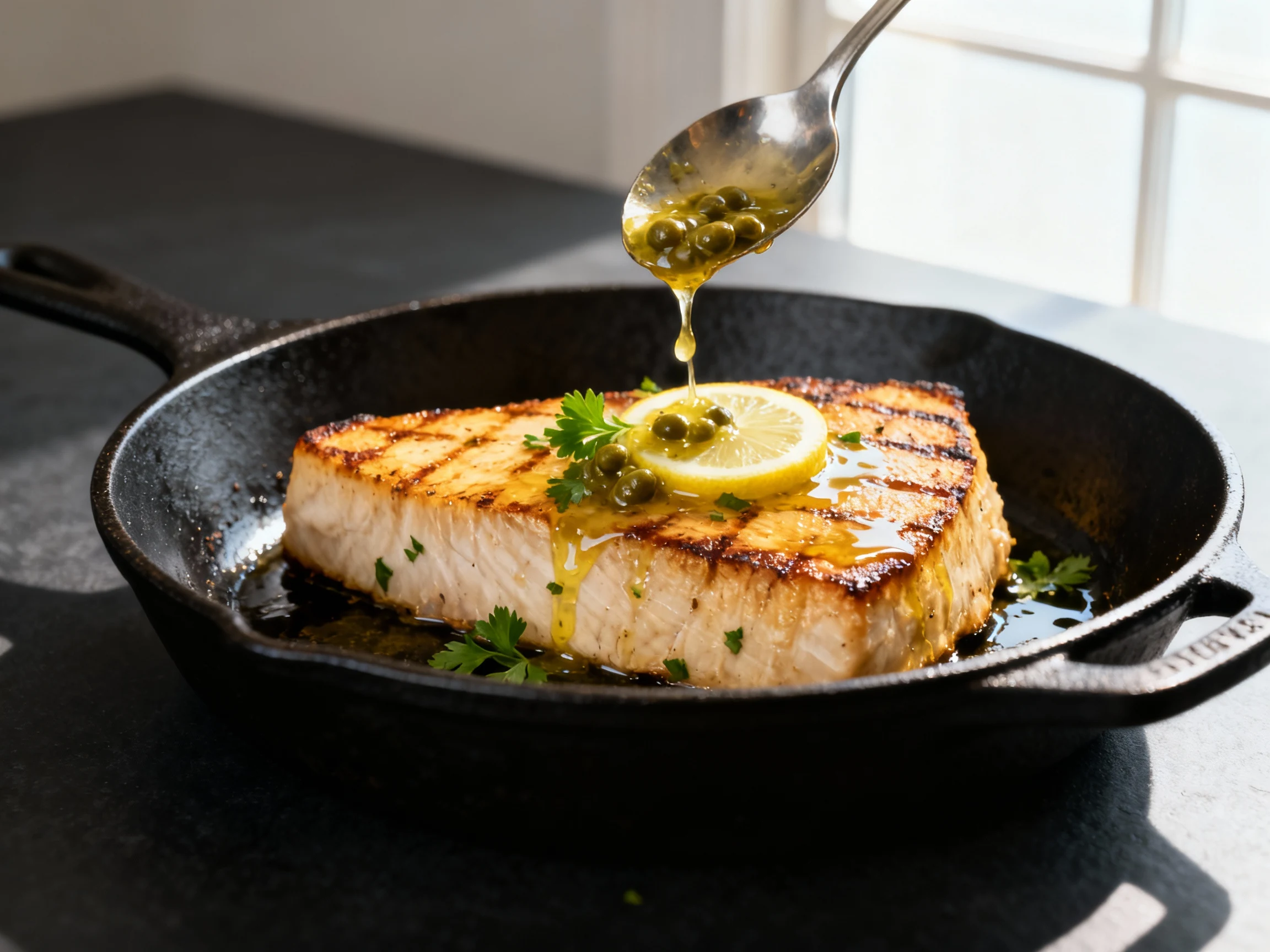
Swordfish Recipes Made Easy: Bold Flavor Zero Fuss
Your weeknight guide to buttery seared steaks, smart marinades, crisp sides, and timing tricks for restaurant-level seafood at home.
If you think great seafood requires a white tablecloth and a reservation, think again. Swordfish gives you steak-like satisfaction with almost zero learning curve. You get juicy, meaty bites and big flavor in minutes—plus the flex of serving “chef-y” food without the chef. This recipe pulls off that crisp sear, tender center, and zesty finish every single time. Want to win dinner fast and look like you planned it? Here’s your playbook.
What Makes This Recipe So Good
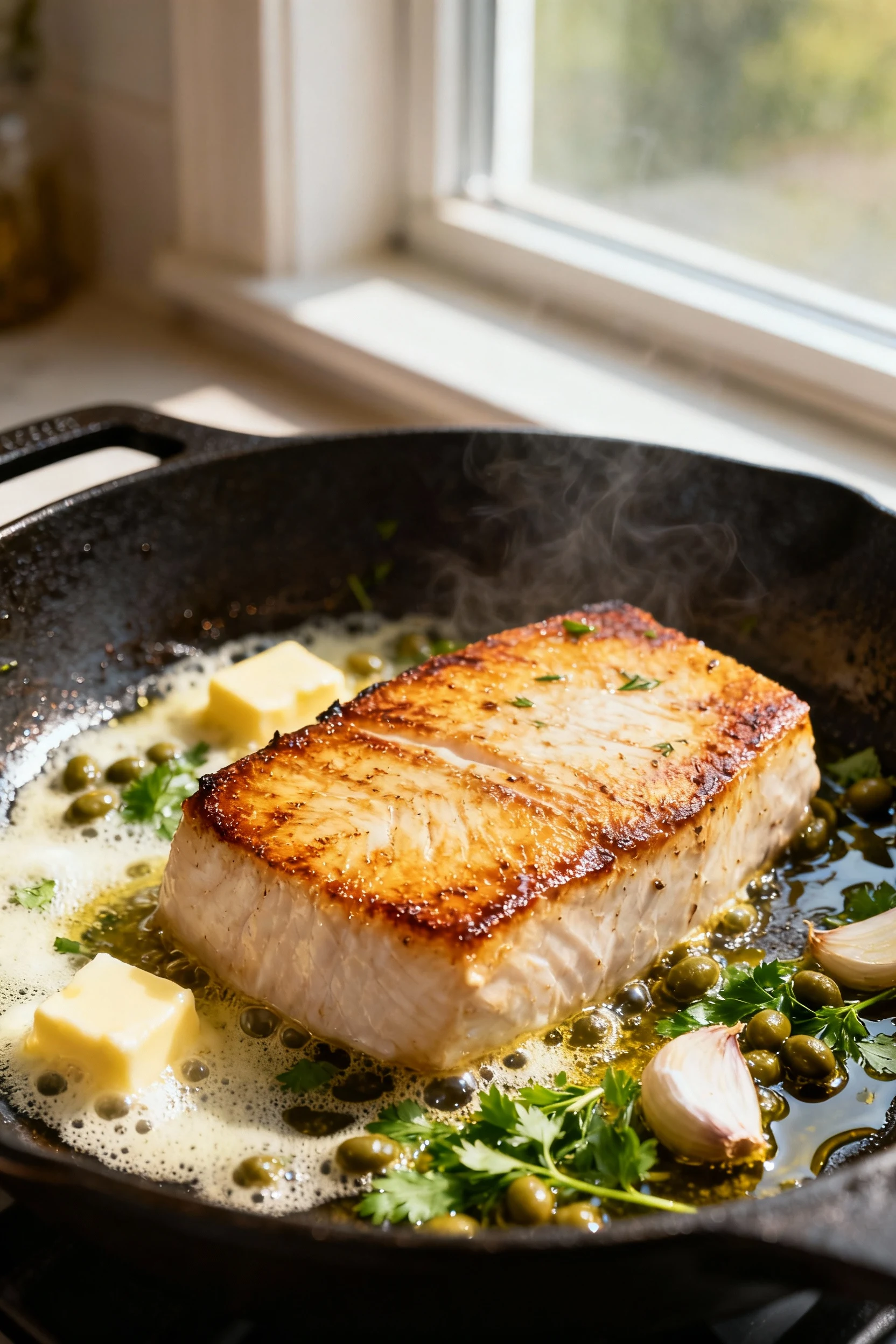
- Fast cook time: Thick steaks go from fridge to plate in 10–12 minutes.
- Restaurant-level sear: High heat delivers a golden crust with a juicy middle.
- Bulletproof flavor: Lemon, garlic, butter, and capers make a classic combo that never misses.
- Flexible heat source: Works on a ripping-hot grill or a heavy skillet.
- Beginner-friendly: Simple steps, no tricky techniques, and easy-to-spot doneness cues.
- Meal-prep smart: Leftovers hold up for salads, sandwiches, or grain bowls without turning mushy.
- Scales up: Double ingredients and batch sear for a crowd with minimal drama.
- Feels special: Swordfish’s meaty texture brings “steak night” energy to seafood.
Ingredients
- 4 swordfish steaks (6–8 oz each), about 1–1.5 inches thick
- 3 tablespoons olive oil
- 2 tablespoons fresh lemon juice
- 1 teaspoon lemon zest
- 2–3 garlic cloves, minced
- 2 tablespoons fresh parsley, chopped
- 1 tablespoon capers, chopped (optional but excellent)
- 1½ teaspoons kosher salt, plus more to taste
- 1 teaspoon freshly cracked black pepper
- ½ teaspoon red pepper flakes (optional for heat)
- 2 tablespoons unsalted butter (for finishing)
- Lemon wedges, for serving
- High-heat oil (avocado or grapeseed), for grill grates or pan
How to Make It – Instructions
- Pat dry like you mean it: Blot steaks with paper towels until surfaces are dry. Moisture fights browning, and we’re here for that golden crust.
- Season and marinate: Whisk olive oil, lemon juice, lemon zest, garlic, parsley, capers, salt, pepper, and red pepper flakes. Coat swordfish and let sit 15–30 minutes max at room temp. Longer in acid can toughen the surface—don’t overdo it.
- Preheat hard: Heat grill to 450–500°F or a heavy skillet (cast iron or stainless) over medium-high until just smoking. Add a thin film of high-heat oil to the pan or oil the grates.
- Shake off excess: Wipe off most marinade from the steaks (leave a slick of oil and seasoning). Too much liquid will steam instead of sear.
- Sear the first side: Lay steaks down and don’t touch for 2–3 minutes. You want obvious browning before flipping. If it sticks, give it another 30 seconds.
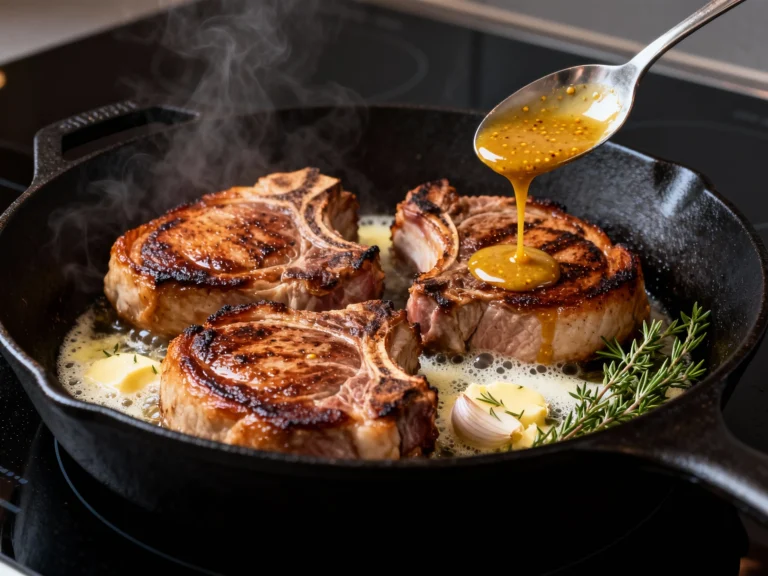
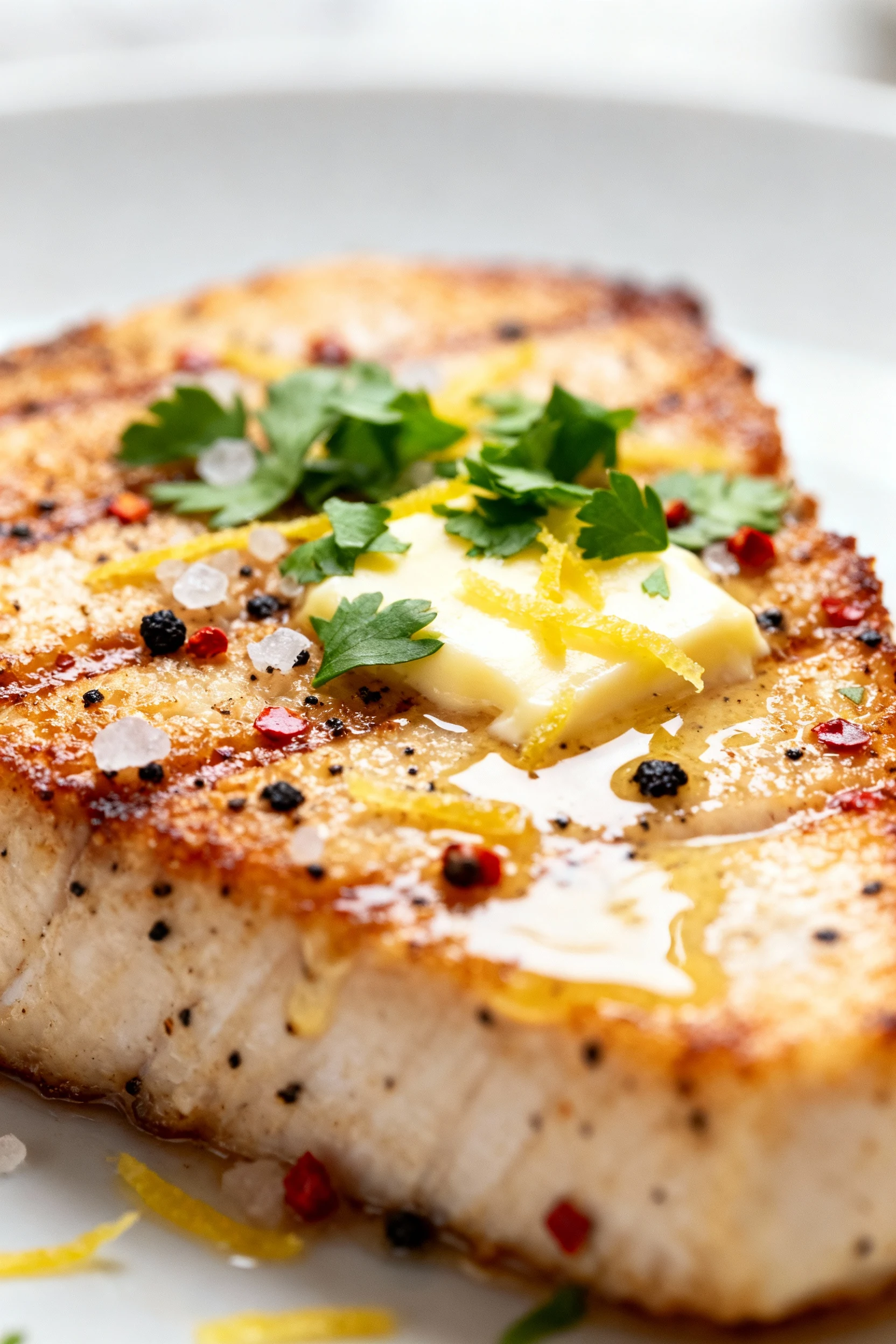
- Flip and finish: Turn steaks and cook another 2–3 minutes. Add butter to the pan (or on the grill in a small skillet), and spoon over the fish as it melts.
- Check doneness: Aim for an internal temp of 130–135°F for juicy, just-barely-opaque centers. No thermometer? Peek: the middle should turn opaque with a slight gloss, not chalky.
- Rest right: Transfer to a plate and rest 5 minutes. Carryover heat will nudge it to perfect.
- Finish with brightness: Squeeze lemon over, sprinkle extra parsley, and spoon any buttery juices on top. Taste and add a pinch of salt if needed.
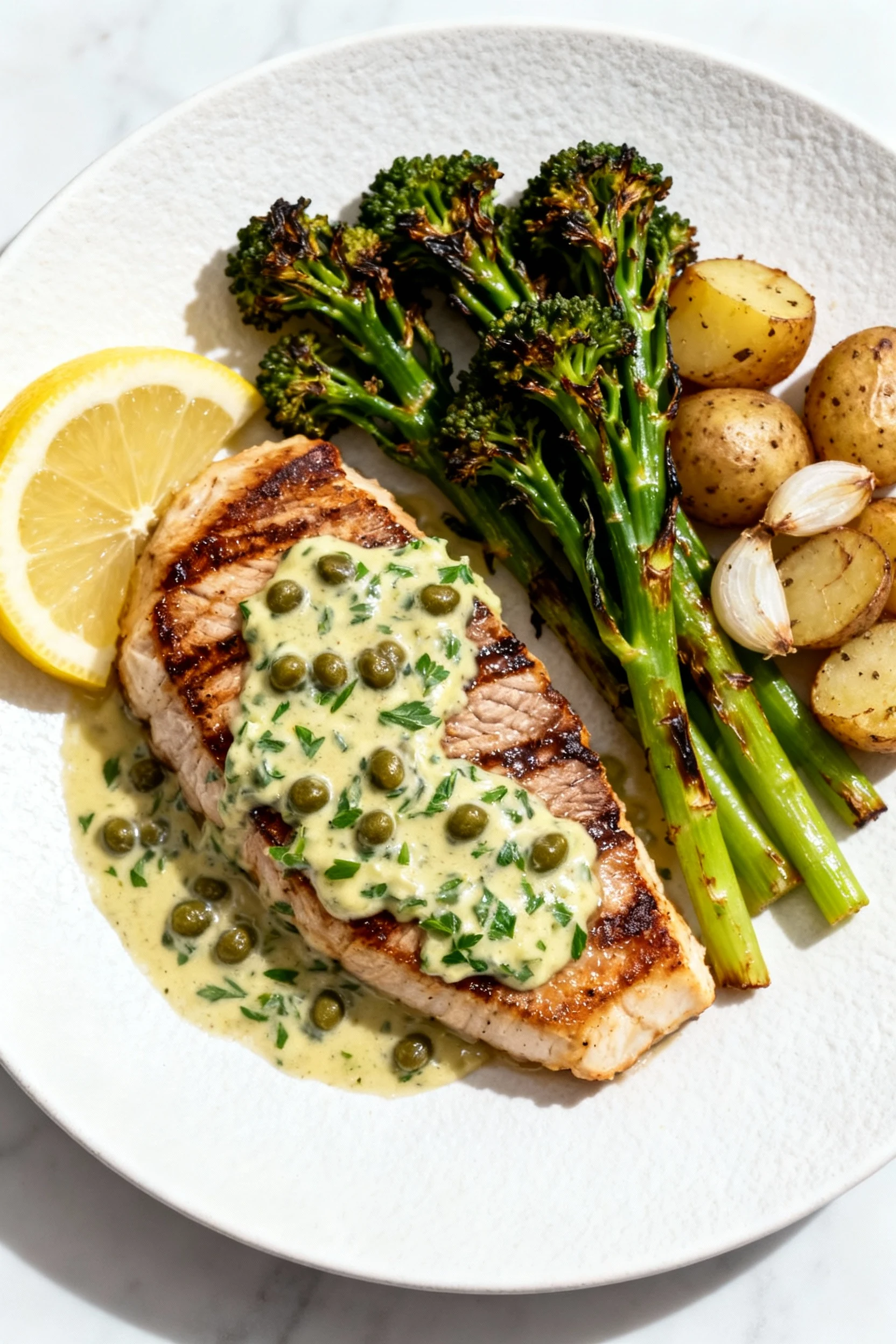
- Serve confidently: Plate with crisp sides—think charred broccolini, garlicky potatoes, or a citrusy salad—and watch it disappear.
Storage Tips
- Refrigerate fast: Cool, then store in an airtight container for up to 3 days.
- Reheat gently: Low oven (275°F) for 8–10 minutes or covered skillet on low. Don’t blast it—dryness is not the vibe.
- Freeze? Possible but not ideal. Texture can get dry. If you must, wrap tightly and thaw in the fridge before reheating.
- Use leftovers smart: Flake into pasta with olive oil and lemon, tuck into a ciabatta with arugula and aioli, or layer over farro with roasted veggies.
Nutritional Perks
Swordfish brings serious protein with minimal fuss—about 35–40 grams per 6-ounce serving. It’s naturally low in carbs, and when cooked with a light hand on oil, it delivers a satisfying, macro-friendly meal.
Beyond protein, you’ll get omega-3s plus nutrients like selenium and vitamin D. Pair it with fiber-rich sides—greens, beans, or whole grains—and you’ve got a balanced plate that hits taste and performance goals. FYI: portion control matters for nutrient balance and, yes, sustainability.
Avoid These Mistakes
- Overcooking past 140°F: This is how you get chalky fish. Pull at 130–135°F and let carryover do its thing.
- Skipping the preheat: Warm pan = weak crust. Hot pan/grill = restaurant sear. You choose.
- Marinating too long in acid: Lemon is great, but 15–30 minutes is plenty. Longer can toughen the exterior.
- Not drying the steaks: Water is the enemy of browning. Pat dry like a pro.
- Thin cuts: Go 1–1.5 inches thick for easy control and a juicy center.
- Flipping too often: Lay it down, let it sear, flip once. Resist the urge.
- Under-salting: Swordfish is meaty—season generously. Taste and adjust at the end.
- Skipping grate/pan oil: A light film prevents sticking and gives better color.
- Hiding it under heavy sauce: Let the fish shine. Bright butter-lemon finishes beat gloppy cream, IMO.
Variations You Can Try
- Sicilian style: Olive oil, garlic, lemon, capers, olives, and fresh oregano. Finish with a splash of white wine in the pan.
- Chimichurri: Parsley, cilantro, oregano, garlic, red wine vinegar, and olive oil. Spoon over after searing for zing.
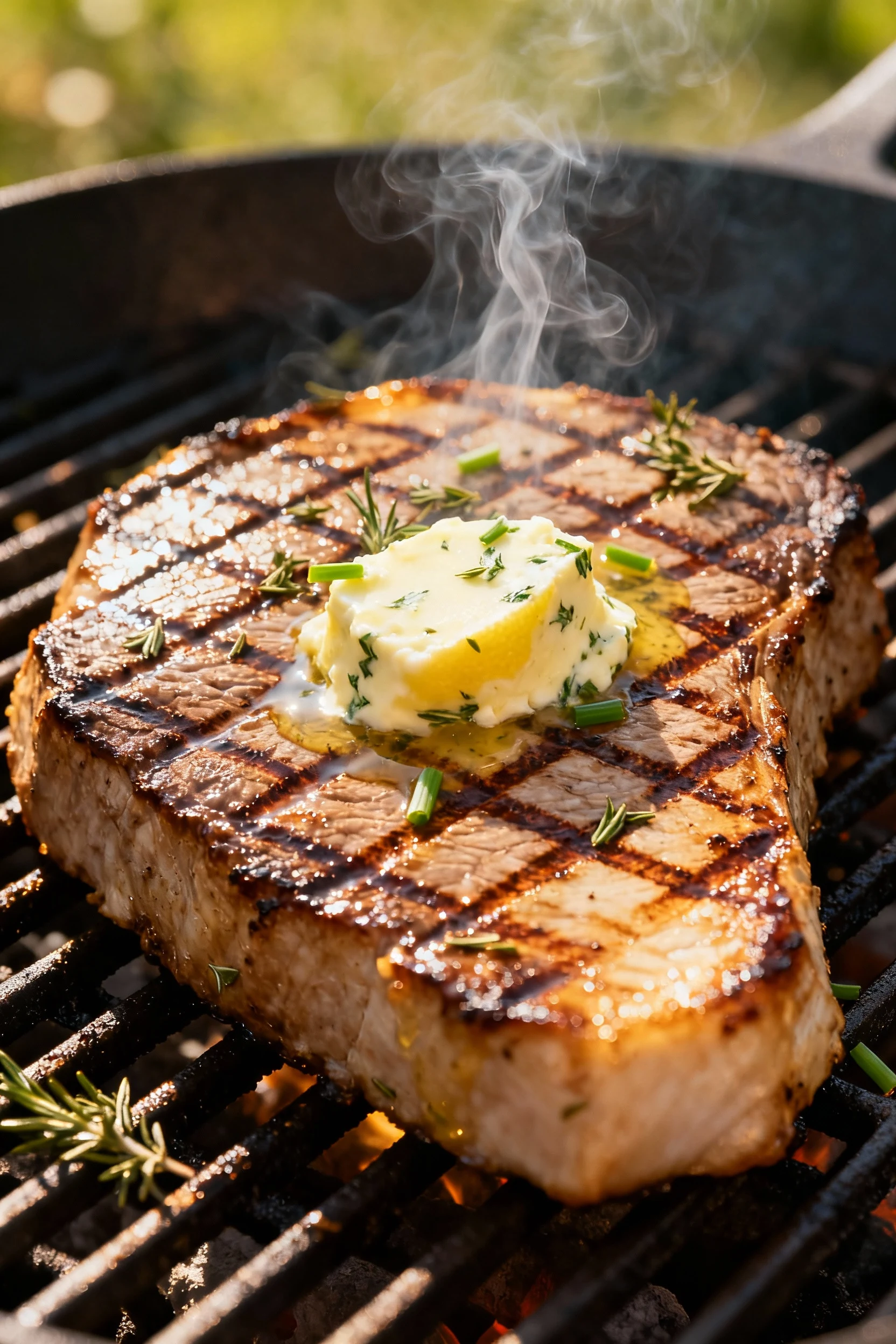
- Lemon-herb butter: Mix softened butter with lemon zest, parsley, and chives. Melt on the hot steaks and watch magic happen.
- Cajun blackened: Coat with paprika, cayenne, garlic powder, onion powder, thyme, and salt. Sear in butter for spicy crust.
- Miso-ginger glaze: White miso, soy sauce, honey, rice vinegar, and grated ginger. Brush on during the last minute.
- Tomato-basil pan sauce: Cherry tomatoes, garlic, basil, and a knob of butter. Simmer briefly and pour over.
- Mediterranean kebabs: Cube swordfish, skewer with peppers and red onion, brush with lemon-oregano oil, and grill.
- Piccata vibes: Quick pan sauce with lemon, capers, parsley, and butter. Light, bright, and very plate-lickable.
- Harissa and honey: Sweet heat that’s addictive. Great with couscous and mint yogurt.
- Garlic-parmesan crumbs: Finish with toasted panko, garlic, parsley, and parmesan for crunchy contrast.
FAQ
What internal temperature should swordfish be cooked to?
For juicy results, target 130–135°F in the thickest part, then rest 5 minutes. It should be opaque but still moist, with a slight gloss. Overcooking is the fastest way to turn great fish into sawdust—don’t do it.
Can I bake swordfish instead of searing?
Yes. Bake at 425°F on an oiled sheet pan for 8–12 minutes, depending on thickness. For color, switch to broil for the last minute. TBH, a quick pan or grill sear gives better flavor, but baking works when you need hands-off.
Is swordfish safe to eat often?
Swordfish can be high in mercury. Most guidelines suggest enjoying it occasionally rather than daily, especially for pregnant people and kids. Rotate with lower-mercury fish like salmon or trout for balance. FYI: quality and sourcing matter—ask your fishmonger.
Do I need to remove the skin before cooking?
Many swordfish steaks are sold skin-on. You can cook with the skin—it helps with moisture—and remove it after searing if you prefer. If skin is very thick or leathery, trim before cooking for easier eating.
Can I use frozen swordfish?
Absolutely. Thaw in the fridge overnight and pat dry thoroughly. Frozen can be excellent if it was flash-frozen and stored well. Just avoid waterlogged fillets; dryness and a firm texture are your friends when aiming for a crisp sear.
What sides pair best with swordfish?
Crisp and bright sides win. Try lemony arugula salad, grilled asparagus, garlicky potatoes, or herby couscous. Anything with acid and crunch balances the meaty profile of swordfish and keeps the plate from feeling heavy.
Why does my swordfish turn tough?
Two main culprits: overcooking and acid-heavy marinades left too long. Pull at 130–135°F and rest. Keep marinating under 30 minutes, especially with lemon or vinegar. Also, choose 1–1.5-inch steaks for better control.
In Conclusion
Swordfish brings steakhouse swagger to seafood, and this method guarantees a crisp crust, a tender center, and bright, buttery flavor. With high heat, smart seasoning, and a quick rest, you can nail the timing and serve a plate that looks—and tastes—like it came out of a pro kitchen.
Keep the variables simple, rotate a few bold variations, and pair with crunchy, citrusy sides. The result? A weeknight-friendly dinner that makes you look like you had a plan all along. Now go sear something glorious.
Printable Recipe Card
Want just the essential recipe details without scrolling through the article? Get our printable recipe card with just the ingredients and instructions.