Sushi Recipes That Turn Weeknights Into Chef-level Wins
Simple rolls and bowls in 30 minutes with grocery-store fish, no fancy gear, lower cost, higher flavor. Weeknight friendly.
You want restaurant-level sushi without the $80 tab and a three-hour wait? Good. You’re about to build a sleek, repeatable system that cranks out pristine rolls and bowls in less time than it takes your delivery app to find a driver. The trick isn’t wizardry; it’s tight prep, strategic shopping, and a few zero-fail tactics chefs use daily. Even if your knife skills scream “amateur,” your results will look pro and taste dangerous-in-a-good-way. Let’s turn your kitchen into a low-key sushi bar and your weeknight into an easy win.
What Makes This Recipe So Good
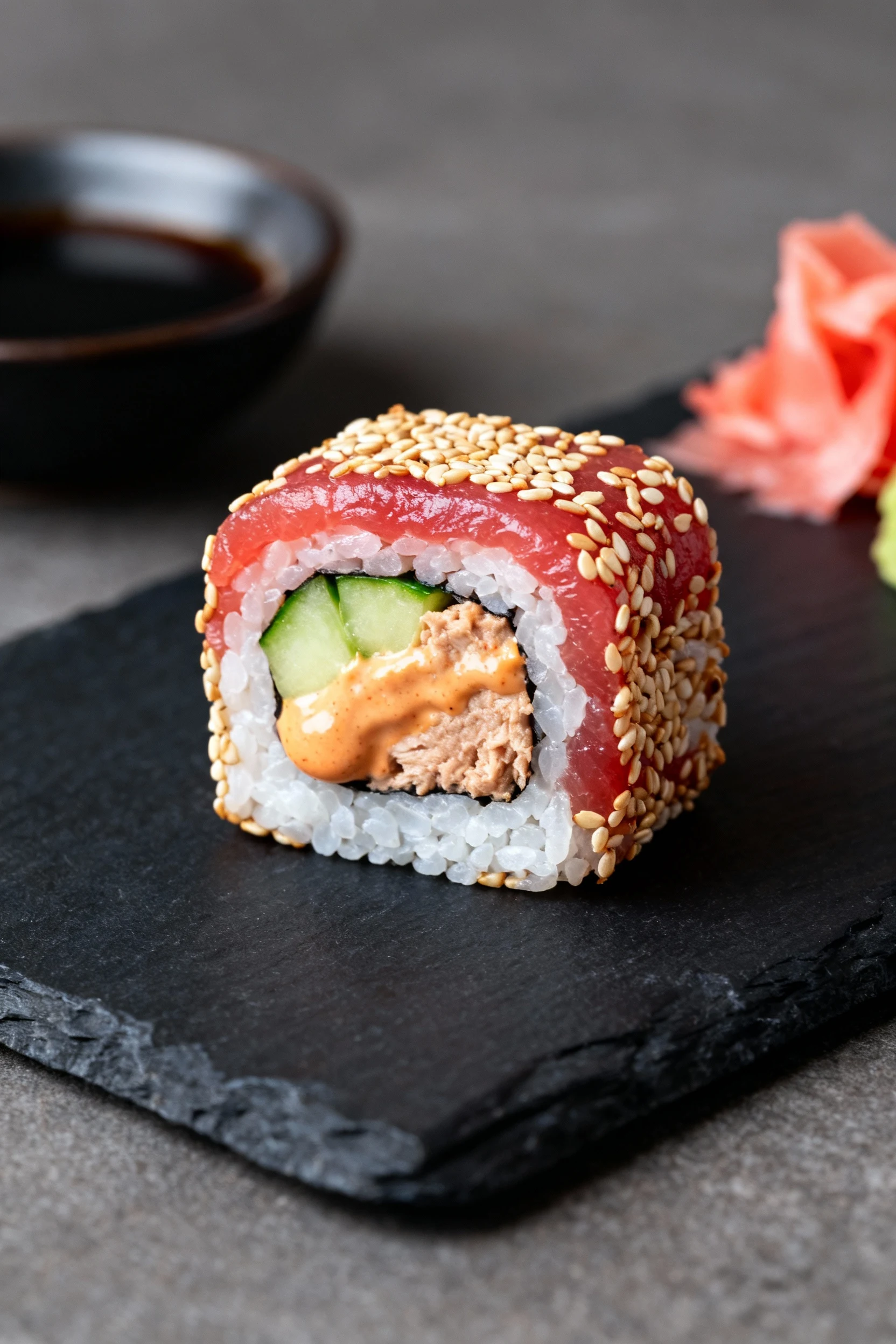
It’s fast, repeatable, and forgiving. You’ll cook seasoned sushi rice once, prep a few simple fillings, and then mix-and-match for rolls or bowls. That unlocks variety without extra work.
It uses normal, accessible ingredients. You can buy safe, high-quality fish at mainstream stores or go all-cooked with crab, shrimp, or tofu. No gatekeeping here—just smart choices.
It nails texture and flavor. Crisp nori, tender rice, bright acid, and a hit of umami keep every bite balanced. You’ll use chef-level ratios that make home sushi pop.
It scales easily. Make two rolls for a solo win or feed a crowd with a DIY station. The workflow stays simple, so you spend more time eating and less time cursing sticky rice.
Ingredients
For the Sushi Rice
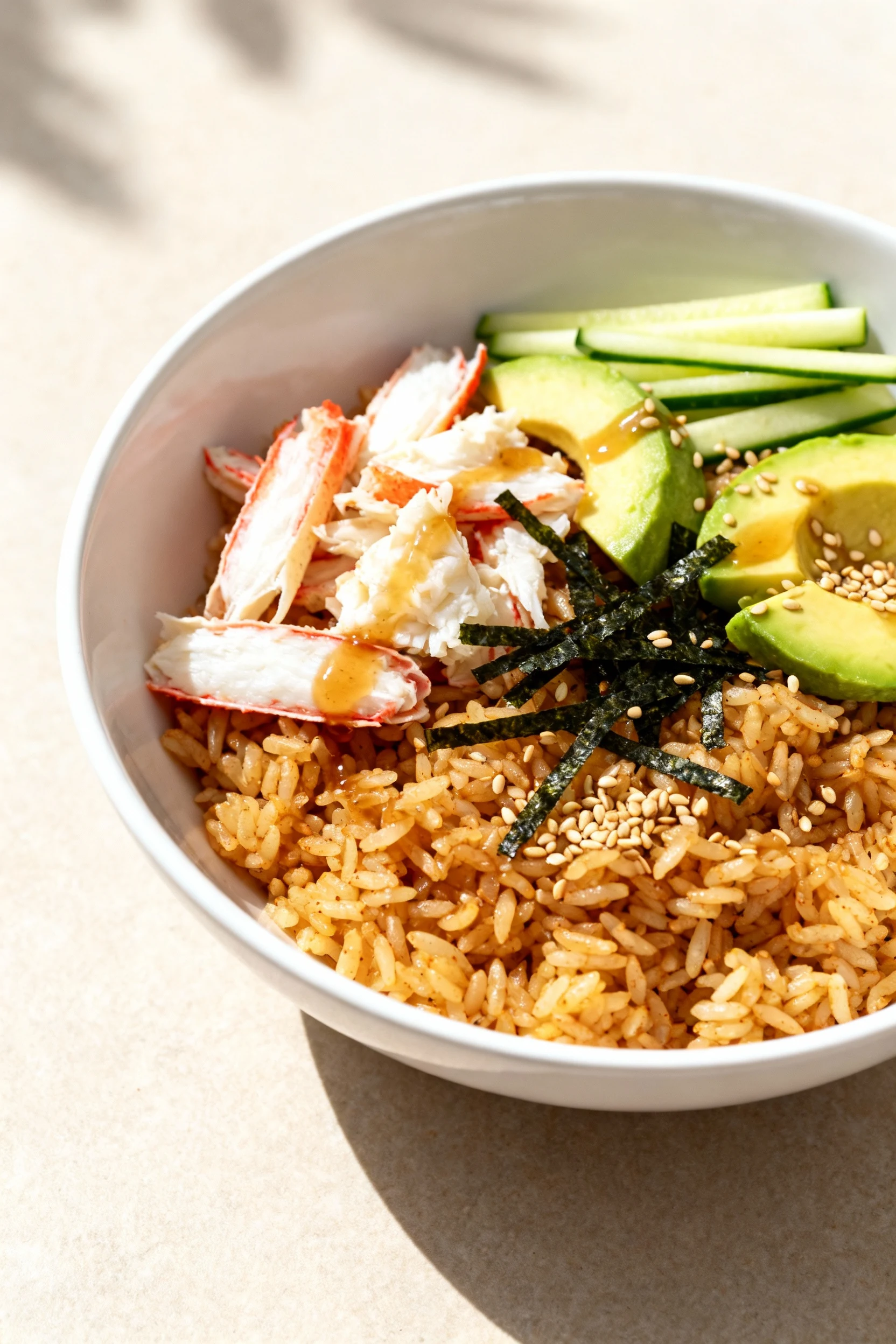
- 2 cups short-grain sushi rice, rinsed until water runs clear
- 2 cups water (plus a splash more if your rice runs dry)
- 1/4 cup rice vinegar
- 2 tablespoons sugar
- 1 teaspoon fine sea salt
For Rolls and Bowls
- 8–10 sheets nori (roasted seaweed)
- 6 ounces sashimi-grade salmon, chilled
- 6 ounces sashimi-grade tuna, chilled
- 6 ounces imitation crab sticks or real crab meat
- 1 large cucumber, cut into thin matchsticks
- 1 ripe avocado, sliced
- 2 green onions, finely sliced
- 2 tablespoons Japanese mayo (Kewpie) or regular mayo
- 1–2 teaspoons sriracha (for spicy tuna)
- Soy sauce, for dipping
- Wasabi and pickled ginger, for serving
- Toasted sesame seeds, optional
- Tempura flakes or crushed rice crackers, optional crunch
Tools
- Bamboo rolling mat (or a clean kitchen towel + plastic wrap)
- Very sharp knife for clean slices
- Small bowl of water mixed with a splash of rice vinegar (for wetting fingers)
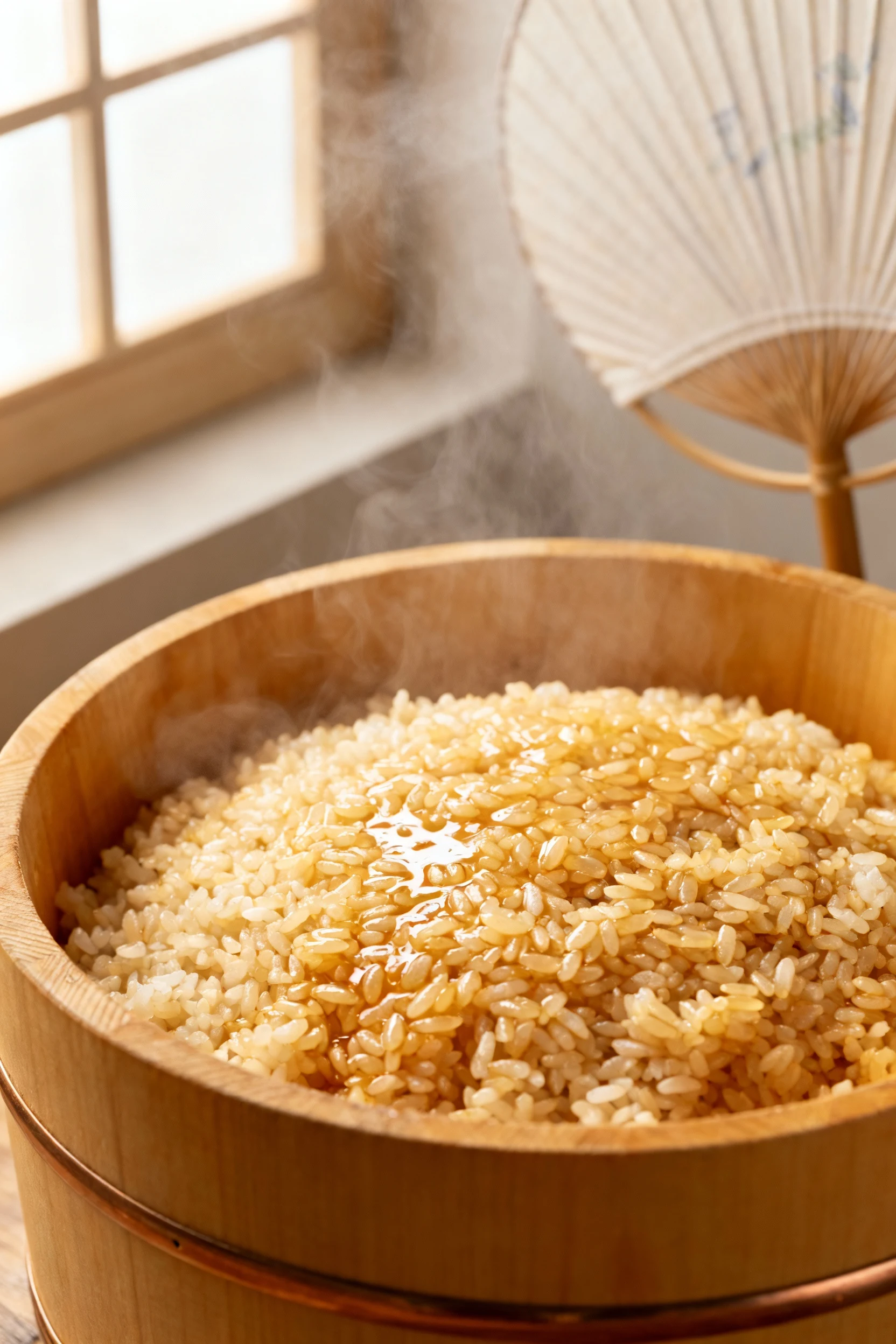
- Large bowl or hangiri (wooden rice tub), if you have one
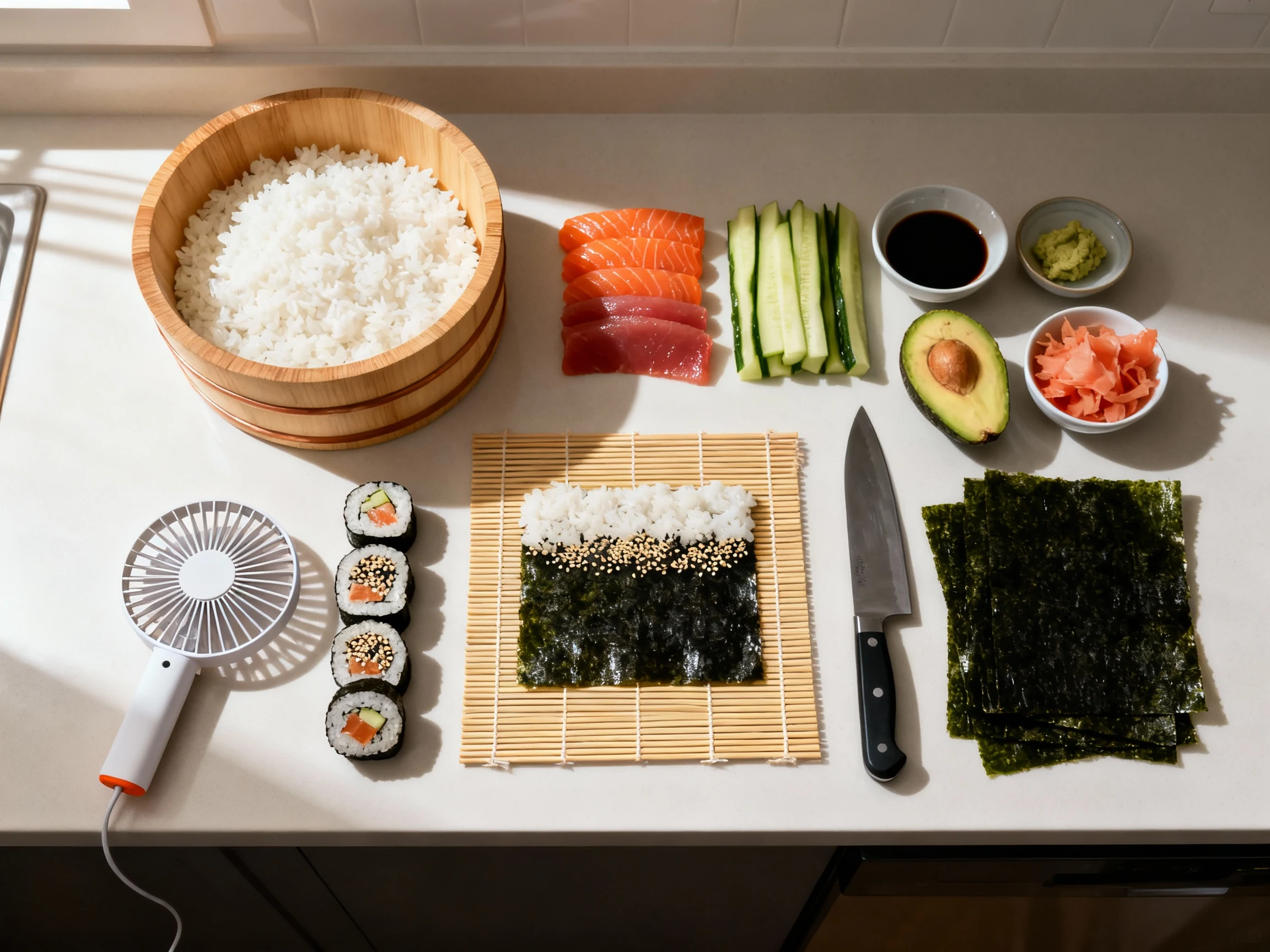
- Fan or piece of cardboard (for cooling rice fast—chef move)
Cooking Instructions
- Rinse the rice like you mean it. Swirl, drain, repeat until the water runs almost clear. This step keeps your rice fluffy, not gummy.
- Cook the rice. Combine 2 cups rinsed rice with 2 cups water in a pot. Bring to a gentle boil, cover, lower heat, and cook 12–15 minutes. Let it rest, covered, 10 minutes.
- Make sushi vinegar. Warm rice vinegar with sugar and salt until dissolved (do not boil). This ratio builds shine, aroma, and that signature sushi tang.
- Season and cool the rice. Transfer rice to a large bowl. Pour the vinegar mixture over and fold gently with a cutting motion (don’t mash). Fan while mixing to cool quickly and add gloss.
- Prep fillings. Slice fish into thin strips or cubes. Julienne cucumber. Slice avocado. Stir tuna with mayo and sriracha for spicy tuna. Keep everything cold.
- Set your station. Place the bamboo mat, a cutting board, a sharp knife, the small vinegar-water bowl, nori sheets, rice, and fillings within easy reach. Organization saves sanity.
- Roll standard maki. Lay a nori sheet shiny side down. Wet fingers, spread a thin layer of rice (about 3/4 of the sheet). Add fillings horizontally. Roll tightly, using the mat to compress.
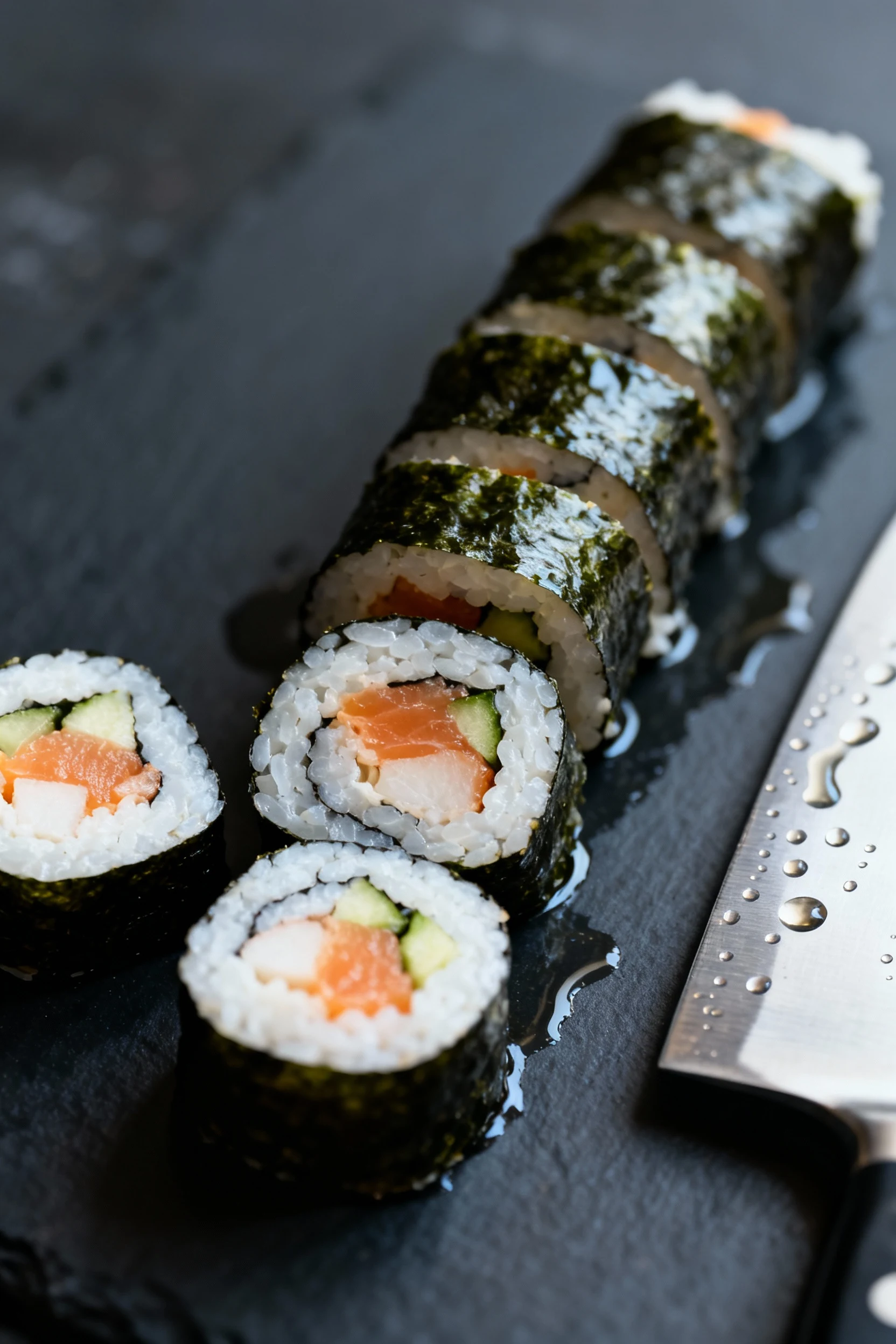
- Slice cleanly. Wet the knife with the vinegar-water and slice the roll into 6–8 pieces. Wipe and re-wet between cuts for pro-level edges.
- Make inside-out rolls (uramaki). Spread rice over nori, flip so rice faces down on the mat. Add fillings and roll. Sprinkle sesame seeds or tempura flakes on the outside for crunch.
- Build sushi bowls. Add a scoop of rice to a bowl. Top with fish, cucumber, avocado, green onion, sesame seeds, and drizzle soy + mayo or ponzu. Zero rolling, maximum payoff.
- Form simple nigiri (optional). Shape small rice ovals with damp hands. Top with a slice of fish. Press gently for adhesion. Add a micro-dot of wasabi under the fish if you like danger.
- Serve smart. Plate with pickled ginger, wasabi, and soy sauce. Keep cold items cold. Eat soon—texture and aroma peak in the first hour.
Preservation Guide
Eat raw fish the same day. For safety and quality, serve within a few hours of prep, and keep it chilled until plating. If you used cooked items (crab, shrimp, tofu), you get a bit more leeway.
Leftover rice: Cool quickly, then store in an airtight container up to 24 hours in the fridge. Rehydrate with a few drops of water and a quick steam or microwave. It won’t be perfect, but it’ll work for bowls.
Leftover rolls: Wrap tightly in plastic and refrigerate up to 24 hours if the fillings are cooked. Raw fish rolls don’t age well—texture drops fast and the nori gets tragic.
Do not freeze: Freezing wrecks sushi rice texture and turns vegetables into sad, watery versions of themselves. FYI: your avocado will protest loudly.
What’s Great About This
- 30-minute flow that beats delivery time, and you control the quality.
- Flexible format: rolls or bowls, raw or cooked, spicy or classic.
- Budget-friendly: use grocery-store fish or cooked proteins without sacrificing flavor.
- Beginner-friendly techniques with pro touches (fan-cooled rice, vinegar-water for clean cuts).
- Scalable: double the rice, add more fillings, and feed a crowd without chaos.
What Not to Do
- Don’t skip rinsing the rice. Starchy rice = gluey rolls. That’s not the vibe.
- Don’t pack rice thick. Thin, even layers keep rolls tight and clean. Overstuffed rolls explode like drama.
- Don’t use dull knives. You’ll shred nori and crush fillings. Sharpen or at least use a freshly honed blade.
- Don’t leave fish warm. Keep it cold until assembly. Safety and texture both depend on chill.
- Don’t over-soak nori. Wet fingers are fine; soggy seaweed is not. Work swiftly.
Recipe Variations
Spicy Tuna Roll
Mix diced tuna with Japanese mayo and sriracha. Add cucumber for crunch. Top the roll with sesame seeds for a subtle nutty finish.
California Roll
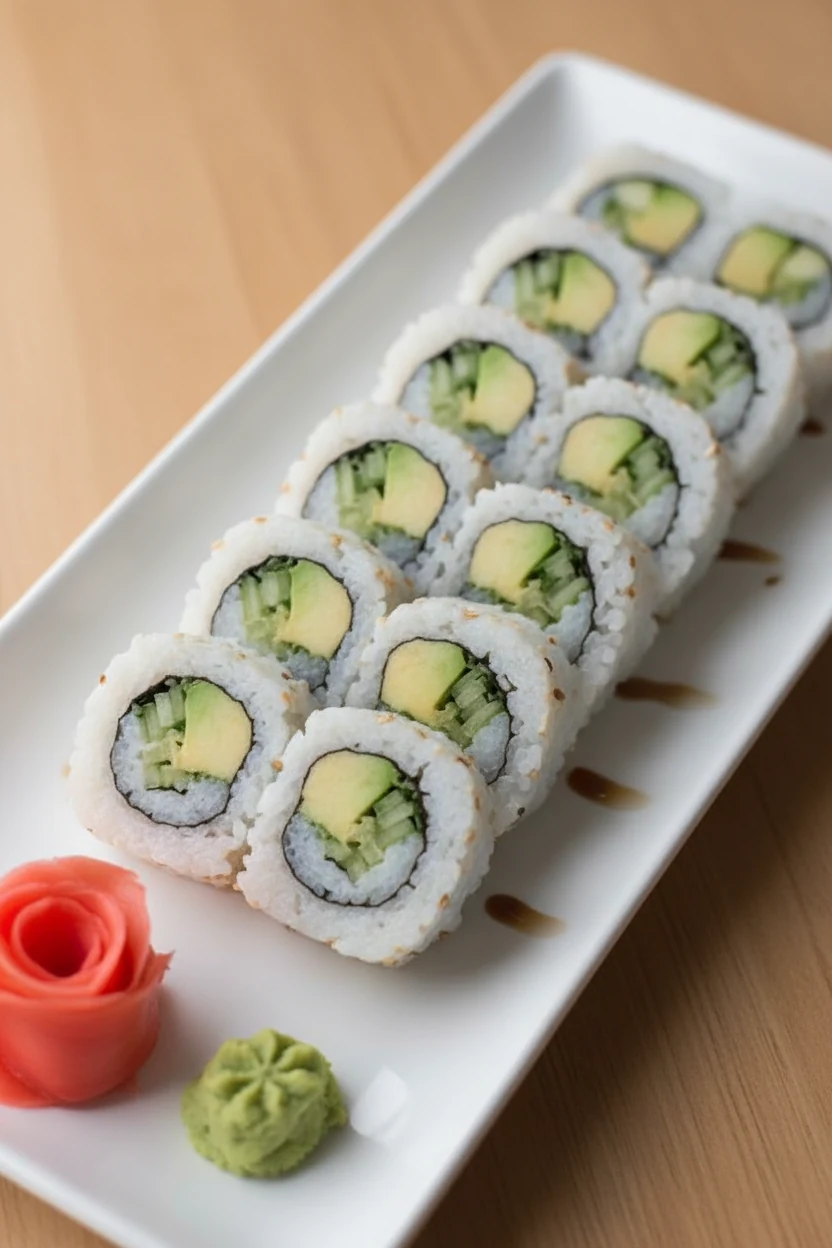
Use crab (imitation or real), avocado, and cucumber. Make it inside-out and roll in sesame seeds. Simple, crowd-pleasing, and zero raw fish.
Salmon Avocado
Layer salmon and avocado with a whisper of green onion. Finish with a light soy drizzle or a dot of wasabi if you like thrill rides.
Tempura Crunch Roll
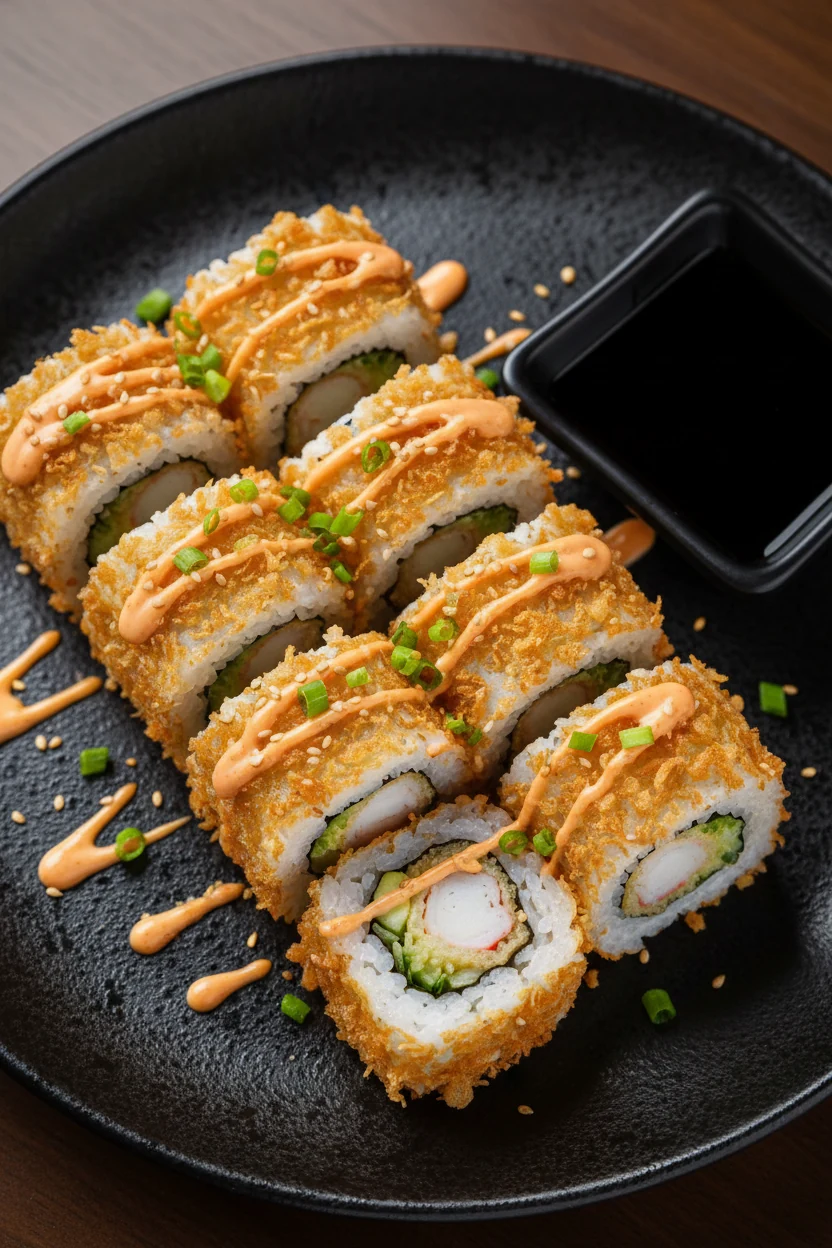
Fill with shrimp or crab, then roll the outside in tempura flakes. The contrast of crisp exterior and tender interior hits every dopamine switch.
Veggie Rainbow
Pack cucumber, avocado, carrot matchsticks, and tofu. Add pickled radish for brightness. Drizzle with ponzu for citrusy umami.
Poke Bowl Shortcut
Top rice with cubed salmon or tuna, soy, sesame oil, green onion, and avocado. Add furikake and crunchy bits. No rolling, all flavor.
FAQ
Can I safely use grocery-store fish?
Yes—buy from a reputable counter, ask for fish suitable for raw prep, and keep it cold. If you’re unsure, choose cooked proteins like crab, shrimp, or tofu.
Do I need a bamboo mat?
No. Wrap a kitchen towel in plastic and use it as a makeshift mat. It gives enough grip and pressure to roll tight without special gear.
Is brown rice okay here?
You can use it, but expect firmer texture and less stickiness. IMO it works best for bowls; for tight rolls, short-grain white rice performs better.
How do I stop nori from turning soggy?
Spread rice thin, roll promptly, and serve soon. Keep fillings fairly dry and avoid over-saucing inside the roll. Sauces belong on top or on the side.
What’s the right amount of rice per roll?
About 3/4 cup cooked rice per standard nori sheet. Thin, even coverage is the goal; you should still see the nori in spots through the rice.
Can I prep anything ahead?
Yes—mix sushi vinegar, slice veggies, and chill your fish. Cook rice right before serving, season it, and use it slightly warm for best rolling and flavor.
Does frozen fish work?
Quality frozen fish can be great. Thaw slowly in the fridge, pat dry, and keep it cold. TBH, many sushi bars rely on properly handled frozen fish.
My Take
Home sushi wins when you treat it like a system, not a flex. Nail the rice, chill the fish, organize your station, and keep the rolls minimal and tight. That combo delivers pro texture and clean flavor, minus the restaurant bill. Keep it simple, repeat it weekly, and watch your “weeknight dinner” reputation skyrocket.
Printable Recipe Card
Want just the essential recipe details without scrolling through the article? Get our printable recipe card with just the ingredients and instructions.