Steak Marinade Recipes That Make Cheap Cuts Taste Prime
Weeknight-friendly base marinade with bold swaps for date night, BBQs, and meal prep. Tender steak, big flavor, minimal ingredients.
You don’t need a $40 ribeye to eat like a king—you need a strategy. Marinades turn grocery-store specials into steakhouse-worthy bites with a few smart levers: acid, salt, fat, and umami. Pull them right, and even flank steak puffs its chest like filet. Pull them wrong, and you get mushy, salty regret. Let’s load your toolkit so your grill smells expensive and your neighbors “just happen” to stop by.
The Secret Behind This Recipe
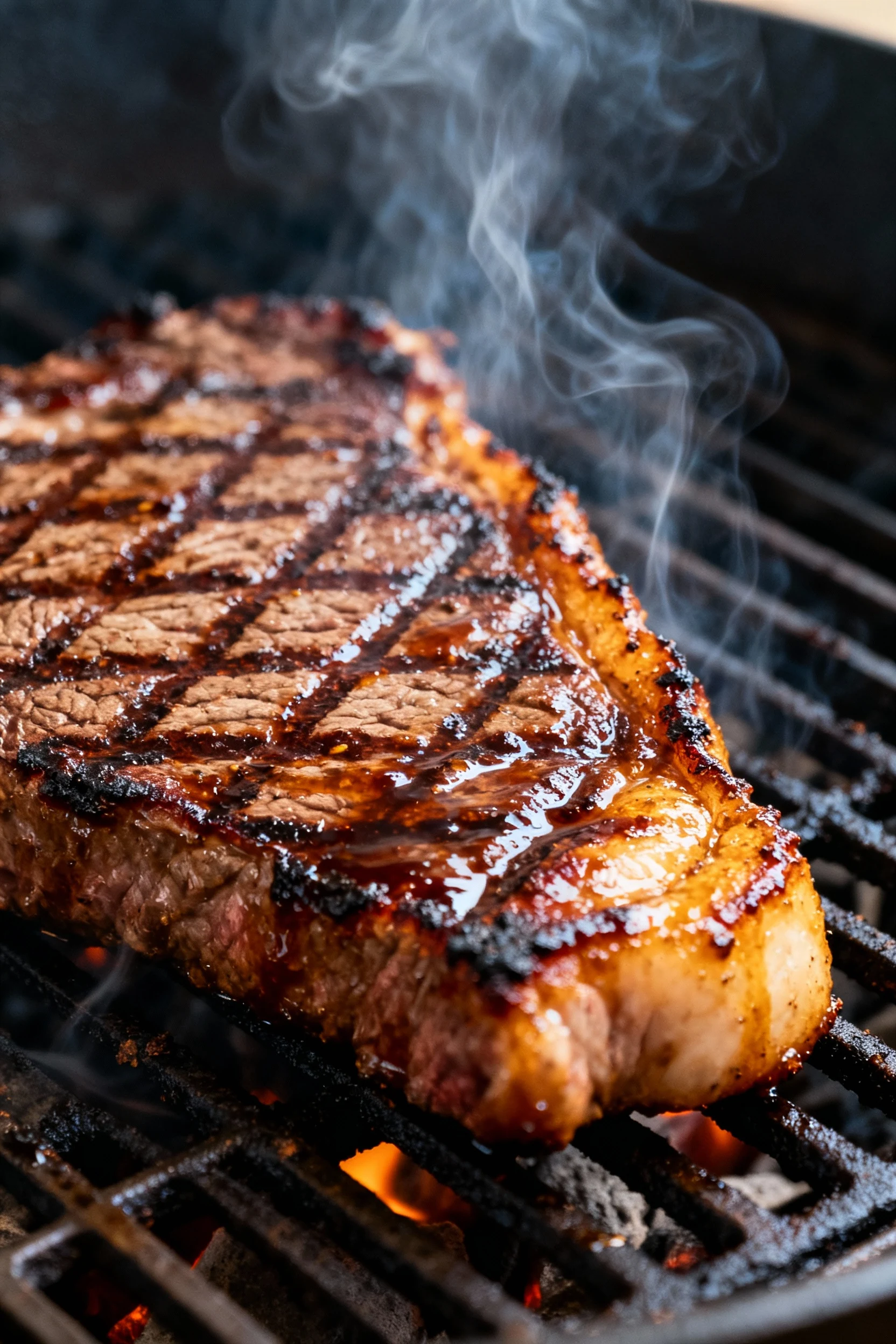
Great marinades work because they balance acid (to brighten and soften), salt (to season and help retain moisture), fat (to carry flavor), and umami (to intensify beefiness). Sweetness assists browning and rounds out edges. Aromatics add character. Simple, right? FYI, most fails come from overdoing just one lever.
Use a simple, repeatable formula: 3-2-1-1. That’s 3 parts savory (soy or tamari), 2 parts oil (olive or neutral), 1 part acid (vinegar, citrus, or wine), and 1 part “boost” (Worcestershire, fish sauce, mustard, or a combo). Layer in aromatics and a measured touch of sugar or a low-carb sweetener if you want more sear.
Control time like a hawk. Acid doesn’t “melt” steak, but too much time makes the surface mealy. Lean, thin cuts need less time; thicker, marbled cuts can lounge longer. You’ll also see big gains if you pat the steak dry before cooking and let it rest after. Small moves, huge ROI.
Ingredients
Base All-Purpose Marinade (for ~2 lb steak)
- 1/3 cup soy sauce (or tamari for gluten-free)
- 1/3 cup olive oil (or avocado/neutral oil)
- 1/4 cup red wine vinegar (or lemon juice)
- 2 tablespoons Worcestershire sauce
- 1 tablespoon Dijon mustard
- 2 tablespoons brown sugar or honey (or 1 tablespoon erythritol for low-carb)
- 4 garlic cloves, minced
- 1 teaspoon coarse black pepper
- 1/2 to 1 teaspoon kosher salt (adjust if your soy is salty)
- 1 teaspoon onion powder
- 1 teaspoon smoked paprika
- 1/2 teaspoon red pepper flakes (optional)
- 1 teaspoon fish sauce (optional, big umami payoff)
- 2 sprigs fresh rosemary or 1 teaspoon dried thyme (optional)
Date-Night Balsamic Rosemary
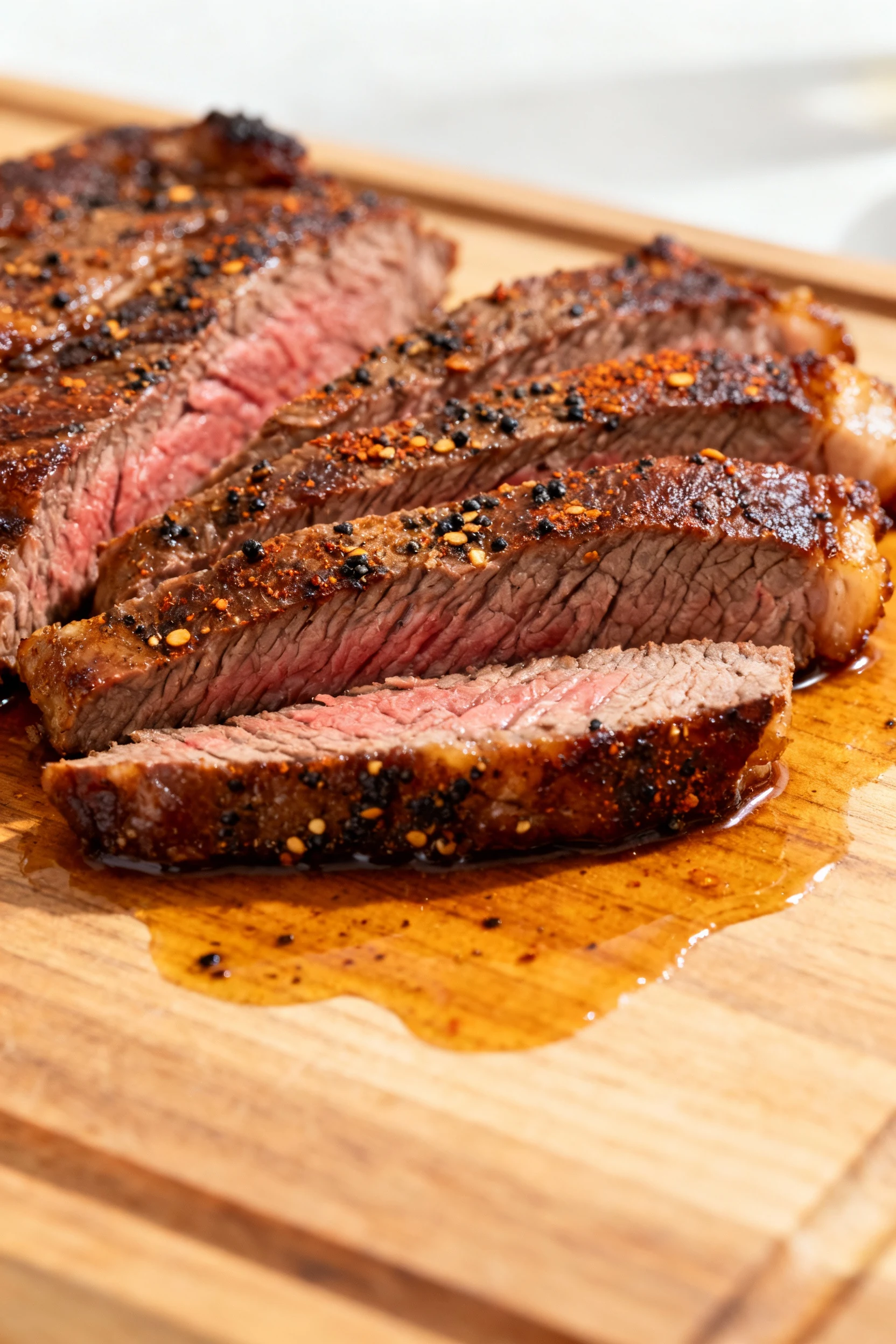
- Swap red wine vinegar for 1/4 cup balsamic
- Add 2 teaspoons chopped fresh rosemary
- Use 1 tablespoon honey instead of brown sugar
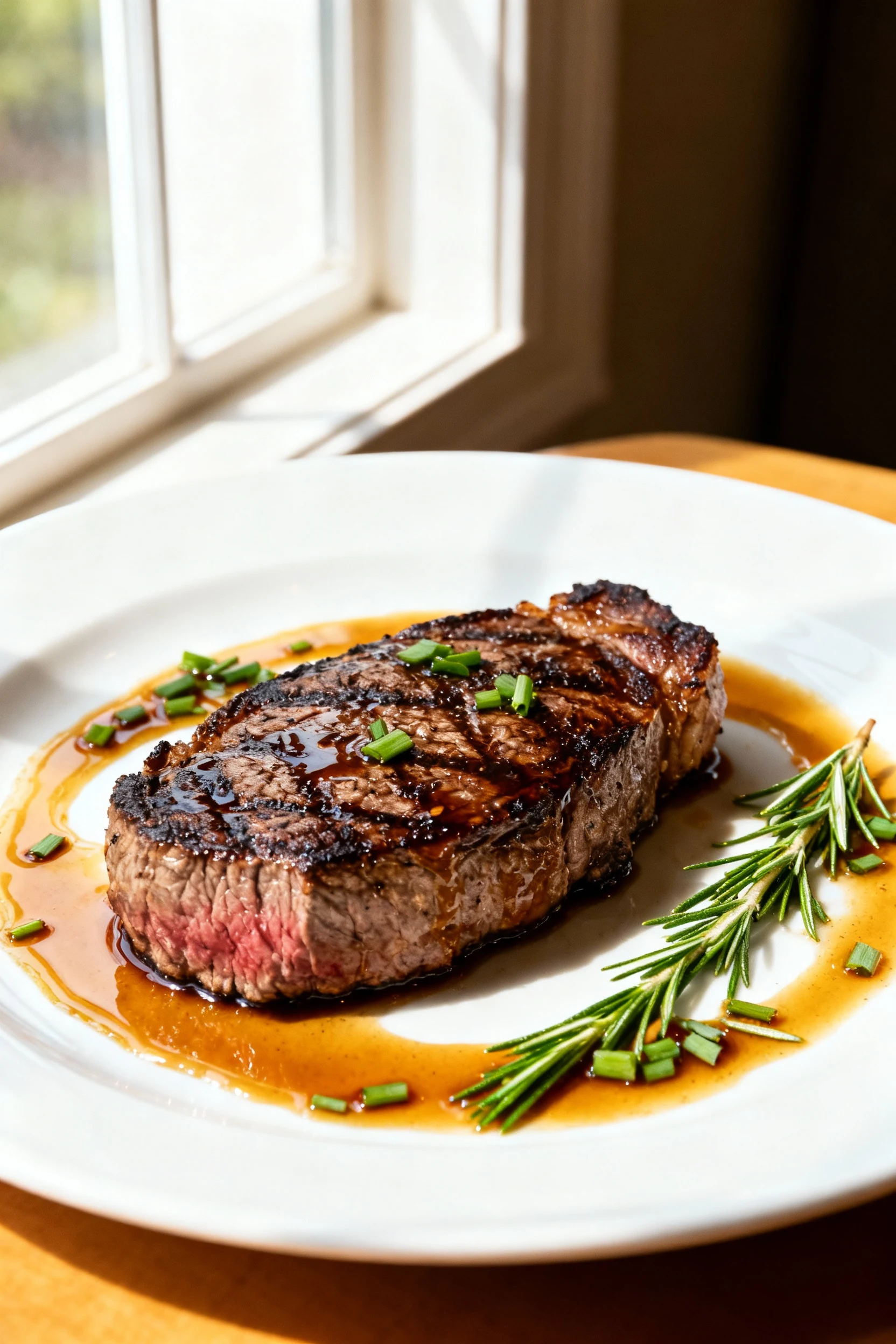
Korean-Inspired Sesame Ginger
- Replace olive oil with toasted sesame oil (2 tablespoons) plus 2 tablespoons neutral oil
- Add 2 tablespoons grated fresh ginger and 1 tablespoon gochujang
- Swap brown sugar for 3 tablespoons pear or apple puree
Chimichurri-Style Citrus Herb
- Use lime juice for the acid
- Add 1/2 cup finely chopped parsley and 2 tablespoons oregano
- Stir in 1 small shallot, minced
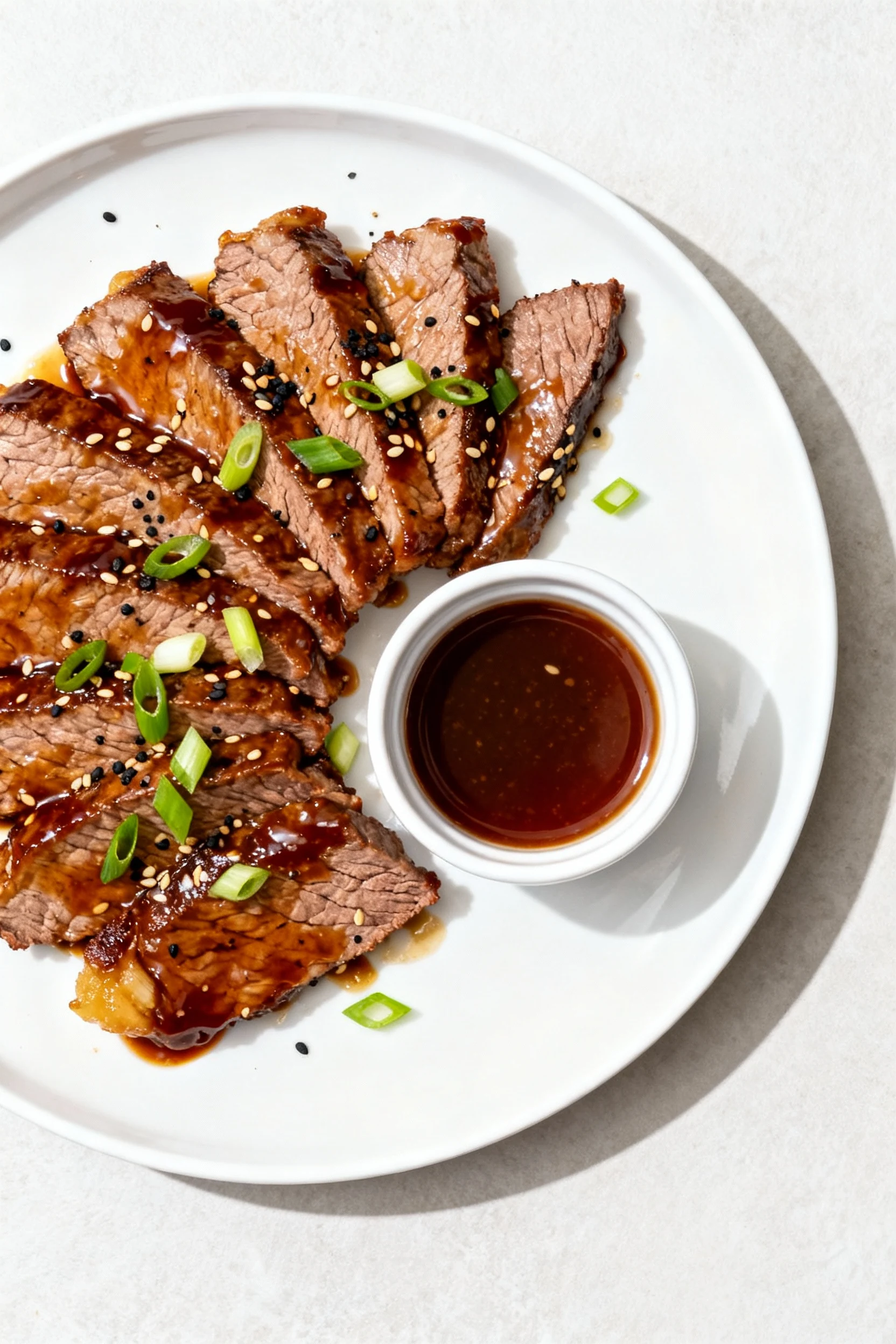
Coffee-Chipotle Char Booster
- Use 1/4 cup brewed strong coffee as part of the acid/boost
- Add 1 teaspoon chipotle powder
- Swap sweetener for 1 tablespoon molasses
Lime-Cilantro Fajita
- Replace vinegar with 1/4 cup lime juice
- Add 1 teaspoon ground cumin and 1 teaspoon chili powder
- Stir in 1/4 cup chopped cilantro
Soy-Free, Keto-Friendly
- Use coconut aminos instead of soy (reduce added sweetener)
- Skip honey/sugar; add 1 teaspoon monk fruit or erythritol if desired
- Lean on fish sauce and Dijon for umami
Instructions
- Choose your cut. Great budget picks: flank, skirt, sirloin, top round, flat iron. Ribeye and NY strip take well to short soaks for extra swagger.
- Mix the marinade. Whisk all base ingredients (or a variation) in a bowl or shake in a jar until emulsified.
- Reserve a little for finishing. Set aside 2–3 tablespoons of clean marinade if you want a post-cook drizzle or glaze. Keep it separate from raw meat.
- Bag it smart. Add steak to a zip-top bag or shallow glass dish. Pour in marinade, press out air, and seal. Use about 1/2–3/4 cup marinade per pound of steak.
- Time it right. Refrigerate and turn once halfway through. Aim for:
- Skirt/flank/flat iron: 30 minutes–4 hours
- Sirloin/top round: 1–6 hours
- Ribeye/NY strip: 30–90 minutes
- Tenderloin: 15–45 minutes (minimal acid)
- Very tough cuts (london broil): up to 12 hours
- Dry for crust. Pull steak, discard marinade from the bag, and pat the surface dry. This step means better sear, not steam.
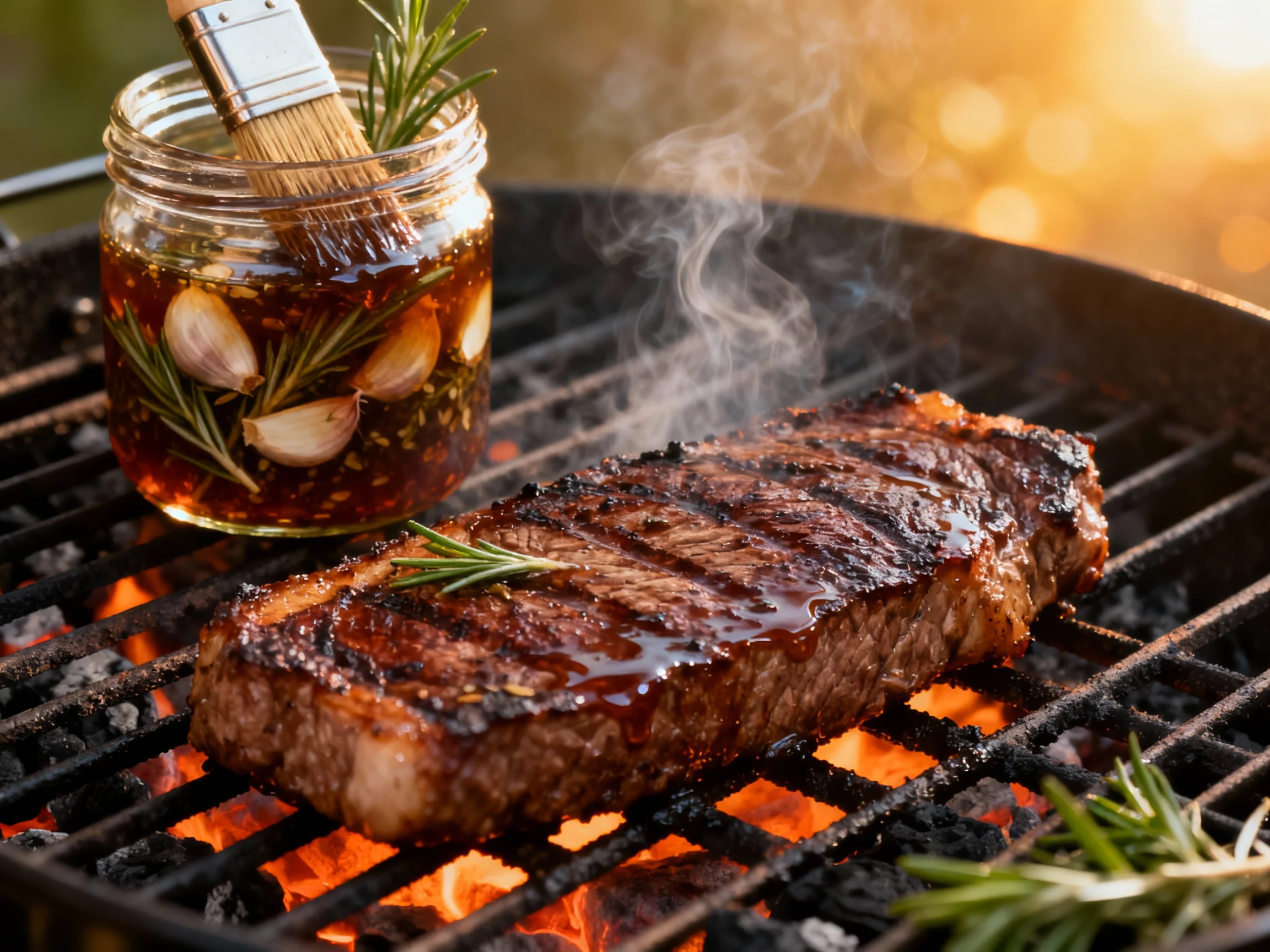
- Cook your way. Grill over high heat, pan-sear in a slick of oil, or broil. Aim for a deep brown crust and your preferred doneness. Rest 5–10 minutes.
- Optional sauce. If you want to use used marinade, boil it hard for at least 3 minutes to kill bacteria. Reduce until syrupy, then brush lightly.
- Finish and serve. Slice against the grain. Drizzle the reserved clean marinade or a squeeze of citrus. Bask in compliments.
Preservation Guide
Storing unused marinade: Keep clean, unused marinade in an airtight jar in the fridge for up to 7 days. If it contains fresh herbs or citrus zest, aim for 5 days. Freeze for up to 3 months.
Storing marinated steak: Refrigerate marinating steak for up to 24 hours, depending on cut and acid level. Don’t push past 48 hours or texture suffers.
Freezer meal prep: Add steak and marinade to a freezer bag, label, and freeze flat for up to 2 months. Thaw in the fridge overnight. It marinates as it thaws—pretty slick.
Reusing marinade: Only reuse marinade after cooking it. Rapidly boil for 3 minutes before basting or serving. Food safety isn’t optional, even if you like to live dangerously.
Why This is Good for You
- Better nutrient retention: A balanced marinade helps steak retain moisture, so you keep more iron, zinc, and B-vitamins on the plate, not in the pan.
- Potentially fewer grilling byproducts: Herb- and spice-rich marinades can reduce certain high-heat compounds that form on charred meat.
- Controlled sodium and sugar: You set the salt and sweetener. Skip bottled stuff that sneaks in corn syrup.
- Healthy fats, big flavor: Olive or avocado oil improves flavor delivery and satiety. TBH, that means you may eat less but feel satisfied.
- Protein, but tastier: A great marinade nudges you toward leaner, budget-friendly cuts without sacrificing joy. That’s a win for your wallet and macros.
Don’t Make These Errors
- Going acid-crazy: Too much lemon or vinegar for too long can make the surface mushy. Keep acid around 1 part in the base and watch the clock.
- Forgetting salt’s job: Light soy equals light salt. If you use low-sodium soy, add a bit of kosher salt so the brine effect actually happens.
- Sugar burn: Sweet marinades scorch fast. Use medium-high heat and move steaks to a cooler zone after sear, or keep sugar modest.
- Wet steaks on hot grates: Not patting dry = steamed beef. Dry it for that Maillard mic-drop.
- Wrong container: Don’t use reactive metals with acid. Use glass, ceramic, or food-safe plastic.
- Overcrowding the bag: The steak should bathe, not drown. Aim for full surface contact; split into two bags if needed.
- Skipping rest: Slice too soon and juices bail. Rest 5–10 minutes so they redistribute.
- Not tasting the marinade: Dip a spoon before it touches raw meat. Adjust salt, acid, and heat to your taste first. IMO, this is the cheat code.
Alternatives
- Acids: Red wine vinegar, balsamic, sherry vinegar, lemon, lime, orange juice, or dry red wine.
- Savory/umami: Soy sauce, tamari, coconut aminos, fish sauce, miso paste, anchovy paste, Worcestershire.
- Oils: Olive, avocado, grapeseed, or neutral canola. For strong flavors, mix 1–2 teaspoons toasted sesame oil.
- Sweeteners: Brown sugar, honey, maple, date syrup, or low-carb options like monk fruit or erythritol.
- Heat: Red pepper flakes, chipotle, gochujang, harissa, minced jalapeño, or black pepper.
- Herbs and aromatics: Garlic, shallot, scallion, rosemary, thyme, oregano, parsley, cilantro, mint, basil.
- Dietary tweaks: Gluten-free: tamari. Soy-free: coconut aminos + fish sauce. Keto: olive oil + vinegar + no sugar. Low-sodium: skip extra salt and use low-sodium soy.
- Other proteins: The base works on pork chops, chicken thighs, portobellos, and tofu (cut acid and time for delicate items). Adjust time and heat accordingly.
FAQ
How long should I marinate different steak cuts?
Skirt, flank, and flat iron love 30 minutes to 4 hours. Sirloin and top round do well with 1–6 hours. Ribeye and strip need just 30–90 minutes. Tenderloin is delicate—15–45 minutes max.
Can I marinate steak overnight?
Yes, but match the acid to the time. For an overnight soak, use a milder acid (like red wine or rice vinegar) and avoid heavy citrus. Check the texture before cooking; if it feels too soft, shorten next time.
Is it okay to use lemon juice only for the acid?
It works, but lemon is aggressive. Cut it with a bit of vinegar or a splash of water, and keep times short. Citrus shines as a finishing squeeze, too.
Do I need oil in the marinade?
Oil helps dissolve fat-soluble flavor compounds and improves browning. You can skip it, but the steak may taste flatter and stick more. A 1:1 ratio of savory to oil keeps things balanced.
Can I reuse marinade?
Not without cooking it. Boil used marinade for at least 3 minutes before you brush or serve it. Or better yet, reserve a clean portion up front for a hassle-free finish.
Do marinades actually tenderize steak?
They tenderize the surface and boost juiciness via salt and moisture retention. They don’t melt connective tissue deep inside like a long braise would. Choose the right cut and slice against the grain for tenderness you can feel.
Should I poke holes in the steak?
No need. You’ll lose juices and risk uneven texture. Thin cuts already absorb flavor quickly; thick cuts benefit more from time than perforation.
How much marinade per pound of steak?
Plan on 1/2 to 3/4 cup per pound. You want full contact, not a soup. Flip once during the marinating window for even coverage.
What’s the best container for marinating?
Use glass, ceramic, or food-safe plastic. Avoid aluminum, which can react with acids. Resealable bags are convenient and use less marinade for full coverage.
Can I make the marinade into a pan sauce?
Absolutely. Boil the used marinade hard, then reduce with a knob of butter or a splash of stock until glossy. Taste and adjust salt and acid before serving.
In Conclusion
Powerful marinades aren’t magic; they’re math with great taste. Balance acid, salt, fat, and umami; watch your time; dry the steak; and rest it. Do those steps and even budget cuts hit like luxury—no secret society membership required. Go mix a batch, label it, and keep it in the fridge. Your future self (and your grill) will thank you—promise.
Printable Recipe Card
Want just the essential recipe details without scrolling through the article? Get our printable recipe card with just the ingredients and instructions.