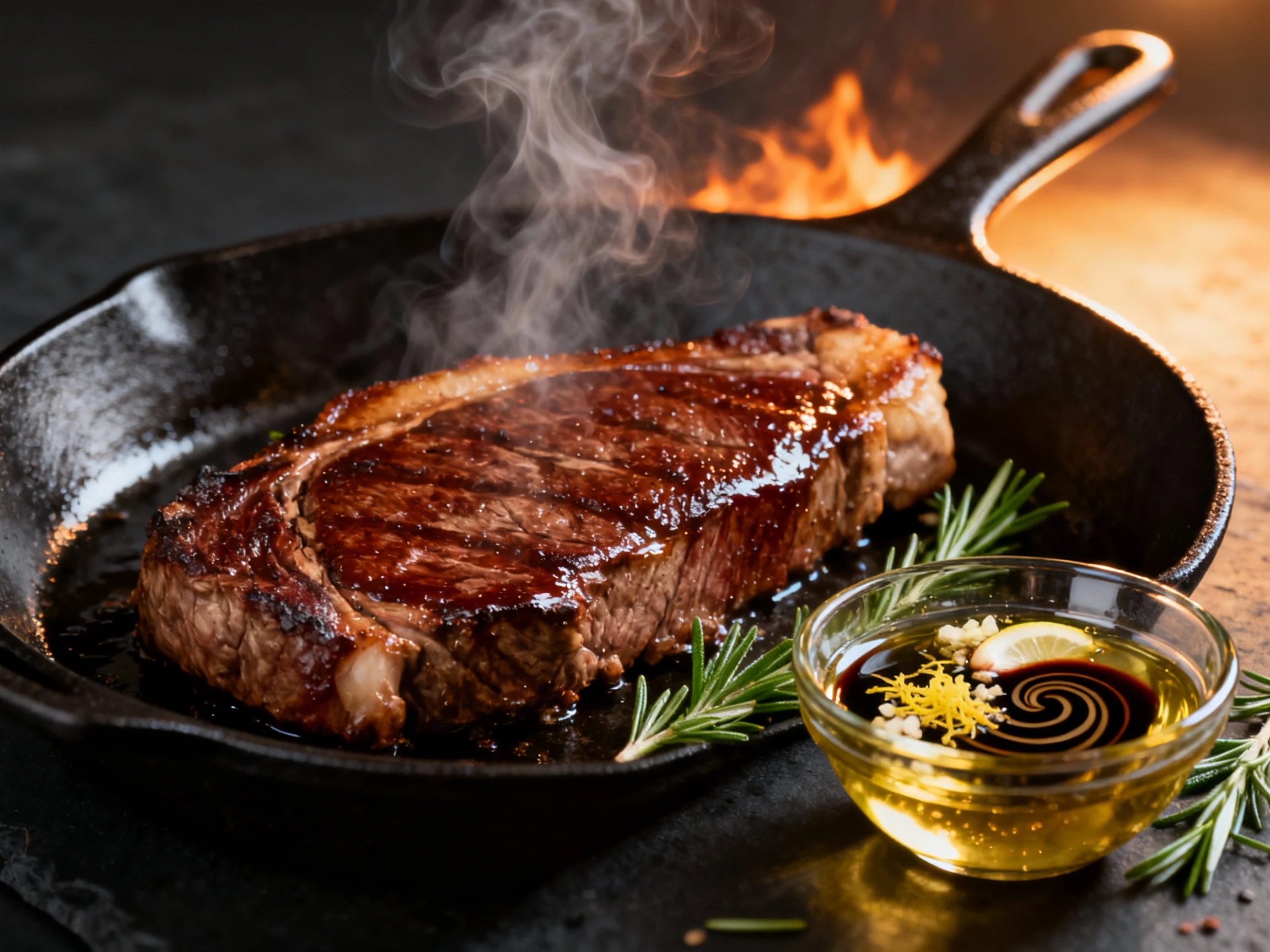
Steak Marinade Recipes That Turn Weeknights Into Wins
Fast, flavor-packed marinades for juicy steaks—minimal prep, pantry staples, and options for grills, skillets, or broilers.
You don’t need a $300 grill to make steak taste expensive—you need the right marinade and 30–90 minutes. Most people throw sauce at meat and pray; pros balance acid, salt, fat, and umami like it’s a cheat code. This guide gives you a simple base formula plus dialed-in flavor profiles that make even bargain cuts feel prime. Outcome: juicy steak, crispy crust, and compliments that sound suspiciously like applause.
Why This Recipe Works
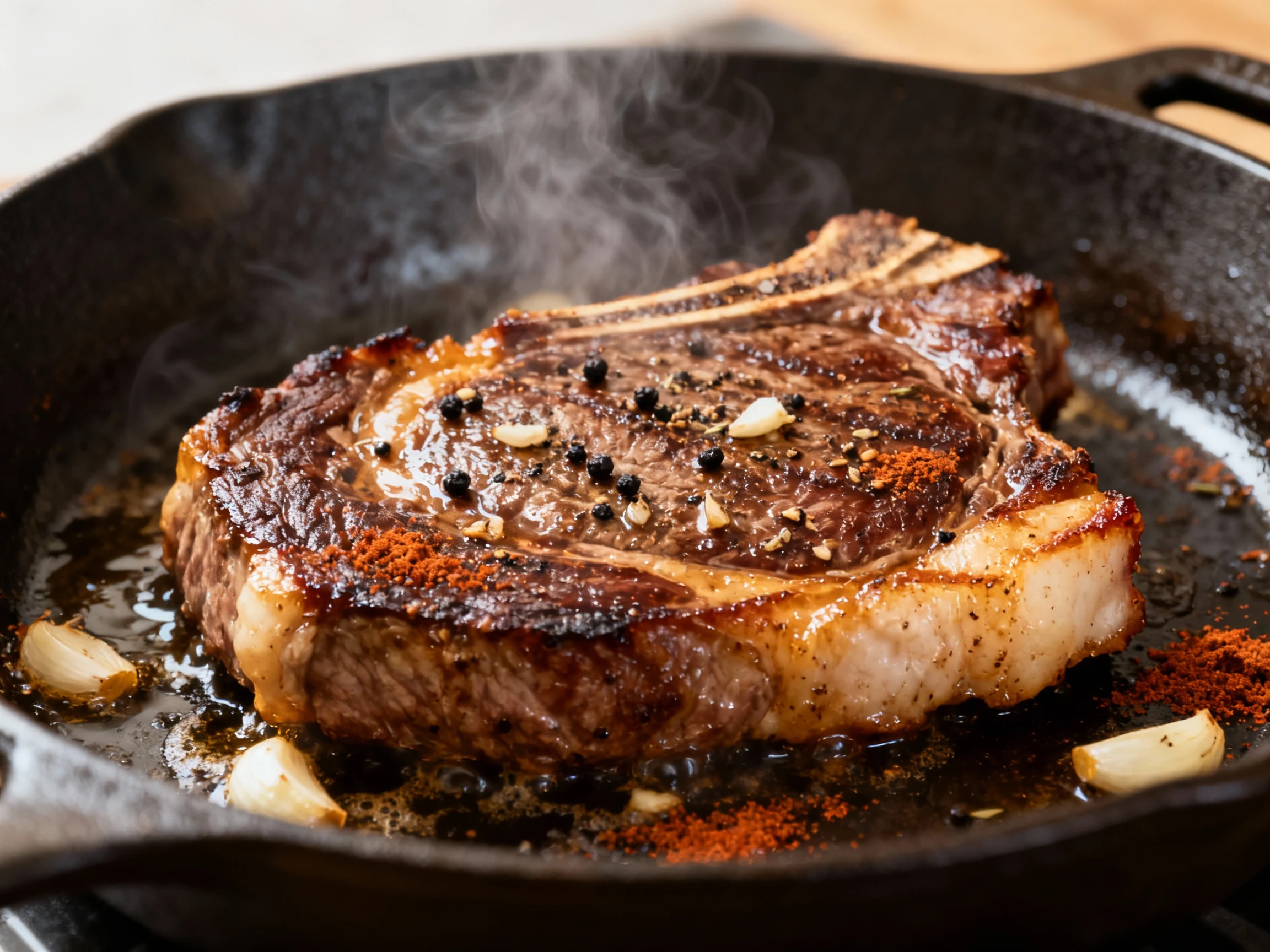
Your steak improves because we respect flavor chemistry and cut behavior. Acid (vinegar, citrus) loosens surface proteins just enough to boost tenderness, while oil carries fat-soluble aromatics into every nook. Salty, umami-rich components (soy sauce, Worcestershire) season thoroughly and amplify “meaty” vibes, and a touch of sugar supercharges browning.
We use a proven ratio so you don’t guess. Core formula: about 3 parts oil to 1 part acid, plus salty/umami boosters, aromatics, and a little sweetness. The marinade works at the surface (that’s normal), so we combine proper salting, searing heat, and resting to deliver maximal juiciness.
Timing matters by cut. Thin, fibrous steaks (flank, skirt) benefit from longer soaks for flavor penetration, while tender cuts (ribeye, strip) only need enough time to season and perfume. You get guidelines below, so you don’t turn a great steak into ceviche, FYI.
What Goes Into This Recipe – Ingredients
- Steak (1.5–2 lb): ribeye, New York strip, sirloin, hanger, flank, or skirt.
- Extra-virgin olive oil (1/3 cup) — carries flavor and encourages a stellar sear.
- Soy sauce or tamari (3 tbsp) — salt + umami. Use low-sodium if you prefer.
- Worcestershire sauce (2 tbsp) — deep savory notes.
- Red wine vinegar or balsamic (2 tbsp) — balanced acidity.
- Fresh lemon juice (1 tbsp) — brightens and helps tenderize.
- Brown sugar or honey (1 tbsp) — better browning and subtle sweetness.
- Garlic (4 cloves, minced) — yes, we’re generous for a reason.
- Dijon mustard (1 tsp) — emulsifies and adds tang.
- Kosher salt (1 tsp) — adjust to taste; soy already adds salt.
- Black pepper (1 tsp, freshly ground) — classic bite.
- Smoked paprika (1 tsp) — gentle smokiness and color.
- Thyme (1 tsp dried or 1 tbsp fresh) and rosemary (1 tsp chopped) — herbal backbone.
Optional Add-Ins for Flavor Variations
- Gochujang (1 tbsp) or Korean pear puree (2 tbsp) — bulgogi-inspired sweetness and heat.
- Chipotle in adobo (1 tbsp, minced) — smoky heat.
- Orange zest (1 fruit) + orange juice (2 tbsp) — citrusy lift.
- Strong brewed coffee (1/4 cup) — earthy depth and better crust.
- Bourbon (2 tbsp) — vanilla-caramel notes; burn off alcohol during cooking.
- Maple syrup (2 tbsp) — silky sweetness and shine.
- Cumin (1 tsp) + coriander (1 tsp) — warm, savory spice.
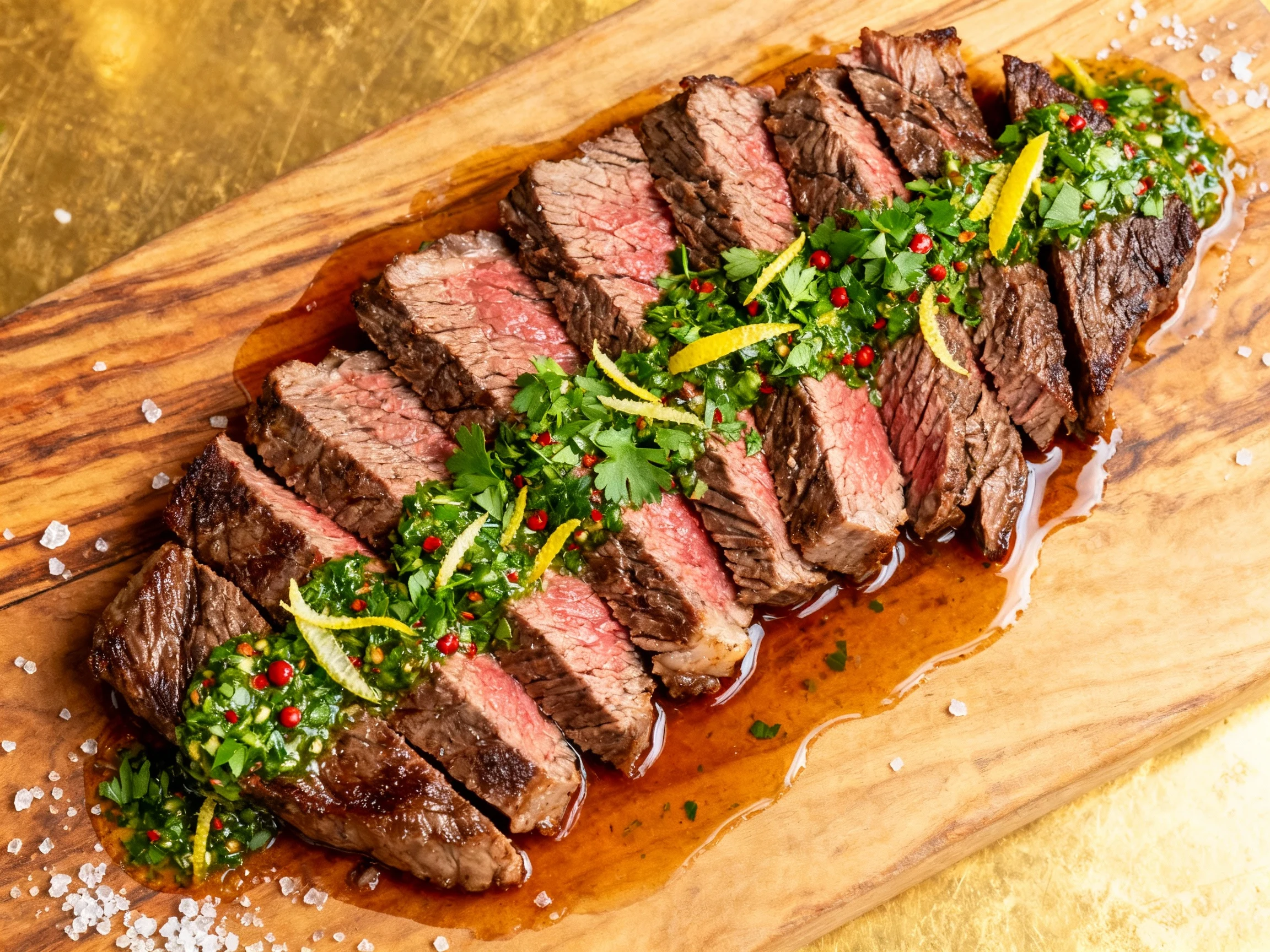
- Parsley (1/2 cup), oregano (1 tbsp), red pepper flakes (1/2 tsp) — chimichurri-style freshness.
- Liquid smoke (1 tsp) — use sparingly for indoor cooks.
Cooking Instructions
- Make the marinade: In a bowl, whisk oil, vinegar, lemon, soy, Worcestershire, sugar/honey, Dijon, garlic, paprika, thyme, rosemary, salt, and pepper until combined. Taste and adjust salt or acid to your liking.
- Bag the steak: Place steak in a large zip-top bag or shallow dish. Pour in marinade, coat evenly, and press out air. Seal and refrigerate.
- Marinate by cut: Tender cuts (ribeye, strip, sirloin): 30–90 minutes. Flank/skirt/hanger: 1–4 hours. Avoid exceeding 24 hours (too acidic = mushy texture).
- Preheat hard: Heat a grill to high or a cast-iron skillet until ripping hot. Aim for a clean grate or a thin film of high-heat oil in the pan.
- Pat dry: Remove steak, let excess marinade drip off, and pat dry thoroughly. A dry surface equals better crust. You can sprinkle a pinch of salt if needed.
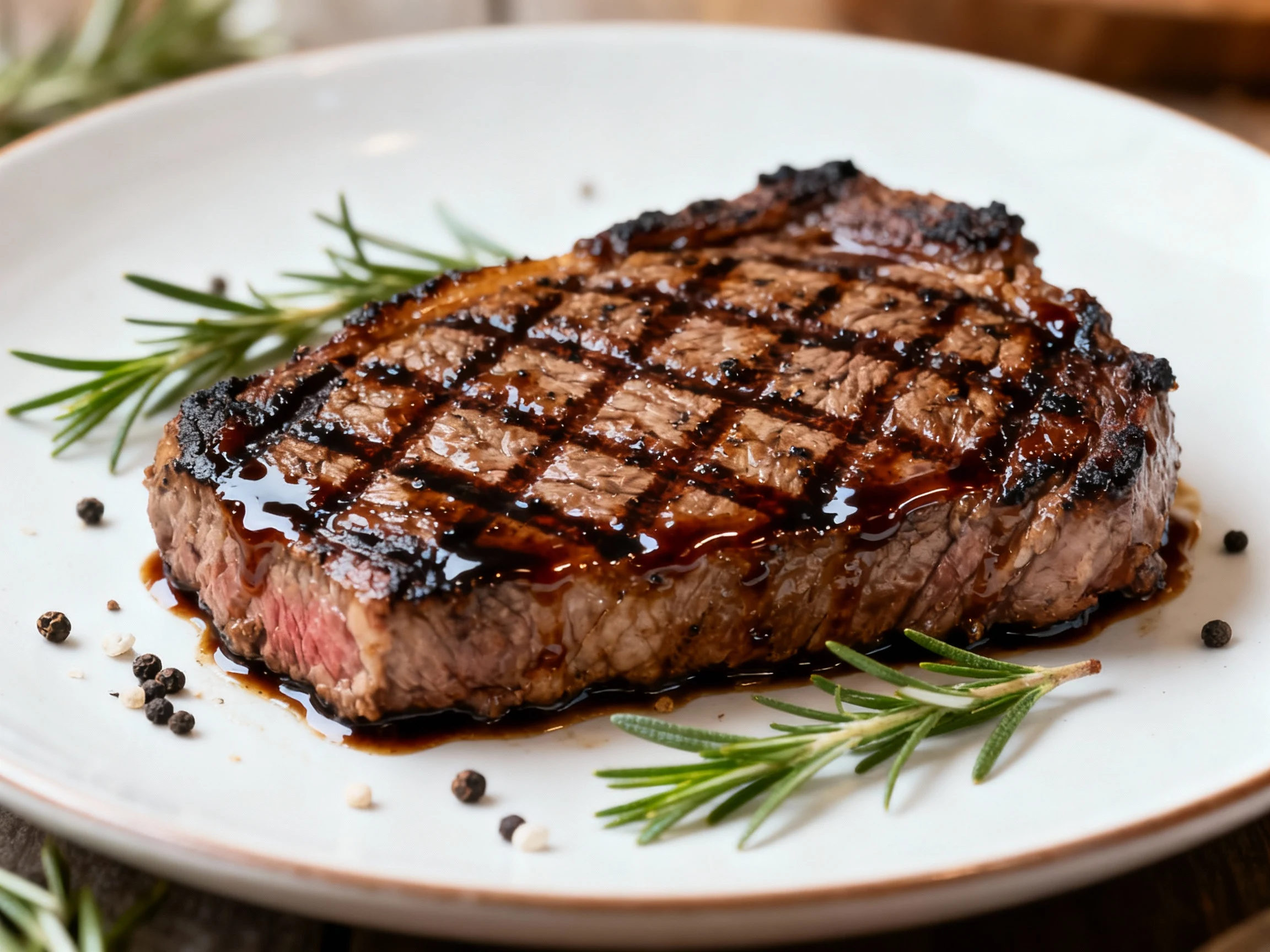
- Sear like you mean it: Grill or pan-sear 2–4 minutes per side, depending on thickness, flipping once. For crosshatch, rotate 90° halfway through each side on the grill.
- Target temps: Rare 120–125°F; Medium-rare 130–135°F; Medium 140–145°F. Use an instant-read thermometer for accuracy, IMO.
- Rest and slice: Rest 5–10 minutes on a rack or board. For flank/skirt, slice thinly against the grain for tenderness.
- Optional sauce: Boil leftover marinade for at least 3 minutes to make a safe glaze. Reduce until glossy.
Storage Tips
- Marinade (no meat): Store in the fridge up to 4 days. For longer, freeze in small portions up to 2 months.
- Raw steak in marinade: For best texture, keep within 24 hours. Always refrigerate; never marinate at room temp.
- Cooked steak: Refrigerate in an airtight container 3–4 days. Reheat gently in a low oven or slice thin for salads/tacos.
- Leftover marinade that touched raw meat: Don’t reuse unless you boil for 3 minutes. Safety first—no exceptions.
What’s Great About This
- Reliable formula: A simple 3:1 oil-to-acid backbone with targeted umami and aromatics. No guesswork, just results.
- Weeknight-friendly: Most cuts shine after 30–90 minutes, so you’re not stuck waiting overnight.
- Pantry-powered: Soy, Worcestershire, vinegar, and garlic do heavy lifting. Fancy is optional, not required.
- Versatile cooking: Works on grill, cast-iron, or broiler—so rain or shine, you’re eating well.
- Scale and swap: Double for crowds, tweak heat and herbs for seasons, keep the win rate high.
Avoid These Mistakes
- Too much acid for too long: Over-marinating turns steak mushy. Respect the timing by cut.
- Skipping the pat-dry step: Wet steak steams; dry steak sears. Moisture is the enemy of crust.
- Overcrowding the pan: Give the steak space. Crowding kills browning and you didn’t come here for gray meat, right?
- Starting cold: If time allows, let marinated steak sit at room temp 15–20 minutes before cooking for even doneness.
- Only using low heat: You need high heat to trigger that dramatic crust. Lukewarm pans equal lukewarm flavor.
- Not tasting the marinade: Quick sip test: Is it balanced? Add salt, acid, or sweetness to hit harmony before you commit.
Variations You Can Try
- Classic Steakhouse Marinade: 1/3 cup olive oil, 2 tbsp soy, 2 tbsp Worcestershire, 1 tbsp red wine vinegar, 1 tsp Dijon, 4 cloves garlic, 1 tsp black pepper, 1 tsp rosemary, 1 tsp thyme, 1 tsp brown sugar. Marinate 30–90 minutes. Big flavor, clean finish.
- Chimichurri-Style Marinade: 1/3 cup olive oil, 2 tbsp red wine vinegar, 1/2 cup chopped parsley, 1 tbsp oregano, 3 cloves garlic, 1/2 tsp red pepper flakes, zest of 1 lemon, 1 tsp salt, 1 tsp black pepper. Marinate 30–60 minutes. Make extra sauce separately to spoon on after cooking.
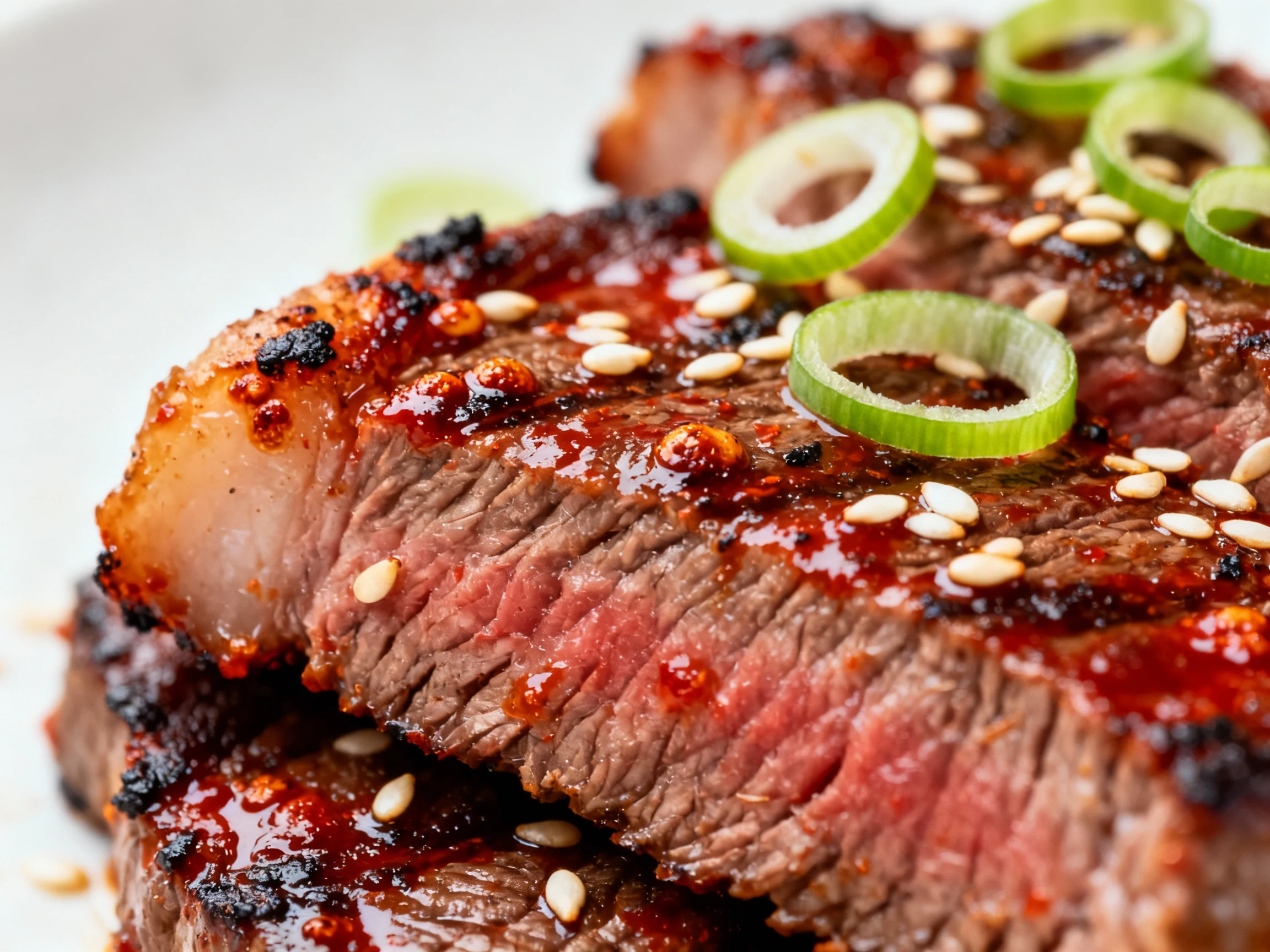
- Korean BBQ-Inspired: 1/4 cup neutral oil, 3 tbsp soy, 1 tbsp sesame oil, 1 tbsp gochujang, 2 tbsp pear or apple puree, 1 tbsp rice vinegar, 2 cloves garlic, 1 tsp grated ginger, 1 tbsp brown sugar. Marinate 1–4 hours. Watch heat to avoid sugar burn; medium-high is ideal.
- Coffee-Balsamic Crust Builder: 1/4 cup olive oil, 1/4 cup strong coffee, 2 tbsp balsamic, 1 tbsp Worcestershire, 3 cloves garlic, 1 tsp thyme, 1 tbsp honey, 1 tsp black pepper. Marinate ~1 hour. Deep, roasty flavor; gorgeous sear.
- Citrus-Chipotle: 1/3 cup olive oil, 2 tbsp orange juice + zest, 1 tbsp lime juice, 1 tbsp chipotle in adobo, 1 tsp cumin, 1 tsp coriander, 1 tbsp maple syrup, 1 tsp salt. Marinate 45–90 minutes. Smoky, bright, slightly sweet.
- Bourbon-Maple Steak Glaze: 1/4 cup olive oil, 2 tbsp bourbon, 2 tbsp maple syrup, 1 tbsp soy, 1 tbsp Worcestershire, 1 tbsp apple cider vinegar, 2 cloves garlic, 1/2 tsp black pepper. Marinate ~1 hour; boil leftover marinade into a shiny glaze.
FAQ
Which steak cuts take to marinades best?
Flank, skirt, and hanger love marinades—they soak up flavor and the acid helps tame tough fibers. Sirloin and strip benefit from quick seasoning and aromatics. Ribeye already has great fat, so keep marinating short and focus on high-heat searing for an elite crust.
How long should I marinate steak without ruining texture?
Use 30–90 minutes for tender cuts and 1–4 hours for fibrous cuts. Go easy on acids and avoid more than 24 hours. Past that, texture suffers and you’ll lose the satisfying chew that makes steak, well… steak.
Do marinades really tenderize steak?
They help at the surface and improve perceived tenderness by loosening proteins and boosting juiciness. The big win is flavor and better browning. For serious tenderizing, slice against the grain and choose the right cut; marinades are a supporting actor, not a miracle worker.
Can I reuse marinade as a sauce?
Yes—but only if you boil it for at least 3 minutes to kill bacteria from the raw meat. Reduce it to make a glossy glaze. Alternatively, reserve a portion of marinade before it touches raw meat and use that as your finishing sauce. Safe and smart.
Is soy sauce necessary, or can I make this gluten-free?
You can use tamari (often gluten-free) or coconut aminos. If skipping soy entirely, add extra salt and a splash of fish sauce or Worcestershire for umami. Taste and adjust; you want savory depth, not blandness.
Should I salt the steak if the marinade already has soy?
Probably a little. Soy delivers salt and umami, but a pinch of kosher salt right before cooking sharpens flavor. If your soy is full-strength and you’re sensitive to salt, taste the marinade, then decide—your palate is the boss.
Can I marinate frozen steak?
Marinate after thawing for even absorption. If you’re in a rush, you can thaw in the fridge with marinade overnight, but expect uneven penetration. Better plan: thaw fully, then marinate for your target window.
What’s the best way to cook marinated steak indoors?
Use a ripping hot cast-iron skillet, pat the steak very dry, and don’t overcrowd. Sear hard, finish in a 400°F oven if thickness demands, and rest before slicing. A broiler also works—start close to the element, flip once, and monitor temps like a hawk.
How do I prevent sugar in the marinade from burning?
Keep sugar modest and control heat. For grill cooks, move to a medium zone after the initial sear. For pan-searing, reduce heat slightly after crust forms. If you love a sweeter profile, finish with a glaze post-sear rather than loading sugar into the soak.
Any low-sodium tips without sacrificing taste?
Use low-sodium soy or coconut aminos, add umami via mushrooms or a dash of fish sauce, and lean on herbs, garlic, and acid for brightness. You’ll be surprised how much flavor pops when salt isn’t doing all the heavy lifting.
The Bottom Line
Great steak doesn’t require luck—just a smart marinade, the right timing, and confident heat. Stick to the 3:1 oil-to-acid baseline, add umami and aromatics, and choose a soak time that suits your cut. Pat dry, sear hot, rest well, and slice with intention. Do that, and your weeknight steak suddenly tastes like Friday night at a steakhouse—no tux required.
Printable Recipe Card
Want just the essential recipe details without scrolling through the article? Get our printable recipe card with just the ingredients and instructions.