Spring Recipes to Refresh Your Weeknight Plates Fast
Fast, fresh dinners anchored by seasonal produce; 30-minute meals that slash prep, boost flavor, and keep weeknights stress-free.
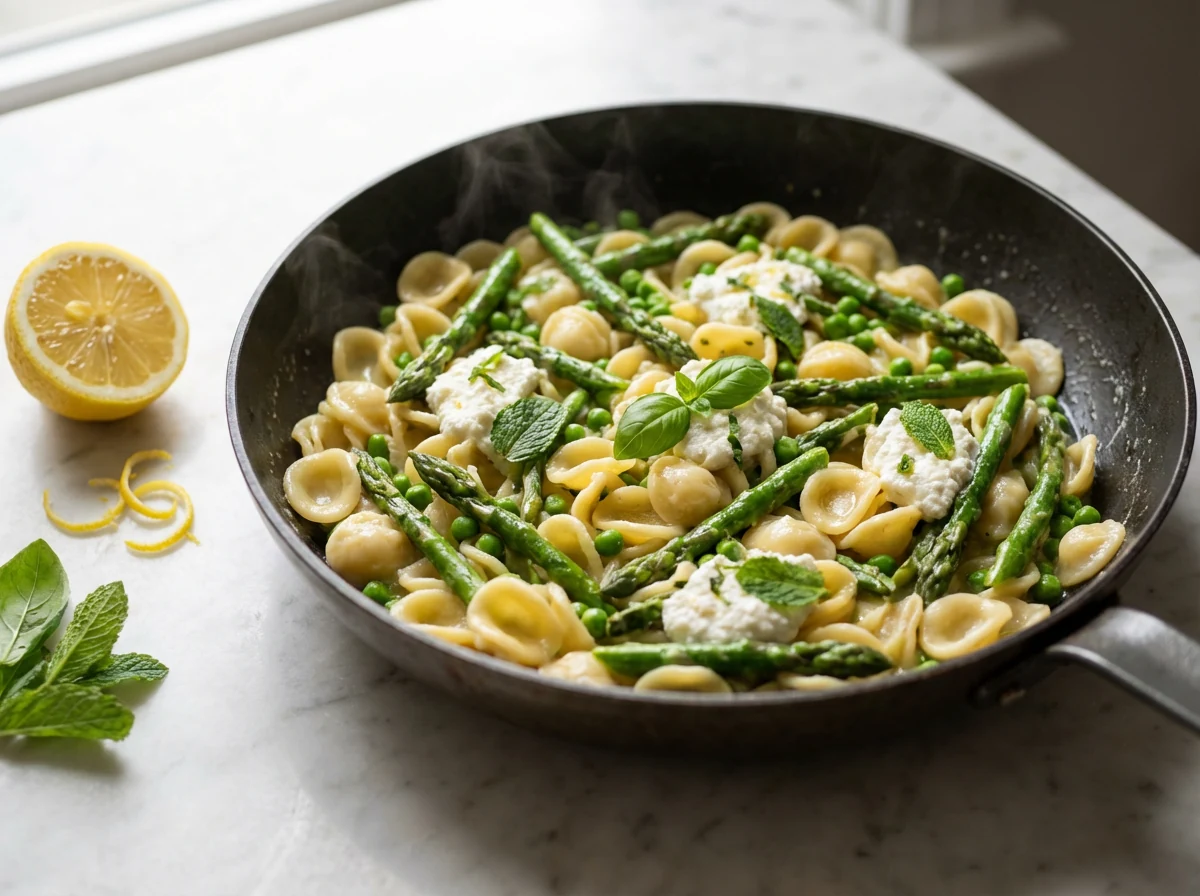
There’s a simple formula to win dinner right now: cook smarter, not harder, and let seasonal produce do the heavy lifting. When bright greens hit the market, you can turn a bag of pasta and a lemon into something restaurant-level—minus the bill. The secret isn’t skill; it’s timing, heat, and a splash of starchy water (more on that power move below). If you can boil water and stir, you can build glossy sauce, crisp-tender veggies, and big flavor in under 30 minutes. Ready to make a meal that tastes like sunshine and doesn’t hijack your evening? Let’s go.
Why You’ll Love This Recipe
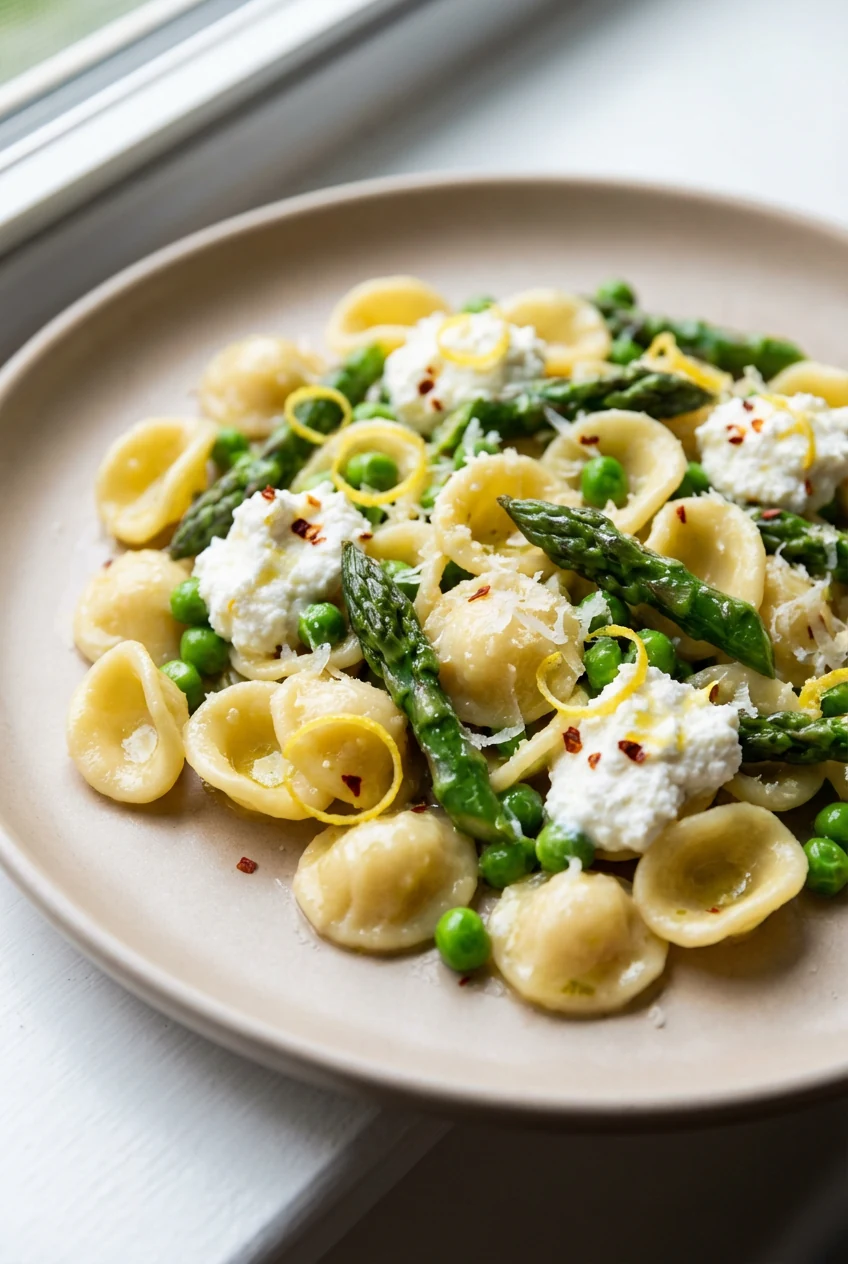
This is your fast-track to a fresh, green dinner that feels special but stays simple. The combo of asparagus, peas, lemon, herbs, and ricotta gives you creamy, bright, and savory in one bowl—no heavy cream required. You get a springy pasta that’s high on veggies, low on effort, and big on flavor payoff. Plus, you can scale it up for friends, dial it down for lunch, or riff it into a light pasta salad. Flexible? Very. Delicious? Absolutely.
Shopping List – Ingredients
Serves: 4
Prep Time: 15 minutes
Cook Time: 20 minutes
- 12 oz (340 g) orecchiette or short pasta of choice
- 1 lb (450 g) asparagus, trimmed and cut into 1-inch pieces
- 1 cup peas (fresh if available; frozen works, thawed)
- 3 cups baby spinach or arugula, loosely packed
- Zest of 1 large lemon + 2 tbsp lemon juice
- 3 cloves garlic, thinly sliced
- 1/4 cup extra-virgin olive oil
- 1/4 tsp red pepper flakes (optional but recommended)
- 1/2 cup whole-milk ricotta
- 1/2 cup finely grated Parmesan (or Pecorino Romano)
- 1/2 cup mixed fresh herbs (mint, basil, parsley), chopped
- Kosher salt and black pepper, to taste
- Optional protein: 8 oz cooked chicken, flaked salmon, or crispy prosciutto
- Optional crunch: 1/2 cup toasted pine nuts or sliced almonds
Instructions
- Boil and season: Bring a large pot of well-salted water to a rolling boil. Salt it like the sea—this is your first flavor layer.
- Cook the pasta: Add orecchiette and cook until just shy of al dente per package directions. Reserve 1½ cups pasta water (non-negotiable), then keep cooking to al dente if needed.
- Blanch the greens: Two minutes before the pasta is done, add asparagus and peas to the pot. They’ll turn vibrant and tender-crisp right on schedule.
- Sauté the aromatics: While the pasta cooks, warm olive oil in a large skillet over medium. Add garlic and red pepper flakes; sauté until fragrant (about 45–60 seconds). Don’t brown the garlic unless you love bitterness.
- Wilt the leaves: Add spinach (or arugula) to the skillet. Toss with a pinch of salt until just wilted. Keep it bright; mushy greens are a hard no.
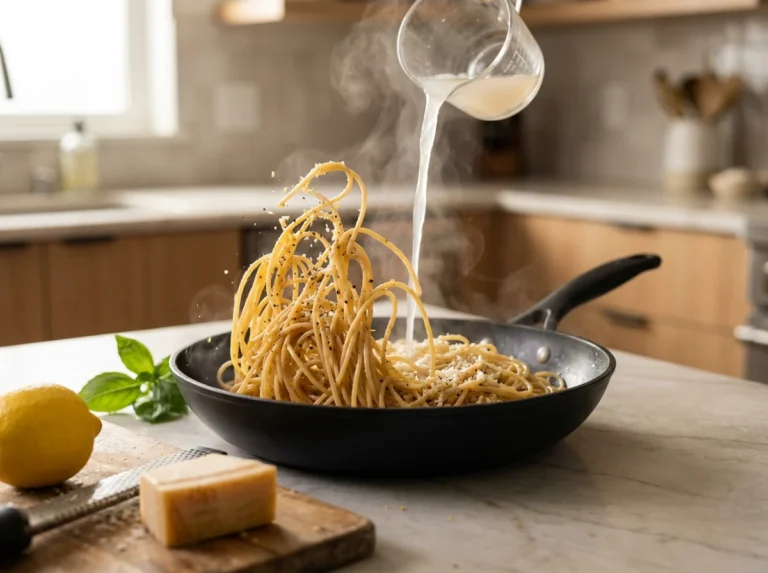
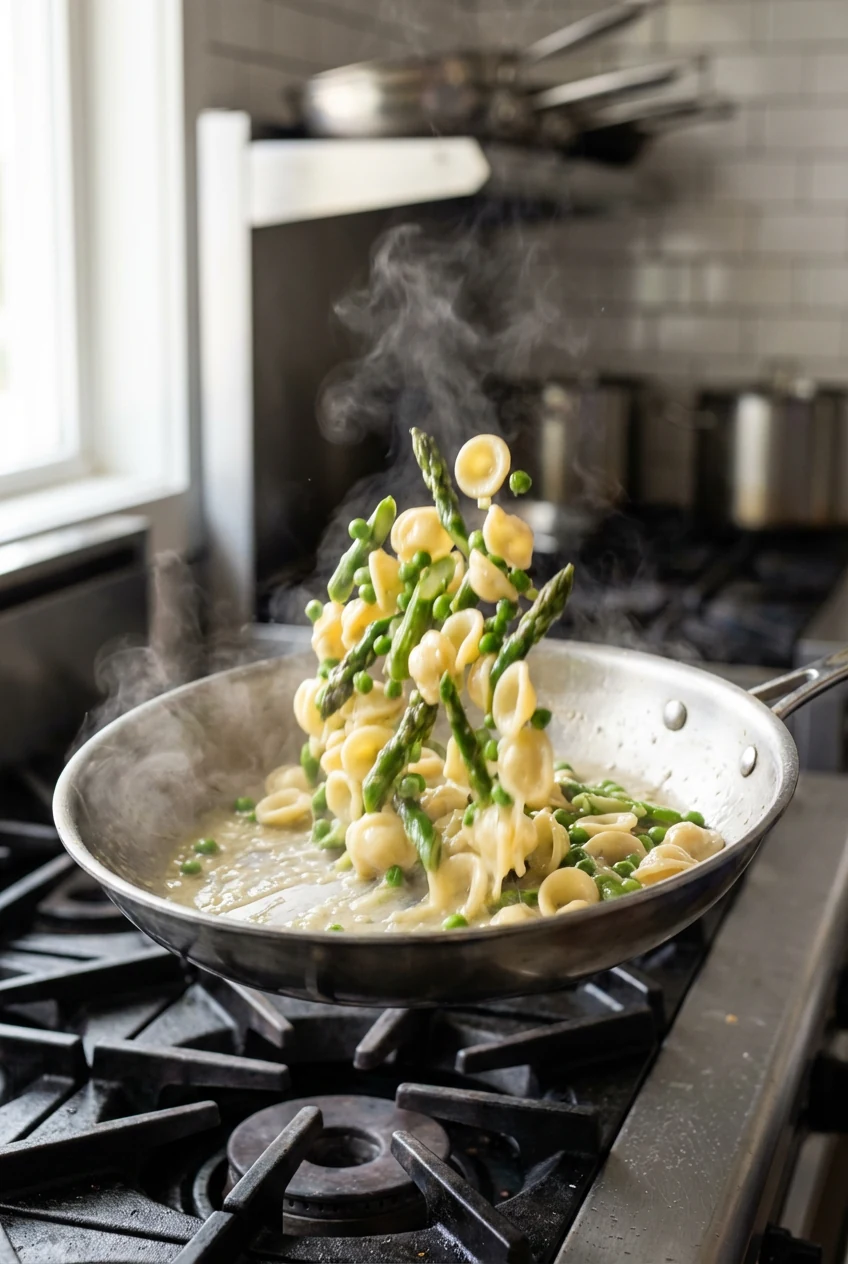
- Combine and emulsify: Transfer pasta, asparagus, and peas to the skillet. Add 3/4 cup reserved pasta water and the lemon zest and juice. Toss vigorously until the starchy water and oil turn glossy and cling to the pasta. Add more water as needed for a silky sauce.
- Cheese and herbs: Stir in Parmesan off the heat, then gently fold in ricotta and chopped herbs. You want pillowy ricotta pockets—not a broken, grainy mess—so keep the heat low here.
- Season and finish: Taste and adjust with salt, pepper, more lemon, or a drizzle of olive oil. Fold in optional protein or sprinkle nuts for crunch.
- Serve smart: Pile into warm bowls, top with extra herbs and Parmesan. Snap a pic if you’re into that; yes, it looks as good as it tastes.
How to Store
Leftovers hold up well if you treat them right. Store in an airtight container in the fridge for up to 3 days. Keep a little extra Parmesan and olive oil on hand to revive it.
To reheat, add a splash of water or broth and warm gently over medium heat, stirring until glossy again. Microwaving works in a pinch; just stir halfway and finish with fresh lemon zest to wake it up.
Freezing isn’t ideal (ricotta texture gets weird and asparagus turns soft). If you must, freeze without the ricotta, then reheat and add ricotta fresh before serving. FYI: it tastes best day one—like most things in life.
Why This is Good for You
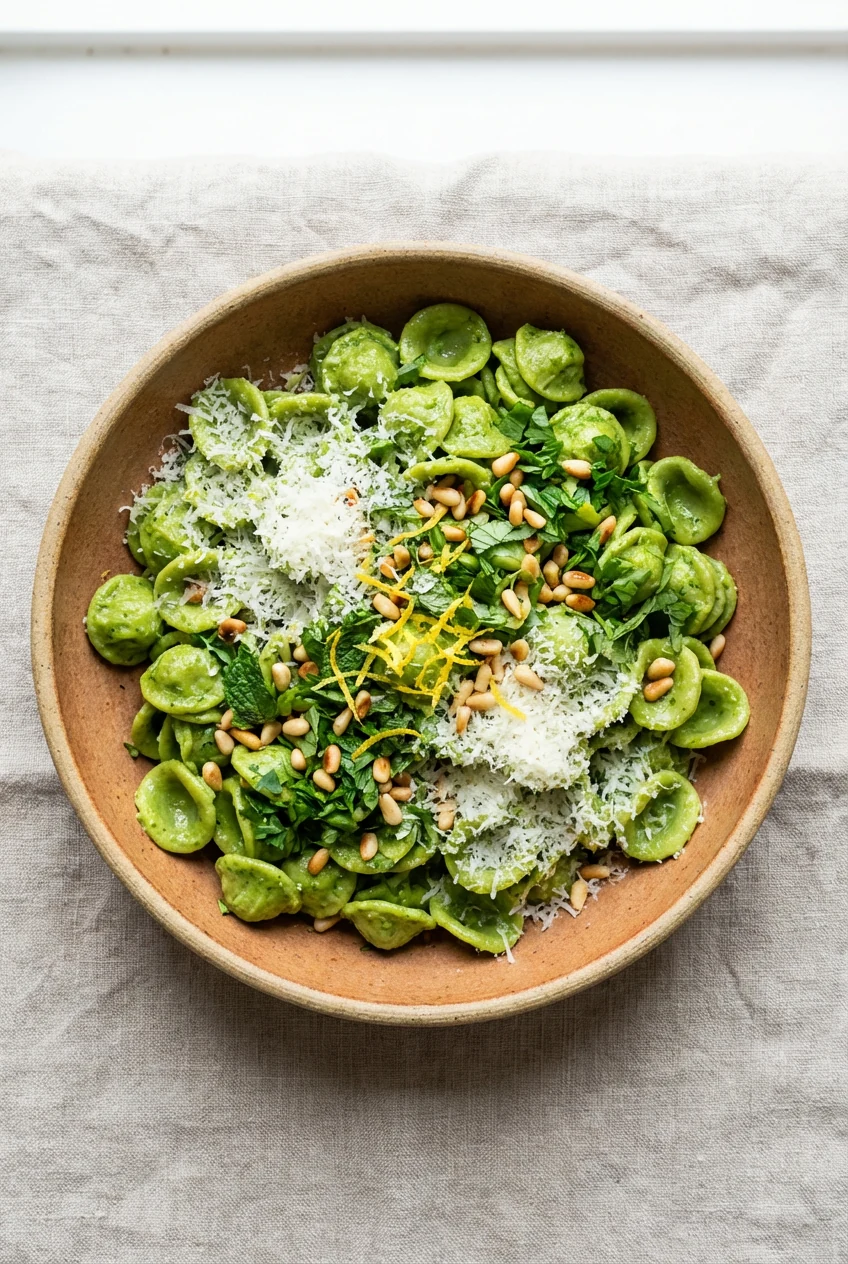
Asparagus brings fiber, folate, and vitamin K to the party, keeping things moving and bones happy. Peas add plant protein, fiber, and micronutrients that support energy and satiety. The spinach/arugula duo packs iron and antioxidants; your cells appreciate the upgrade.
Lemon boosts vitamin C and helps brighten flavors, which can reduce the need for excess salt. Ricotta offers calcium and protein without the heavy cream vibe. Olive oil delivers heart-healthy fats that help you absorb those fat-soluble vitamins. Net-net: satisfying, nutrient-forward, and lighter than it looks—IMO the right kind of “comfort.”
Don’t Make These Errors
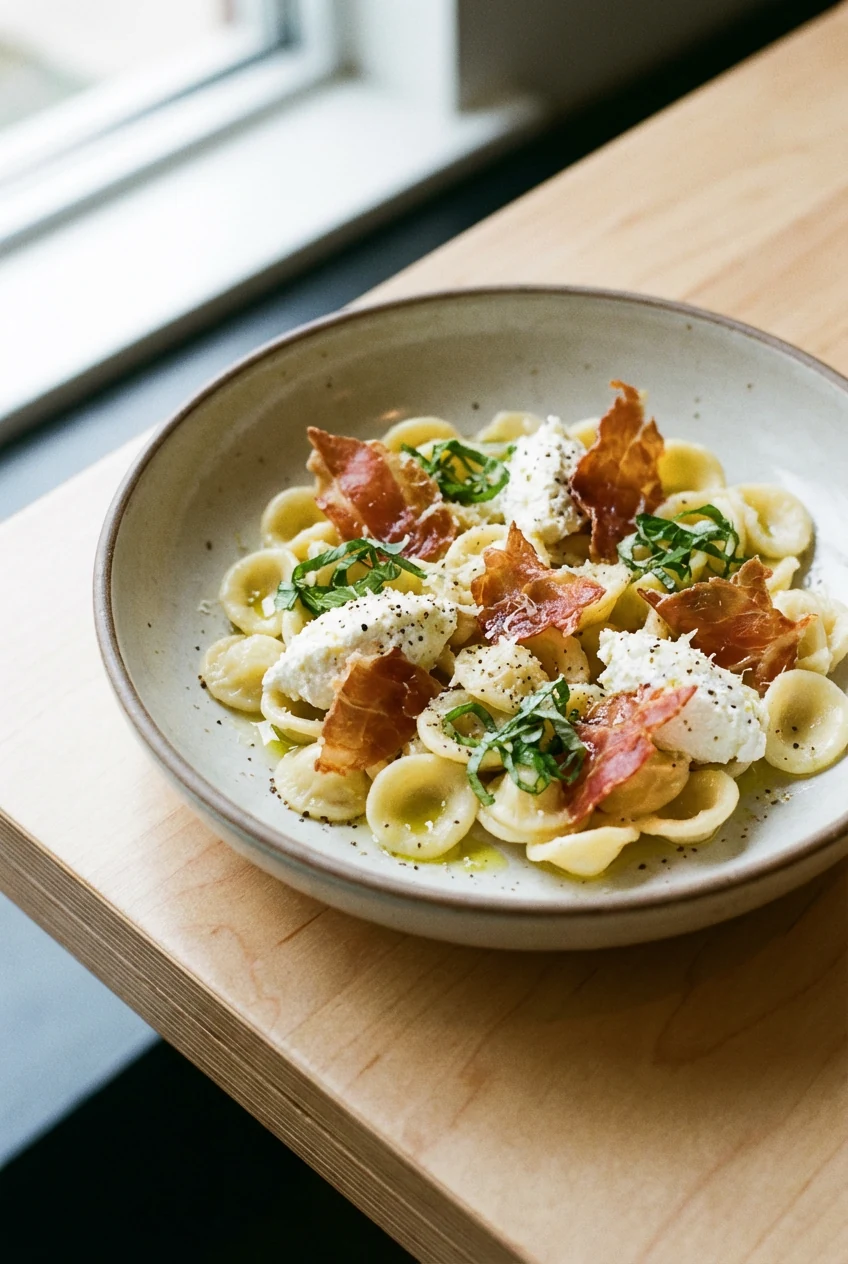
- Skipping the salt in the pasta water: Under-seasoned pasta tastes like sadness. Salt early so flavor reaches the core.
- Overcooking asparagus: You want crisp-tender, not army-green mush. Two minutes in the pot is plenty.
- Forgetting to reserve pasta water: That starchy liquid is your free sauce insurance. No water = clumpy cheese and dry pasta.
- Adding ricotta over high heat: It can split. Fold it in off the heat for creamy, cloud-like pockets.
- Drowning the dish in lemon juice: Start with the recipe amount, then adjust. Too much acid can make the sauce harsh.
- Crowding the skillet: Toss with intention. If your pan is tiny, combine in the pasta pot for more room.
Alternatives
- Vegan version: Swap ricotta for almond ricotta or whipped silken tofu with lemon zest, salt, and nutritional yeast.
- Gluten-free swap: Use a quality GF pasta (brown rice or chickpea). Cook it carefully; it can go from perfect to mush fast.
- Protein boost: Add shredded rotisserie chicken, flaked hot-smoked salmon, or seared shrimp at the end.
- Whole-grain twist: Try farro or whole-wheat fusilli for extra fiber and chew. Adjust cooking time accordingly.
- No ricotta? Use mascarpone for luxe creaminess, blended cottage cheese for high protein, or Greek yogurt (stir off heat).
- Other seasonal ideas: Lemon-dill sheet-pan salmon with asparagus; pea and mint risotto; herbed ricotta toast with radishes; shaved fennel–citrus salad for a crisp side.
FAQ
Can I make this recipe gluten-free?
Yes. Use your favorite gluten-free pasta and watch the cook time closely. GF pasta often needs a gentler boil and can break if overcooked. Keep that pasta water—same sauce magic applies.
Can I use frozen peas?
Absolutely. Thaw them briefly and add in the last two minutes with the asparagus. They’ll reheat quickly and stay sweet. Frozen peas are one of the few frozen veggies that still taste great, FYI.
How do I make it dairy-free or vegan?
Swap ricotta for almond ricotta or whipped silken tofu with lemon zest, salt, and nutritional yeast. Use a vegan hard cheese alternative or a tablespoon of miso for umami in place of Parmesan.
What pasta shape works best?
Orecchiette grips peas and asparagus like a champ. Fusilli, rotini, or rigatoni also work. If you’re using long noodles (linguine), cut veggies smaller so they integrate with the strands.
Can I serve this cold as a pasta salad?
Yes. Cool the pasta and veggies, toss with olive oil and lemon, then fold in ricotta and herbs right before serving. Taste and refresh the seasoning—cold dishes need a little extra oomph.
What if I don’t have fresh herbs?
Use what you have: a sprinkle of dried Italian seasoning works in a pinch. Add extra lemon zest and a handful of arugula for freshness. Fresh mint makes it pop, but it’s optional.
How do I avoid a clumpy or dry sauce?
Emulsify like you mean it: add reserved pasta water, toss over medium heat, and let starch and oil combine. Don’t let the pan go dry. Finish off the heat with cheeses and adjust with more water as needed.
Is asparagus mandatory?
Nope. Swap in snap peas, broccoli rabe (blanch first), zucchini ribbons, or tender green beans. Keep the cook times short so everything stays crisp and vibrant.
My Take
This dish hits my personal sweet spot: fast, fresh, and not boring. The lemon-herb combo with ricotta is the kind of effortless flex that makes dinner feel special with almost no work. TBH, it’s the meal I make when I want compliments without a sink full of dishes. Keep your pasta water, respect the greens, and you’ll get a glossy, craveable bowl every time. If spring had a flavor, this is it.
Printable Recipe Card
Want just the essential recipe details without scrolling through the article? Get our printable recipe card with just the ingredients and instructions.