Slow Cooker Recipes for Effortless Flavor All Week
Discover hearty, time-saving meals that practically cook themselves, freeing you to focus on life’s better moments.
Imagine tossing a few ingredients into a pot, walking away, and coming back hours later to a dish so flavorful it tastes like you hired a chef. That’s not magic—it’s smart cooking. People waste hours stressing over dinner, but the pros know the secret lies in letting low heat do the heavy lifting. Convenience doesn’t have to mean bland, and frankly, your taste buds deserve better. The beauty? You’ll save time, money, and your sanity—because who needs another evening of standing over a stove?
What Makes This Special
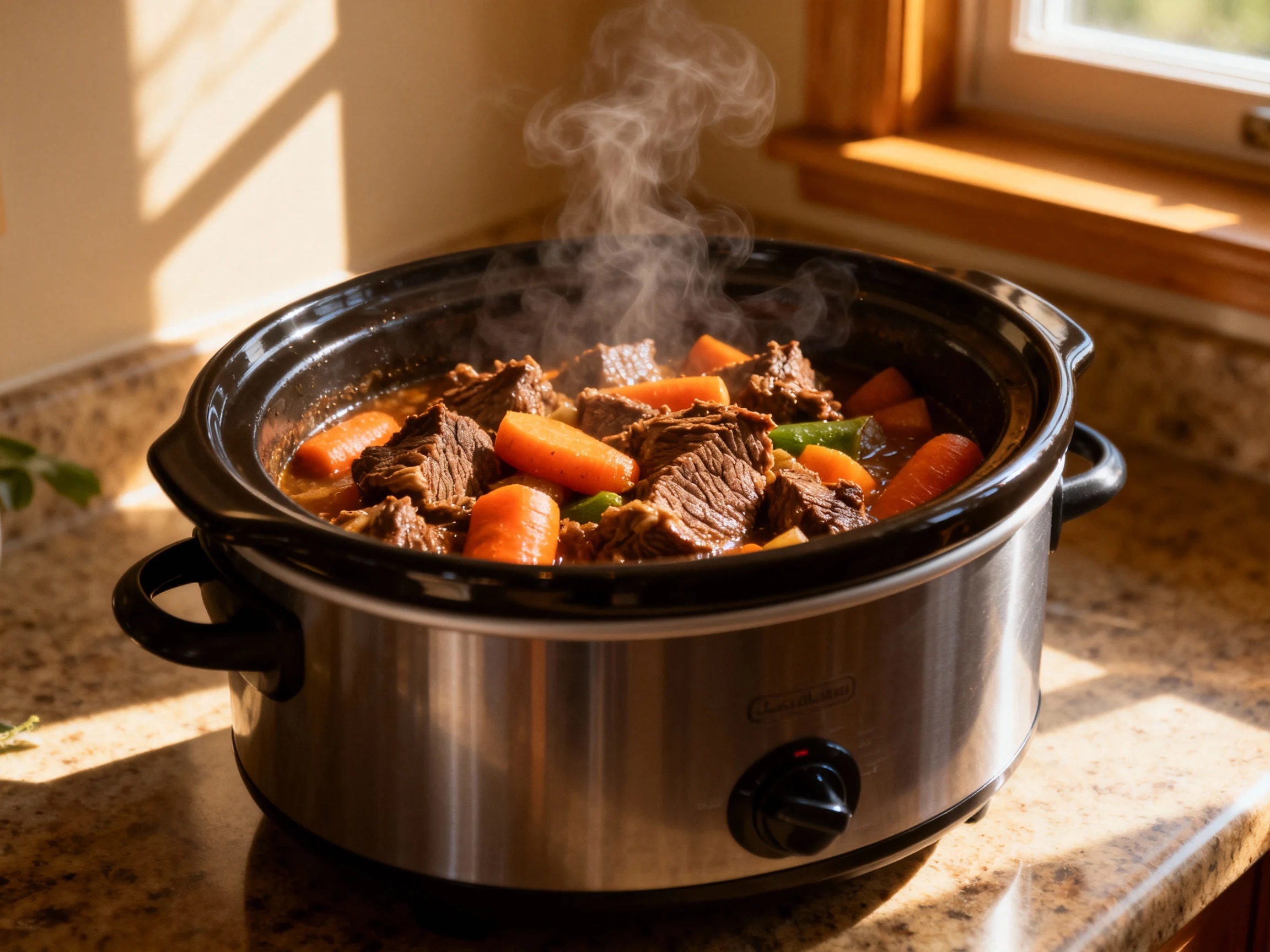
Slow cooking lets flavors mingle over hours, delivering depth you can’t fake with a quick sauté. The appliance’s low, steady heat keeps proteins juicy and starches tender without constant attention. Plus, it turns cheaper cuts of meat into melt-in-your-mouth masterpieces. Think of it as meal prep meets culinary sorcery—set it, forget it, and impress people without breaking a sweat.
What You’ll Need (Ingredients)
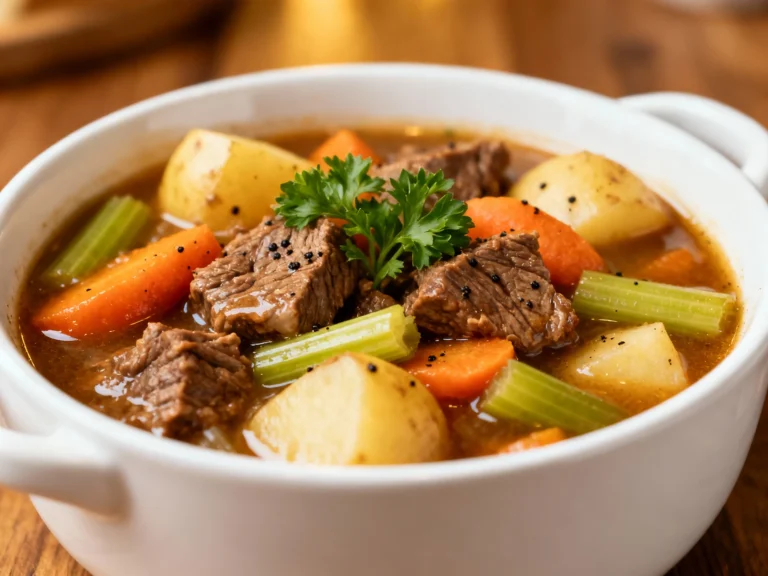
- 2 lbs beef chuck roast or chicken thighs
- 4 medium carrots, peeled and chopped
- 3 medium potatoes, peeled and cubed
- 1 large onion, diced
- 3 cloves garlic, minced
- 2 cups beef or chicken broth
- 1 cup canned diced tomatoes
- 2 tbsp olive oil
- 1 tsp dried thyme
- 1 tsp paprika
- Salt and pepper, to taste
- Optional garnish: fresh parsley
Instructions
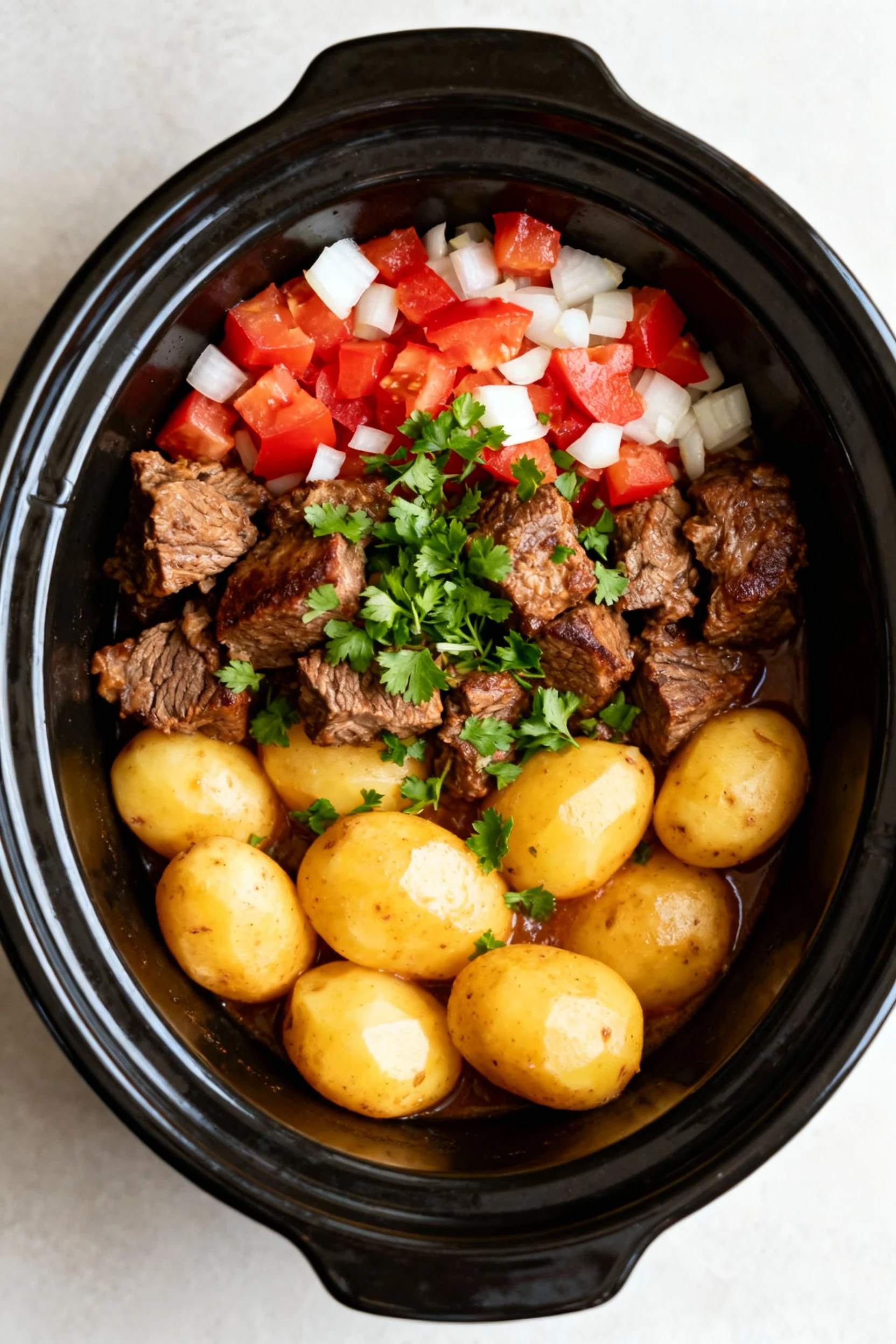
- Prep your ingredients. Chop veggies into uniform pieces for even cooking.
- Sear your meat. Heat olive oil in a skillet, brown meat on all sides for extra flavor (yes, it’s worth it).
- Layer in the slow cooker. Place root vegetables at the bottom, then meat on top, followed by onions and garlic.
- Add liquids and spices. Pour broth and tomatoes over everything, sprinkle with thyme, paprika, salt, and pepper.
- Cover and cook. Set to low for 8 hours or high for 4–5 hours. Don’t lift the lid unless you want to kill the vibe.
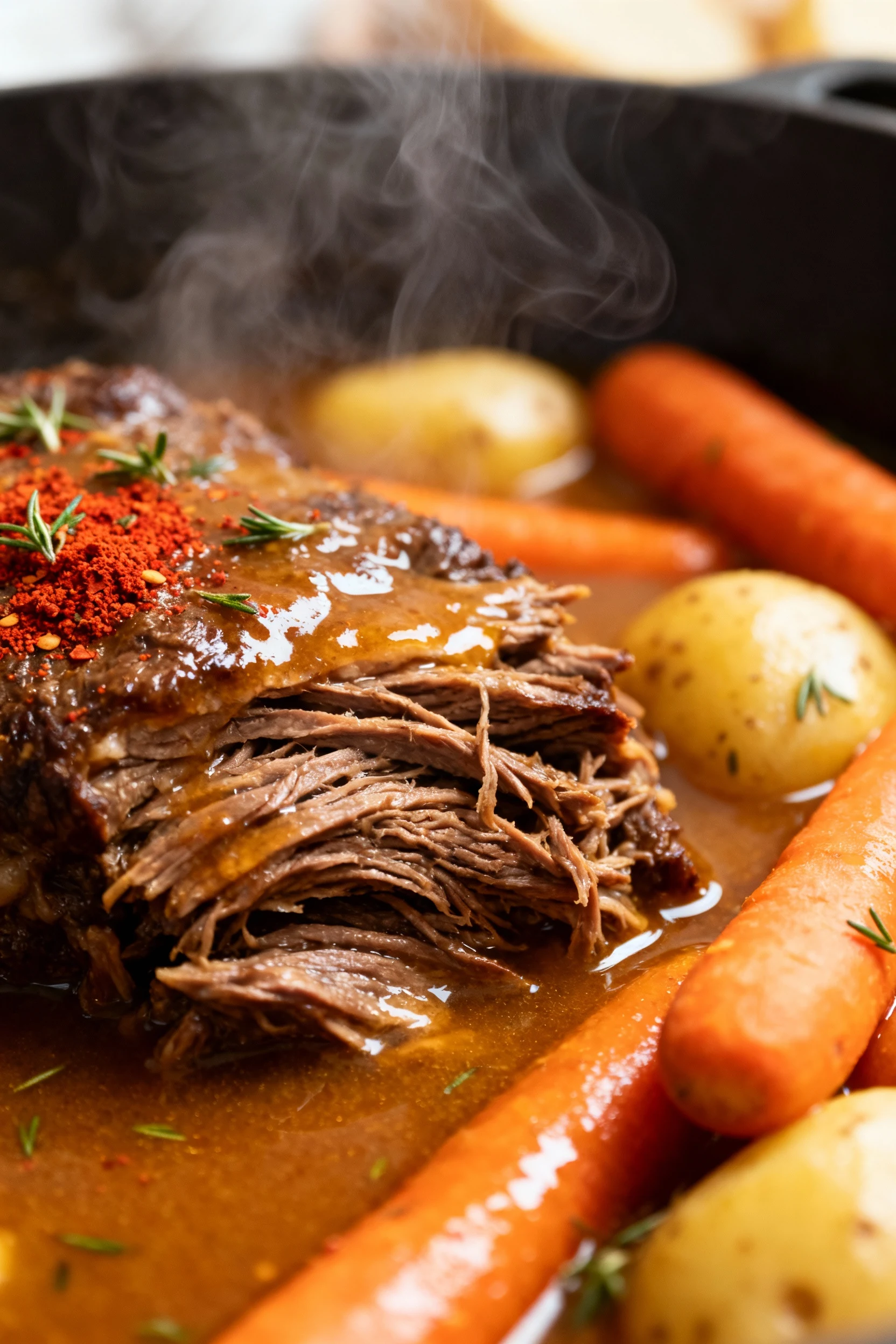
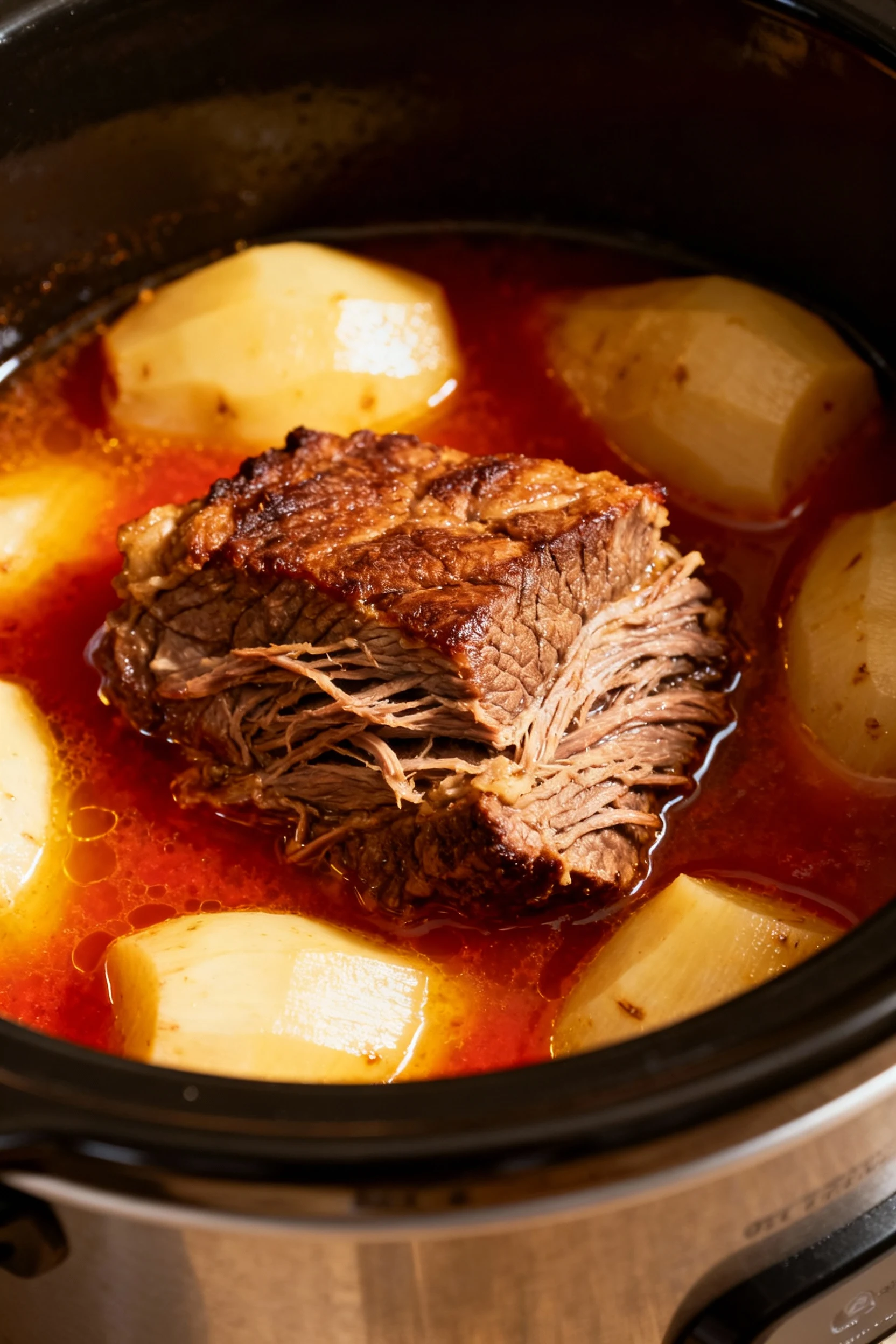
- Check tenderness. Meat should shred easily; veggies should be fork-tender.
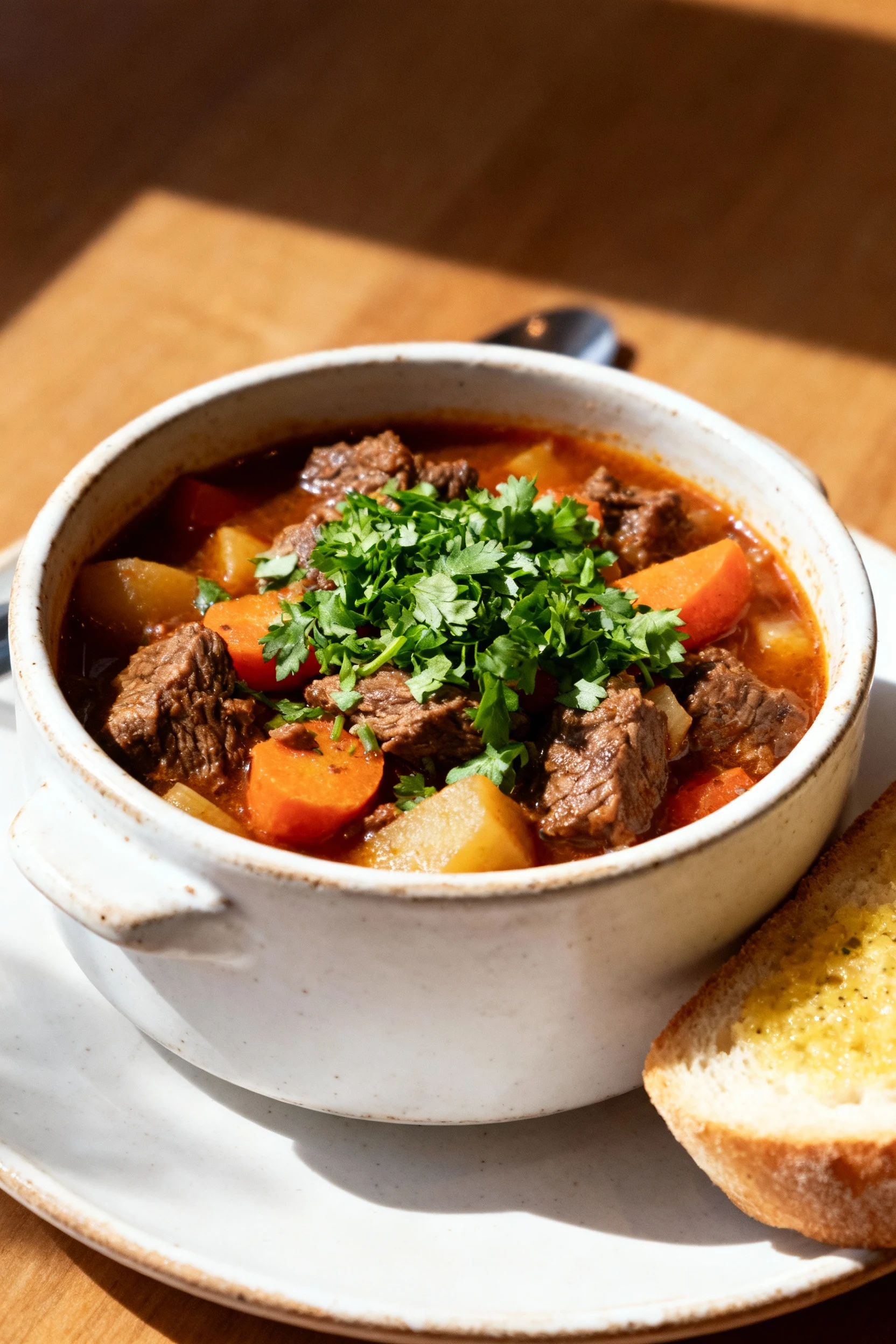
- Garnish and serve. Sprinkle fresh parsley before serving to look fancy (even if it’s just Tuesday night).
Preservation Guide
Store leftovers in airtight containers, keeping portions separate to avoid soggy veggies. Refrigerate for up to 4 days or freeze for 2–3 months. When reheating, use low heat to maintain texture—microwaving on high can turn your masterpiece into mystery mush. Label containers with dates because future-you will thank present-you.
Nutritional Perks
Slow cooking retains nutrients often lost in high-heat methods. You’ll get fiber from root vegetables, vitamins A and C from carrots and tomatoes, and protein from meat without excess fat, thanks to the gentle cooking. Plus, the low oil requirement keeps your calorie count reasonable—aka, you can have seconds without guilt (FYI, science approves).
Common Mistakes to Avoid
- Overfilling the pot. This traps heat unevenly and messes with your cooking times.
- Lifting the lid constantly. Each peek drops the temp and adds 20–30 minutes to cooking—patience, my friend.
- Skipping the sear. Browning meat upfront boosts taste dramatically.
- Wrong layer order. Dense veggies on the bottom, lighter items on top for even doneness.
- Excess liquid. Slow cookers don’t evaporate much; overdoing broth can turn your dish into soup unintentionally.
Alternatives
No beef? Swap for lamb or turkey for a twist. Vegetarian? Use chickpeas or lentils with extra mushrooms for an umami hit. Allergic to tomatoes? Replace with roasted red pepper puree for color and depth. The slow cooker is forgiving—experiment and surprise yourself.
FAQ
Can I cook pasta in a slow cooker?
Yes, but add it toward the end or risk mush. Ideally, cook pasta separately and mix in before serving.
What’s the difference between low and high settings?
Low heat allows flavors to develop over time with gentler cooking; high speeds everything up but can dry out lean proteins.
Do I need to stir the food?
Not usually, unless you’re adding quick-cook ingredients midway. Constant stirring defeats the “set and forget” beauty.
Can I leave my slow cooker on overnight?
Yes—just ensure your appliance is in good condition and placed on a heat-safe surface. Safety first, taste second (but still important).
Is searing meat really necessary?
Technically no, but it elevates flavor and texture. Skipping is fine if you’re rushed, but you’ll taste the difference.
The Bottom Line
Slow cooker meals are the cheat code for busy, flavor-loving humans. With minimal hands-on effort, you get hearty dinners that feel gourmet. Master the timing, ingredients, and storage, and you’ll wonder why you ever stressed about cooking. Your future self—and your taste buds—will thank you.
Printable Recipe Card
Want just the essential recipe details without scrolling through the article? Get our printable recipe card with just the ingredients and instructions.