Sardine Recipes That Turn Weeknight Dinners Into Wins
Fast, budget-friendly meals with bold flavor for busy nights. Minimal prep, pantry staples, and zero fishy vibes—just craveable results.
Here’s the truth: most people ignore the most powerful can in their pantry. Sardines deliver premium protein, omega-3s, and big flavor for the price of a coffee—then cook in less time than your group chat takes to pick a restaurant. Want a 10-minute dinner that tastes like you tried? This is your secret weapon. Open a tin, add heat and acid, and boom—restaurant-level payoff without the chef tax. Hungry now? Good.
What Makes This Recipe Awesome
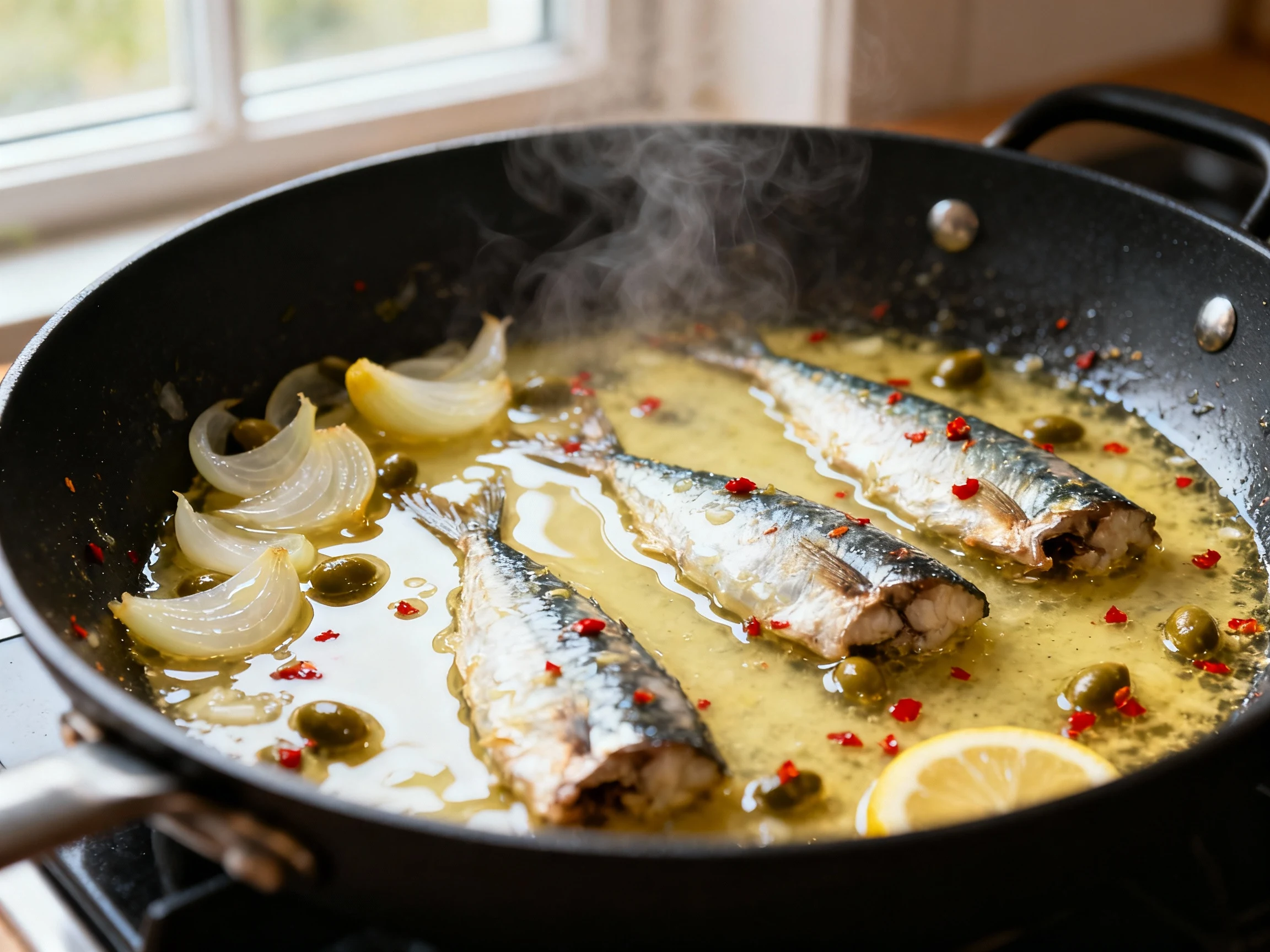
- Ridiculously fast: From tin to table in about 15 minutes. Your pasta water takes longer to boil than the sauce takes to finish.
- Big flavor, minimal effort: Garlic, lemon, and capers punch up sardines so they taste bright, not briny.
- Budget gold: Think under $3 per serving for premium nutrition. That’s dinner ROI Alex Hormozi would nod at.
- High protein, healthy fats: Sardines bring EPA and DHA omega-3s, B12, and calcium (bones = bonus).
- Weeknight-proof: One pan, pantry staples, no fuss. Clean-up doesn’t eat your evening.
- Flexible: Swap pasta for rice, toss in greens, or go gluten-free. The base stays strong.
- No fishy vibes: Lemon zest, fresh herbs, and quick heat keep the flavor clean and vibrant.
- Scale-friendly: Cooking for one or four? It scales perfectly. Just don’t crowd the pan.
What Goes Into This Recipe – Ingredients
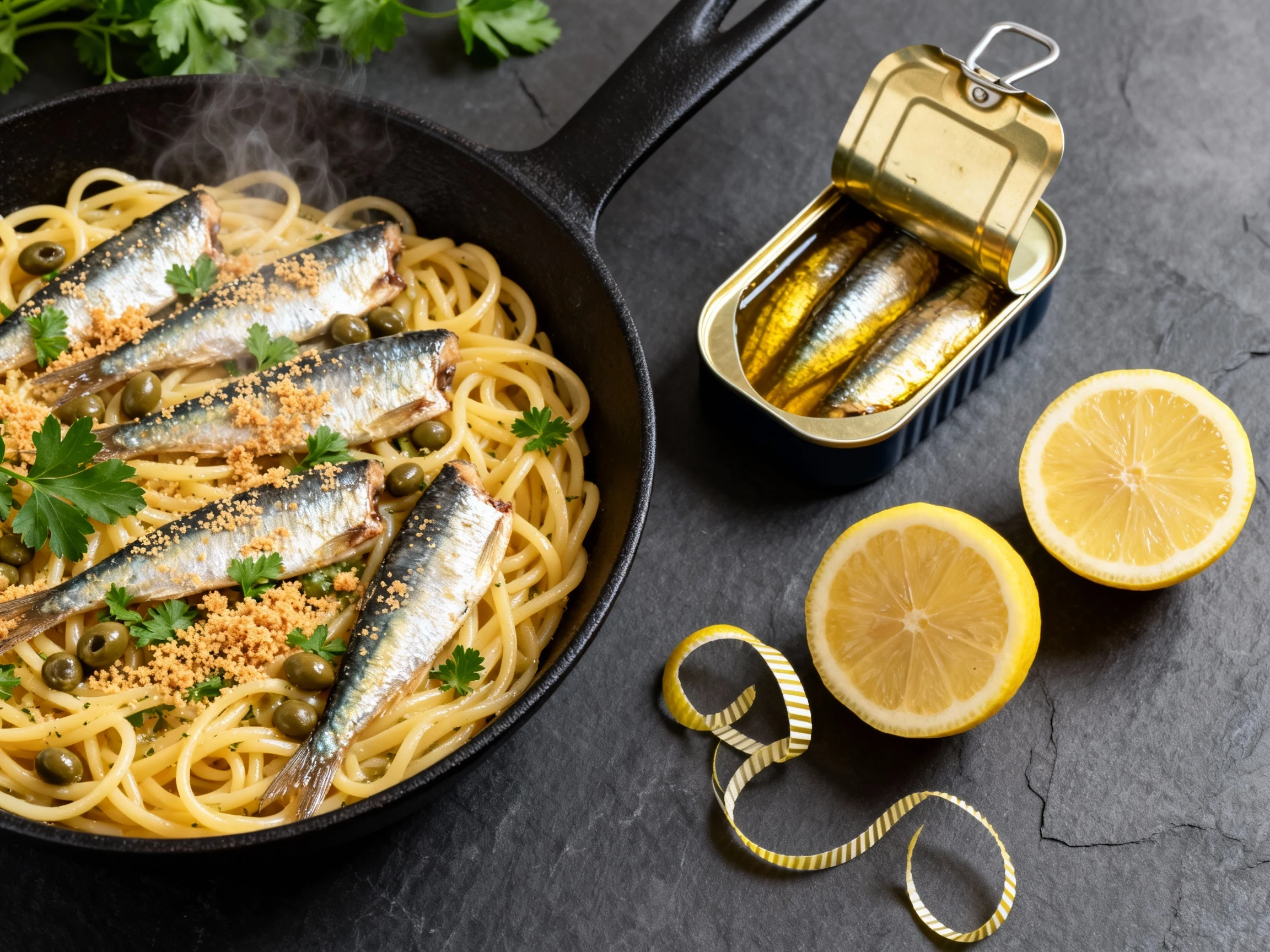
Recipe: 15-Minute Lemon-Garlic Sardine Pasta (serves 2)
Total time: 15 minutes | Active time: 12 minutes | Skill: Easy
- 7 oz (200 g) spaghetti or linguine
- 2 tins sardines in olive oil (3.75 oz/106 g each), do not drain
- 2 tbsp extra-virgin olive oil (plus the oil from the tins)
- 3 garlic cloves, thinly sliced
- 1 small shallot, minced (optional but great)
- 1/2 tsp red pepper flakes (adjust to taste)
- Zest and juice of 1 lemon
- 2 tbsp capers, drained
- 1/3 cup dry white wine or 1/3 cup starchy pasta water
- 1/2 cup chopped fresh parsley (or basil)
- 1/2 cup toasted breadcrumbs (optional but epic crunch)
- Kosher salt and freshly ground black pepper
- Optional add-ins: 1 cup halved cherry tomatoes, 1 cup baby arugula or spinach, sliced olives
- Optional finish: grated Parmesan or Pecorino, to taste (controversial with fish, but IMO delicious)
Pantry swaps:
- No shallot? Use more garlic or a pinch of onion powder.
- No wine? Use pasta water plus 1 tsp white wine vinegar.
- No capers? Try chopped olives or a squeeze of anchovy paste.
- Gluten-free? Use GF pasta and GF panko.
Let’s Get Cooking – Instructions
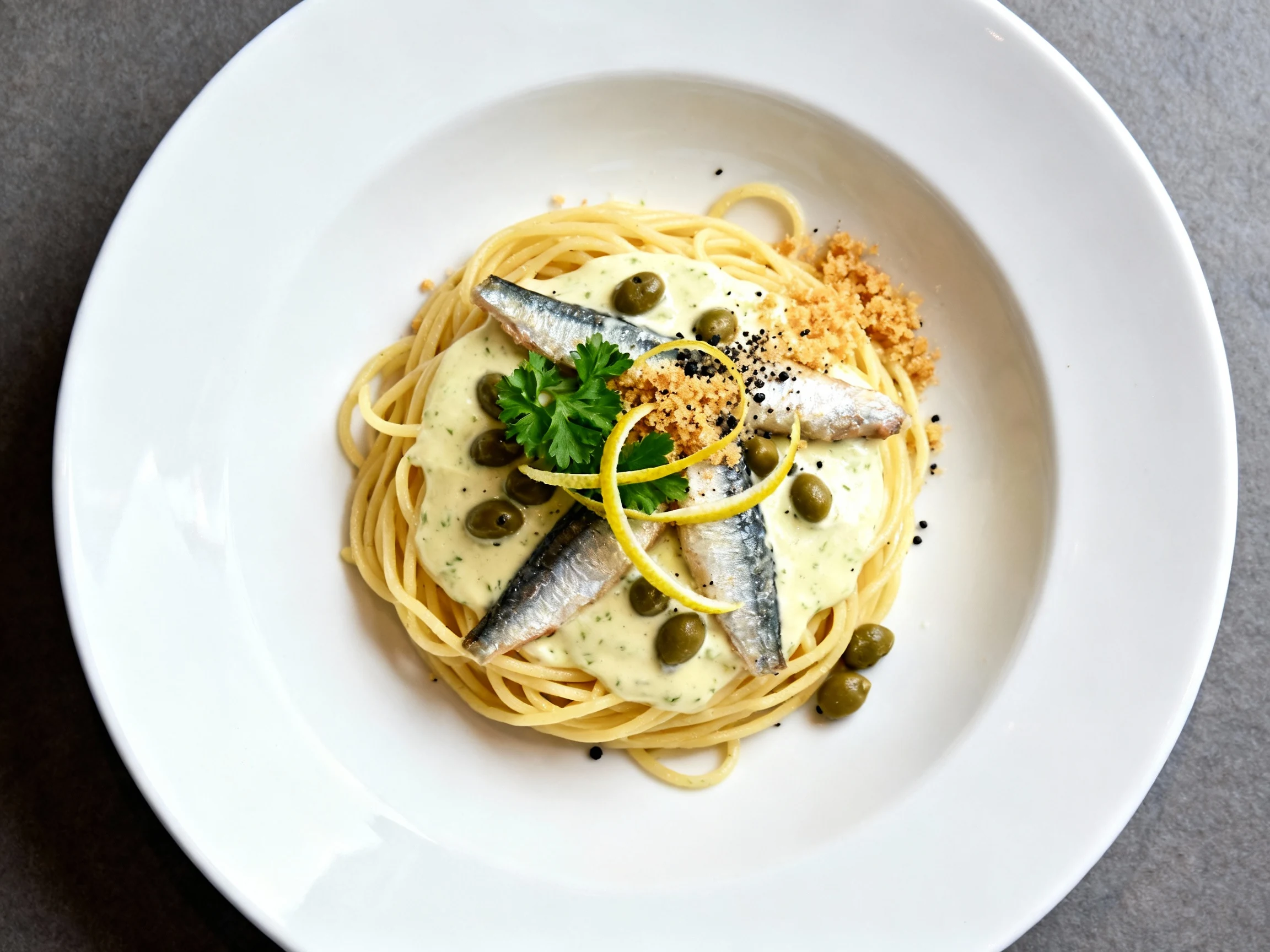
- Boil the pasta. Salt a pot of water like the ocean. Cook spaghetti until just shy of al dente. Reserve 1 cup of the starchy water.
- Toast the crumbs (optional, but do it). In a dry skillet, toast breadcrumbs over medium heat until golden. Season with a pinch of salt and set aside.
- Start the sauce. In the same skillet, add olive oil plus 1–2 tbsp oil from the sardine tins. Add garlic and shallot. Cook on medium-low until translucent and fragrant, about 2 minutes. Don’t brown the garlic.
- Add heat and brine. Sprinkle in red pepper flakes and capers. Stir 30 seconds.
- Deglaze. Pour in wine (or pasta water). Simmer 1–2 minutes to reduce slightly. You want a glossy puddle, not a soup.
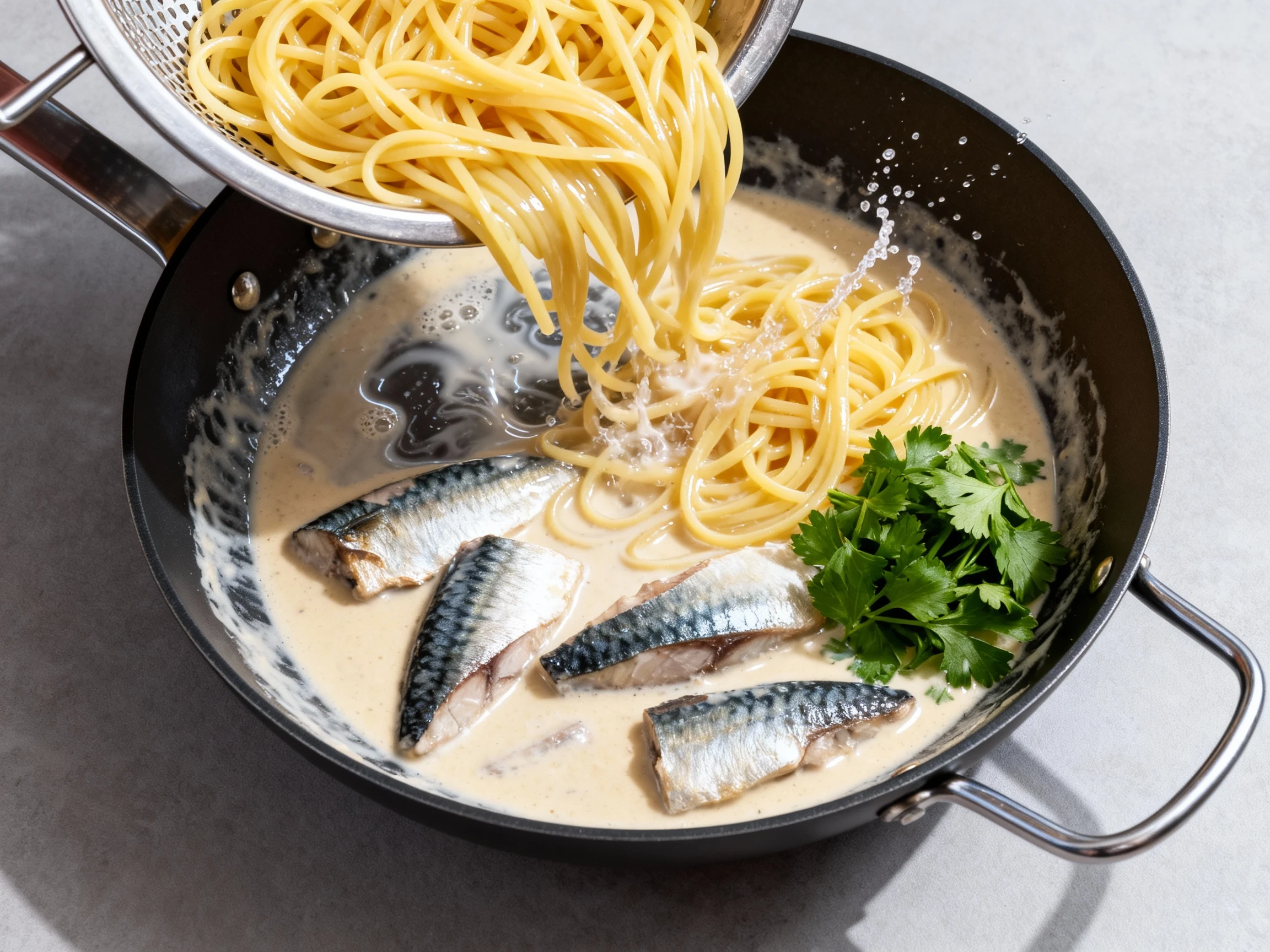
- Sardine time. Add the sardines gently. Break into big chunks with a spoon. Warm through for 1 minute. Do not overcook—you’re heating, not frying.
- Citrus lift. Add lemon zest and half the lemon juice. Taste. Add more juice to brighten as needed.
- Toss it all. Add drained pasta to the skillet. Splash in 1/4–1/2 cup reserved pasta water. Toss until silky and emulsified. Season with salt and plenty of black pepper.
- Green finish. Fold in parsley (and arugula if using) just before serving so it stays vibrant.
- Top and serve. Plate, shower with toasted breadcrumbs, and add cheese if you like. Eat immediately while it’s glossy and hot.
Pro tips:
- Use the oil from the tins—flavor lives there. FYI, it helps emulsify the sauce.
- Want less “fishiness”? Add extra zest and a few parsley stems during the sauce stage, then remove before tossing.
- For richer sauce, whisk in 1 tbsp butter off heat before serving.
Preservation Guide
Got leftovers? You’re fine—just store them right. Transfer cooked pasta to an airtight glass container. Drizzle with a little olive oil and a squeeze of lemon to keep it from clumping.
- Fridge: 2–3 days for cooked pasta; 3–4 days for opened sardines once moved to a lidded glass jar and covered with oil.
- Freezer: Not ideal for this dish. The pasta softens and the fish texture gets mealy.
- Reheat: Skillet > microwave. Add a splash of water, gently warm over medium-low, and finish with fresh lemon and herbs.
If you opened a tin and didn’t use all of it, never store leftovers in the can. Move the fish to a small jar, cover fully with olive oil, and refrigerate. That oil barrier protects flavor and keeps odors contained.
Fresh sardines freeze well for up to 3 months if cleaned, dried, and vacuum-sealed. Canned sardines are already cooked; freezing them changes texture, so eat those fresh from the jar.
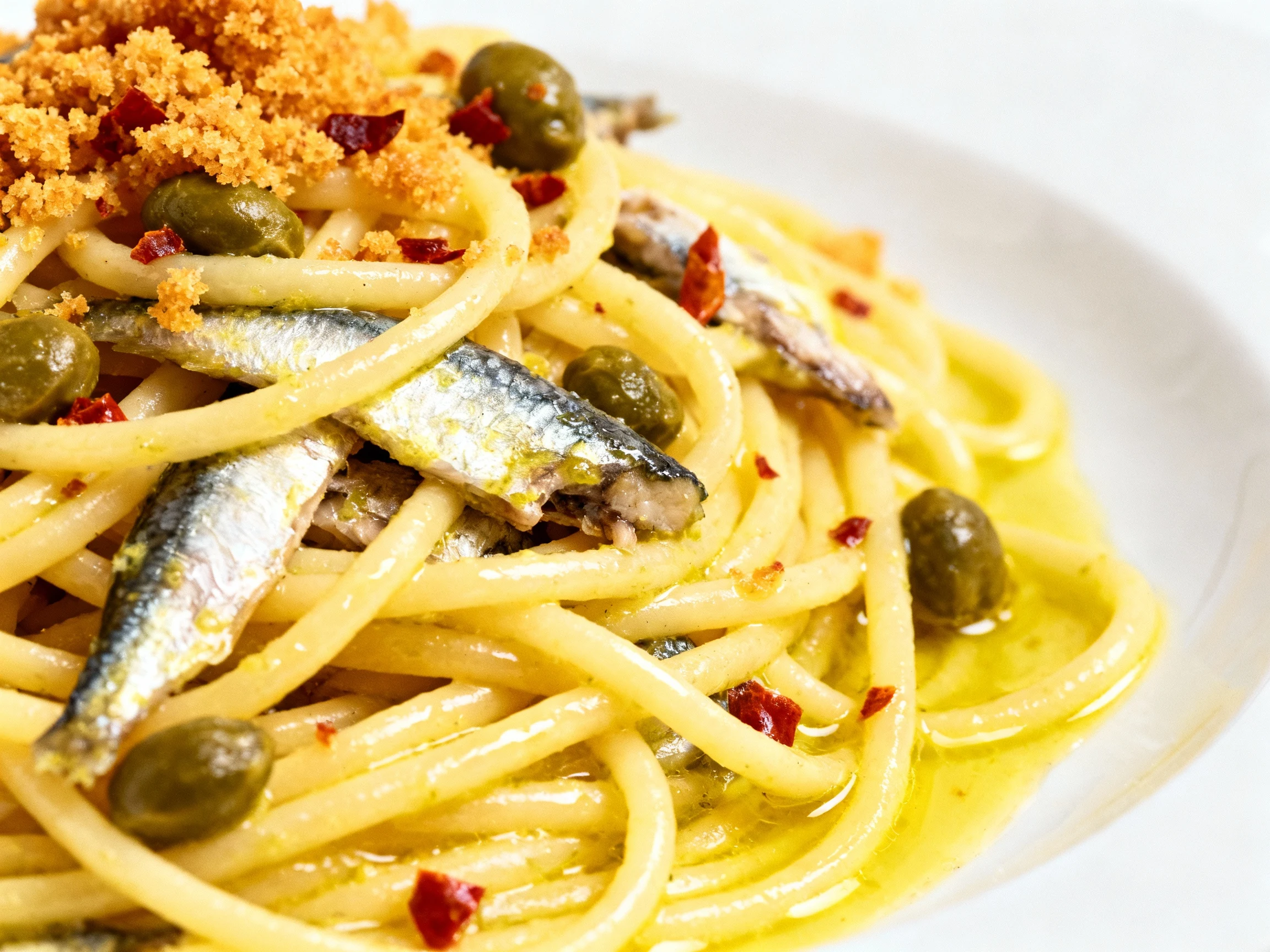
Health Benefits
- Omega-3 powerhouse: Sardines pack EPA and DHA, which support brain, heart, and anti-inflammatory health.
- Low mercury choice: Small fish = safer. Sardines sit low on the food chain, so they accumulate fewer heavy metals.
- Calcium and vitamin D: Eat the bones for a natural calcium boost, plus D to help you absorb it.
- Protein-dense: About 20–25 g per tin. You’ll stay full without a food coma.
- B12 and selenium: Energy and antioxidant support in one tidy package.
- Good fats over junk: Swap ultra-processed meats for sardines and watch your macros glow up, TBH.
What Not to Do
- Don’t overcook the sardines. They’re already cooked. Warm them; don’t turn them to dust.
- Don’t toss the tin oil. That’s flavor. Use it to start your sauce.
- Don’t skip acid. Lemon or vinegar makes the dish bright and balanced.
- Don’t boil the garlic. Gentle sauté = sweet and aromatic. Burnt garlic = bitter regret.
- Don’t forget salt in the pasta water. It’s your primary seasoning for the noodles.
- Don’t crowd the pan. Want a silky sauce? Give it room to emulsify, not steam.
- Don’t store leftovers in the can. Transfer to glass and cover with oil—always.
- Don’t fear the bones. They’re soft, edible, and packed with minerals.
- Don’t nuke tins in the microwave. This shouldn’t need explanation, but here we are.
- Don’t use water-packed sardines without extra fat. Add olive oil or butter or the sauce will taste flat.
Alternatives
5-Minute Sardine Avocado Toast with Chili Crunch
Mash 1 ripe avocado with lemon, salt, and pepper. Pile onto toasted sourdough, flake 1 tin sardines on top, drizzle with chili crisp, and finish with herbs. Breakfast-for-dinner energy.
Mediterranean Sardine Rice Bowl
Warm cooked rice. Top with sardines, chopped cucumber, tomatoes, olives, red onion, and feta. Dress with olive oil, lemon, oregano, and a pinch of sumac. Instant vacation.
Crispy Sardine Cakes
Mix 1 tin sardines (flaked) with 1 egg, 1/2 cup breadcrumbs, lemon zest, parsley, and a spoon of mayo. Form small patties and pan-sear in olive oil until golden. Serve with garlicky yogurt.
Tomato-Garlic Sardine Toasts
Rub grilled bread with cut garlic and ripe tomato. Layer sardine fillets, drizzle with olive oil, and shower with flaky salt and basil. Aperitivo vibes at home.
No-Cook Lemon-Herb Sardine Salad Wraps
Stir sardines with celery, dill, lemon juice, and a touch of Dijon. Wrap in butter lettuce or tortillas with cucumber slices. Zero stove time, maximum crunch.
FAQ
How do I make sardines taste less fishy?
Use acid and herbs. Lemon zest and juice, parsley, and a quick warm-through shift the flavor from briny to bright. You can also remove any dark bloodline bits if present and use the tin oil for roundness—fat carries flavor in a good way.
Should I buy sardines in oil, water, or tomato sauce?
Oil-packed = best texture and flavor, especially for sautéing. Water-packed can work in salads if you add olive oil. Tomato-packed are great for toast or pasta but control salt since those tins run savory.
Can I eat the bones and skin?
Yes. The bones are soft and edible, and they deliver calcium. The skin adds omega-3s and richness. If the texture isn’t your thing, you can flake the fish and discard larger bits, but you’re leaving nutrients on the table.
What’s the best way to store an opened tin?
Transfer the fish to a small glass jar, cover completely with olive oil, and refrigerate. Don’t store in the opened can. Eat within 3–4 days.
Can I swap canned for fresh sardines?
Absolutely. Fresh sardines love high heat and speed. Grill or pan-sear 2–3 minutes per side, then dress with lemon, garlic, and herbs. For the pasta here, flake seared fillets into the sauce at the end.
Which pasta shape works best?
Long shapes like spaghetti or linguine emulsify beautifully with the oily, lemony sauce. Short shapes (rigatoni, fusilli) also work; just keep the sauce glossy with pasta water.
What wine pairs with sardines?
Go crisp and citrusy: Albariño, Vermentino, or Sauvignon Blanc. If you prefer red, chill a light-bodied option like Gamay or Frappato. Keep tannins low so they don’t clash with the fish oils.
Are sardines safe during pregnancy?
Sardines are typically low in mercury and nutrient-dense, which is great. That said, always consult your healthcare provider for guidance tailored to your situation.
How can I serve this to kids or sardine skeptics?
Flake the sardines small, use extra lemon and parmesan, and top with crunchy breadcrumbs. Start with toast or fish cakes—gateway recipes that win over skeptics fast, IMO.
My Take
Sardines are the highest-leverage ingredient in your pantry—cheap, fast, absurdly nutritious, and way tastier than their reputation. Treat them right with heat, acid, and herbs, and you’ll get chef-level results on a Tuesday. The lemon-garlic pasta hits every note: silky, bright, briny, and satisfying without the bloat. Keep a few good tins on hand, and you’ve got a back-pocket dinner that prints wins on demand.
Printable Recipe Card
Want just the essential recipe details without scrolling through the article? Get our printable recipe card with just the ingredients and instructions.