Salmon Recipes Baked for Juicy Weeknight Wins — Easy Wow
Crispy edges, tender centers, zero fuss. Sheet-pan flavors, minimal prep, fast cook time, and restaurant-level results for weeknights.
You want dinner that pulls its weight: fast, flavorful, and impossible to mess up. Baked salmon does all three, then flexes with a clean pan and zero drama. The secret? A smart sauce, high heat, and just enough patience to let carryover cooking make magic. This is the kind of “set it up, let it ride” play that gets you compliments and seconds. If you can turn on an oven, you can win dinner tonight.
What Makes This Special
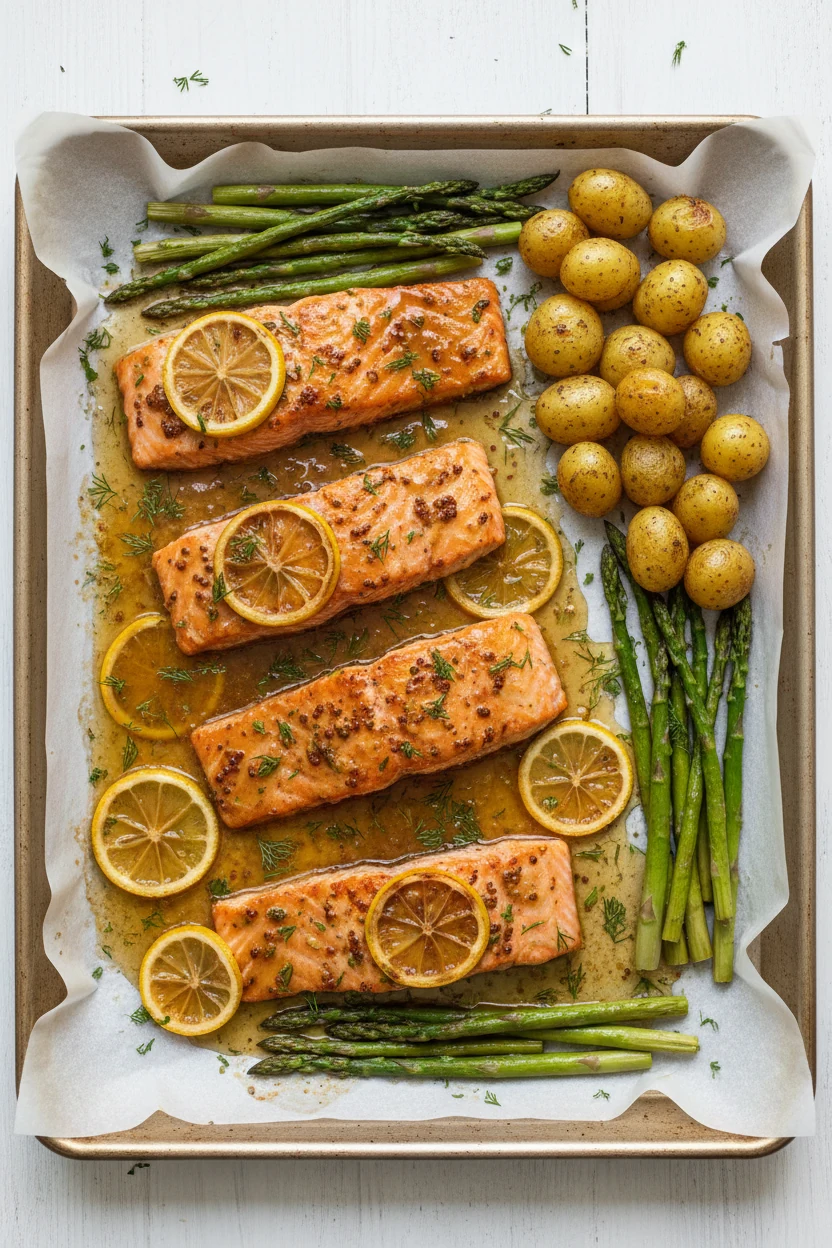
This is not your average “throw fish on a tray and hope.” This method stacks tiny advantages—like a quick marinade and precise oven placement—for a big payoff. You’ll get skin that behaves, flesh that stays moist, and flavors that pop like you bought them.
- High-heat strategy: Baking at a hot temperature creates crisp edges while the inside stays tender.
- Smart, balanced sauce: Lemon, garlic, Dijon, and a hint of maple for sweet-savory harmony that doesn’t overpower the fish.
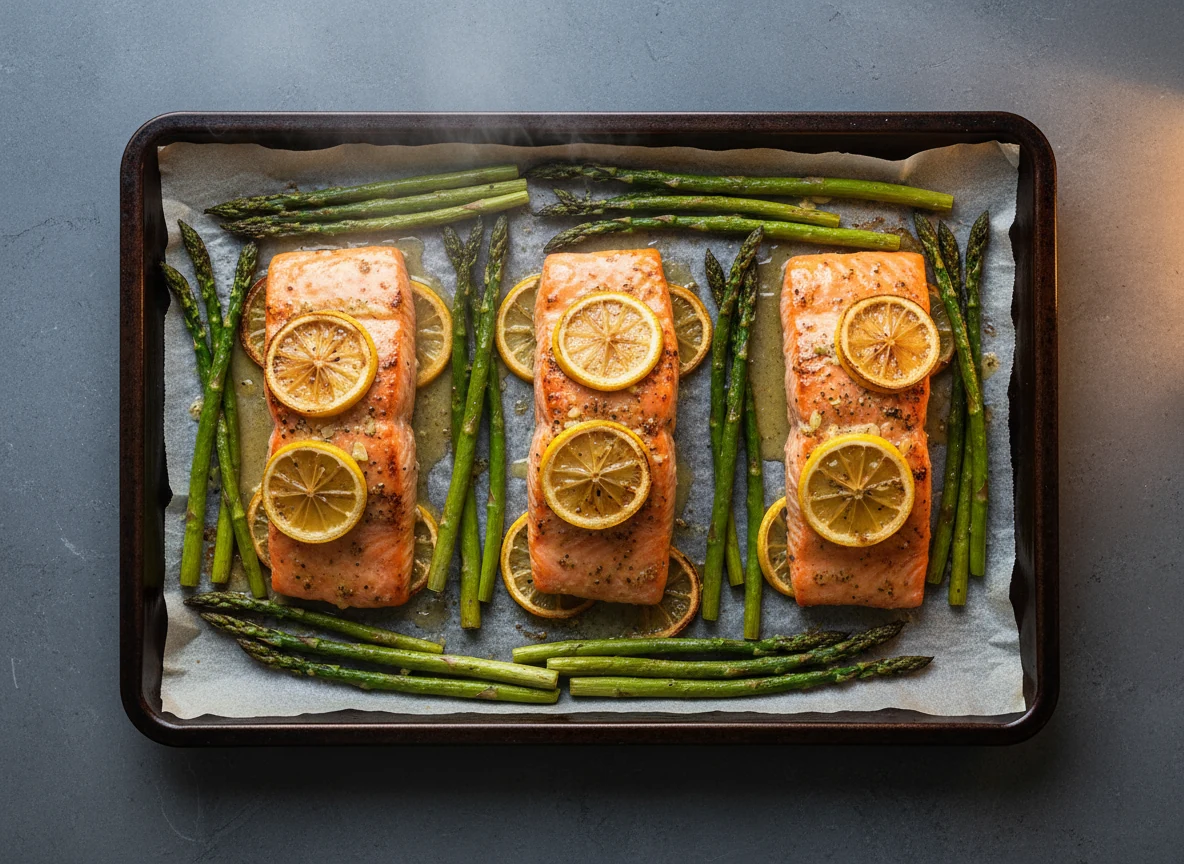
- Sheet-pan dinner: Roast veggies right alongside the fillets for a complete meal with one pan.
- Foolproof timing: Designed around thickness and internal temp so you stop guessing.
- Flexible: Works with fresh or frozen, skin-on or skinless, and adapts to any flavor profile.
What Goes Into This Recipe – Ingredients
- 4 salmon fillets (about 6 oz each), skin-on preferred
- 1 tablespoon olive oil
- 2 tablespoons unsalted butter, melted
- 2 cloves garlic, minced
- 1 tablespoon lemon zest
- 2 tablespoons fresh lemon juice
- 1 teaspoon Dijon mustard
- 1 tablespoon maple syrup or honey
- 1 teaspoon kosher salt, plus more to taste
- 1/2 teaspoon black pepper
- 1/2 teaspoon smoked paprika (or regular paprika)
- 1/4 teaspoon red pepper flakes (optional, for heat)
- 2 tablespoons fresh dill or parsley, chopped
- 6–8 thin lemon slices
- Optional sheet-pan sides: 1 lb baby potatoes (halved), 8 oz green beans or asparagus, 1 tablespoon olive oil, pinch of salt
Step-by-Step Instructions
- Preheat to 425°F (218°C). Place a rack in the middle of the oven. Line a rimmed sheet pan with parchment for easier cleanup and better browning.
- Prep the veggies (if using). Toss baby potatoes with 1 tablespoon olive oil and a pinch of salt. Spread on the pan and roast for 10 minutes to get them started. FYI, green beans or asparagus go in later.
- Make the sauce. In a bowl, mix melted butter, olive oil, garlic, lemon zest, lemon juice, Dijon, maple or honey, smoked paprika, pepper, and 1 teaspoon salt. Taste and adjust. It should be bright, savory, and slightly sweet.
- Pat the salmon dry. Moisture is the enemy of crisp edges. Place fillets skin-side down on the pan. If using veggies, arrange fillets so they’re not crowded.
- Brush generously. Coat the top of each fillet with the sauce. Tuck lemon slices on top or around the fish for aroma and extra zing.
- Add quick-cook veggies. If using green beans or asparagus, add them now around the salmon. Drizzle with a bit of the sauce or extra olive oil and a pinch of salt.
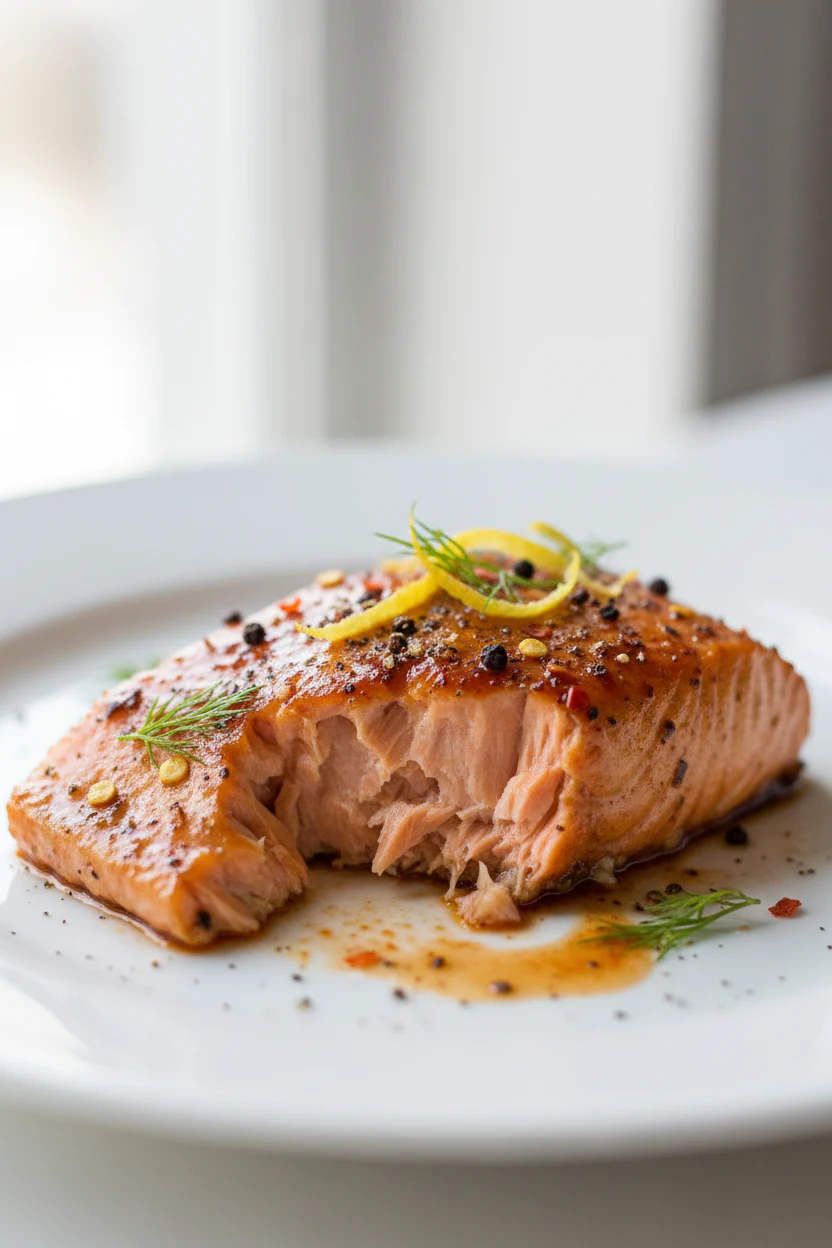
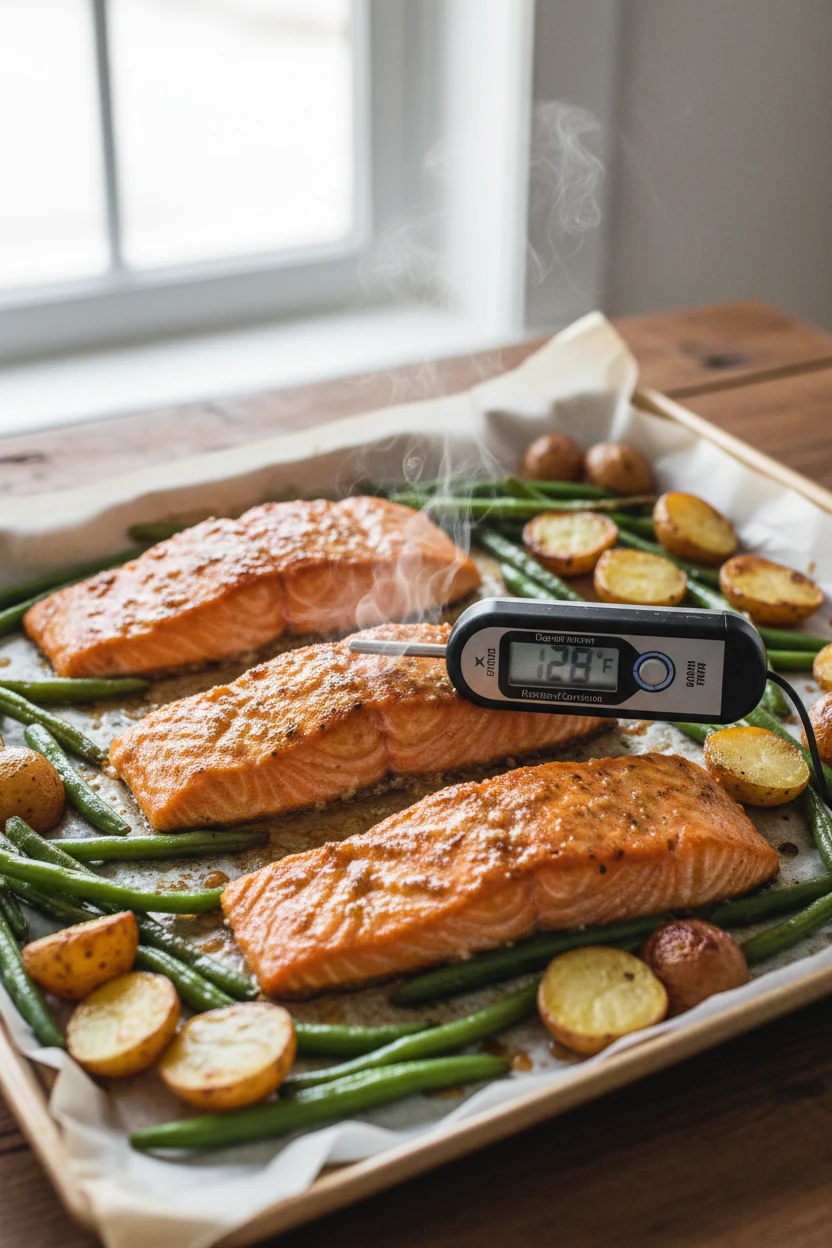
- Bake. Roast salmon for 8–12 minutes depending on thickness. Aim for an internal temp of 125–130°F for moist, tender fish; carryover will finish it. If you prefer fully firm, go to 140–145°F (FDA guideline is 145°F).
- Optional broil for 1–2 minutes. Want caramelized edges? Flip to broil at the end, watching like a hawk. Don’t walk away.
- Rest and finish. Let salmon rest 3 minutes. Sprinkle chopped dill or parsley. Spoon any pan juices over for extra flavor, then serve hot.
Storage Tips
- Fridge: Cool completely, then store in an airtight container for up to 3 days.
- Reheat gently: Low and slow is best—275°F for 10–12 minutes or in a covered skillet over low heat. High heat turns it dry. Don’t do that.
- Microwave: If you must, use 50% power in 30-second bursts to avoid rubbery results.
- Freezer: Wrap tightly and freeze for up to 2 months. Thaw overnight in the fridge, then reheat gently.
- Meal prep: Keep sauce separate and add after reheating to revive moisture and flavor.
Benefits of This Recipe
- Speed: Total time around 25 minutes including preheat and sauce assembly.
- Nutrition: High-quality protein with omega-3s, plus fiber-rich veggies if you sheet-pan it.
- Low mess: One pan, parchment-lined, minimal cleanup. Your sink will thank you.
- Consistency: A method that scales and delivers results even if you’re “meh” at cooking.
- Versatility: Works with countless flavor profiles, from tangy mustard to miso to Cajun spice.
Don’t Make These Errors
- Skipping the pat-dry: Wet fish steams instead of roasts. Paper towels exist for a reason.
- Overcooking: Salmon can go from perfect to chalky fast. Use a thermometer and pull at 125–130°F for moist results.
- Cold oven: Preheat fully. A lukewarm oven kills texture and timing.
- Crowding the pan: When fillets touch, they don’t crisp. Give each a little personal space.
- Forgetting carryover: Fish keeps cooking off-heat. Resting matters—don’t panic if it’s slightly under at pull.
- All sweet, no acid: A splash of lemon balances wealthy flavors. Without it, the dish tastes flat.
- Broiling unsupervised: The broiler waits to betray you. Watch it like it owes you money.
Variations You Can Try
- Miso-ginger glaze: 1 tablespoon white miso + 1 teaspoon soy + 1 teaspoon honey + 1 teaspoon rice vinegar + grated ginger. Brush and bake.
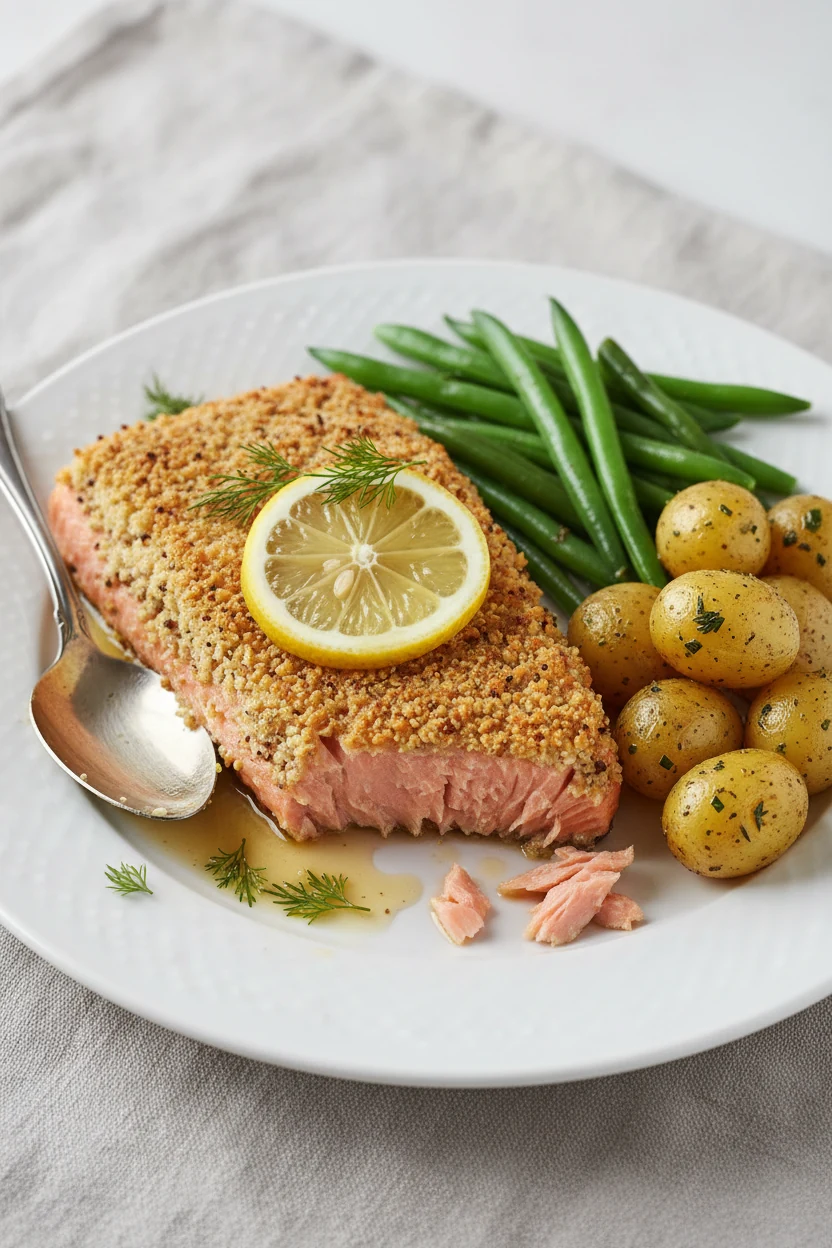
- Honey mustard crunch: Mix honey and Dijon; top with panko + olive oil for a crisp crust. Bake until golden.
- Cajun butter: Melted butter + Cajun seasoning + lemon. Spicy, smoky, and very weeknight-friendly.
- Dill-yogurt finish: Stir Greek yogurt, lemon, dill, garlic powder; spoon over after baking for cool, creamy contrast.
- Pesto sheet-pan: Brush fillets with pesto; add cherry tomatoes and zucchini. Bake, then drizzle balsamic.
- Mediterranean medley: Olive oil, oregano, garlic, and lemon with olives and red onion on the pan. Bright and bold.
- Foil packet method: For extra moisture, wrap each fillet with sauce and lemon in foil. Bake at 400°F for 12–15 minutes.
- Teriyaki lacquer: Brush with teriyaki; sprinkle sesame seeds and scallions after baking. Sweet-savory crowd-pleaser.
FAQ
What temperature is best for baking salmon?
For crispy edges and juicy centers, use 425°F (218°C). It cooks quickly and locks in moisture. If you prefer ultra-gentle, go 350–375°F and add a few minutes, but expect softer edges.
Should I leave the skin on?
IMO, yes. Skin protects from overcooking and makes handling easier. Bake skin-side down; it’ll release from the pan when done. If you don’t like eating it, slide it off after baking—zero drama.
How long should I bake salmon?
Most 1-inch-thick fillets take 8–12 minutes at 425°F. Thickness and starting temperature matter. Start checking at minute 8 and use a thermometer for accuracy.
How do I know when salmon is done?
Target 125–130°F for moist fish, or 140–145°F for fully firm. The flesh should flake with a fork and look slightly translucent in the center; carryover finishes it during rest.
Can I use frozen salmon?
Yes. Thaw in the fridge overnight or use a cold water bath in sealed packaging for faster thawing. Pat dry thoroughly; frozen fish holds more moisture, and you need that gone before baking.
What sides pair well?
Roasted potatoes, asparagus, green beans, or a lemony arugula salad are winners. Grains like quinoa or couscous soak up sauces nicely. Bonus points for a garlicky yogurt or herby chimichurri.
Is parchment necessary?
No, but it’s a smart move. Parchment prevents sticking, speeds cleanup, and encourages even browning. If you skip it, lightly oil the pan and preheat it to help release.
Should I marinate salmon?
Short answer: keep it quick. A 10–20 minute rest in the sauce adds flavor without softening the texture too much. Beyond 30 minutes, acid starts to “cook” the fish—save that for ceviche, not the oven.
What if my fillets are super thin?
Lower the time and consider 400°F for more control. Thin fillets can be perfect at 6–8 minutes. Pull earlier and let carryover work.
Can I meal prep this?
Absolutely. Bake, cool, and portion with veggies. Store the sauce or a fresh drizzle separately and add when reheating to revive texture and flavor. Your Tuesday self will thank your Sunday self.
Wrapping Up
You don’t need a culinary degree to make fish people crave. You need heat, timing, and a sauce that behaves under pressure. This baked method delivers crisp edges, juicy centers, and a one-pan cleanup that feels unfairly easy. Make it once; it’ll become your weeknight cheat code. And if someone asks for the “secret,” smile and say, “It’s all in the sauce.”
Printable Recipe Card
Want just the essential recipe details without scrolling through the article? Get our printable recipe card with just the ingredients and instructions.