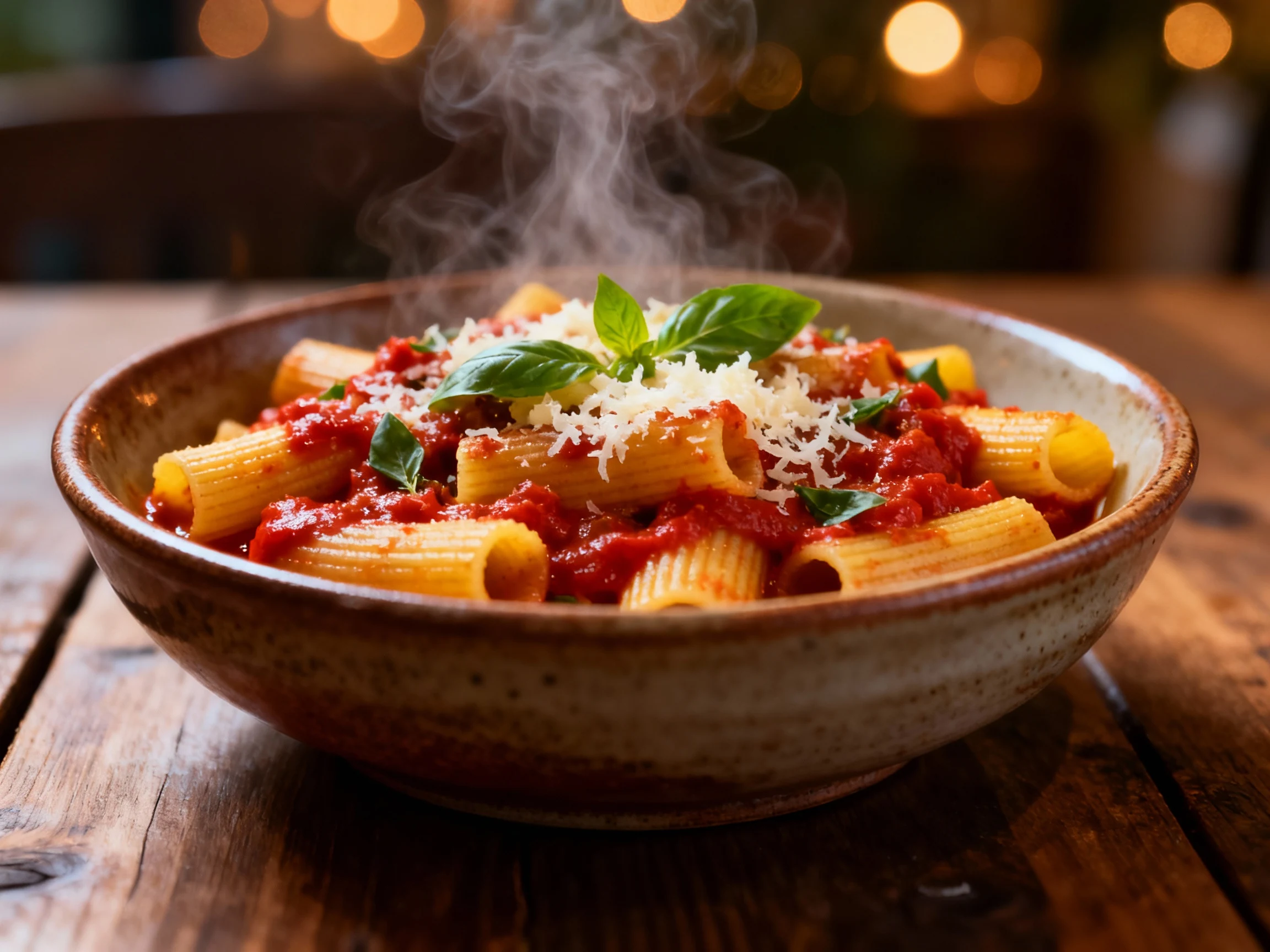
Rigatoni Recipes You’ll Want to Cook Every Single Week
Discover bold flavors and easy techniques that make weeknight pasta dinners fast, satisfying, and totally crave-worthy.
Ever wonder why some pasta dishes make you want seconds before you’ve even finished your plate? It’s not magic—it’s a killer combo of texture, sauce, and timing. Rigatoni isn’t just a tube-shaped pasta; it’s a flavor delivery system engineered for maximum sauce cling. And when you nail the right recipe, you’re basically the person friends call when they’re “accidentally” in the neighborhood at dinnertime. Forget bland noodles—let’s talk about pasta that makes taste buds sit up and salute.
What Makes This Recipe Awesome
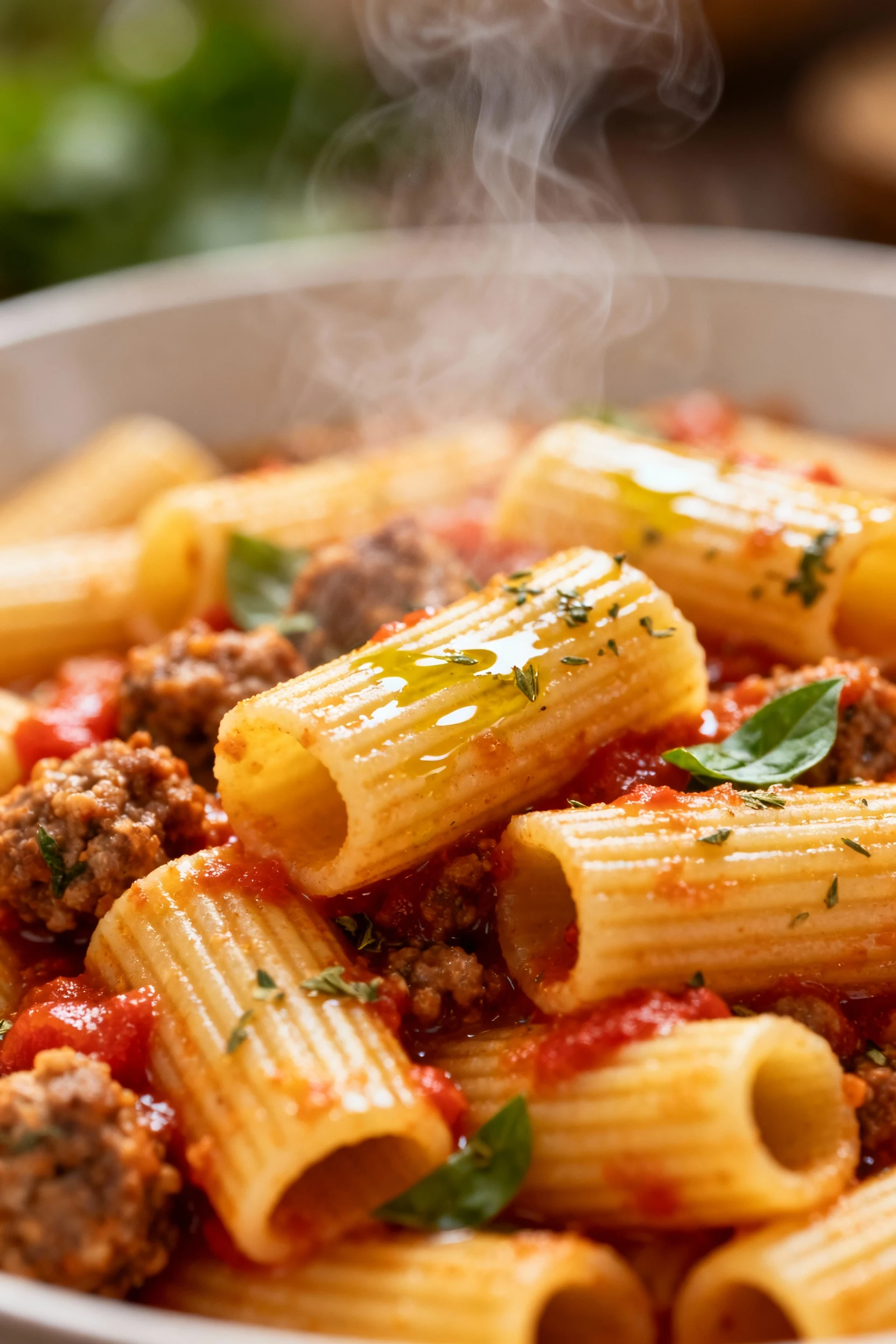
Great rigatoni dishes aren’t just boiled noodles with sauce. They’re carefully crafted meals that balance chewy pasta, rich sauce, and both subtle and bold flavors. Rigatoni’s ridges hold on to sauces like a pro, making it perfect for creamy blends, chunky ragùs, or indulgent baked versions. Plus, the wide tubes make every bite substantial—it’s pasta with personality.
Shopping List – Ingredients
- 1 pound rigatoni pasta
- 2 tablespoons olive oil
- 1 medium onion, diced
- 3 cloves garlic, minced
- 1 pound Italian sausage or ground beef
- 1 can (28 oz) crushed tomatoes
- 1 teaspoon dried oregano
- 1 teaspoon dried basil
- 1/2 teaspoon red pepper flakes (optional for heat)
- Salt and freshly ground black pepper to taste
- 1/2 cup heavy cream (optional for a creamy version)
- 1 cup grated Parmesan cheese
- Fresh basil leaves for garnish
Instructions
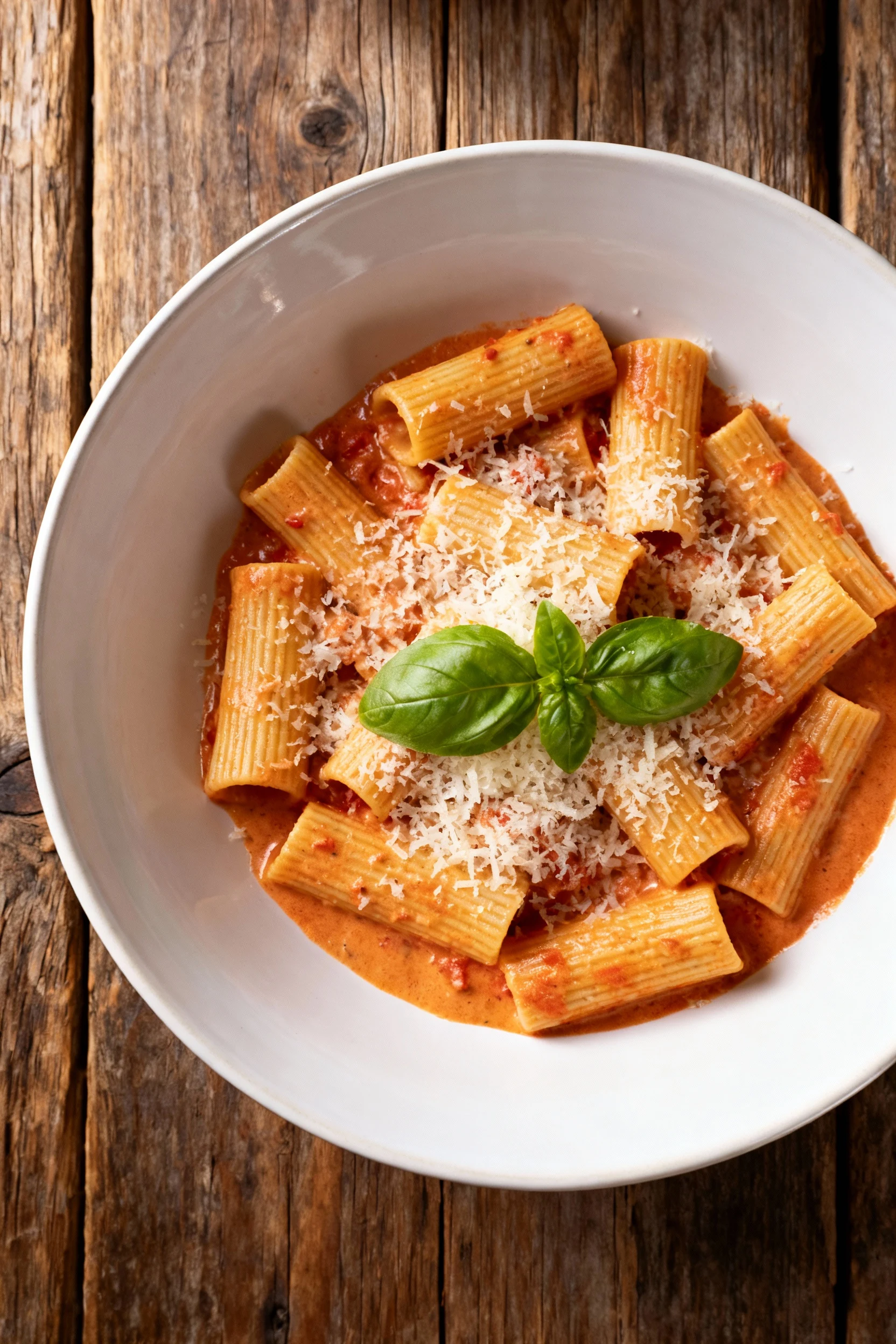
- Bring a large pot of salted water to boil. Add rigatoni and cook until al dente, according to package instructions.
- While pasta cooks, heat olive oil in a large skillet over medium heat. Add onion and sauté until softened.
- Add garlic and cook for 30 seconds—don’t burn it unless you enjoy bitterness (spoiler: you don’t).
- Add sausage or beef, breaking it up as it browns. Cook until fully browned and no longer pink.
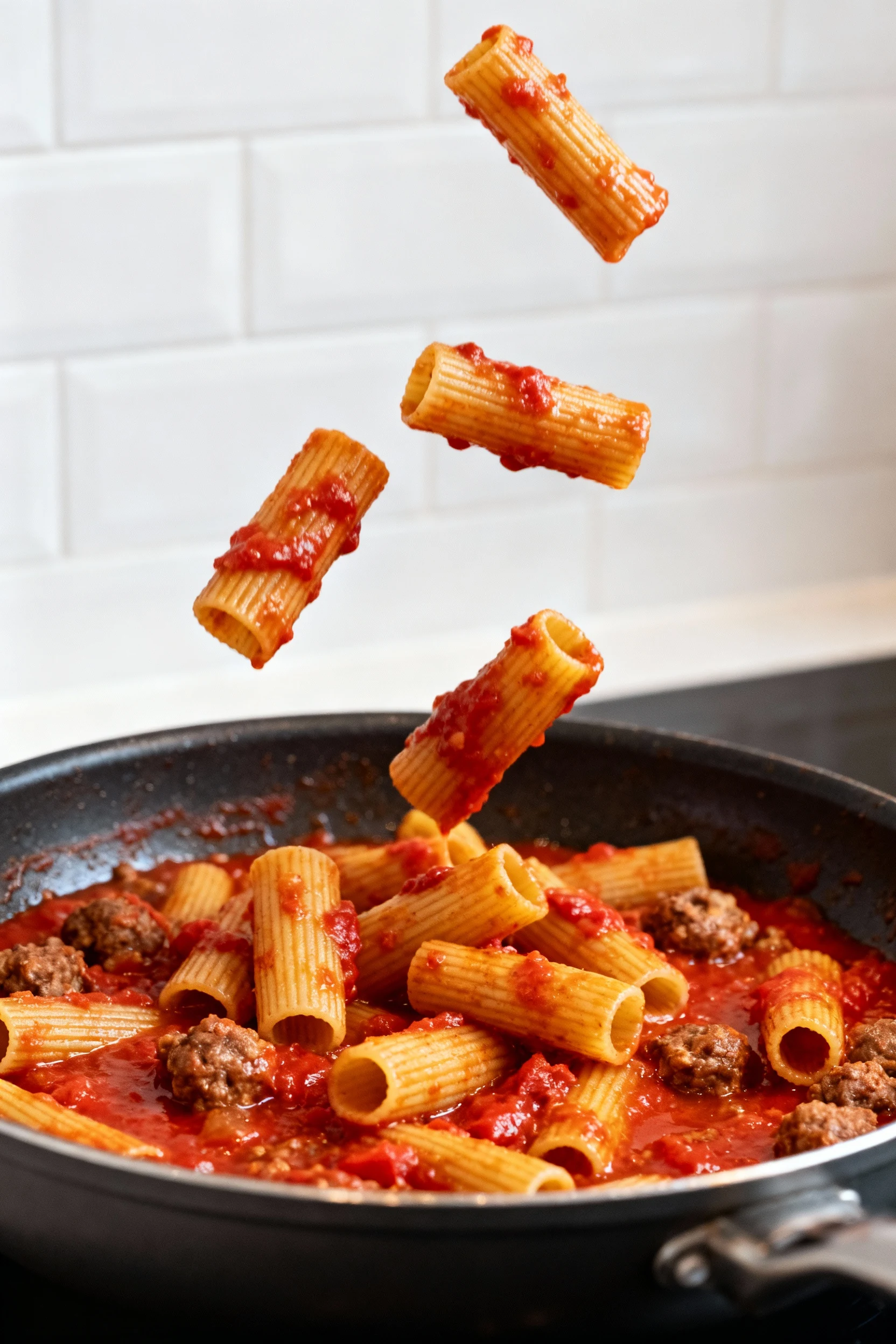
- Pour in crushed tomatoes, oregano, basil, and pepper flakes if using. Stir well and simmer for 10 minutes.
- Season with salt and pepper. For extra indulgence, stir in heavy cream until the sauce turns velvety.
- Drain rigatoni, reserving about 1/2 cup of pasta water. Add pasta to the sauce and toss to coat. Adjust consistency with pasta water as needed.
- Sprinkle generously with Parmesan cheese and garnish with fresh basil before serving.
Keeping It Fresh
If you’re making extra (because why not?), store cooled rigatoni in airtight containers in the fridge for up to three days. Pro tip: drizzle a tiny bit of olive oil before refrigerating to avoid pasta clumping like a middle school dance floor. To reheat, use a skillet with a splash of water or broth—microwave-only reheats can dry it out faster than a bad joke at Thanksgiving.
What’s Great About This
- Minimal prep work, huge flavor payoff.
- Customizable with proteins, veggies, or spice level—your call.
- Works as casual weeknight comfort food or dressed-up dinner party star.
- Kids and picky eaters usually give it two thumbs up.
Don’t Make These Errors
- Overcooking rigatoni until it’s mush—al dente is the name of the game.
- Skimping on the salt in pasta water. It’s your first flavor layer—don’t sabotage it.
- Drowning pasta in sauce before tasting—it needs balance, not a tomato flood.
- Neglecting to reserve some pasta water to emulsify the sauce.
Alternatives
- Swap Italian sausage for shredded rotisserie chicken for lighter flavor.
- Use roasted vegetables instead of meat for a vegetarian delight.
- Try a creamy Alfredo-style sauce in place of tomato for a richer bite.
- Experiment with whole wheat or gluten-free rigatoni—texture changes, but still tasty.
FAQ
Can I bake this rigatoni after cooking?
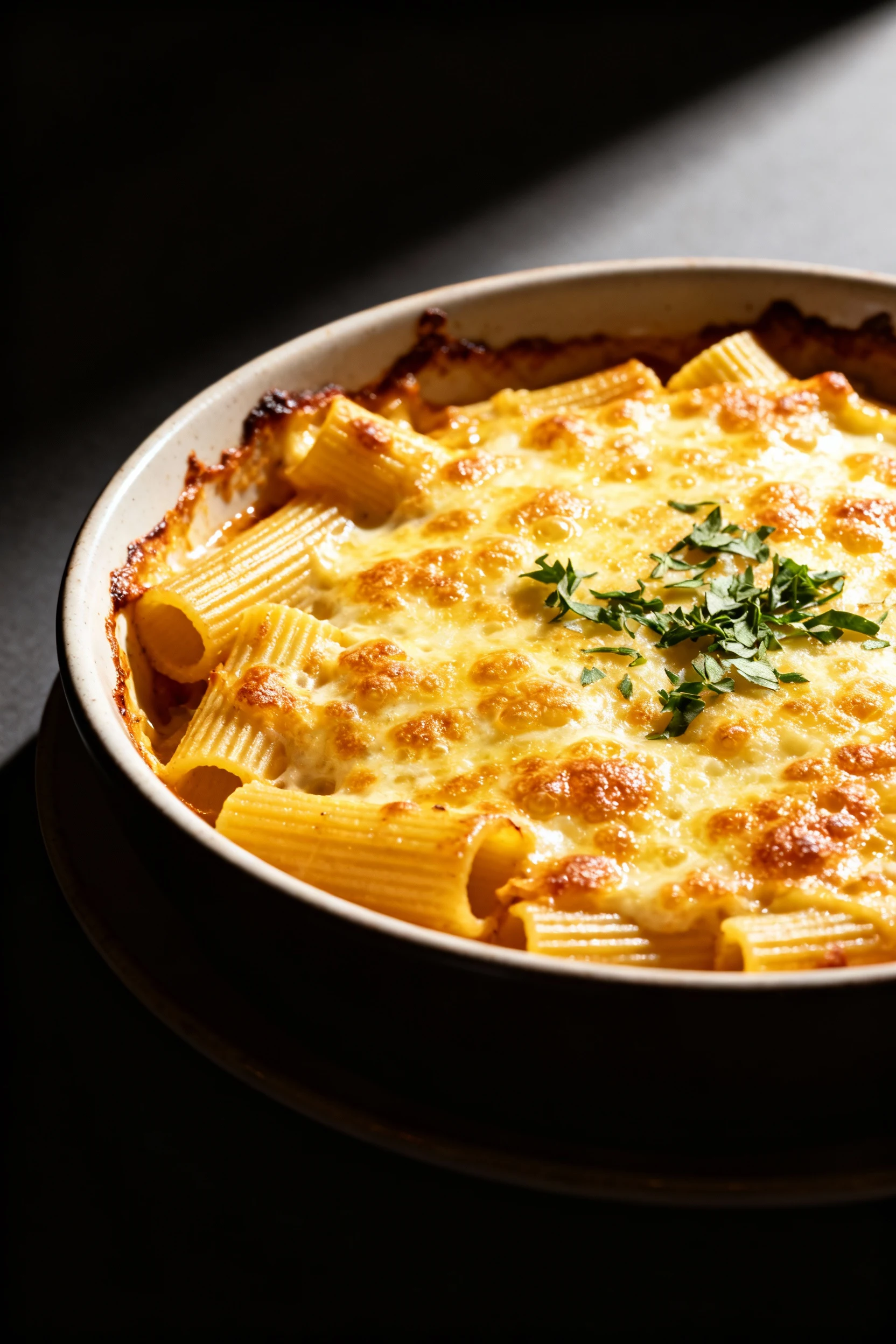
Absolutely. You can layer pasta in a casserole dish with extra cheese, then bake until golden and bubbly for a “set it and forget it” finish.
Is fresh rigatoni better than dried?
Fresh pasta offers softer texture and quicker cook time, but dried rigatoni has excellent bite and holds up in hearty sauces. Pick based on your vibe (and pantry).
Does heavy cream make the sauce greasy?
Nope—when properly mixed and heated, cream blends into the tomato base for a smooth, luxurious finish. Just avoid boiling after adding it.
Can I freeze leftover rigatoni?
Yes, though textures change slightly on reheat. Freeze without the garnish and thaw in the fridge before reheating over low heat.
What wine pairs best with this dish?
A medium-bodied red like Chianti or Barbera complements tomato-based sauces beautifully. If going creamy, try Chardonnay or Pinot Grigio.
In Conclusion
Rigatoni is more than just an edible tube—it’s the ultimate pasta for soaking up big, bold flavors while keeping a satisfying chew. Whether you dress it up for Sunday guests or keep it humble on a Tuesday night, this recipe’s flexibility and crowd-pleasing nature make it a keeper. So stock up on those ridged noodles, grab your favorite sauce ingredients, and turn your kitchen into a rigatoni HQ.
Printable Recipe Card
Want just the essential recipe details without scrolling through the article? Get our printable recipe card with just the ingredients and instructions.