Rice Noodle Recipes That Cook Fast and Taste Bolder
Weeknight-friendly bowls with pantry swaps, crisp veg, and big sauce energy—20-minute cook time, budget options, and gluten-free tips.
If dinner doesn’t give you big flavor for little effort, it’s not earning its spot. These noodles deliver absurd payoff: minimal prep, fast heat, and a sauce that makes people ask for the recipe before they finish chewing. You’ll master one base formula, then spin it a dozen ways—so your weeknight rotation never gets boring (or pricey). The secret isn’t magic; it’s a few high-ROI techniques and a smart pantry. Let’s build your go-to noodle move so you can flex on your future self at 7:15 p.m.
What Makes This Special
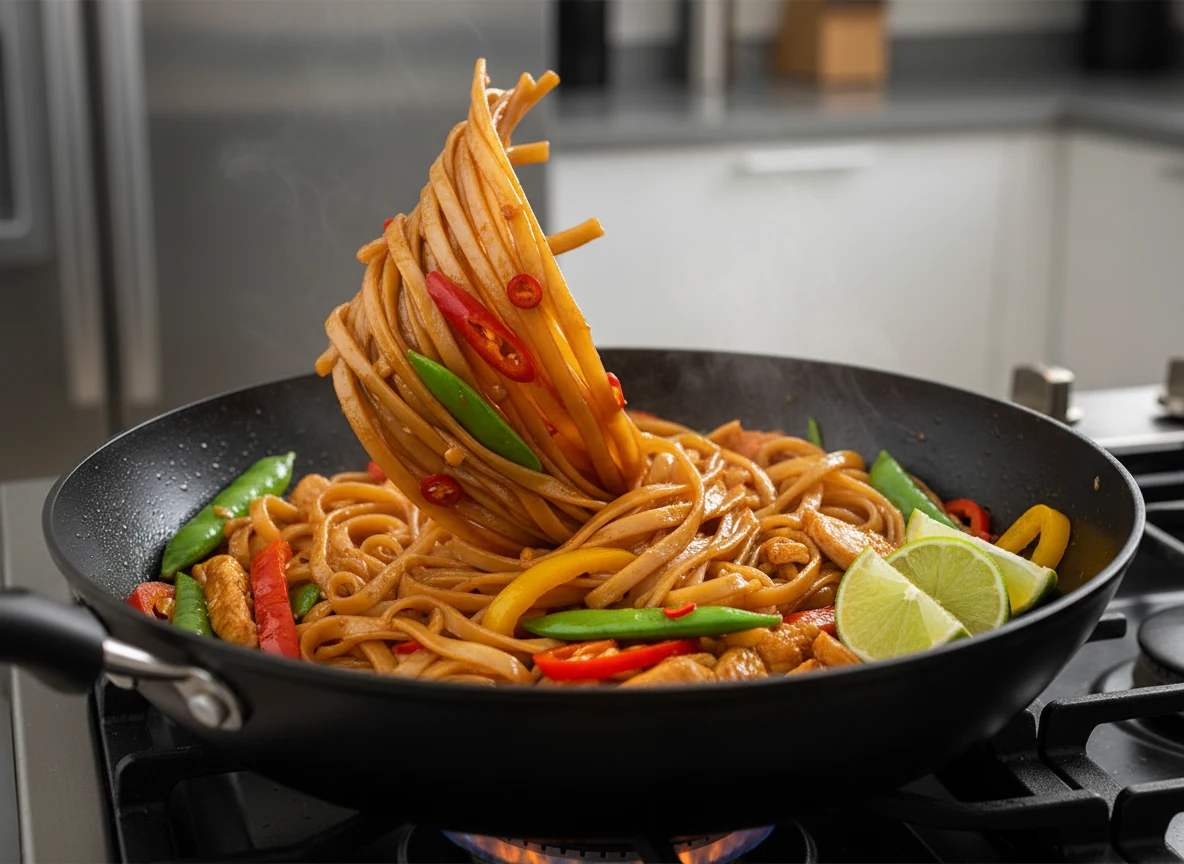
We’re not chasing restaurant perfection with 27 steps. We’re building a high-impact system you can repeat and remix. This blueprint gives you speed, flexibility, and consistency.
- 20 minutes, start to finish: Soak noodles, stir-fry once, eat. No simmering. No drama.
- One skillet or wok: Less cleanup, more sizzling. Your weeknight patience will thank you.
- Pantry-first sauce: Soy/tamari, lime, a little sugar, and chili. Balanced, sticky, and wildly craveable.
- Choose your protein: Shrimp, chicken, beef, tofu, or mushrooms—whatever’s on hand wins.
- Gluten-free friendly: Use tamari or coconut aminos and you’re set. FYI, most rice noodles are naturally GF.
- Budget-minded: Veg-forward and sauce-driven. Flavor > fancy cuts. Your wallet can breathe.
Ingredients Breakdown
The Noodles
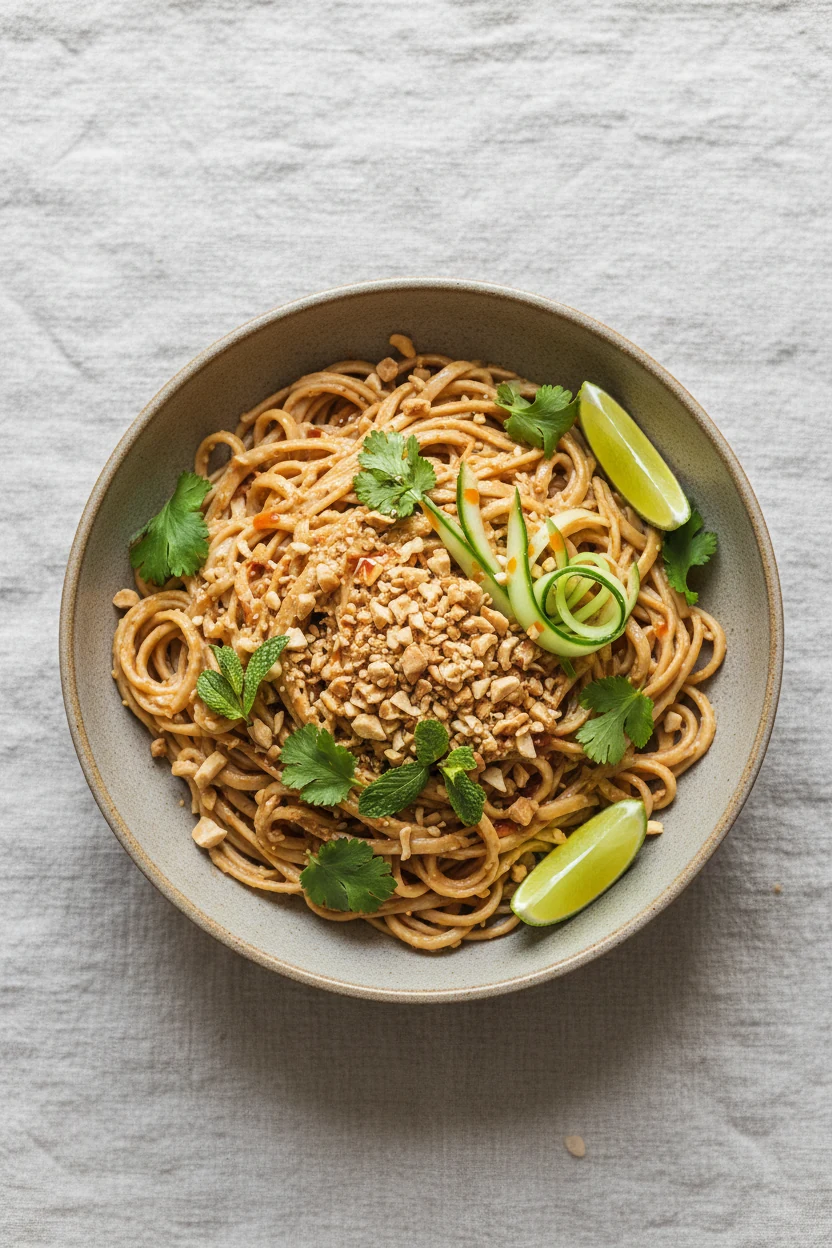
- 12 oz dried rice noodles, medium width (a.k.a. stir-fry or pad Thai style). Thin noodles cook faster; wide noodles hold more sauce. Both work.
All-Purpose Stir-Fry Sauce
- 3 tbsp soy sauce or tamari (for gluten-free)
- 1 tbsp dark soy (optional, for color and depth) or add +1 tsp regular soy
- 1 tbsp fish sauce (optional; sub extra 1 tbsp tamari for vegan)
- 2 tbsp brown sugar or palm sugar (honey works too)
- 2 tbsp fresh lime juice (or 1 tbsp lime + 1 tbsp rice vinegar)
- 1 tbsp rice vinegar (skip if using all lime)
- 1–2 tbsp chili-garlic sauce or sriracha, to taste
- 2 tbsp water (plus more as needed to loosen)
- 1 tsp cornstarch (optional, for extra clingy sauce)
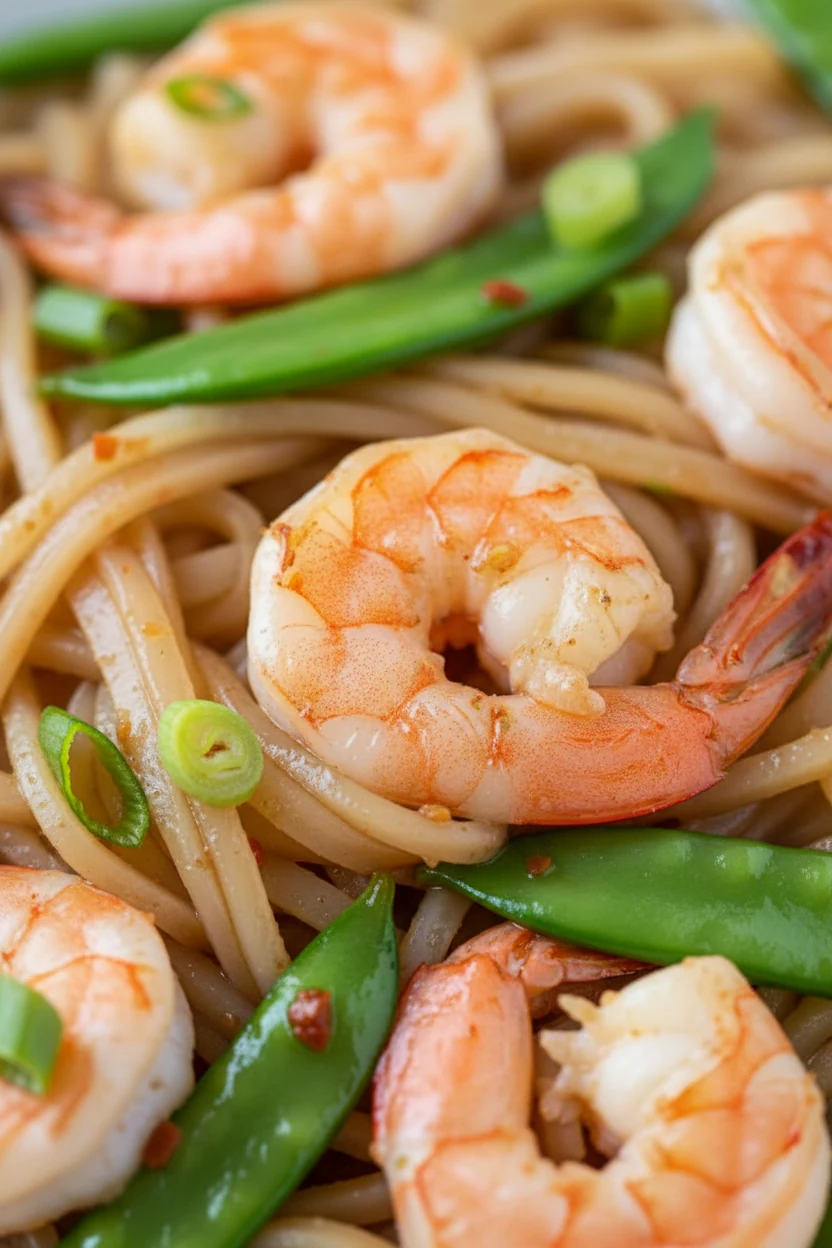
Protein (choose one, about 12 oz)
- Shrimp: peeled and deveined, patted dry
- Chicken thigh or breast: thinly sliced
- Flank or skirt steak: thinly sliced against the grain
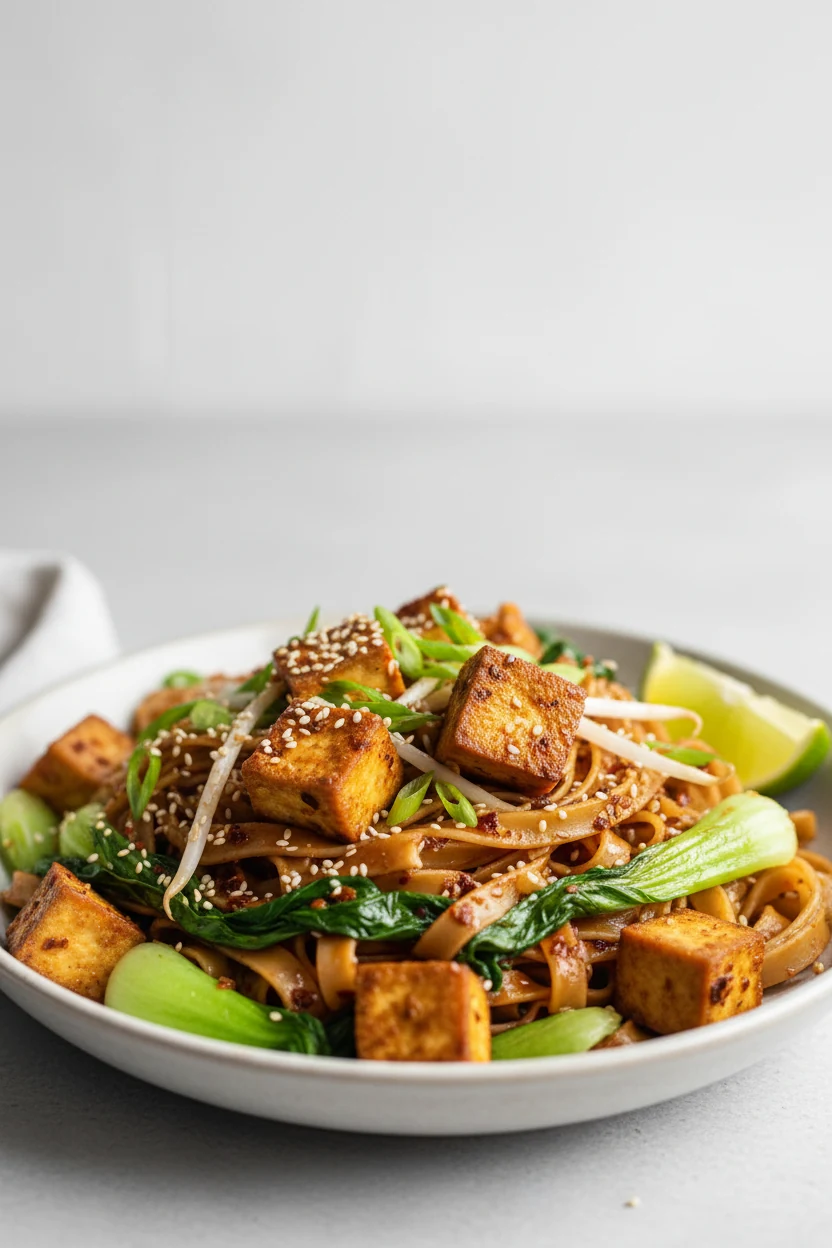
- Extra-firm tofu: 14 oz block, pressed and cubed
- King oyster or cremini mushrooms: sliced, for a hearty plant-based option
Vegetables (3–4 cups total, mix and match)
- Bell pepper strips
- Carrot matchsticks
- Broccoli or broccolini, bite-size
- Snow peas or snap peas
- Baby bok choy, chopped
- Bean sprouts
- Red onion or scallions
Aromatics & Finishing
- 3 garlic cloves, minced
- 1 inch fresh ginger, grated
- 2 tbsp neutral oil (peanut, canola, avocado)
- 1 tsp toasted sesame oil, for finishing
- Lime wedges, for serving
- Fresh herbs: cilantro, Thai basil, or mint (optional but excellent)
- Crushed peanuts or toasted sesame seeds (optional crunch)
Instructions
- Soak the noodles: Place dried rice noodles in a large bowl. Cover with very hot tap water and soak until pliable but still firm, 6–12 minutes depending on thickness. Drain and set aside. If they get sticky, toss with 1 tsp oil.
- Stir together the sauce: In a bowl, whisk soy/tamari, dark soy (if using), fish sauce, brown sugar, lime juice, rice vinegar, chili-garlic sauce, water, and cornstarch (if using). Taste and adjust: add lime for brightness, sugar for balance, or chili for heat.
- Prep everything else: Pat protein very dry. Slice vegetables. Mince garlic and grate ginger. Keep ingredients in separate piles so you can move fast at the stove. Heat a large skillet or wok over medium-high until hot.
- Sear the protein: Add 1 tbsp oil. Sear protein in a single layer until just cooked through and nicely browned at the edges, 2–4 minutes. Transfer to a plate. Don’t wash the pan—those browned bits are flavor.
- Stir-fry the veg: Add remaining 1 tbsp oil. Add firm veggies (carrots, broccoli, peppers) first; cook 2 minutes. Add quicker-cooking veggies (snow peas, bok choy, bean sprouts); cook 1–2 minutes. Keep them crisp-tender.
- Fragrance blast: Push veg to the sides. Add garlic and ginger to the center; cook 20–30 seconds until fragrant. Do not burn unless you love bitterness (you don’t).
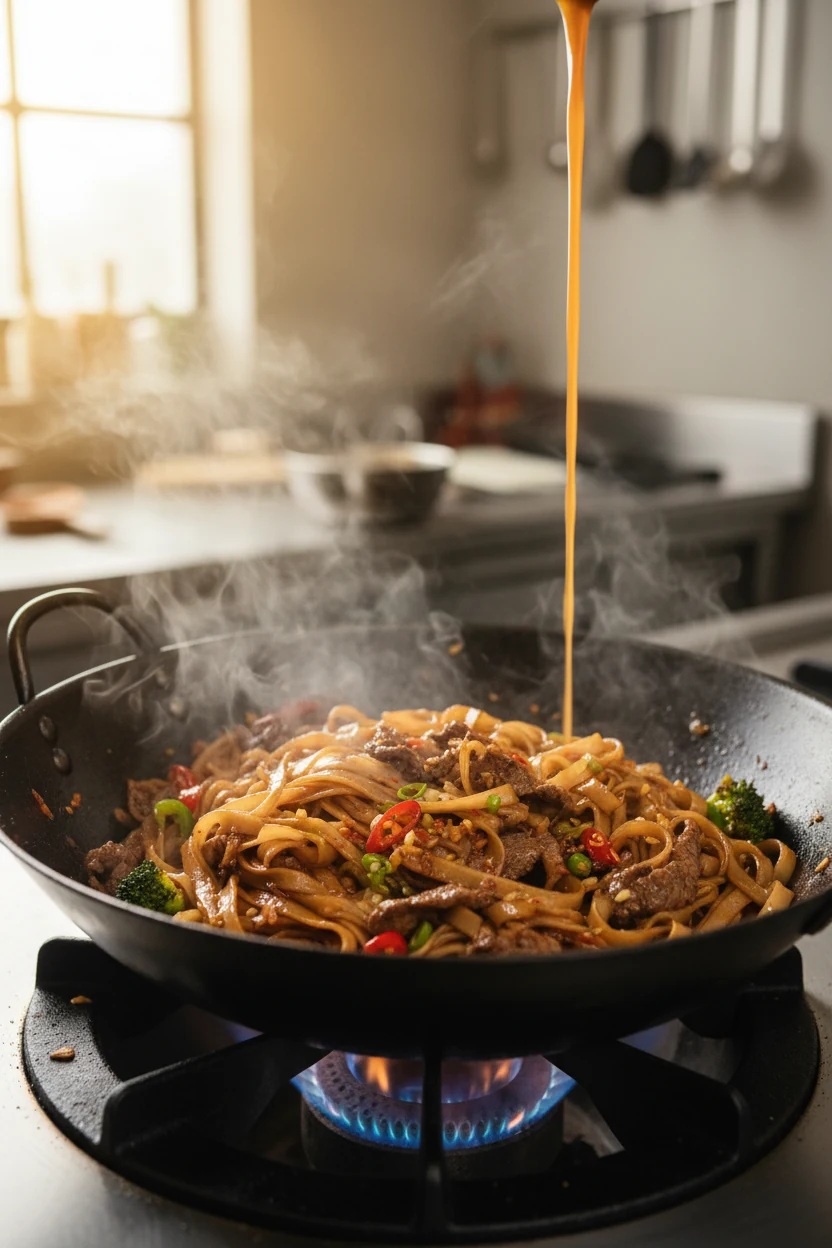
- Add noodles and sauce: Toss in the soaked noodles and cooked protein. Pour sauce around the pan so it hits the hot surface. Toss continuously for 1–2 minutes until the sauce thickens and coats the noodles. If it tightens too much, splash in 1–2 tbsp water to loosen.
- Finish: Kill the heat. Add sesame oil. Toss herbs and a squeeze of lime. Taste and fine-tune: salt, heat, acid, sweet—lock it in.
- Serve: Plate immediately. Top with crushed peanuts or sesame seeds. Add extra chili-garlic sauce if you like it loud.
Storage Tips
- Fridge: Store leftovers in an airtight container for up to 3 days. Add a splash of water before reheating.
- Reheat: Skillet over medium with 1–2 tbsp water works best. Microwave in short bursts, stirring between, so you don’t dry them out.
- Freezer: Not ideal—rice noodles can turn mushy. Freeze the protein and sauce separately instead, then cook fresh noodles.
- Make-ahead: Mix the sauce up to 1 week ahead. Pre-slice veg and protein 1–2 days ahead. Fast nights get faster.
What’s Great About This
- Ridiculously adaptable: Swap veggies and protein without breaking the flavor math.
- High flavor, low cost: Sauce-forward cooking turns humble ingredients into a “how is this so good?” moment.
- Fast learning curve: Master the order of operations once, and you’ll look like a pro, IRL.
- Light but satisfying: No heavy cream, no deep-fry. Just heat, char, and balance.
- Weeknight-proof: You can execute this while answering emails and telling someone the Wi‑Fi isn’t the problem.
Avoid These Mistakes
- Boiling the noodles: Most rice noodles prefer hot water soaks. Boiling often leads to mush. Take the soak route.
- Overcrowding the pan: Steam kills sear. Work in batches if needed to keep edges caramelized and veggies crisp.
- Skipping sugar: A little sweetness balances salt and acid. It’s not dessert—just chemistry.
- Adding sauce too early: Brown protein and veg first. Sauce comes last to glaze, not to stew.
- Forgetting water splash: If noodles clump, add 1–2 tbsp water and toss. They’ll relax. Promise.
- Using only one heat level: Go hot to sear, then reduce slightly to finish without burning aromatics.
- Not tasting and tuning: Final 30 seconds: adjust salt, acid, heat, and sweet. That’s where “good” turns into “wow.”
Recipe Variations
- Peanut-Lime Satay: Add 2 tbsp peanut butter to the sauce, plus extra lime. Top with roasted peanuts and cucumber ribbons.
- Garlic Black Pepper Beef: Skip fish sauce, add 1 tbsp oyster sauce and 1 tsp coarse black pepper. Use thin-sliced beef and onions.
- Chili Crisp Tofu: Swap chili-garlic sauce for 1–2 tbsp chili crisp. Crisp tofu cubes first; finish with scallions and sesame.
- Pad See Ew-ish: Use wide noodles. Add 1 tbsp dark soy, a splash of vinegar, Chinese broccoli, and an egg scrambled in the pan.
- Lemongrass Shrimp: Marinate shrimp in 1 tbsp minced lemongrass, 1 tsp sugar, 1 tsp fish sauce for 10 minutes. Keep the base sauce mild.
- Coconut Curry: Add 1 tsp red curry paste to aromatics, then 1/2 cup coconut milk with the sauce. Finish with lime and basil.
- Sesame Cold Noodles: Rinse soaked noodles under cold water. Toss with tahini, soy, rice vinegar, sugar, chili oil, and cucumbers.
- Mushroom Umami Bomb: Use mixed mushrooms, add 1 tsp miso to the sauce, and finish with a knob of butter for gloss (trust).
FAQ
Should I soak or boil rice noodles?
Soak in hot water for best texture. Boiling makes them go from firm to overcooked in seconds. Hot soak until just pliable, then finish in the pan with sauce so they drink in flavor without turning gummy.
Which noodle width works best here?
Medium width is the most forgiving: they don’t break easily and hold sauce well. Thin noodles are faster and great for lighter veg-heavy bowls. Wide noodles give that restaurant-style chew and are perfect when you want a meatier, saucier vibe.
How do I keep noodles from sticking together?
After soaking, drain well and toss with 1 tsp oil if they sit. In the pan, keep things moving and splash in water if clumps form. Sticking usually means not enough moisture or you paused the stir-fry for too long.
Can I make this gluten-free?
Yes. Use tamari or coconut aminos instead of soy sauce, and skip dark soy unless you have a GF version. Most rice noodles are naturally gluten-free, but check the label to be sure.
What proteins cook the fastest?
Shrimp and thin-sliced chicken breast win for speed. Tofu goes quick if well-pressed and seared in a hot pan. Thin-sliced beef also cooks in a couple minutes—just don’t crowd it.
Can I use leftover cooked noodles?
Totally, but loosen them first under hot water and drain well. They may need an extra splash of water in the pan to revive. IMO, fresh-soaked noodles give a better bite, but leftovers are a solid shortcut.
My sauce tastes flat—what do I add?
Think in four levers: salt, acid, heat, sweet. Add soy/tamari for salt, lime or vinegar for acid, chili for heat, and a pinch more sugar for balance. Tiny adjustments go a long way, so add and taste in 1/2-teaspoon moves.
Do I need a wok?
No. A large, heavy skillet works beautifully. Preheat it so you get sizzle on contact, and don’t be afraid to cook the protein in batches to keep that sear.
Can I meal-prep this?
Yes—prep components. Mix the sauce (up to one week ahead), slice vegetables, and portion protein. Cook fresh on the day you eat for best texture. If you must cook ahead, under-soak noodles slightly so they don’t go soft when reheated.
What oil should I use?
Neutral, high-smoke-point oils like peanut, avocado, or canola. Save toasted sesame oil for the end as a finisher. It’s perfume, not fuel.
Wrapping Up
Master this base method and you’ve basically unlocked a cheat code for fast, flexible dinners. Keep the sauce math handy, soak your noodles right, and run the pan hot. Then swap proteins, rotate veg, and adjust those four levers—salt, acid, heat, sweet—until it hits your sweet spot. Do that, and your Tuesday night will taste like you had a sous-chef. FYI, that sous-chef is you.
Printable Recipe Card
Want just the essential recipe details without scrolling through the article? Get our printable recipe card with just the ingredients and instructions.