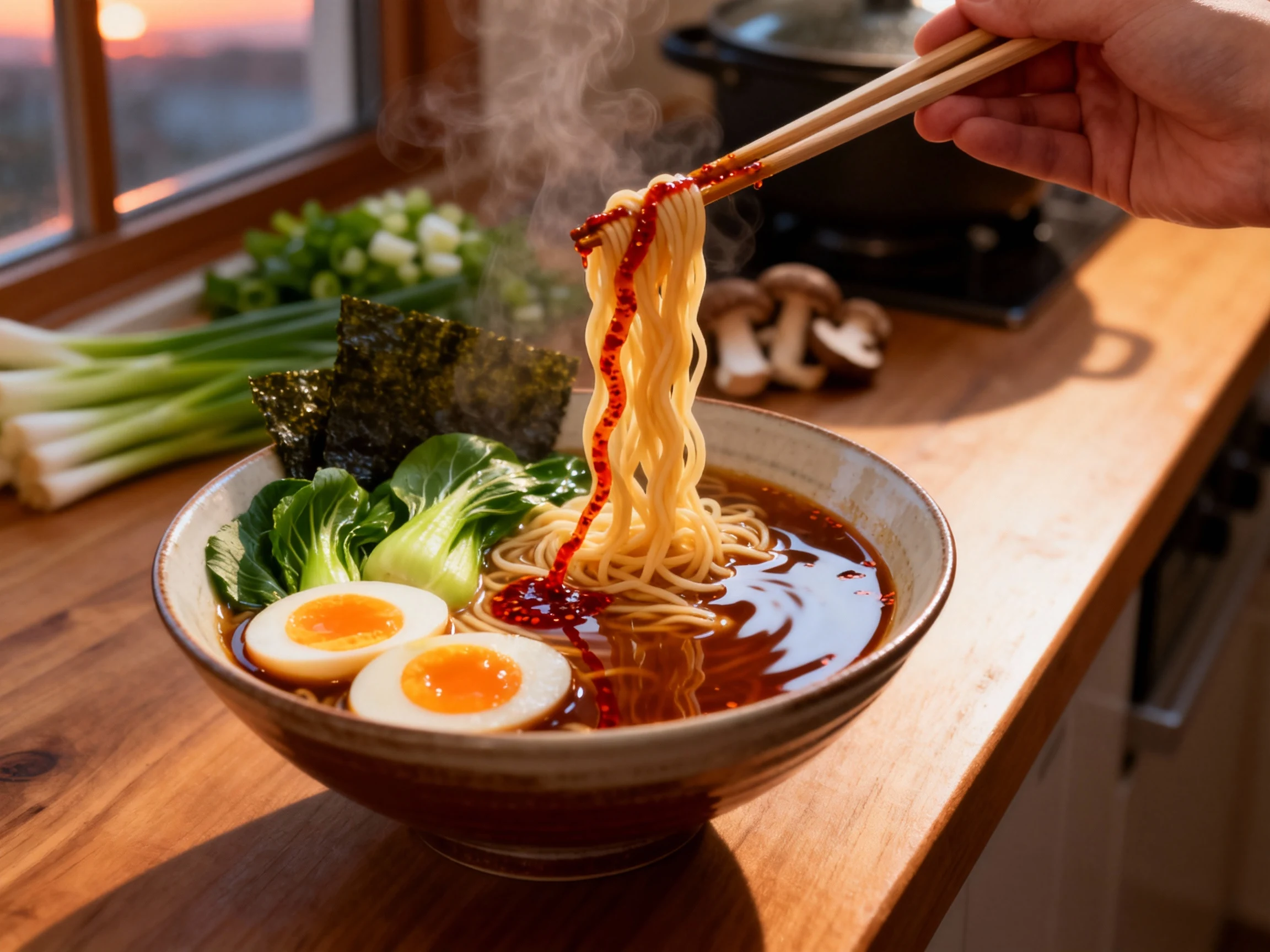
Ramen Recipes That Turn Weeknights Into Slurp Worthy Wins
Quick, customizable bowls with smart pantry upgrades—ideal for busy weeknights, late-night cravings, and big flavor with minimal effort.
You want dinner that hits hard, costs less than takeout, and doesn’t waste your evening. That’s the game plan here. Build a broth that tastes like you cooked all day, finish with noodles that behave, and flex with toppings that scream “chef energy” without the chef hours. The trick? Layer umami fast and stay in control of texture. Suddenly, you’re the person friends text at 9 p.m. asking, “Got any leftovers?”
Why This Recipe Works
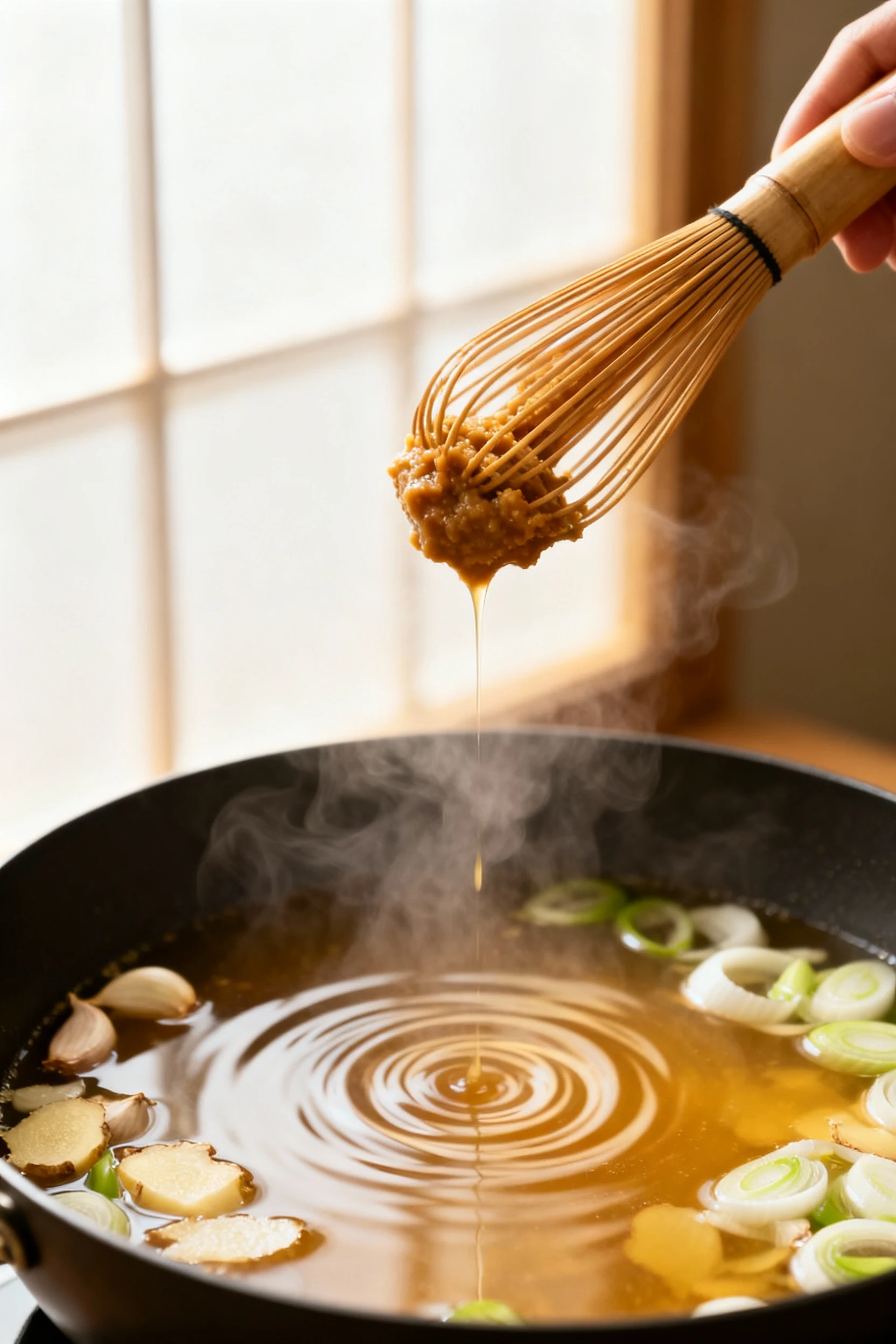
Umami, fast. Soy sauce and miso tag-team to deliver deep savory flavor without a stockpot marathon. A quick sauté of garlic, ginger, and scallion whites creates an aromatic base that makes even store-bought broth taste like you knew a secret.
Texture control = success. Noodles are cooked separately and slightly under to keep them springy, not soggy. Bok choy and mushrooms get brief time in the broth so they stay crisp-tender and meaty.
Smart finishes matter. Miso is whisked in off heat (no boiling, no bitterness—FYI). Sesame oil and rice vinegar add roundness and lift, turning “good” into “whoa.” Add chili oil if you like drama.
What Goes Into This Recipe – Ingredients
- 6 cups low-sodium chicken broth (or vegetable broth for meatless)
- 1 piece kombu (4-inch) or 1 teaspoon instant dashi (optional, for extra umami)
- 2 tablespoons soy sauce (shoyu)
- 2 tablespoons white or red miso paste
- 1 tablespoon mirin (or 2 teaspoons sugar)
- 1 tablespoon toasted sesame oil
- 2 teaspoons rice vinegar
- 1 tablespoon neutral oil (canola or grapeseed)
- 4 garlic cloves, thinly sliced
- 1 tablespoon grated ginger
- 2 scallion whites, sliced (reserve greens for garnish)
- 8 ounces cremini mushrooms, sliced (optional but recommended)
- 2 small heads baby bok choy, halved
- 2 packs ramen noodles (6–8 ounces total), fresh or dried
- 2 cooked chicken thighs, shredded or 8 ounces rotisserie chicken (swap tofu for vegetarian)
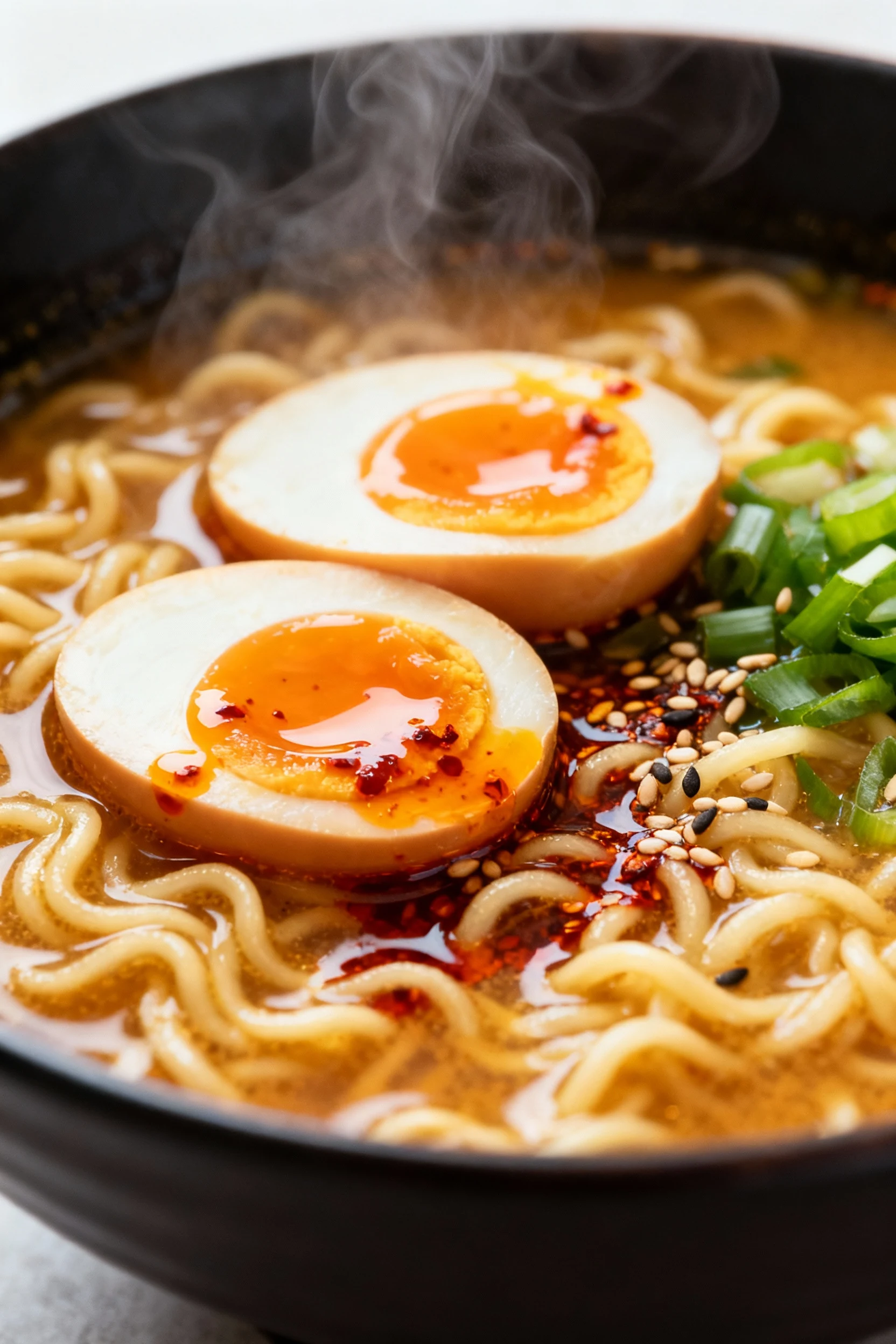
- 2 jammy eggs (soft-boiled, halved; optional but elite)
- Toppings: scallion greens, nori strips, corn kernels, chili oil, sesame seeds
- Salt and pepper to taste
How to Make It – Instructions
- Make jammy eggs (optional): Bring a small pot of water to a boil. Lower in cold eggs and cook 6–7 minutes. Chill in ice water, peel, and halve. Easy flex.
- Warm the broth: In a medium pot, add broth and kombu. Bring just to a simmer (not a rolling boil). Remove kombu after 5 minutes and discard.
- Sauté aromatics: In a separate skillet, heat neutral oil over medium. Add garlic, ginger, and scallion whites. Cook 2–3 minutes until fragrant but not browned. Add mushrooms and cook 3 more minutes.
- Build flavor: Transfer the sautéed mix to the broth. Stir in soy sauce and mirin. Simmer 5 minutes to let everything become friends.
- Finish the broth: Turn off heat. Whisk in miso, sesame oil, and rice vinegar until smooth. Taste; add salt or a splash more soy if needed. Do not boil miso (it gets cranky).
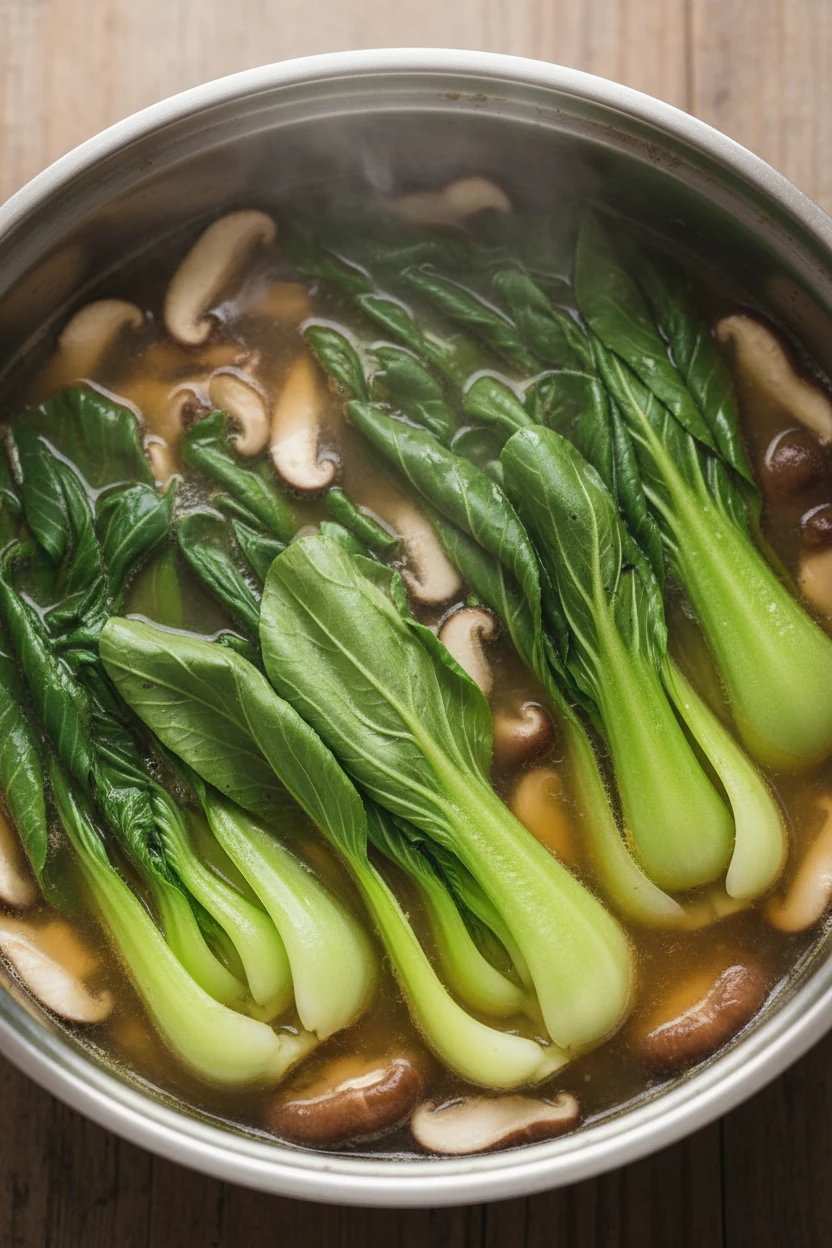
- Blanch the greens: Add bok choy to the hot broth for 1–2 minutes until bright and tender. Leave it in the pot or pull it out if you prefer extra-crisp.
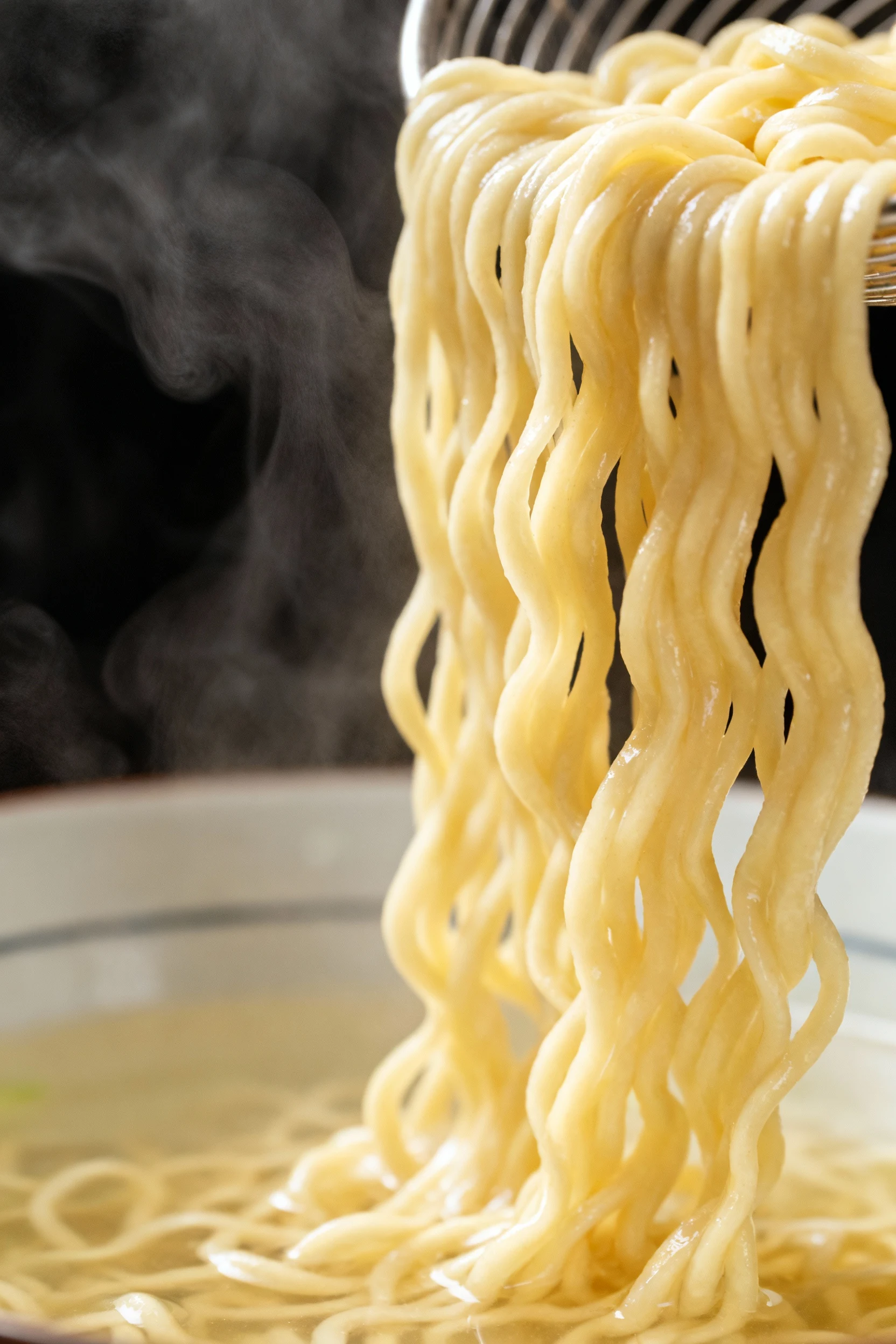
- Cook noodles: Boil noodles in a separate pot of salted water, 30–60 seconds under package directions. Drain. This keeps the broth clean and the noodles springy.
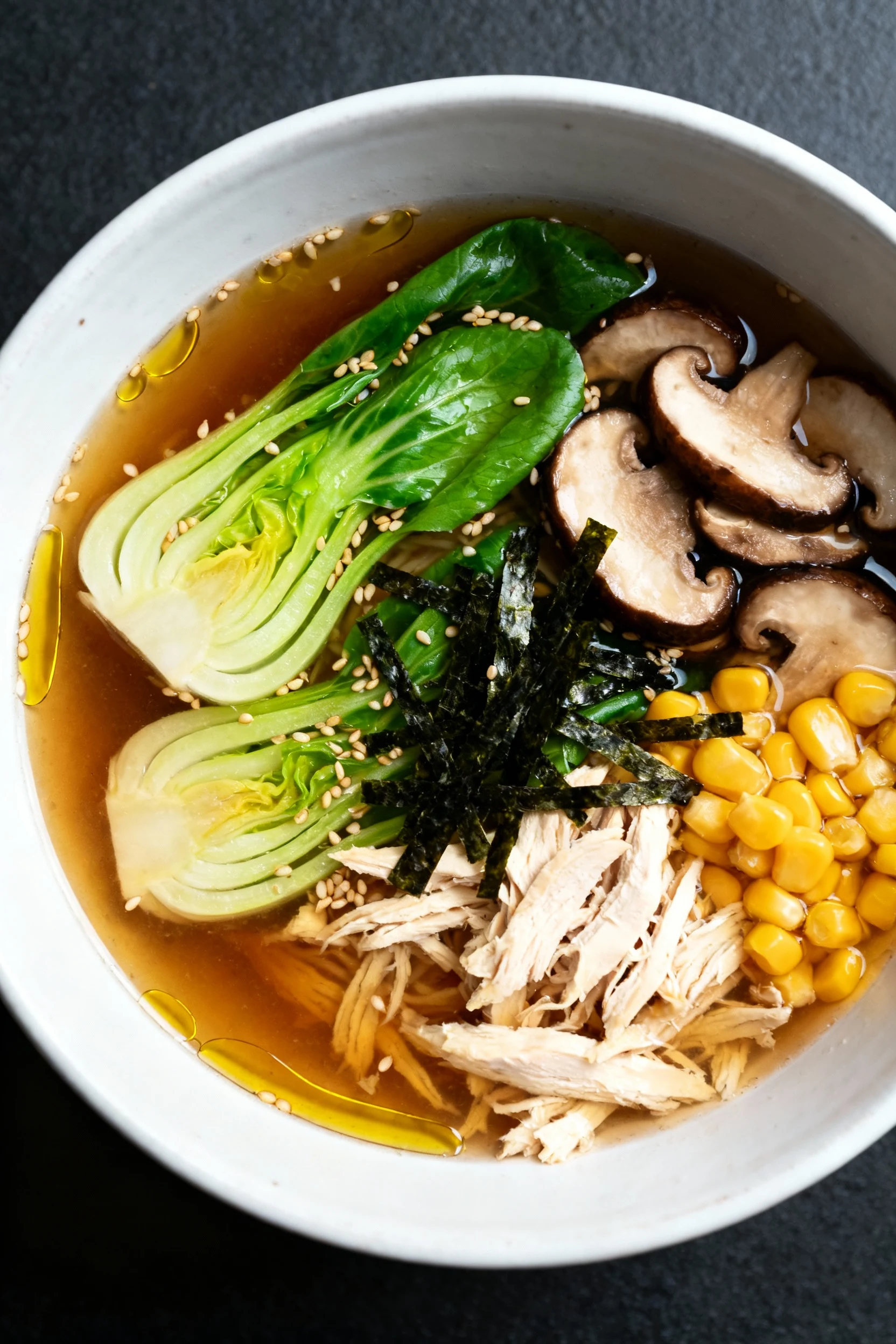
- Assemble: Divide noodles into bowls. Ladle in hot broth with mushrooms and bok choy. Top with shredded chicken and egg halves.
- Finish like a pro: Add scallion greens, nori, corn, sesame seeds, and a drizzle of chili oil. Season with pepper. Snap a pic (obviously).
- Serve immediately: Ramen waits for no one. Eat while it’s steamy and the noodles still have bounce.
Storage Instructions
Store components separately. Keep broth, noodles, and toppings in different containers. This prevents noodles from drinking all the broth and becoming gloopy. The broth lasts 3–4 days in the fridge.
Freeze what you can. Broth freezes well (up to 2 months). Skip freezing the noodles; their texture drops faster than your patience. Eggs are fine in the fridge for 3 days.
Reheat gently. Warm broth over medium until steaming, not boiling. Add noodles just before serving. If miso flavor dulls, whisk in an extra teaspoon off heat. IMO, a fresh splash of soy helps too.
Health Benefits
Balanced comfort. Protein from chicken (or tofu), fiber from bok choy and mushrooms, and complex carbs from ramen noodles give you a satisfying, all-in-one bowl. It’s cozy without a food coma.
Fermented goodness. Miso brings probiotics and beneficial enzymes. Keep it off heat to preserve those perks. Seaweed (nori) adds iodine and trace minerals—small additions, big wins.
Smart swaps lower sodium. Use low-sodium broth and control your soy. A splash of rice vinegar and sesame oil boosts perceived flavor so you don’t chase salt like it’s a personality trait.
Micronutrient boost. Eggs add choline, leafy greens bring vitamin K and C, and mushrooms deliver B vitamins and antioxidants. Throw in corn for a little extra fiber and sweetness. FYI, customization is your superpower here.
Pitfalls to Watch Out For
- Boiling miso: It turns harsh and loses benefits. Always whisk in off heat.
- Overcooking noodles: They go from springy to sludge fast. Undercook slightly; the hot broth finishes them.
- Salt overload: Soy, miso, and broth all carry sodium. Taste as you go. Season in layers, not in panic mode at the end.
- Greasy broth: Too much oil muddies flavor. A measured tablespoon of sesame oil is plenty; chili oil is garnish, not soup.
- Flat flavors: Forgetting acidity leaves the soup dull. Rice vinegar brightens everything—don’t skip it.
- Soggy greens: Bok choy needs just 1–2 minutes. Overdo it and you’ll be chewing nostalgia, not veggies.
- All-in-one potting: Cooking noodles in the broth makes it starchy. Keep pots separate for clean, restaurant-like results.
Variations You Can Try
- Classic Shoyu Style: Skip miso and go heavier on soy (3–4 tablespoons). Add a splash of sake for depth.
- Light Shio Style: Use sea salt instead of soy and miso. Finish with extra kombu-dashi and lemon zest for a clean, bright bowl.
- Miso Lover’s Bowl: Use 3 tablespoons miso (mix white and red). Add butter and corn for Hokkaido vibes. Rich but balanced.
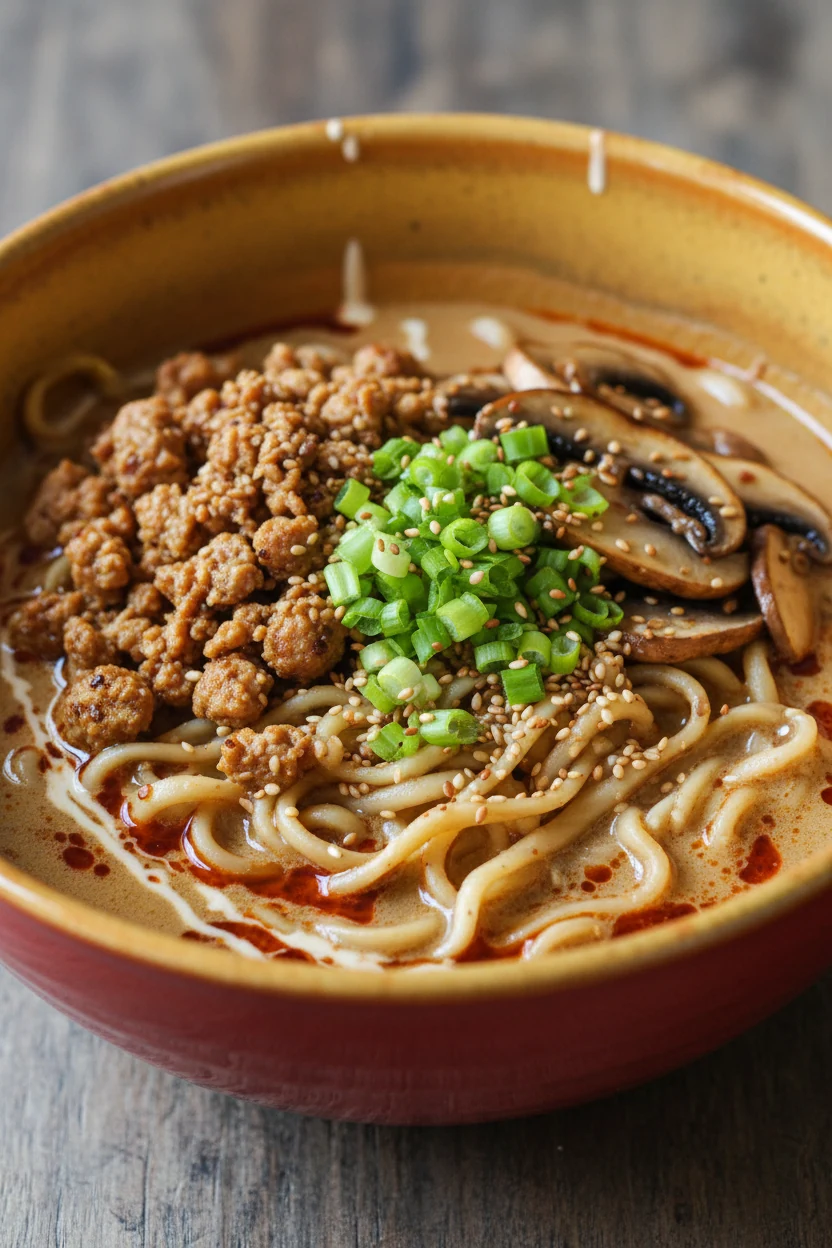
- Spicy Tan Tan-Inspired: Stir in 1–2 tablespoons chili crisp and a dollop of tahini or peanut butter. Top with ground chicken or turkey.
- Vegetarian/Vegan: Use vegetable broth, swap chicken for crispy tofu, and skip eggs. Boost umami with mushrooms, kombu, and a splash of tamari.
- Mazemen (Brothless): Toss cooked noodles with 2 tablespoons soy, 1 tablespoon sesame oil, and chili crisp. Top with scallions and a soft egg.
- Cold Summer Ramen: Chill the noodles, serve with cold soy-miso dressing, cucumber, corn, and sesame. Shockingly refreshing.
- Curry Twist: Add 2 teaspoons Japanese curry powder to the broth and finish with a splash of coconut milk. Comfort dialed to 11.
FAQ
What noodles are best for this?
Fresh alkaline ramen noodles are ideal for bounce and chew. Dried ramen bricks work fine; just undercook by 30–60 seconds. Avoid thin vermicelli—great noodles, wrong job.
Can I make it fully vegetarian or vegan?
Yes. Use vegetable broth, kombu, and mushrooms for umami. Swap soy for tamari if you’re gluten-free, use firm tofu for protein, and skip eggs. Easy and delicious.
How do I keep noodles from getting soggy?
Cook them separately, undercook slightly, and store them apart from the broth. Combine only when serving. Hot broth finishes the texture without turning them to mush.
What if I only have instant ramen?
Use the noodles and ditch the sodium bomb packet. Make the broth as written, then add the cooked noodles. You’ll upgrade instant ramen into a legit meal, no shade.
Can I make the broth ahead?
Absolutely. The broth actually gets better overnight. Keep miso and vinegar additions until reheating, then whisk them in off heat for peak flavor.
Is miso necessary?
No—but it’s a quick path to depth. If you skip miso, add an extra tablespoon of soy and a small knob of butter to round things out. Different, still great.
How do I make it spicy without ruining the balance?
Add chili oil or chili crisp as a garnish, not a base. It keeps heat on the surface and preserves the broth’s nuance. Want more? Stir a teaspoon into your bowl, then taste.
What’s the secret to perfect jammy eggs?
Boil 6–7 minutes, straight from the fridge, then ice-bath immediately. Peel under running water. A spoon tap around the shell helps. TBH, you’ll feel like a wizard after the first try.
Can I use rotisserie chicken?
Yes, and it’s a time-saving power move. Shred it and warm in the broth for a minute so it absorbs flavor. Season the meat lightly if it tastes bland.
Wrapping Up
Great ramen at home isn’t a flex—it’s a system. Layer umami fast, protect texture like it’s your reputation, and finish with bright touches. With these techniques, your weeknight bowl goes from “okay” to “send me that recipe” in under 30 minutes. Keep a few pantry upgrades handy and consider your cravings handled.
Printable Recipe Card
Want just the essential recipe details without scrolling through the article? Get our printable recipe card with just the ingredients and instructions.