Pound Cake Recipes Moist—your New Butter-lover Obsession
Bake a rich, tender loaf with a velvety crumb that stays soft for days, using simple pantry staples and no fancy tricks.
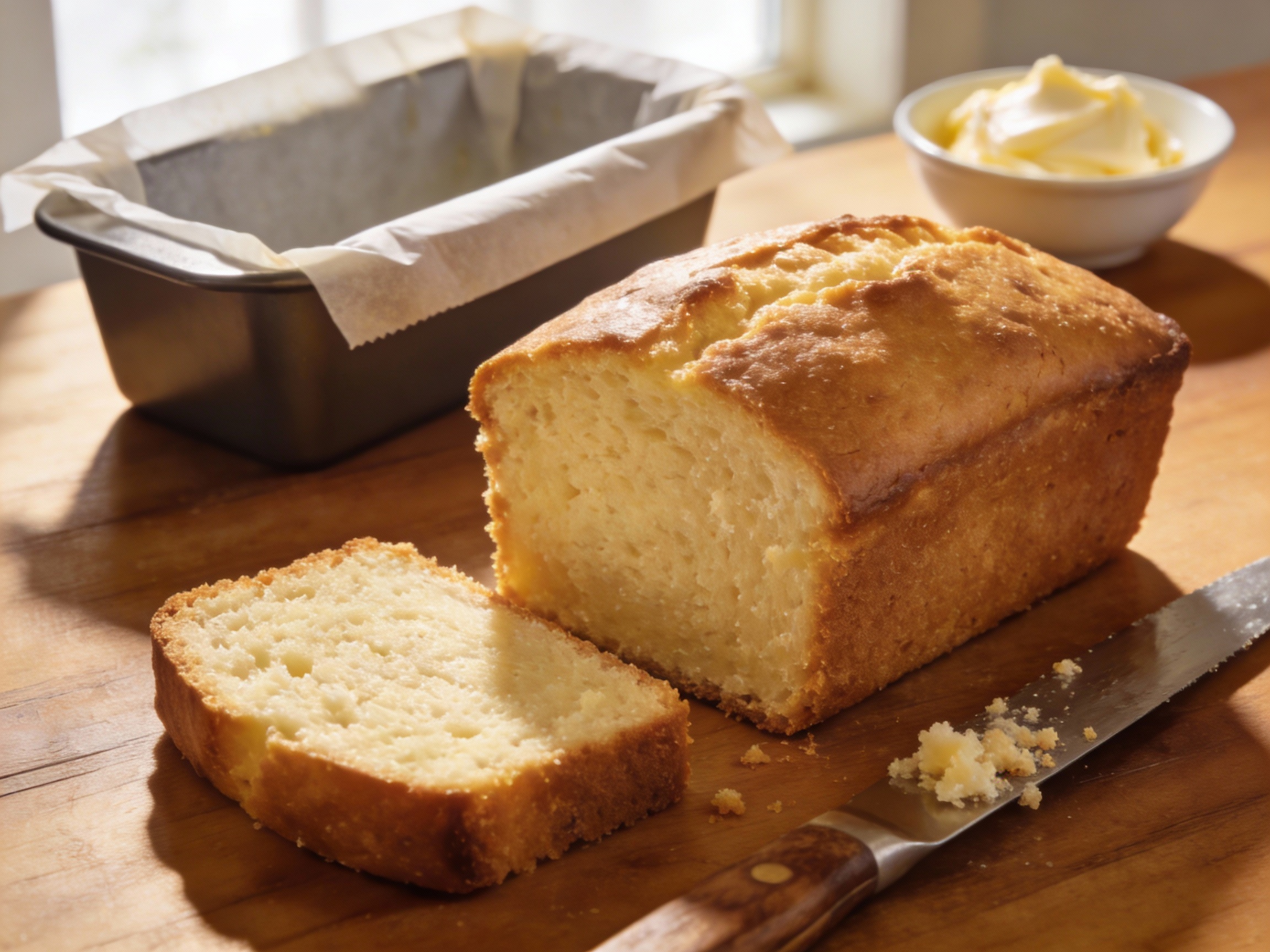
You know that moment when you slice a cake and it squeaks because it’s dry? Criminal. This is the opposite: a buttery, tight-yet-tender crumb that tastes expensive but acts low-maintenance. If your “moist” cakes keep turning into sweet bricks, it’s not you—it’s the method. Fix the mixing, nail the temperature, and suddenly everyone thinks you “grew up baking.”
Why You’ll Love This Recipe
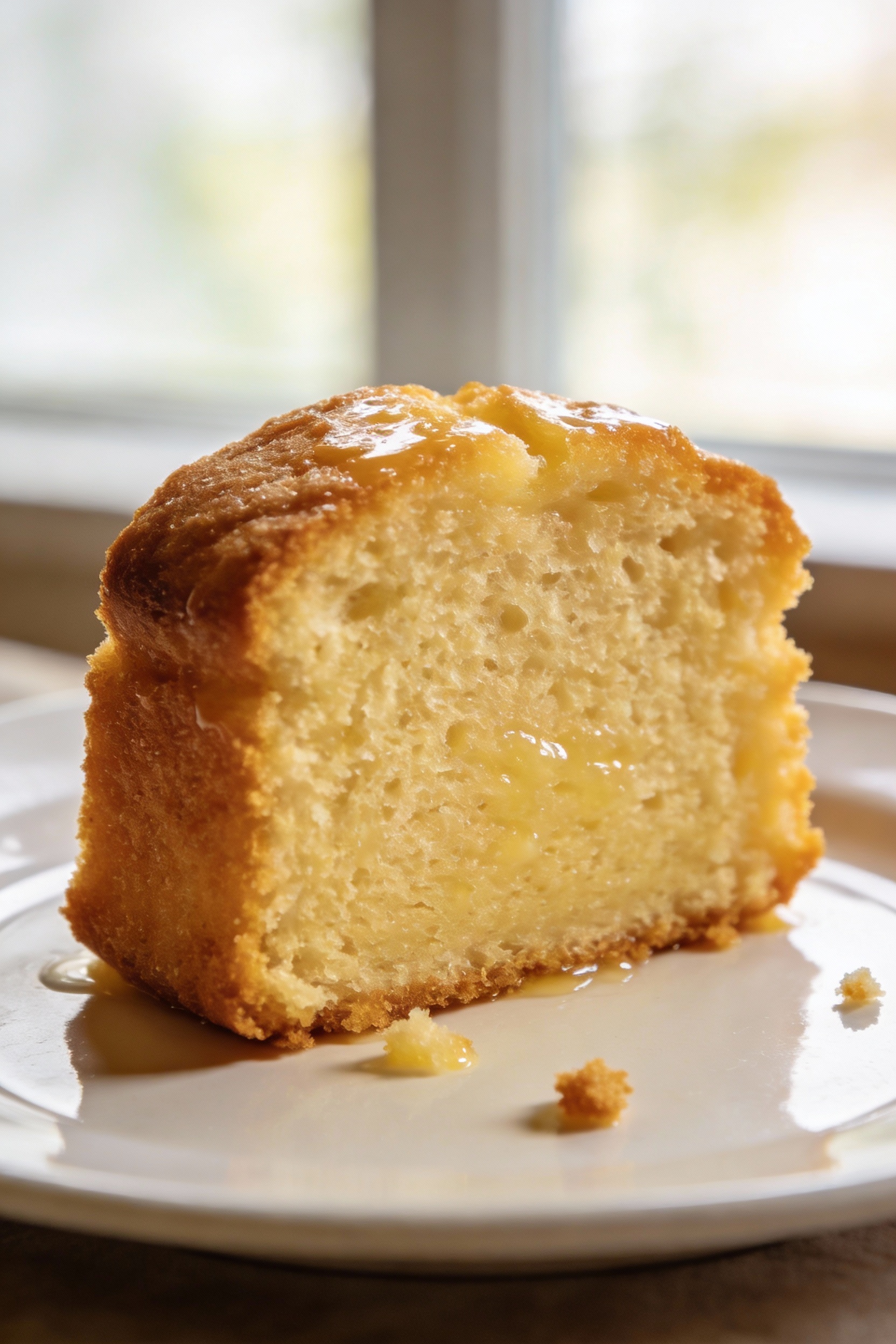
This pound cake hits that rare sweet spot: rich flavor, soft texture, and zero drama. It stays tender for days, which means your future self gets rewarded for doing almost nothing. You’ll also get a tall, golden loaf that looks bakery-level without needing special equipment. And yes, it makes amazing toast the next morning, because we’re adults now.
- Ultra-buttery flavor with a smooth, velvety crumb
- Reliable rise and a classic tight texture (not dense in a sad way)
- Stays soft longer thanks to smart moisture insurance
- Flexible for lemon, vanilla bean, or almond vibes
What You’ll Need (Ingredients)
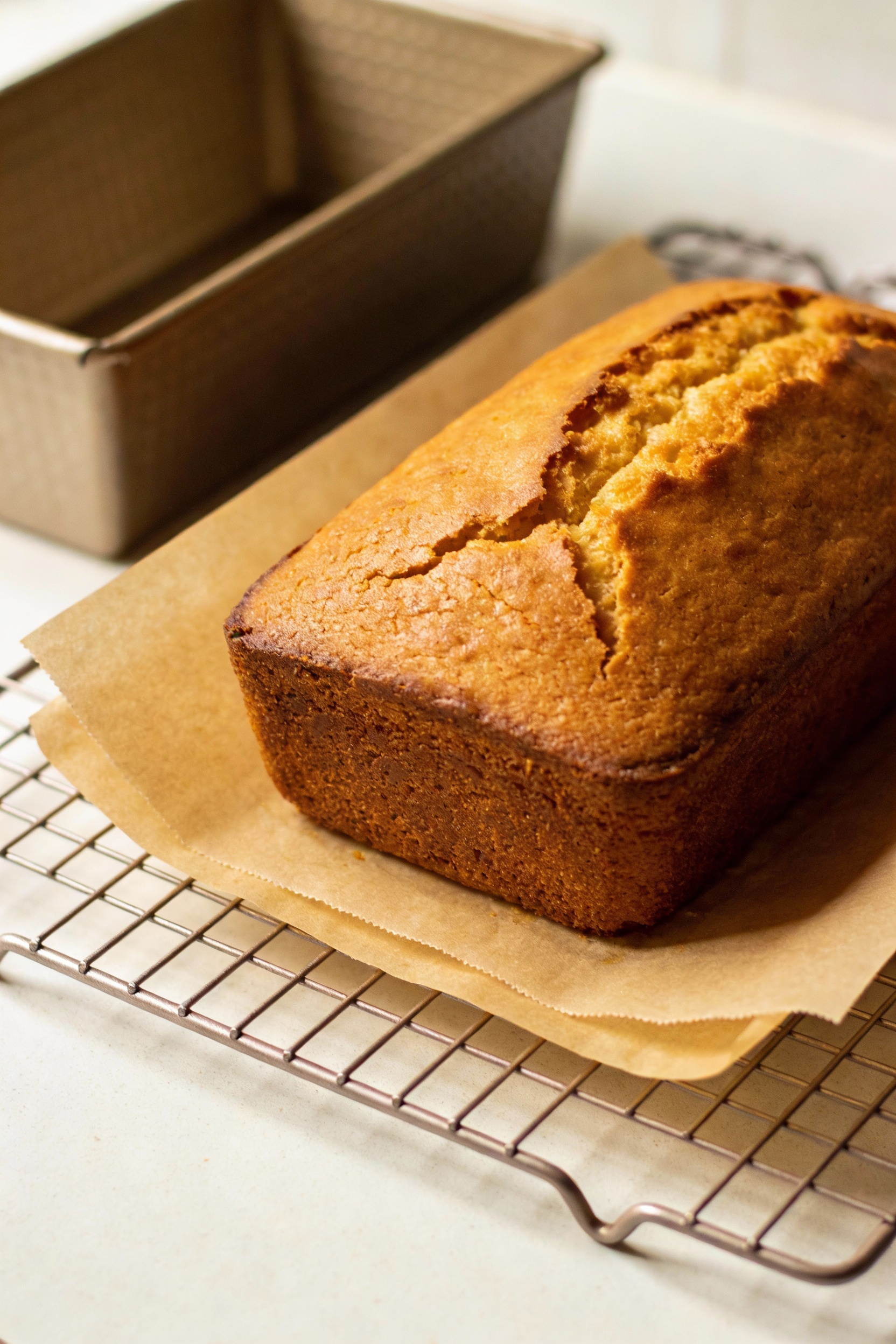
These ingredients work together like a small, delicious team. Don’t freestyle the ratios on the first run. After you taste it, then you can start acting like a renegade.
- 1 cup (226g) unsalted butter, softened
- 1 3/4 cups (350g) granulated sugar
- 4 large eggs, room temperature
- 1/3 cup (75g) sour cream, room temperature
- 2 teaspoons pure vanilla extract
- 2 cups (250g) all-purpose flour
- 1/2 teaspoon baking powder
- 1/2 teaspoon fine salt
- 1/3 cup (80ml) whole milk, room temperature
Optional (for extra aroma): 1 teaspoon lemon zest or 1/4 teaspoon almond extract. Pick one, unless you enjoy confusing your taste buds.
Instructions
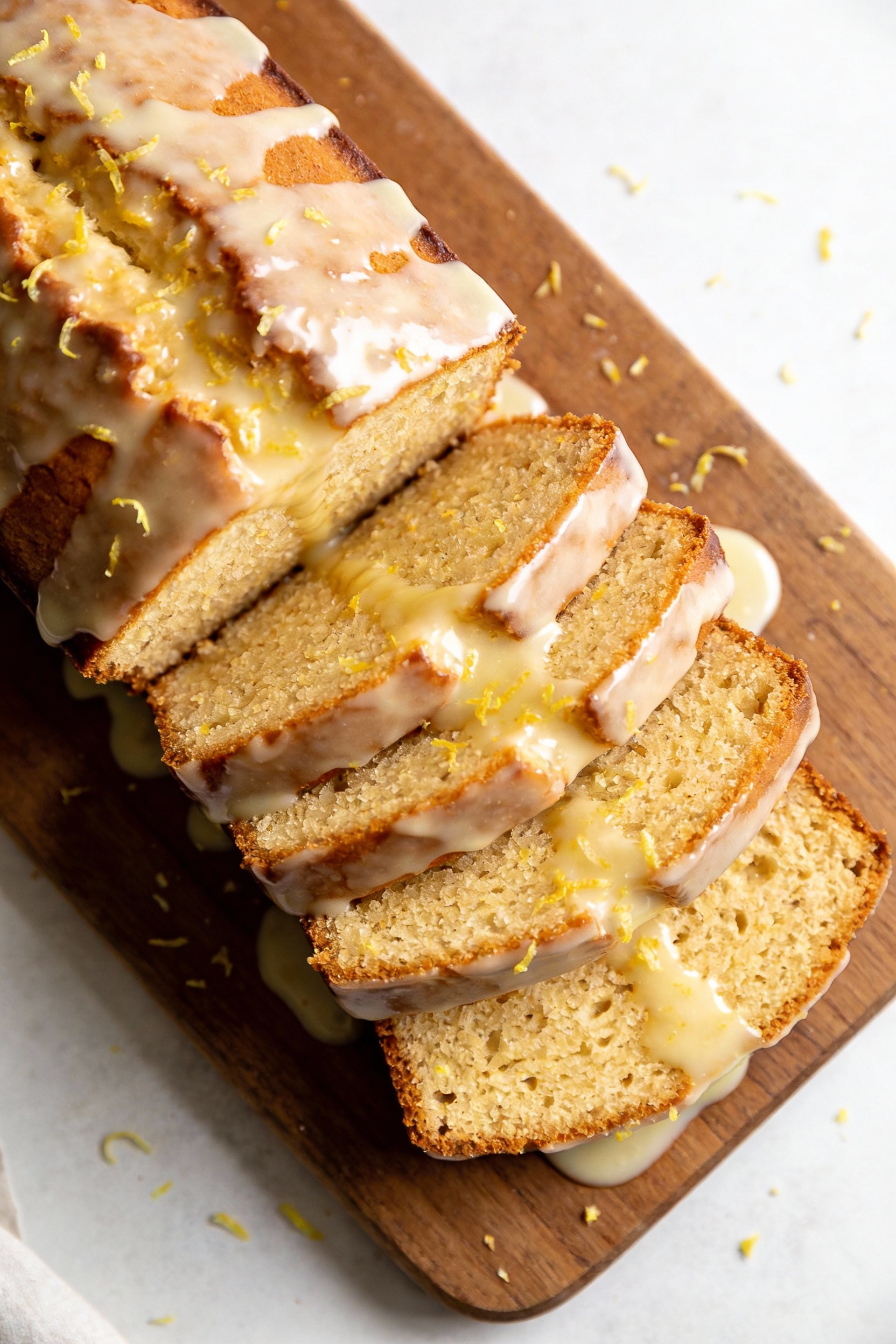
Follow these steps in order. Pound cake rewards patience and punishes chaos. Keep everything room temp, and you’ll win.
-
Prep your pan and oven. Heat oven to 325°F (163°C). Grease a 9×5-inch loaf pan, then line with parchment with overhang for easy lifting.
-
Whisk the dry ingredients. In a bowl, whisk flour, baking powder, and salt. This avoids bitter baking powder pockets later.
-
Cream butter and sugar properly. Beat butter and sugar on medium-high for 3–5 minutes until fluffy and lighter in color. This step builds structure, so don’t speed-run it.
-
Add eggs one at a time. Beat in eggs individually, mixing 20–30 seconds after each. Scrape the bowl as needed; hiding unmixed butter on the sides is a classic villain move.
-
Blend in flavor and moisture. Mix in sour cream and vanilla until smooth. If using zest or almond extract, add it here.
-
Alternate dry and milk. Add half the dry mix, then the milk, then the remaining dry mix. Mix on low just until you stop seeing flour. Overmixing makes the crumb tough and sulky.
-
Fill and level. Spoon batter into the pan and smooth the top. Tap the pan on the counter a couple times to pop big air pockets.
-
Bake low and steady. Bake 60–75 minutes. Start checking at 55 minutes. The top should be deeply golden and a toothpick should come out with a few moist crumbs, not wet batter.
-
Cool with intention. Let the cake cool in the pan 15 minutes, then lift out using parchment and cool fully on a rack. Slicing early seems tempting until your slices look like warm sand.
Preservation Guide
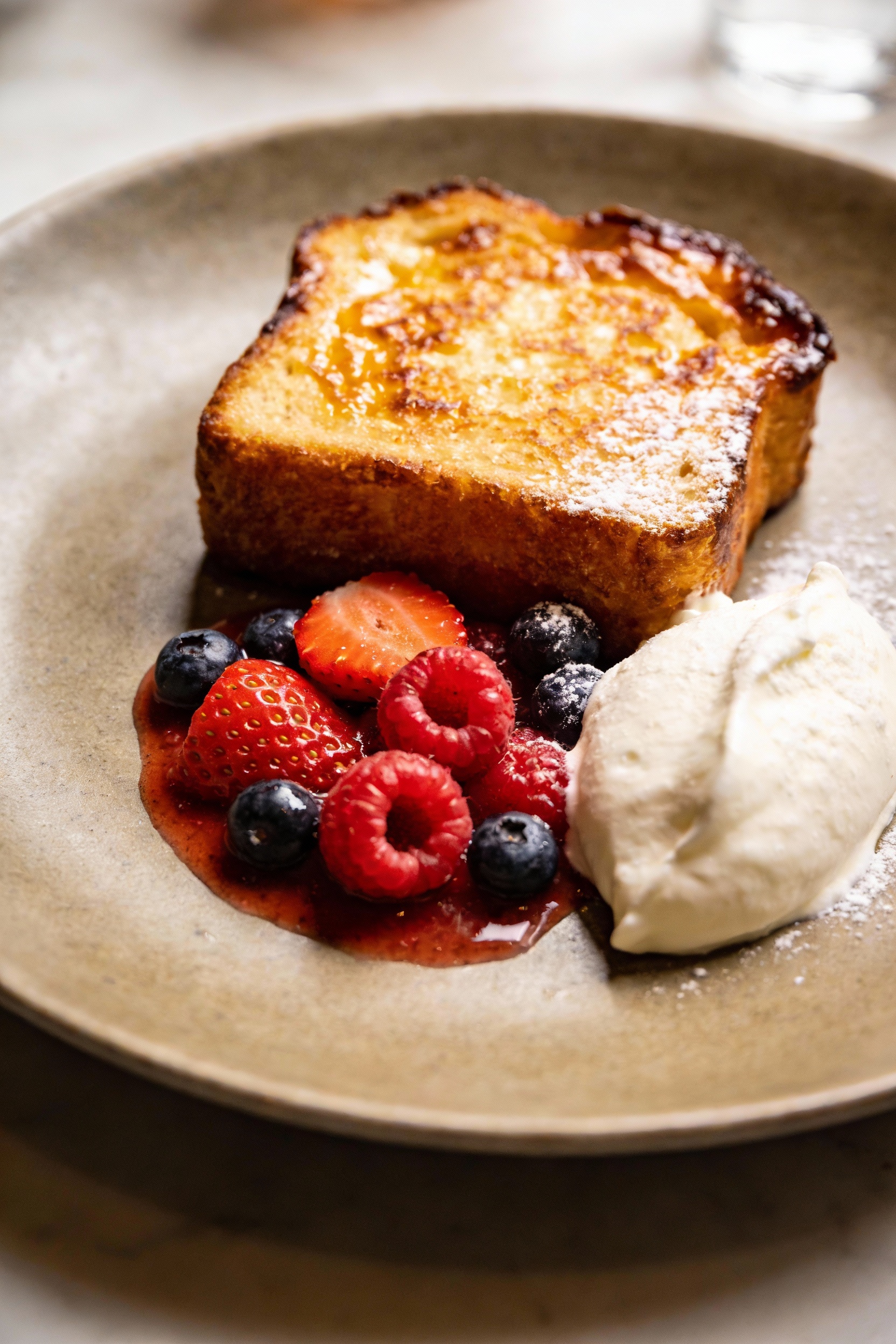
Moist pound cake deserves a proper storage plan. Treat it well and it’ll stay tender, not stale and tragic.
- Room temperature: Wrap tightly in plastic wrap, then keep in an airtight container up to 4 days. Slice only what you need to reduce drying.
- Refrigerator: Wrap well and refrigerate up to 1 week. Let slices come to room temp before serving for the best texture.
- Freezer: Wrap the whole loaf (or individual slices) in plastic wrap, then foil. Freeze up to 3 months.
- Best thaw method: Thaw overnight in the fridge or 2–3 hours at room temp, still wrapped to avoid condensation sogginess.
FYI, to revive a slice fast, warm it 10–15 seconds in the microwave. Suddenly it tastes like you baked it five minutes ago.
What’s Great About This
This recipe doesn’t rely on gimmicks. It uses classic technique plus a couple of moisture “insurance policies” that actually work. Sour cream brings richness and tenderness without making the cake taste tangy. The lower baking temperature helps it bake evenly, so the outside doesn’t turn into a crusty overachiever while the middle stays underdone.
- Texture: Dense in the good way, with a fine, velvety crumb
- Flavor: Deep butter and vanilla that doesn’t taste flat
- Versatility: Works plain, glazed, or toasted with fruit
- Consistency: Repeatable results if you keep ingredients room temp
Common Mistakes to Avoid
Pound cake is simple, but simple doesn’t mean careless. Most “dry cake” problems come from a few predictable mistakes. Fix these and you’ll stop blaming your oven like it has a personal vendetta.
- Cold ingredients: Cold butter and eggs break the emulsion and give you a heavy, uneven crumb.
- Under-creaming: If butter and sugar aren’t fluffy, you lose lift and end up with a tight brick texture.
- Overmixing after flour: This builds gluten fast, which turns tender cake into chewy sadness.
- Overbaking: A few extra minutes can steal moisture. Pull it when the tester shows moist crumbs.
- Wrong pan size: A too-small pan overflows; a too-large pan bakes shallow and dries faster.
- Slicing while warm: The crumb hasn’t set, so it tears and dries out quicker.
Alternatives
Once you nail the base, you can remix it without breaking the moist factor. IMO, these versions feel like different desserts while keeping the same buttery backbone.
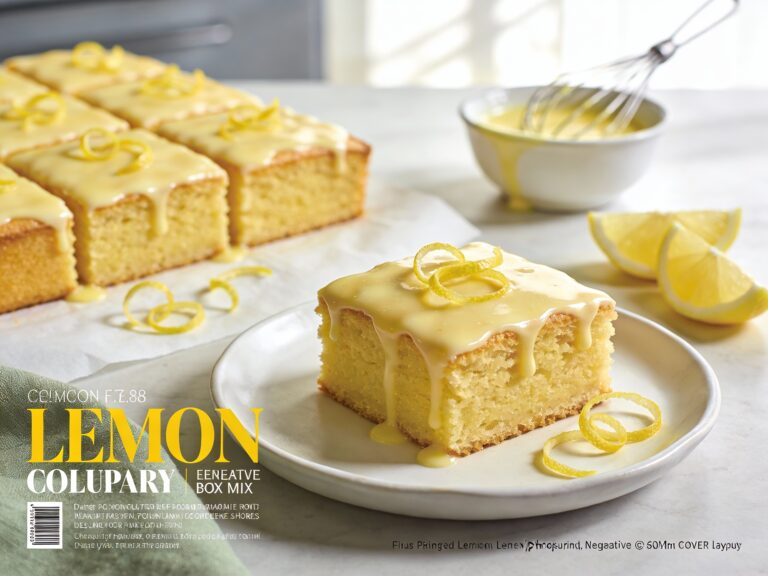
- Lemon glaze pound cake: Add 1 tablespoon lemon zest to batter and drizzle a simple lemon-powdered sugar glaze after cooling.
- Brown butter version: Brown the butter, cool until soft-solid, then cream with sugar. You’ll get a nutty, caramel vibe.
- Cream cheese swap: Replace sour cream with 4 ounces softened cream cheese for a slightly denser, richer slice.
- Almond loaf: Use 1/2 teaspoon almond extract and top with sliced almonds before baking for crunch.
- Marble pound cake: Swirl in 2 tablespoons cocoa mixed with 2 tablespoons milk from the recipe for a chocolate ribbon.
Want it extra dessert-y? Serve with macerated berries and whipped cream. It’s basically a cheat code.
FAQ
How do I keep pound cake from turning dry?
Use room-temperature ingredients, don’t overmix after adding flour, and don’t overbake. Also, wrap the cooled cake tightly so moisture stays in the crumb instead of evaporating into your kitchen air like it pays rent.
Why did my pound cake crack on top?
A top crack is normal for pound cake and often a sign the batter rose properly. The exterior sets while the inside continues expanding, so it splits. If the crack looks extreme or the center sinks, your oven may run hot or the cake may be underbaked.
Can I use salted butter?
Yes, but reduce the added salt to 1/4 teaspoon. Salted butter varies by brand, so you’re basically gambling with seasoning. Not the fun kind of gambling.
What’s the secret ingredient for a moist crumb?
Sour cream helps a lot because it adds fat and acidity, which tenderizes the crumb. Proper creaming and accurate bake time matter just as much. Moisture comes from technique, not magic.
Can I make this in a bundt pan?
Yes, but you’ll need a bundt pan capacity around 10–12 cups and you may need to adjust bake time. Start checking around 45–55 minutes and bake until a tester comes out with moist crumbs. Grease the pan thoroughly so it releases cleanly.
How do I know it’s done without drying it out?
Look for deep golden color, a firm top that springs back lightly, and a tester with a few moist crumbs. If the tester is completely clean, you might be at the edge of overbaking. Use your senses, not just the timer.
Can I add fruit or chocolate chips?
Yes, but keep mix-ins to about 1 to 1 1/2 cups max. Toss them lightly in a teaspoon of flour before folding in, and mix gently. Too many add-ins can weigh down the batter and mess with the bake.
Final Thoughts
If you want a cake that tastes like comfort and slices like a dream, this is your move. Keep the ingredients warm, cream the butter like you mean it, and pull it before it dries out. You’ll get a loaf that stays tender for days and makes people ask for “the recipe” like it’s a family secret. Bake it once, and suddenly plain cake won’t feel plain anymore.
Printable Recipe Card
Want just the essential recipe details without scrolling through the article? Get our printable recipe card with just the ingredients and instructions.