Potato Flake Sourdough Bread Recipes — Faster, Softer Loaves
Get plush crumb and bakery crust with pantry potato flakes, a flexible starter, and a streamlined method that fits busy weeknights.
You want bakery-level bread without babysitting a dough for 12 hours? This is the cheat code. Potato flakes turn your sourdough into a cloud inside and a shattering crust outside, with a rise that runs laps around your old routine. The flavor stays tangy, the crumb gets luxe, and the process becomes repeatable—even when life throws curveballs. You’ll bake like a pro, minus the gatekeeping.
What Makes This Special
Potato flakes pull in water like a sponge, then hold it through baking. That means a softer, moister crumb with real staying power—day two still tastes like day one. They also give the dough extra starches that yeast and bacteria love, so you’ll see a stronger rise and faster fermentation without losing that classic sourdough character.
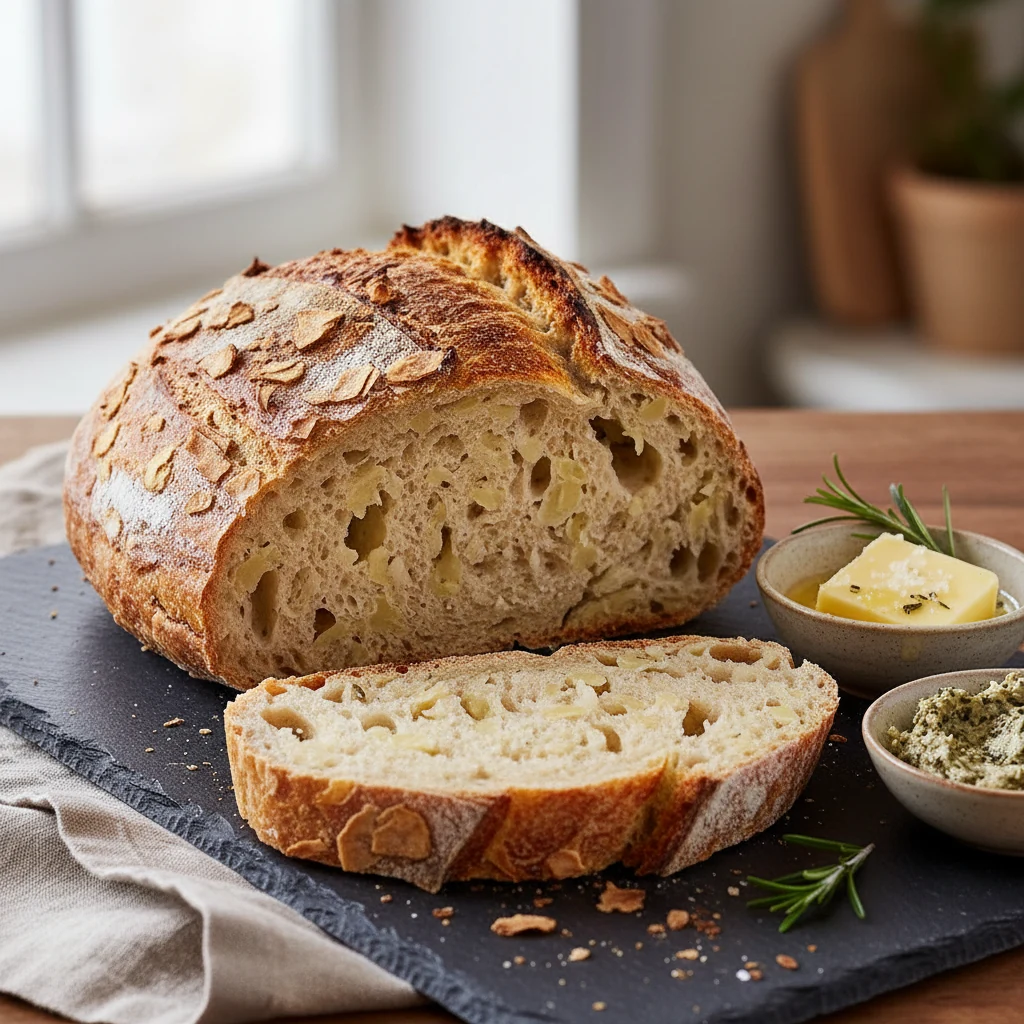
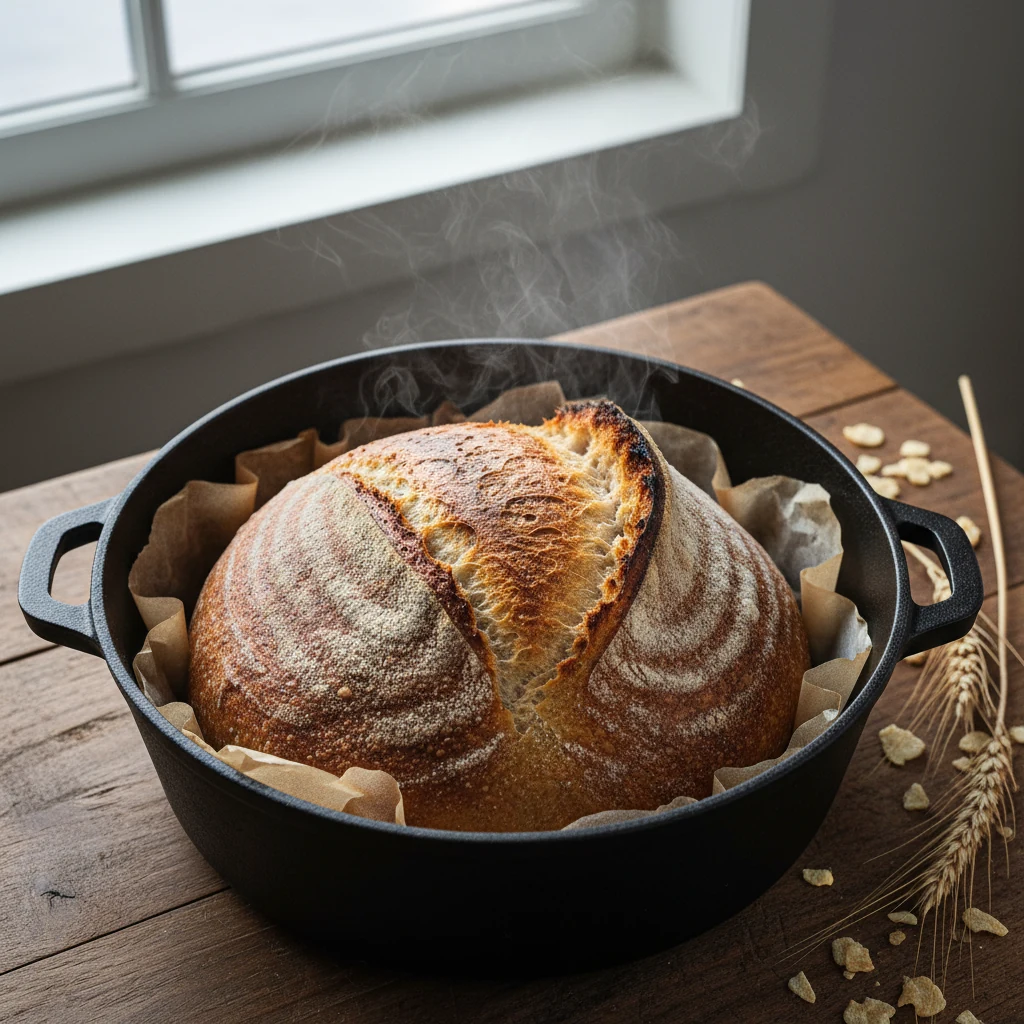
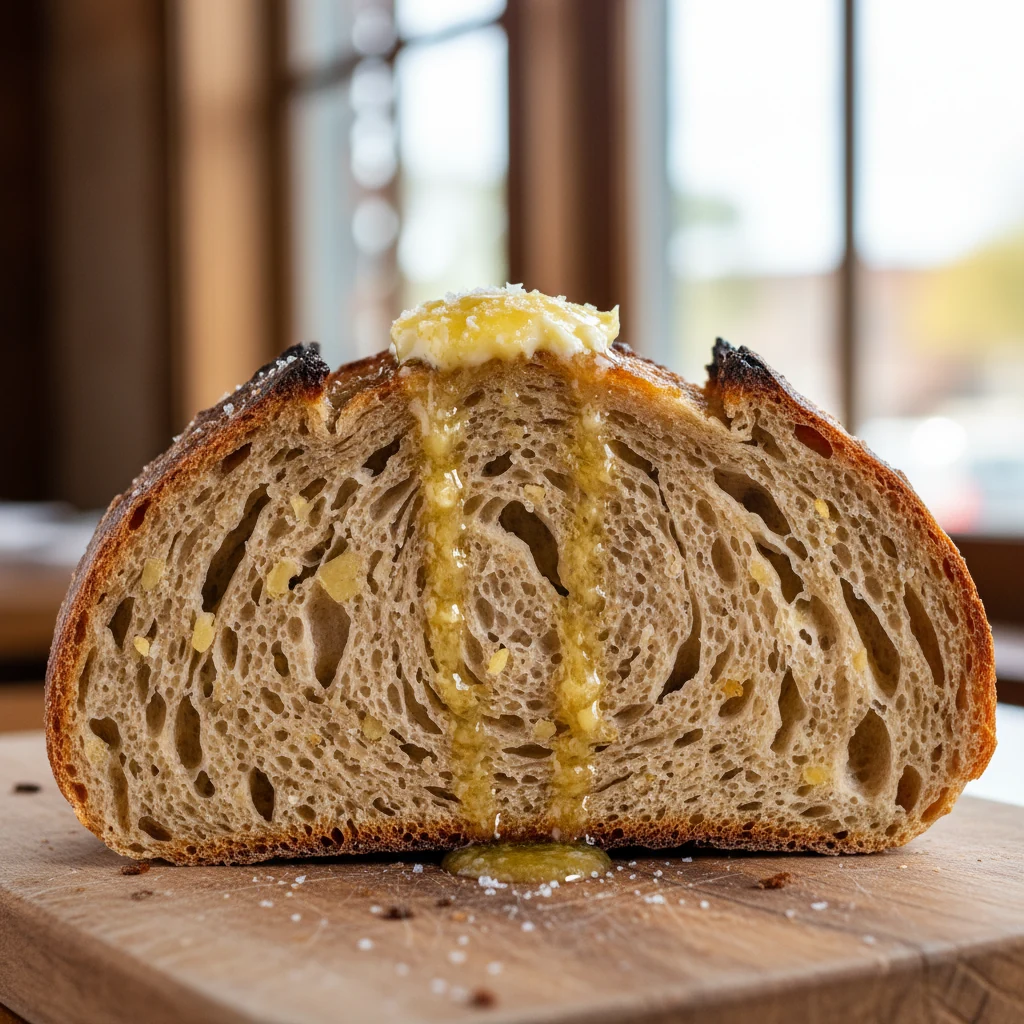
Expect a crisp, blistered crust (thank you, steam and high heat) plus a velvety interior that’s sandwich-friendly yet robust enough for thick slices under butter. IMO, this is the sweet spot between artisan loaf and everyday bread—high performance, low drama.
What Goes Into This Recipe – Ingredients
Main Dough
- 450 g bread flour (about 3 3/4 cups)
- 50 g whole wheat flour (about 1/3 cup)
- 30 g instant potato flakes (about 1/4 cup)
- 380 g water total (about 1 2/3 cups), divided
- 100 g active sourdough starter at 100% hydration (about 1/2 cup)
- 11 g fine sea salt (about 2 teaspoons)
Optional: Potato Flake Slurry
- 90 g warm water (from the total 380 g)
- 30 g instant potato flakes (from above)
Optional: Potato Flake Levain Build (Overnight)
- 20 g mature starter
- 40 g water
- 40 g bread flour
- 10 g potato flakes
FYI: A kitchen scale is your best friend here. Cups are fine for a rough bake, but grams make this loaf consistent every time.
The Method – Instructions
- Bloom the potato flakes (optional but recommended): Stir 30 g flakes into 90 g warm water until smooth. Let sit 5 minutes. This slurry counts toward your total water.
- Autolyse: In a mixing bowl, combine 450 g bread flour, 50 g whole wheat, the potato slurry, and enough additional water to reach 380 g total water. Mix until no dry bits remain. Cover and rest 30–45 minutes.
- Add starter and salt: Work in 100 g active starter until fully incorporated, then add 11 g salt. Mix by hand for 2–3 minutes until the dough tightens and smooths.
- Bulk fermentation: Move the dough to a lightly oiled bowl. Ferment at 76–78°F for 3–4 hours. Perform 3–4 sets of stretch-and-folds every 30 minutes in the first 90 minutes. Dough should rise ~50% and feel airy.
- Pre-shape: Turn the dough onto a lightly floured surface. Tuck it into a round, rest 20 minutes uncovered. If it spreads too much, you went a tad wet—don’t worry, the next shape fixes it.
- Final shape: Shape into a tight boule or bâtard. Place seam-side up in a floured banneton or a bowl lined with a floured kitchen towel.
- Cold proof: Cover and refrigerate 8–16 hours. Longer proof = deeper flavor and better oven spring.
- Preheat: Place a Dutch oven in your oven and heat to 475°F for at least 30 minutes. Yes, it’s hot—your crust will thank you.
- Score and bake: Tip the dough onto parchment, score with a sharp lame (a deep 1/2-inch central slash works). Load into the Dutch oven. Bake 20 minutes covered, then reduce to 450°F and bake 20–25 minutes uncovered until deep brown.
- Cool completely: Transfer to a rack and cool at least 1 hour. Cutting early = gummy crumb. Don’t be that person.
Using the Potato Flake Levain (Optional)
Mix the overnight levain ingredients, let stand at room temp until doubled and bubbly (8–12 hours), then use 100 g of it where the recipe calls for starter. It gives a slightly sweeter aroma and a turbo-charged rise.
Storage Tips
- Cool fully before storing. Warm bread traps steam, which turns into soggy sadness.
- Short-term (1–2 days): Keep cut-side down on a board or in a paper bag. Avoid plastic unless you like soft crust.
- Medium-term (3–5 days): Wrap in a clean towel, then stash in a bread box. Slice and toast to revive the crust.
- Freeze (best method): Slice, place in a zip bag, and freeze. Toast straight from frozen. Flavor stays sharp, texture rebounds.
- Never refrigerate: The fridge stales bread fast. Counter or freezer only.
Health Benefits
Wild fermentation breaks down phytic acid, which can improve mineral absorption from your bread. Many people find sourdough easier to digest thanks to the acids and longer fermentation. Cool the loaf, then reheat slices later to nudge resistant starch up a bit.
Potato flakes don’t turn this into a superfood (nice try), but they help hydration and texture without adding weird ingredients. Compared to standard white bread, you’re getting a more nuanced glycemic response and better flavor for the same slice. That’s a win.
Don’t Make These Errors
- Skipping the scale: Precision = consistent crumb. Cup scoops swing wildly.
- Overhydrating the flakes: Don’t add extra water beyond the 380 g total. Flakes hold water; your dough will go soupy fast.
- Using a sleepy starter: If it can’t float in water, it’s not ready. Weak starter = flat loaf.
- Under-salting: 11 g salt matters. Salt controls fermentation and flavor.
- Hot oven, cold scoring: Score with confidence. Poor scores trap steam, and your loaf bursts like a sad balloon.
- Cutting while hot: You’ll compress the crumb and blame the recipe. Let it cool.
- Fridge storage: Just don’t. Refrigeration stales bread at warp speed.
Recipe Variations
- Soft Sandwich Loaf: Add 30 g butter and 120 g milk (reduce water by 120 g). Bake in a loaf pan at 375°F for 35–40 minutes.
- Rosemary-Garlic: Mix in 2 tsp chopped rosemary and 2 cloves roasted garlic during the last stretch-and-fold. Aroma = unreal.
- Honey Oat: Add 25 g honey and fold in 30 g rolled oats. Brush top with water and press oats before baking.
- 50/50 Wheat: Use 250 g bread flour + 250 g whole wheat. Increase water by 20–30 g to keep the dough supple.
- Cheddar-Jalapeño: Fold in 120 g sharp cheddar and 1–2 diced jalapeños after bulk. Score shallow to avoid cheese eruptions.
- No Dutch Oven: Bake on a steel or stone at 475°F with a pan of boiling water added at load-in. Steam matters, crust thanks you.
- Cinnamon Raisin: Mix 1 tsp cinnamon and fold in 120 g raisins. Keep salt the same; sweetness needs balance.
FAQ
Can I use mashed potatoes instead of instant flakes?
Yes, but keep it simple: use 60–80 g cooled, plain mashed potato and reduce water by 40–60 g to prevent soup dough. Avoid butter/milk mash—they change fermentation and texture.
Do I need sugar when using potato flakes?
No. Flakes alone are enough for texture and fermentation support. If you build a potato-flake levain, a tiny sugar pinch can speed it up, but it’s optional and not needed in the main dough.
What’s the best hydration for this loaf?
Target ~72–75% hydration counting the slurry. Potato flakes hold extra water, so this feels like a higher hydration dough without turning sticky chaos. Adjust +/− 10–20 g water based on your flour.
My loaf is gummy. What went wrong?
Most likely underbaked or sliced too soon. Bake to 208–212°F internal if you have a probe, and cool at least 1 hour. Also check proofing—overproofed dough collapses and traps moisture.
Can I do a same-day bake?
Yes. Shorten cold proof: after shaping, proof at room temp 2–3 hours until puffy, then bake. Flavor won’t be as complex, but texture still shines thanks to the potato flakes.
What if I don’t have bread flour?
Use all-purpose and bump the strength with a bit less water. Start at 360–370 g water, then add 5–10 g if the dough feels stiff. Expect a slightly softer crust and more tender crumb.
How much potato flakes is too much?
Keep it around 5–8% of flour weight. Above 10% you risk dense crumb and sticky handling. The sweet spot for this loaf is 30 g flakes per 500 g flour.
Can I freeze the dough?
Freeze shaped dough after a short bench rest, then thaw overnight in the fridge and bake the next day. You’ll lose a bit of oven spring, but it’s workable when schedules get wild. Baking from frozen? Not recommended.
Final Thoughts
You don’t need a bakery to pull off a loaf that stops the scroll. Potato flakes give you the inside track: faster fermentation, softer crumb, repeatable results. Bake it once, tweak the water, and you’ll have a house loaf that hits every time. Your toast, sandwiches, and late-night butter rituals just leveled up.
Printable Recipe Card
Want just the essential recipe details without scrolling through the article? Get our printable recipe card with just the ingredients and instructions.