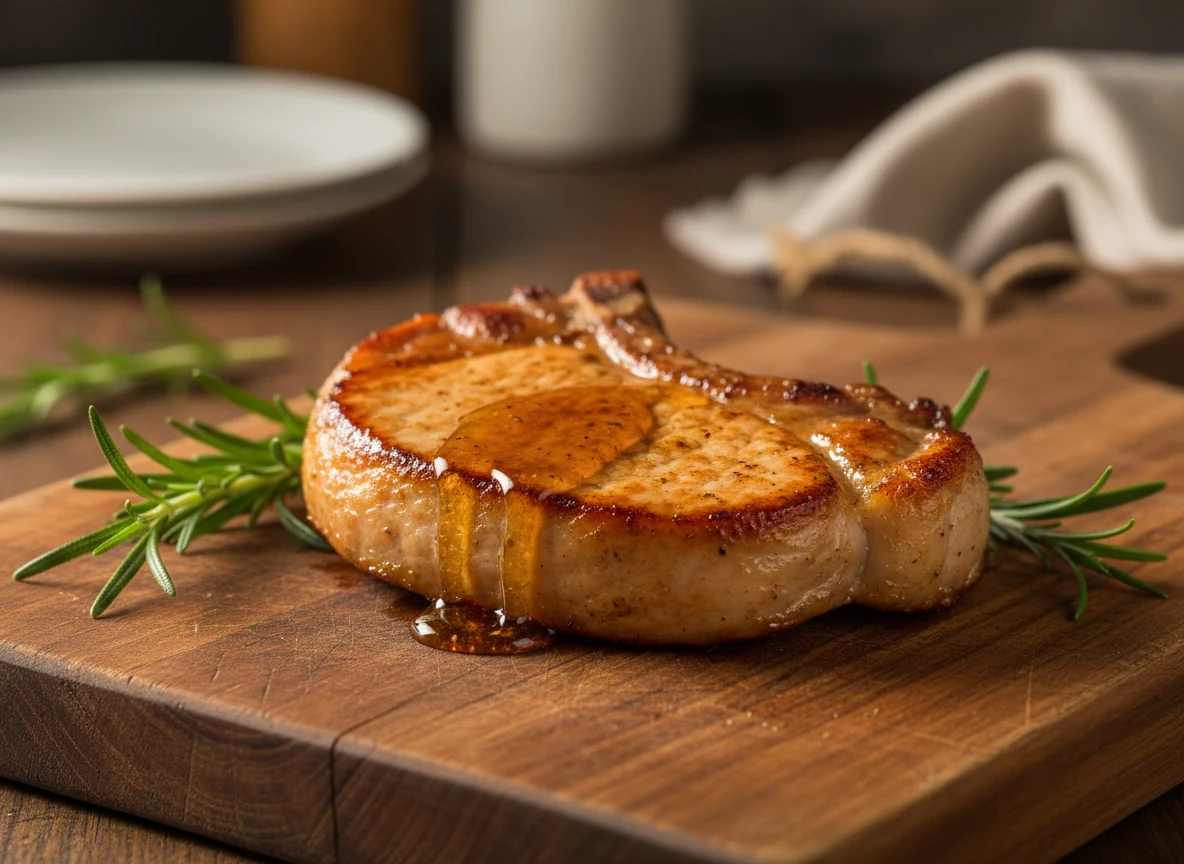
Pork Recipes That Will Make You Skip Restaurant Takeout
Discover mouthwatering ways to cook pork at home with unbeatable flavor and easy steps that save time without sacrificing taste.
Ever wondered why your neighbor’s backyard always smells better than yours on a Sunday? Spoiler: it’s not just the grill—it’s the pork magic. Pork is one of those versatile meats that plays well in countless cuisines, from sticky Asian glazes to smoky BBQ scorch marks that make you weak in the knees. If you’re tired of paying for subpar takeout, home-cooked pork can give you better flavor and bragging rights. And let’s be honest—nothing wins hearts and stomachs faster than a perfectly cooked chop or slow-braised shoulder. Ready to turn your kitchen into the hottest pork spot in town? Let’s break it down.
What Makes This Recipe So Good
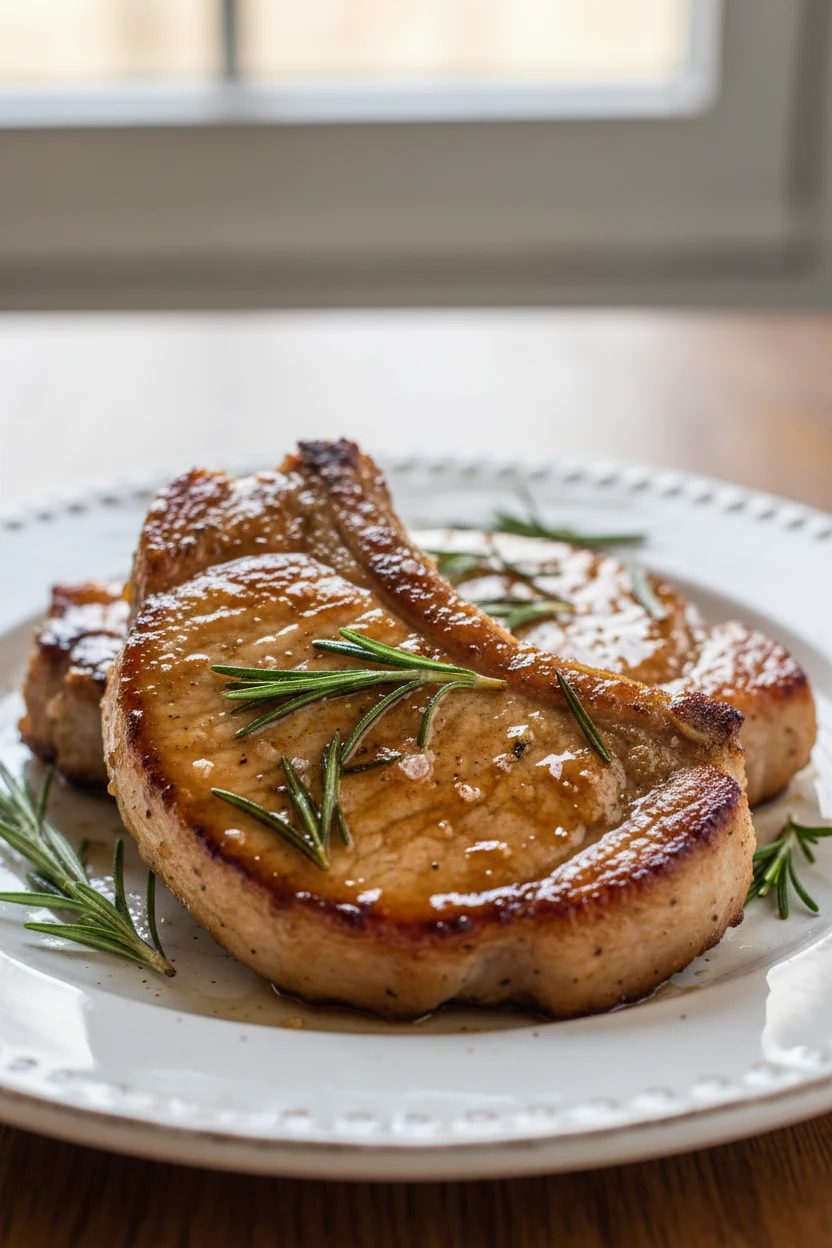
It hits the sweet spot between ease and flavor. We use simple steps so almost anyone can nail this dish, but with techniques that make the meat unbelievably tender. The seasoning mix balances savory with just a hint of sweetness, giving the pork a flavorful crust while locking in juiciness. Plus, the cooking method ensures you don’t spend hours babysitting the stove—more Netflix time for you.
Ingredients Breakdown
- Pork cuts: Choose between pork loin, pork chops, or pork shoulder depending on your mood.
- Salt & pepper: The base layer to enhance natural flavors.
- Garlic powder: For that aromatic depth we all crave.
- Paprika: Adds smokiness and a pop of color.
- Honey or brown sugar: Creates a subtle caramelization.
- Soy sauce: For umami richness.
- Olive oil: Helps with searing and keeps moisture in.
- Lemon juice or vinegar: Adds brightness to cut through the fat.
- Optional herbs: Thyme, rosemary, or parsley for freshness.
Instructions
- Pat the pork dry with paper towels to help it brown better.
- Mix salt, pepper, garlic powder, paprika, and sugar in a small bowl.
- Rub the seasoning mix generously over the pork.
- Heat olive oil in a pan over medium-high heat until shimmering.
- Sear the pork on each side until golden brown, about 2–3 minutes per side.
- Add soy sauce and lemon juice to the pan for a quick glaze.
- Lower the heat, cover, and cook until internal temperature reaches 145°F.
- Let the pork rest for 3–5 minutes before slicing to keep juices locked in.
Storage Tips
Store cooked pork in an airtight container in the fridge for up to 3 days. If freezing, wrap tightly in foil or freezer bags to prevent freezer burn—no one likes pork that tastes like last month’s ice cream. Reheat gently to avoid drying out; a little splash of broth can revive the juiciness.
Health Benefits
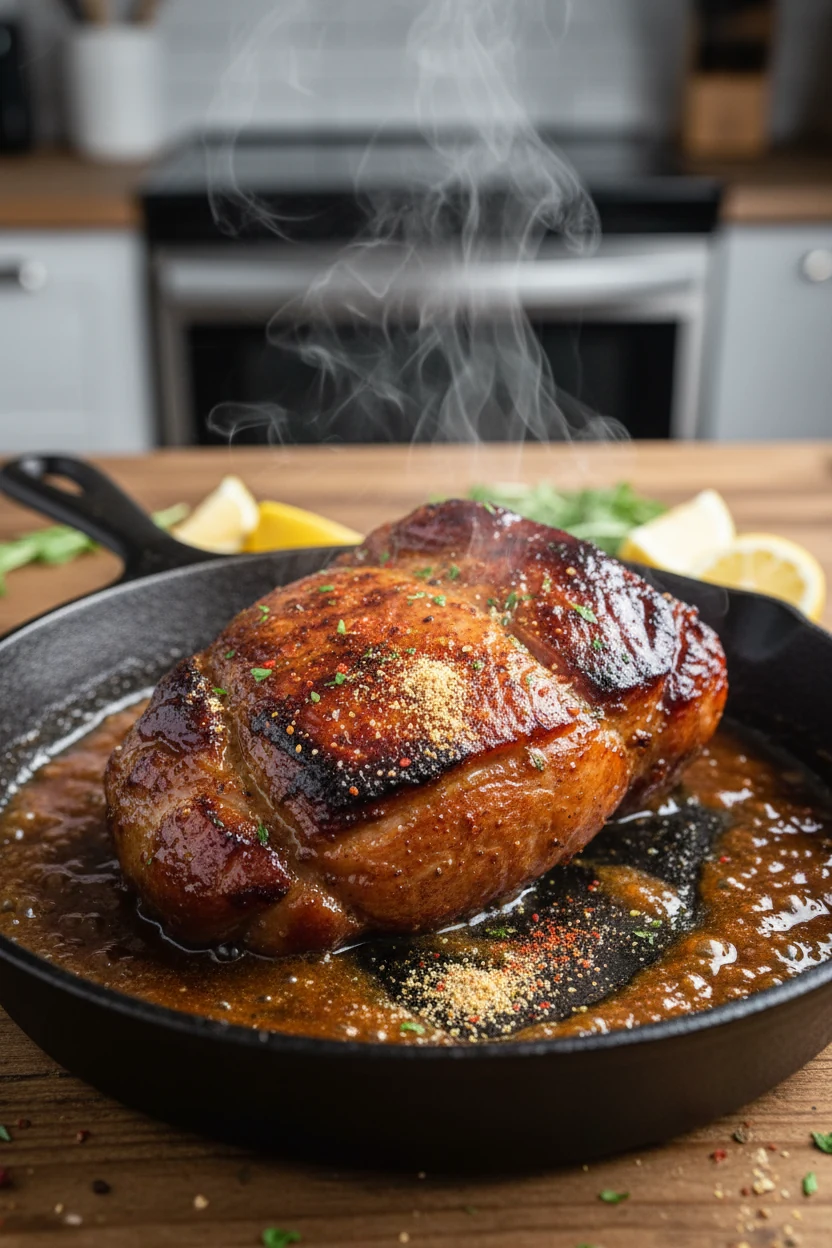
Pork is a solid source of protein, making it ideal for muscle repair and sustained energy. It contains B vitamins, particularly vitamin B6 and B12, which support brain health and blood function. Lean cuts keep calorie counts modest, while the healthy fats in certain cuts help with nutrient absorption. And yes, when cooked right, it’s satisfying enough to prevent random snack raids.
Common Mistakes to Avoid
- Skipping the dry pat: Wet pork steams instead of sears—don’t ruin the crust.
- Overcooking: Nobody invites dry pork back to the table.
- Under-seasoning: Pork needs flavor buddies; don’t leave it lonely.
- Forgetting to rest: Cut too soon and wave that juiciness goodbye.
- Using the wrong cut: Not all pork is created equal—choose cuts for the right cooking method.
Variations You Can Try
- Sweet and Spicy: Add chili flakes with honey for a sweet heat combo.
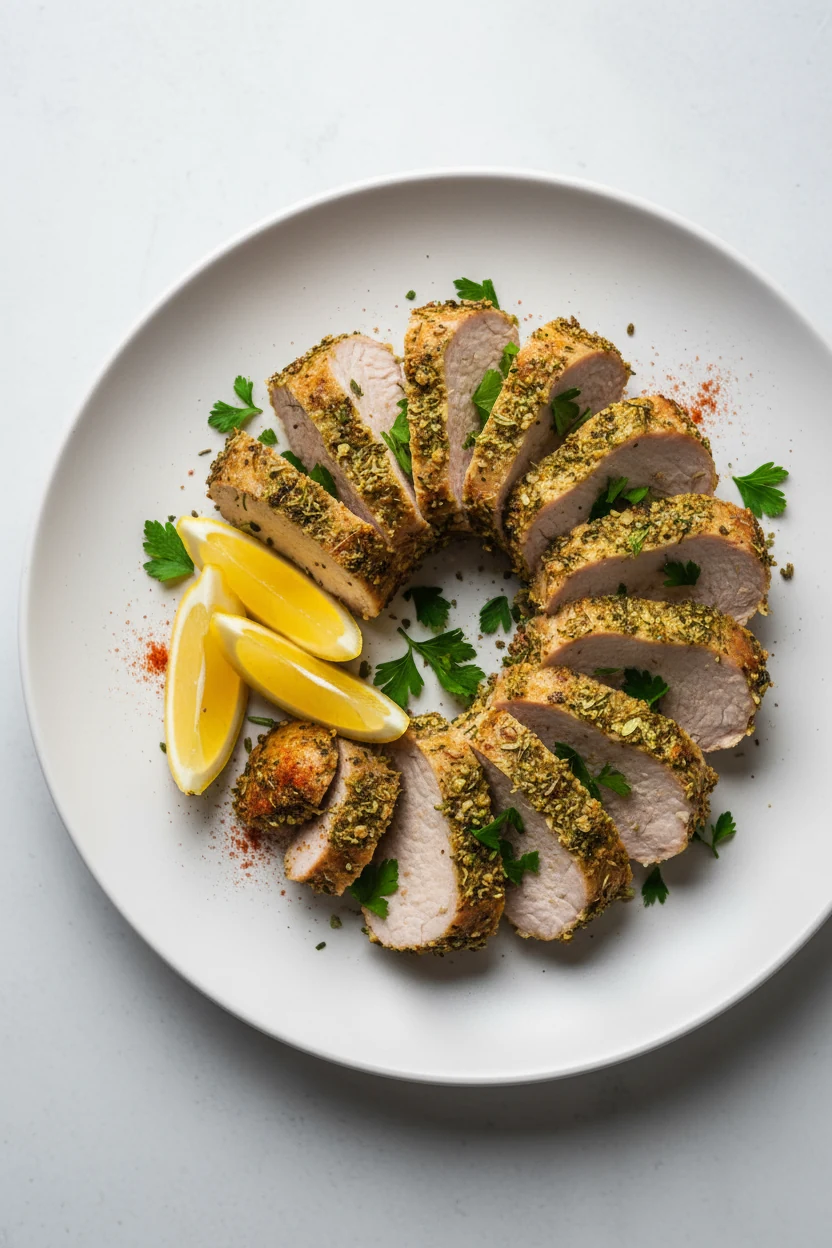
- Herb-crusted: Coat with rosemary, thyme, and parsley before roasting.
- Asian-inspired: Swap soy sauce for teriyaki and add ginger.
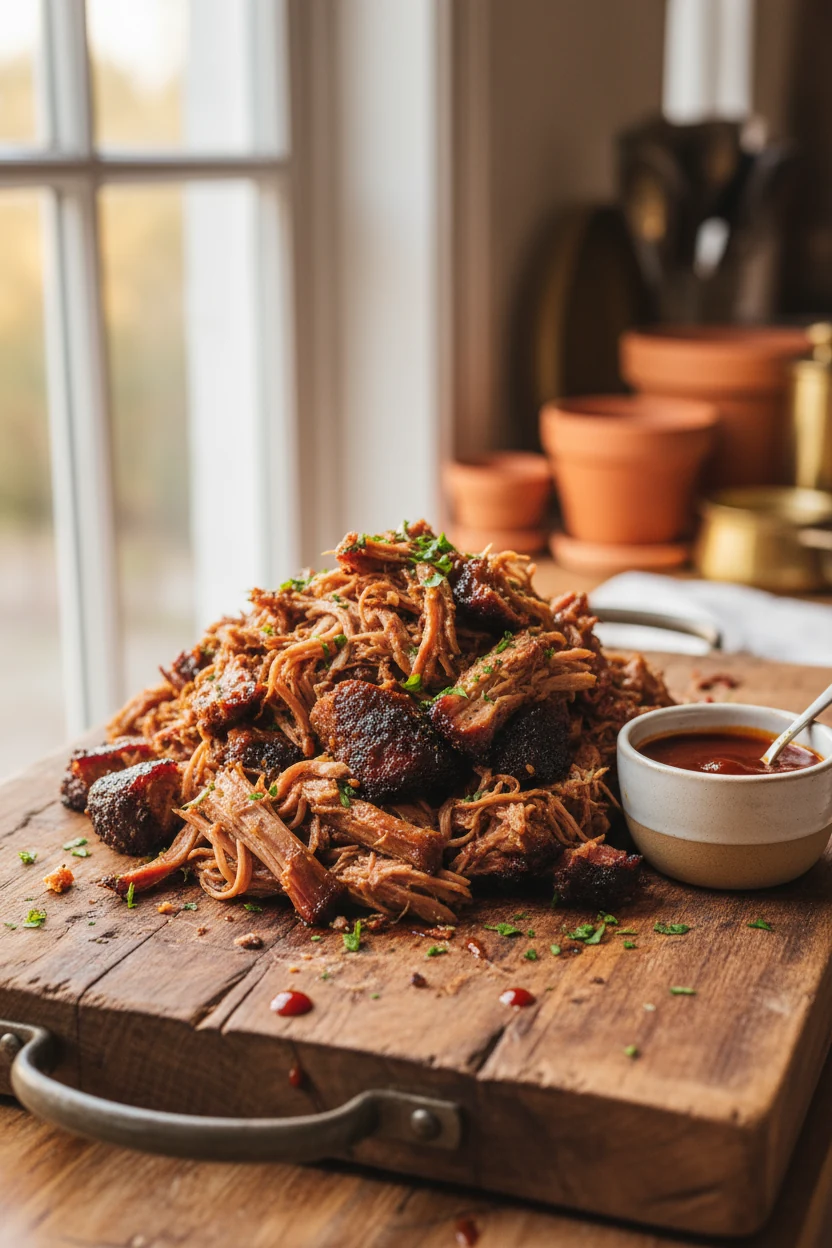
- BBQ pulled pork: Slow-cook shoulder with your favorite BBQ sauce.
- Stuffed pork loin: Fill with spinach, sun-dried tomatoes, and cheese for a fancier twist.
FAQ
Can I cook pork from frozen?
Yes, but expect longer cooking times and slightly less even texture. For best flavor and safety, thaw before cooking.
What’s the safest internal temperature for pork?
145°F according to USDA guidelines, followed by a short rest period to retain juices.
Which cut is best for quick weeknight meals?
Pork chops or tenderloin—they cook fast and don’t require hours of prep.
Do I need to marinate pork?
Not always, but marinating for at least 30 minutes can enhance tenderness and flavor depth.
Is pork healthy for weight loss?
Lean cuts like tenderloin are low in fat and high in protein, making them suitable for calorie-conscious diets.
The Bottom Line
Pork doesn’t need fancy restaurant tricks to taste phenomenal. With the right cut, simple seasoning, and smart cooking, you can make dishes that compete with any professional kitchen. Plus, it’s budget-friendly, versatile, and pretty much guaranteed to make guests ask for seconds. So, next time you’re tempted by takeout, remember—you’ve got everything you need to win at pork right at home.
Printable Recipe Card
Want just the essential recipe details without scrolling through the article? Get our printable recipe card with just the ingredients and instructions.