Pioneer Woman Beef Stew — Cozy Ranch Comfort in a Bowl
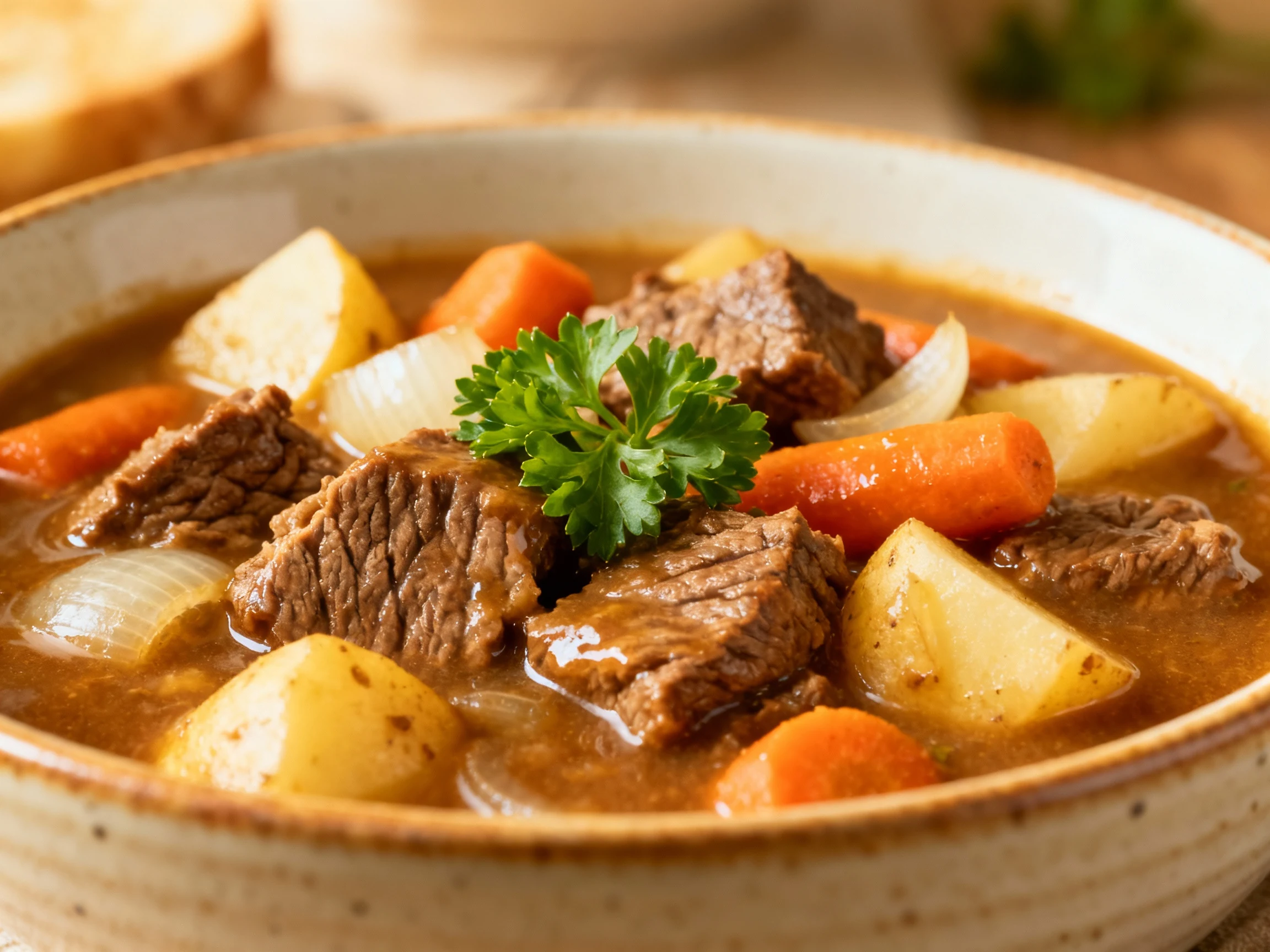
Weeknight-friendly, stick-to-your-ribs stew with tender beef, root veggies, and a rich gravy—minimal prep, budget ingredients, cozy payoff.
You know those nights when you want food that hugs you back? This is that. Big flavors, low stress, and a pot of glossy beef gravy that makes everyone at the table mysteriously polite. You’ll sear, simmer, and suddenly you’re a hero with leftovers that taste even better tomorrow. The secret isn’t complicated—just a few right moves in the right order, plus patience. Saddle up for a spoonful of pure comfort that plays well with biscuits, mashed potatoes, or nothing at all.
Why You’ll Love This Recipe
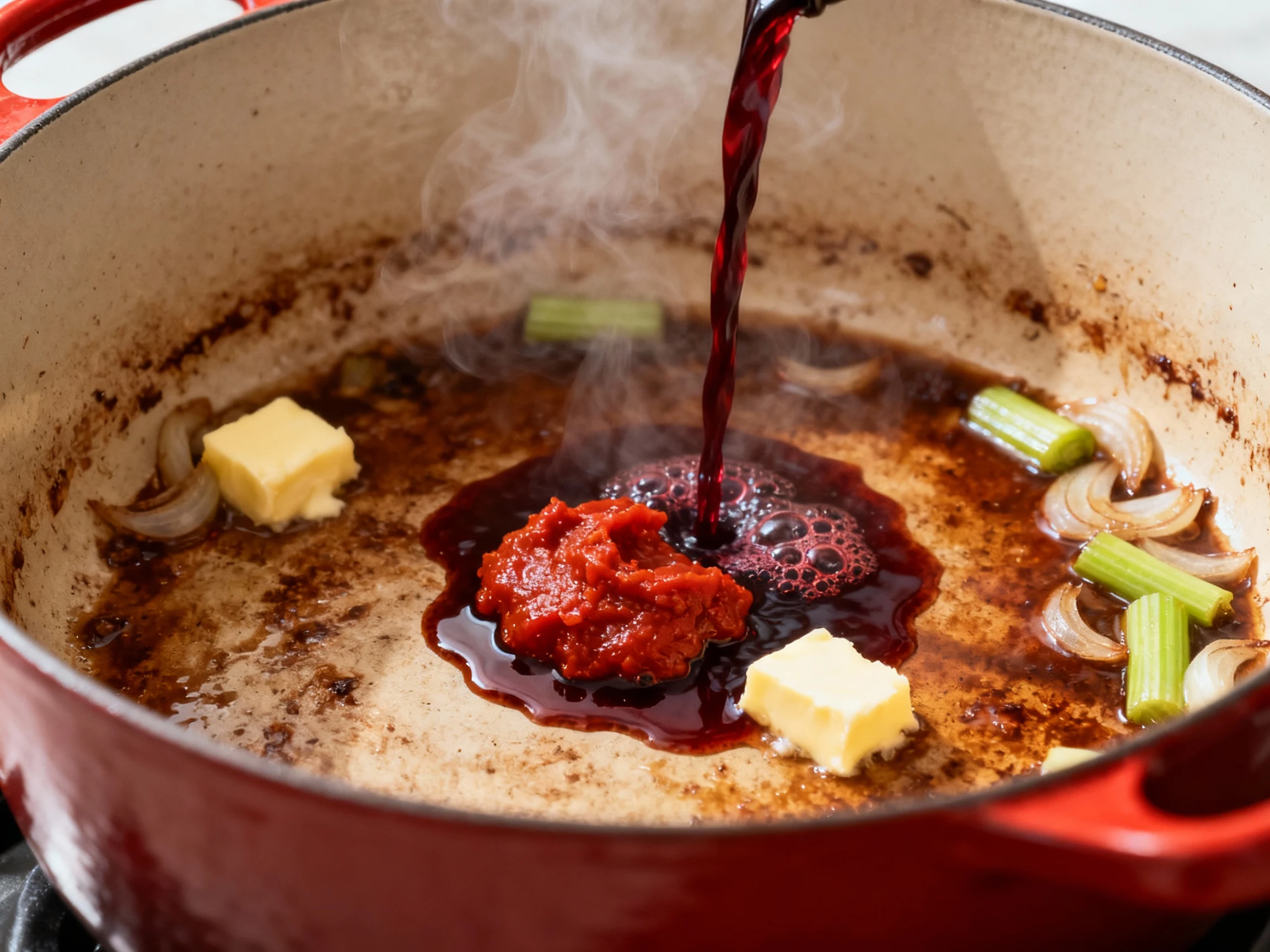
- Deep, developed flavor: Browning the beef and building a tomato-wine base (or extra broth) gives you a rich, restaurant-level gravy.
- Budget-friendly: Chuck roast transforms into meltingly tender bites without breaking the bank. Low-cost, high reward.
- One pot, minimal cleanup: Sear, sauté, simmer—all in one Dutch oven. Less mess, more cozy.
- Make-ahead gold: Stew tastes even better the next day. FYI: This is meal prep that doesn’t feel like homework.
- Flexible and forgiving: Swap root veggies, skip the wine, add mushrooms—this recipe welcomes your pantry’s mood swings.
- Freezer-friendly: Batch-cook now, thaw later. Future you will send a thank-you note.
Ingredients Breakdown
- 2.5 lb beef chuck roast, cut into 1.5-inch cubes (marbled = tender results)
- 1/4 cup all-purpose flour (for dusting the beef)
- 2 tsp kosher salt, divided
- 1 tsp black pepper, freshly ground
- 2 tbsp vegetable oil (or avocado oil)
- 2 tbsp unsalted butter (adds richness to the sauté)
- 1 large yellow onion, chopped
- 3 cloves garlic, minced
- 2 tbsp tomato paste (concentrated umami and color)
- 1 cup dry red wine (optional; sub with 1 cup beef broth)
- 4 cups low-sodium beef broth
- 1 tbsp Worcestershire sauce (savory depth)
- 1 tsp paprika (smoked or sweet—your call)
- 1 tsp dried thyme (or 2 tsp fresh)
- 2 bay leaves
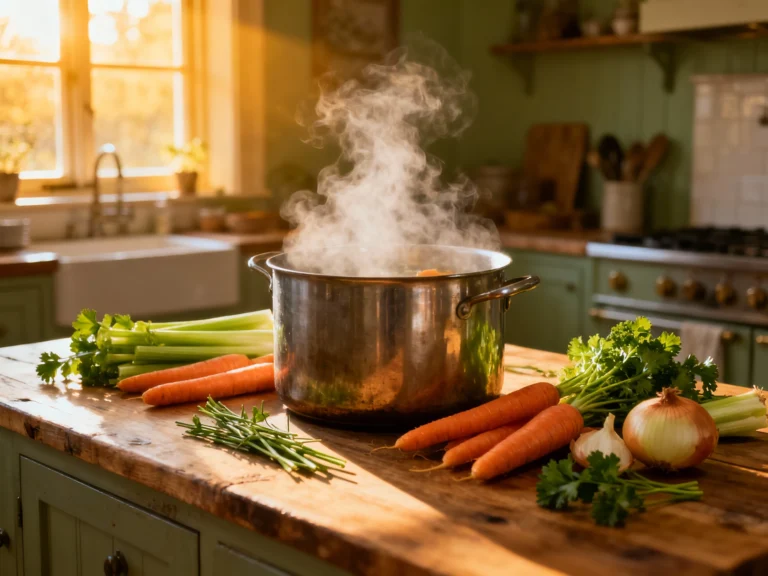
- 4 large carrots, peeled and cut into 1-inch chunks
- 1 lb baby potatoes, halved (or 3 medium potatoes, cubed)
- 2 ribs celery, sliced (optional but classic)
- 1 cup frozen peas (stir in at the end)
- 1 tbsp cornstarch + 1 tbsp water (optional slurry to thicken)
- 1 tbsp balsamic vinegar or 1 tsp sugar (optional, balances acidity)
- Fresh parsley, chopped, for garnish
Let’s Get Cooking – Instructions
- Pat and season the beef: Blot the beef cubes dry with paper towels. Toss with 1 tsp salt, 1 tsp pepper, and 1/4 cup flour until lightly coated.
- Brown in batches: Heat 2 tbsp oil in a heavy Dutch oven over medium-high. Sear beef in 2–3 batches until deeply browned on at least two sides, 3–4 minutes per batch. Don’t crowd the pan.
- Add butter and aromatics: Reduce heat to medium. Add 2 tbsp butter, then the onion and celery. Cook 4–5 minutes until softened. Stir in garlic for 30 seconds.
- Tomato paste + deglaze: Stir in 2 tbsp tomato paste and cook 1 minute to caramelize. Pour in 1 cup red wine (or broth), scraping up browned bits. Let it bubble for 2 minutes to reduce slightly.
- Build the braising liquid: Add 4 cups beef broth, Worcestershire, paprika, thyme, and bay leaves. Return the browned beef and any juices to the pot. Add remaining 1 tsp salt.
- Simmer low and slow: Bring to a gentle simmer, then cover and cook on low for 60 minutes, stirring once or twice. Keep it burbling, not boiling.
- Add sturdy veggies: Stir in carrots and potatoes. Cover and cook another 35–45 minutes, until beef is fork-tender and vegetables are just soft.
- Adjust thickness (optional): If you want a thicker gravy, mix 1 tbsp cornstarch with 1 tbsp water. Stir in and simmer uncovered 3–5 minutes until glossy.
- Balance and brighten: Taste and adjust seasoning. Add balsamic or a pinch of sugar if the acidity needs balancing. Salt and pepper to taste.
- Finish with peas: Stir in frozen peas and cook 2 minutes until warmed through. Remove bay leaves.
- Rest a moment: Turn off the heat and let the stew stand 5 minutes. This helps everything settle and thicken naturally.
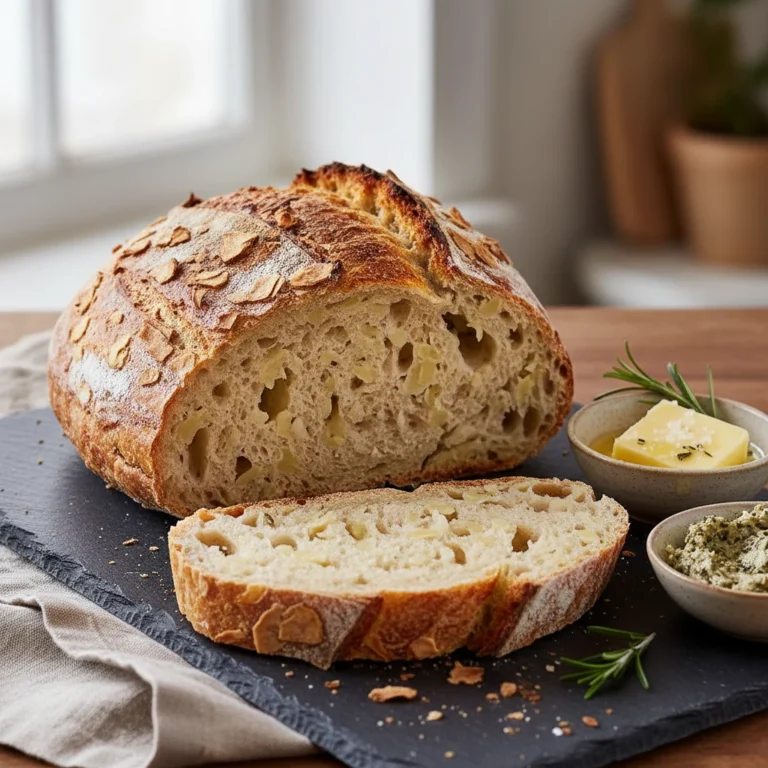
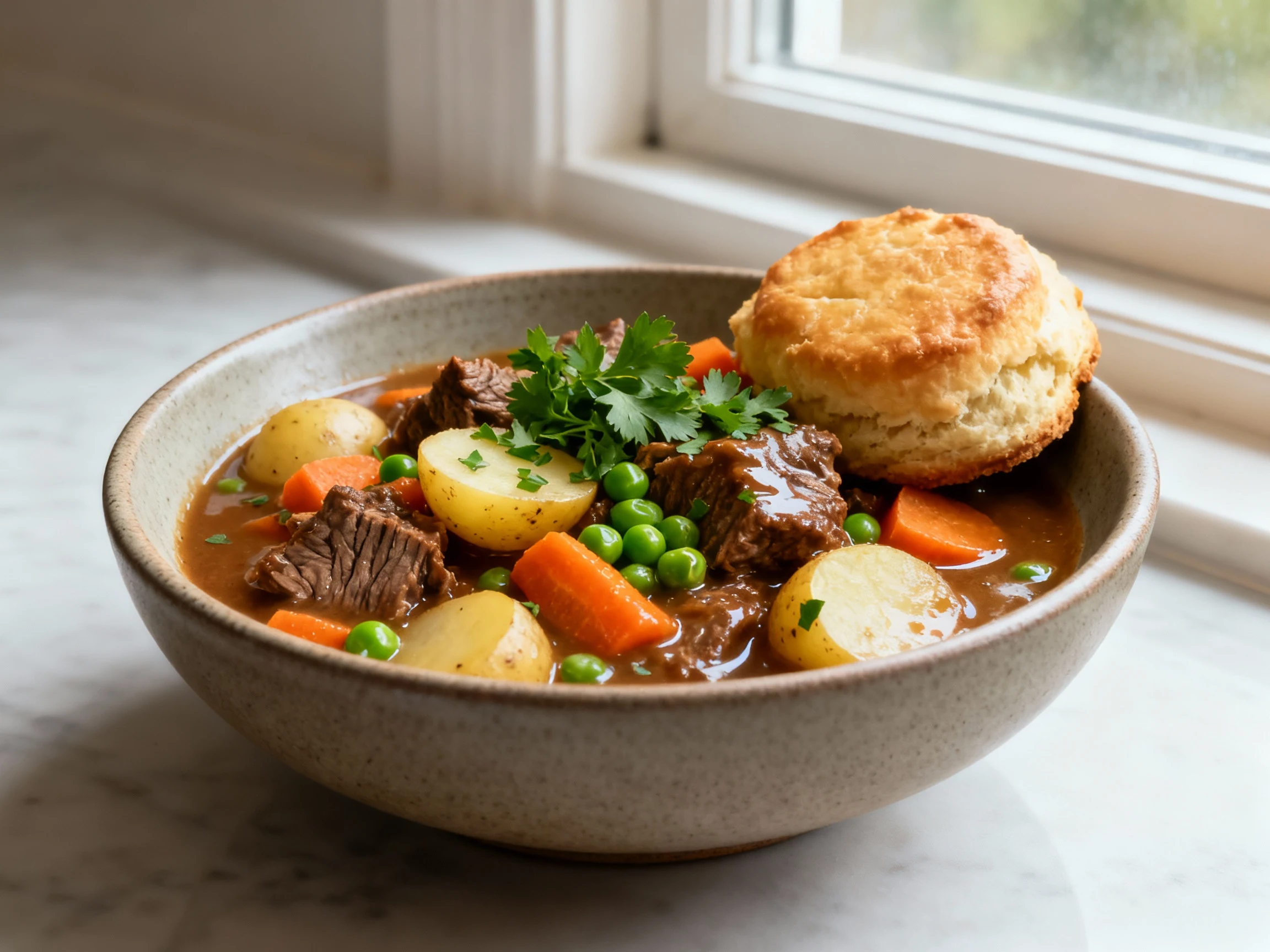
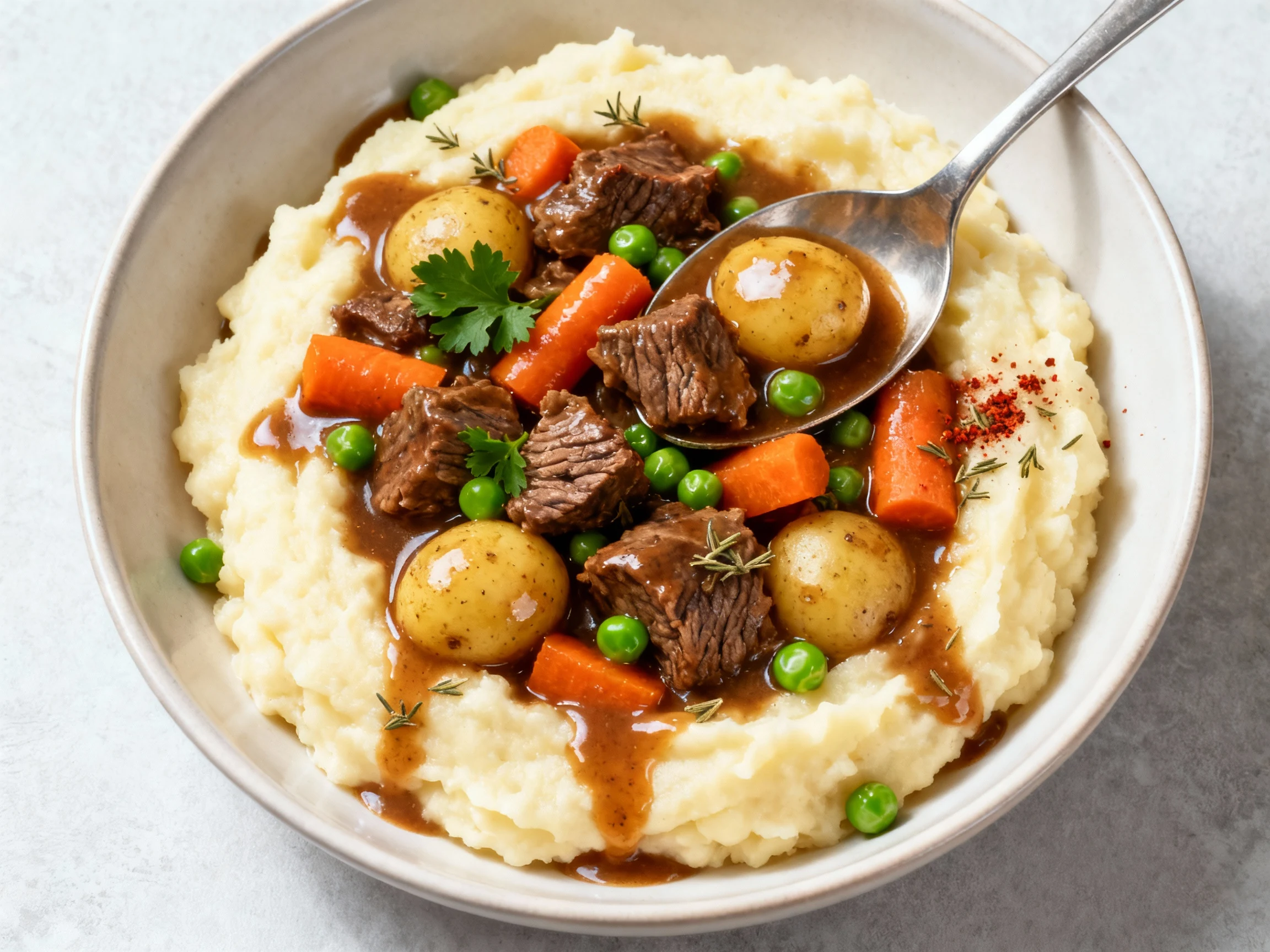
- Serve: Ladle into bowls and top with fresh parsley. Pair with crusty bread, biscuits, or buttery mashed potatoes. Smile, nod, accept compliments graciously.
Preservation Guide
Cool quickly: Let the stew cool until warm, then portion into shallow containers. This prevents overcooked veggies and keeps textures intact.
Refrigerate: Store in airtight containers for up to 4 days. Reheat on the stovetop over medium-low with a splash of broth or water to loosen.
Freeze: Portion into freezer-safe containers or quart bags for up to 3 months. Leave headspace for expansion. Label with date because Future You will forget.
Reheat from frozen: Thaw overnight in the fridge, or warm gently over low heat covered, adding broth as needed. Avoid vigorous boiling; it can toughen the beef and wreck the potato texture.
What’s Great About This
- Built-in leftovers: Tastes better the next day—more time for flavors to marry.
- Reliable tenderness: Chuck roast + low simmer = buttery bites every time.
- Pantry-first recipe: Common staples, no niche ingredients.
- Hands-off simmer: After the sear, the pot does most of the work. You can actually relax. Imagine that.
- Family-approved: Beef, potatoes, carrots—classic combo, no guesswork.
- Scalable: Double for a crowd or stash for later. IMO, always make extra.
What Not to Do
- Don’t crowd the pan when searing: Overcrowding steams the meat. Brown in batches for that crucial fond.
- Don’t use lean cuts: Skip sirloin or round. Without marbling, you’ll get dry, chewy pieces.
- Don’t boil hard: A harsh boil tightens the beef. Keep it at a gentle simmer.
- Don’t add peas early: They’ll turn dull and mushy. Add them at the end for color and pop.
- Don’t skip deglazing: Those browned bits are flavor gold. Scrape them up with wine or broth.
- Don’t dump all veggies at once: Potatoes and carrots go in after the meat starts to soften, so they don’t overcook.
- Don’t forget salt at the end: Season early and finish with a final taste-adjust for balance.
- Don’t rely only on flour for thickness: The stew may not reduce enough. Use a cornstarch slurry if you want a silky, glossy finish.
Alternatives
- Different proteins: Use boneless short ribs for extra richness, or try lamb shoulder for a rustic twist. Venison works beautifully with the same method—just add a touch more fat.
- Vegetarian version: Swap beef for a mix of cremini and portobello mushrooms, plus 1/2 cup pearl barley or 1 can chickpeas. Use vegetable broth and double the tomato paste.
- Gluten-free: Skip the flour dredge. Brown the beef as-is, and thicken at the end with 1–2 tbsp cornstarch slurry.
- No wine: Replace with equal beef broth plus 1 tbsp balsamic or 1 tsp soy sauce for depth.
- Veggie swaps: Parsnips, turnips, or sweet potatoes add dimension. Mushrooms bring umami. Green beans for extra crunch near the end.
- Spice lane: Add 1/2 tsp smoked paprika and a pinch of chili flakes for warmth. Or stir in 1 tsp Dijon before serving for subtle tang.
- Instant Pot: Sear on Sauté, deglaze, then pressure cook beef with broth for 35 minutes; quick-release, add carrots/potatoes, pressure cook 4 minutes, stir in peas, thicken if needed.
- Slow cooker: Sear beef and aromatics on the stove, then transfer to slow cooker with liquids and spices. Cook on LOW 7–8 hours, add carrots/potatoes for last 2–3 hours, finish with peas.
FAQ
What’s the best cut of beef for stew?
Chuck roast is king. It has enough fat and connective tissue to break down into tender, juicy bites. Lean cuts often turn dry and tough, so save those for stir-fries.
Can I make this without wine?
Absolutely. Use beef broth instead, then boost flavor with Worcestershire, a splash of balsamic, or a dash of soy sauce. You’ll still get a rich, savory gravy.
How do I thicken the stew if it’s too thin?
Let it simmer uncovered to reduce, or stir in a 1:1 cornstarch slurry and bubble for 3–5 minutes. You want silky, not gluey, so add slowly and reassess.
Why is my beef tough?
Two likely culprits: not enough time or too high heat. Keep it at a gentle simmer and cook until the collagen melts—often 90–120 minutes total. It’s done when a fork slips in easily.
When should I add vegetables so they don’t turn mushy?
Add hearty veggies like carrots and potatoes in the second half of cooking. Keep peas for the very end. This timing keeps textures on point and colors vibrant.
Can I make it ahead?
Yes, and you should. Stew tastes even better the next day. Cool, refrigerate, and reheat gently with a splash of broth. TBH, leftovers are the whole point.
How can I add more flavor if it tastes flat?
Hit it with salt to wake things up, then consider balsamic, a squeeze of lemon, or a spoon of Dijon. Acid and umami make flavors pop.
Can I double the recipe?
Yes, but sear in more batches and use a big pot. Overcrowding ruins browning, which reduces flavor. Also, extend simmer time a bit if needed.
Final Thoughts
This stew isn’t fancy—it’s smarter. You layer flavor, respect the simmer, and end up with a pot that solves dinner today and lunch tomorrow. Keep it classic or riff with your favorite veggies; the method holds. Ladle generously, pass the bread, and let the gravy do the talking.
Printable Recipe Card
Want just the essential recipe details without scrolling through the article? Get our printable recipe card with just the ingredients and instructions.