Persimmon Recipes to Transform Your Fall Kitchen Game
Discover easy, mouthwatering ways to use ripe persimmons for cozy gatherings, flavor boosts, and unforgettable seasonal treats.
Persimmons look like tiny suns, taste like nature’s candy, and can turn a boring Tuesday into a mini holiday. Yet most people ignore them until they turn up in a random fruit basket—tragic, right? Imagine desserts so fragrant they make guests forget their names, breakfasts upgraded from “meh” to “wow,” and snacks that feel like secret chef-level hacks. The best part? You don’t need a Michelin star or an Instagram-worthy kitchen to make them shine. Let’s take that golden-orange fruit from mystery to main event—fast.
What Makes This Special
Persimmons aren’t your average fruit. Their flavor profile dances between honey, pumpkin, and ripe mango, with a texture that can shift from crunchy to custard-like depending on ripeness. This makes them ridiculously versatile—think smoothies before lunch and cakes after dinner. Few fruits bring such visual appeal to a dish, especially those picture-perfect slices with their star-shaped centers. Plus, they’re packed with nutrients while delivering natural sweetness so you can cut back on added sugar without feeling cheated.
What You’ll Need (Ingredients)
- 4 ripe persimmons (Fuyu or Hachiya, depending on recipe)
- 1 cup all-purpose flour
- 1/2 cup sugar or honey
- 2 large eggs
- 1/4 cup butter, melted
- 1 teaspoon baking powder
- 1/2 teaspoon cinnamon
- 1/4 teaspoon nutmeg
- Pinch of salt
- Optional: walnuts, chocolate chips, or dried cranberries
Instructions

- Prep the fruit: Peel and puree ripe persimmons until smooth. For Fuyu, you can keep the skins on if desired.
- Mix dry ingredients: In a bowl, whisk flour, baking powder, cinnamon, nutmeg, and salt.
- Make wet mix: In a separate bowl, beat eggs with sugar (or honey), then add melted butter and persimmon puree.
- Combine: Slowly add dry ingredients to wet mix, stirring until just combined. Don’t overmix unless you like chewy bricks.
- Add extras: Fold in nuts or chocolate chips here if you’re feeling fancy.
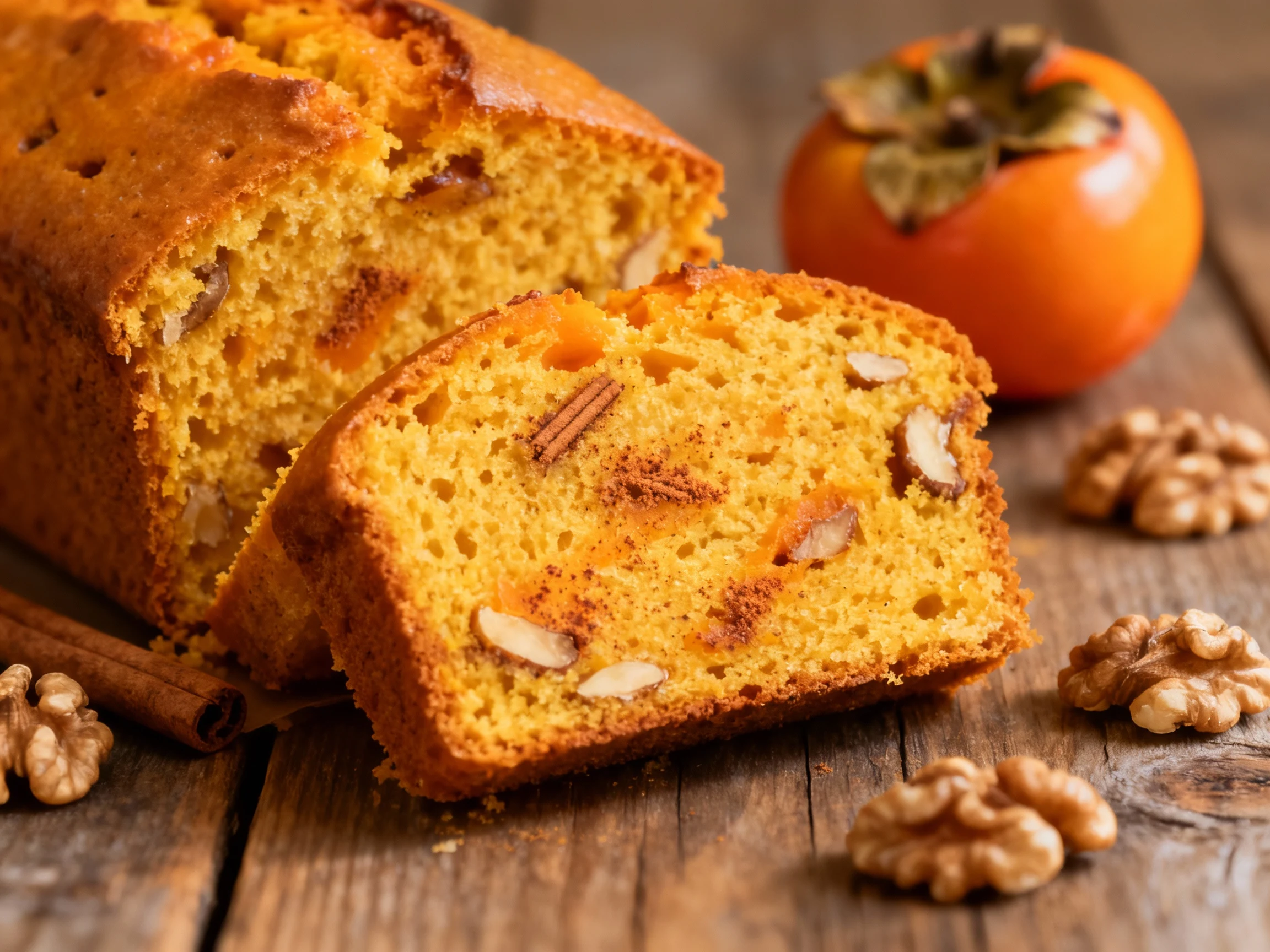
- Pour and bake: Transfer batter to a greased loaf pan, bake at 350°F (175°C) for around 40–45 minutes.
- Cool and serve: Let it rest for 10 minutes before slicing, unless you enjoy volcanic burns on your tongue.
How to Store
Wrap cooled cakes or breads in foil and store at room temperature for up to 3 days. Refrigerate for longer shelf life, though keep in mind chilling can slightly change texture. For the long game, slice and freeze portions in zip-top bags—perfect for emergency dessert moments.
Health Benefits
Persimmons are rich in vitamin A, which helps boost eye health, and vitamin C, for immune defense. They contain dietary fiber that supports digestion, and antioxidants that help fight off cell damage. If you like your treats with a side of wellness, they tick all the boxes without tasting “healthy” in the boring sense.
Don’t Make These Errors
- Ignoring ripeness: An unripe Hachiya can taste like bitter regret—wait until it feels like a water balloon.
- Overmixing batter: It kills fluffiness faster than a bad punchline.
- Heavy seasoning: Don’t drown the persimmon’s subtle flavor in too many spices.
- Wrong variety: Know your type—use Fuyu for slicing, Hachiya for purees.
Recipe Variations
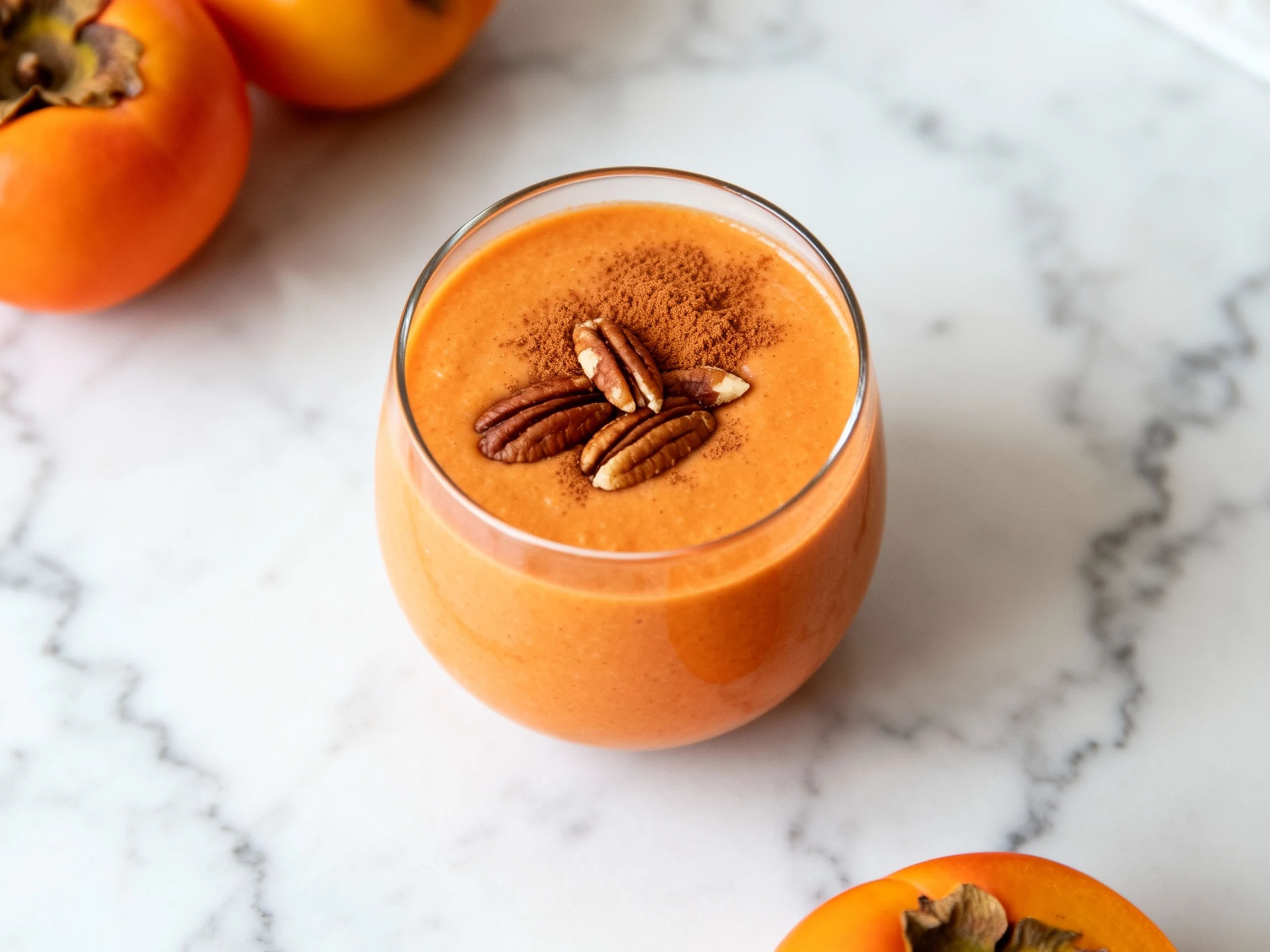
- Persimmon smoothie: Blend ripe Fuyu with yogurt, banana, and a dash of cinnamon.
- Persimmon salad: Toss slices with arugula, goat cheese, and toasted pecans.
- Persimmon jam: Slow-cook puree with sugar and lemon juice until thick.
- Persimmon pancakes: Add puree to batter for naturally sweet breakfast.
FAQ
Can I eat persimmon skin?
Yes, especially for Fuyu persimmons—the skin is thin and edible. Hachiya skins can be tougher but are still safe to eat.
How do I know when a persimmon is ripe?
Fuyus are ripe when firm but slightly yielding. Hachiyas need to feel soft and jelly-like before they taste sweet instead of astringent.
Can I use persimmons in savory dishes?
Absolutely. They pair amazingly with salty cheeses, cured meats, and even roasted vegetables—chef’s kiss level synergy.
Are persimmons high in sugar?
They do contain natural sugars, but the fiber content slows absorption, making them a better choice than refined sweets.
Can I dry persimmons?
Yes, drying is a traditional method that creates a chewy, naturally sweet snack without added sugar.
In Conclusion
Persimmons deserve way more than a cameo in your fruit bowl. They’re exotic-looking, nutrient-rich, and insanely adaptable—basically the overachievers of produce. With the right tricks, they can carry a dish from breakfast to dinner without breaking a sweat. IMO, once you get the hang of their quirks, you’ll wonder why you didn’t start sooner. Stock up while they’re in season, and let your kitchen bask in that golden-orange glory.
Printable Recipe Card
Want just the essential recipe details without scrolling through the article? Get our printable recipe card with just the ingredients and instructions.