Pastina Recipes for Cozy Comfort—fast Creamy Budget Friendly
Craving a quick, creamy bowl on rushed weeknights? This Italian staple delivers comfort in minutes without wrecking your budget or your macros.
If dinner keeps hijacking your evenings, here’s the fix: a one-pot Italian classic that costs less than your latte and shows up faster than delivery. Pastina turns basic pantry players into silky, spoonable comfort with just a few smart moves. Think 15 minutes, minimal dishes, and flavor so nostalgic you’ll text your mom. It’s the culinary equivalent of a warm blanket—no pretension, all payoff.
What Makes This Special
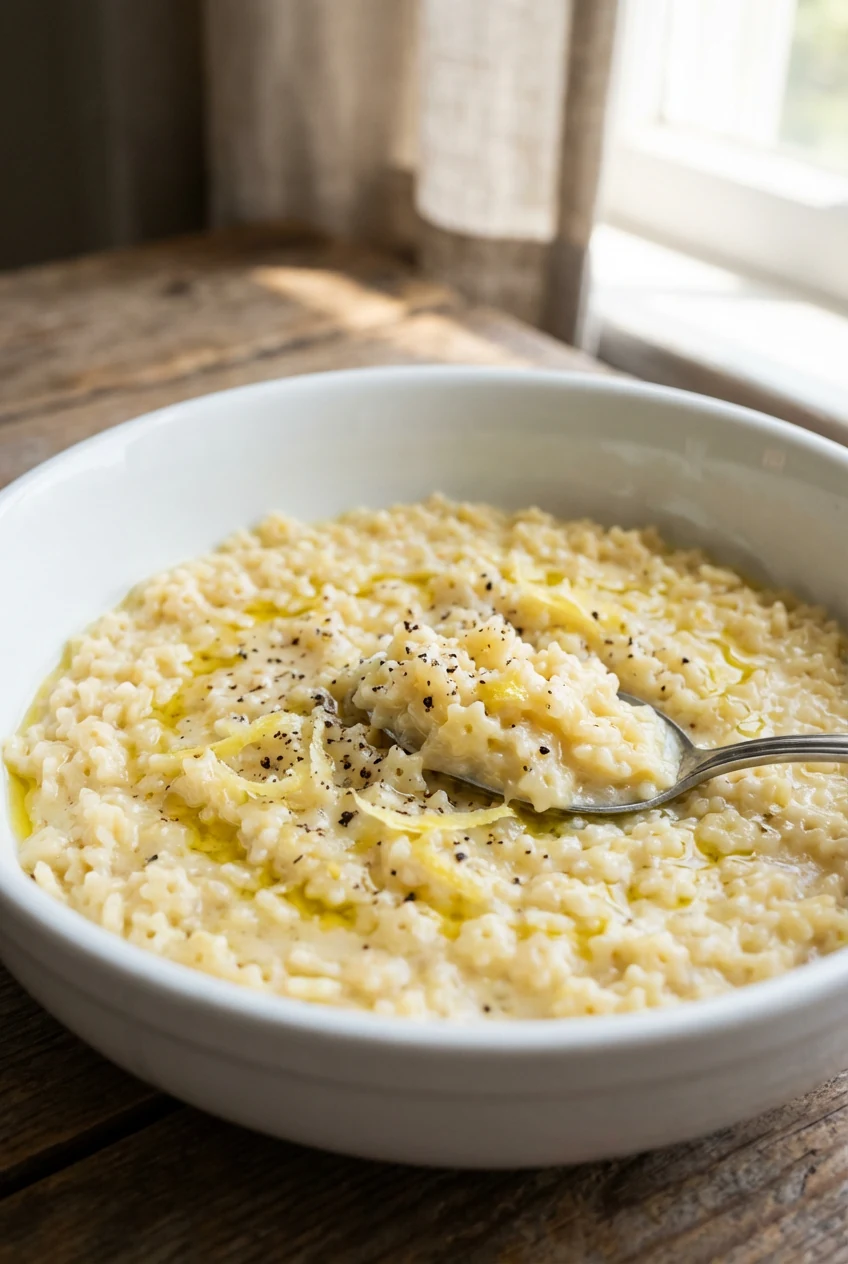
This isn’t just another carb bomb. It’s a precision-built comfort bowl that checks every box. Ready in 15 minutes, easy on the wallet, and very customizable to whatever’s in your fridge.
- One-pot simplicity: Boil, stir, finish—done. Your sink will thank you.
- Ultra-creamy without heavy cream: Butter, egg, and cheese create a velvety sauce that clings to every tiny shape.
- Pantry-friendly: Uses small pasta, broth or water, and classic staples like butter and Parmesan.
- Kid-approved, adult-loved: Gentle flavors with optional heat and tang for the grown-ups.
- Budget-friendly: Real talk: this is comfort for pennies. IMO, elite value.
Ingredients
Base (Classic Cozy Version)
- 1 cup pastina (small star pasta or similar tiny shape like acini di pepe)
- 3 cups low-sodium chicken or vegetable broth (or water with salt)
- 2 tablespoons unsalted butter
- 1 large egg
- 1/2 cup finely grated Parmigiano-Reggiano (or Pecorino Romano for more bite)
- 1/2 teaspoon kosher salt (adjust to taste depending on broth)
- Freshly ground black pepper to finish
- Optional: zest of 1/2 lemon and a squeeze of juice for brightness
Flavor Boosts (Optional Add-Ins)
- 1/2 cup frozen peas (no need to thaw)
- 1 cup shredded rotisserie chicken
- 1/2 cup finely chopped spinach or kale
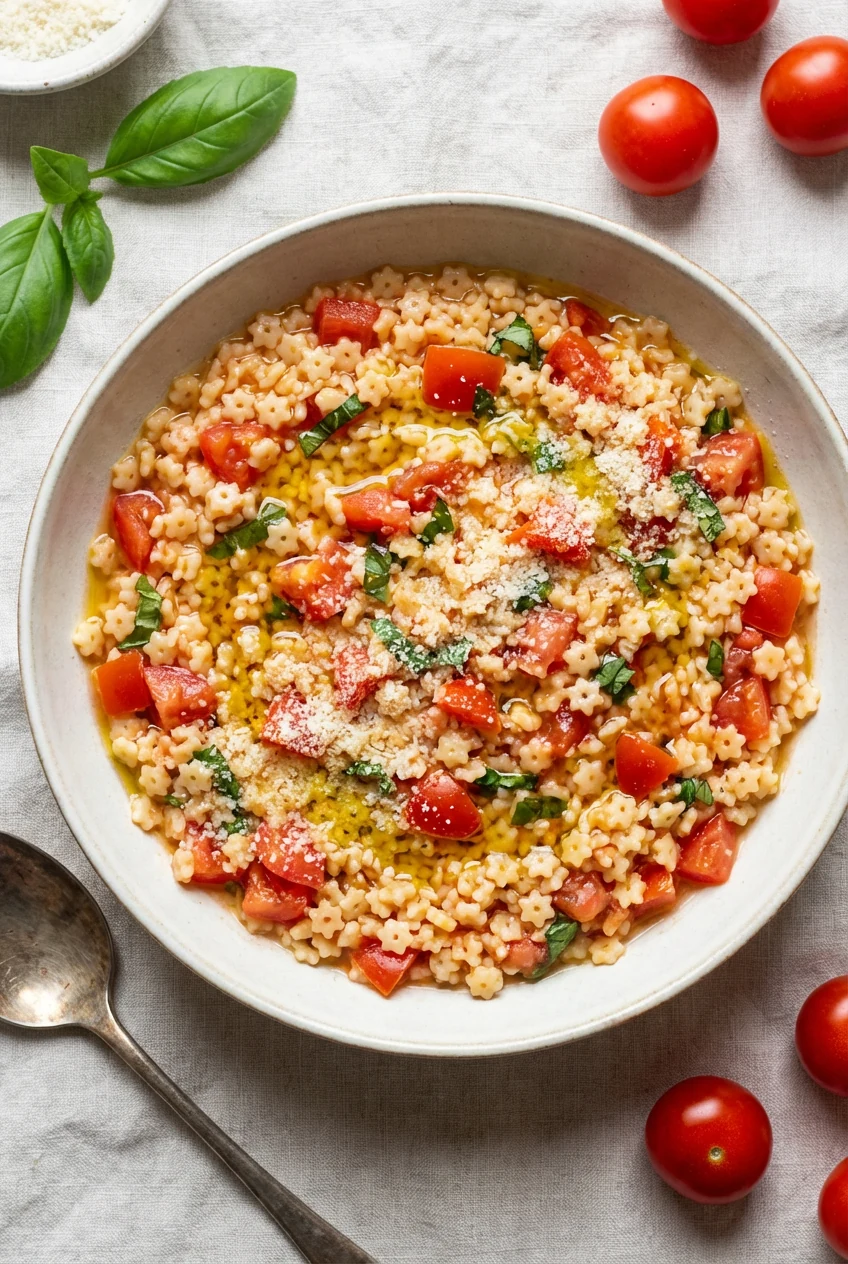
- 1/2 cup diced tomatoes (fresh or canned, drained)
- 1 clove garlic, minced (sauté in a splash of olive oil for a bolder base)
- 1 tablespoon olive oil (to finish for sheen and flavor)
- Pinch of crushed red pepper (for heat)
- 1 teaspoon white miso or 1 tablespoon nutritional yeast (umami bump, dairy-free friendly)
Step-by-Step Instructions
- Bring broth to a boil. Add the broth (or water plus salt) to a medium pot and heat until rolling. If using garlic, sauté it in a splash of olive oil in the pot first, then add the broth.
- Add pastina and stir. Drop in the tiny pasta and stir immediately to prevent sticking. Keep it at an active simmer, not a raging boil. Cook, stirring often, until just tender, about 4–6 minutes.
- Adjust consistency. You’re aiming for a creamy, spoonable texture—like risotto’s cozy cousin. If it looks dry, add a splash more hot broth or water; if soupy, simmer 30–60 seconds more.
- Temper the egg. In a small bowl, whisk the egg with the grated cheese. Ladle a few tablespoons of hot broth from the pot into the bowl while whisking to warm (temper) the egg. This prevents scrambling. FYI: do not skip this.
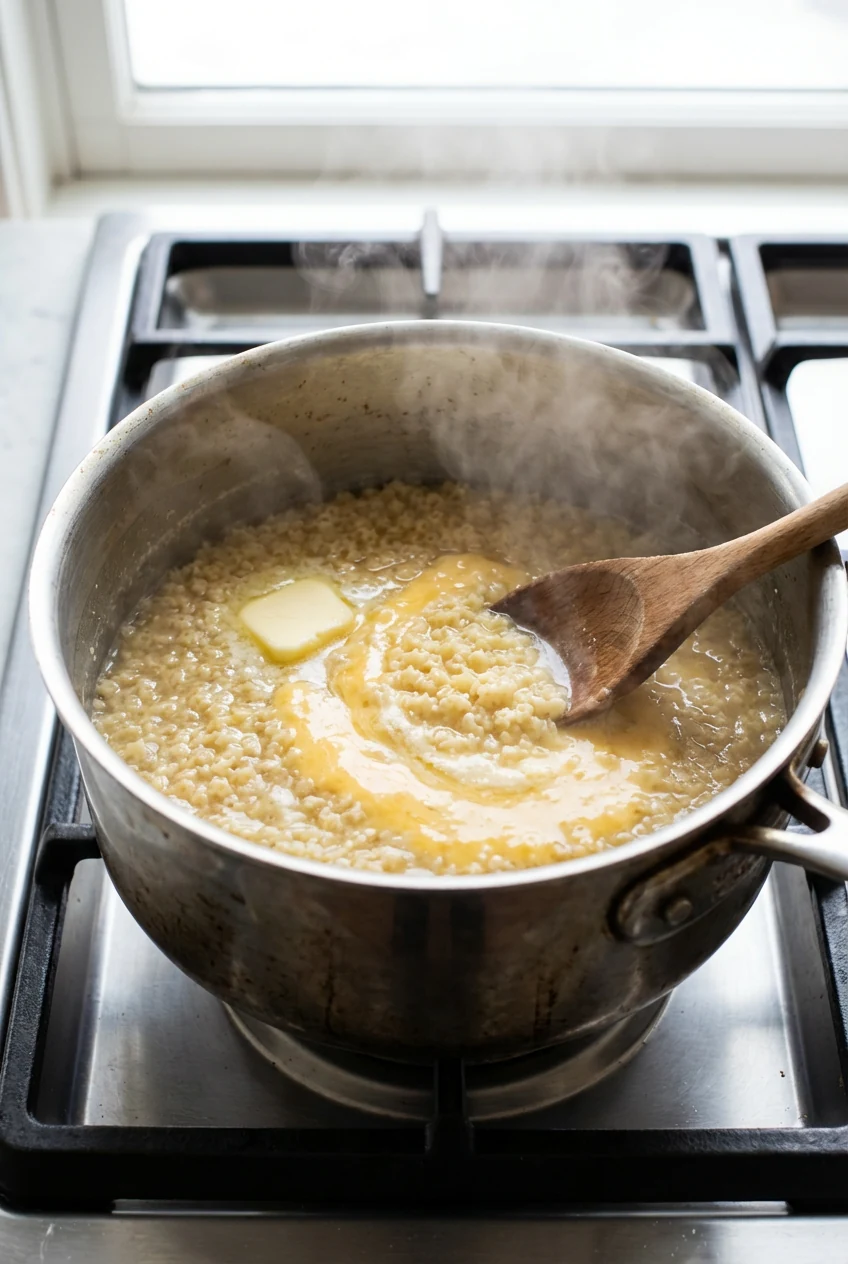
- Finish off-heat. Turn off the heat. Stir in butter until melted and glossy. Pour in the egg-cheese mixture while stirring constantly. The residual heat thickens everything into a silky sauce.
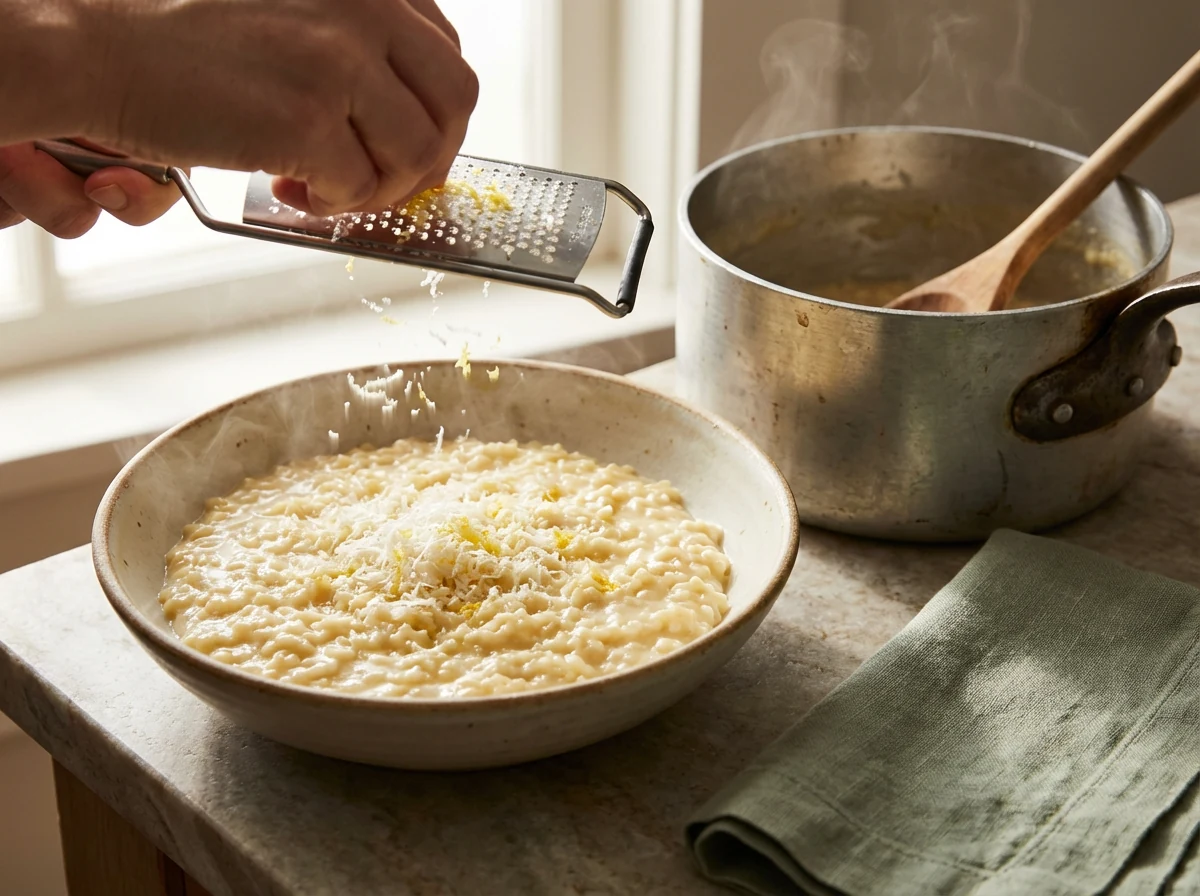
- Season smart. Add black pepper and taste. Adjust salt, then brighten with lemon zest and a small squeeze of juice if you like. For luxury, drizzle a little olive oil.
- Fold in extras. Stir in peas (they’ll warm through fast), chicken, chopped greens, tomatoes, or your chosen add-ins. Keep it delicate—this is a spoon food, not a stew.
- Serve immediately. Pastina is peak within minutes. It thickens as it sits, so have an extra splash of hot broth ready to loosen if needed.
Storage Instructions
This dish is best fresh, but leftovers are welcome. Scoop into an airtight container and cool quickly.
- Refrigerate: Up to 3 days. Reheat gently on the stove with a splash of broth or water to revive the creaminess.
- Freeze: Possible up to 1–2 months, but texture gets softer. Thaw in the fridge, then reheat with extra liquid and fresh cheese.
- Microwave: Short bursts, stirring between, with added liquid. Don’t nuke into glue.
Health Benefits
This comfort bowl pulls its weight nutritionally when you build it right. It’s not a salad, but it can be a smart meal.
- Hydration and electrolytes: Broth-based cooking boosts fluids and sodium—great on low-appetite days.
- Protein bump: Egg, cheese, and optional chicken lift protein, stabilizing energy and satiety.
- Micronutrients: Add peas, greens, and lemon for fiber, folate, vitamin C, and potassium.
- Gentle on the stomach: Soft texture and simple flavors suit kids, seniors, and sensitive guts.
- Portion control: Small shapes feel indulgent without oversized calories. Comfort, not chaos.
Avoid These Mistakes
- Overcooking into paste: Tiny pasta goes from perfect to mush fast. Stir and check early.
- Skipping the temper: Adding raw egg straight to boiling pasta equals scrambled bits. Temper first, stir off-heat.
- Under-seasoning the base: If your broth is bland, the bowl will be bland. Salt matters.
- Using too much liquid: You want creamy, not soupy. Add in small increments and watch the texture.
- Heavy-handed lemon: A touch brightens; too much overwhelms. Start small.
- Cheese clumps: Grate finely and add with the tempered egg off-heat to avoid stringy blobs.
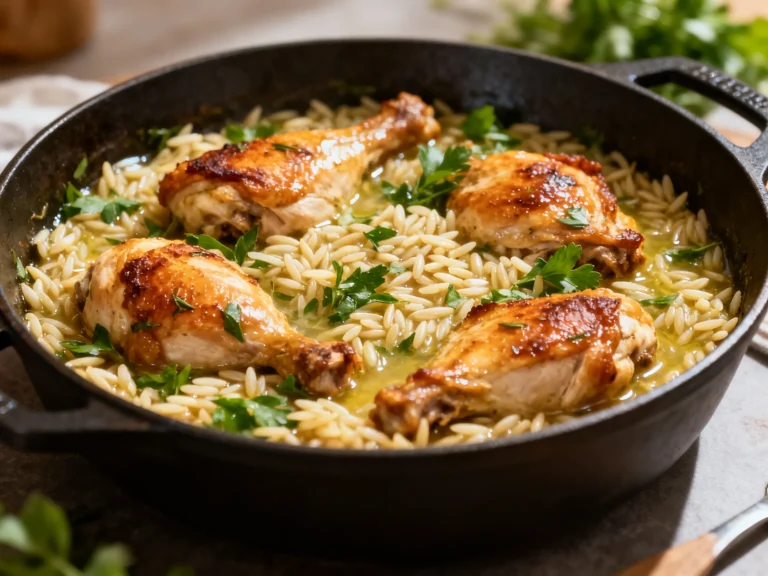
- Wrong pasta shape: Use tiny shapes (pastina, acini di pepe). Orzo works, but changes the vibe.
- Neglecting stir time: These small shapes love to stick. Gentle, frequent stirring is non-negotiable.
Variations You Can Try
- Lemon-Pepper Pastina: Finish with lemon zest, juice, and lots of black pepper. Add a pinch of garlic powder for a quiet kick.
- Cacio e Uova Style: Extra egg and Pecorino for a carbonara-adjacent bowl. Finish with cracked pepper and a splash of olive oil.
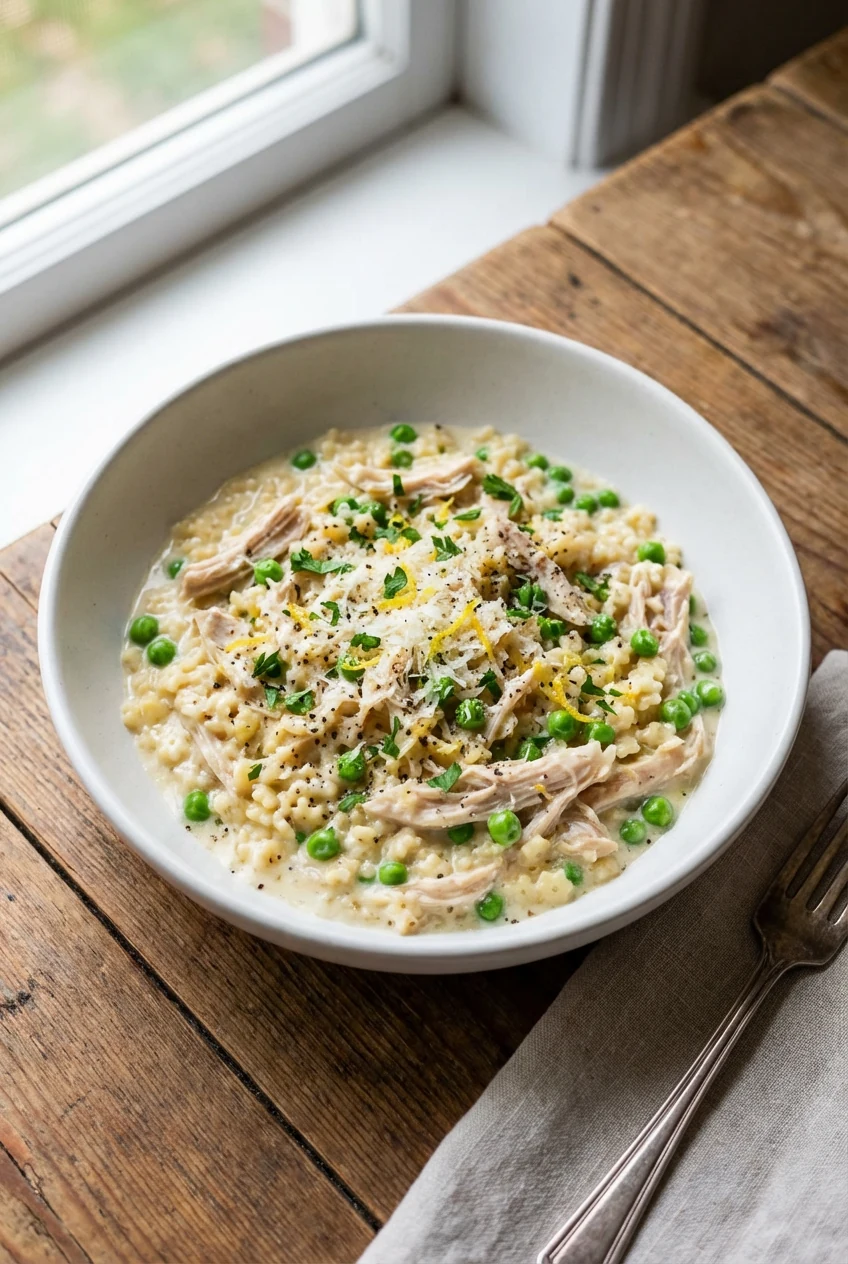
- Chicken and Peas: Fold in shredded rotisserie chicken and frozen peas for protein and color; top with Parm and parsley.
- Tomato-Basil: Stir in diced tomatoes and chopped basil. A drizzle of olive oil brings it together beautifully.
- Pesto Swirl: Spoon in 1–2 tablespoons of basil pesto off-heat. Bright, herbal, and ridiculously good.
- Garlic-Parm: Sauté minced garlic in the pot first, then cook the pasta. Finish with extra Parm and a butter-olive oil blend.
- Miso Umami: Whisk 1 teaspoon white miso into hot broth before adding pasta. Rich, savory, and dairy-free friendly.
- Spicy Calabrian: Stir in chopped Calabrian chili paste and finish with Pecorino. Heat meets cream, and they’re best friends.
- Green Goodness: Fold in chopped spinach or baby kale with peas. Lemon zest pushes it into “I feel virtuous” territory.
- Brothy Sick-Day Bowl: Loosen with extra hot broth and skip the egg. Add a squeeze of lemon and a light sprinkle of Parm.
FAQ
What exactly is pastina?
Pastina refers to tiny pasta shapes—often stars—used for soups and comforting bowls. It cooks lightning-fast and carries sauce beautifully, making it ideal for quick meals.
Can I make it without egg?
Absolutely. Skip the egg and rely on butter, cheese, and starchy cooking liquid for creaminess. Add a splash of milk or broth to reach your preferred texture.
Is there a gluten-free option?
Yes. Use gluten-free tiny pasta or rice-shaped pasta. Cook gently and stir often; GF pasta can over-soften. Season broth well to keep flavors balanced.
Water or broth—what’s best?
Broth delivers more flavor with no extra effort. If using water, salt generously and consider adding garlic, miso, or nutritional yeast for depth.
How much liquid per cup of pastina?
A good starting point is 3 cups of broth per 1 cup of pastina, plus a little extra on standby to adjust. Tiny shapes absorb fast, so keep an eye on texture.
Can I use orzo instead?
Orzo works, but it’s larger and less spoonable. You’ll need a bit more liquid and 1–2 extra minutes of cook time. It becomes more like a quick risotto.
Will the egg be safe for kids?
Yes, if you temper and stir off-heat, the residual heat gently cooks the egg through. If you’re uneasy, skip the egg and lean on cheese and butter.
Can I meal-prep this?
Sort of. It holds for 2–3 days, but the texture softens. Reheat gently with extra broth and fresh cheese. For best results, prep the add-ins and cook pasta fresh.
What cheese is best?
Parmigiano-Reggiano brings nutty depth; Pecorino adds tangy saltiness. Use a fine grate so it melts smoothly into the sauce.
Why is mine gluey?
Likely overcooked or under-stirred. Tiny pasta needs frequent stirring and careful timing. Loosen with hot broth, then finish with butter and a little cheese off-heat.
The Bottom Line
Pastina is the high-ROI comfort meal: fast, creamy, and customizable without big budgets or big effort. Build the base, nail the texture, and finish off-heat for silky perfection. Then twist it to match your mood—lemony, garlicky, spicy, or veggie-packed. Dinner solved, stress minimized, and yes, you still beat takeout on speed.
Printable Recipe Card
Want just the essential recipe details without scrolling through the article? Get our printable recipe card with just the ingredients and instructions.