Pasta Sauce Recipes That Turn Weeknights Into Wow
Quick, budget-friendly sauces using pantry staples and fresh tricks. Cook once, eat all week with bold flavors in under 30 minutes.
Your noodles aren’t boring—your return on flavor is. The fastest way to level up dinner is a repeatable sauce playbook that prints results. We’re talking big flavor, low cost, and zero culinary drama. In under 30 minutes, you’ll turn pantry staples into restaurant-level bowls that make “What’s for dinner?” a solved problem. Sound good? Let’s build your sauce system.
What Makes This Recipe So Good
You don’t need ten fancy ingredients—you need five smart moves: aromatic base, acid, fat, heat, and emulsification. Once you learn the pattern, you can cook by instinct and still nail consistency. It’s a scalable system: double it for guests, freeze it for later, and remix it into lunches with zero extra brainpower.
Each sauce below is optimized for speed, flavor density, and texture. We harness pasta water to emulsify, use a few high-impact pantry items for umami, and balance salt and acid so every bite hits. FYI, this isn’t “dump and pray”—it’s method-driven, so you get silky, glossy sauce every single time.
Ingredients Breakdown
Pantry & Fridge Essentials (for all sauces)
- Olive oil and/or unsalted butter
- Garlic and yellow onion
- Crushed tomatoes or tomato paste
- Red pepper flakes, black pepper, kosher salt
- Fresh herbs (basil, parsley, thyme)
- Pasta water (reserved from boiling—liquid gold)
Classic Marinara (serves 4)
- 2 tablespoons olive oil
- 1 small onion, finely chopped
- 4 garlic cloves, thinly sliced
- 1 (28-ounce) can crushed tomatoes
- 1 tablespoon tomato paste (optional for depth)
- 1 teaspoon dried oregano
- Pinch red pepper flakes
- 1/2 teaspoon sugar (optional, to balance)
- Handful fresh basil, torn
- Kosher salt and black pepper
Spicy Arrabbiata
- 2 tablespoons olive oil
- 5 garlic cloves, sliced
- 1–2 tablespoons Calabrian chili paste (or 1–2 teaspoons red pepper flakes)
- 1 (14–28 ounce) can crushed tomatoes
- 2 tablespoons chopped parsley
- Kosher salt and black pepper
Creamy Alfredo
- 4 tablespoons unsalted butter
- 2 garlic cloves, minced
- 1 cup heavy cream
- 1 cup very finely grated Parmesan (microplane works best)
- Pinch nutmeg
- Kosher salt and white or black pepper
- 1/2–3/4 cup hot pasta water, as needed
Vodka Rosé (aka Vodka Sauce)
- 2 tablespoons olive oil
- 3 garlic cloves, minced
- 2 tablespoons tomato paste
- 1/4 cup vodka
- 1 (14-ounce) can crushed tomatoes
- 3/4 cup heavy cream
- 1/2 teaspoon red pepper flakes
- 1 tablespoon butter
- 1/2 cup grated Parmesan, for finishing
- Kosher salt and black pepper
Pesto Genovese (No-Cook)
- 2 cups packed basil leaves
- 1/3 cup pine nuts (or walnuts, toasted)
- 1–2 garlic cloves
- 1/2 cup finely grated Parmesan (plus 1/4 cup Pecorino, optional)
- 1/2 cup extra-virgin olive oil
- 1 teaspoon lemon juice (optional, for brightness)
- Kosher salt
Mushroom Ragù (Hearty, Meatless)
- 2 tablespoons olive oil + 1 tablespoon butter
- 1 pound cremini or mixed mushrooms, finely chopped
- 1 medium onion, finely chopped
- 3 garlic cloves, minced
- 1 tablespoon tomato paste
- 1/2 cup dry red wine (or stock)
- 1 tablespoon soy sauce (or 2 teaspoons white miso)
- 1 teaspoon fresh thyme leaves
- 1 (14-ounce) can crushed tomatoes or 1 cup vegetable stock (for lighter)
- 1 bay leaf
- Kosher salt and black pepper
Bonus: No-Cook Summer Tomato
- 1 1/2 pounds very ripe tomatoes, grated or finely chopped
- 1 garlic clove, grated
- 1/4 cup extra-virgin olive oil
- Handful basil, torn
- 1 teaspoon red wine vinegar
- Kosher salt and black pepper
The Method – Instructions
- Boil pasta right. Use 4–5 quarts water per pound of pasta. Salt like the sea—about 1–2 tablespoons kosher salt. Cook until just shy of al dente. Reserve 1–2 cups pasta water before draining.
- Build flavor in the pan. Use a wide skillet for better evaporation and emulsification. Heat fat, sauté aromatics, then layer liquids. Keep heat at a lively simmer, not a chaotic boil.
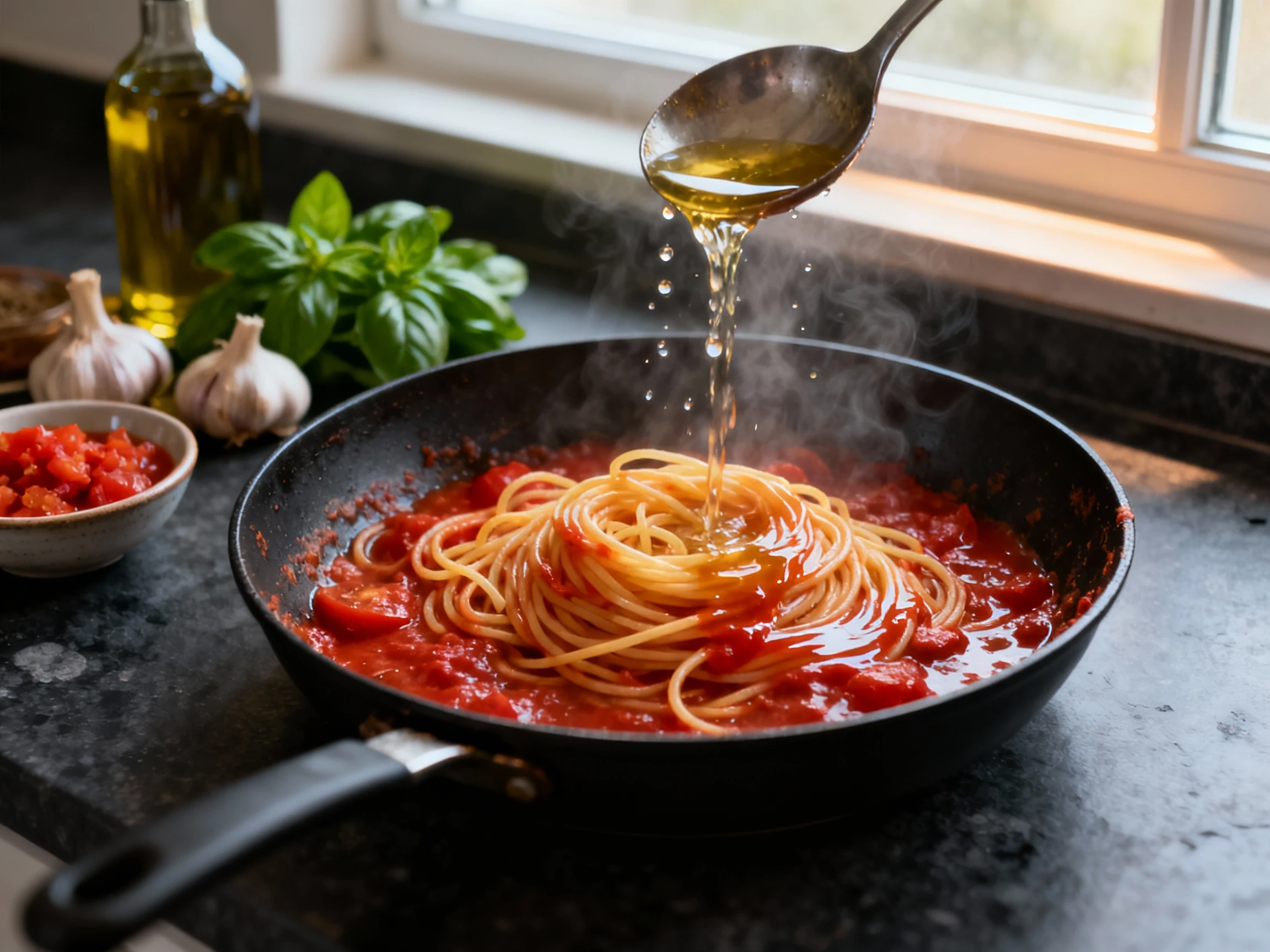
- Emulsify with pasta water. Add drained pasta directly to sauce. Splash in hot, starchy water and toss vigorously until glossy and clinging. If it looks tight, add more water; if loose, simmer 30–60 seconds.
- Sauce-by-sauce playbook:
- Classic Marinara
- Warm olive oil over medium. Add onion with a pinch of salt; cook until translucent, 6–8 minutes.
- Add garlic; cook 30 seconds. Stir in tomato paste (if using) and toast 1 minute.
- Pour in crushed tomatoes, oregano, flakes, and sugar (optional). Simmer 15–20 minutes until slightly thick.
- Toss in basil, season to taste. Add pasta and pasta water; toss until glossy. Finish with a thread of olive oil.
- Spicy Arrabbiata
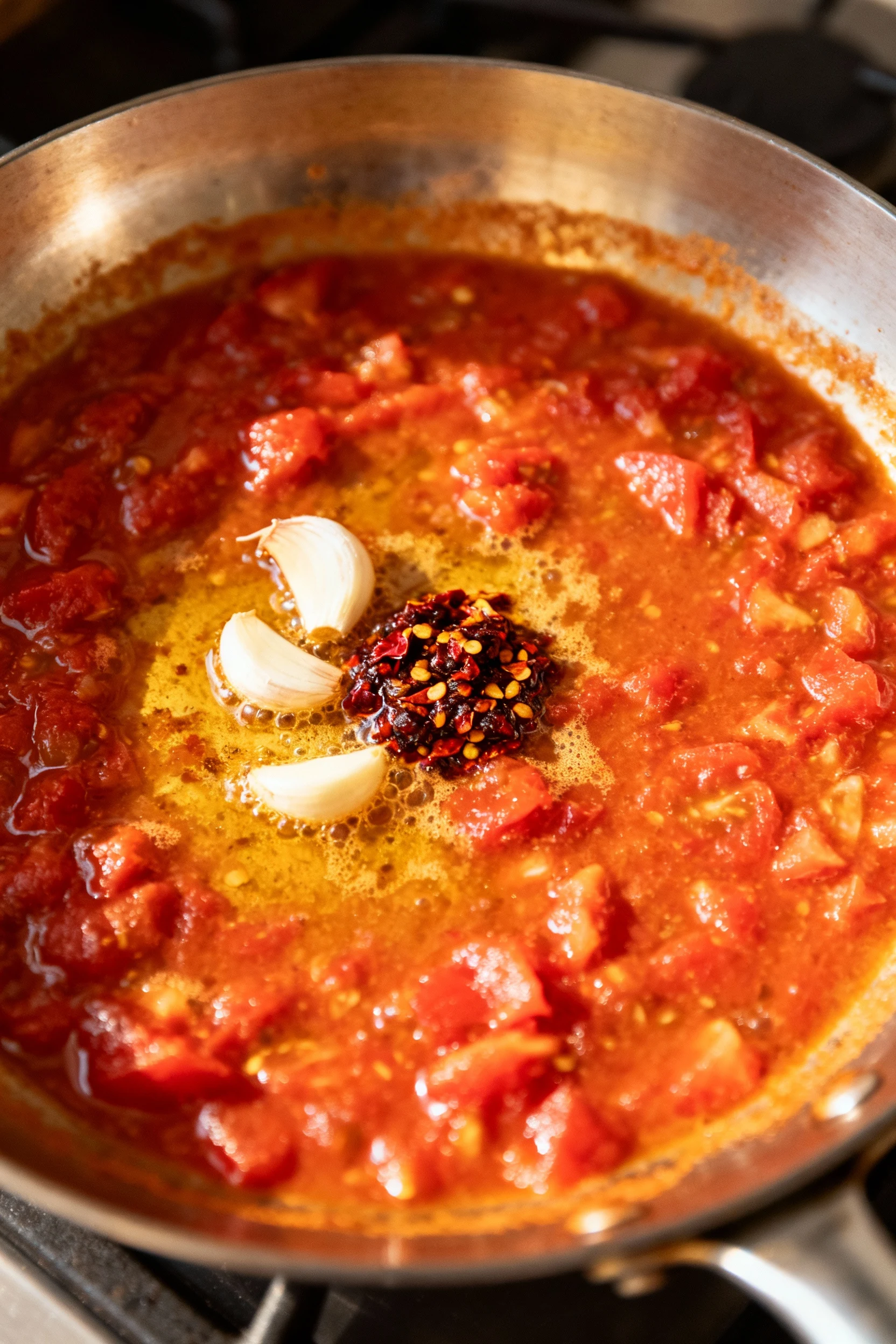
- Warm olive oil on medium-low. Add garlic; cook gently until fragrant, not browned, 60–90 seconds.
- Stir in chili paste/flakes; toast 30 seconds. Add crushed tomatoes and a pinch of salt.
- Simmer 10–15 minutes. Stir in parsley. Add pasta with pasta water and toss. Adjust heat with more chili if you like drama.
- Creamy Alfredo
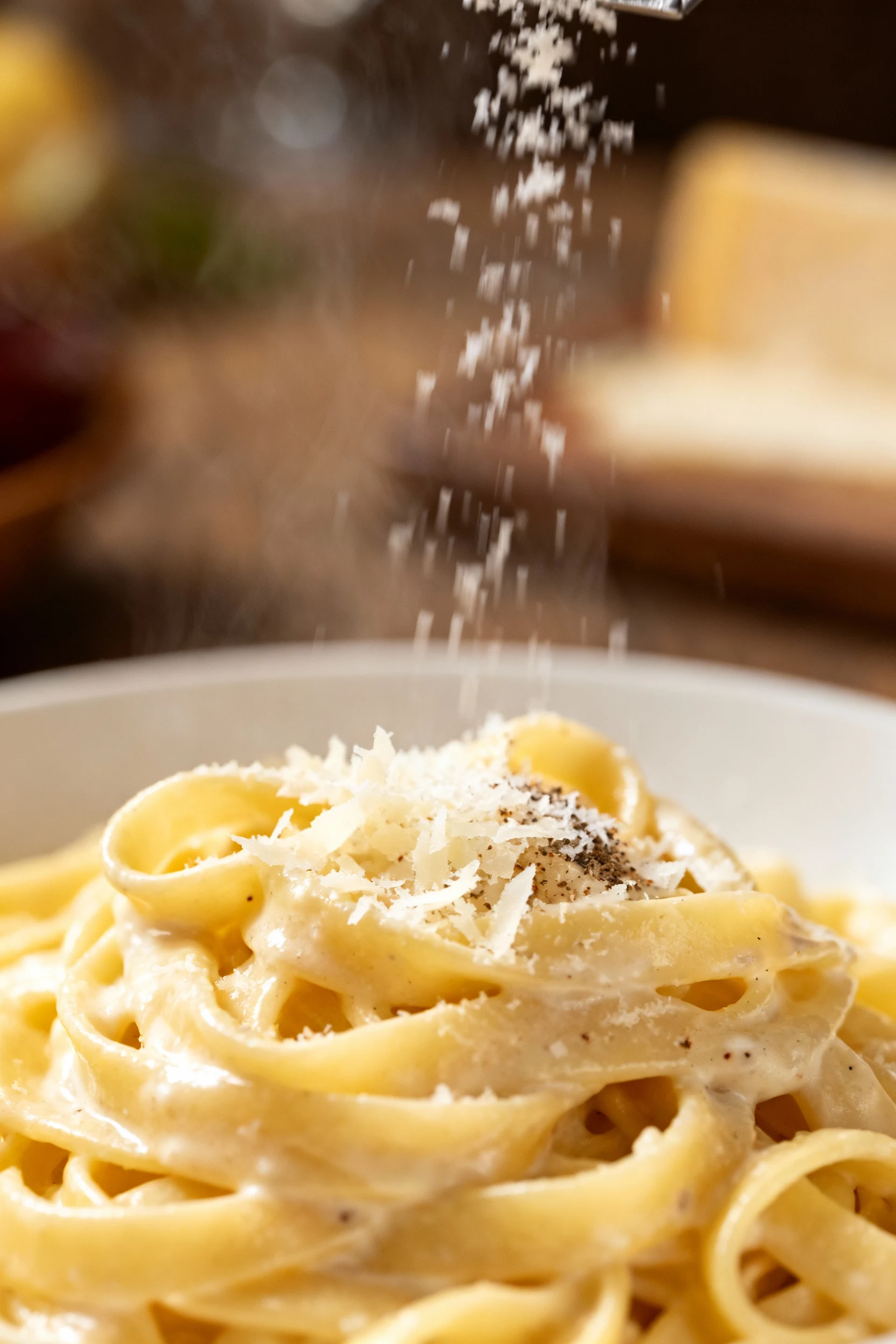
- Melt butter over medium-low. Add garlic; cook 30 seconds, then pour in cream. Simmer gently 2–3 minutes.
- Off heat, whisk in Parmesan until smooth. Season with nutmeg, salt, and pepper.
- Add hot pasta and a splash of pasta water. Toss over low heat until silky. If grainy, add more water and keep stirring—cheese wants patience, not panic.
- Vodka Rosé
- Heat oil on medium. Add garlic; cook 30 seconds. Stir in tomato paste and toast until rust-colored, 2–3 minutes.
- Deglaze with vodka; let alcohol mostly cook off, 1–2 minutes.
- Add crushed tomatoes and flakes; simmer 5–7 minutes. Stir in cream and butter.
- Toss with pasta and pasta water. Finish with Parmesan. Season until it sings.
- Pesto Genovese
- In a processor: pulse nuts and garlic to a fine crumble. Add basil, Parmesan (and Pecorino), and a pinch of salt; pulse to combine.
- With motor running, stream in olive oil until creamy but not runny. Season with lemon juice and salt.
- Off heat, toss pesto with hot pasta and a splash of pasta water to loosen. Do not cook pesto—heat is the enemy of bright green.
- Mushroom Ragù
- Heat oil and butter on medium-high. Add mushrooms and a big pinch of salt; cook until deeply browned and moisture evaporates, ~10 minutes.
- Stir in onion; cook 5 minutes. Add garlic and tomato paste; cook 1 minute.
- Deglaze with red wine; reduce by half. Add soy sauce, thyme, tomatoes or stock, and bay leaf.
- Simmer 15–20 minutes until rich. Remove bay leaf. Toss with pasta and pasta water until glossy. Finish with a knob of butter if you’re feeling fancy. IMO, you should.
- No-Cook Summer Tomato
- Combine tomatoes, garlic, olive oil, basil, vinegar, salt, and pepper in a bowl. Let stand 10–15 minutes.
- Toss with hot pasta. Use a splash of pasta water to marry the oil and tomato juices. Finish with more basil and a chill glass of something nice.
- Classic Marinara
- Taste and adjust. Balance salt, acid, and heat. If flat, add salt. If dull, add a squeeze of lemon or vinegar. Too sharp? A knob of butter or a splash of cream smooths it right out.
Preservation Guide
- Marinara & Arrabbiata: Fridge 4–5 days in airtight containers. Freeze up to 3 months. Reheat gently, then re-emulsify with pasta water.
- Vodka Rosé: Fridge 3–4 days. Freeze up to 2 months. Reheat low and slow to prevent splitting; whisk in a touch of cream if needed.
- Alfredo: Best fresh. Fridge 2–3 days. Sauce may tighten; loosen with hot pasta water and gentle heat. Freezing not recommended.
- Pesto: Fridge 3–4 days, topped with a thin layer of oil. Freeze in cubes for 2–3 months. Thaw in the fridge; don’t heat directly.
- Mushroom Ragù: Fridge 4–5 days. Freeze up to 3 months. Reheat to a simmer; add water or stock as needed.
- No-Cook Tomato: Best same day. Fridge 24 hours. The fresher, the better—nature didn’t ask to be stored.
What’s Great About This
- Fast ROI on flavor: Most sauces done in 15–25 minutes.
- Pantry-first: Cans, dry goods, and a few fresh boosters—no scavenger hunt.
- Scalable and meal-prep friendly: Double batches freeze beautifully (except Alfredo).
- Restaurant texture at home: Emulsified, glossy finishes your favorite spot would respect.
- Flexible: Swap herbs, fats, and add-ins without breaking the sauce.
- Budget-friendly: High-impact flavors with low-cost ingredients. Your wallet can exhale.
- Diet-adaptable: Easy dairy-free, gluten-free, and vegetarian riffs. FYI, you can make it work for almost any guest.
Common Mistakes to Avoid
- Skipping pasta water: It’s the emulsifier that turns greasy into glossy.
- Scorching garlic: Bitter garlic will haunt your sauce. Keep heat moderate and watch closely.
- Under-salting water: If the pasta isn’t seasoned from within, the sauce can’t save it.
- Boiling instead of simmering: Aggressive heat breaks emulsions and dulls flavor.
- Cheese too early or too hot: Melt Parmesan off heat, then rewarm gently to avoid clumps.
- Rushing the sauté: Onions need time to sweeten; mushrooms need browning to unlock umami.
- Pesto in a hot pan: Heat kills that vibrant green and fresh flavor. Toss off heat.
- Tasting only once: Season at every stage. Tiny tweaks make huge differences, TBH.
- Pre-shredded cheese dependence: Anti-caking agents = poor melting. Grate fresh for silk.
Recipe Variations
- Dairy-Free Alfredo: Use 1 cup cashew cream + 2 tablespoons nutritional yeast. Finish with olive oil and lemon zest.
- Roasted Red Pepper Cream: Blend 2 roasted peppers with 1/2 cup cream and 2 tablespoons tomato paste; simmer and finish like vodka sauce (minus vodka).
- Sun-Dried Tomato Pesto: Swap half the basil for sun-dried tomatoes; use almonds instead of pine nuts for a toasty vibe.
- Sausage & Fennel Marinara: Brown 8 ounces Italian sausage with 1/2 teaspoon fennel seeds. Build marinara on top—instant weeknight hero.
- Tuna & Lemon Arrabbiata: Fold in a can of good tuna in oil and zest of 1 lemon at the end. Protein plus heat equals chef’s kiss.
- Anchovy Umami Boost: Melt 2 anchovy fillets in oil at the start of tomato-based sauces. It won’t taste fishy—just deeper.
- Lemony Cream: For Alfredo or rosé, finish with 1 teaspoon lemon zest and a squeeze of juice for lift.
- Herb Swap: Try parsley in marinara, mint in pesto with peas, or thyme in mushroom ragù for a cozier profile.
- Gluten-Free Friendly: Use GF pasta and reserve that starch water too; it still emulsifies like a champ.
FAQ
Which pasta shapes pair best with each sauce?
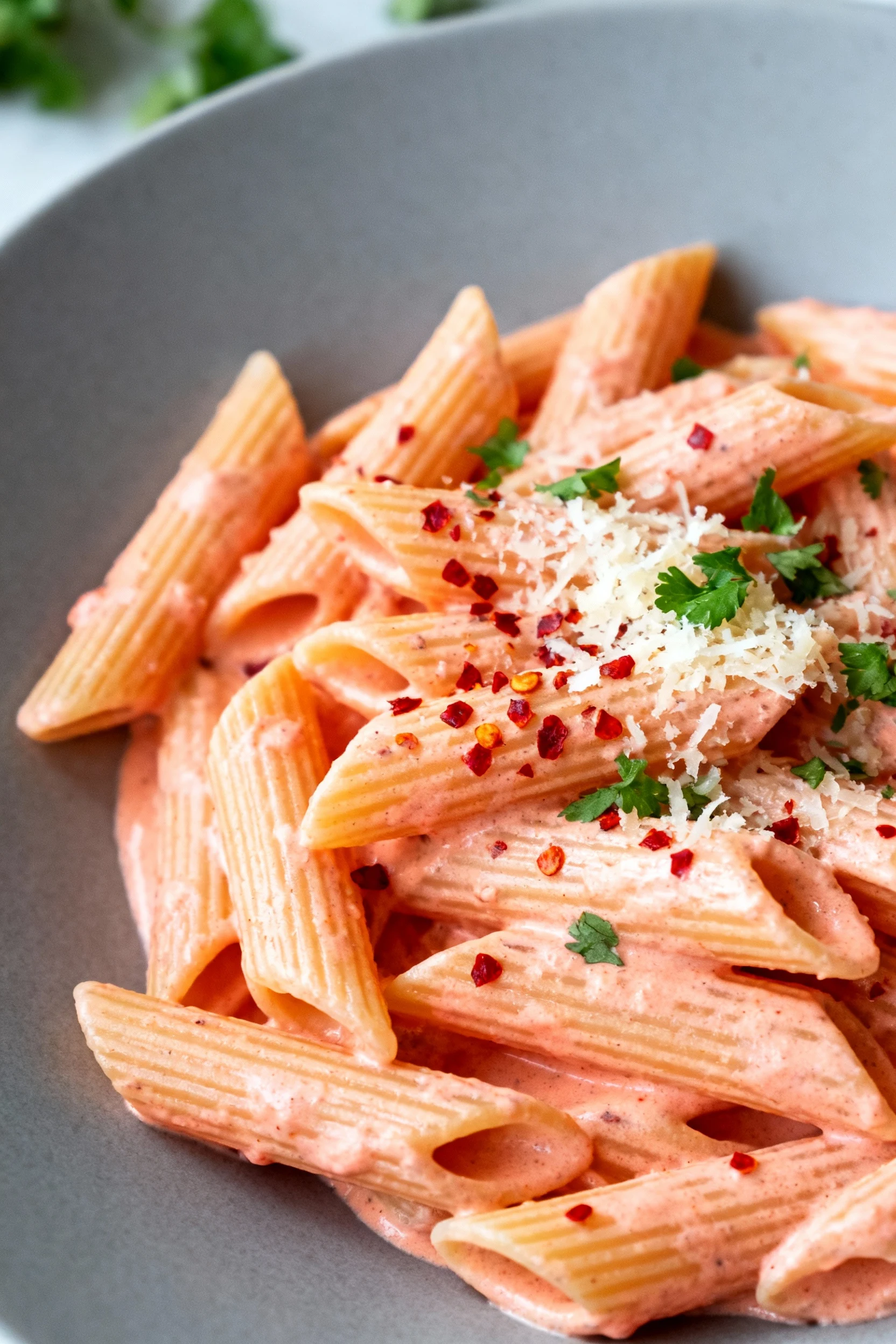
Long strands like spaghetti or bucatini love marinara and arrabbiata. Alfredo shines with fettuccine or pappardelle. Vodka rosé hugs ridges on penne or rigatoni. Pesto is perfect with trofie, fusilli, or anything short that catches those herb flecks. Mushroom ragù? Go with wide noodles or shells.
How do I thicken a watery sauce without cornstarch?
Simmer a few extra minutes to reduce. Add a spoon of tomato paste for body in red sauces. Emulsify with hot pasta water and vigorous tossing—starch tightens sauces naturally. A knob of butter at the end can also bring it together.
Can I make these ahead for meal prep?
Yes, most hold great. Red sauces and mushroom ragù are champs for batch cooking and freezing. Creamy sauces are best fresh, but you can par-cook the base and finish with cream when serving. Store separate from pasta and marry them when reheating.
Is fresh tomato better than canned?
When tomatoes are in peak season, fresh is unbeatable for no-cook sauces. For simmered sauces, high-quality canned tomatoes are consistent and often sweeter. Use what tastes good raw; don’t overthink it. Quality in equals quality out, IMO.
How much salt should I put in pasta water?
About 1–2 tablespoons kosher salt per 4–5 quarts of water. You’re seasoning the pasta from the inside out. Taste the water—it should taste pleasantly salty, not like the dead sea. Remember, sauce seasoning assumes salted pasta.
Can I make this without dairy?
Absolutely. Use olive oil instead of butter, skip cream, and lean on emulsified tomato, pesto, or mushroom ragù. For creamy vibes, try cashew cream or oat cream. Finish with olive oil and lemon for shine.
Why does my sauce taste acidic, and how do I fix it?
It might be under-reduced or under-salted. Simmer a bit longer, then balance with a pinch of sugar or a knob of butter. Parmesan can also mellow acidity. Taste, adjust, repeat—tiny tweaks, big payoff.
The Bottom Line
Your best dinners live inside a simple, repeatable sauce system. Master the core moves—salt, sauté, simmer, emulsify—and you’ll ship crave-worthy bowls on autopilot. Batch the basics, riff with confidence, and keep pasta water on standby. Weeknights upgraded, stress downgraded, applause incoming.
Printable Recipe Card
Want just the essential recipe details without scrolling through the article? Get our printable recipe card with just the ingredients and instructions.