Pasta Recipes Easy That Taste Gourmet in 20 Minutes
Weeknight-friendly pasta ideas with minimal prep, pantry staples, and big flavor. Ready in 20 minutes or less, even for beginners.
You don’t need a chef’s jacket or a trust fund to cook pasta that slaps. You need a system. If you can boil water and stir, you can build a sauce that tastes like you stole it from a bistro. I’ll show you a base formula that turns random pantry stuff into silky, restaurant-level bowls. You’ll save time, money, and a little bit of your sanity—because weeknights are wild enough.
The Secret Behind This Recipe
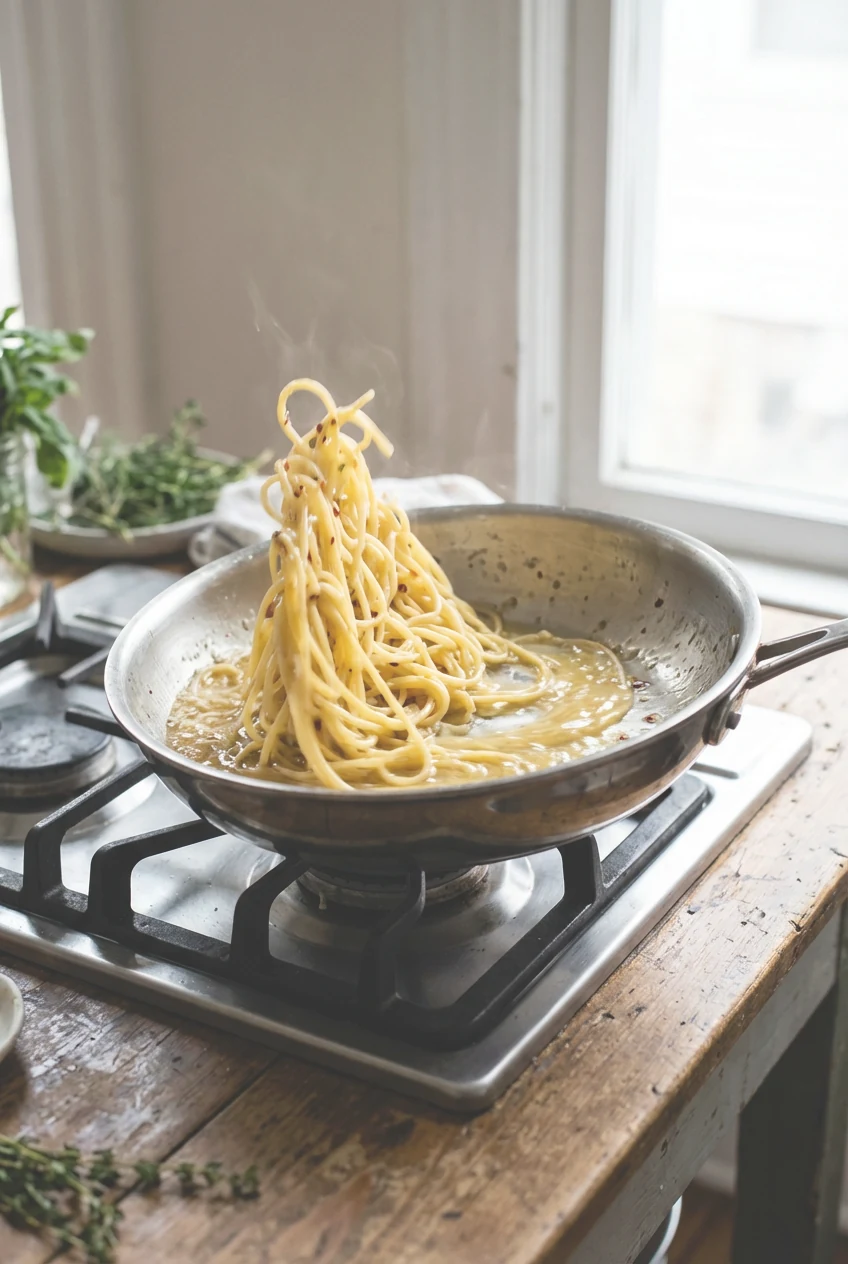
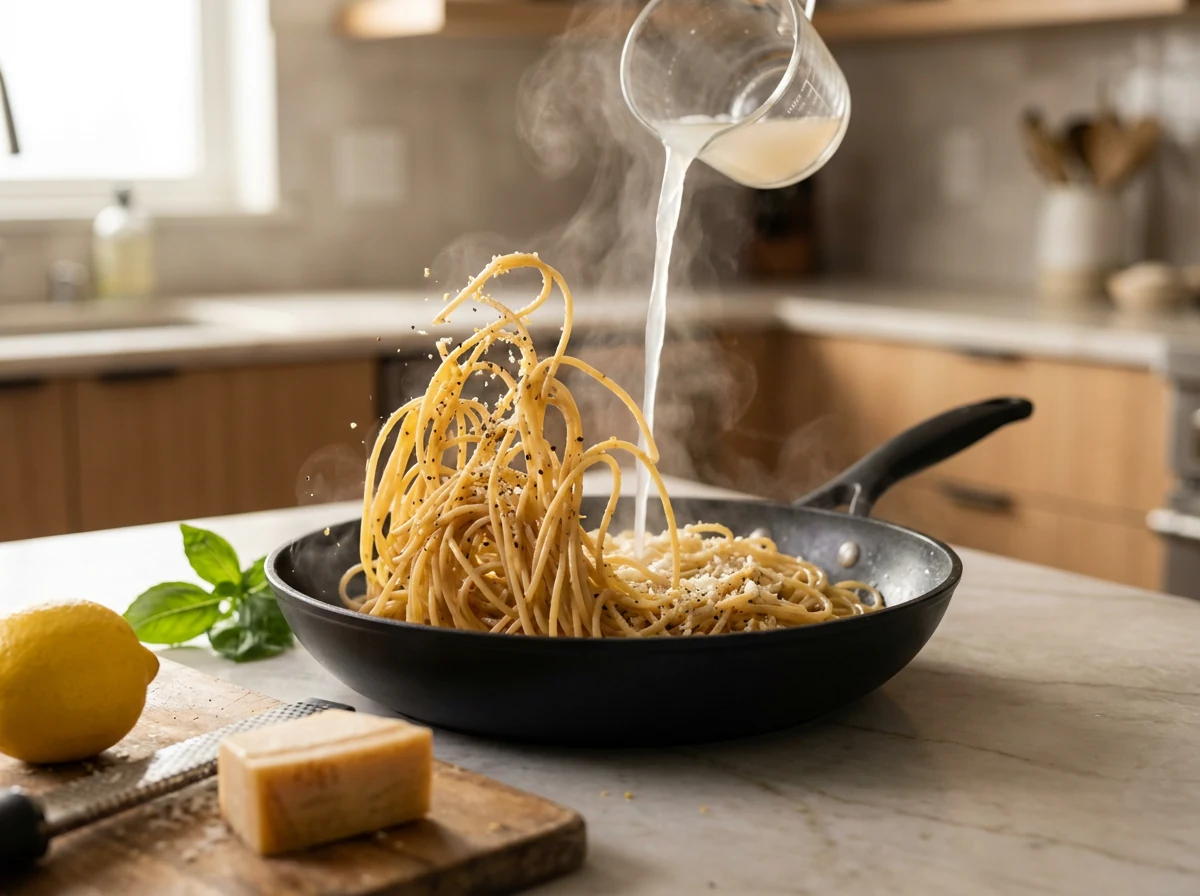
The difference between bland noodles and a craveable plate is an emulsion—fat and starchy water hugging every strand. The game-changer is reserved pasta water. It’s your invisible sauce-thickener and flavor taxi.
Use a simple template: salt + starch + fat + acid + umami + heat. Salt the water hard, pull starch from the pasta, add fat (olive oil, butter), brighten with acid (lemon, vinegar), deepen with umami (cheese, anchovy, mushrooms), finish with heat (pepper flakes). Balance is the flex. Taste, adjust, repeat. It’s cooking, not calculus.
Ingredients
Base (serves 4)

- 12 oz dried pasta (spaghetti, penne, rigatoni, or short shape you like)
- Kosher salt (for water: about 1.5 tablespoons per 4 quarts)
- 2 tablespoons olive oil
- 2 tablespoons butter (or more olive oil)
- 3–4 garlic cloves, thinly sliced
- 1/2–1 teaspoon red pepper flakes (optional but recommended)
- 1/2 cup grated Parmesan or Pecorino (plus more to finish)
- 1 lemon (zest and 1–2 tablespoons juice)
- Freshly ground black pepper
- 1 cup reserved pasta water (save more just in case)
Optional Add-Ins (pick a lane, or mix and match)
- Veggies: 2 cups cherry tomatoes, 8 oz mushrooms, 3 cups spinach, 1 head broccoli florets, 1 zucchini
- Protein: 8 oz Italian sausage, 1 can tuna in olive oil, 1 cup shredded rotisserie chicken, 8 oz shrimp
- Umami boosters: 2 anchovy fillets, 1 tablespoon miso, 1/4 cup sun-dried tomatoes, 2 tablespoons capers, olives
- Herbs & aromatics: 1/2 cup basil or parsley, thyme, chives, scallions, 1 shallot
- Creamy options: 1/2 cup ricotta, 1/3 cup heavy cream, 3 oz cream cheese, 1/2 cup pesto
- Crunch & finish: toasted breadcrumbs, toasted nuts, chili crisp, extra virgin olive oil
The Method – Instructions
- Boil aggressively. Bring a large pot of water to a rolling boil. Salt it until it tastes like the sea—this is your only chance to season the pasta itself.
- Start your base. While the water heats, add olive oil to a large skillet over medium heat. Sauté garlic until fragrant (about 60–90 seconds). Don’t brown it; bitter garlic is not the vibe.
- Build flavor. Add red pepper flakes and any hardy aromatics (shallot, thyme). If using anchovies, melt them into the oil now. This is your flavor foundation.
- Cook the pasta. Drop the pasta and set a timer for 1 minute less than box al dente. Stir to prevent sticking. Before draining, reserve at least 1 cup of pasta water. FYI, you’ll thank yourself.
- Sauté add-ins. If using veggies like mushrooms or broccoli, cook them in the skillet with a pinch of salt until tender and a little browned. If using sausage, brown and crumble it now. Keep things moving.
- Emulsify. Add 1/2 cup pasta water and the butter to the skillet. Swirl until a shiny sauce forms. You’re creating that silky coat you crave from restaurant bowls.
- Marry pasta and sauce. Transfer pasta straight from the pot to the skillet. Toss vigorously over medium heat, adding cheese in handfuls and more pasta water as needed to keep things glossy. It should cling, not pool.
- Balance. Add lemon zest and juice. Taste. Need salt? Pepper? More heat? A splash of pasta water will loosen; a bit more cheese will tighten. Adjust until it sings.
- Finish with freshness. Fold in tender greens (spinach, basil) off heat. Drizzle with good olive oil. Top with more cheese because we’re honest with ourselves.
- Serve immediately. Twirl into warm bowls, sprinkle crunchy crumbs or nuts if you like, and eat while it’s silky. Stalling equals stickiness—science!
Keeping It Fresh
Leftovers are a gift if you treat them right. Store in an airtight container for 3–4 days in the fridge. Add a splash of water or broth before reheating to revive the emulsion.
Reheat gently on the stovetop over low heat, stirring and loosening with more water as needed. Microwave? Sure—60–90 seconds in bursts, stirring in between. Avoid nuking it to oblivion; rubbery pasta is a crime.
Freezing works best for sauces without delicate dairy. Freeze portions for 2–3 months, then thaw in the fridge overnight. Reheat with fresh pasta water or a little cream to restore the sauce. And yes, finish with fresh herbs—old basil tastes like sadness.
What’s Great About This
- Fast, real fast: From water boil to plate in about 20 minutes. That’s faster than delivery and cheaper than your last “quick snack.”
- Pantry-first: Built on staples—oil, garlic, pasta, cheese. Add-ons are optional, not mandatory.
- Restaurant texture: The pasta water + fat emulsion gives you that glossy, clingy sauce at home.
- Flexible: Works with almost any veg, protein, or herb. It’s a choose-your-own-adventure you can’t mess up (much).
- Budget-friendly: High flavor, low cost. You’re basically printing money. Okay, not literally.
- Scalable: Cook for two or a crowd with minimal stress. Just grab a bigger skillet and more water.
- Beginner-proof: Simple steps, forgiving technique, and tons of room for creativity. IMO, the best kind of cooking.
Don’t Make These Errors
- Under-salting the water. If the water isn’t salty, the pasta will taste flat. Use at least 1 tablespoon kosher salt per 3–4 quarts.
- Overcooking the pasta. Mushy noodles don’t absorb sauce well. Pull them one minute early and finish in the pan.
- Draining all the pasta water. That cloudy gold is liquid glue. Reserve at least a cup before you go anywhere near the sink.
- Dumping cheese on high heat. It will clump and get stringy. Lower the heat, add in batches, and toss with water to emulsify.
- Skipping acid. A squeeze of lemon or splash of vinegar wakes everything up. If it tastes “meh,” it probably needs acid.
- Overcrowding the pan. Veggies steam instead of brown when the skillet is packed. Cook in batches for better flavor.
- Fear of fat. A little butter or olive oil is what makes the sauce luxurious. You’re not drinking it—relax.
- Forgetting texture. Finish with crunch (breadcrumbs, nuts) and herbs. Contrast makes a good bowl great.
Different Ways to Make This
Garlic-Butter Parmesan (Aglio e Olio-ish)
Classic, simple, and absurdly good. Garlic gently toasted in olive oil, finished with butter, parsley, and a snowstorm of Parm. Minimal ingredients, maximum swagger.
- Add-ins: extra 2 cloves garlic, 2 tbsp parsley
- Skip lemon or use just zest; keep it clean and peppery
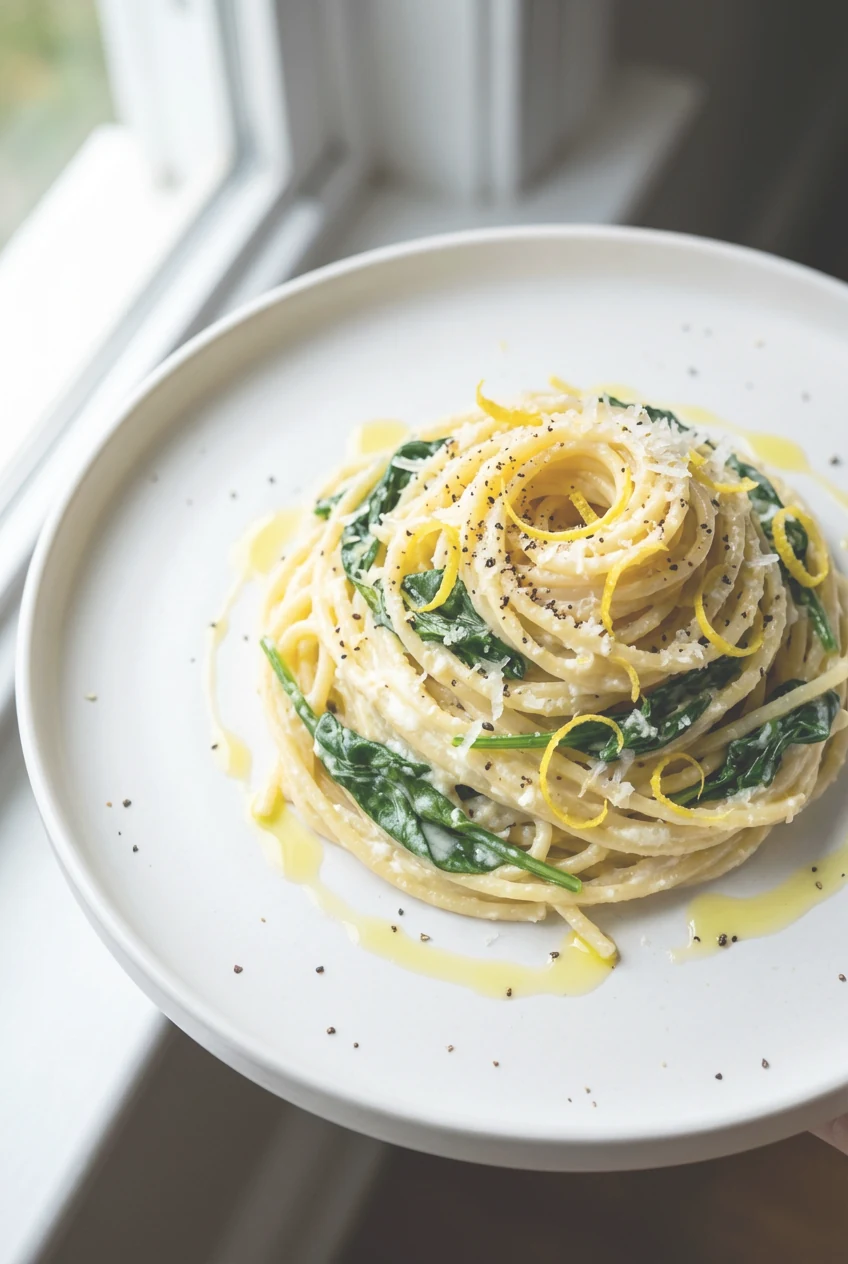
Lemon Ricotta Spinach
Bright, creamy, and light without being shy. Ricotta melts into a tangy sauce, spinach wilts for color and virtue points.
- Add-ins: 1/2 cup ricotta, 3 cups baby spinach
- Use lots of lemon zest; thin with pasta water until silky
Tomato-Basil Burst Cherry
Sweet-tart cherry tomatoes blister in hot oil, releasing their juices into a quick pan sauce. Basil at the end keeps it fresh and aromatic.
- Add-ins: 2 cups cherry tomatoes, 1 shallot, 1/2 cup basil
- Optional: 1 tsp balsamic or a pinch of sugar to balance
Creamy Mushroom Thyme
Earthy and cozy. Brown mushrooms hard for flavor, deglaze with a splash of white wine, and swirl in cream for a velvet finish.
- Add-ins: 8 oz cremini mushrooms, thyme, 1/3 cup cream
- Optional: 1 tsp miso for extra umami (trust me)
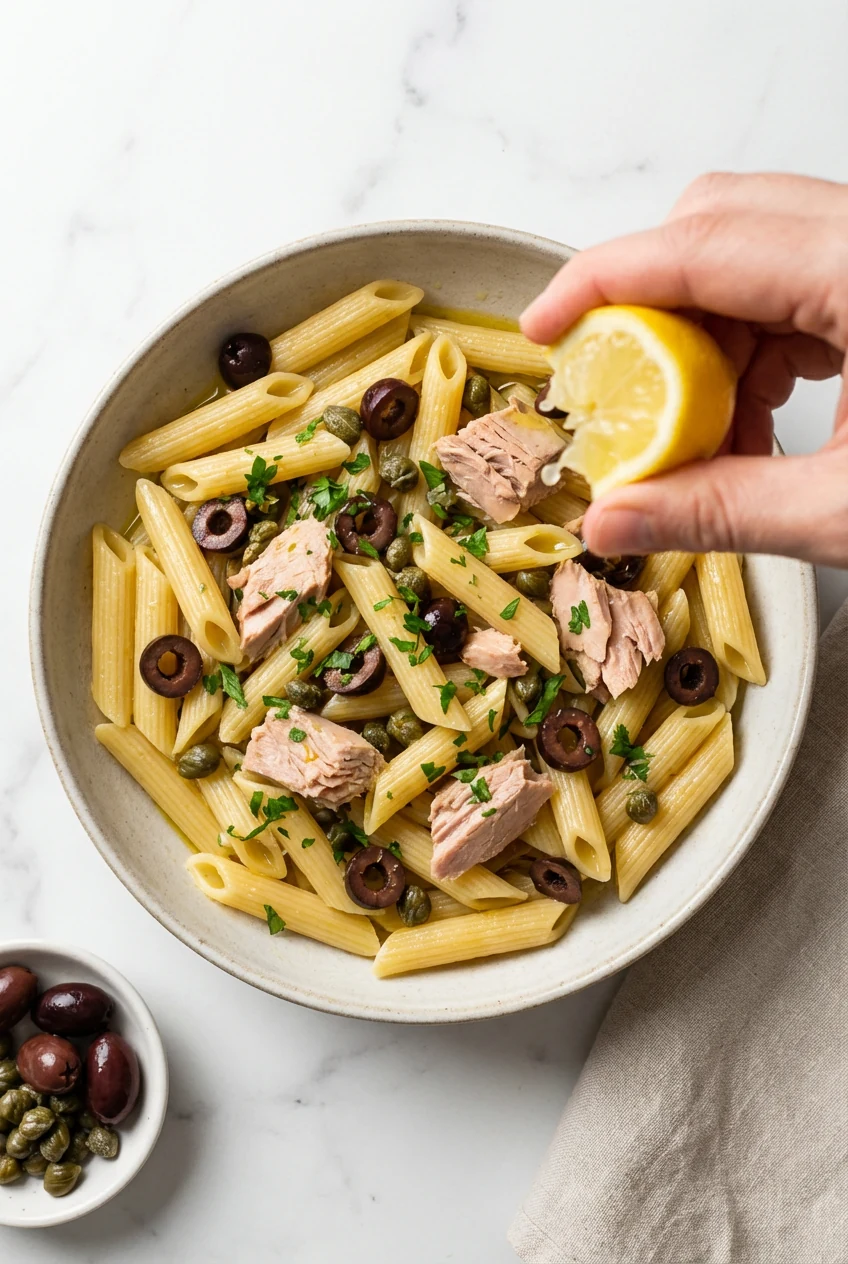
Tuna, Olive, and Caper (Puttanesca-Lite)
Savory, briny, insanely quick. The oil from good tuna becomes part of the sauce. Capers and olives deliver punch that cuts through richness.
- Add-ins: 1 can tuna in olive oil, 2 tbsp capers, 1/4 cup olives
- Finish with lemon and parsley; go easy on added salt
Sausage and Broccoli Rabe
Hearty and bold. Spicy sausage and bitter greens are a power couple; a touch of pasta water and cheese brings them together.
- Add-ins: 8 oz Italian sausage, 3 cups chopped broccoli rabe
- Blanch greens in pasta water for 1–2 minutes to tame bitterness
Pesto, Peas, and Burrata
Spring in a bowl. Pesto is a one-jar miracle; peas add sweetness; burrata on top turns a Tuesday into a flex.
- Add-ins: 1/2 cup pesto, 1 cup peas, 1 ball burrata
- Loosen pesto with pasta water before tossing
Spicy Vodka Tomato Cream
Yes, the internet-famous one. Chili, tomato paste, a splash of vodka for sharpness, and cream to round it out—silky and craveable.
- Add-ins: 2 tbsp tomato paste, pinch chili flakes, 1/4 cup vodka, 1/3 cup cream
- Cook off vodka for 60 seconds before adding cream
FAQ
What pasta shape works best for this?
Short shapes like rigatoni, penne, and orecchiette catch chunky sauces, while long strands like spaghetti shine with oil- or cream-based emulsions. Use what you have, but match shape to sauce texture. If it’s chunky, pick a shape with nooks; if it’s smooth, go long.
How salty should the pasta water be?
Think “pleasantly oceanic.” About 1.5 tablespoons kosher salt per 4 quarts is a solid baseline. Taste it—if it’s flat, add more. The pasta should come out seasoned before it even touches sauce.
Can I make this gluten-free?
Absolutely. Use a quality gluten-free pasta and shorten the cook time a bit; it can go from perfect to mush fast. Reserve extra pasta water—GF starch can be super handy for emulsifying. FYI, some brands reheat better than others.
How do I keep cheese from clumping?
Lower the heat before adding cheese and toss in small handfuls, alternating with splashes of pasta water. Constant movement helps it melt evenly into the sauce. Avoid pre-shredded cheese with anti-caking agents, which resist melting.
Do I need wine, and what if I don’t have any?
Nope, wine is optional. A splash of lemon juice or a teaspoon of vinegar gives brightness without alcohol. If you do use wine, cook it down for a minute to mellow the sharpness.
Can I make this dairy-free?
Yes. Use olive oil as your fat, miso or nutritional yeast for umami, and toasted breadcrumbs for richness and texture. A spoonful of tahini or cashew cream can mimic creaminess without dairy.
How do I scale this for two or for a crowd?
For two, cook 6 oz pasta and halve add-ins; use a smaller skillet to maintain depth for emulsifying. For a crowd, cook pasta in batches and build the sauce in a wide pan; combine just before serving with heaps of reserved water to keep it glossy. Big pans are your friend here.
Can I do this one-pot style?
Yes, but watch the liquid. Simmer pasta directly in the sauce with enough broth/water to cover and stir often to prevent sticking. The starch stays in the pan, making a naturally creamy sauce. It’s efficient, but a bit higher-maintenance.
Wrapping Up
Here’s the punchline: once you learn to harness pasta water, fat, and acid, you can turn “meh” pantry items into chef-y plates on command. Keep the base method tight, then riff with whatever’s in the fridge. Season boldly, emulsify patiently, and finish with freshness. Do that, and your Tuesday-night bowl will taste like Saturday-night plans—no reservation required.
Printable Recipe Card
Want just the essential recipe details without scrolling through the article? Get our printable recipe card with just the ingredients and instructions.