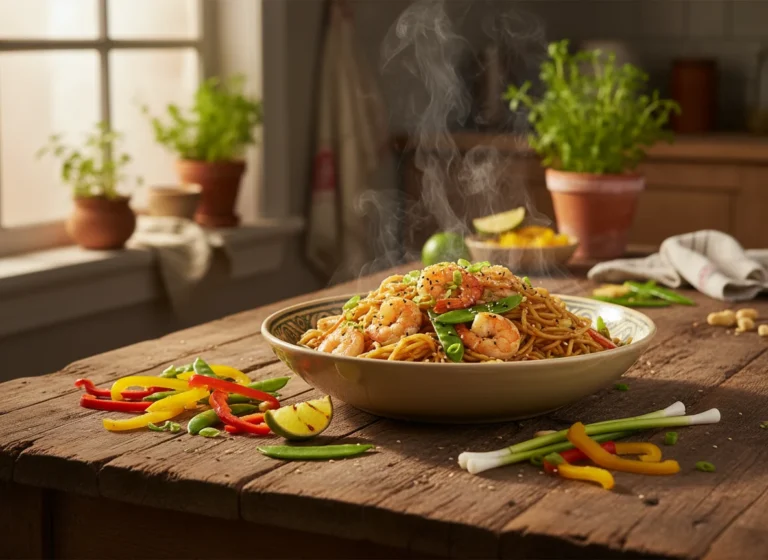
Noodle Recipes Easy: Weeknight Dishes Ready in 15 Minutes
Quick, budget-friendly noodles you can whip up after work—minimal prep, bold flavor, and dinner on the table fast.
You’re 15 minutes away from a bowl that tastes like takeout and costs less than your coffee. No culinary school, no fancy gear—just heat, a pan, and a sauce that slaps. If “what’s for dinner?” feels like a daily boss fight, this is the cheat code. The secret isn’t a secret: high heat, a killer sauce, and noodles that don’t turn to mush. Ready to turn random pantry items into a reliable weeknight win?
What Makes This Recipe So Good
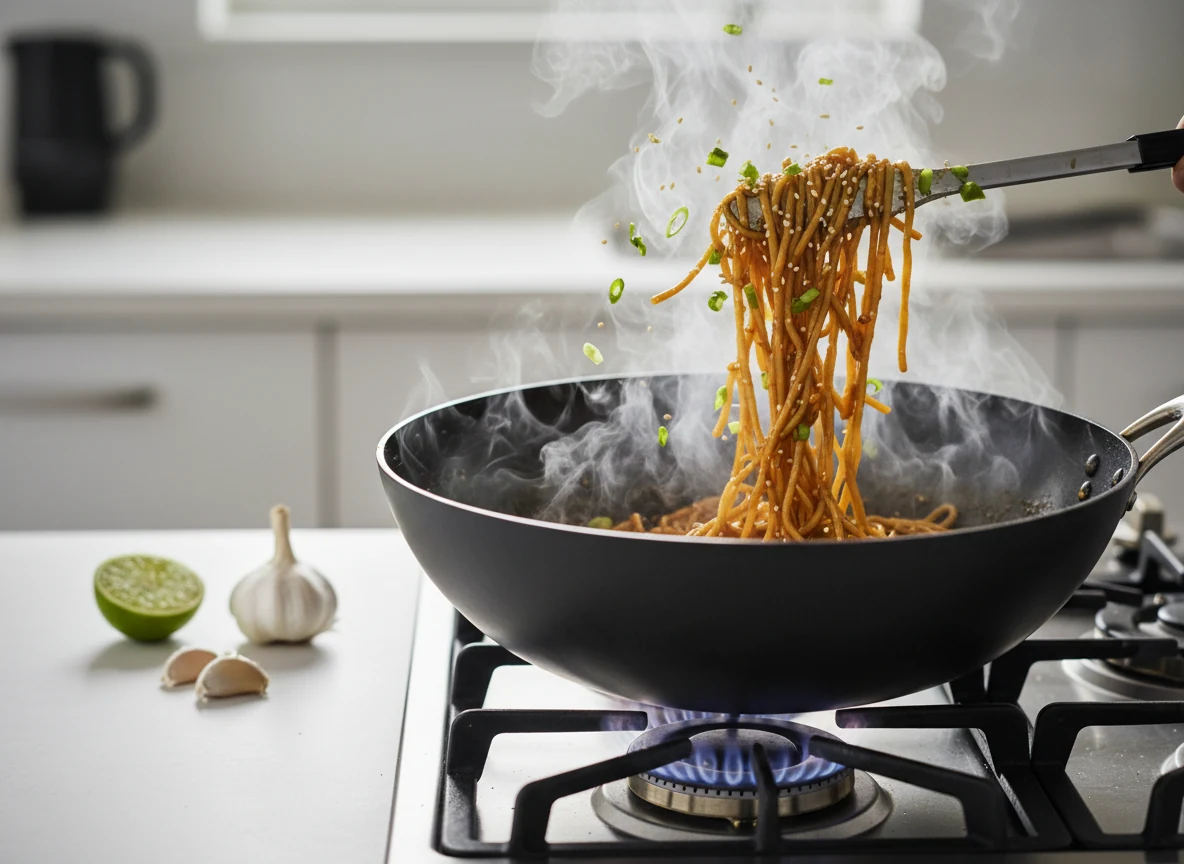
- Speed you can bank on: From water boiling to plate in 15 minutes, faster if you meal-prep the sauce.
- One-pan efficiency: Less cleanup. Stir-fry everything in one skillet or wok for maximum flavor, minimum dishes.
- Panty-staple friendly: Soy sauce, vinegar, a little sugar, and garlic deliver big flavor without a specialty-store run.
- Flexible by design: Use any noodles: ramen, spaghetti, rice sticks, lo mein. Toss in whatever veg or protein you’ve got.
- Budget-smart: You’ll get takeout-level satisfaction for a fraction of the price. Your wallet can exhale.
- Foolproof texture: A simple rinse and quick toss keep noodles bouncy, not soggy. No one wants noodle mush, right?
- Make it your way: Gluten-free, vegan, high-protein—it toggles in seconds. FYI, the base sauce works with all of it.
Ingredients Breakdown
- Noodles (8 oz / 225 g): Dried ramen, spaghetti, rice noodles, or lo mein. Choose your favorite; cook per package until just tender.
- Neutral oil (2 tbsp): Canola, avocado, or peanut oil for high-heat stir-frying.
- Garlic (3 cloves), minced and fresh ginger (1 tsp), grated: The aromatic backbone.
- Mixed vegetables (1 to 1 1/2 cups), thinly sliced: Bell pepper, carrots, snap peas, broccoli, mushrooms, or cabbage.
- Protein of choice (pick one):
- Eggs (2), lightly beaten for quick scramble, or
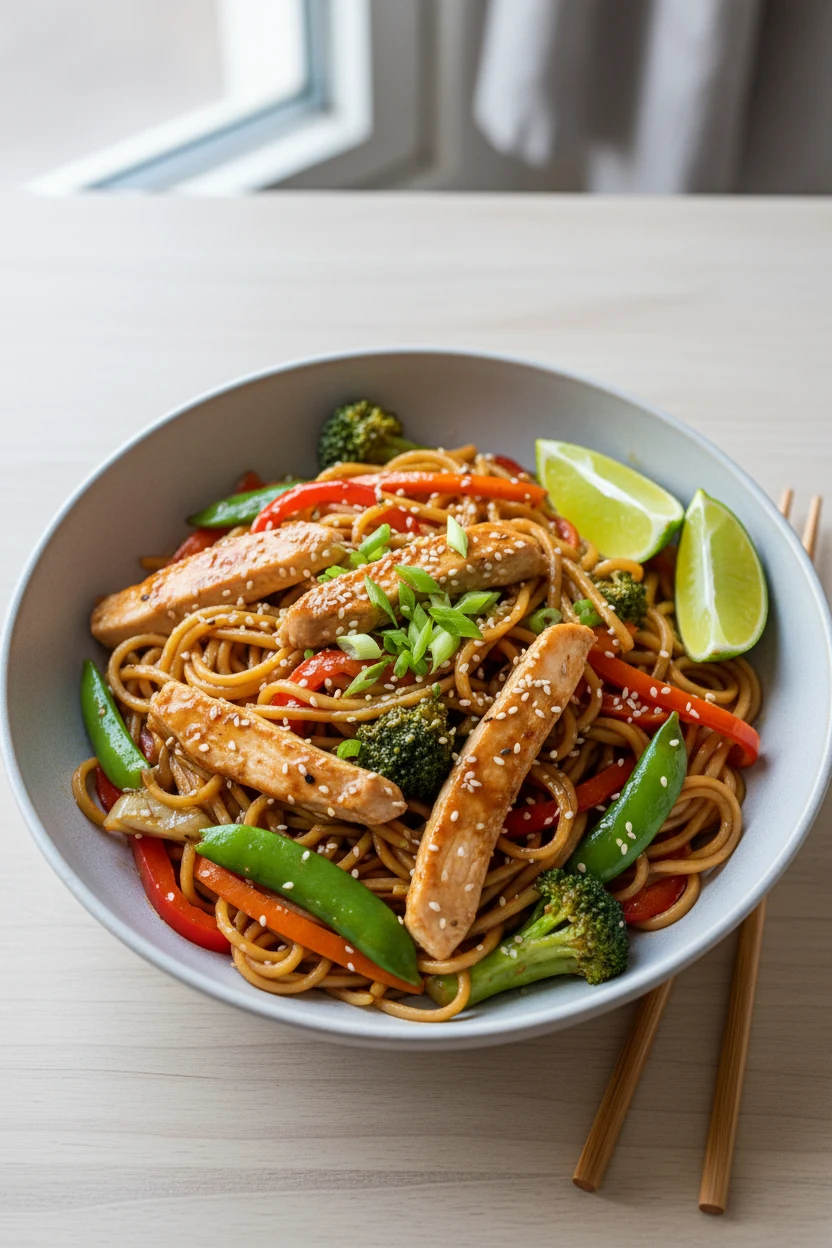
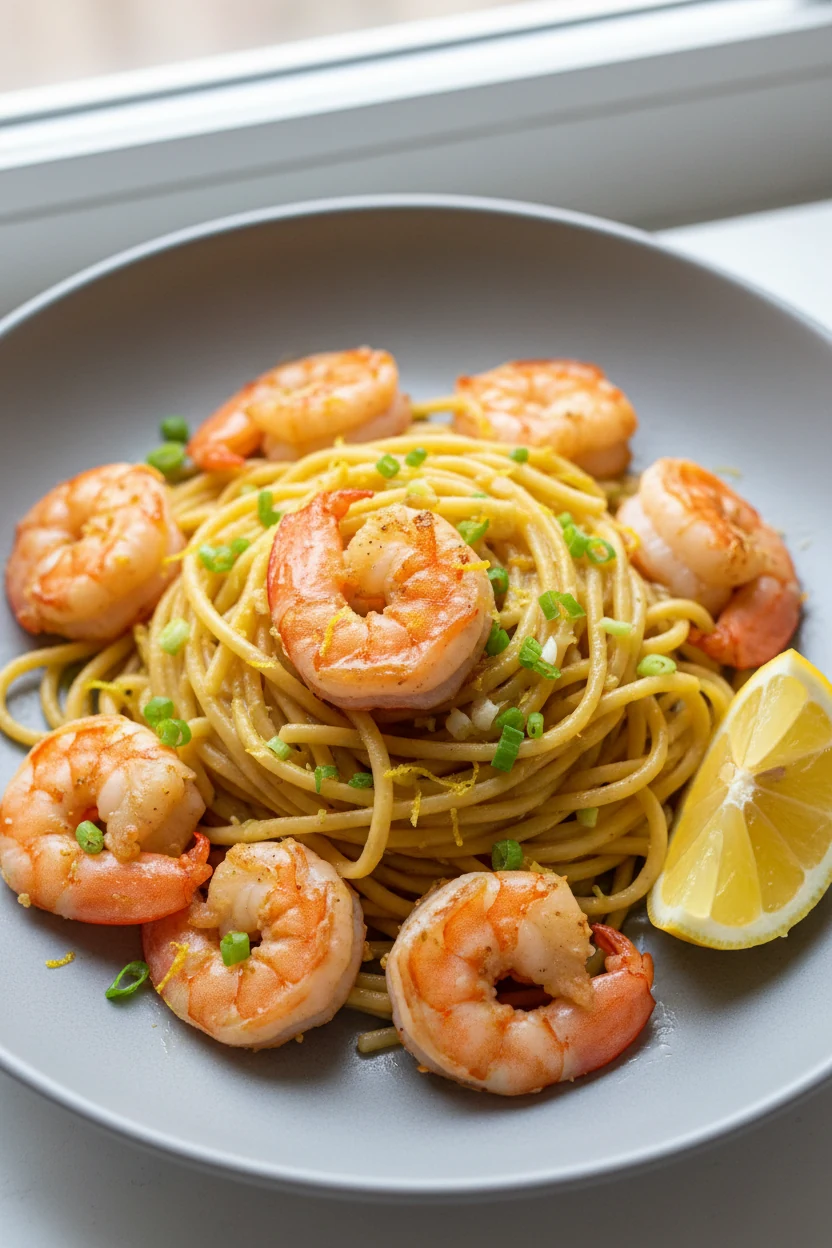
- Cooked chicken or shrimp (1 cup) sliced, or
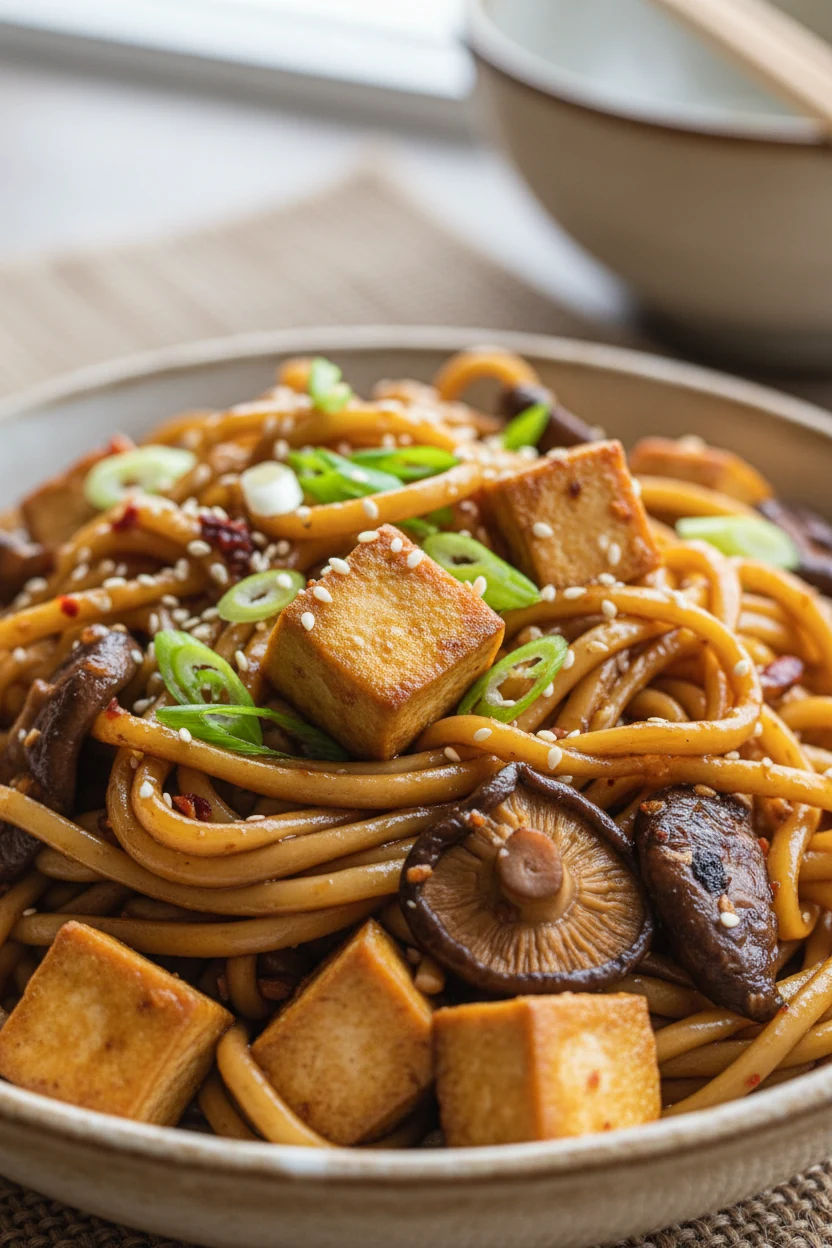
- Firm tofu (7 oz / 200 g), cubed and patted dry.
- The sauce:
- Soy sauce or tamari (3 tbsp) — use low-sodium if sensitive to salt.
- Oyster sauce or hoisin (1 tbsp) for depth and gloss.
- Rice vinegar or lime juice (1 tbsp) for brightness.
- Brown sugar or honey (1 tbsp) to balance the salt and heat.
- Toasted sesame oil (1 tsp) for that nutty finish.
- Chili-garlic sauce or sriracha (1–2 tsp, optional) for heat.
- Reserved noodle water or broth (2–4 tbsp): Optional, for loosening and glossing the sauce.
- Garnishes: 2 scallions (sliced), 1 tsp sesame seeds, lime wedges, cilantro. Totally optional, highly encouraged.
Cooking Instructions
- Cook the noodles: Bring a pot of salted water to a boil. Cook noodles until just shy of al dente (usually 1 minute less than package directions).
- Stop the cook: Drain and rinse under cold water to halt cooking and remove excess starch so they don’t clump. Shake off water well. (If you prefer saucy, non-stir-fry pasta, skip rinsing—but for stir-fry, rinsing is your friend.)
- Mix the sauce: In a small bowl, whisk soy/tamari, oyster/hoisin, vinegar/lime, sugar/honey, sesame oil, and chili sauce if using. Add 2 tbsp of noodle water/broth if you like a looser sauce.
- Heat the pan: Place a large skillet or wok over high heat. Add 1 tbsp oil and heat until shimmering.
- Cook the protein:
- Eggs: Add, scramble in 30–60 seconds, remove to a plate.
- Shrimp: 1–2 minutes per side until pink and opaque; remove.
- Chicken: Sauté thin slices 3–4 minutes until cooked through; remove.
- Tofu: Add remaining 1 tbsp oil, sear cubes 2–3 minutes per side until golden; remove.
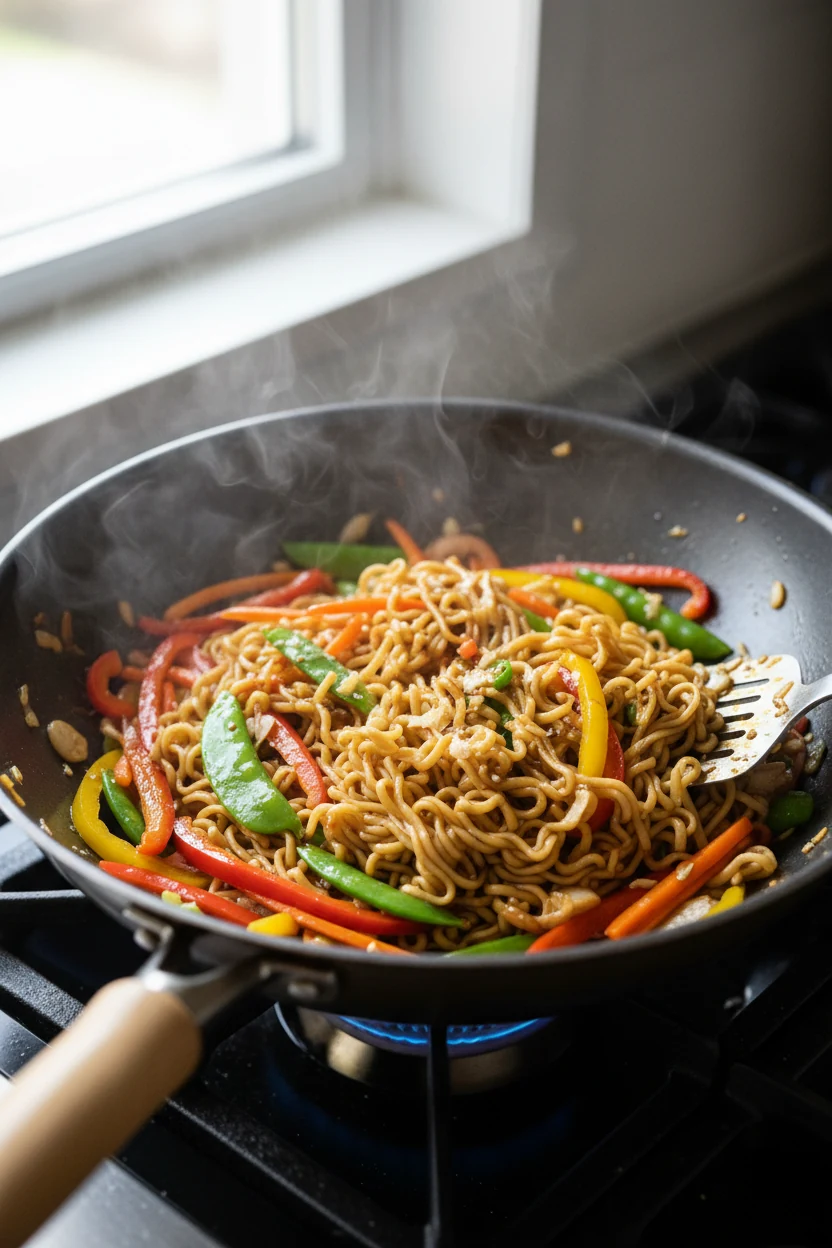
- Stir-fry the veg: Add remaining oil if needed. Toss in garlic and ginger for 15–20 seconds until fragrant. Add vegetables and stir-fry 2–3 minutes until crisp-tender.
- Add noodles: Toss in the drained noodles. Stir-fry 60–90 seconds to warm through and pick up a little char. Keep things moving so they don’t stick.
- Sauce it up: Pour in the sauce. Toss vigorously for 1–2 minutes until the noodles are evenly coated and glossy. Splash in extra broth/water if they look dry.
- Finish: Return the protein and any juices. Toss to combine. Taste and adjust—more soy for salt, more vinegar for brightness, or a pinch of sugar if it needs balance.
- Serve: Transfer to bowls. Top with scallions, sesame seeds, and a squeeze of lime. Try not to inhale it in one go (no judgment).
Storage Tips
- Fridge: Cool completely, then store in an airtight container for 3–4 days. Add a splash of water when reheating.
- Freezer: Not ideal for noodles—they can turn soft. If you must, freeze the protein + sauce and cook fresh noodles later.
- Reheat: Skillet on medium with 1–2 tbsp water or broth for 2–3 minutes, tossing often. Microwave works too; cover to steam and stir halfway.
- Meal prep tip: Keep cooked noodles separate from sauce/veg if storing more than a day. Combine during reheating for best texture.
Benefits of This Recipe
- Time saver: Big flavor, tiny time investment. Perfect for weeknights and “oh no, it’s 7 PM” moments.
- Macro-friendly: Add protein for gains, pile on veg for fiber. You control the balance (IMO, eggs + broccoli is undefeated).
- Diet-flexible: Swap tamari for gluten-free, use tofu or mushrooms for vegan, adjust spice to taste.
- Kid-approved: Skip the chili for a mild, slightly sweet sauce. Add it at the table for heat-lovers.
- Cost-effective: Pantry staples, minimal waste, and scalable for families or meal prep.
- Beginner-proof: Clear steps, forgiving technique, and no special equipment required.
What Not to Do
- Don’t overcook the noodles: They’ll finish in the pan. Overcooking = mush and broken strands.
- Don’t skip the rinse (for stir-fry): It stops cooking and removes starch that turns noodles gummy.
- Don’t overcrowd the pan: Steam kills sear. Cook protein first, remove, then veg, then noodles.
- Don’t add sauce too early: Add after noodles hit the pan. Early saucing can burn sugars before coating evenly.
- Don’t forget high heat: You want sizzle, not simmer. Heat equals flavor.
- Don’t rely only on the recipe: Taste and tweak. A splash more vinegar or a pinch of sugar can be game-changing.
Recipe Variations
- Garlic Butter Parmesan Noodles: Swap oyster/hoisin for 2 tbsp butter and 1/4 cup grated Parmesan. Add extra garlic. Finish with black pepper and parsley.
- Spicy Peanut: Whisk 2 tbsp peanut butter into the sauce + 1 tsp grated ginger and 1 tsp chili crisp. Thin with warm water as needed.
- Lemon-Garlic Shrimp: Use shrimp as protein. Replace rice vinegar with 2 tbsp lemon juice and zest. Add a knob of butter at the end.
- Veggie Sesame Lo Mein: Double the veg, skip the protein, and finish with 2 tsp extra toasted sesame oil and a sprinkle of sesame seeds.
- Coconut Curry: Add 1 tbsp red curry paste to the aromatics, then 1/2 cup coconut milk with the sauce. Great with chicken or tofu.
- Cold Sesame Noodles: Rinse and chill noodles. Toss with 2 tbsp tahini, 2 tbsp soy/tamari, 1 tbsp rice vinegar, 1 tsp sugar, 1 tsp sesame oil, and chili oil to taste. Add cucumber and scallions.
FAQ
What noodles work best for this recipe?
Use what you have: ramen, spaghetti, rice noodles, or lo mein all work. Thinner noodles cook faster and soak sauce well, while thicker noodles offer more chew. Just aim for “just tender” in the pot so they don’t overcook in the pan.
Can I make it gluten-free?
Yes. Use rice noodles or certified gluten-free pasta and swap soy sauce for tamari. Hoisin and oyster sauces vary—choose gluten-free versions or use an extra splash of tamari with a touch of brown sugar.
How do I add protein without drying it out?
Cook protein first over high heat, remove it, then add back at the end. Shrimp needs only a couple minutes, thin-sliced chicken 3–4 minutes, and tofu should be patted dry and seared until golden. This keeps everything juicy.
My noodles clump. How do I fix that?
Rinse cooked noodles with cold water and drain well. Toss them with a teaspoon of oil if you’re not using them immediately. In the pan, keep them moving and add a splash of water or broth if they start sticking.
Can I meal-prep this?
Totally. Store noodles separate from sauce and veg for best texture. Combine in the pan during reheating with a splash of water. Or prep the sauce in a jar (up to a week) and cook fresh noodles in minutes.
How spicy is it?
You control the heat. The base is mild; add chili-garlic sauce or sriracha to taste. If cooking for mixed spice levels, keep the noodles mild and serve chili oil at the table—easiest win, IMO.
Can I double the recipe in one pan?
Yes, but use a large wok or 12-inch skillet and work fast over high heat. If your pan is smaller, cook in batches to avoid steaming. Overcrowding turns crisp-tender veg into sad, soft veg—no thanks.
Final Thoughts
Simple noodles hit that sweet spot: fast, flexible, and ridiculously satisfying. Keep the sauce formula on repeat, swap the veg and protein based on what’s in the fridge, and you’ve got a weeknight system that never gets boring. Once you nail the timing and heat, it’s basically autopilot. FYI, leftovers are elite—if you can resist eating it all straight from the pan.
Printable Recipe Card
Want just the essential recipe details without scrolling through the article? Get our printable recipe card with just the ingredients and instructions.