Napa Cabbage Recipes — Fast Bold Dishes for Busy Nights
Weeknight-friendly, budget-smart, and big on crunch—these quick Asian-inspired ideas turn humble Napa cabbage into craveable mains and sides.
You’re one head of Napa cabbage away from a weeknight playbook that punches way above its weight. It shreds in seconds, cooks in minutes, and somehow makes everything taste fresher, lighter, and more alive. Want bold flavor with clean ingredients, minimal prep, and a price tag that won’t side-eye your wallet? That’s the magic of this leafy MVP. Today you’ll get a flexible base stir-fry plus smart riffs that morph into soups, slaws, dumpling fillings, and more—so you can cook once, eat like a pro, and never get bored.
Why You’ll Love This Recipe
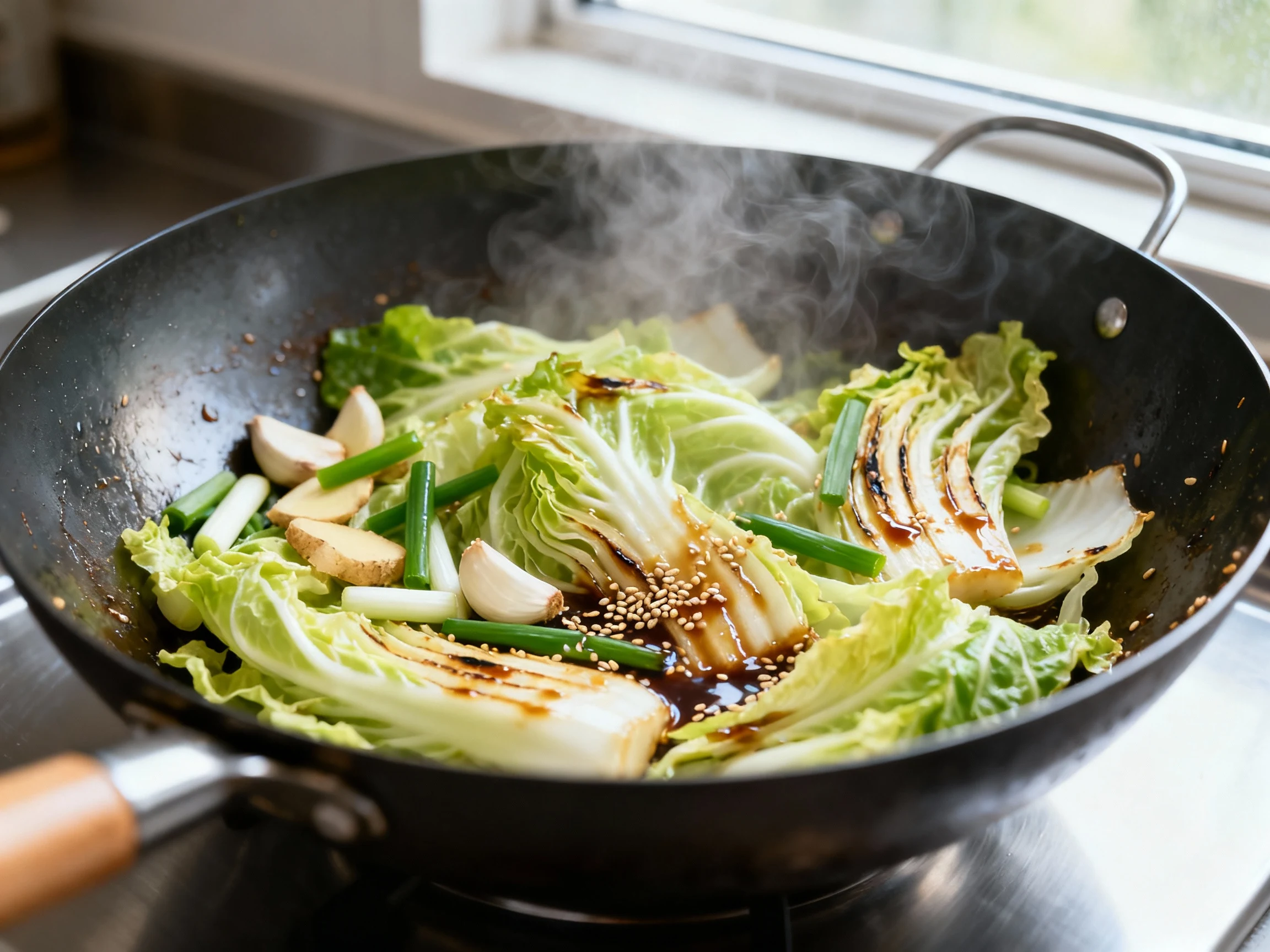
This is your go-to, do-it-all Napa cabbage method. It’s built for speed, loaded with flavor, and friendly to whatever protein or carb you’ve got on standby.
- Fast: From cutting board to plate in 15 minutes. Weeknights, handled.
- Flexible: Works with tofu, chicken, shrimp, or just a jammy fried egg.
- Balanced flavor: Savory-sweet, garlicky, gingery, and a little heat if you want it.
- Healthy without trying: Piles of veg, big crunch, light sauce—no grease bomb here.
- Budget-friendly: One head of Napa feeds a crowd and still leaves leftovers.
- Minimal equipment: A large skillet or wok and a knife—done.
Shopping List – Ingredients
- 1 medium head Napa cabbage (about 2 lb), cored and sliced into 1/2-inch ribbons
- 2 tbsp neutral oil (canola, avocado, or grapeseed)
- 3 cloves garlic, thinly sliced or minced
- 1 tbsp fresh ginger, minced
- 4 scallions, sliced (whites and greens separated)
- 2 tbsp soy sauce (use tamari or coconut aminos for gluten-free)
- 1 tbsp rice vinegar (or unseasoned white vinegar in a pinch)
- 1 tsp toasted sesame oil
- 1 tsp sugar or honey (balances the acidity—optional but recommended)
- 1/2 tsp red pepper flakes or gochugaru (optional, to taste)
- Pinch of white pepper (optional, for warmth)
- 1 tbsp toasted sesame seeds (for garnish)
- Salt, to taste (FYI, soy is salty; taste before salting)
- Optional protein: 8 oz firm tofu (cubed), 8 oz shrimp, or 8 oz thinly sliced chicken
- Optional carb: Steamed rice, rice noodles, or soba to serve
- Lime or lemon wedges (optional, for brightness)
How to Make It – Instructions
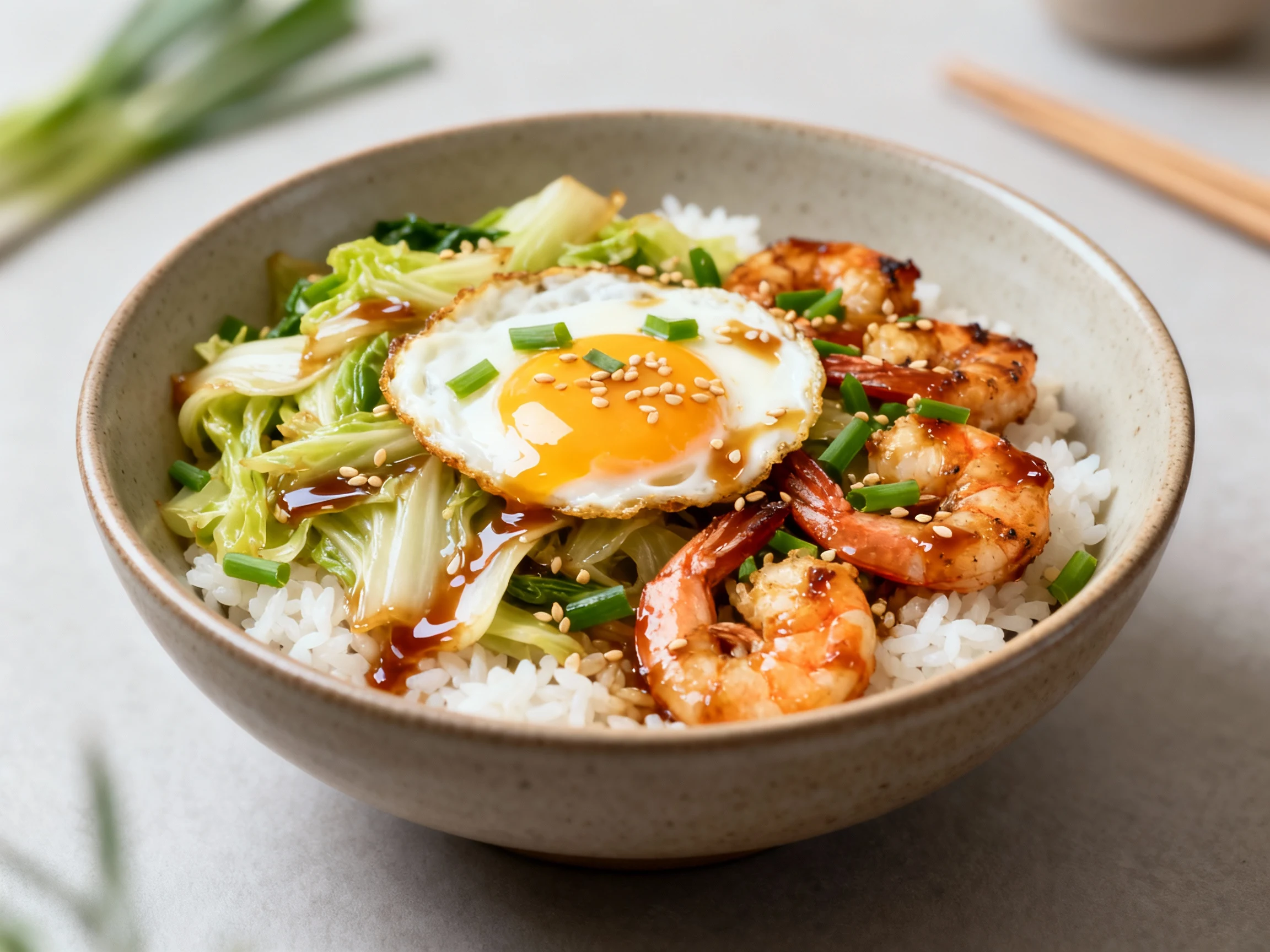
- Prep the cabbage: Slice Napa lengthwise, remove the core, then cut into 1/2-inch strips. Keep thicker white ribs and leafy greens together; they cook at similar speeds.
- Mix the sauce: In a small bowl, stir together 2 tbsp soy sauce, 1 tbsp rice vinegar, 1 tsp sesame oil, and 1 tsp sugar or honey. Add red pepper flakes and white pepper if using. Set aside.
- Heat the pan: Place a large skillet or wok over high heat. Add 2 tbsp oil and let it shimmer. Hot pan = better sear and less soggy veg.
- Sear protein (if using): Add chicken, shrimp, or tofu. Cook until just done (about 3–4 minutes), then transfer to a plate. Don’t crowd the pan.
- Aromatics time: Add garlic, ginger, and scallion whites. Stir-fry 30–45 seconds until fragrant. If it smells amazing, you’re doing it right.
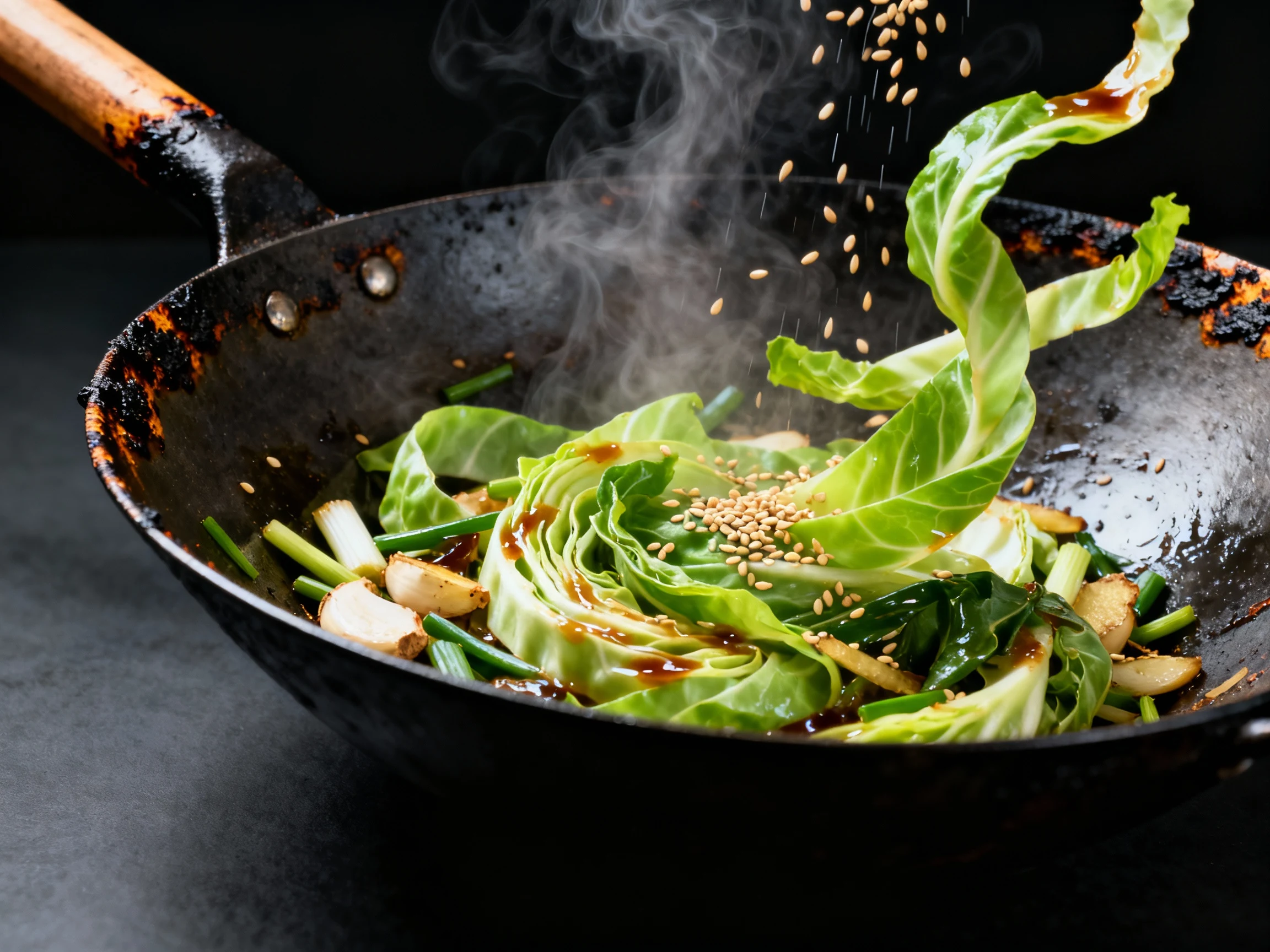
- Cook the cabbage: Add the sliced Napa. Toss continuously for 3–4 minutes until the greens wilt and the ribs turn crisp-tender. You want steam, sizzle, and a little char at the edges.
- Sauce and finish: Return the protein to the pan (if using), pour in the sauce, and toss 30–60 seconds until everything glazes. Kill the heat. Sprinkle in scallion greens and sesame seeds.
- Taste and adjust: Need more brightness? Add a splash of vinegar or a squeeze of citrus. Too salty? A pinch of sugar balances it.
- Serve: Spoon over steamed rice or noodles. Add a fried egg if you’re feeling extra. Eat immediately for max crunch.
How to Store
- Cooked dish: Cool completely, then store in an airtight container for up to 4 days in the fridge. Reheat in a hot skillet 2–3 minutes to revive the crisp edges. Microwave works, but you’ll lose some snap.
- Raw Napa cabbage: Wrap in a paper towel and stash in a breathable produce bag. It stays crisp in the crisper drawer for 5–7 days.
- Freezing: Not ideal for the finished dish (texture goes soft). If you must, blanch sliced cabbage 1 minute, drain well, pat dry, and freeze for soup use.
- Make-ahead sauce: Stir the sauce up to 1 week in advance and keep chilled. Shake before using.
What’s Great About This
- Layered texture: Tender greens + crunchy ribs = built-in contrast.
- Serious flavor, light feel: Big umami without heaviness.
- Pantry-powered: Soy, vinegar, sesame—stuff you likely already have.
- Scales easily: Double the sauce and cabbage for meal prep or a crowd.
- Diet-flexible: Easy to make gluten-free, dairy-free, or veg-forward.
Pitfalls to Watch Out For
- Overcrowding the pan: Too much cabbage at once steams it to mush. Cook in batches if needed.
- Low heat: Lukewarm pans create soggy veggies. Use high heat for speed and char.
- Skipping the dry: Wet cabbage dilutes sauce. Pat it dry after rinsing.
- Salting too early: Salt draws water. Season at the end after you reduce the sauce.
- Burning aromatics: Garlic goes from golden to bitter fast. Keep it moving and add cabbage before it darkens.
- Too much sauce: It’s a glaze, not a soup. Start small; you can always add more.
Variations You Can Try
- Sesame-Peanut Crunch Salad: Skip the heat. Toss shredded Napa with carrots, cucumbers, roasted peanuts, scallions, and a dressing of 2 tbsp rice vinegar, 1 tbsp soy, 1 tbsp sesame oil, 1 tbsp peanut butter, and 1 tsp honey. Add grilled chicken or crispy tofu.
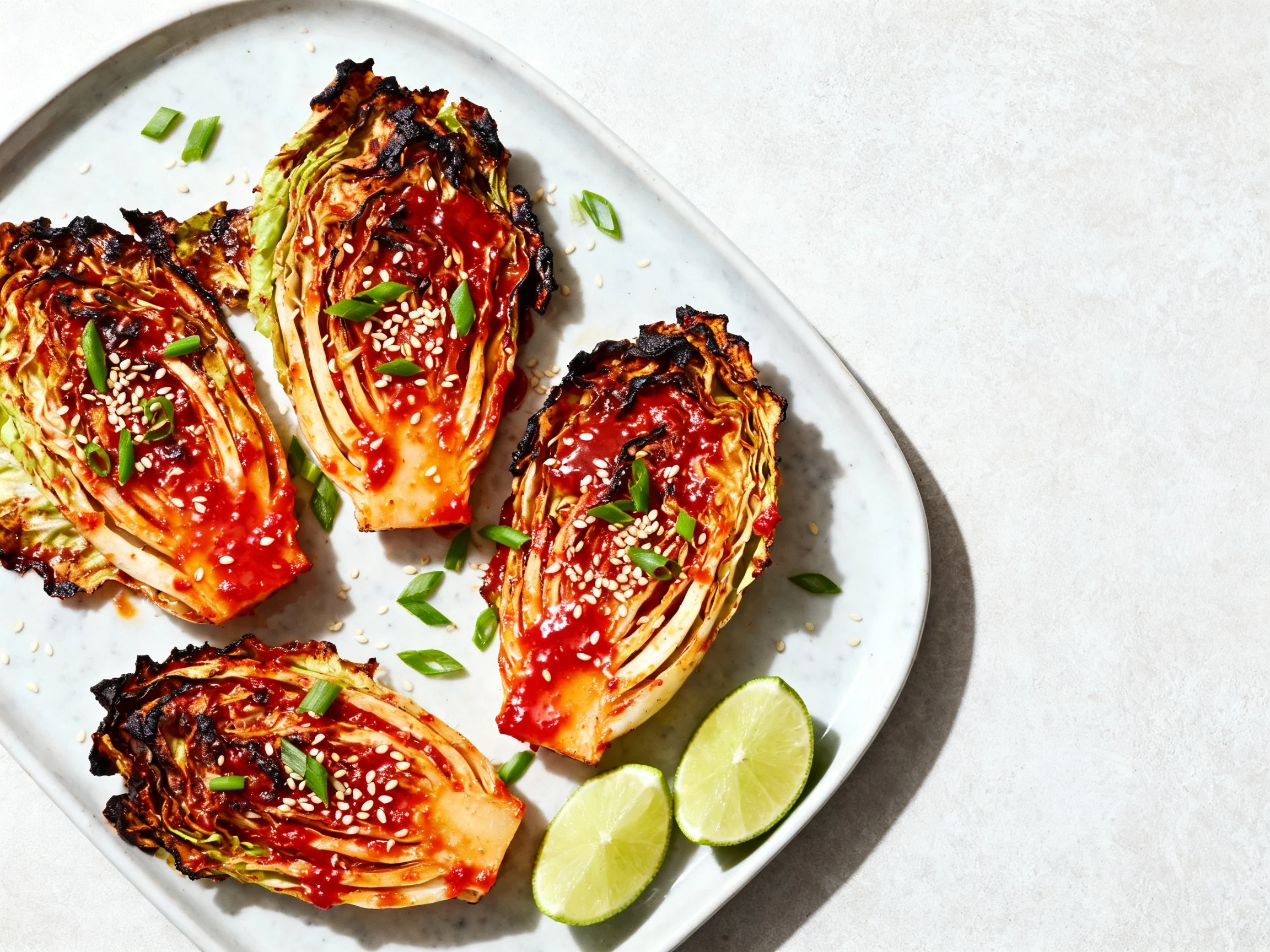
- Gochujang Roasted Wedges: Cut Napa into wedges, brush with a mix of 1 tbsp gochujang, 1 tbsp soy, 1 tsp sesame oil, and a pinch of sugar. Roast at 425°F (220°C) for 15–18 minutes until edges char.
- Miso-Coconut Soup: Simmer garlic and ginger in a little oil, add 4 cups broth and 1 cup coconut milk, then Napa ribbons, mushrooms, and tofu. Off heat, whisk in 2 tbsp white miso. Finish with lime and chili oil.
- 5-Minute Kimchi-Style Slaw: Toss Napa with 1 tsp salt, 1 tbsp gochugaru, 1 tsp sugar, 1 tbsp rice vinegar, grated garlic, and a splash of fish sauce. Let it sit 5–10 minutes for a punchy, quick-pickle vibe (not true kimchi, but it slaps).
- Dumpling or Potsticker Filling: Stir-fry chopped Napa with scallions, ginger, garlic, and a little soy; squeeze out moisture, then mix with ground pork or crumbled tofu. Wrap, pan-fry, steam, devour.
- Japchae-ish Glass Noodles: Toss quick-stir-fried Napa, carrots, bell peppers, and mushrooms with soaked sweet potato noodles and a sauce of soy + sesame + sugar. Add beef strips if you like.
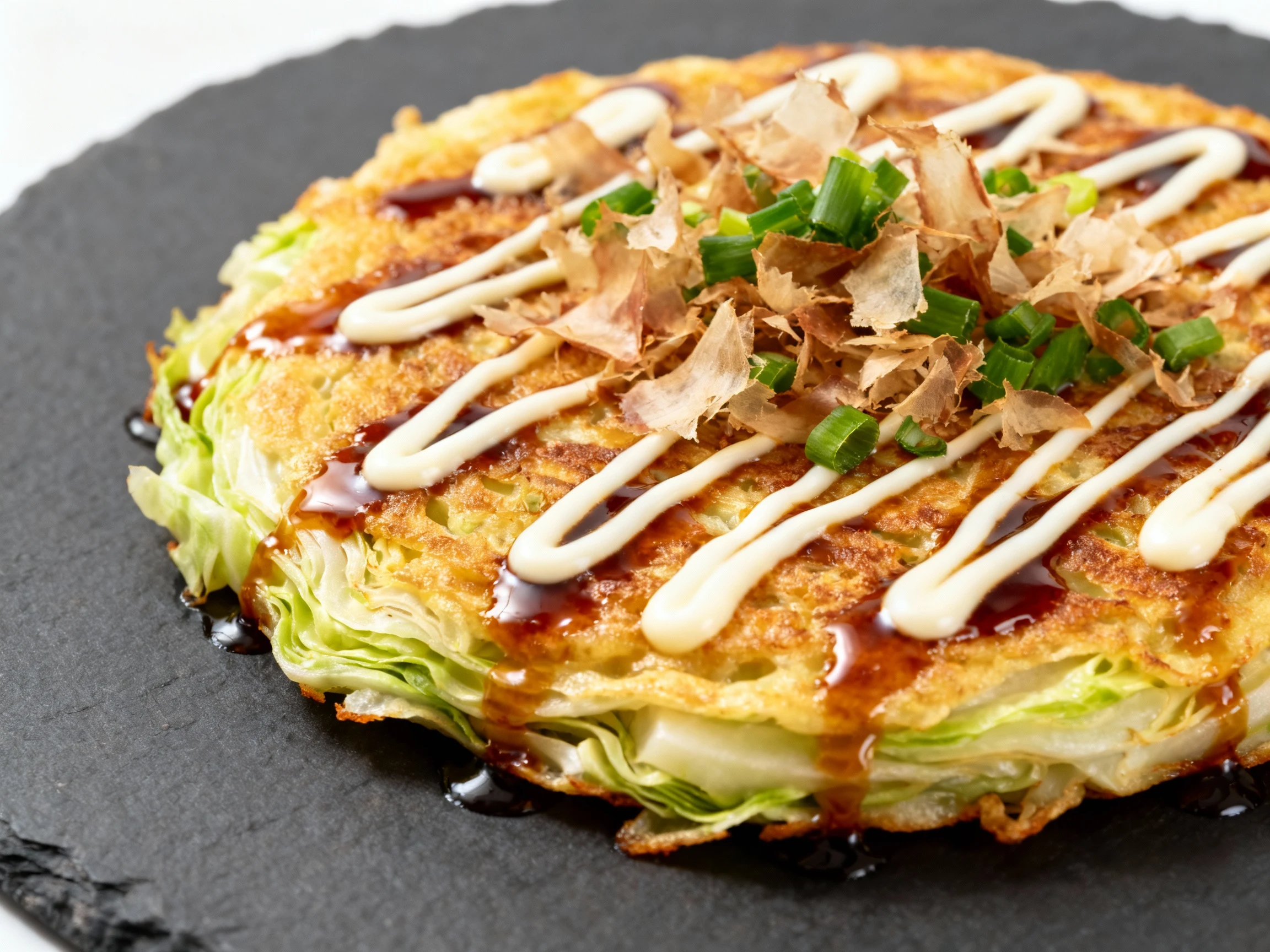
- Cabbage Pancakes (Okonomiyaki vibes): Mix shredded Napa with eggs, a little flour, scallion, and salt. Pan-fry 3–4 minutes per side. Top with mayo, soy drizzle, and bonito if you have it.
- Garlic-Ginger Fried Rice: Add chopped Napa and scallions to day-old rice with soy, sesame, and a knob of butter. Finish with a soft-scrambled egg. Simple, elite.
- Korean BBQ Wraps (Ssam): Use large Napa leaves as wraps for grilled meat or mushrooms, rice, and ssamjang. Crunch factor: 10/10.
- Fish Taco Slaw Upgrade: Shred Napa, toss with lime juice, a touch of mayo or yogurt, cilantro, and jalapeño. Pairs perfectly with crispy or grilled fish.
FAQ
What’s the difference between Napa cabbage and regular green cabbage?
Napa is lighter, sweeter, and more tender, with crinkly leaves and juicy ribs. It cooks faster and tastes less sulfurous. Regular green cabbage is sturdier and great for long braises and slaws that need to hold up all day.
Can I eat Napa cabbage raw?
Absolutely. It’s fantastic raw—mild, slightly sweet, and extra crisp. Use it in chopped salads, slaws, lettuce-wrap swaps, or as a crunchy topper for bowls and tacos.
How do I cut Napa cabbage for stir-fries?
Slice lengthwise, remove the core, then cut crosswise into 1/2-inch ribbons. Keep ribs and leaves together for the best mix of crunch and tenderness. Uniform strips cook evenly and look clean on the plate.
What proteins pair best with the base recipe?
Tofu, shrimp, thinly sliced chicken, ground pork, or a simple fried egg all work. Aim for bite-size pieces and cook them first over high heat. That quick sear keeps things juicy and flavorful.
How do I keep the cabbage from getting soggy?
Use a very hot pan, don’t crowd, and dry the cabbage after rinsing. Cook fast and finish with just enough sauce to glaze. If liquid pools, crank the heat and toss for another 30–60 seconds to reduce.
Can I make this gluten-free?
Yes—swap soy sauce for tamari or coconut aminos. Check your vinegar and gochujang labels too. Everything else here is naturally gluten-free, IMO.
Is Napa cabbage low-carb or keto-friendly?
It’s naturally low in carbs and calories. Pair it with protein and healthy fats (tofu, eggs, salmon) and skip the rice if you’re keeping carbs tight. Flavor stays big either way.
How long does a head of Napa cabbage last?
Stored properly (paper towel wrap in a produce bag), it stays crisp for 5–7 days. If the outer leaves wilt, peel them off—what’s inside is usually perfect. FYI, fresher heads are tighter and heavier for their size.
What can I substitute if I can’t find Napa cabbage?
Savoy cabbage is the closest in texture. Bok choy or baby bok choy also works, though they’re more watery. Regular green cabbage needs a bit more cook time and a touch more acid to brighten.
Can I prep this ahead for meal prep?
Yes—slice the cabbage and mix the sauce up to 24 hours ahead. Stir-fry right before eating for best texture, or cook and reheat quickly in a hot pan. Keep proteins and sauce stored separately for maximum flexibility.
The Bottom Line
Napa cabbage turns weeknight cooking into a no-excuses operation: fast prep, big flavor, and a dozen ways to remix it. Keep a head in the fridge, nail this simple stir-fry, and let the variations keep things fresh. You’ll eat better, spend less, and still get dinner on the table before your streaming queue judges you. That’s a win any night of the week.
Printable Recipe Card
Want just the essential recipe details without scrolling through the article? Get our printable recipe card with just the ingredients and instructions.