Matcha Tea Recipes That Wake You up and Chill You Out
From morning lattes to coolers and snacks, get fast, feel-good matcha ideas that boost focus without crashing your budget.
You want energy without the jitters, flavor without the fuss, and results without the $7 café tax. Enter matcha: tiny scoop, huge payoff. These recipes turn that vivid green powder into daily wins—hot, iced, and even breakfast you can eat with a spoon. You’ll get pro-level taste in minutes, keep your brain sharp, and yes, stay smugly under budget.
Why This Recipe Works
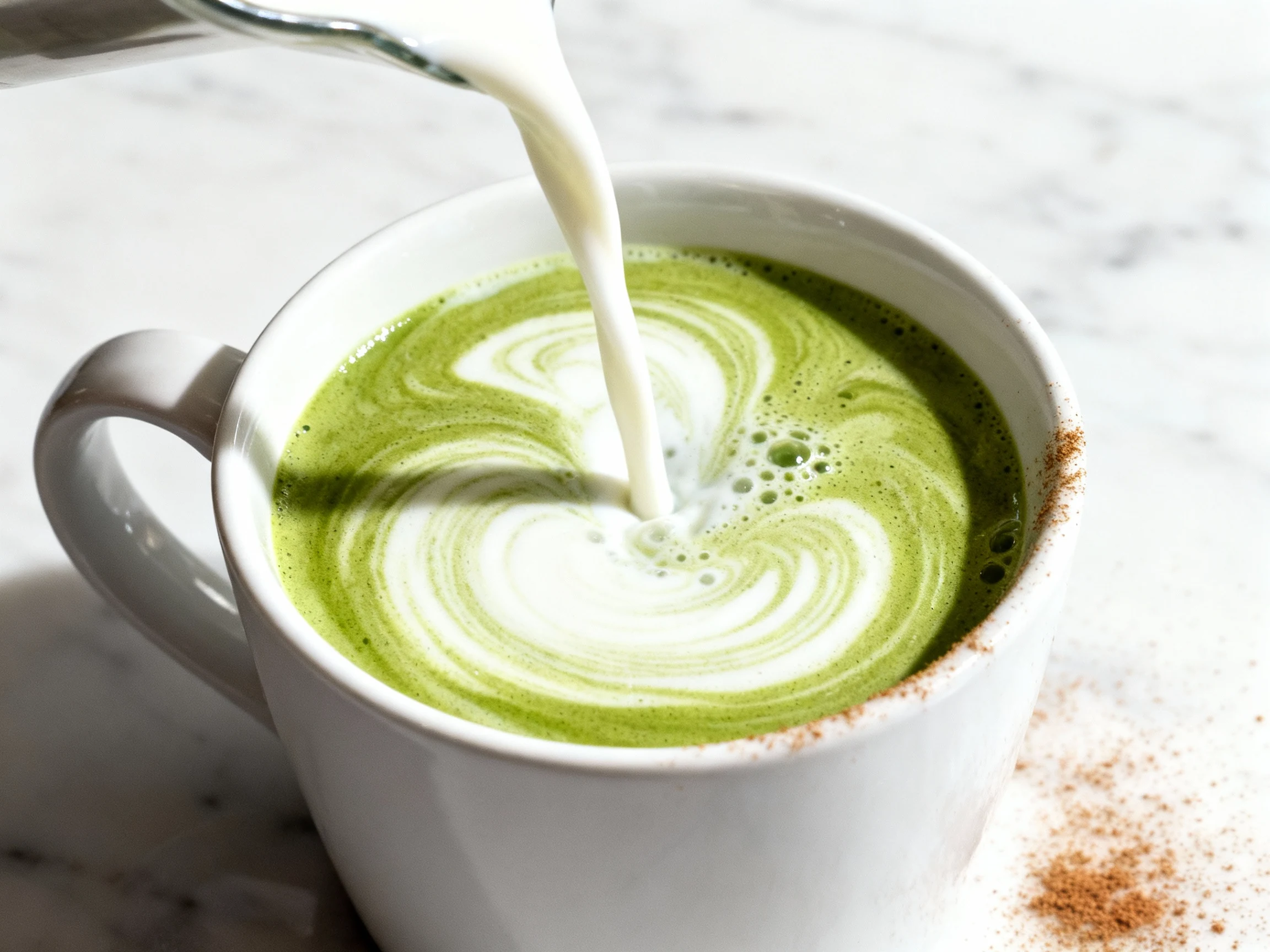
Matcha is powerful but picky; treat it right and it rewards you. The secret is proper whisking, correct water temperature, and balanced ratios, so the tea tastes smooth and sweet-green, not bitter. We use 175°F water to protect delicate flavors, then emulsify with fat from milk or yogurt for a creamy finish. Sweetness and acid show up as supporting actors—just enough to amplify matcha’s grassy, umami notes without bulldozing them.
These methods scale: make a hot latte before your first Zoom, an iced lemon cooler when the sun says “nope,” and overnight oats when you need breakfast done yesterday. Same core technique, different vibes, consistent wins.
Ingredients Breakdown
Base Essentials
- Matcha powder: 1–2 teaspoons (ceremonial grade for best flavor; culinary is fine for blends)
- Water: 2–3 tablespoons at 160–175°F for whisking into a smooth shot
- Sweetener (optional): 1–2 teaspoons maple syrup, honey, or simple syrup
- Pinch of sea salt: 1/16 teaspoon to enhance sweetness and mute bitterness
Hot Matcha Latte
- Milk: 8–10 ounces (dairy, oat, almond, or soy)
- Matcha: 1–1.5 teaspoons
- Water: 2 tablespoons at 175°F
- Sweetener: to taste (start at 1 teaspoon)
- Vanilla extract (optional): 1/4 teaspoon
- Cinnamon (optional): a light dusting
Iced Matcha Lemon Cooler
- Matcha: 1 teaspoon
- Cold water: 8–10 ounces, or sparkling water for a spritz
- Fresh lemon juice: 2 tablespoons
- Simple syrup or honey: 1–2 teaspoons
- Ice: 1 cup
- Mint (optional): a few leaves
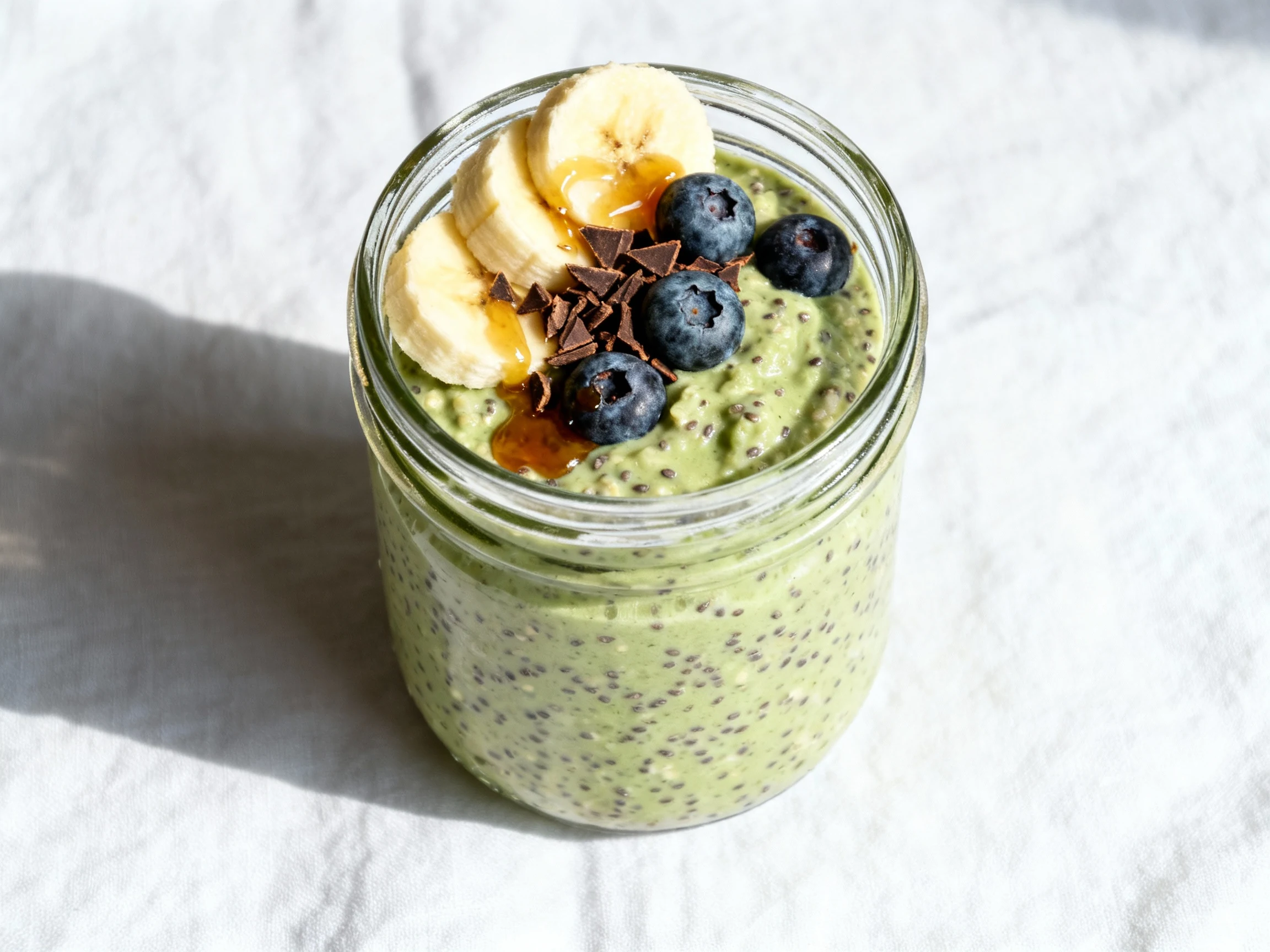
Matcha Overnight Oats
- Old-fashioned oats: 1/2 cup
- Milk: 3/4 cup (any type)
- Greek yogurt (optional): 1/4 cup for creaminess and protein
- Matcha: 1 teaspoon
- Chia seeds: 1 tablespoon
- Sweetener: 1–2 teaspoons
- Vanilla extract: 1/4 teaspoon
- Fruit: banana slices, berries, or mango for topping
Optional Boosters
- Collagen or protein powder: 1 scoop for satiety
- MCT or coconut oil: 1 teaspoon for extra creaminess
- Ground ginger or cardamom: a pinch for spice
- Cocoa nibs: 1 tablespoon for crunch
Cooking Instructions
Hot Matcha Latte (Cafe-Level, No Drama)
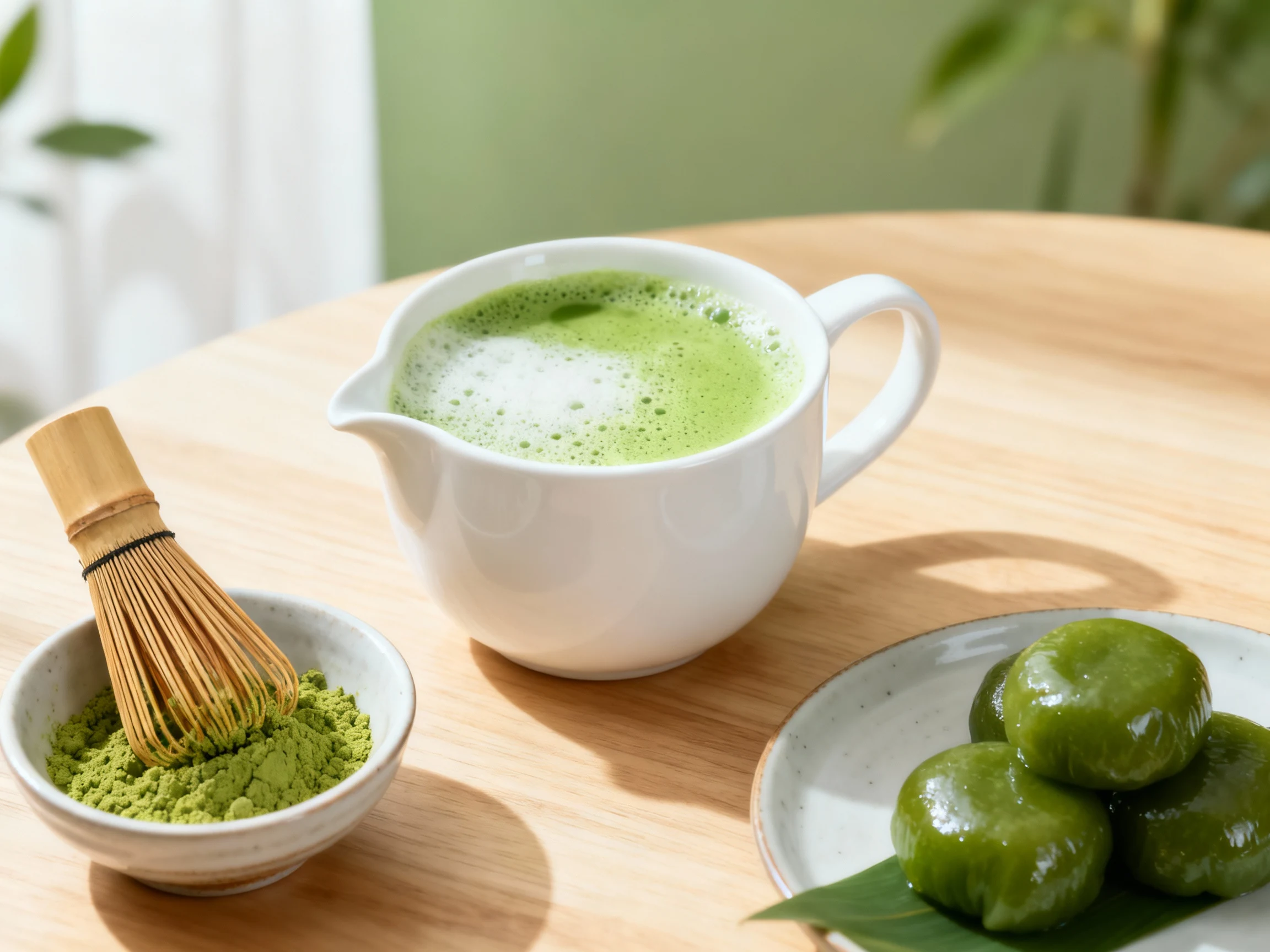
- Sift the matcha. Place 1–1.5 teaspoons through a fine mesh strainer into a mug to prevent clumps.
- Make a matcha shot. Add 2 tablespoons of 175°F water and whisk briskly in a zig-zag (or use a milk frother) until smooth and lightly foamy.
- Heat and froth milk. Warm 8–10 ounces milk to steaming, then froth to your preferred foam level.
- Combine and sweeten. Pour milk over the matcha shot, add 1 teaspoon sweetener, and a tiny pinch of salt. Finish with vanilla or cinnamon if you like.
- Taste and tune. Adjust sweetness or matcha strength. If it tastes bitter, lower the water temperature next time or add a touch more milk.
Iced Matcha Lemon Cooler (Your New 3 p.m. Ritual)
- Whisk the matcha. Sift 1 teaspoon matcha into a shaker or jar. Add 2 tablespoons cool water and whisk or shake until fully dissolved.
- Build the base. Add lemon juice, 1–2 teaspoons simple syrup, and a pinch of salt.
- Ice and top. Fill the shaker with ice, top with 8–10 ounces cold water or sparkling water, and shake briefly.
- Pour and garnish. Strain into a tall glass over fresh ice. Add mint if you’re feeling fancy.
- Pro move: Swap water for coconut water for electrolytes and a subtle sweetness.
Matcha Overnight Oats (Breakfast You Actually Want)
- Whisk matcha with milk. In a bowl, whisk 1 teaspoon matcha into 3/4 cup milk until smooth.
- Mix the base. Stir in 1/2 cup oats, 1 tablespoon chia seeds, 1/4 cup yogurt, vanilla, and sweetener.
- Chill. Cover and refrigerate at least 4 hours, preferably overnight, until thick and creamy.
- Top and serve. Add fruit and any crunchy extras. If it’s too thick, splash in more milk; too thin, add extra chia.
- FYI: This travels well—pack in a jar and go.
How to Store
Keep matcha powder in an airtight, opaque container away from heat and light. Refrigeration helps if you won’t finish it fast, but make sure the container is sealed. The hot latte is best fresh; the foam falls apart if you park it too long.
For the cooler, make a strong matcha-lemon concentrate (without ice or sparkling) and refrigerate for up to 3 days. Add cold water and ice when serving. Overnight oats hold for 3–4 days in the fridge; stir before eating and refresh with a splash of milk.
Pro prep: Freeze matcha ice cubes for iced drinks that never water down, and pre-portion matcha into mini containers for grab-and-whisk mornings.
Benefits of This Recipe
- Clean energy: Caffeine + L-theanine gives smooth focus, not shaky chaos.
- Time-efficient: 5 minutes to hot or iced comfort; overnight oats handle breakfast while you sleep.
- Flexible macros: Adjust milk, sweetener, and add protein to match your goals.
- Antioxidants on tap: Matcha delivers EGCG and chlorophyll in a tasty format.
- Budget-friendly: Home versions beat café prices hard—IMO, better taste too.
- Year-round appeal: Cozy latte in winter, crisp cooler in summer, breakfast always.
Avoid These Mistakes
- Using boiling water: It scorches matcha. Keep it at 160–175°F.
- Skipping the sift: Clumps ruin texture. Sift, then whisk.
- Over-sweetening: You’ll mask the good stuff. Start small and build.
- Wrong matcha grade: Use ceremonial for drinks you want to taste clean; save culinary for baking.
- Ignoring salt: A tiny pinch makes sweetness pop and bitterness chill.
- Old, light-exposed powder: Store airtight and dark or watch flavor fade.
- Under-whisking: Air matters. Whisk in a quick zig-zag until glossy and frothy.
Different Ways to Make This
- Dirty matcha: Add a shot of espresso for a bold hybrid.
- Protein latte: Blend a scoop of vanilla protein into the milk, then pour over your matcha shot.
- Dairy-free delight: Use oat milk for cream, almond for light, or coconut for tropical vibes.
- Low-carb: Sweeten with erythritol or allulose; use unsweetened almond milk.
- Strawberry matcha: Muddle berries with a teaspoon of sugar, then add matcha and milk over ice.
- Coconut-lime cooler: Replace water with coconut water; add 1 tablespoon lime juice.
- Spiced latte: A pinch of ginger and cardamom turns your cup into a cozy hug.
- Affogato style: Pour hot matcha over vanilla ice cream for a wild, green sundae.
FAQ
What grade of matcha should I use for drinks?
Ceremonial grade tastes smoother and sweeter, making it ideal for lattes and coolers. Culinary grade is more robust and works in blends or baking. If you’re new, start with ceremonial for an easy win. Then switch up based on taste and budget.
How much caffeine is in a cup?
About 60–80 mg per 1 teaspoon, depending on the powder and prep. Thanks to L-theanine, it feels steady rather than buzzy. If you’re sensitive, use 1/2 teaspoon or choose the cooler later in the day. TBH, it’s gentler than coffee for most people.
Can I make matcha without a traditional whisk?
Yes. A milk frother, handheld whisk, or even a jar with a tight lid works. Just sift first to avoid clumps. If you’re blending into a latte, a quick blitz with a blender makes it ultra-smooth.
Why does my matcha taste bitter?
Likely too hot water or too much powder. Keep water at 160–175°F and start with 1 teaspoon. Add a pinch of salt and balance with milk or a touch of sweetener. Quality matters too—cheap powder can taste harsh.
Can I use cold water to whisk matcha?
Absolutely. Cold water works great in iced drinks if you whisk well or use a frother. You may need a few extra seconds for full dissolution. For the smoothest texture, make a small warm shot first, then chill over ice.
Is matcha vegan and gluten-free?
Matcha itself is vegan and gluten-free. Choose plant-based milk and vegan sweeteners to keep it fully vegan. Oats are naturally gluten-free but check labels if you need certified versions.
What sweetener pairs best?
Maple syrup adds depth, honey brings floral notes, and simple syrup keeps flavors neutral. For sugar-free, allulose blends cleanly without a weird aftertaste. Start small and adjust—it should enhance, not dominate.
How do I fix clumpy matcha fast?
Sift the powder, then whisk in a zig-zag. If clumps remain, use a milk frother or blend for 10–15 seconds. An extra tablespoon of water can help smooth it out. Worst case, strain through a fine mesh and carry on.
The Bottom Line
These matcha tea recipes deliver fast energy, calm focus, and café flavor without the markup. Master the simple steps—correct temp, sift, whisk, balance—and every cup tastes pro. Rotate the latte, cooler, and oats for a full-day routine that actually sticks. Your mornings just got greener, cheaper, and a lot more delicious.
Printable Recipe Card
Want just the essential recipe details without scrolling through the article? Get our printable recipe card with just the ingredients and instructions.