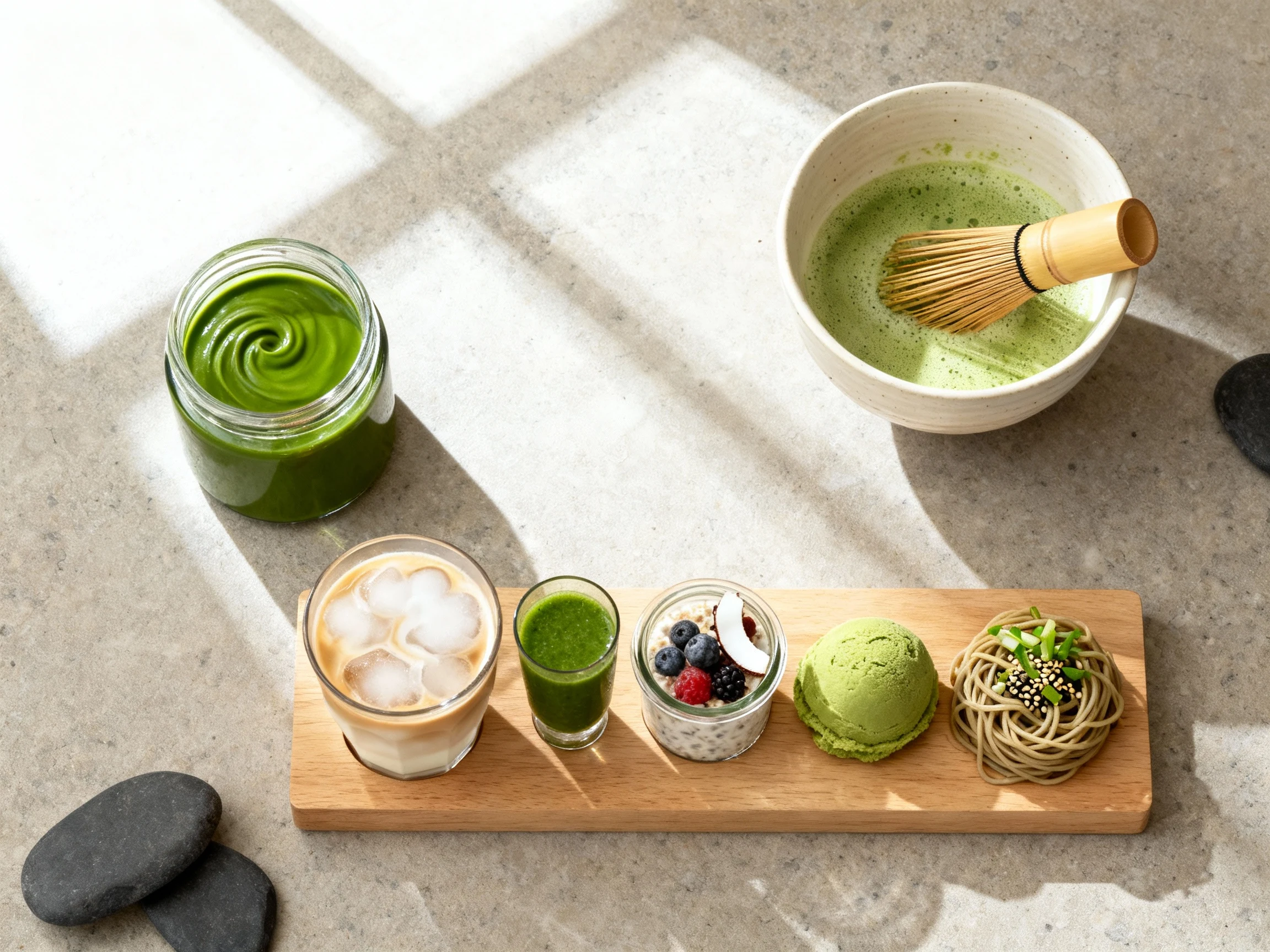
Matcha Recipes to Energize Your Mornings and Sweet Cravings
From lattes and overnight oats to ice cream and noodles, learn quick, vibrant dishes that boost focus, flavor, and feel-good energy.
You want more focus without the jitter crash? Use this green powerhouse like a secret weapon. We’re not throwing random powders in a cup—we’re building a flexible matcha base you can spin into five fast hits: latte, smoothie, overnight oats, ice cream, and savory noodles. It’s efficient, delicious, and low-drama. You’ll prep once, enjoy all week, and wonder why you ever paid $7 for a watery latte. Ready to upgrade your routine and your taste buds?
What Makes This Special
One batch, five wins. You’ll make a silky matcha concentrate in minutes, then transform it into breakfast, dessert, and dinner-level dishes with zero fuss. The base doesn’t lock you in—sweeten it or keep it pure, go dairy or dairy-free, hot or cold. Your call.
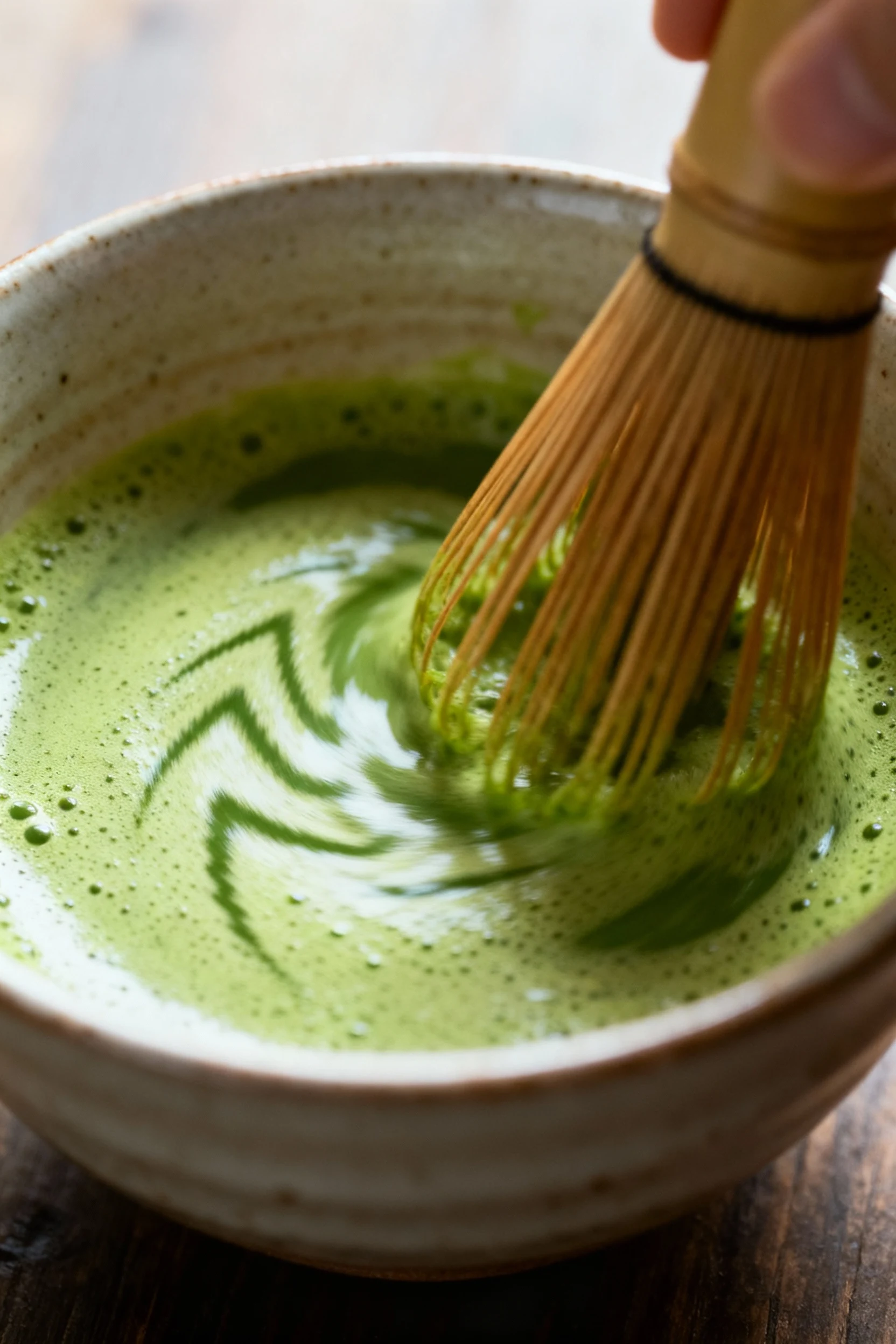
Barista-quality without the barista. The method uses gentle heat, a quick sift, and a brisk whisk to coax out the matcha’s natural sweetness and umami. No fancy gear. A bowl, a whisk, and, yes, a little enthusiasm.
Steady energy, big flavor. Matcha delivers caffeine plus L-theanine for clean focus and calm alertness. Translation: you get “on” without the crash. And because you’re cooking with it, you’ll find blends that actually taste balanced, not grassy.
Flexible for any diet. Swap milks, sweeteners, noodles, or cream. You can go vegan, low-sugar, or protein-packed with a few easy tweaks, IMO the right way to eat IRL.
What Goes Into This Recipe – Ingredients
Matcha Concentrate (Base)
- 8 g high-quality matcha (about 4 tsp loosely packed; sifted)
- 240 ml warm water (1 cup) at 75–80°C / 170–175°F
- 2–3 tbsp simple syrup or honey (optional; adjust to taste)
- Pinch of fine sea salt (optional; enhances sweetness and umami)
- 1/2 tsp vanilla extract (optional for latte and dessert builds)
Quick Builds
1) Iced or Hot Matcha Latte
- 240 ml milk of choice (oat, whole, almond, or soy)
- 60 ml matcha concentrate (4 tbsp)
- Ice (for iced version)
- Extra sweetener to taste (optional)
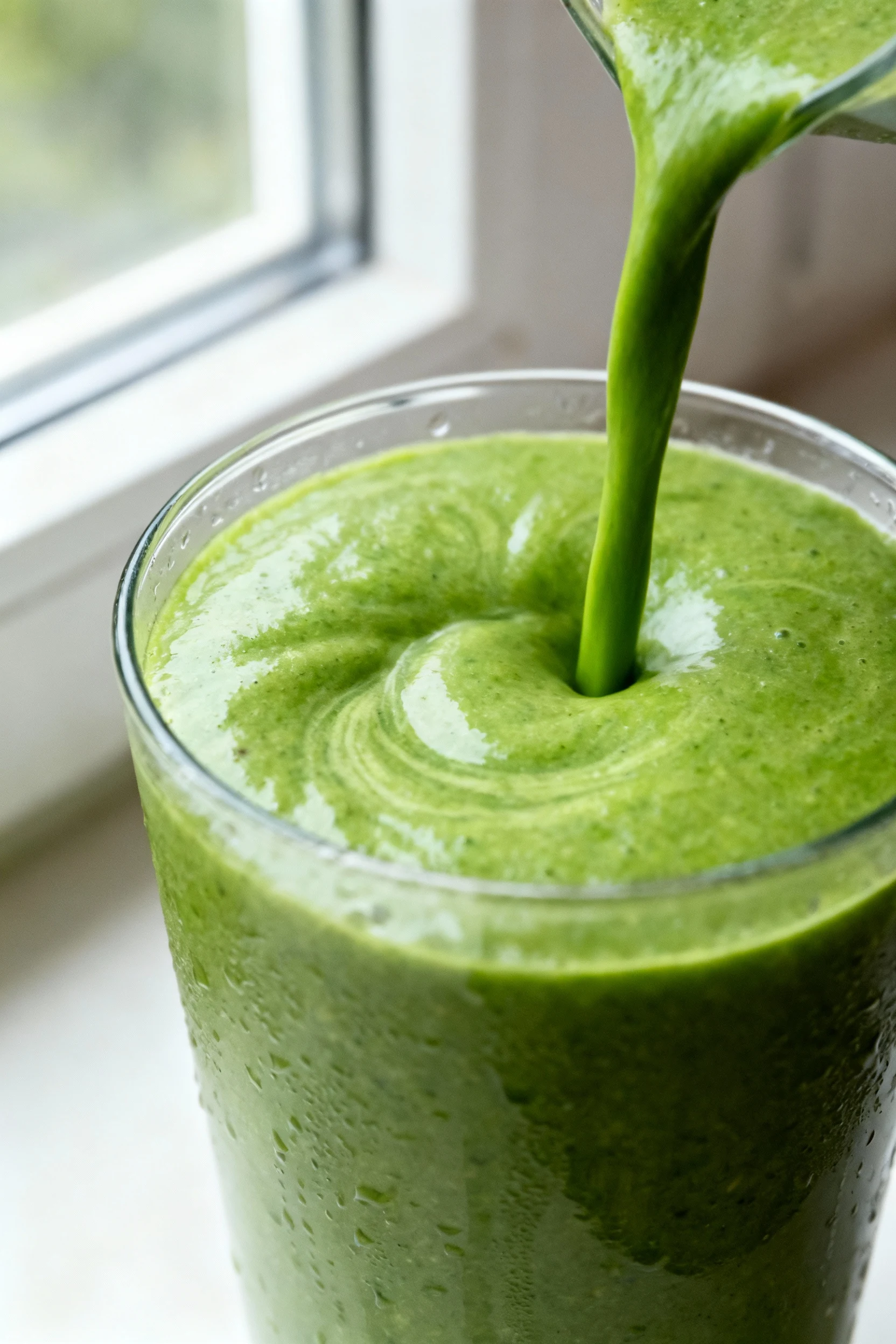
2) Green Glow Smoothie
- 1 frozen banana
- 1 cup fresh spinach (lightly packed)
- 120 ml Greek yogurt (or coconut yogurt)
- 120 ml milk (or coconut water)
- 30 ml matcha concentrate (2 tbsp)
- 1 tsp honey or maple syrup (optional)
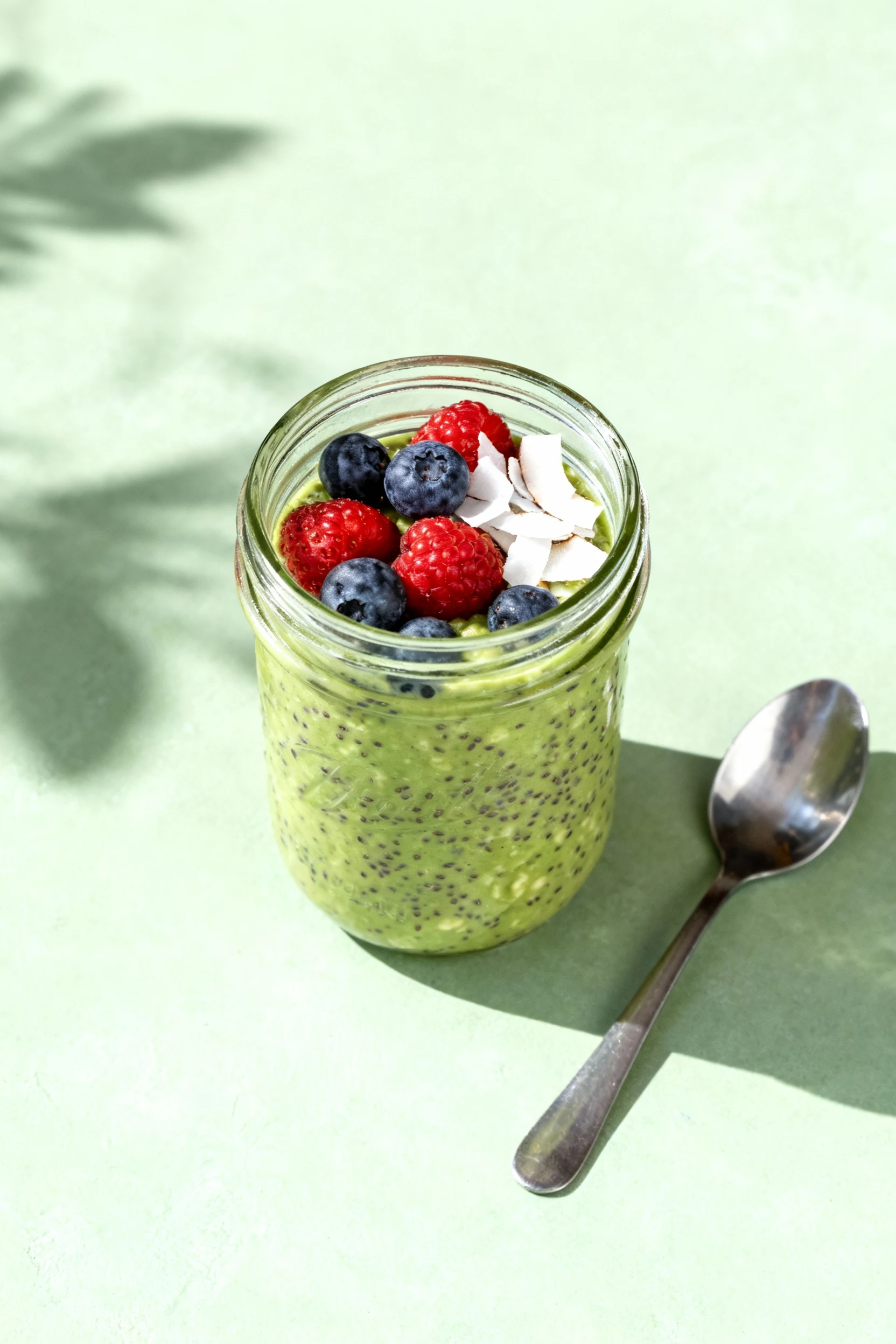
3) Matcha Overnight Oats
- 1/2 cup rolled oats
- 1 tbsp chia seeds
- 120 ml milk (dairy or non-dairy)
- 80 ml matcha concentrate (about 1/3 cup)
- 1–2 tsp honey or agave (optional)
- Fresh berries and coconut flakes for topping
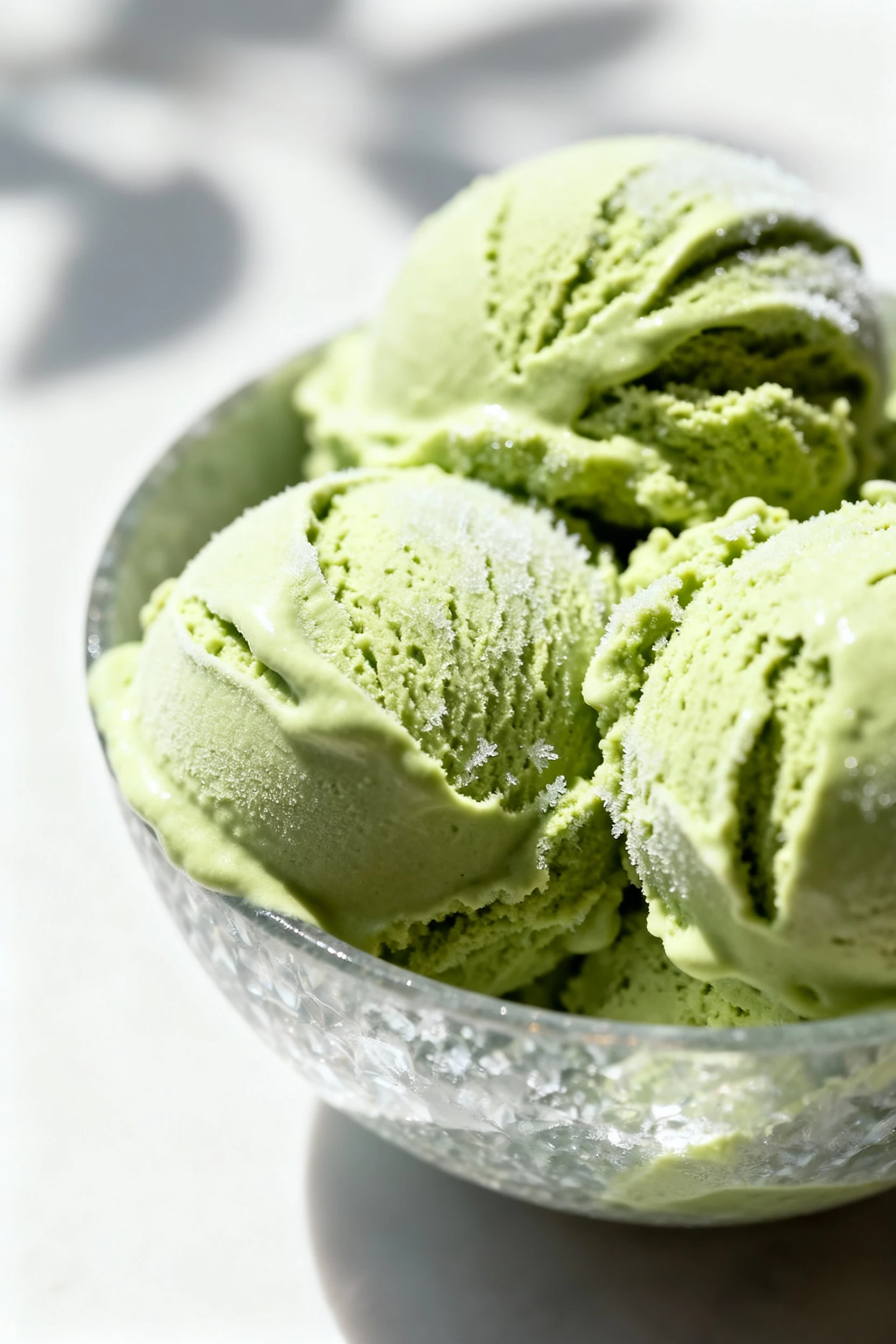
4) No-Churn Matcha Ice Cream
- 480 ml heavy cream (2 cups; very cold)
- 1 can sweetened condensed milk (14 oz / 396 g)
- 60 ml matcha concentrate (4 tbsp)
- 1/2 tsp vanilla extract
- Pinch of sea salt
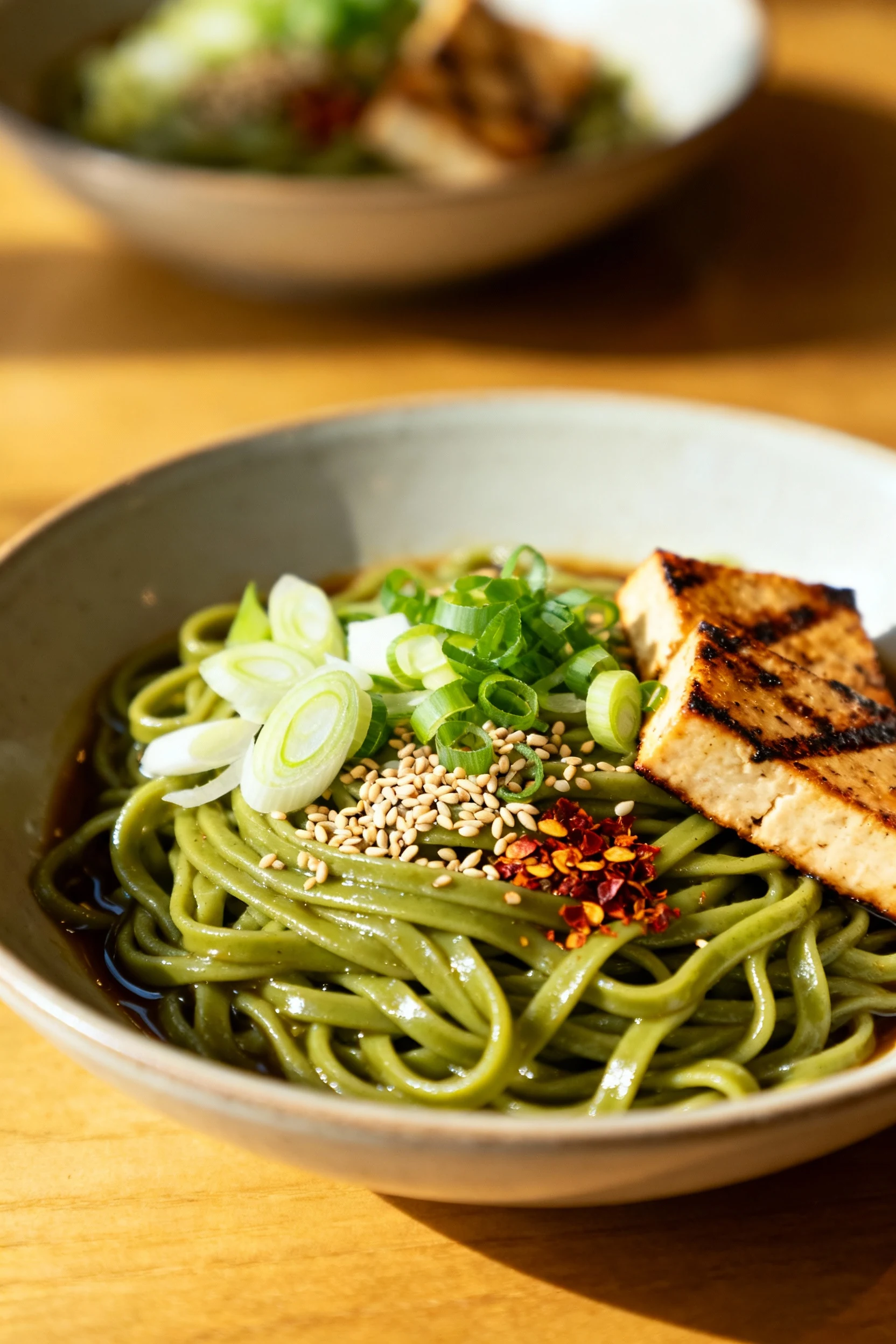
5) Savory Matcha Soba
- 225 g soba noodles (8 oz)
- 2 tbsp toasted sesame oil
- 2 tbsp soy sauce or tamari
- 1 tbsp rice vinegar
- 30 ml matcha concentrate (2 tbsp)
- 1 tsp honey or mirin (optional for balance)
- Sliced scallions, sesame seeds, and chili flakes to finish
- Protein add-ons: grilled tofu, shrimp, or chicken (optional)
The Method – Instructions
- Sift the matcha. Place a fine-mesh sieve over a bowl or measuring cup. Add the matcha and tap it through. Clump-free powder = smooth drinks. Skipping this step is the fast track to sad lumps.
- Add warm water, not hot. Pour 240 ml water at 75–80°C (170–175°F) over the sifted powder. Never boil—boiling water makes matcha taste bitter and flat.
- Whisk like you mean it. Use a bamboo whisk (chasen) or a small hand whisk. Whisk in a quick zigzag (M- or W-shaped strokes) for 20–30 seconds until frothy and fully dissolved. Stir in sweetener, a pinch of salt, and vanilla if using. This is your matcha concentrate.
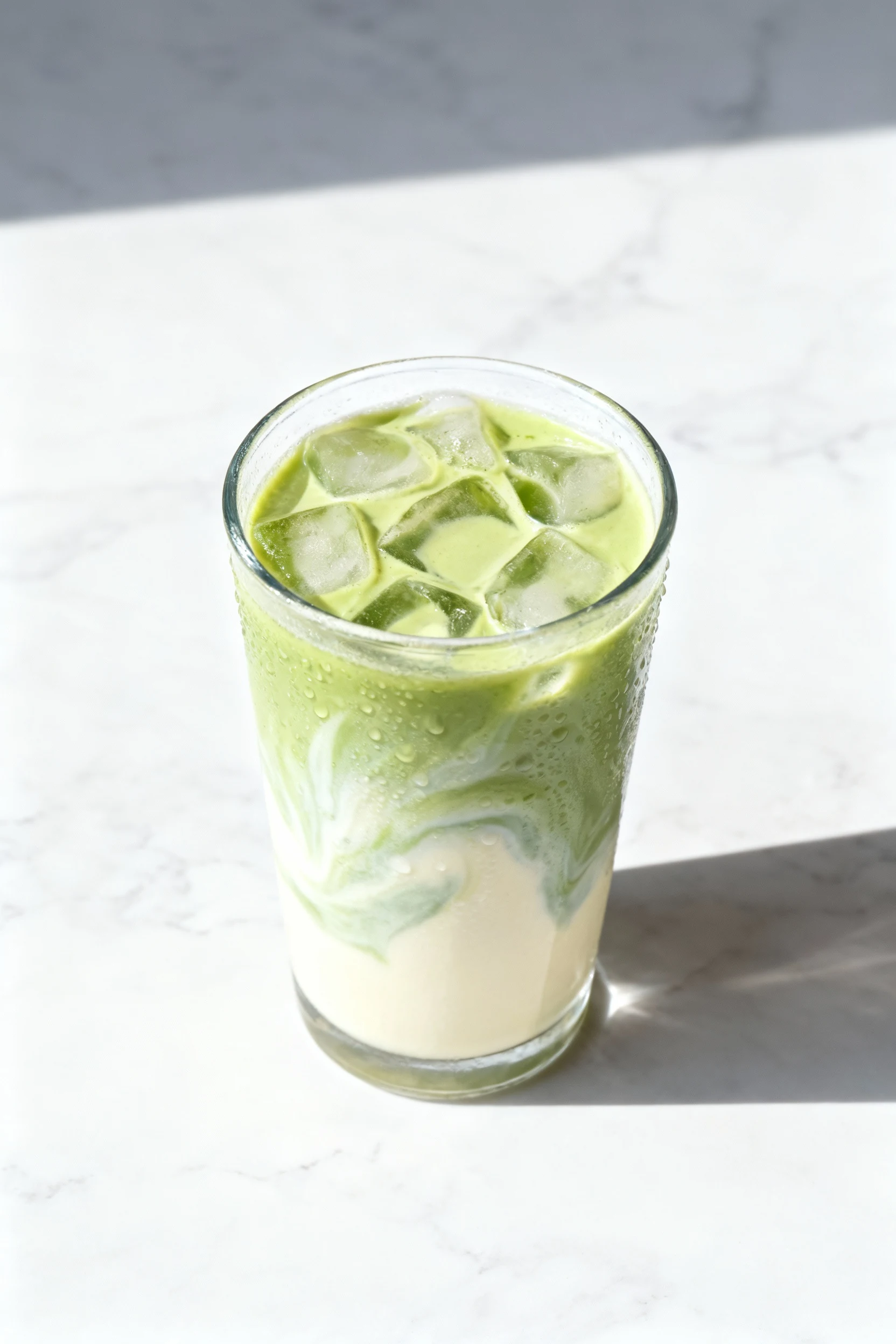
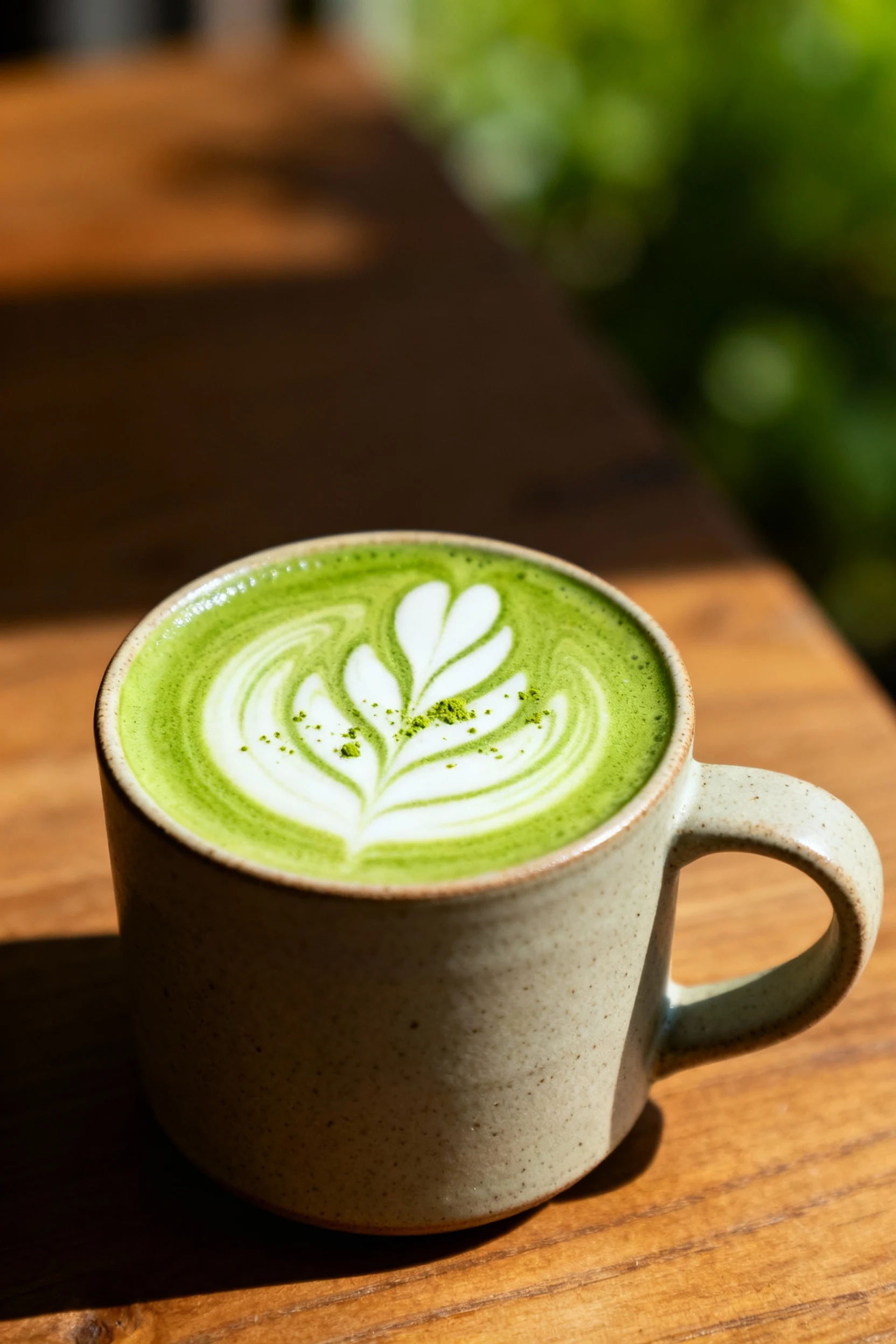
- Latte (hot or iced). For iced, fill a glass with ice. Add 60 ml concentrate, then 240 ml milk. Stir and taste; adjust sweetness. For hot, warm the milk (don’t boil), froth if you like, then pour over the concentrate. Classic ratio: 1 part concentrate to 4 parts milk.
- Smoothie. In a blender, add banana, spinach, yogurt, milk, and 2 tbsp concentrate. Blend until creamy. Sweeten to taste. Tip: If it’s too thick, splash in more milk; too thin, add a few ice cubes.
- Overnight oats. In a jar, combine oats, chia, milk, and 80 ml concentrate. Sweeten if you want. Stir, seal, and refrigerate at least 4 hours or overnight. Top with berries and coconut in the morning.
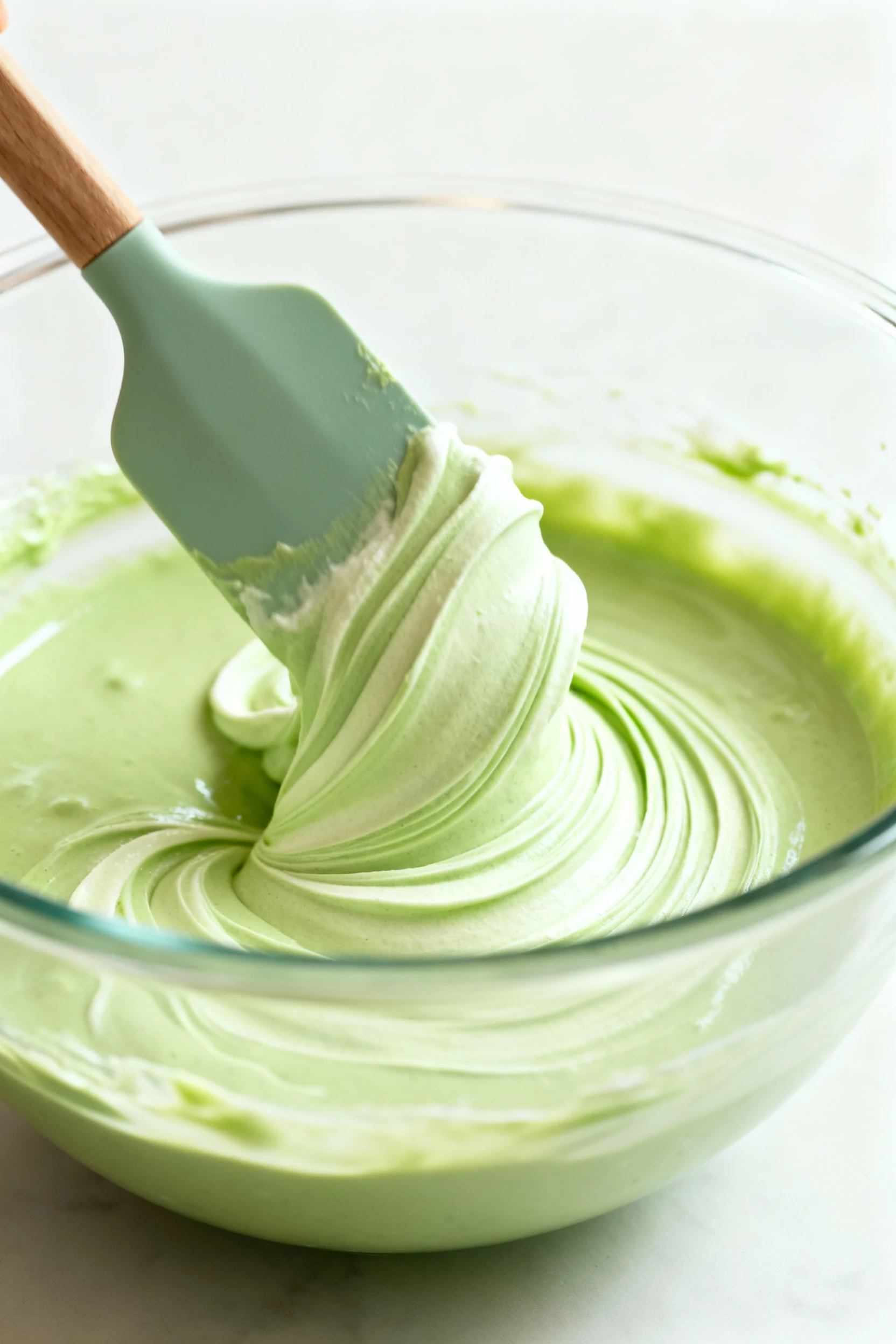
- No-churn ice cream. Whip cold cream to soft peaks. In a separate bowl, mix condensed milk, 4 tbsp concentrate, vanilla, and salt. Fold whipped cream into the matcha mixture until just combined. Transfer to a loaf pan, cover, and freeze 6–8 hours. Scoop when firm.
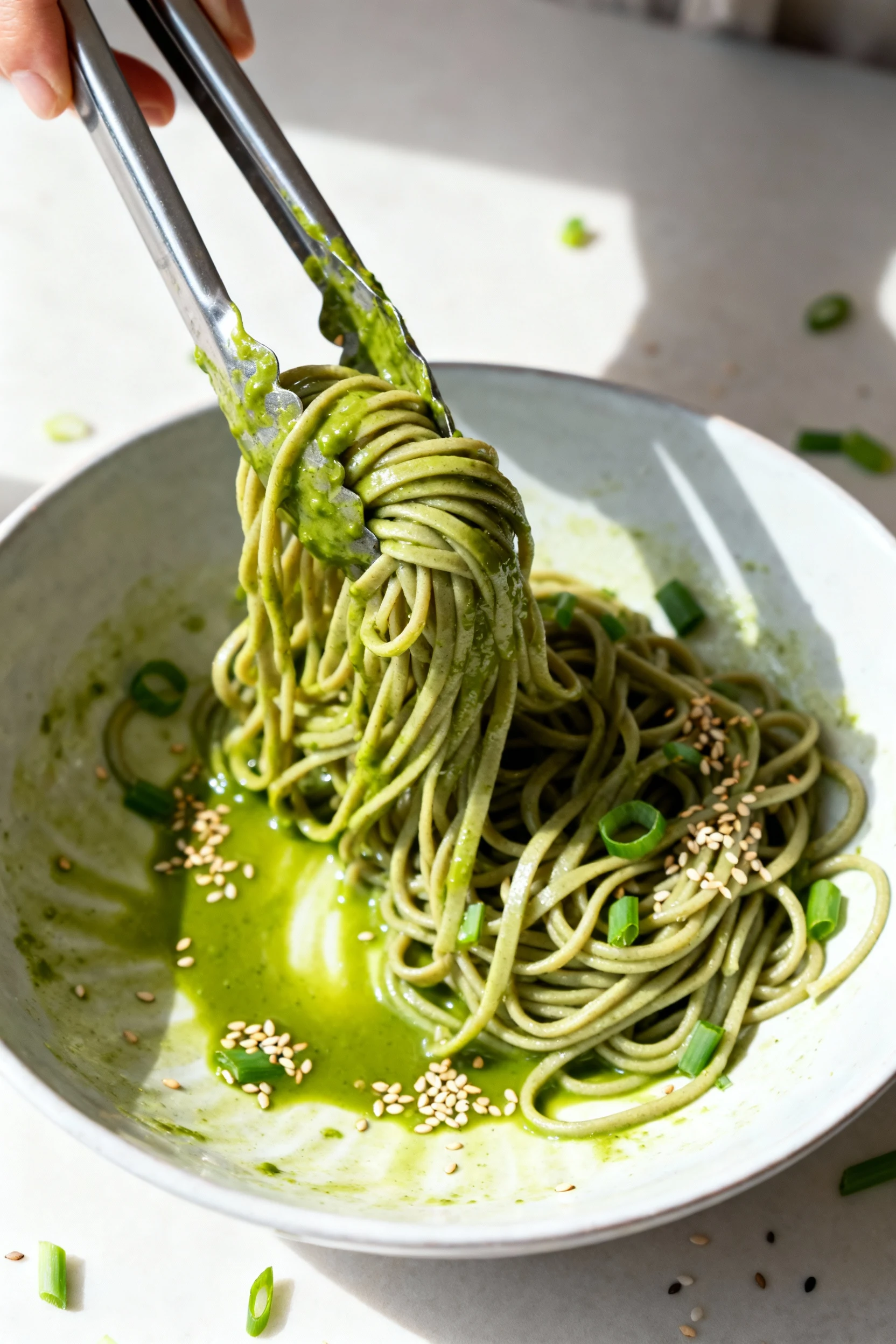
- Savory soba. Cook soba per package directions; rinse under cold water and drain well. Whisk sesame oil, soy sauce, rice vinegar, concentrate, and honey/mirin. Toss noodles with the sauce. Finish with scallions, sesame, and chili. Add protein if you like. Serve at room temp or chilled.
- Taste and tweak. Matcha varies by brand. If your blend runs bitter, add a touch more sweetener or milk. If it’s too mild, increase concentrate by 1–2 tbsp in your drink or dish.
How to Store
Matcha concentrate: Keep in a sealed jar in the fridge for 3–4 days. Whisk or shake before using; it naturally settles. For longer storage, freeze in ice cube trays and pop cubes into smoothies or lattes.
Overnight oats: Store in the fridge for up to 3 days. If it thickens too much, loosen with a splash of milk.
No-churn ice cream: Freeze tightly covered for 1–2 months. To serve, let it sit at room temp for 5–10 minutes so it scoops clean.
Soba noodles: Best the day you make them. If storing, refrigerate for up to 24 hours and toss with a bit more sesame oil before serving.
Latte and smoothie: Make fresh for best texture. If you must, refrigerate for up to 24 hours and shake to recombine.
Why This is Good for You
Clean, steady energy. Matcha pairs caffeine with L-theanine, which can support calm focus and smooth alertness. You get the “on” switch without the drama.
Antioxidant-rich. Matcha contains catechins like EGCG, which support overall wellness. Cooking with it lets you enjoy those benefits in more than just a mug.
Flexible macros. You control the milk, sweetener, and add-ins. Use protein-rich Greek yogurt, fiber-packed chia, or lower-sugar options when you want a lighter profile.
Small dose, big punch. In this concentrate, roughly 1 tbsp equals ~0.5 g matcha. A latte with 4 tbsp concentrate delivers about 2 g matcha—a practical daily amount for most people. FYI: sensitivity varies, so start modest and see how you feel.
Avoid These Mistakes
- Using boiling water. It scorches the tea and amplifies bitterness. Stick to 170–175°F (75–80°C).
- Skipping the sieve. Clumps won’t magically vanish. Sift for smooth texture and even flavor.
- Buying dull, old matcha. If it’s olive-brown and tastes like hay, hard pass. Look for a vivid spring green and a sweet, grassy aroma.
- Over-sweetening the base. Keep the concentrate flexible. Sweeten each drink or dish to taste instead.
- Storing with light and air. Matcha hates oxygen and UV. Seal tightly, store in a cool, dark spot or the fridge.
- Metallic off-flavor. Some metal whisks or bowls can taste tinny. Use a ceramic or glass bowl when you can.
- Weak ratios. If your latte tastes like green milk, increase concentrate by 1–2 tbsp. If it’s too intense, add milk or ice.
- Warm cream for ice cream. You’ll never get volume. Chill your cream and bowl for billowy peaks.
Alternatives
- Milk swaps: Oat for creamy sweetness, almond for light and nutty, soy for extra protein, coconut for tropical dessert vibes.
- Sweeteners: Maple syrup, agave, coconut sugar, or simple syrup. For low-carb, try allulose or monk fruit (adjust to taste).
- Flavor add-ins: A drop of almond extract for marzipan notes, a pinch of cinnamon, or fresh mint muddled into iced lattes. Citrus zest (yuzu, lemon) brightens smoothies.
- Protein boosters: Add unflavored or vanilla protein to smoothies or oats; whisk collagen into hot lattes.
- Vegan ice cream: Whip full-fat coconut cream and fold into sweetened condensed coconut milk with concentrate. Same method, dairy-free win.
- Noodle swaps: Rice noodles, whole-wheat spaghetti, or zoodles for a lighter bowl. Gluten-free? Use 100% buckwheat soba or rice noodles.
- Lower caffeine: Use half the concentrate or split with more milk. There’s no true decaf matcha, but you can moderate your dose.
FAQ
What grade of matcha should I use?
Ceremonial-grade is best for drinking (lattes, straight whisked matcha) thanks to its smooth, sweet flavor. Culinary-grade works well in smoothies, oats, and ice cream where other ingredients support it. If you can only buy one, pick a high-quality culinary grade for cooking and upgrade to ceremonial for sipping when possible.
How do I prevent clumps without a bamboo whisk?
Sift the powder first, then use a small regular whisk or a milk frother. Whisk in quick zigzags until frothy. You can also shake the concentrate in a jar with a tight lid for 15–20 seconds—fast and effective.
Can I make the concentrate unsweetened?
Yes. Keep it plain for maximum flexibility, then sweeten per recipe or taste. If your matcha tastes bitter, add just a pinch of salt to the concentrate; it softens harsh notes without more sugar.
How much caffeine is in this?
Roughly 2 g of matcha (about what you get in a latte with 4 tbsp concentrate) delivers around 50–70 mg caffeine, depending on the brand. Your mileage may vary—start with less if you’re sensitive.
Can I serve matcha hot and cold with this method?
Absolutely. The concentrate is stable in the fridge for a few days. Use it cold for iced lattes and smoothies, or warm your milk for hot lattes. Just avoid boiling liquids; heat dampens matcha’s delicate flavors.
What if my matcha tastes grassy or bitter?
Likely culprits: water too hot, matcha too old, or low-quality powder. Fix with cooler water, a fresher brand, and a tiny pinch of salt or extra milk. A touch of vanilla also rounds edges without masking the tea.
Can I bake with the concentrate?
Yes, especially in pancakes, quick breads, or muffins. Replace a portion of liquid with the concentrate and reduce sugar slightly if your concentrate is sweetened. For vibrant color in baking, use a higher-quality powder and don’t overbake.
Is matcha safe during pregnancy?
Matcha contains caffeine. Many guidelines suggest limiting caffeine during pregnancy, so discuss your intake with your healthcare provider. As a rough guide, keep portions small and track total daily caffeine from all sources.
Why add a pinch of salt to sweet recipes?
Salt enhances sweetness and emphasizes matcha’s umami, so desserts taste deeper and less one-note. You won’t perceive “salty” ice cream; you’ll just get a rounder, more balanced flavor.
In Conclusion
Make one silky matcha concentrate and unlock a week of easy wins: an actually-good latte, a smoothie with brains and brawn, oats that feel like dessert, ice cream with a clean green glow, and savory noodles that keep things interesting. Simple method, big versatility—and you steer the sweetness, dairy, and caffeine. Stock a jar in the fridge, whisk when you pour, and keep a few cubes in the freezer for fast upgrades. Your routines just went from “meh” to “matcha-level.”
Printable Recipe Card
Want just the essential recipe details without scrolling through the article? Get our printable recipe card with just the ingredients and instructions.