Leftover Recipes That Turn Fridge Scraps Into Power Meals
Turn fridge scraps into fast, budget-friendly dinners with a flexible 15-minute skillet that eliminates waste and tastes chef-level.
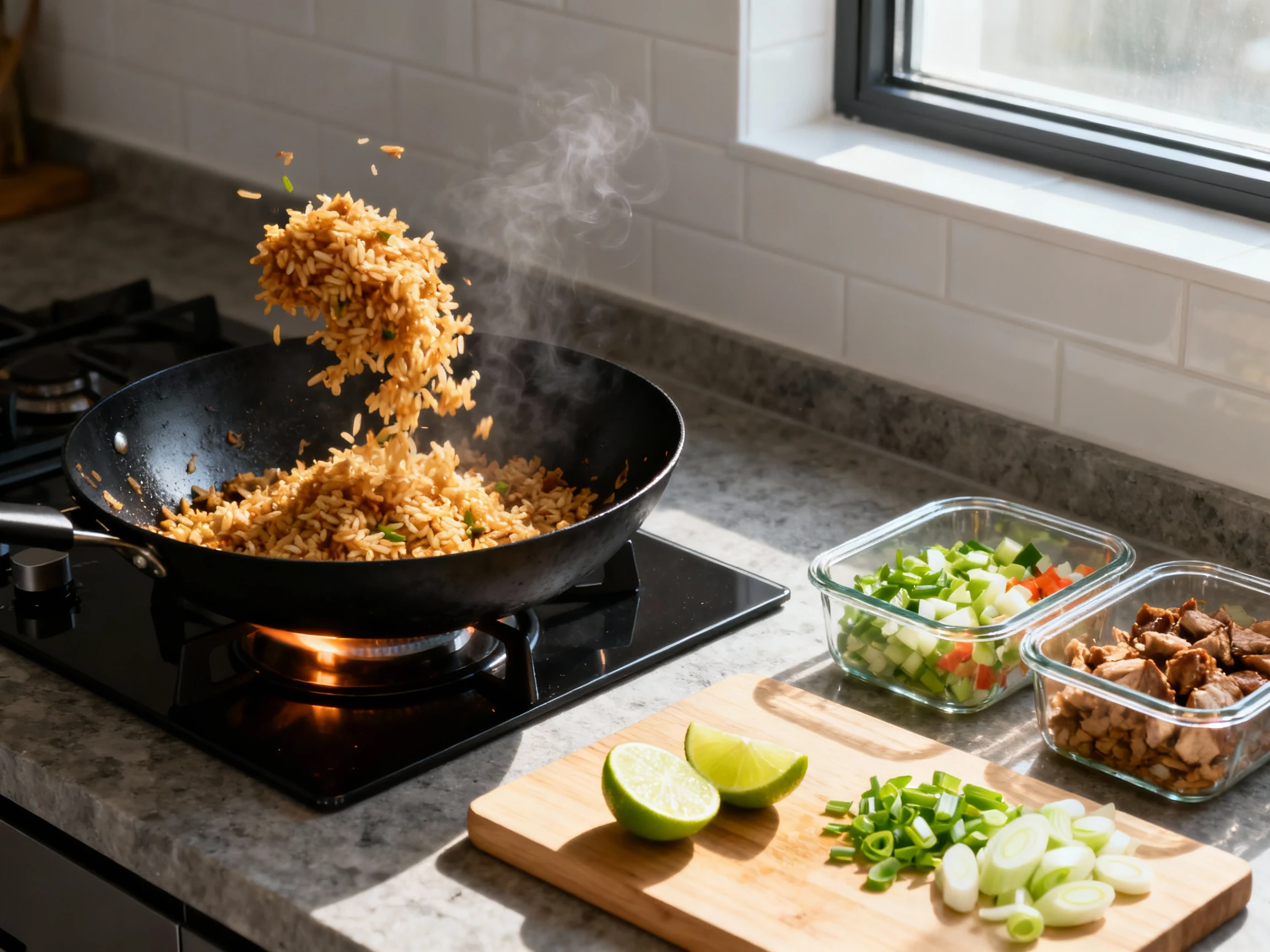
You bought the veggies. You cooked the protein. Now the fridge looks like a crowded thrift store shelf of half-used stuff. Perfect. Because the easiest way to cook like a pro is to leverage what you already have. This 15-minute skillet turns odds and ends into something bold, hot, and wildly satisfying—no complicated steps, no fancy gear. FYI, you’ll feel a tiny spark of smug joy when the “nothing” in your crisper becomes dinner everyone inhales.
Why This Recipe Works
This is a “base blueprint” you can use any night: hot pan, fast aromatics, quick protein, rice or grains, sauce, finish. That sequence turns randomness into order—and flavor. You get flexibility without sacrificing structure, so the dish tastes intentional, not like a pantry accident. It’s the tactical upgrade for your weeknight routine.
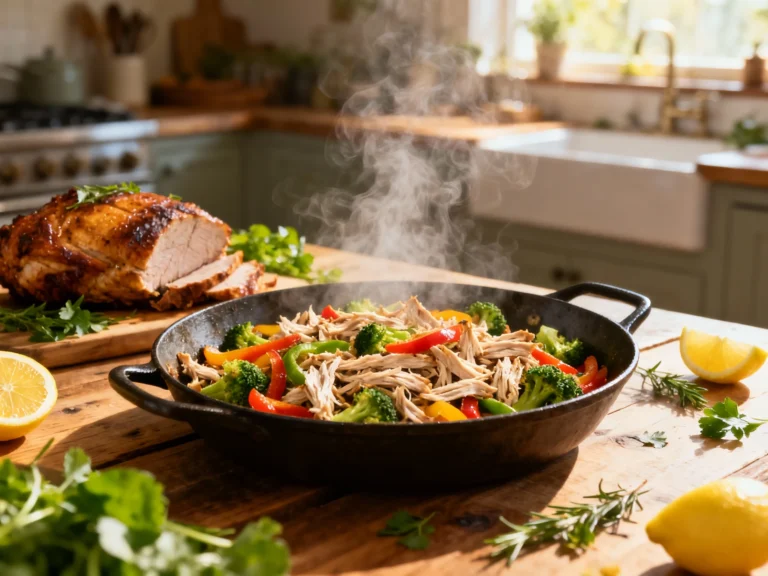
Leftovers cook fast because they’re already done; you’re just re-crisping and re-seasoning them. High heat adds char and texture, which makes yesterday’s chicken feel like something you’d get from a takeout spot. Cold, day-old rice (or cooked grains) stays separate and gets that irresistible, slightly chewy bite. Freshly cooked rice? It clumps. We don’t do clumps.
The sauce is minimal but punchy, built from pantry staples you likely own: soy sauce for salt, a hint of acid, and an optional sweet or umami booster. Small cuts = fast cooking, which means dinner in less time than scrolling a single social feed. The garnish gives contrast—herbs, scallions, sesame, citrus—so every bite lands with crunch, aroma, and pop.
Because you’re mixing proteins and veggies, this dish becomes nutritionally balanced without overthinking it. Protein + fiber + complex carbs = steady energy. It’s designed for zero waste, which frankly feels good and saves money. Also, it’s fun to turn random bits into something that tastes better than the original.
What Goes Into This Recipe – Ingredients
- 3 cups cold, cooked rice (day-old is best) or cooked grains like quinoa, farro, or barley
- 1–2 cups leftover cooked protein (chicken, pork, beef, shrimp, tofu, tempeh), chopped small
- 2 cups mixed leftover vegetables (bell peppers, broccoli, peas, carrots, corn, greens), diced
- 2 large eggs (optional but excellent for richness and extra protein)
- 1 cup sliced onion, shallot, or scallions
- 2 cloves garlic, minced
- 1 teaspoon fresh ginger, grated (optional but recommended)
- 2 tablespoons soy sauce (or tamari for gluten-free)
- 1 tablespoon oyster sauce or hoisin (optional for deeper umami)
- 1 teaspoon sesame oil
- 2 tablespoons neutral oil (canola, avocado, grapeseed)
- 1 teaspoon rice vinegar or a squeeze of lime
- 1 teaspoon chili paste or sriracha (optional, to taste)
- Salt and black pepper, to taste
- Garnishes: chopped scallions, cilantro, sesame seeds, lime or lemon wedges
Let’s Get Cooking – Instructions
- Prep quickly: chop leftovers into small, bite-size pieces. Cold rice? Break it up with your hands so there are no big clumps.
- Heat a large skillet or wok over medium-high until hot. Add 1 tablespoon neutral oil.
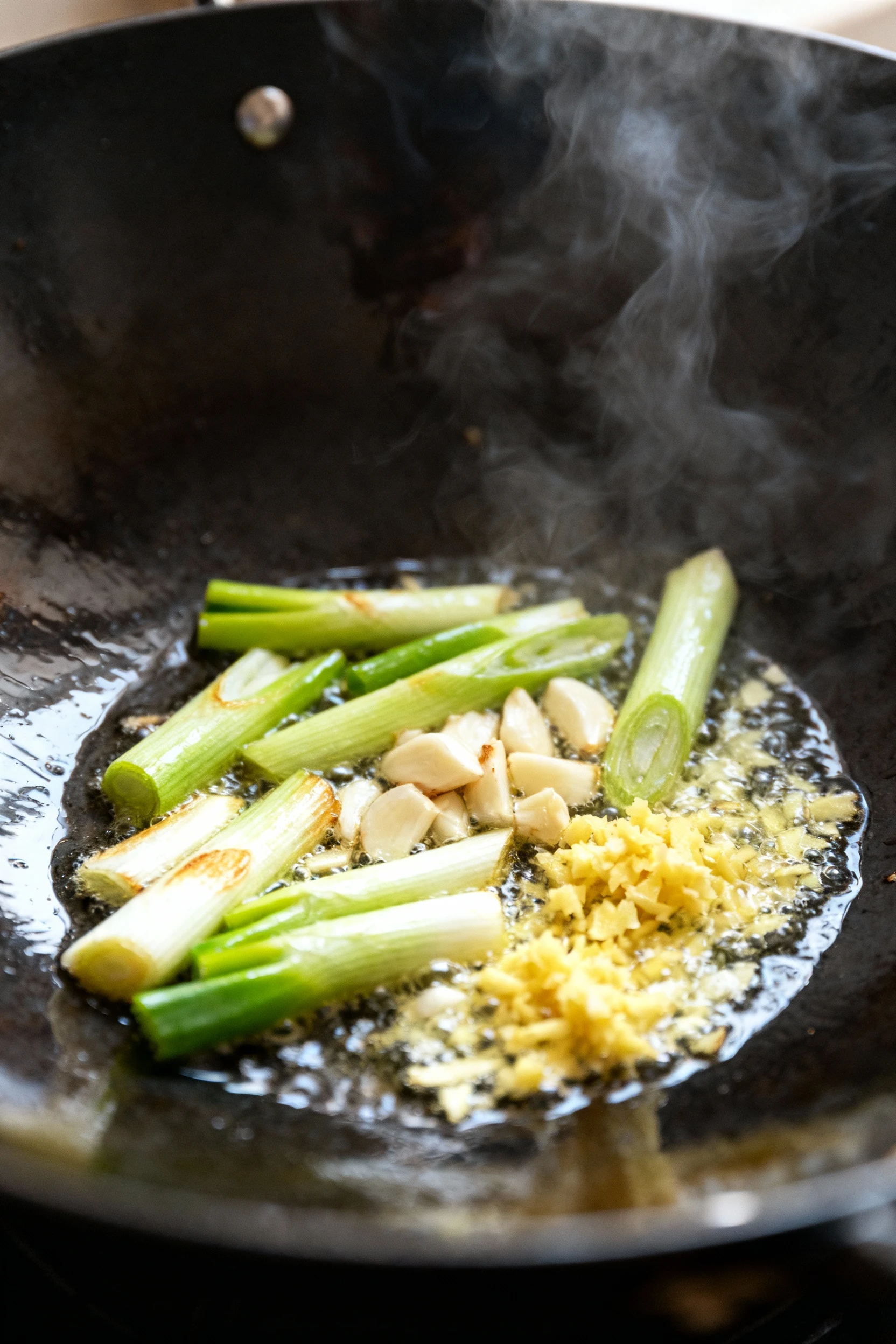
- Sauté aromatics: add onion or scallions; cook 1–2 minutes until lightly browned. Add garlic and ginger; stir for 30 seconds until fragrant.
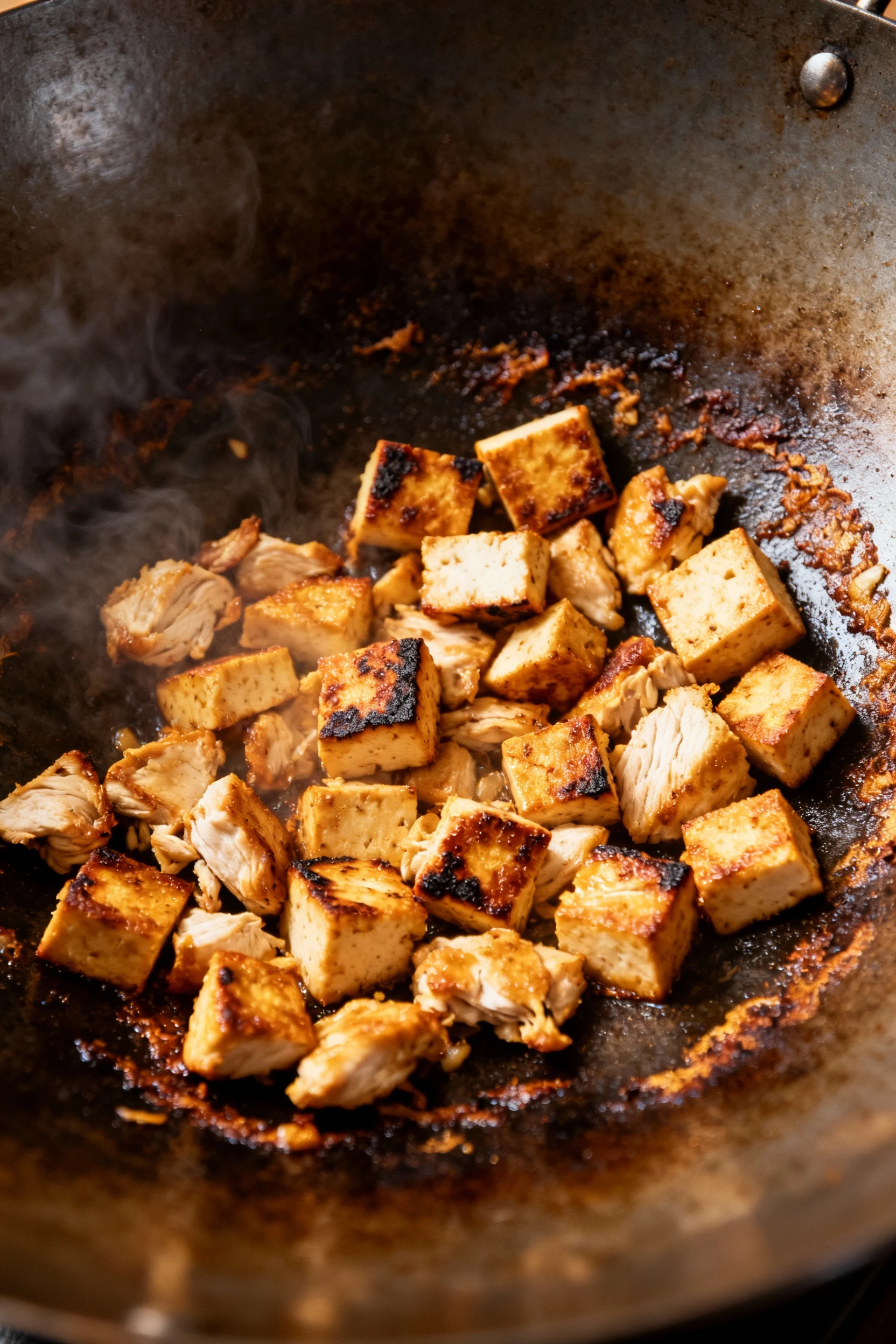
- Push aromatics to the side. Add proteins with a pinch of salt and pepper; sear 2–3 minutes to re-crisp and warm through.
- Add veggies. If they’re raw, cook 2–4 minutes until tender-crisp. If already cooked, give them 1–2 minutes to heat and char slightly.
- Optional egg move: push everything to the edges, add 1 teaspoon oil in the center, crack in eggs. Scramble until just set, then fold into the mix.
- Add rice or cooked grains. Drizzle remaining 1 tablespoon oil. Stir-fry 2–3 minutes, letting some grains kiss the pan for light browning.
- Season: pour in soy sauce, oyster/hoisin if using, and a few drops of sesame oil. Toss and taste. Need brightness? Add rice vinegar or a squeeze of lime.
- Add heat with chili paste or sriracha if you like. Adjust salt and pepper. Don’t over-sauce; the goal is savory, not soggy.
- Finish: cut the heat. Shower with scallions, cilantro, sesame seeds. Serve hot with citrus on the side for a final zip.
- Victory lap: if your rice looks glossy and the veggies still have bite, you nailed it. If not, keep the pan dry and cook 30–60 seconds more.
How to Store
- Fridge: Cool completely, then store in an airtight container for up to 4 days.
- Freezer: Portion into freezer-safe bags or containers; freeze up to 2 months. Flatten bags for faster thawing.
- Reheat: Skillet over medium heat with a splash of water or oil, 3–5 minutes. Microwave in 60–90 second bursts, stirring in between.
- Refresh: Add a squeeze of lime and a sprinkle of scallions after reheating to bring back brightness.
Benefits of This Recipe
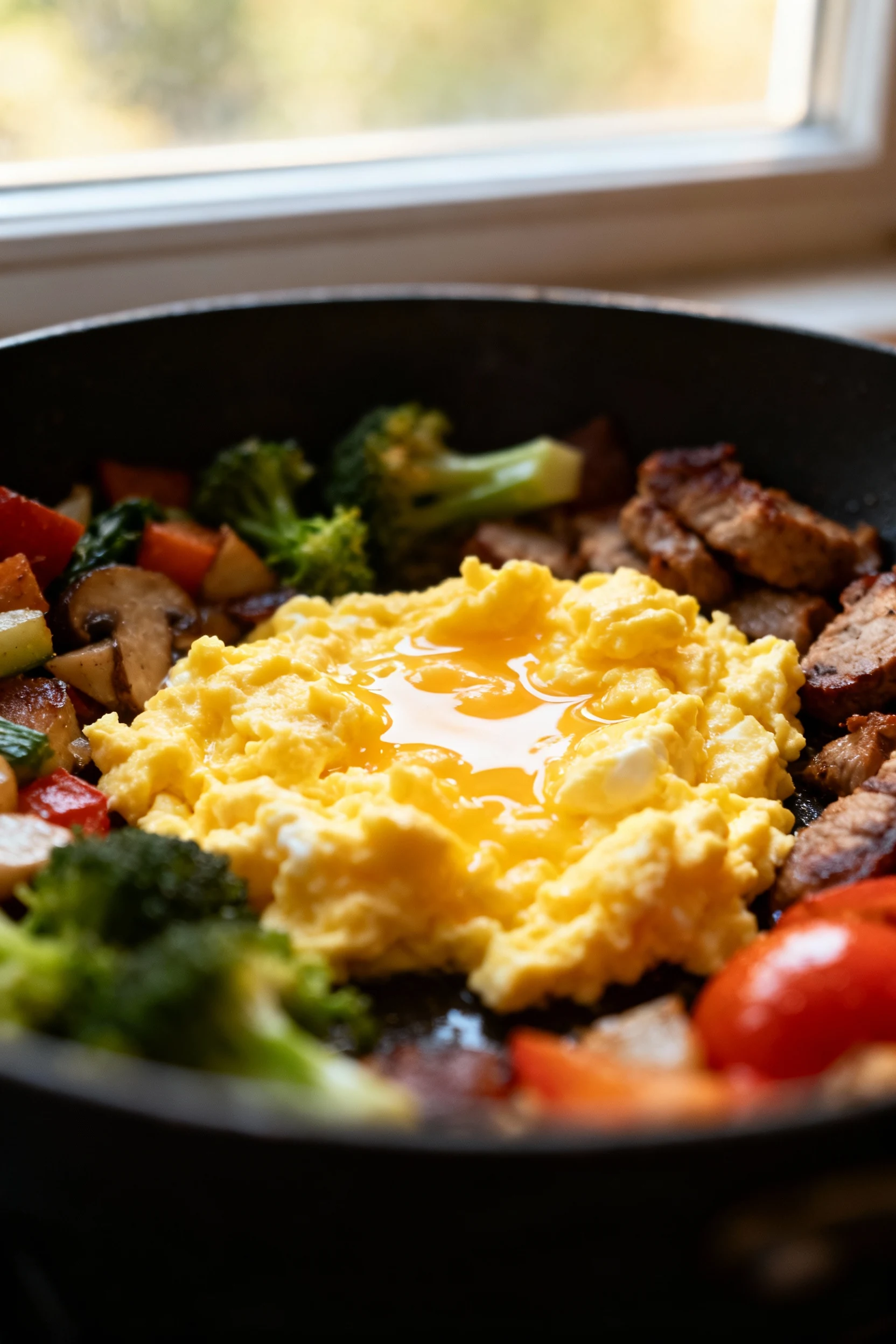
- Zero-waste strategy: You actually use the half pepper and lonely chicken thigh.
- Speed: 15 minutes, start to finish. Faster than delivery at rush hour.
- Budget-friendly: You already paid for the ingredients; now they earn interest.
- Flexible and inclusive: Works with meat, seafood, tofu, vegetarian, or vegan setups.
- Nutritionally balanced: Protein + veggies + grains equals steady energy, minus the food coma.
- Skill-building: Teaches heat control, knife work, and sauce balancing—the fundamentals.
- Scalable: Double it for crowds; halve it for solo dinners. The method adapts.
Avoid These Mistakes
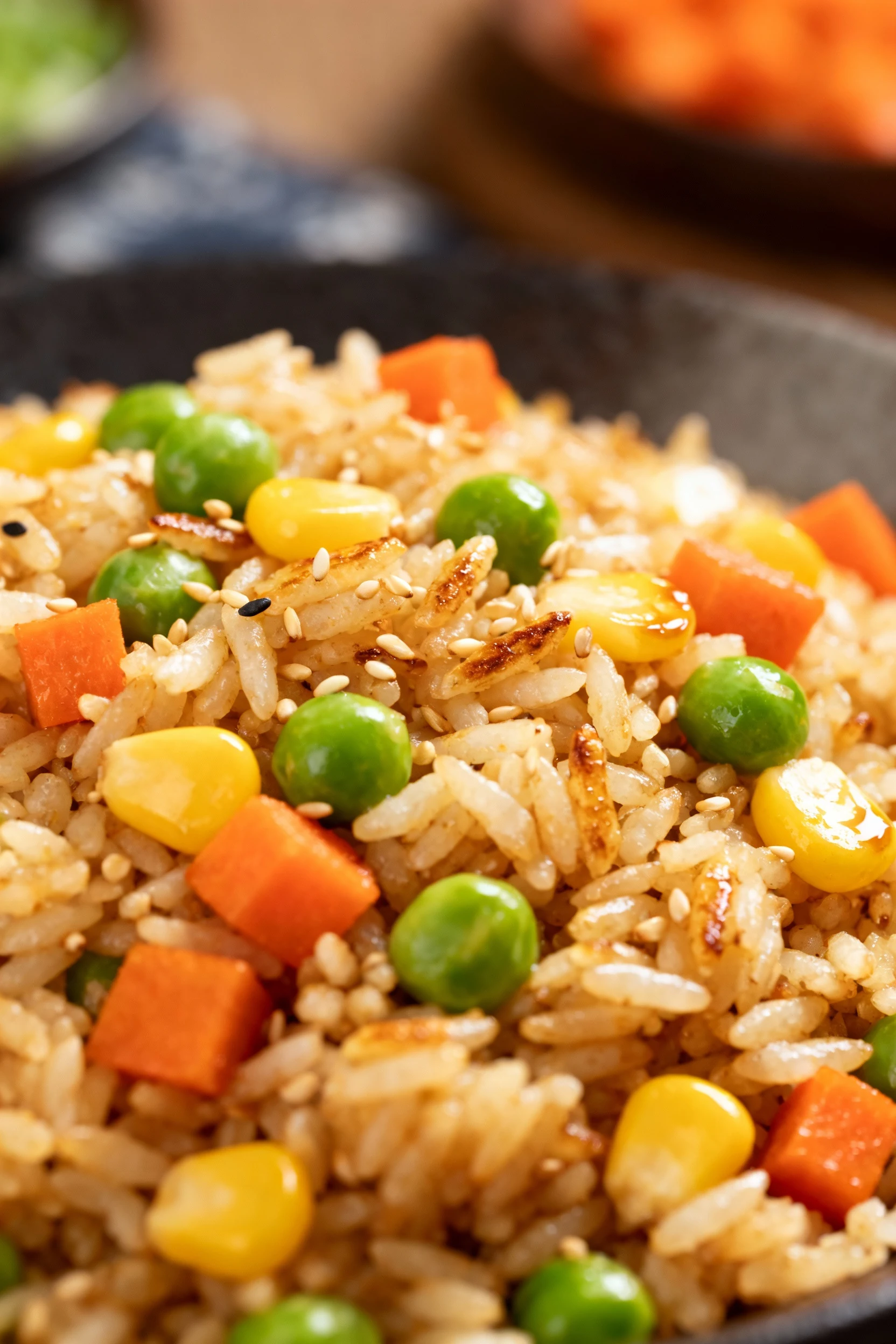
- Using hot, fresh rice: It clumps and goes mushy. Use cold or chill it on a sheet pan 30 minutes.
- Overcrowding the pan: Steam kills crisp. Work in batches if needed.
- Drowning in sauce: More is not better. Aim for glossy, not soupy.
- Skipping high heat: You want light char and quick cook time. Medium heat = meh.
- Ignoring acid and garnish: A splash of vinegar or citrus and fresh herbs wake up the entire dish.
- Uneven cuts: Big chunks cook slow; small, consistent pieces mean everything finishes together.
Alternatives
- Fridge-Cleanout Frittata: Whisk 6–8 eggs, fold in chopped leftovers, cheese, and herbs. Bake at 375°F for 12–18 minutes until set.
- Leftover Quesadilla: Layer protein and veggies with cheese in tortillas; toast in a skillet until golden. Serve with salsa and lime.
- Soup Upgrade: Simmer stock with aromatics; add chopped leftovers and noodles or rice. Finish with chili oil and scallions.
- Pasta Toss: Sauté garlic, olive oil, and leftovers; add cooked pasta, a splash of pasta water, and Parm. Lemon zest for the win.
- Grain Bowl: Warm grains, top with seasoned leftovers, crunchy veg, pickles, and a yogurt-tahini or miso dressing.
- Sheet-Pan Nachos: Chips, cheese, chopped leftovers, pickled jalapeños. Broil, then finish with crema and cilantro.
FAQ
What if I don’t have rice on hand?
Use any cooked grain: quinoa, farro, barley, or even small pasta like orzo. The method stays the same—high heat, quick toss, tight sauce. If you’re starting from raw grains, cook them earlier in the day and chill to dry out.
Can I use raw vegetables instead of leftovers?
Absolutely. Slice thin and cook them first for 2–4 minutes until tender-crisp. Hard veggies (carrots, broccoli) need a bit longer; leafy greens need 30–60 seconds at the end. Keep the pan hot and avoid overcrowding so they char, not steam.
How do I avoid soggy results?
Use cold rice or grains, high heat, and a big pan. Go light on sauce and cook in batches if your pan is small. Also, pat your proteins dry before adding so they sear instead of stew.
What can I use if I’m out of soy sauce?
Tamari works great (and is gluten-free). Coconut aminos add sweetness; fish sauce brings deep umami (use sparingly). Worst case: salt + a splash of Worcestershire + a little acid is a decent stand-in.
Is this good for meal prep?
Yes. Cook a big batch, portion into containers, and store with citrus and herbs separately. Reheat and add garnishes right before eating for freshness. IMO, it’s one of the best reheat-friendly meals.
How do I make this gluten-free?
Use tamari instead of soy sauce and check labels on oyster or hoisin sauces. The rest—rice, veggies, proteins—are typically gluten-free. If you swap grains, stick to rice, quinoa, or certified gluten-free options.
Can I make it vegetarian or vegan?
Easy. Use tofu or tempeh, skip the egg, and rely on umami boosters like mushroom, miso, or a splash of vegan oyster sauce. The structure stays identical; just adjust seasoning to taste.
My Take
This skillet is the cheat code for weeknights—fast, flexible, and shockingly good. You get restaurant-level satisfaction using what you already own, which feels almost unfair. Keep the heat high, the cuts small, and the sauce tight. Your fridge clutter becomes your best meal of the week, and yes, you’ll smugly love it.
Printable Recipe Card
Want just the essential recipe details without scrolling through the article? Get our printable recipe card with just the ingredients and instructions.