Korean Food Recipes Easy: 20-minute Weeknight Flavor Bombs
Fast, craveable Korean dishes for busy nights—minimal prep, max taste. One pan, basic pantry staples, and big bold flavors.
You want dinner in under 20 minutes without the “meh” factor. Here’s the play: a crave-worthy Korean classic you can cook with pantry basics and a single hot pan. No fancy knife work, no culinary Olympics—just bold flavor, crispy bits, and a silky egg on top for the win. Spend less than takeout, eat better than takeout, and still have time to scroll your feed. Sound like cheating? Good.
The Secret Behind This Recipe
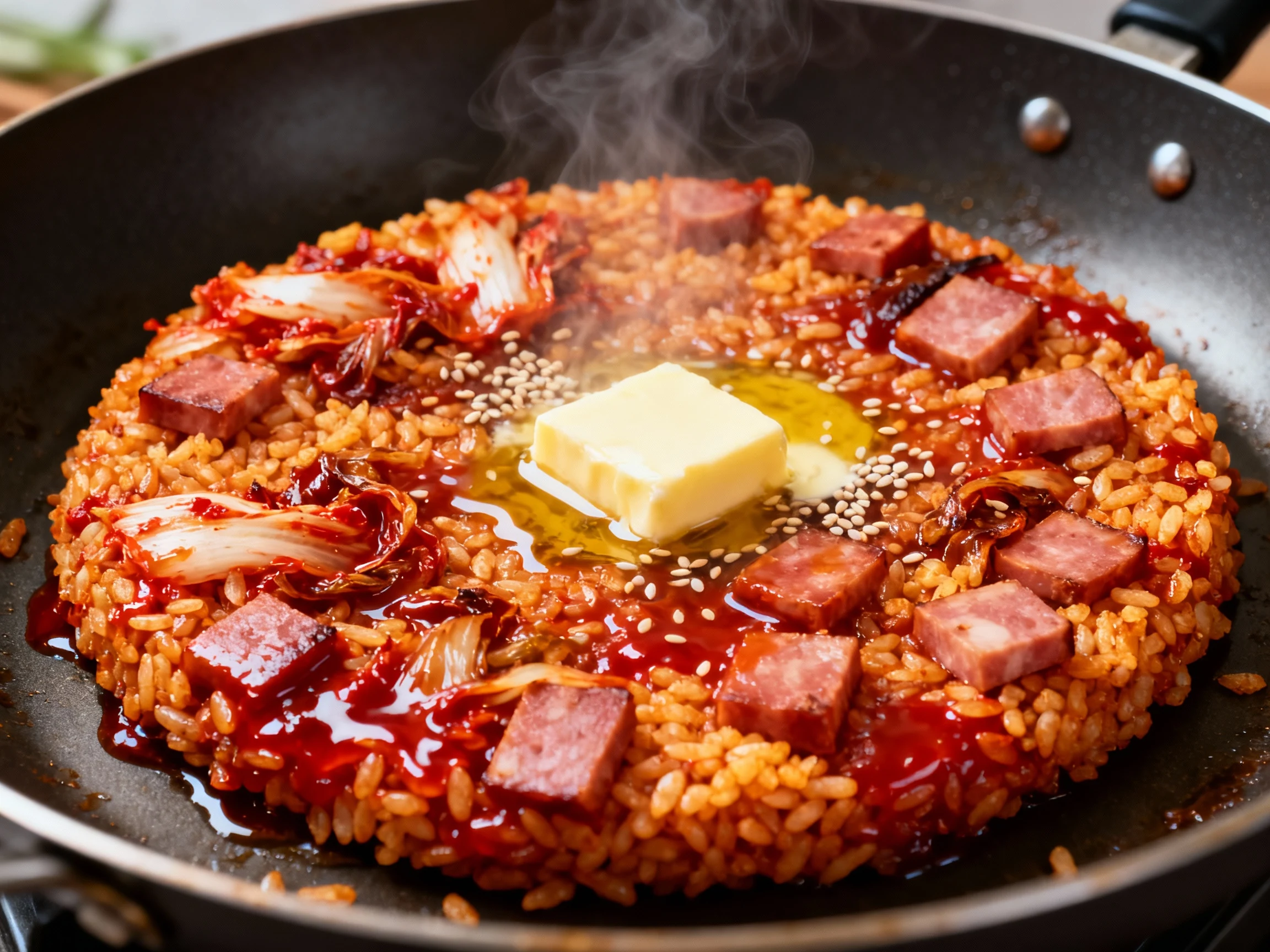
This is kimchi fried rice, the weeknight hero that turns leftovers into greatness. The three secrets: day-old rice for perfect texture, kimchi juice for instant tangy heat, and a small spoon of gochujang to add deep, sticky umami. Finish with a pat of butter and a drizzle of toasted sesame oil—that combo transforms good into “where has this been all my life?”
FYI: you don’t need a wok. A big skillet and high heat do the job. And yes, pressing the rice to crisp on the bottom for 30–60 seconds at a time gives you those coveted golden crunchy bits.
Shopping List – Ingredients
- 3 cups day-old cooked rice (short-grain preferred; cold and clump-free)
- 1 cup well-fermented napa kimchi, chopped, plus 2–3 tbsp kimchi juice
- 2 tbsp gochujang (Korean chili paste; adjust to taste)
- 1 tbsp soy sauce (or tamari for gluten-free)
- 1 tsp sugar (optional, balances acidity)
- 2 tbsp neutral oil (canola, avocado, or vegetable)
- 1 tbsp butter (optional, but highly recommended)
- 3 garlic cloves, minced
- 2 scallions, thinly sliced (whites and greens divided)
- 1/2 cup protein of choice (diced spam, ham, rotisserie chicken, or cubed firm tofu)
- 1 tsp toasted sesame oil
- 1 tsp toasted sesame seeds
- 2 eggs, fried sunny-side-up for topping (optional)
- Seaweed (gim/nori) strips for garnish (optional)
- Black pepper and a pinch of salt, to taste
- Optional heat booster: 1 tsp gochugaru (Korean red pepper flakes)
Let’s Get Cooking – Instructions
- Prep the rice. If it’s clumpy, break it apart with clean hands or a fork. Cold, day-old rice is key—no mush allowed.
- Heat the pan. Set a large skillet over medium-high. Add 2 tbsp oil. When it shimmers, toss in your 1/2 cup protein. Cook 2–3 minutes until edges crisp.
- Build aromatics. Add scallion whites and minced garlic. Stir-fry 30–60 seconds until fragrant. Don’t burn the garlic—bitter is not the goal.
- Kimchi time. Add chopped kimchi. Stir-fry 2–3 minutes until it caramelizes lightly and the pan smells amazing. If using gochugaru, add now.
- Sauce it. Stir in 2 tbsp gochujang, 1 tbsp soy sauce, 1 tsp sugar (if using), and 2–3 tbsp kimchi juice. Let it bubble for 30 seconds. The color should be deep red and glossy.
- Rice goes in. Add rice. Toss aggressively to coat every grain. Break up clumps, then press the rice into the pan for 30–60 seconds to get crispy bits. Repeat 2–3 times, stirring in between, for 3–4 minutes total.
- Finish like a pro. Cut the heat to medium-low. Add 1 tbsp butter, 1 tsp toasted sesame oil, and scallion greens. Toss and taste. Season with pepper and a pinch of salt if needed.
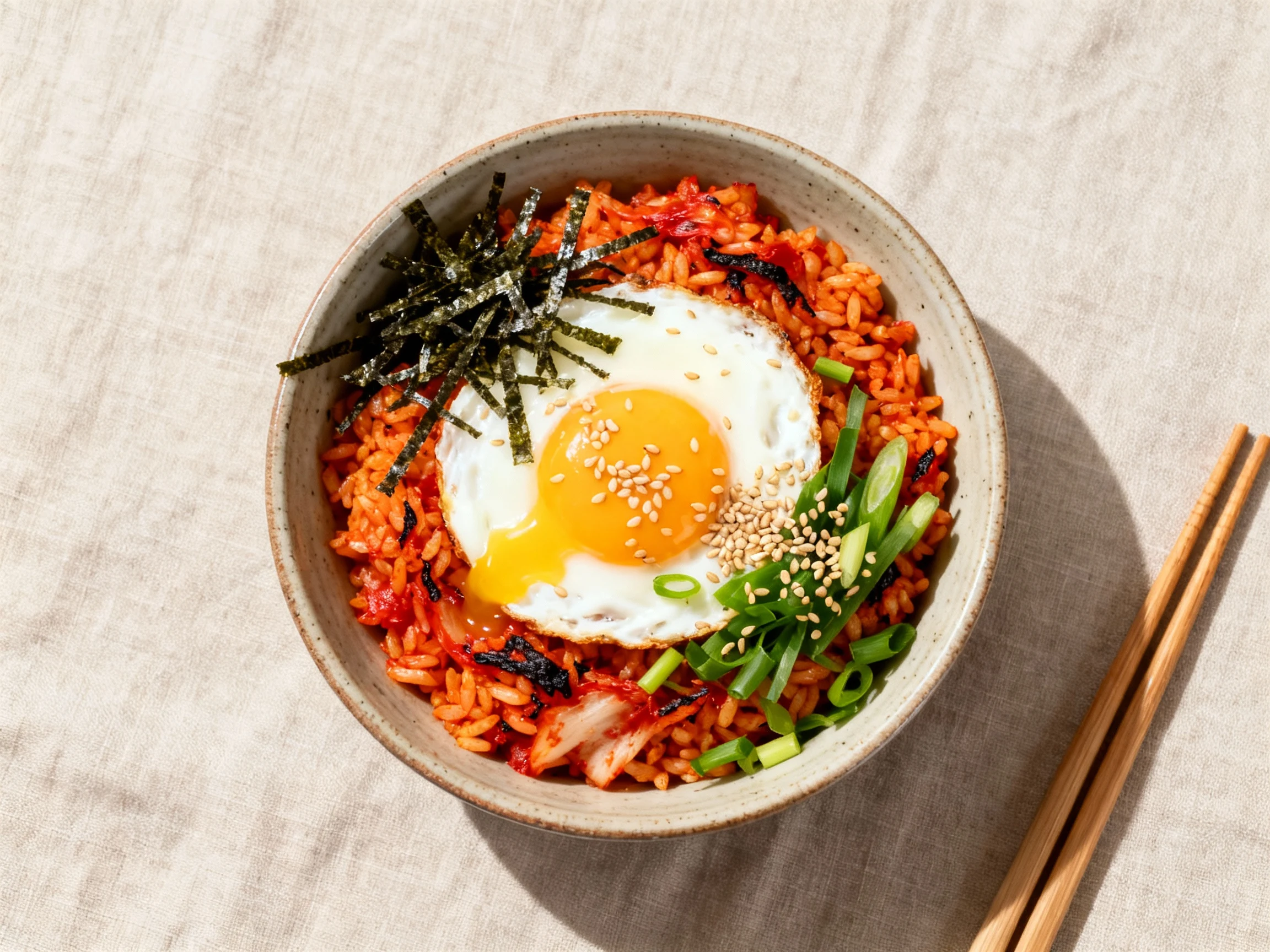
- Optional eggs. In a separate small pan, fry the eggs sunny-side-up. Top each bowl with an egg, sesame seeds, and seaweed strips. Serve hot and brag generously.
How to Store
Cool leftovers fast—spread the rice in a thin layer for 5 minutes, then transfer to an airtight container. Refrigerate up to 4 days.
For meal prep champs, freeze individual portions for 2–3 months. Thaw overnight in the fridge.
Reheat in a hot skillet with a splash of water or oil for 3–4 minutes. Microwave works in a pinch: 60–90 seconds, stir, then another 30–60 seconds. Keep eggs separate and cook fresh.
Benefits of This Recipe
- Fast: 20 minutes, one pan, zero drama.
- Budget-friendly: Uses leftovers and pantry staples.
- High flavor, low effort: Gochujang + kimchi = bold, tangy, umami-packed.
- Flexible: Swap proteins, dial the heat, go vegetarian or gluten-free easily.
- Meal-prep approved: Stores and reheats like a champ.
- Gut-friendly: Kimchi brings probiotics and craveable crunch.
Avoid These Mistakes
- Using fresh, hot rice: It turns gummy. Day-old rice or chilled rice wins every time.
- Skipping kimchi juice: That brine is liquid gold. It amplifies flavor and color.
- Low heat: You need sizzle to get smoky, crispy bits. Turn it up.
- Overcrowding the pan: Too much rice kills browning. Use a big skillet or cook in batches.
- Over-saucing: More sauce ≠ better. Keep it balanced so the rice stays fluffy.
- Burning garlic: Add it after the protein, cook briefly, and keep it moving.
Recipe Variations
- Spam Classic: Use 3/4 cup diced spam and crisp it well. It’s iconic for a reason.
- Tofu & Veg: Swap in 3/4 cup firm tofu and add 1 cup finely chopped veggies (carrot, zucchini, mushrooms). Stir-fry veggies before kimchi.
- Shrimp Upgrade: Add 8–10 medium shrimp, sauté until just pink. A squeeze of lime at the end? Chef’s kiss.
- Brown Rice: Use day-old short-grain brown rice. Add an extra 1 tbsp kimchi juice to keep it saucy.
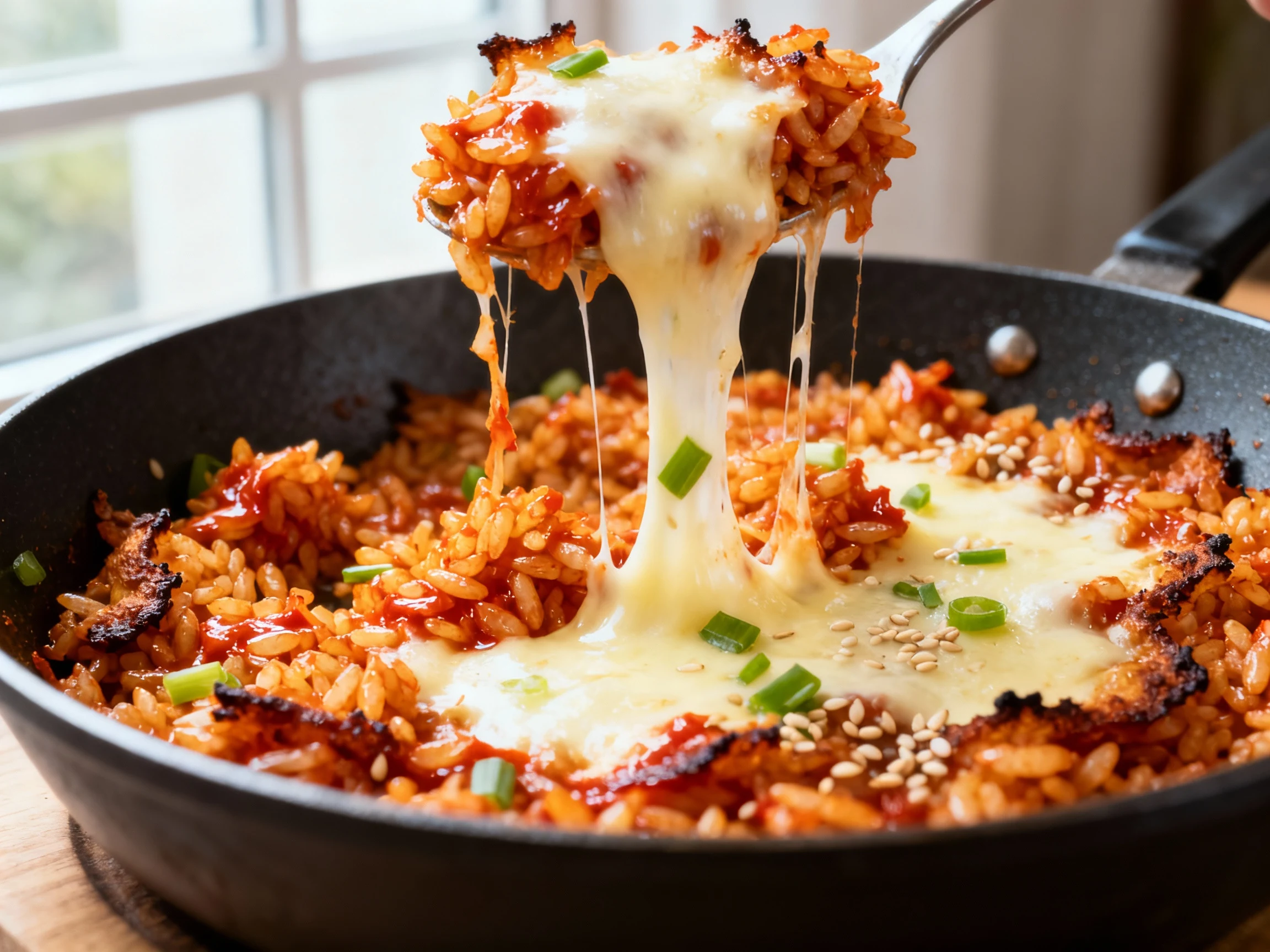
- Cheesy Melt: Sprinkle 1/2 cup shredded mozzarella over the fried rice. Cover 1 minute to melt. Yes, it slaps.
- Vegan: Skip butter and eggs. Use 1 tsp extra sesame oil and tofu for protein.
- Gluten-Free: Use tamari and a gluten-free gochujang brand (check labels).
FAQ
Can I use freshly cooked rice?
You can, but it won’t be as good. Spread fresh rice on a tray and chill for 30–60 minutes to dry it out. Day-old rice gives the best texture, IMO.
How spicy is this?
Medium, with customizable heat. Reduce gochujang to 1 tbsp for mild, or add gochugaru for a kick. You control the fire level.
What if I don’t have gochujang?
Mix 1 tbsp miso (or peanut butter) with 1–2 tsp sriracha and a dash of soy. Not the same, but close enough for a Tuesday night win.
Can I make this vegetarian or vegan?
Absolutely. Use tofu or mushrooms for protein, skip butter and eggs, and keep everything else the same. Big flavor, zero compromises.
Best pan to use?
A large nonstick skillet or a carbon-steel wok. The key is space and heat—you want enough room for the rice to crisp rather than steam.
How do I avoid soggy rice?
Use cold, day-old rice, high heat, and don’t overcrowd the pan. Press the rice down to crisp, then stir. Repeat for those golden bits.
How do I make it gluten-free?
Swap soy sauce for tamari and choose a gluten-free gochujang brand. Check the kimchi label too—some add wheat-based ingredients.
My Take
This is the rare weeknight move that feels like cheating but tastes like victory. It’s bold, fast, and ridiculously flexible—everything you want when the clock is laughing at you. Layer acid, heat, and umami, then add that egg and a hit of sesame for the mic drop. Make it once and it becomes your “busy night” ritual—FYI, nobody complains when dinner tastes this good.
Printable Recipe Card
Want just the essential recipe details without scrolling through the article? Get our printable recipe card with just the ingredients and instructions.