Juicer Recipes Beginners Love for Fast Flavor and Energy
Start juicing the smart way with step-by-step, 10-minute blends, budget produce, and zero guesswork—no fancy gear required.
You bought a juicer because you wanted energy, not another dusty countertop trophy. The shortcut is simple: one base formula, cheap produce, and a routine you can repeat in your sleep. No detox myths, no $12 cold-pressed nonsense—just crisp, clean juice that actually tastes good. Follow this, and you’ll go from “where do I start?” to “I got this” before your ice melts.
What Makes This Recipe So Good
- Balanced flavor on day one: Sweet apple meets hydrating cucumber, crisp celery, bright lemon, and a snap of ginger. You get fresh, not grassy.
- Beginner-proof ratio: Start with 2 parts fruit to 3 parts veggies for a crowd-pleasing blend. Adjust sweetness like a dimmer switch, not a lightbulb.
- Fast prep: You’ll wash, chop, and juice in 10 minutes. Cleanup included. Yes, really.
- Affordable: The whole recipe leans on apples, cucumbers, celery, spinach, and lemon—common, cheap, and available year-round.
- Forgiving method: Sandwich delicate greens between firmer produce for maximum yield and minimal foam. The juicer does the heavy lifting; you look like a pro.
- Easy to scale: Double the base for a household, or halve it if you’re testing the waters. You’ll keep flavor consistent.
What Goes Into This Recipe – Ingredients
Yield: About 16–18 ounces (2 small servings)
- 2 medium apples (Gala or Fuji for sweeter; Granny Smith for tangier)
- 1 large cucumber (English or Persian; leave peel on if it’s unwaxed)
- 3 celery stalks (leaves OK; adds that fresh “spa water” vibe)
- 2 packed cups baby spinach (or 1 packed cup kale, ribs removed)
- 1/2 lemon, peeled (or 1 tablespoon bottled lemon juice, no seeds)
- 1/2-inch fresh ginger (peeled if your juicer struggles; optional but recommended)
- Pinch of fine sea salt (optional; wake up flavors and minerals)
- Ice (optional, for serving)
Equipment: Any juicer (centrifugal or slow/masticating), cutting board, knife, and a tall glass or bottle.
How to Make It – Instructions

- Wash everything under cold water. Scrub cucumber and celery if waxed. Shake excess water off greens.
- Prep produce: Core apples if you prefer, or leave cores if your juicer can handle seeds. Peel the lemon (bitter pith = no thanks). Slice ginger into coins if thick.
- Cut to fit your juicer chute. Aim for chunks that slide in without force. Smaller pieces often increase yield.
- Turn on the juicer and start with a chunk of apple. It primes the system with sweet juice that carries the greens.
- Sandwich the spinach between firmer items: feed some spinach, then a stick of celery, then more spinach, then cucumber. This boosts extraction and reduces foam.
- Add lemon and ginger halfway through so their oils disperse evenly. They brighten the entire pitcher.
- Finish with apple to squeeze out lingering greens and balance any bitter notes.
- Taste and tweak: Add a pinch of salt to sharpen flavors. For more zing, squeeze in extra lemon. For more sweetness, juice another half apple.
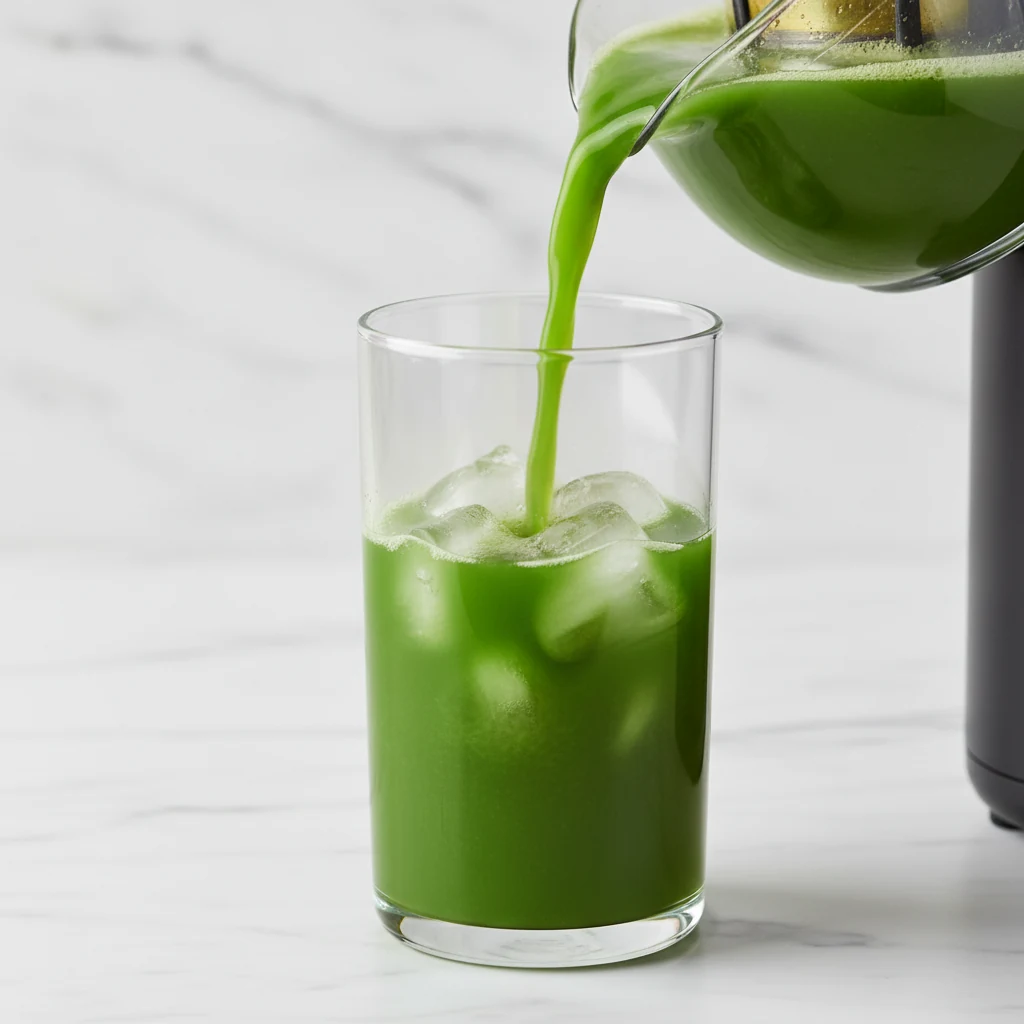
- Serve cold over ice, or chill 15 minutes in the fridge. Cold juice tastes cleaner and crisper.
- Clean the juicer immediately. Rinse parts before pulp dries. It saves you 15 minutes of scrubbing later. FYI, a quick brush beats a long soak.
Preservation Guide
Fresh juice hits peak flavor right after juicing, but you can store it well if you prep smart.
- Short-term (24–48 hours): Fill an airtight bottle to the brim to minimize oxygen. Stir in 1–2 teaspoons lemon juice to slow browning.
- Keep it cold: Store at 34–38°F (1–3°C). A colder fridge = brighter taste for longer.
- No sunlight: Light degrades color and nutrients. Opaque bottles win.
- Freeze for later: Pour leftover juice into ice cube trays. Freeze and pop into smoothies for instant flavor without waste.
- Shake before sipping: Juice separates naturally. Swirl or shake to recombine layers.
What’s Great About This
- Tastes like a win: It’s bright, clean, and balanced—more “spa menu” than “lawn clippings.” New juicers stick with success.
- Customizable sweetness: Dial fruit up or down without wrecking the base. You control sugar, not the other way around.
- Hydration plus micros: Cucumber and celery hydrate, lemon and ginger punch up aroma, greens bring color and phytonutrients.
- Low commitment, high reward: Ten minutes, one bottle, lots of flavor. The ROI on your time makes this habit stick, IMO.
- Less waste if you want: Save pulp for muffins, veggie fritters, or broth. Your compost bin can wait.
Common Mistakes to Avoid
- Overloading fruit: Four apples later, you’ve made apple juice with a spinach cameo. Keep the 2 fruit : 3 veg baseline and adjust slowly.
- Skipping acid: Lemon doesn’t just taste good—it balances sweetness and keeps color bright. Don’t leave it out.
- Juicing greens alone: Leafy greens need a carrier. Always pair with water-rich produce (cucumber, celery) for decent yield.
- Not peeling citrus: Citrus pith turns juice bitter and chalky. Peel it clean, especially for lemons.
- Ignoring your chute size: Forcing large chunks reduces yield and stresses the motor. Cut to fit; your juicer isn’t a wood chipper.
- Letting pulp dry: Dried pulp is cement. Rinse parts right after pouring your glass. Future you says thanks.
Recipe Variations
Use the base method and swap ingredients below. Keep the flow: sweet base → hydrating veg → greens → acid → spice (optional).
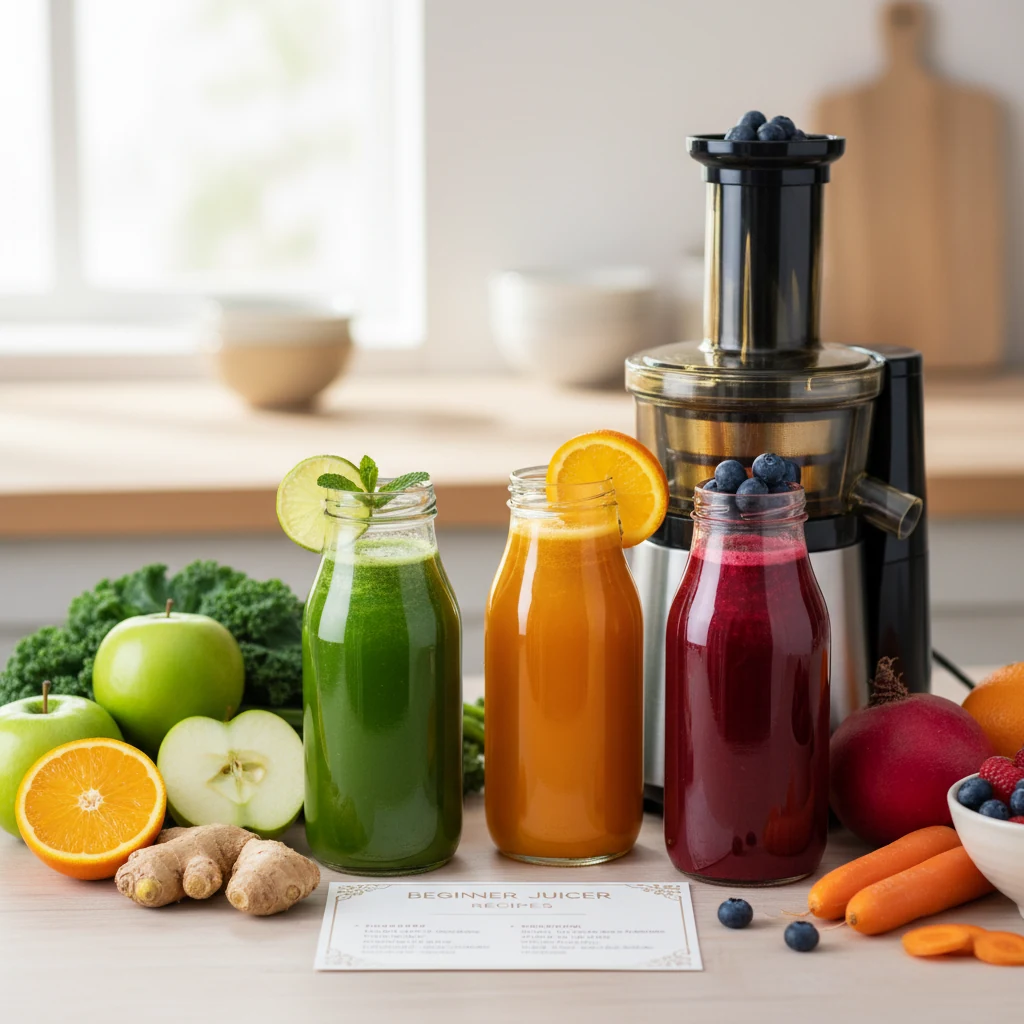
- Sweet Sunshine (Carrot-Apple): 2 apples, 3 carrots, 1 cucumber, 1 cup spinach, 1/2 lemon, 1/2-inch ginger. Carrots add body and a honeyed finish.
- Hydration Hero (Cucumber-Lime): 1 apple, 2 cucumbers, 2 celery stalks, 2 cups spinach, 1/2 lime (peeled), a few mint leaves. Crisp and spa-level refreshing.
- Zing Immunity (Citrus-Ginger): 1 orange (peeled), 1 apple, 2 celery stalks, 1 cucumber, 1 cup kale, 1/2 lemon, 3/4-inch ginger, pinch turmeric. Bright with a gentle kick.
- Low-Sugar Green (Herb-Forward): 1 green apple, 1 cucumber, 4 celery stalks, 2 cups spinach, 1/2 lemon, handful parsley. Clean, herby, and light.
- Tropical Glow: 1 cup pineapple, 1 apple, 1 cucumber, 2 celery stalks, 1 cup spinach, 1/2 lime. Sweet-tart and vacation-adjacent.
- Spicy Metabolizer: 1 apple, 1 cucumber, 3 celery stalks, 2 cups kale, 1/2 lemon, 1/2-inch ginger, small slice jalapeño (no seeds). Heat with purpose.
Pro tip: Keep total produce around 1.5–2 pounds for a yield near 16–18 ounces. Add or trim cucumber/celery to hit your favorite texture.
FAQ
Which type of juicer works best for a beginner?
Centrifugal juicers cost less and run fast, which makes them great for starting out. Masticating (slow) juicers squeeze more and reduce foam, but take longer and cost more. Use what you have now; upgrade only if you want higher yield or quieter mornings.
Can I make this without a juicer?
Yes. Blend everything with 1/4–1/2 cup cold water until smooth, then strain through a nut milk bag or fine mesh sieve. It takes a few extra minutes, but the taste is very close and still solid for beginners.
How do I keep my juice from tasting bitter?
Use a little acid (lemon or lime), and balance greens with water-rich veg (cucumber, celery) and a touch of fruit. Peel citrus, avoid too much kale stem, and finish juicing with apple to round out edges.
What can I do with the pulp?
Stir it into veggie fritters, muffins, or pancakes, or freeze it in zip-top bags for broth. Carrot and apple pulp also make great quick breads. Less waste, more flavor—win-win.
How much juice should I drink in a day?
Start with 8–12 ounces and see how you feel. Pair juice with protein or fiber at meals if you want steadier energy. You can always pour more; you can’t un-chug a 24-ounce sugar bomb.
How long does fresh juice last?
Best within a few hours. Properly stored in an airtight bottle in the coldest part of your fridge, it tastes good for 24–48 hours. Add a little lemon to keep it bright.
Do I need to peel everything?
Peel citrus and tough ginger if your juicer struggles. Skip peeling on apples, cucumbers, and celery if skins aren’t waxed or bitter. Trim anything that looks rough or tastes off.
Is cold-pressed better than centrifugal?
Cold-pressed can yield slightly more juice with less foam and oxidation. Centrifugal works faster and costs less. For most beginners, the difference won’t make or break your habit—consistency matters more than the badge on your machine.
My Take
I like simple systems that actually get used. This beginner base isn’t flashy, but it stacks tiny wins: easy prep, clean flavor, fast cleanup, and a clear ratio you can remember half-asleep. Build your habit here, then riff with the variations when you want a twist. Your juicer doesn’t need a complicated plan—just a recipe that makes you want another glass tomorrow, FYI.
Printable Recipe Card
Want just the essential recipe details without scrolling through the article? Get our printable recipe card with just the ingredients and instructions.