Juicer Pulp Recipes — Turn Leftovers Into Craveable Wins
Transform juice bar scraps into bakery-level snacks, savory bites, and freezer-friendly staples while saving money and cutting kitchen waste.
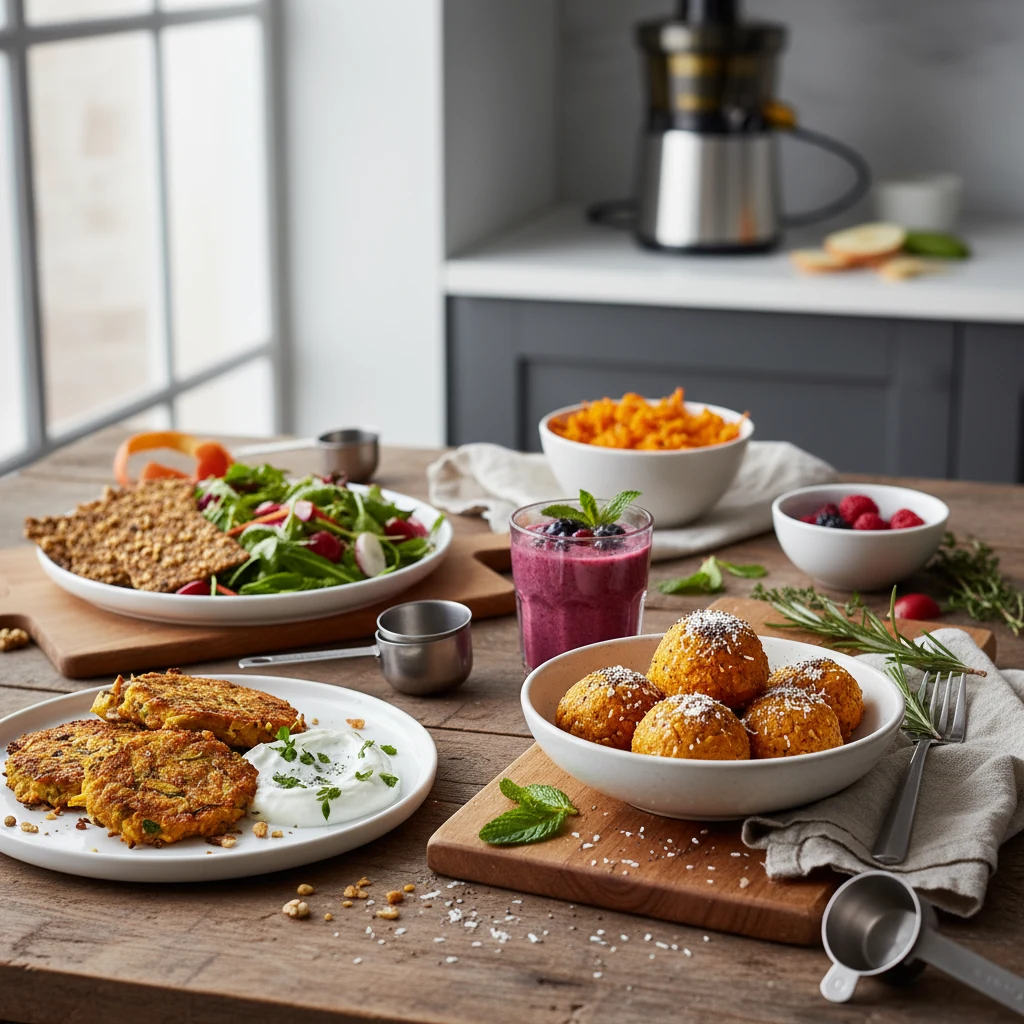
You paid for the produce, so get every last drop of value. The secret weapon sitting in your bin? That fiber-rich pulp most people throw away without thinking. With a few pantry staples and 20 minutes, you can turn “trash” into muffins, fritters, crackers, and smoothie boosters that taste like a flex. This is the kind of move that saves cash, boosts nutrition, and makes you look like a kitchen wizard. It’s practical, it’s fast, and it’s way more satisfying than watching good ingredients hit the compost.
What Makes This Special
- Zero-waste payoff: You already bought the produce; these recipes leverage the “other half” and reduce kitchen waste.
- Serious fiber boost: Pulp is loaded with insoluble fiber that supports digestion and keeps you full longer.
- Budget-friendly: Transform leftovers into snacks and meal components instead of buying packaged extras.
- Ridiculously versatile: Sweet or savory, baked or pan-seared—there’s a path for every pulp combo.
- Fast results: Most recipes use one bowl and basic tools for minimal mess and quick cleanup.
- High ROI cooking: IMO, this is one of the easiest ways to multiply the value of your juicing routine.
What Goes Into This Recipe – Ingredients
Base Pulp Prep (for any variation)
- 4 cups fresh juice pulp (mix of carrot, apple, beet, greens, etc.)
- 1 tablespoon lemon juice (to brighten and help reduce oxidation)
- 1/2 teaspoon kosher salt (for drawing out excess moisture)
- Clean kitchen towel or nut-milk bag for squeezing
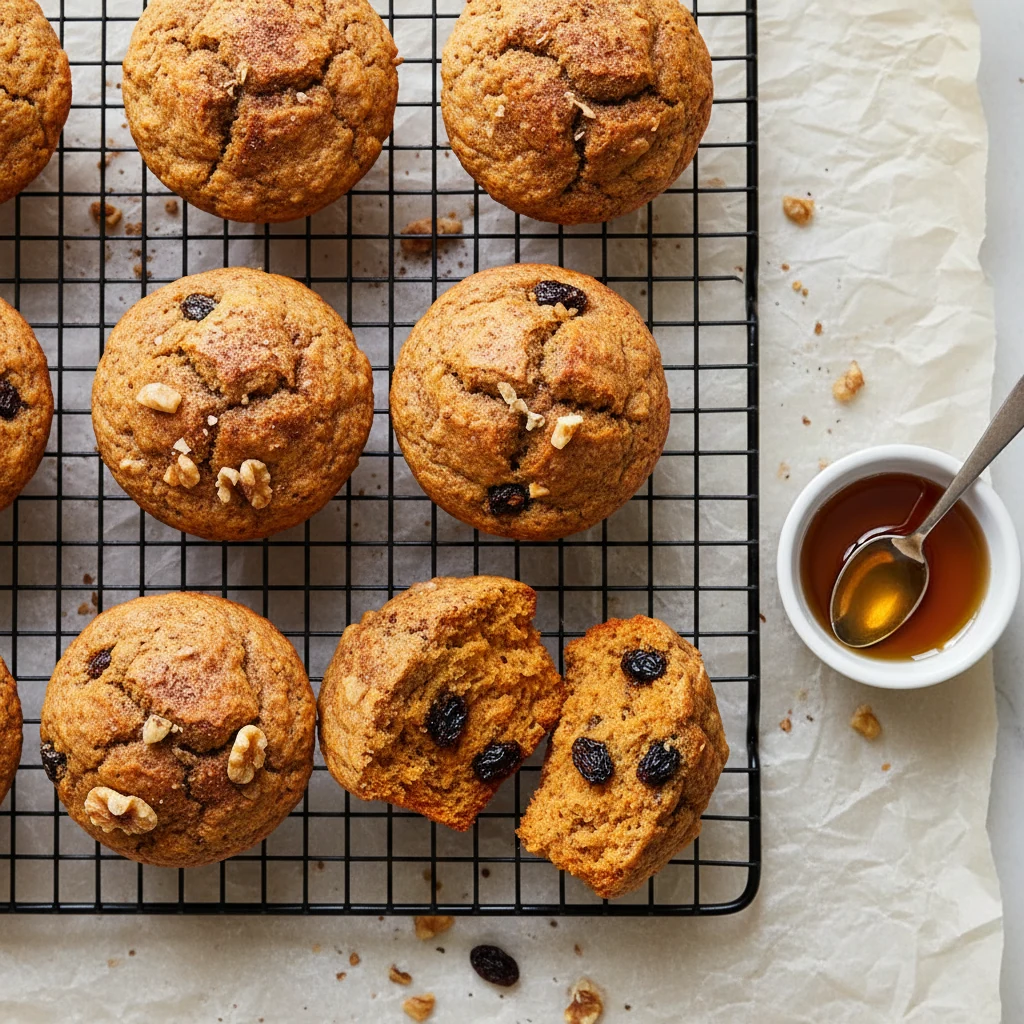
Sweet Carrot-Apple Pulp Muffins
- 2 cups carrot-apple–forward pulp (squeezed fairly dry)
- 2 large eggs (or 2 flax eggs: 2 tablespoons ground flax + 6 tablespoons water)
- 1/2 cup brown sugar or maple syrup
- 1/3 cup neutral oil or melted coconut oil
- 1 teaspoon vanilla extract
- 1 cup whole wheat flour or oat flour
- 1 teaspoon baking powder
- 1/2 teaspoon baking soda
- 1/2 teaspoon ground cinnamon
- 1/4 teaspoon ground nutmeg
- 1/2 teaspoon kosher salt
- Up to 1/2 cup add-ins: raisins, chopped walnuts, or dark chocolate chips
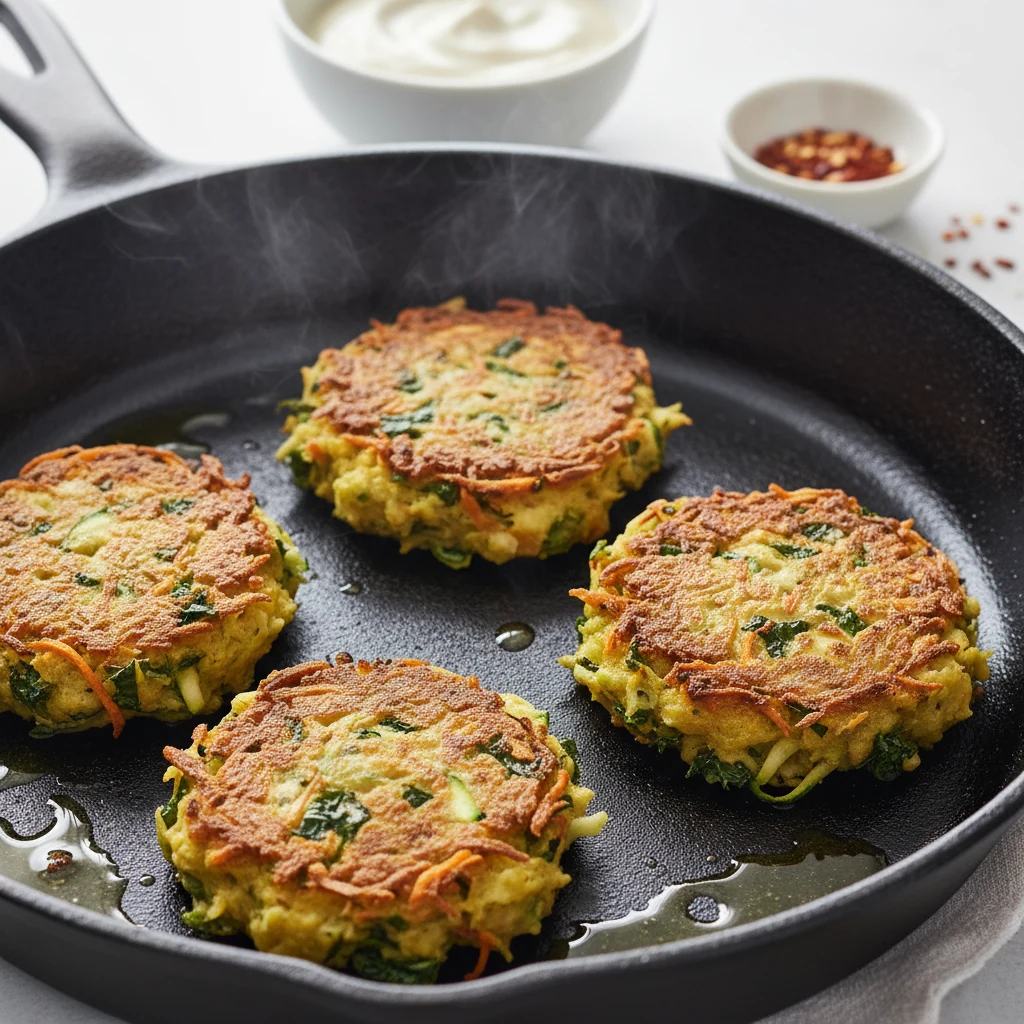
Savory Veggie Pulp Fritters
- 3 cups mixed veggie pulp (carrot, zucchini, celery, kale), well-squeezed
- 2 large eggs (or 2 flax eggs)
- 1/2 cup chickpea flour (or all-purpose flour)
- 1/4 cup grated Parmesan (optional) or 2 tablespoons nutritional yeast
- 2 green onions, thinly sliced
- 1 teaspoon garlic powder
- 1 teaspoon smoked paprika
- 1 teaspoon kosher salt
- 1/2 teaspoon black pepper
- 2–3 tablespoons olive oil (for pan-frying)
Crunchy Pulp Crackers
- 2 cups very dry pulp (carrot-beet-onion mixes work well; avoid super-wet combos)
- 1 cup ground flaxseed (flax meal)
- 1/2 cup sesame seeds or everything bagel seasoning
- 2 tablespoons olive oil
- 1 teaspoon kosher salt
- 1 teaspoon dried herbs (oregano, thyme, or Italian blend)
- 1/2–3/4 cup water (as needed to form a spreadable paste)
- Pinch of chili flakes (optional)
Freezer Smoothie Cubes
- 2 cups fruit-forward pulp (apple, pear, pineapple, carrot)
- 1 ripe banana
- 1 cup yogurt or kefir (dairy or plant-based)
- 1/2 cup water or coconut water
- 1 tablespoon honey or agave (optional)
Let’s Get Cooking – Instructions
Base Pulp Prep
- Toss your fresh pulp with the lemon juice and salt. Let it sit 5 minutes to draw out moisture.
- Transfer to a clean towel or nut-milk bag and squeeze firmly until the pulp is damp but not dripping. Dry pulp = better texture.
- Use immediately or refrigerate up to 24 hours before cooking.
Sweet Carrot-Apple Pulp Muffins
- Preheat oven to 350°F (175°C). Line a 12-cup muffin tin with liners.
- In a large bowl, whisk eggs, sugar or maple, oil, and vanilla until smooth.
- Stir in the pulp to evenly distribute. Add flour, baking powder, baking soda, spices, and salt; fold gently until just combined.
- Fold in any add-ins. Do not overmix—a few streaks of flour are fine.
- Scoop into the muffin tin, filling each cup about 3/4 full. Bake 18–22 minutes until tops spring back and a tester comes out clean.
- Cool 10 minutes in the pan, then transfer to a rack. Enjoy warm or at room temp.
Savory Veggie Pulp Fritters
- In a bowl, combine the squeezed pulp, eggs, chickpea flour, Parmesan or nutritional yeast, green onion, garlic powder, paprika, salt, and pepper.
- Mix until it forms a thick batter that holds together when pressed. If too wet, add 1–2 tablespoons more flour.
- Heat a large skillet over medium with a thin film of olive oil. Scoop 1/4-cup portions into the pan and flatten gently.
- Cook 3–4 minutes per side until golden and set. Work in batches to avoid crowding.
- Drain on a rack. Serve with yogurt-tahini, herbed sour cream, or hot sauce.
Crunchy Pulp Crackers
- Preheat oven to 300°F (150°C). Line a sheet pan with parchment.
- Stir together pulp, flax meal, sesame seeds, olive oil, salt, herbs, and chili flakes. Add water gradually until you get a thick, spreadable paste.
- Spread the mixture thinly (about 1/8 inch) on the parchment. Score into squares with a knife or pizza wheel.
- Bake 35–50 minutes, rotating halfway, until very crisp and edges are browned. If centers are still soft, turn off oven and let them dry inside 10–15 minutes.
- Cool fully before breaking apart. Crunch test: they should snap cleanly.
Freezer Smoothie Cubes
- Blend the pulp, banana, yogurt, and water until smooth. Sweeten with honey if desired.
- Pour into ice cube trays and freeze until solid, 4–6 hours.
- Pop out and store in freezer bags up to 3 months. Use 4–6 cubes per smoothie.
Preservation Guide
- Refrigerate immediately: Plain pulp is perishable. Keep it in an airtight container and use within 24 hours.
- Freeze for later: Portion squeezed pulp in 1–2 cup bags, flatten, and freeze up to 3 months. Label by date and composition.
- Dehydrate to “pulp flour”: Spread on a lined tray and dry at 135°F (57°C) until brittle, then blitz to powder. Great for sneaking into batters.
- Cooked items shelf life: Muffins and fritters keep 3–4 days refrigerated; crackers last 1–2 weeks in a sealed jar.
- Reheat smart: Fritters revive best in a skillet or air fryer. Muffins perk up in a 300°F oven for 5 minutes.
- Food safety FYI: If the pulp smells boozy/sour or looks slimy, it’s past its prime—compost it.
Nutritional Perks
- Fiber first: Pulp delivers insoluble fiber that supports digestion, regularity, and satiety.
- Micronutrient backup: While juice takes much of the vitamins, pulp retains phytochemicals and some minerals.
- Blood sugar balance: Pairing pulp with protein/fat (eggs, yogurt, seeds) blunts glucose spikes.
- Prebiotic potential: Certain vegetable fibers feed beneficial gut bacteria for a happier microbiome.
- Lower-calorie volume: High-fiber, low-calorie bulk makes generous portions that still fit your goals.
- Customizable macros: Add flax, chickpea flour, or yogurt to raise protein and healthy fats as needed.
Don’t Make These Errors
- Skipping the squeeze: Wet pulp makes soggy muffins and limp fritters. Drain it well.
- Overmixing batters: Tough muffins happen when you beat the flour into submission. Fold gently.
- Underseasoning: Pulp is mild. Salt and spices are non-negotiable for great flavor.
- Using bitter pith-heavy citrus in sweets: Too much pith = bitter bakes. Use modest amounts or stick to crackers.
- Crowding the pan: Fritters steam instead of crisp. Give them space and patience.
- Wrong pulp for the job: Kale-celery pulp in muffins? Hard pass. Match pulp profile to recipe.
- Forgetting structure: Crackers need dry pulp and binder (flax). Skip either and you’ll get crumbs.
- Ignoring freshness: Old pulp can taste off and compromise safety. When in doubt, toss it.
Mix It Up
- Mocha beet muffins: Add 2 tablespoons cocoa powder and mini chips to beet-carrot pulp.
- Lemon poppy twist: Stir zest + poppy seeds into apple-carrot muffins; swap vanilla for lemon extract.
- Herbed feta fritters: Mix in dill, parsley, and crumbled feta; serve with tzatziki.
- Spicy corn fritters: Add thawed corn kernels, cumin, and chopped jalapeño for heat and sweetness.
- Za’atar crackers: Replace herbs with za’atar and finish with a sprinkle of flaky salt.
- Gluten-free swaps: Use oat or almond flour in muffins; chickpea flour for fritters; flax + seeds for crackers.
- Vegan options: Flax eggs work in muffins and fritters; use nutritional yeast instead of Parmesan.
- Protein boost: Stir whey or plant protein into muffin batter (start with 1/4 cup) and add a splash more liquid.
- Kid-friendly minis: Bake muffin batter in mini cups; serve fritters as nuggets with ketchup or ranch.
- Breakfast meal-prep: Make a double batch of fritters and freeze; reheat in air fryer for weekday wins.
FAQ
What pulp combinations work best for baking?
For sweet bakes, carrot-apple or carrot-pear pulp is a slam dunk because it’s lightly sweet and low in bitterness. Beet can join the party in small amounts for color and earthiness. Save stronger greens (kale, celery) for savory items or crackers.
Can I use citrus pulp in these recipes?
Yes, but sparingly. Citrus pith can turn bitter, especially in muffins, so limit it to crackers or balance it with sweeter pulp and a touch of extra sugar. Zest is your friend; pith is not.
How do I get the pulp dry enough for good texture?
Toss with a bit of salt and lemon, rest 5 minutes, then squeeze in a towel or nut-milk bag until just damp. For crackers, go even drier—spread the pulp and air-dry it in the fridge 30 minutes before mixing. Dry pulp is the difference between crisp and flop.
Is raw beet pulp safe to cook with?
Absolutely. Raw beet pulp is commonly used and becomes sweet and mellow when baked or pan-fried. If the flavor is too earthy, blend it with carrot or apple pulp to soften the profile.
How long can plain pulp sit out before it’s unsafe?
Keep it under 2 hours at room temperature. After that, quality drops fast and food safety becomes questionable. Refrigerate promptly and use within 24 hours, or freeze.
Can I air fry the fritters instead of pan-frying?
Yes. Lightly oil the basket, mist the fritters, and air fry at 375°F (190°C) for 8–12 minutes, flipping halfway, until crispy and cooked through. Pan-frying still gives peak browning, but air fryers are a close second.
What if I don’t eat eggs—what’s the best binder?
Use flax eggs (1 tablespoon ground flax + 3 tablespoons water per egg) for both muffins and fritters. In fritters, chickpea flour also adds binding power, so you get a sturdy patty without eggs.
How do I estimate nutrition for pulp-based recipes?
Count the added ingredients fully and estimate pulp calories conservatively since much sugar is juiced out. As a rough guide, assign 10–20 calories per 1/4 cup pulp and adjust based on how fruit- or veg-forward it is. For precision, plug ingredients into a calculator and set pulp as a custom item.
Wrapping Up
Turning pulp into food people crave is part money move, part creativity, and part pantry magic. You’ll waste less, eat better, and pull fresh snacks from the oven in less time than a grocery run. Start with the muffins or fritters, master the squeeze, and seasoning becomes your superpower. Save your cash, save your scraps, and make something you’re proud to share.
Printable Recipe Card
Want just the essential recipe details without scrolling through the article? Get our printable recipe card with just the ingredients and instructions.