Italian Recipes for Weeknights — One Pan Epic Flavor
Zero-fuss pasta, briny pantry magic, and sauce tricks you’ll use forever. Weeknight-fast, date-night worthy, and budget friendly.
You want max flavor with minimal effort? Same. Tonight, we’re blazing through a one-pan classic that punches above its weight and makes you look like you’ve got a nonna on speed dial. No fancy gear, no culinary school flex—just smart technique and a pantry you already own. You’ll cook pasta in the sauce so every strand pulls its weight. The result: glossy, savory, restaurant-level goodness in about 25 minutes—without wrecking your sink or your budget.
What Makes This Recipe Awesome
- One pan, zero fuss: Pasta simmers right in the sauce, so cleanup stays chill.
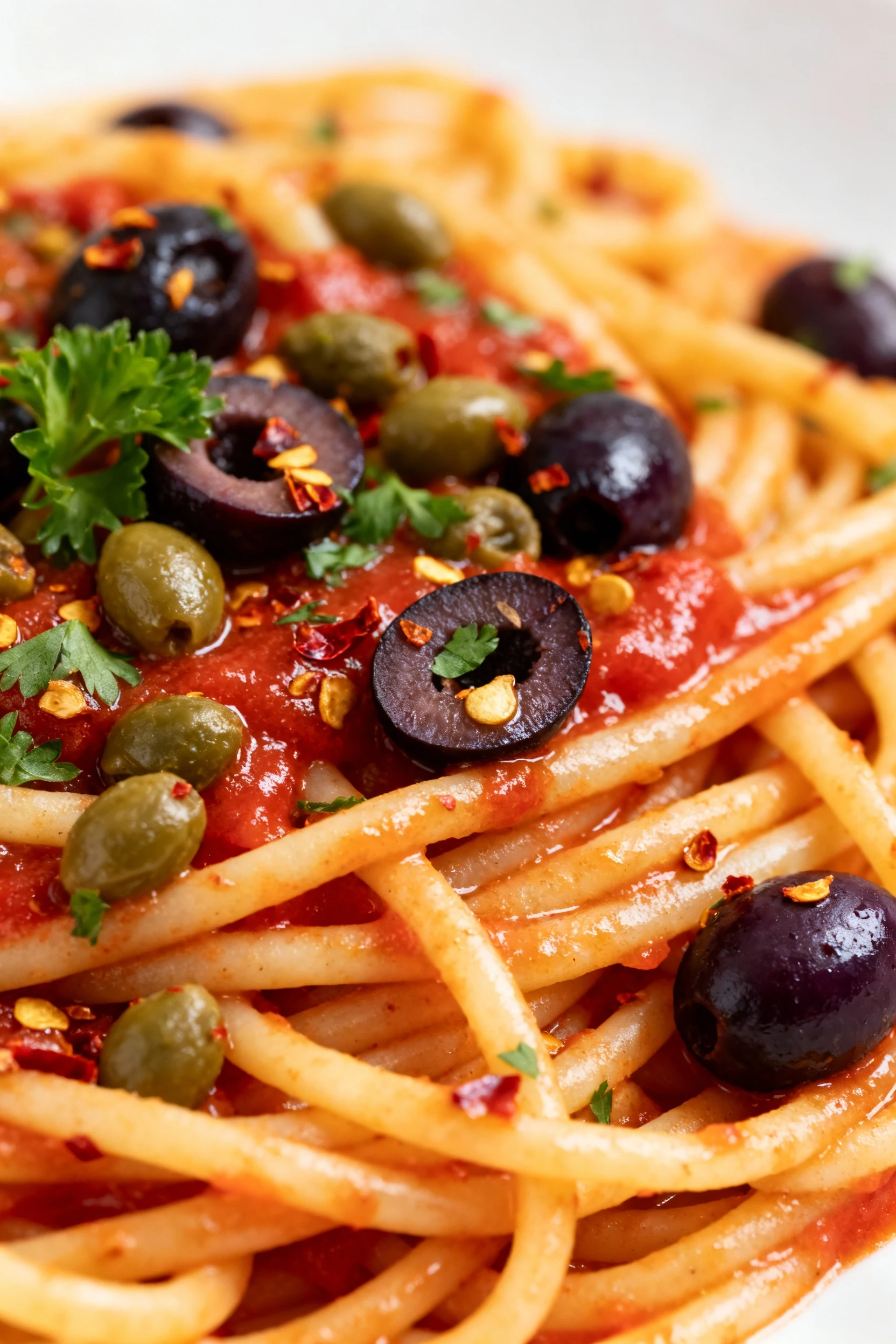
- Big flavor, tiny time: Garlic, anchovies, capers, and olives build instant depth in 20–25 minutes.
- Pants-on pantry hero: Everything here lives in your pantry. That means no emergency grocery run.
- Restaurant texture: Starchy liquid reduces and emulsifies into a silky, clingy sauce—no watery noodles allowed.
- Scales easily: Double it for friends, halve it for solo nights. Just keep liquid ratios in check.
Ingredients
Makes 4 hearty servings
- 12 oz (340 g) spaghetti (or linguine)
- 3 tbsp extra-virgin olive oil
- 4–5 garlic cloves, thinly sliced
- 4–6 anchovy fillets, chopped (or 2 tsp anchovy paste; see FAQ for swaps)
- 1/2–1 tsp crushed red pepper flakes, to taste
- 1 can (28 oz/800 g) crushed tomatoes (high quality matters)
- 3/4 cup pitted Kalamata or Castelvetrano olives, roughly chopped
- 3 tbsp capers, drained
- 3 1/2 cups (830 ml) water or low-sodium broth
- 1/2 cup flat-leaf parsley, chopped
- 1 tsp lemon zest (optional but excellent)
- 1/2 tsp sugar (optional, to balance acidity)
- Kosher salt and black pepper, to taste
- Optional finish: 2 tbsp butter for a glossy sauce
- Optional garnish: Pecorino Romano or Parmesan, grated (traditionalists skip cheese with fish; your kitchen, your rules)
The Method – Instructions
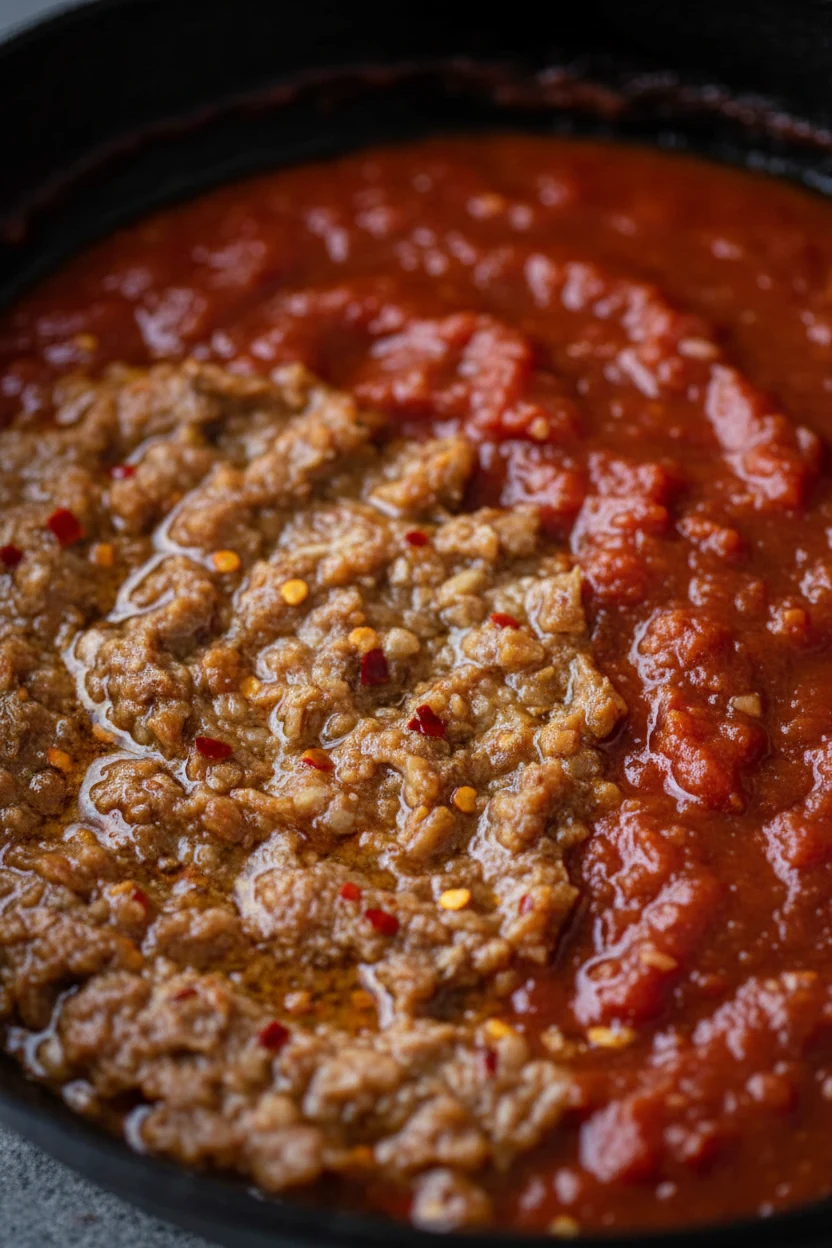
- Bloom your flavor base: Heat olive oil in a wide, deep skillet over medium. Add garlic and anchovies. Stir until the anchovies melt into the oil and the garlic turns lightly golden, about 1–2 minutes. Add red pepper flakes for a quick sizzle.
- Build the sauce: Pour in crushed tomatoes and the water or broth. Stir in olives and capers. Bring it to a lively simmer. Taste the base—if it’s very sharp, add the sugar.
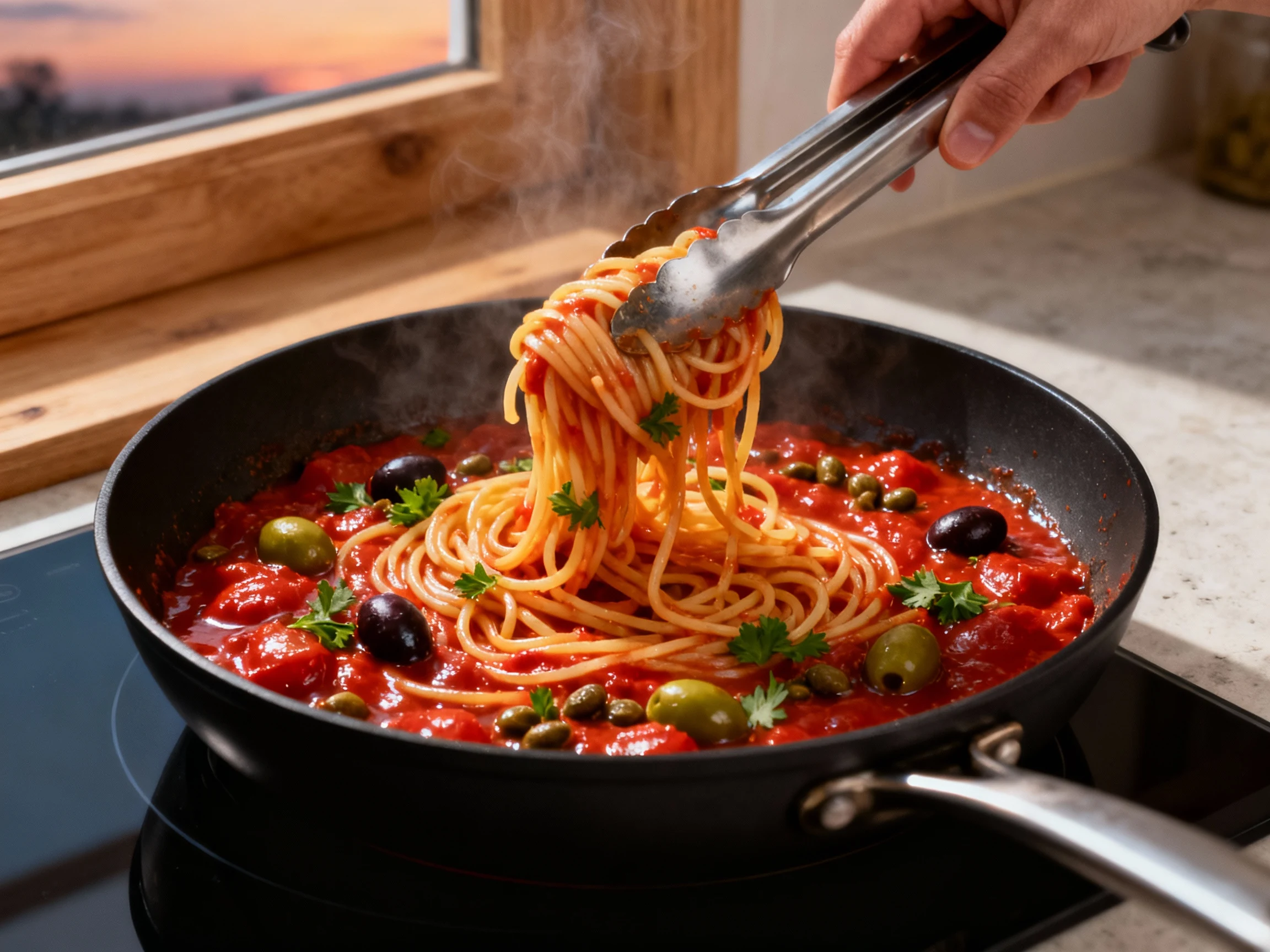
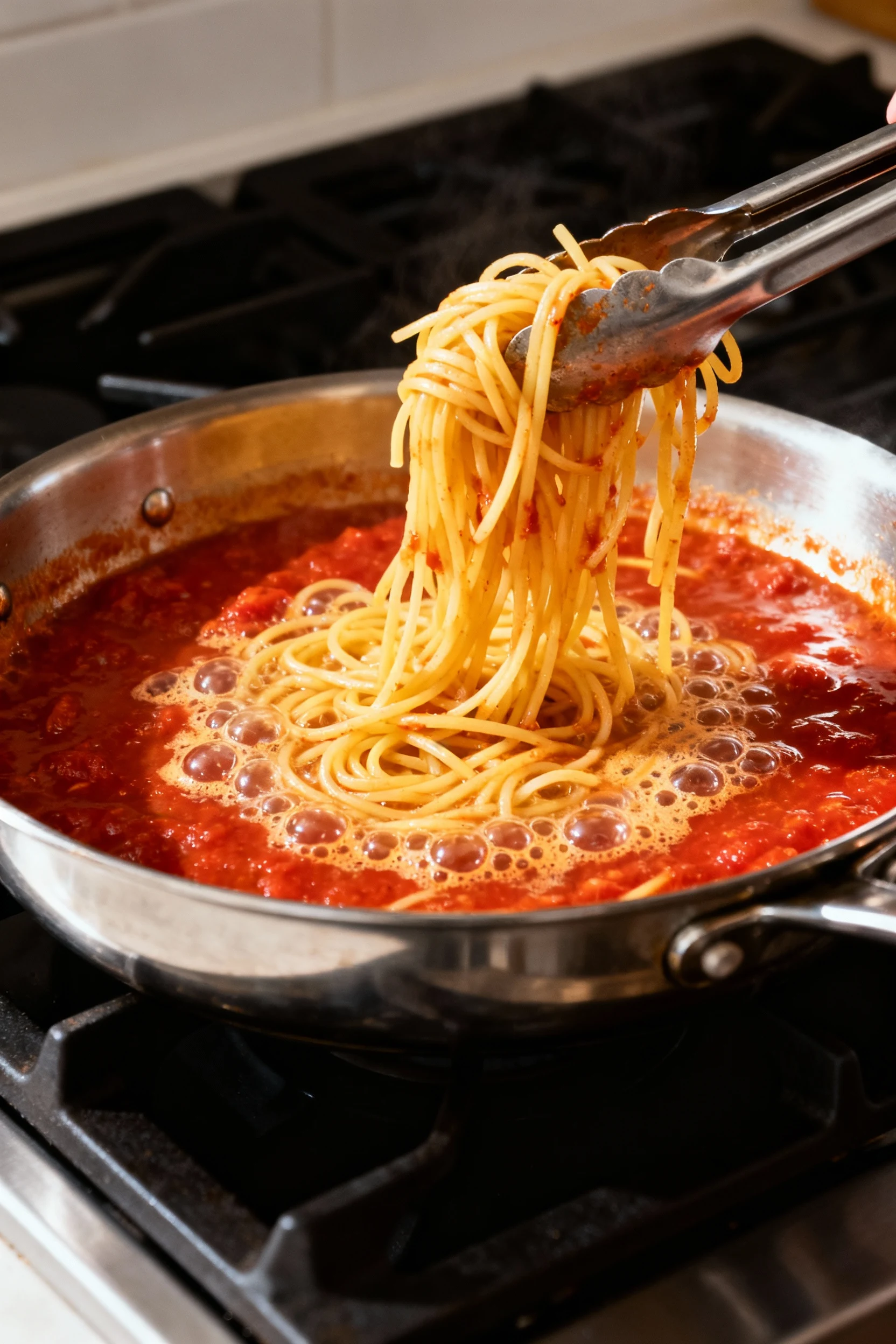
- Cook pasta directly in the sauce: Add dry spaghetti. Push and nestle it so most is submerged. Simmer uncovered, stirring often to prevent sticking. Adjust heat to maintain steady bubbles.
- Stir and reduce: Cook until the pasta is al dente and the sauce thickens and clings, about 9–12 minutes. If the pan looks dry before pasta is done, splash in more hot water, 1/4 cup at a time. Stir frequently—this unlocks that velvety, emulsified finish.
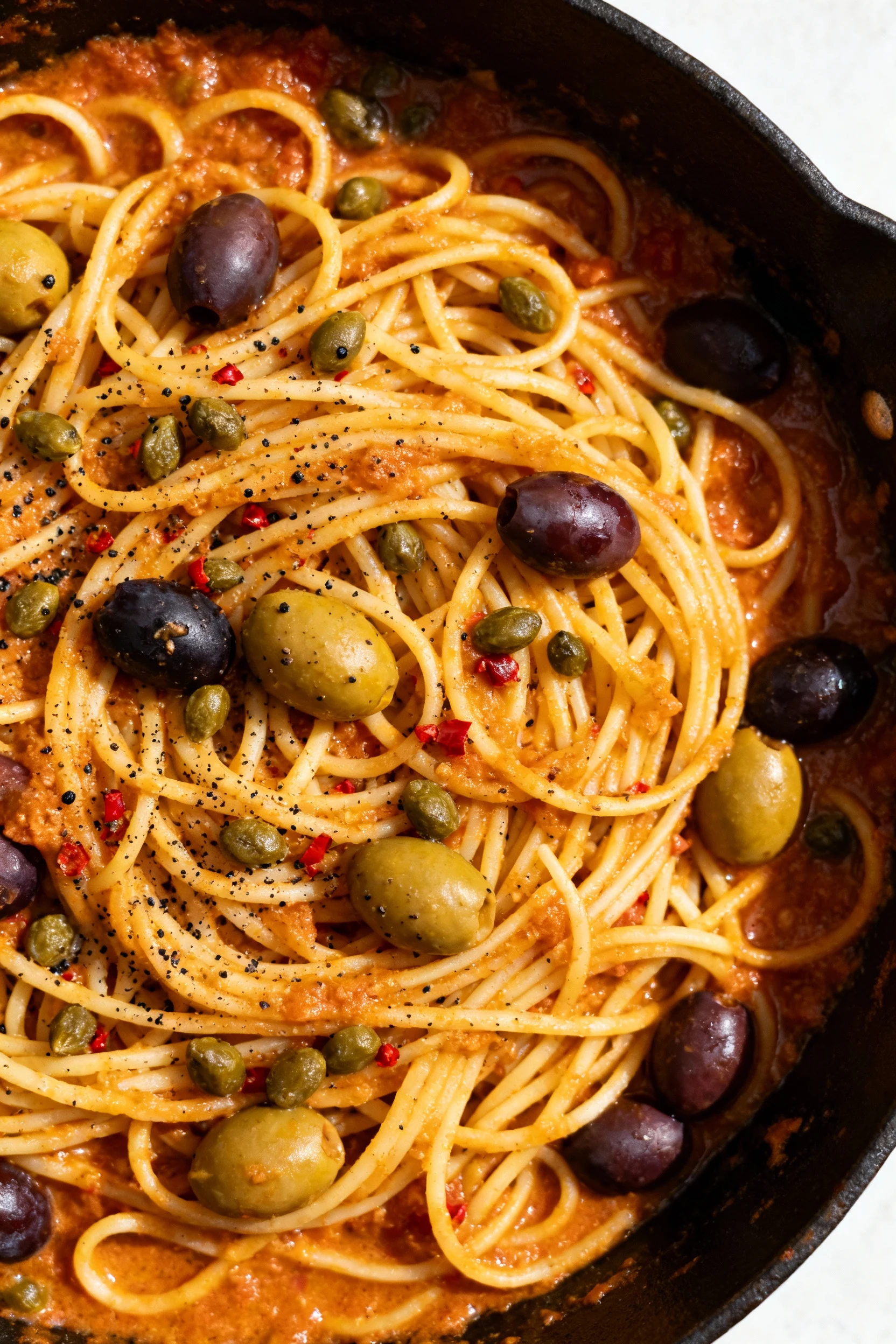
- Finish like a pro: Season with salt and black pepper. Swirl in butter if using for extra shine. Toss through parsley and lemon zest for brightness.
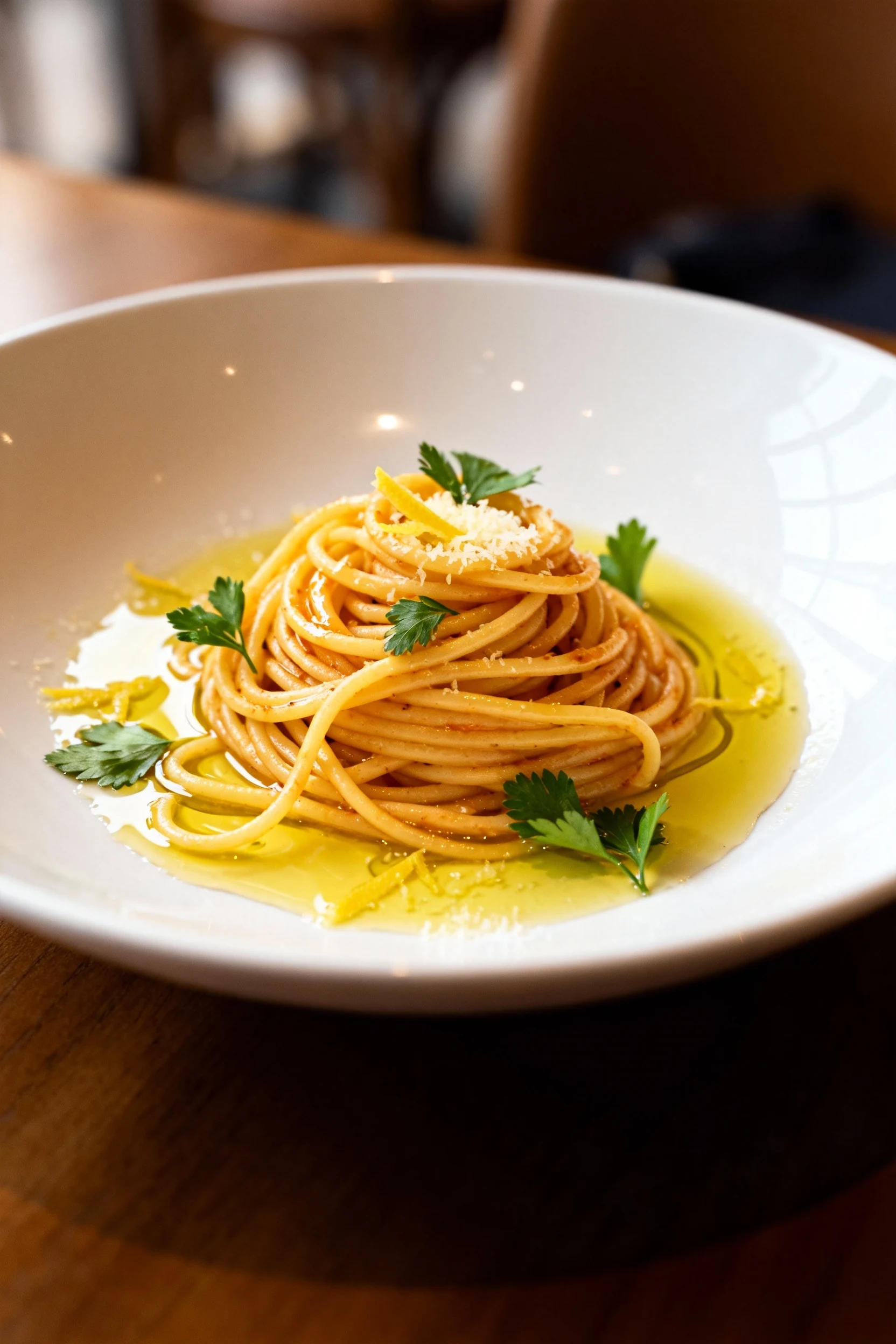
- Serve: Twirl into bowls. Drizzle with a little olive oil. Top with cheese if you’re team cheese. Eat immediately while it’s glossy and perfect.
Storage Instructions
- Fridge: Cool, then store in an airtight container for up to 3–4 days. Add a splash of water when reheating to revive the sauce.
- Reheat: Skillet over medium with a touch of water or broth until saucy again. Microwave also works—cover to trap steam.
- Freezer: Not ideal for pasta texture, but doable. Freeze up to 2 months. Thaw overnight, then reheat with water and olive oil.
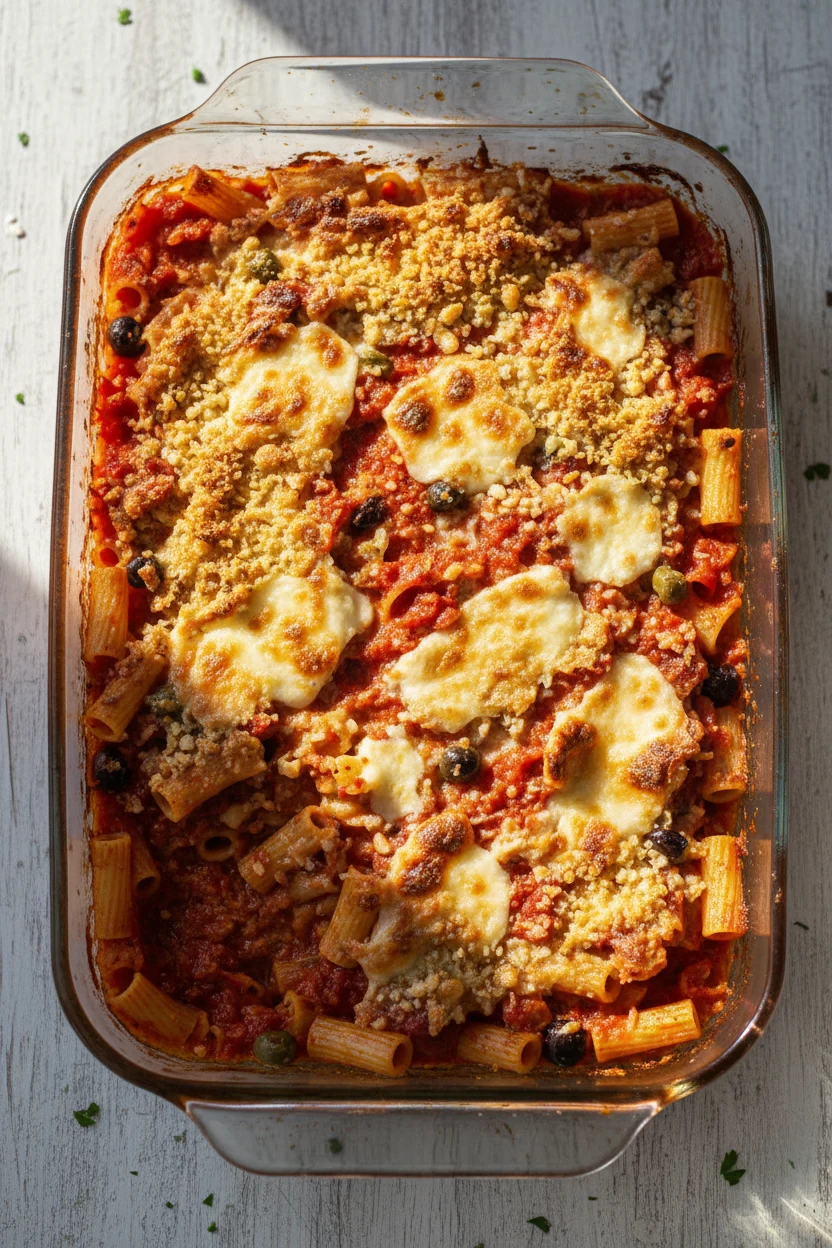
- Leftover glow-up: Transfer to a baking dish, sprinkle bread crumbs and cheese, and bake at 400°F (200°C) until bubbly for easy pasta al forno.
What’s Great About This
- Weeknight speed: You’ll go from pantry to plate fast. Like, you can set the table while the sauce builds itself.
- Packed with umami: Anchovies, capers, and olives turn a humble tomato into a flavor bomb. IMO, this is where the magic lives.
- Budget smart: A can of tomatoes plus pasta feeds a crowd without the “my wallet hurts” tax.
- No-boil flex: Cooking pasta in the sauce means every strand carries flavor, not just hangs out in red water.
- Custom-friendly: Mild or fiery, vegan or tuna-topped—this base makes everyone happy.
Don’t Make These Errors
- Burning your garlic: If it turns brown fast, drop the heat. Burnt garlic = bitter drama. You don’t want that.
- Skipping the anchovy (without a plan): For classic flavor, anchovies carry the umami. If you must skip, use a smart swap (see FAQ).
- Under-salting: Tomatoes, pasta, and briny bits still need salt. Taste early, taste often.
- Too little liquid: Pasta needs enough to hydrate. Keep it saucy and add hot water as needed.
- Overcooking pasta: Pull it when al dente. Carryover heat is real—don’t turn your dinner into a mushy memoir.
- Ignoring stir duty: Stir regularly so strands don’t stick or clump. FYI, agitation = emulsification.
Different Ways to Make This
- Tuna puttanesca: Flake in a can of good tuna at the end for protein. It’s classic coastal energy with zero extra work.
- Vegan umami: Skip anchovy; add 1 tsp white miso and a splash of olive brine. The savory depth stays legit.
- Extra spicy: Double the chili flakes or add fresh Calabrian chili paste. The heat loves the briny backdrop.
- Chunky tomato vibe: Use whole peeled tomatoes you crush by hand for a rustic texture.
- Cheesy (non-traditional): Fold in burrata or a shower of Pecorino at the table. Rules? Optional.
- Gluten-free: Use GF pasta and watch the liquid—GF pasta can be thirstier. Keep a kettle of hot water nearby.
- Alternative pasta shapes: Try bucatini or short cuts like penne. Adjust time and add a touch more liquid if needed.
- Breadcrumb finish: Toast garlic breadcrumbs in olive oil and sprinkle on top for crunch city.
FAQ
Can I make this without anchovies?
Yes. For a solid swap, use 1 tsp white miso and a splash of soy or tamari. You’ll get savory depth without the fish, and the sauce still slaps.
Is cooking pasta in the sauce actually better?
Absolutely. The starch releases into the sauce and emulsifies with oil, creating that glossy, restaurant-level cling. It’s not a hack—it’s smart technique.
Which olives should I use?
Kalamata bring bold brine. Castelvetrano add buttery, mild richness. Choose your vibe. Just avoid canned black olives—they taste flat here.
Can I use fresh tomatoes instead of canned?
Yes, if they’re sweet and ripe. Use about 2 1/2 pounds, chopped, and cook a bit longer to reduce. If they’re bland, your sauce will be too—don’t blame the pan.
How do I tone down the briny punch for kids?
Use fewer capers and a milder olive. Add a knob of butter at the end and finish with grated cheese. It rounds edges without muting the soul.
What protein pairs well with this?
Grilled shrimp, seared scallops, or a simple roasted chicken cutlet play nicely. Tuna (canned or seared) is classic and low-effort.
Can I double the recipe?
Yes, but switch to a wide Dutch oven and increase the liquid slightly. The goal is giving pasta room to move so it cooks evenly. Stir even more.
What wine should I serve?
A zippy Sangiovese or Barbera complements the tomato and brine. Prefer white? Try Vermentino—it’s bright and herb-friendly.
Is cheese a no-go with anchovies?
Traditionalists say skip it. Real talk: it’s your dinner. If you love a sprinkle of Pecorino, go for it. Just keep it light so you don’t bury the sauce.
The Bottom Line
This one-pan puttanesca proves you don’t need 12 ingredients and three pots to cook like a pro. You build big flavor fast, and you finish with pasta that actually tastes like the sauce. It’s smart, efficient, and wildly satisfying—exactly what busy nights demand.
Keep olive oil handy, taste as you go, and remember: stirring is your superpower. Do that, and tonight’s bowl will be glossy, punchy, and totally craveable—no reservations required.
Printable Recipe Card
Want just the essential recipe details without scrolling through the article? Get our printable recipe card with just the ingredients and instructions.