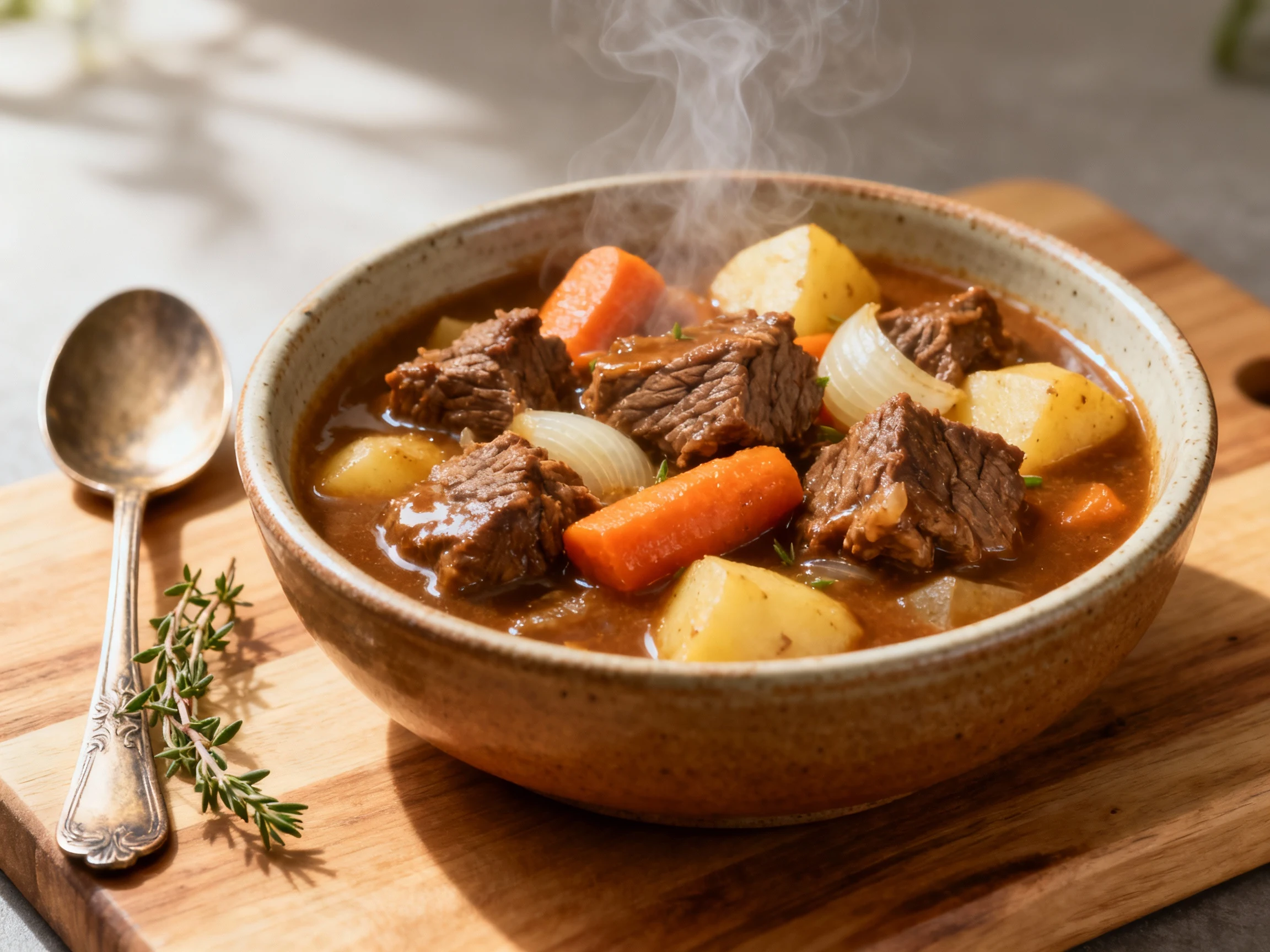
How to Make Beef Stew That Wins Weeknight Dinners
Comfort food for busy nights: rich, tender beef, deep flavor, and simple steps that fit your schedule without wrecking your budget.
You want a dinner that feels like a hug and eats like a feast. But you don’t want a seven-hour saga or a second grocery run. Perfect—this stew delivers big flavor with simple moves and zero culinary drama.
We’ll turn cheap beef into melt-in-your-mouth gold, build deep, savory layers, and finish with a silky gravy that wrecks bowls. No fancy tools. No chef flex. Just a little discipline and the kind of payoff that makes people ask for seconds.
Why You’ll Love This Recipe
- Big flavor, small effort: Browning, deglazing, and low-and-slow simmering build a rich, complex stew without complicated steps.
- Budget-friendly comfort: Chuck roast turns tender and luxurious with time, not money. Your wallet and your taste buds both win.
- Weeknight-friendly flow: Prep is simple, simmering is hands-off, and the finish is fast. Start it, walk away, look like a hero.
- Flexible and forgiving: Swap veggies, adjust spices, or make it gluten-free. This stew doesn’t punish creativity.
- Meal prep magic: It tastes better the next day. FYI, leftovers become your lunch power play.
- Feeds a crowd: One pot. Many bowls. Happy people. Clean plates. What’s not to love?
What You’ll Need (Ingredients)
- 2.5 lb beef chuck roast, cut into 1.5-inch cubes (trim excess fat)
- 2 tsp kosher salt, plus more to taste
- 1 tsp freshly ground black pepper, plus more to taste
- 2 tbsp olive oil
- 1 tbsp butter (for extra browning and flavor)
- 1 large yellow onion, diced
- 3 cloves garlic, minced
- 2 tbsp tomato paste
- 1/4 cup all-purpose flour (for dredging and later thickening; use cornstarch if gluten-free)
- 1 cup dry red wine (optional but recommended for depth)
- 4 cups low-sodium beef broth
- 2 bay leaves
- 1 tsp dried thyme (or 3 sprigs fresh)
- 1 tsp smoked paprika (optional, for a warm backbone)
- 4 carrots, peeled and cut into 1-inch chunks
- 3 celery stalks, chopped
- 1.5 lb baby Yukon Gold potatoes, halved
- 1 cup frozen peas (add near the end)
- 1 tbsp Worcestershire sauce
- 1 tsp soy sauce (optional umami booster)
- 1 tbsp balsamic vinegar (for a bright finish)
- Fresh parsley, chopped, for garnish
Step-by-Step Instructions
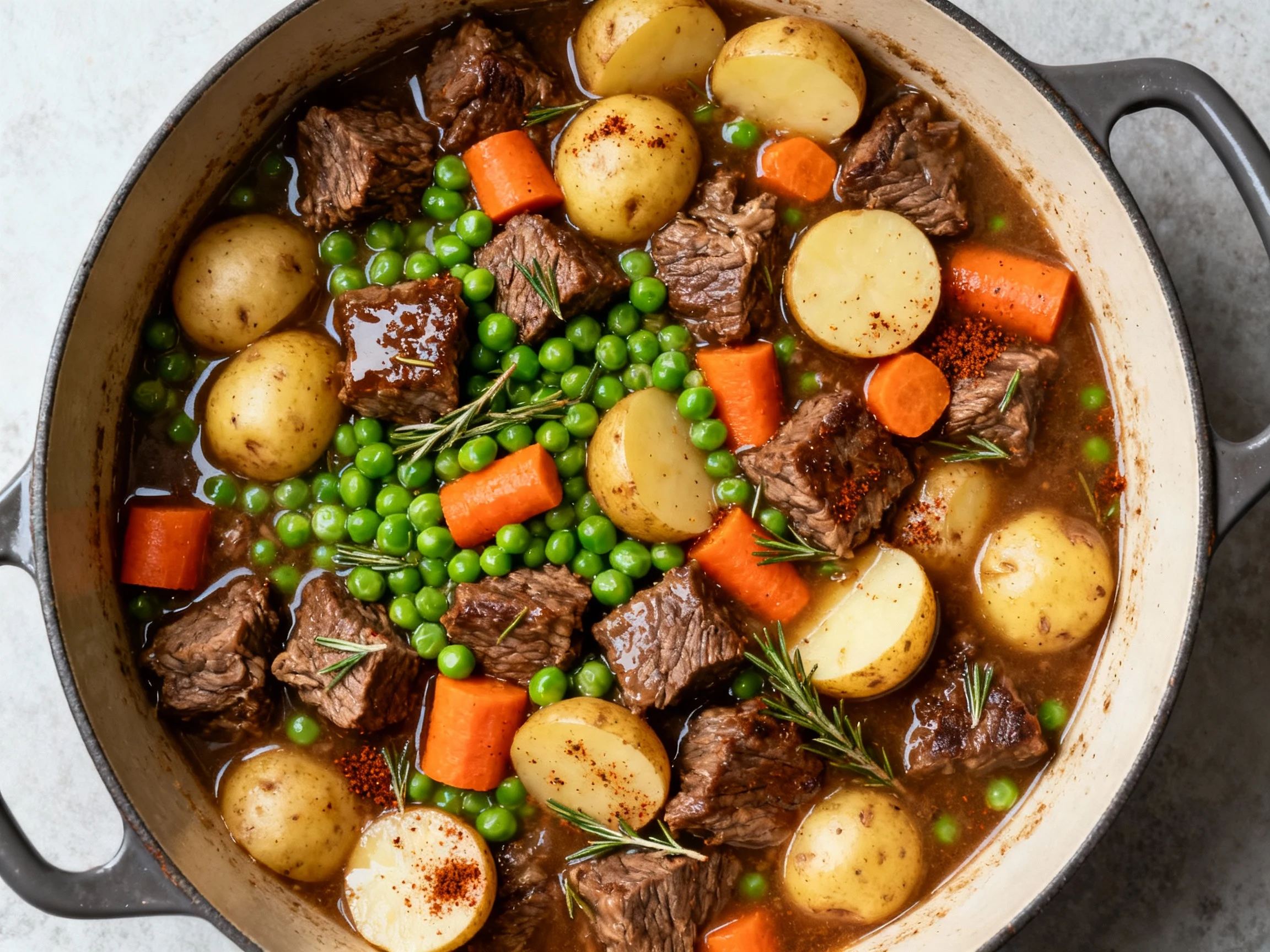
- Dry and season the beef. Pat the cubes dry (crucial for browning). Toss with 2 tsp salt, 1 tsp pepper, and 2 tbsp flour to lightly coat.
- Brown in batches. Heat olive oil and butter in a heavy pot over medium-high. Brown the beef on all sides, working in batches so you don’t crowd the pan. Set browned beef aside.
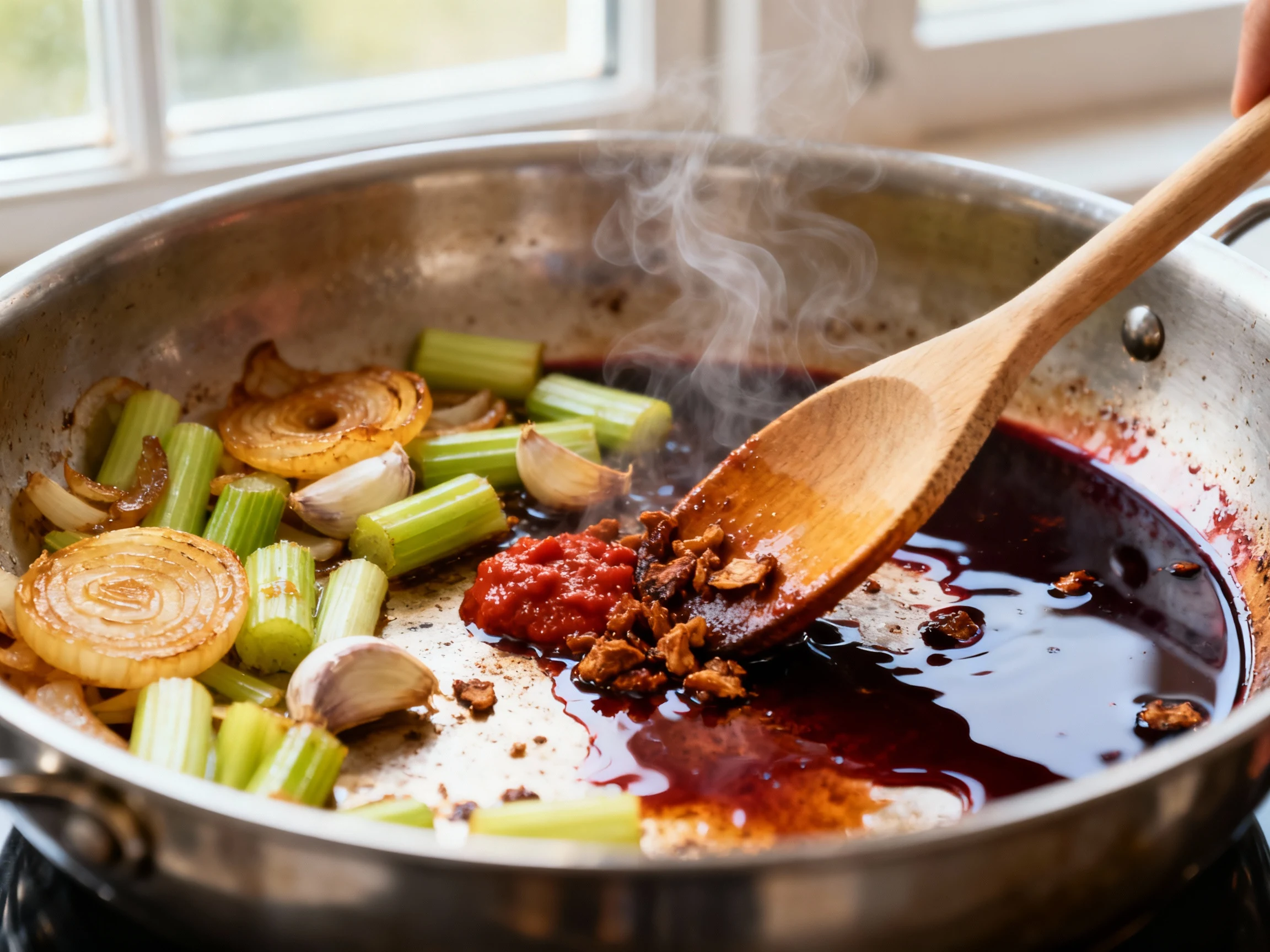
- Build your flavor base. Add onion and celery to the pot with a pinch of salt. Cook until softened and golden, 6–8 minutes. Stir in garlic and tomato paste; cook 1–2 minutes until the paste smells sweet, not sharp.
- Deglaze like you mean it. Pour in red wine (if using). Scrape up the browned bits (fond) with a wooden spoon—this is free flavor. Reduce by about half, 2–3 minutes.
- Add liquid and aromatics. Stir in beef broth, bay leaves, thyme, smoked paprika, Worcestershire, and soy sauce. Return the browned beef and any juices to the pot.
- Simmer low and steady. Bring to a gentle simmer, then lower the heat. Cover and cook 1.5–2 hours, stirring occasionally, until the beef is fork-tender. Don’t boil; boiling toughens meat.
- Vegetables join the party. Skim excess fat if needed. Add carrots and potatoes. Simmer uncovered 30–40 minutes until veggies are tender and the stew begins to thicken.
- Adjust thickness. If you want thicker stew, whisk 1–2 tbsp flour with a splash of broth into a slurry (or use cornstarch), then stir it in and simmer 5 minutes. Keep it silky, not gluey.
- Finish and brighten. Stir in peas for 3–5 minutes. Add balsamic vinegar. Taste and adjust salt and pepper. Remove bay leaves. Let the stew rest 5 minutes so everything settles.
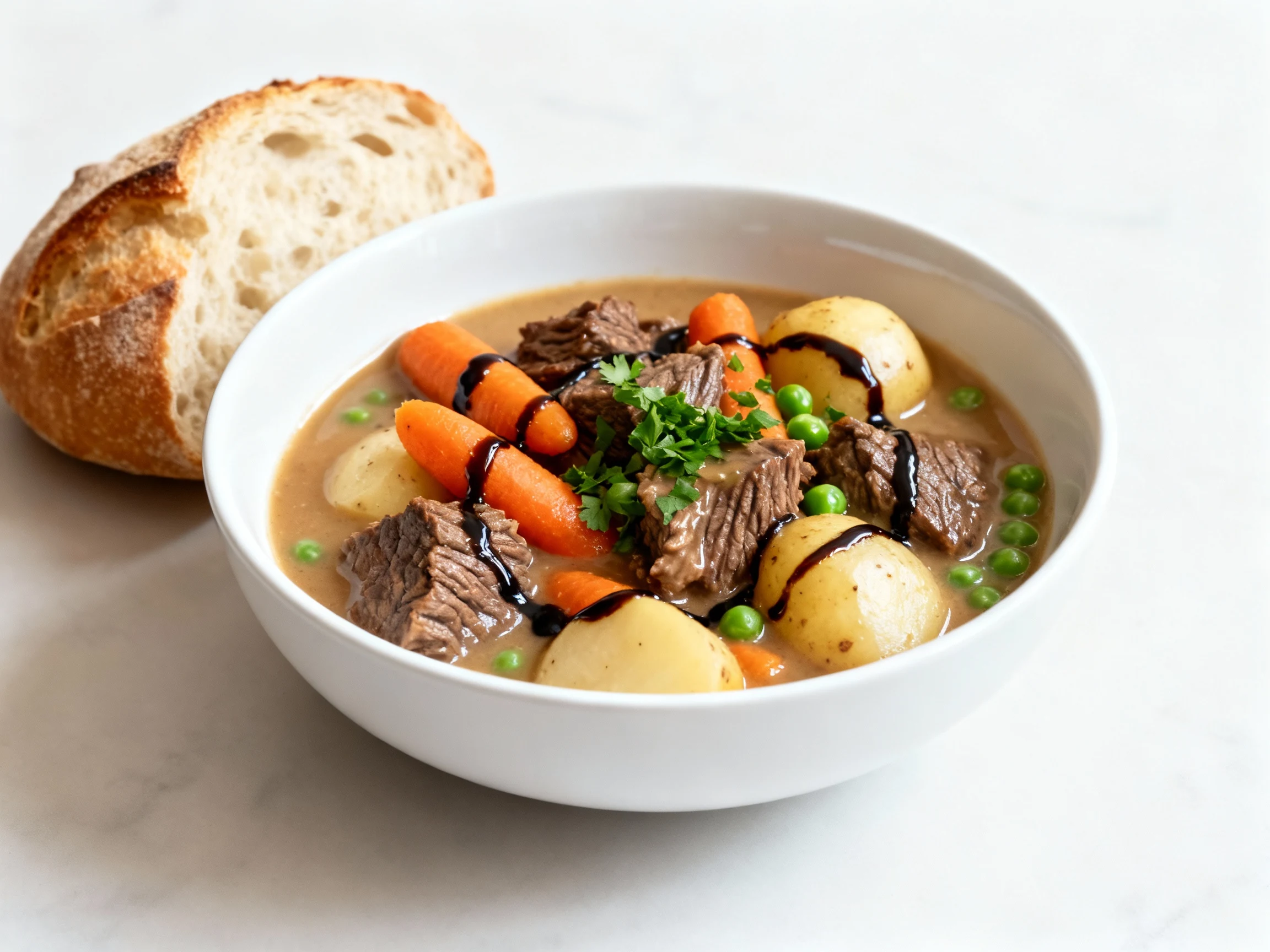
- Serve like a boss. Ladle into warm bowls, garnish with parsley, and pair with crusty bread or buttered noodles. Expect silence followed by compliments.
Keeping It Fresh
Stew tastes even better the next day, so lean into leftovers. Cool it quickly, store smart, and reheat gently to keep the beef tender and the gravy smooth.
- Fridge: Store in airtight containers for up to 4 days. Reheat over low heat, adding a splash of broth if needed.
- Freezer: Freeze in portions for up to 3 months. For best texture, freeze without potatoes and add fresh ones when reheating.
- Microwave tip: Reheat in short bursts, stirring between rounds, so you don’t overcook the veggies.
- Make-ahead move: Cook to the point right before adding peas. Cool, store, and add peas during reheat for bright color and snap.
Benefits of This Recipe
- Reliable tenderness: Chuck roast shines with low, slow cooking—no chewy disappointments.
- Deep, layered flavor: Browning, tomato paste, and deglazing build a stew that tastes restaurant-level.
- One-pot simplicity: Fewer dishes, more dinner. Your sink says thank you.
- Nutritious and satisfying: Protein, fiber, and vitamins come standard. Comfort food without regret.
- Versatile: Swap wines, herbs, or veggies based on season or mood, IMO.
- Scalable: Double it for crowds or batch-cook for the week. The method stays the same.
Don’t Make These Errors
- Skipping the browning: Brown equals flavor. Pale beef equals meh. Take the time.
- Crowding the pot: If you steam the beef, you lose crust. Brown in batches for that deep sear.
- Boiling the stew: A rolling boil toughens meat and muddles flavor. Keep it to a gentle simmer.
- Adding vegetables too early: Potatoes and carrots turn mushy if you toss them in at the start.
- Ignoring the fond: Those browned bits are flavor gold. Always deglaze and scrape.
- Under-seasoning: Taste at the end—then adjust salt, acidity, and pepper. Don’t serve bland.
- Using the wrong cut: Skip lean cuts like sirloin. Choose chuck or a similar well-marbled cut for tenderness.
- Over-thickening: A stew should coat a spoon, not act like spackle. Add slurry gradually.
Variations You Can Try
- Guinness Beef Stew: Swap wine for stout. Add a splash of coffee for extra depth. Finish with mustard.
- Burgundy Classic: Use Pinot Noir, pearl onions, and mushrooms. Think boeuf bourguignon vibes, stew-style.
- Moroccan-Spiced: Add cumin, coriander, cinnamon, and apricots. Garnish with cilantro and toasted almonds.
- Southwest Heat: Chipotle in adobo, fire-roasted tomatoes, and corn. Serve with lime and avocado.
- Keto-Friendly: Replace potatoes with turnips or radishes. Thicken with xanthan gum or reduce naturally.
- Gluten-Free: Use cornstarch or potato starch. Skip flour dredging and thicken at the end.
- Slow Cooker: Brown beef and aromatics, then transfer. Cook on low 7–8 hours, add veggies halfway.
- Instant Pot: Brown on Sauté, pressure cook 35 minutes with broth and aromatics, quick release, add veggies, simmer.
FAQ
What’s the best cut of beef for stew?
Chuck roast is king because it has enough fat and connective tissue to turn tender and juicy with long, gentle cooking. Avoid lean cuts; they dry out and chew like rubber.
Can I make this without wine?
Yes. Use extra beef broth and a splash of balsamic or apple cider vinegar for brightness. You still get rich flavor if you brown well and deglaze thoroughly.
How do I thicken the stew without flour?
Use a cornstarch slurry (1 tbsp cornstarch mixed with 1–2 tbsp cold water) and stir it in at the end. You can also reduce the stew uncovered to naturally concentrate and thicken.
Why is my beef tough?
It likely needs more time or the heat ran too high. Keep the simmer gentle and cook until the collagen breaks down—usually 1.5–2 hours for chuck. Tough beef is just impatient beef.
Can I use frozen vegetables?
You can, but add them near the end so they don’t go mushy. Frozen peas are perfect; frozen carrots work in a pinch but won’t have the same texture as fresh.
How far ahead can I make it?
Up to 3–4 days ahead in the fridge or 3 months in the freezer. Reheat gently and add fresh herbs or a splash of vinegar to wake up the flavors.
What if my stew tastes flat?
Add salt incrementally, then brighten with a little acid (balsamic, lemon, or vinegar). A dash of soy or Worcestershire can add umami without overpowering the beef.
What should I serve with beef stew?
Crusty bread, buttered egg noodles, mashed potatoes, or polenta. A crisp green salad on the side keeps things balanced and makes you feel like a responsible adult.
In Conclusion
This stew proves you don’t need fancy gear or a culinary degree to cook something unforgettable. With a few smart steps—brown, deglaze, simmer—you turn humble ingredients into a bowl that stops conversation. Make it once and it becomes your cold-weather ace, your weeknight savior, and your crowd-pleaser, all in one pot.
Printable Recipe Card
Want just the essential recipe details without scrolling through the article? Get our printable recipe card with just the ingredients and instructions.