Hamburger Recipes for Epic Weeknights and Backyard Wins
Fast, juicy burgers that crush weeknight hunger and wow weekend guests—with simple steps, smart swaps, and zero chef stress.
You know that burger you think you can’t make at home? You can, and it’ll smack your favorite diner’s version right off the plate. The secret isn’t a fancy gadget—it’s a few power moves with fat ratio, heat, and timing. Build the right base, add crisp edges and melty centers, then stack flavor like Tetris. Your crew will think you’ve got a short-order cook hiding in the pantry. Spoiler: it’s just you, doing burgers smarter.
Why You’ll Love This Recipe
- Restaurant-level results with simple techniques you can master fast.
- Customizable base that plays nice with classic, spicy, or gourmet toppings.
- Balanced texture: ultra-juicy center, gently crisp exterior—no hockey pucks here.
- Weeknight-friendly: from fridge to plate in about 25 minutes.
- Grill or stovetop: choose your arena; the method wins either way.
- Make-ahead options for meal prep, parties, or those “don’t feel like cooking” days.
Ingredients
- 1½ pounds 80/20 ground beef (ideal for juicy, flavorful patties)
- 1½ teaspoons kosher salt (or to taste)
- 1 teaspoon freshly ground black pepper
- 1 teaspoon garlic powder
- ½ teaspoon onion powder
- 1 tablespoon Worcestershire sauce
- 1 tablespoon neutral oil (avocado or canola) for searing
- 4 burger buns (potato or brioche for max squish)
- 2 tablespoons butter (for toasting buns)
- 4 slices cheese (American, cheddar, or Swiss), optional but recommended
- Sliced tomato, shredded lettuce, and thin red onion
- Dill pickle chips
- Condiments: mayonnaise, ketchup, mustard
- Optional upgrades: crispy bacon, sliced jalapeños, sautéed mushrooms
The Method – Instructions
- Choose the right grind. Use 80/20 beef. That fat ratio makes flavor and moisture happen. FYI, leaner grinds turn dry faster than you can say “shoe leather.”
- Mix gently, season smart. In a bowl, sprinkle salt, pepper, garlic powder, onion powder, and Worcestershire over the beef. Fold with your fingers just until combined. Don’t knead it like dough—overmixing toughens the meat.
- Form patties with intention. Divide into 4 equal portions (about 6 ounces each). Shape into discs about 4½ inches wide, ¾ inch thick. Press a small dimple in the center so they don’t bulge while cooking.
- Preheat your battlefield. Heat a cast-iron skillet over medium-high until just smoking, or preheat a grill to 450–500°F. Hot surface = crust; crust = flavor.
- Sear for the crust. Lightly oil the pan or grill grates. Add patties and cook undisturbed for 3–4 minutes. When edges look set and the underside is deep brown, flip.
- Finish to your doneness. Cook 2–3 minutes more for medium (about 140–145°F). Add cheese during the last minute and cover loosely to melt. Prefer medium-well? Go to 150–155°F, but don’t push it further unless you enjoy heartbreak.
- Toast the buns. While patties finish, melt butter in a pan or on the grill. Toast buns, cut side down, until golden. This tiny step prevents soggy bottoms and boosts flavor big-time.
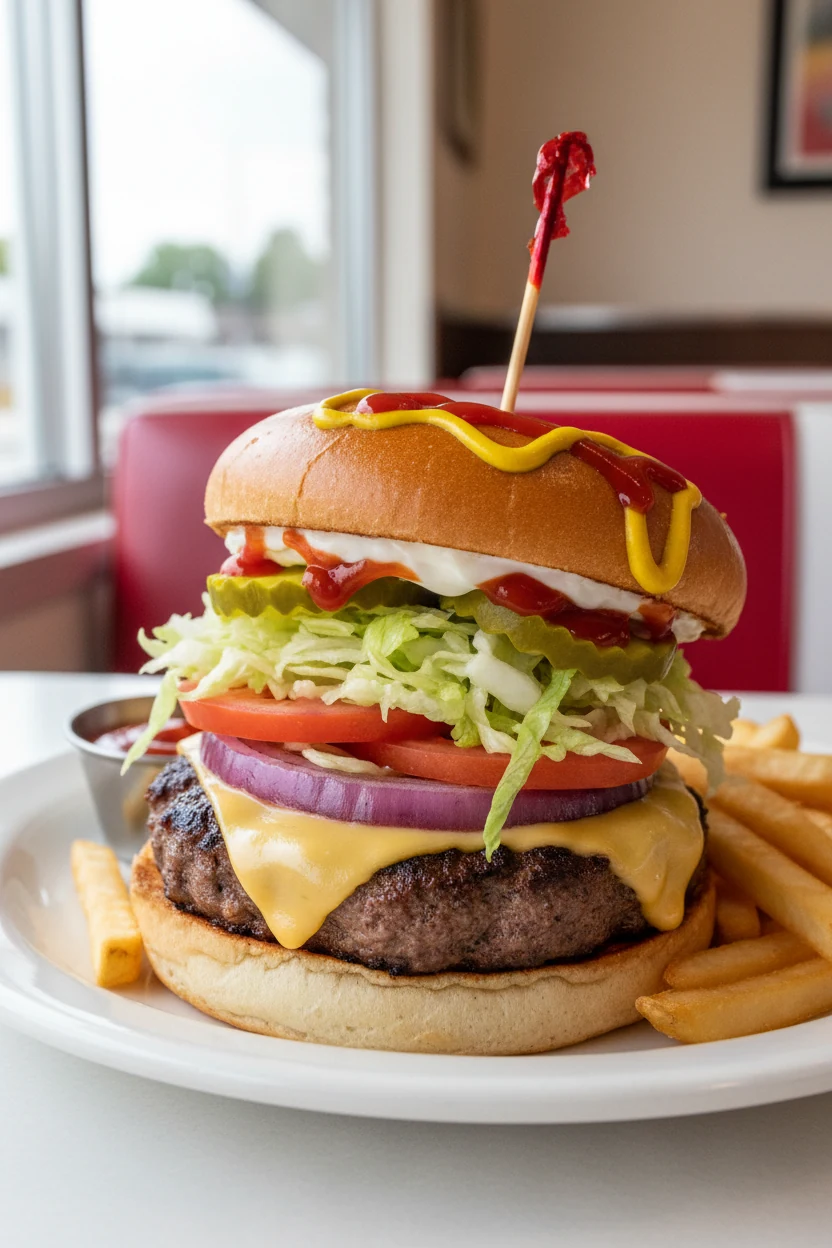
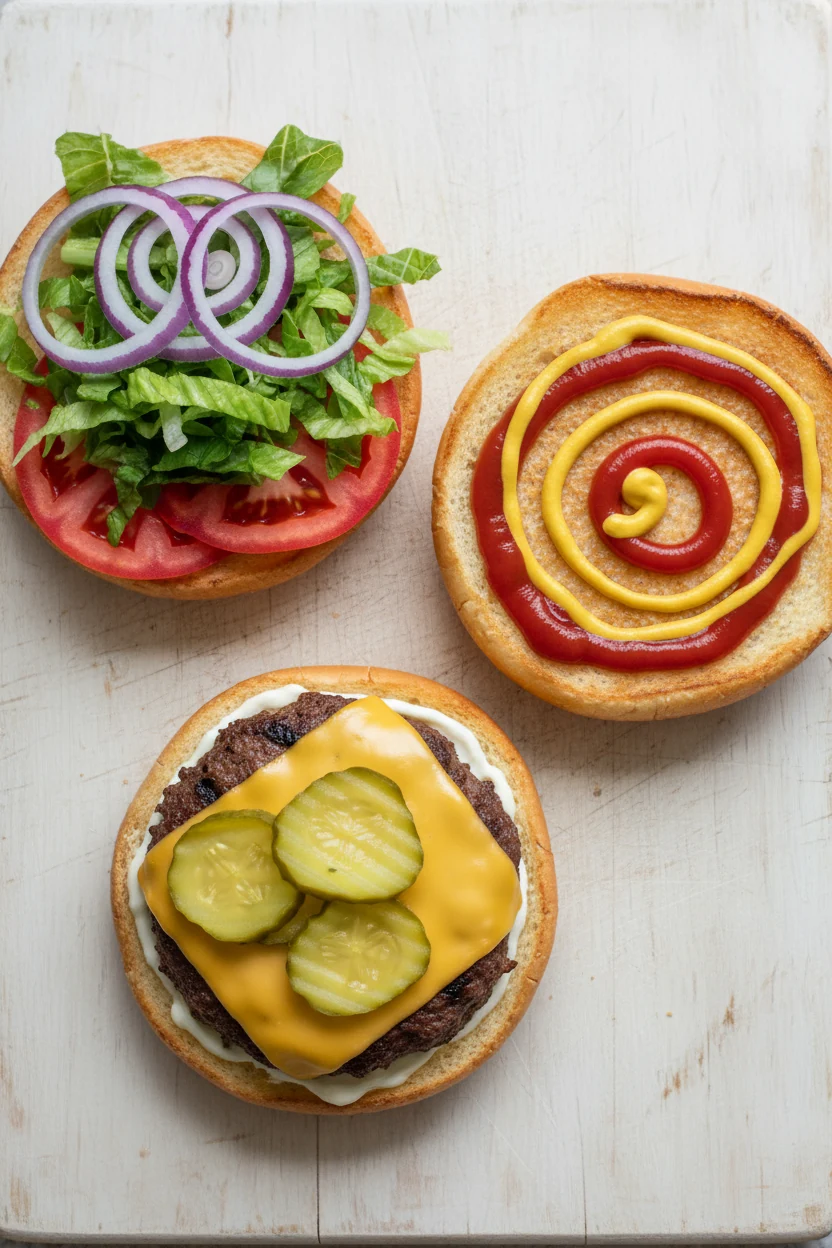
- Stack with strategy. Spread mayo on bottom bun (moisture shield), add patty, then cheese (if not already melted). Top with pickles, tomato, lettuce, and red onion. Finish with ketchup/mustard on the top bun.
- Rest briefly. Give the burger 2 minutes to settle. Juices redistribute; your hands don’t get lava-level burns. Worth it.
- Serve hot. Burgers wait for no one. Plate with chips, fries, or a simple salad. Someone’s going to ask for seconds—count on it.
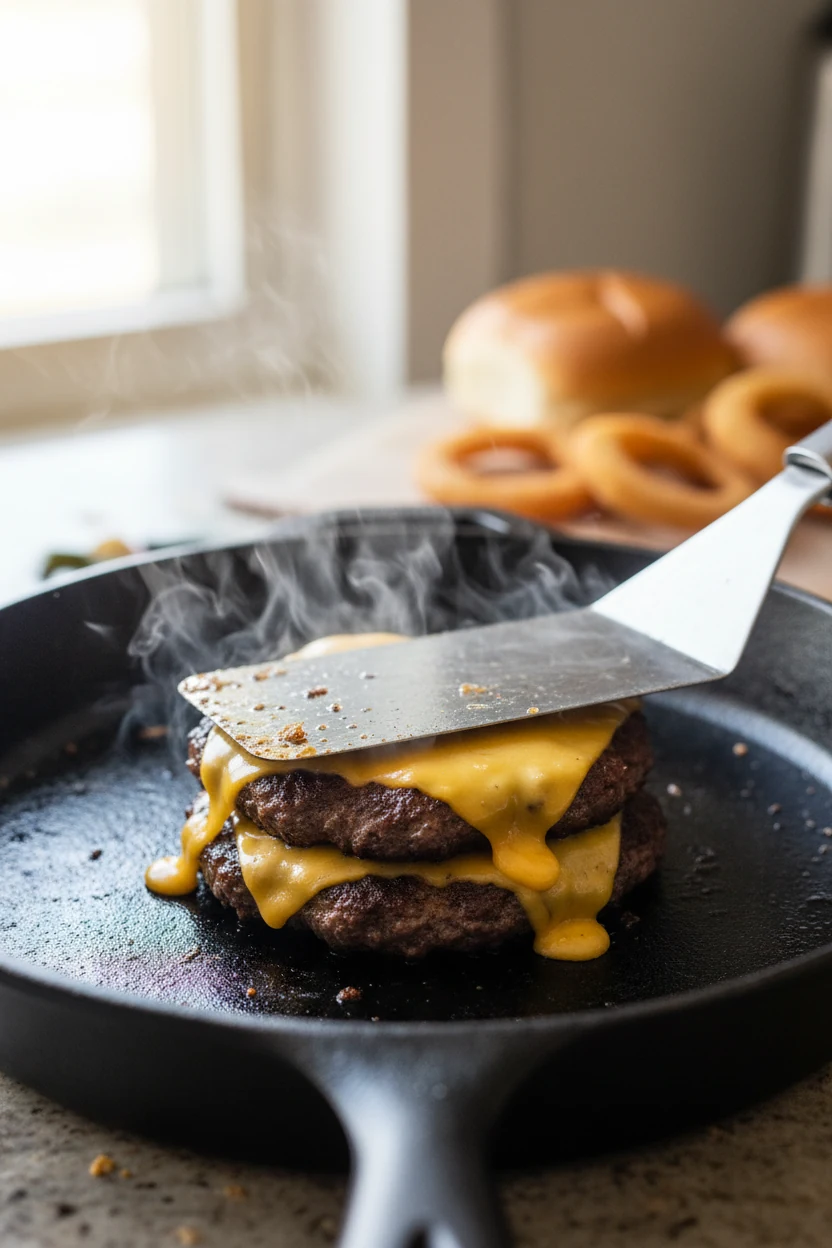
- For smash-style (optional): Use 2-ounce balls of beef on a ripping-hot skillet. Smash with a spatula for 10 seconds, cook 1–2 minutes, flip, add cheese. Stack two per bun for maximum edge crisp.
- For grilling pros (optional): Keep a cool zone on the grill. If flare-ups get wild, move patties to indirect heat to finish without char-as-a-condiment.
Preservation Guide
Raw Patties
Form patties and store on a parchment-lined tray. Wrap tightly and refrigerate up to 24 hours. For longer storage, freeze patties flat, then transfer to a freezer bag; they’ll keep for up to 2 months.
Cooked Patties
Cool completely, then refrigerate in an airtight container for up to 4 days. Freeze cooked patties individually wrapped for up to 2 months. Label dates—future you will say thanks.
Reheating
- Skillet: Medium heat, 2–3 minutes per side. Add a splash of water and cover to re-melt cheese.
- Oven: 350°F for 8–10 minutes, covered with foil. Good for batches.
- Air fryer: 350°F for 4–5 minutes. Fast and crispy edges.
- Microwave: If you must, 45–60 seconds. Expect softer texture; rescue with a hot skillet sear for 30 seconds.
Why This is Good for You
Burgers aren’t the nutritional villain—bad technique is. With quality beef, smart portions, and fresh veg, you get protein, iron, B vitamins, and satisfaction that keeps you full. That’s a win.
Want lighter? Swap buns for whole grain or lettuce wraps, add avocado for healthy fats, and use Greek yogurt in place of mayo. Pair with a crunchy salad instead of fries, and you’ve got balance without the sad-diet vibes.
IMO, the biggest health boost is control: you pick the ingredients, you pick the portion, you pick the flavor. And yes, you still get a burger that tastes like you cheated—but didn’t.
Don’t Make These Errors
- Overmixing the meat: It packs the proteins and kills tenderness. Combine seasonings lightly and stop.
- Skipping the dimple: Burgers puff into meatballs without it. Press a small indent in the center.
- Low heat: You need hot surfaces for a proper Maillard crust. Lukewarm pans = gray sadness.
- Undersalting: Salt enhances beefy flavor. Season evenly—especially if you’re using thicker patties.
- Cold buns: Toast the bun to add texture and protect against sogginess. Butter is your friend.
- Pressing patties while cooking: Don’t smash out the juices unless you’re doing smash burgers correctly at the start.
- Late cheese: Add cheese a minute before you finish and cover to melt. Cheese on a cold bun? Meh.
- Ignoring carryover: Burgers keep cooking off-heat. Pull slightly under your target.
Recipe Variations
- Classic Diner Burger: American cheese, shredded iceberg, thin tomato, diced onions, pickles, special sauce (mayo + ketchup + relish).
- Smash Burger Double Stack: Two 2-ounce patties, aggressively smashed for lacy edges, American cheese, grilled onions.
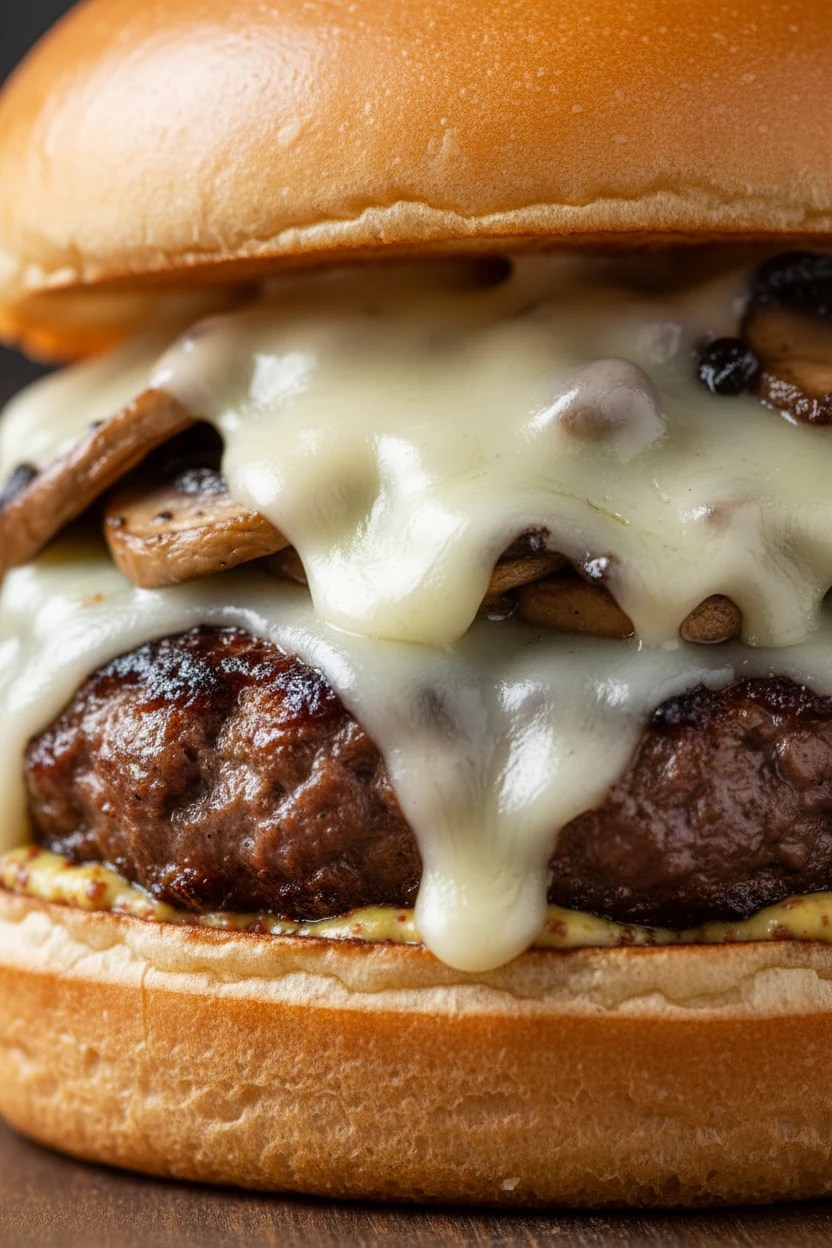
- Mushroom Swiss: Sautéed cremini mushrooms in butter, Swiss cheese, a swipe of Dijon, toasted brioche.
- BBQ Bacon Cheddar: Crispy bacon, sharp cheddar, tangy BBQ sauce, pickled red onions for contrast.
- Spicy Jalapeño Crunch: Pepper jack, fresh jalapeños, chipotle mayo, and a handful of crispy onions. Proceed with caution (and joy).
- Mediterranean Lamb Burger: Swap beef for ground lamb, add chopped mint and cumin, top with feta and tzatziki.
- Patty Melt: Rye bread instead of buns, Swiss cheese, loads of caramelized onions, griddled to golden.
- Turkey Burger Upgrade: Ground turkey 93/7 with grated onion, parsley, and olive oil; top with provolone and arugula.
- Plant-Based Black Bean: Mashed black beans, breadcrumbs, egg, cumin, and smoked paprika; crisp in a skillet, finish with avocado.
- Lettuce-Wrap “Protein Style”: Large butter lettuce leaves as your bun, extra pickles, and a punchy garlic aioli.
FAQ
What beef fat ratio makes the best burger?
80/20 is the sweet spot for juicy, flavorful patties. 85/15 can work if you cook medium-rare and handle gently. Anything leaner dries out fast unless you add fat with cheese, bacon, or a butter baste (yes, that’s allowed).
How do I prevent burgers from shrinking?
Use the center dimple, avoid overmixing, and don’t cook at blasting high heat the whole time. Start hot for crust, then finish at medium heat. Also, let patties rest briefly so they don’t tense up like they’re auditioning for a fitness ad.
Can I bake burgers instead of grilling or pan-searing?
Yes. Bake at 425°F on a rack-lined sheet for 12–15 minutes, then sear 1 minute per side in a hot skillet for crust. Oven-only can be fine, but the quick sear makes the flavor pop. BTW, don’t skip the bun toast if you go this route.
What’s the best cheese for melting?
American melts seamlessly and gives diner vibes. Cheddar brings sharpness but melts slower; Swiss is mellow and gooey; pepper jack adds heat. Add cheese during the last minute and cover so steam does the work for you.
How do I make patties ahead without drying them out?
Form patties, wrap tightly, and refrigerate up to 24 hours. If freezing, flash-freeze on a tray first, then bag. When cooking from frozen, add 1–2 extra minutes and watch the internal temp. Season right before cooking if you want max surface flavor.
Any tips for grilling to avoid flare-ups?
Keep an indirect heat zone. Oil the grates lightly, not the patties. If flames spike, move burgers to the cool side until they settle. Control is key—no one wants “campfire” as the dominant tasting note.
Final Thoughts
Great burgers aren’t magic—they’re repeatable. Pick the right beef, manage heat like a pro, and stack flavors with purpose. Whether it’s Tuesday night or a backyard throwdown, these moves turn simple patties into instant crowd-pleasers. Now go make the burger someone brags about later.
Printable Recipe Card
Want just the essential recipe details without scrolling through the article? Get our printable recipe card with just the ingredients and instructions.