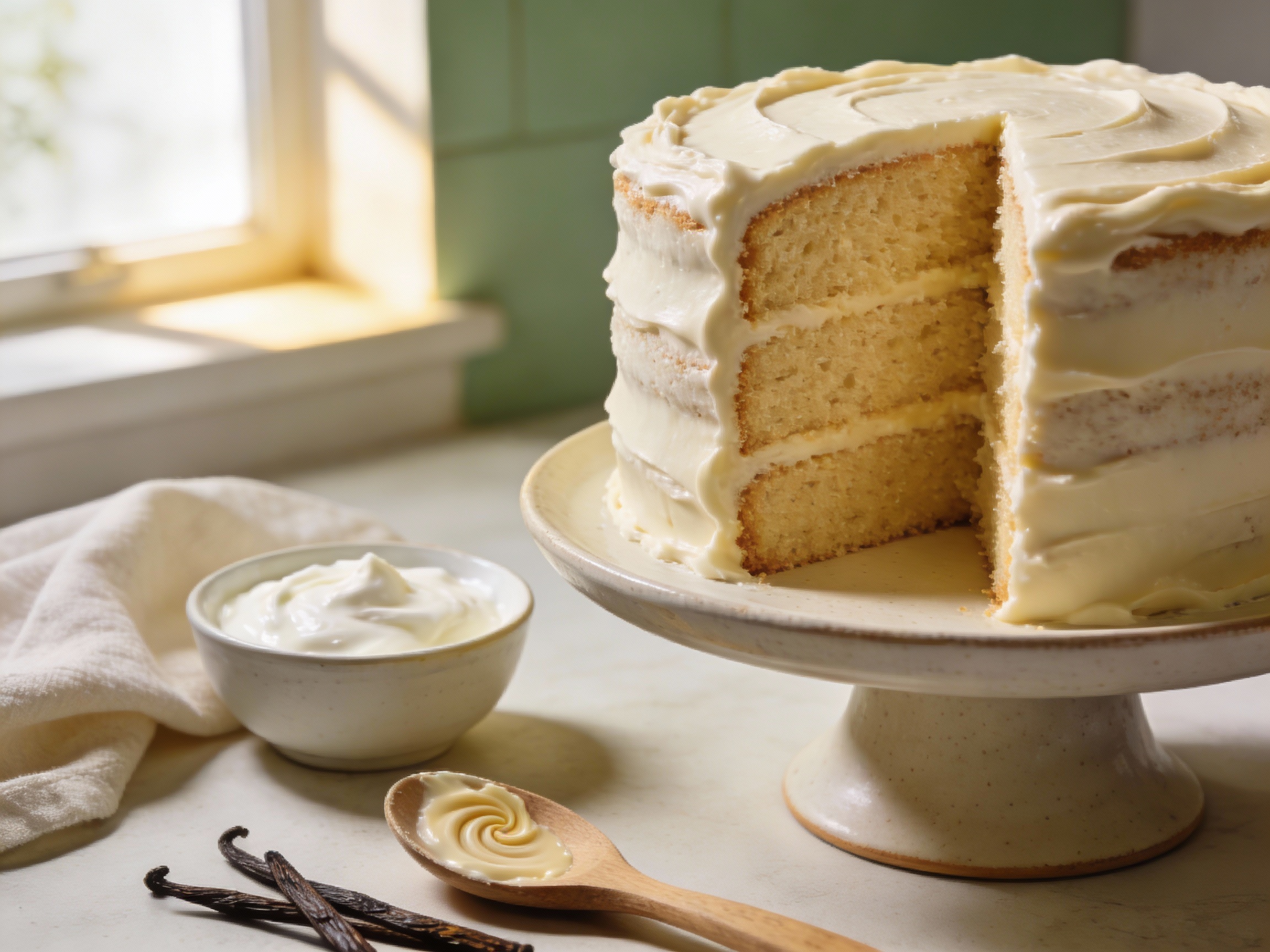
Gluten Free Cake Recipes That Taste Like Bakery Magic
Make a soft, rich, crowd-pleasing cake with pantry staples—no weird texture, no dry crumbs, just easy confidence.
You want cake that gets people suspicious. The “wait, this is gluten-free?” kind of suspicious.
Because nobody dreams of a dessert that tastes like sweetened cardboard and regret.
Here’s the play: one master batter, a few smart tweaks, and you can pump out three iconic flavors without learning pastry school math.
You’ll get a tender crumb, big flavor, and frosting that makes you look unfairly talented.
Ready to become the person who “just happens” to bring the best cake?
The Secret Behind This Recipe
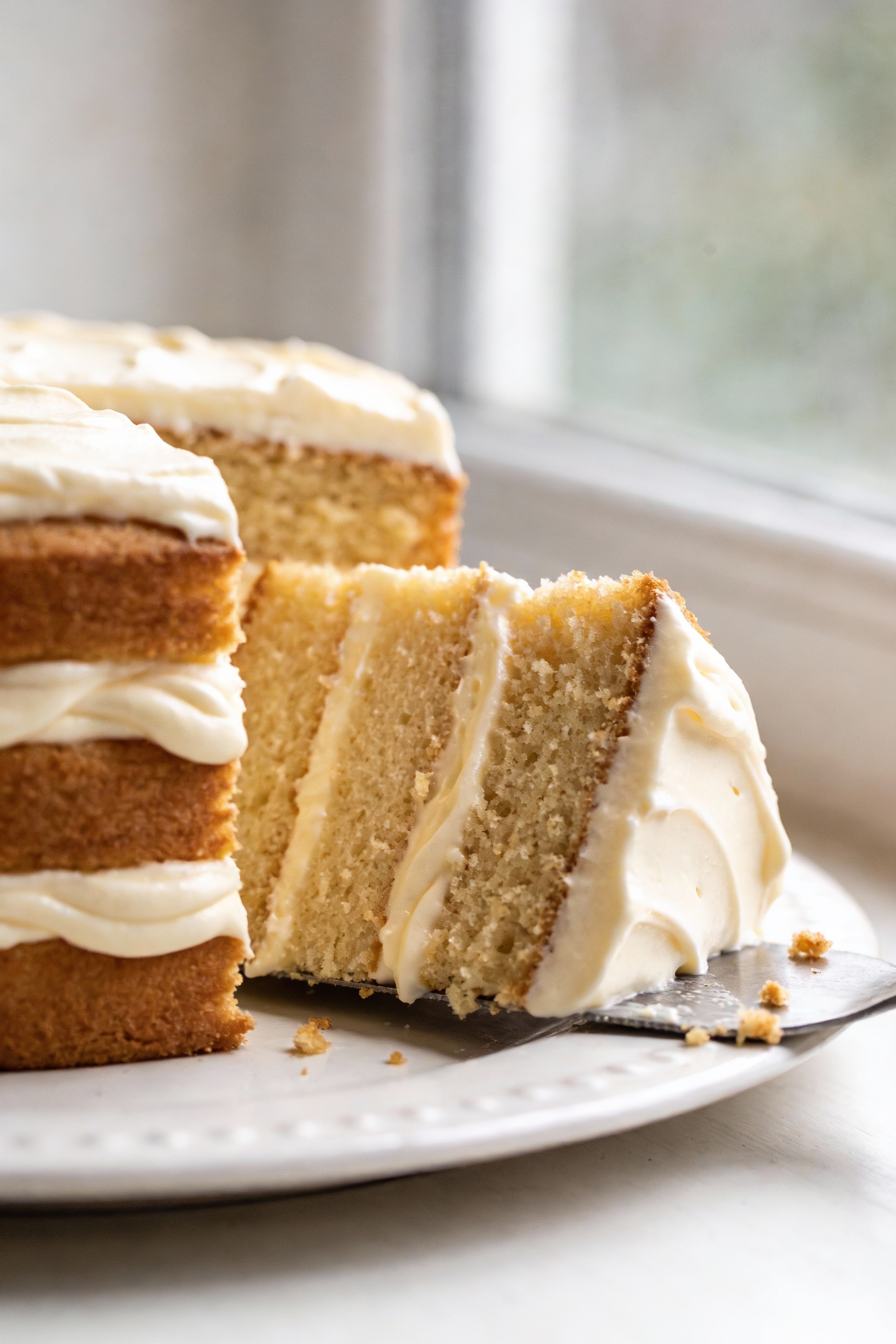
Most cakes fail for one boring reason: the structure falls apart when wheat flour leaves the building. So we rebuild that structure on purpose.
The secret combo is a quality gluten-free flour blend + sour cream (or Greek yogurt) + the right resting time. The blend gives baseline structure, dairy adds moisture and richness, and resting lets starches hydrate so the crumb sets up plush instead of sandy.
One more cheat code: room-temperature ingredients. Cold eggs and butter make your batter seize up, and then you blame the flour. Don’t do that to yourself.
Finally, bake by cues, not ego. A slightly underbaked gluten-free cake collapses; a slightly overbaked one turns into a desert artifact. We aim for “springy center, clean-ish toothpick, and fragrant edges.”
Shopping List – Ingredients
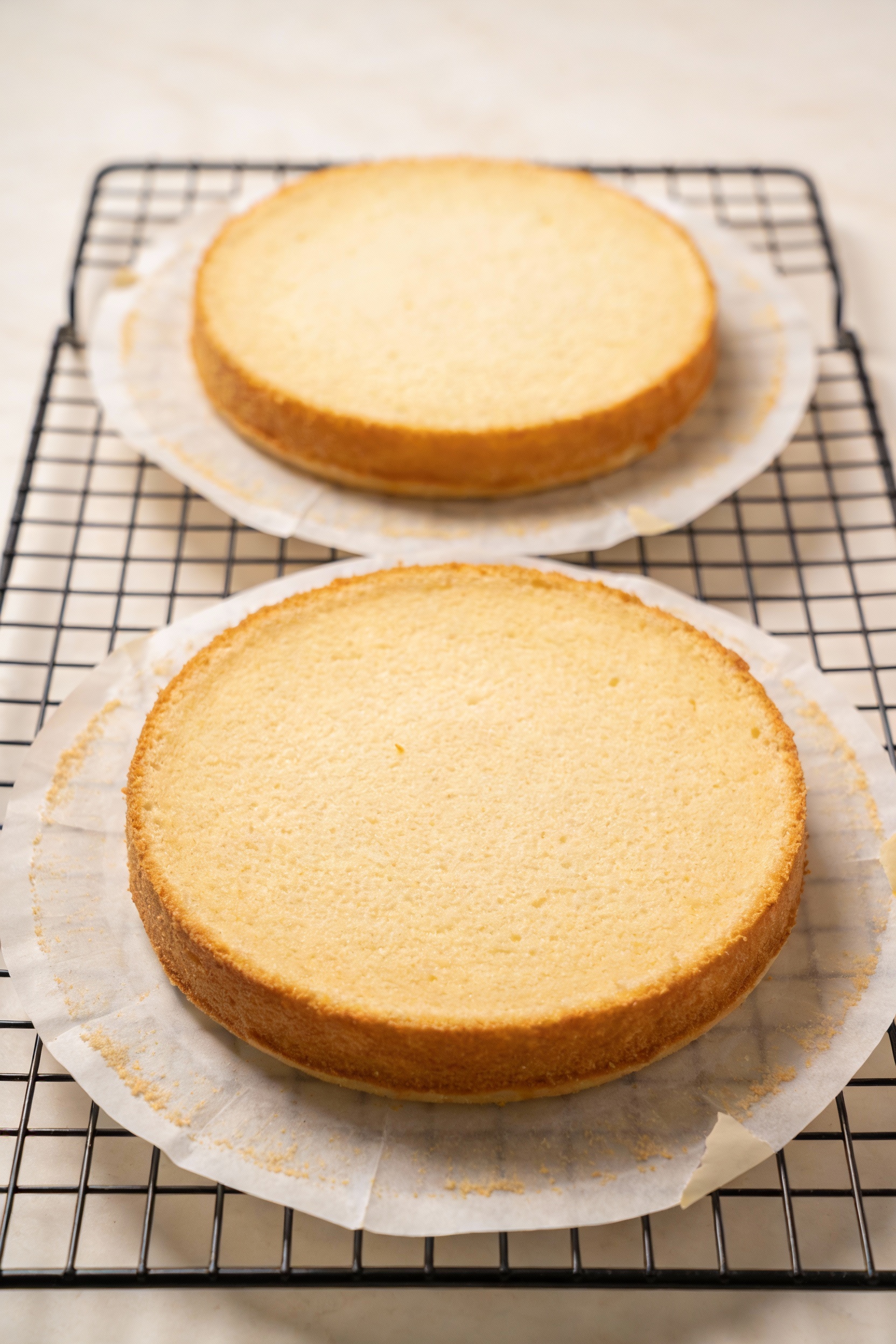
This is a versatile vanilla base you can spin into chocolate, lemon, or funfetti. Choose a gluten-free flour blend that includes xanthan gum, or add it separately.
- Gluten-free all-purpose flour blend (with xanthan gum)
- Baking powder
- Baking soda
- Fine salt
- Unsalted butter (room temperature)
- Granulated sugar
- Eggs (room temperature)
- Vanilla extract
- Sour cream or full-fat Greek yogurt
- Milk (dairy or unsweetened non-dairy)
- Optional: xanthan gum (if your blend does not include it)
- Optional add-ins for variations: unsweetened cocoa powder, lemon zest, lemon juice, sprinkles, mini chocolate chips
- For simple frosting: powdered sugar, butter, vanilla, pinch of salt, milk or cream
Instructions
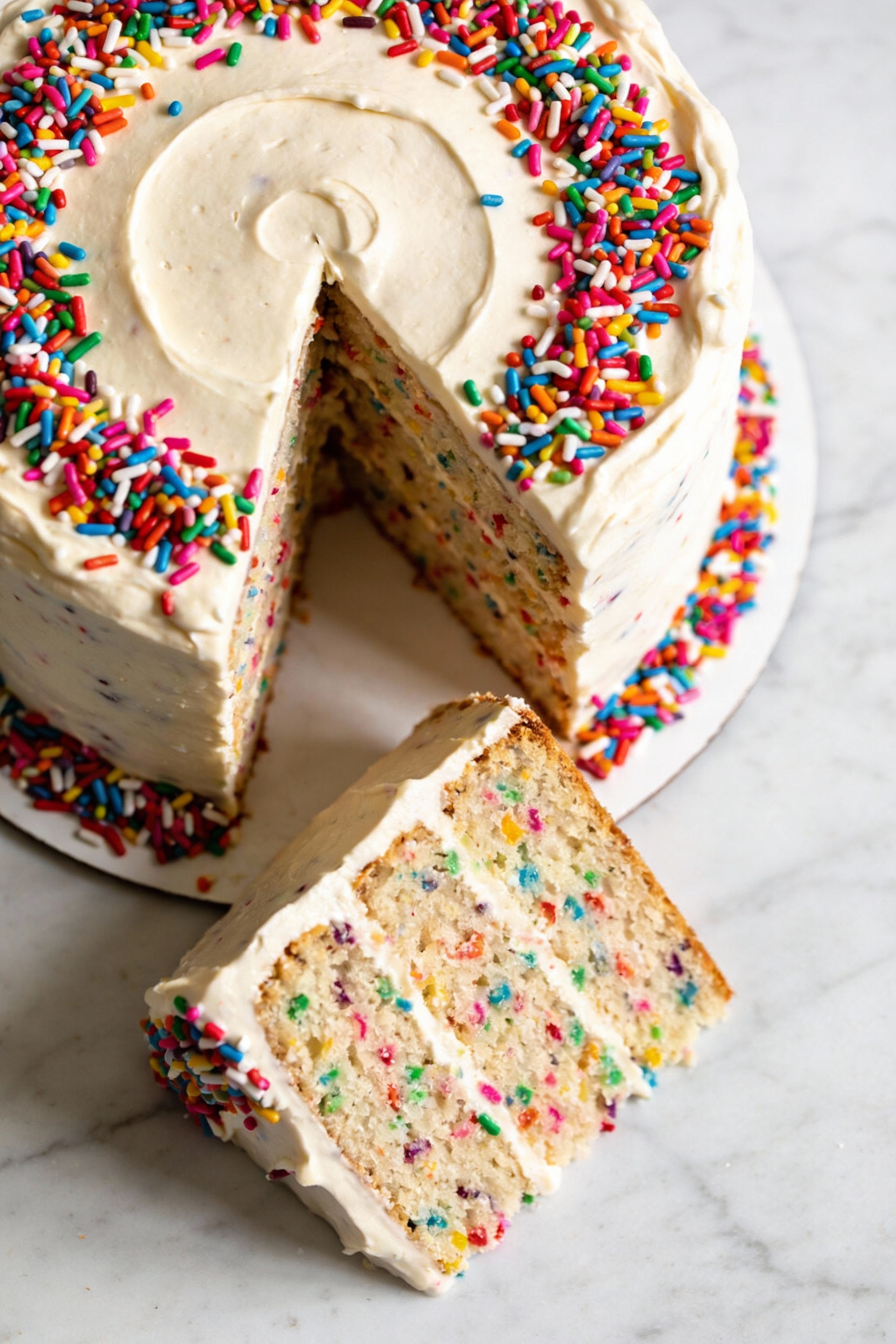
This listicle format keeps it simple. You’ll make one reliable cake, then you can remix flavors later.
-
Prep the pans like you mean it. Heat oven to 350°F (175°C). Grease two 8-inch round pans, line bottoms with parchment, then dust with a little flour blend.
-
Whisk the dry team. In a bowl, whisk flour blend, baking powder, baking soda, and salt. If your blend lacks xanthan gum, whisk in 1/2 teaspoon.
-
Cream butter and sugar for lift. Beat butter and sugar until pale and fluffy, about 2–3 minutes. This traps air, which is basically cake optimism in bubble form.
-
Add eggs slowly. Beat in eggs one at a time, scraping the bowl. Stir in vanilla. If it looks slightly curdled, congrats, you’re normal.
-
Add moisture that actually matters. Mix in sour cream (or Greek yogurt) until smooth. This is where the tenderness comes from.
-
Alternate dry and milk. Add dry ingredients in three additions, alternating with milk in two additions. Mix on low and stop as soon as it looks combined.
-
Rest the batter. Let it sit for 10 minutes. Starches hydrate, grit disappears, and your future self thanks you. FYI, this step is not optional if you want a soft crumb.
-
Bake with cues. Divide batter into pans. Bake 24–30 minutes until tops spring back and a toothpick comes out with a few moist crumbs.
-
Cool like a professional. Cool 10 minutes in pans, then turn out onto a rack. Cool completely before frosting, unless you enjoy frosting soup.
-
Frost simply, win loudly. Beat butter, powdered sugar, vanilla, salt, and enough milk to make it spreadable. Frost, slice, and accept compliments without acting surprised.
Storage Tips
Gluten-free cake stays best when you protect it from air, because it dries faster than wheat-based cake. Wrap unfrosted layers tightly and store at room temp for up to 2 days.
If frosted, keep it covered in the fridge for up to 4 days. Let slices sit at room temperature 20–30 minutes before eating for the softest texture.
For freezing, wrap layers in plastic, then foil, and freeze up to 2 months. Thaw overnight in the fridge, then bring to room temp before frosting or serving.
Nutritional Perks
Gluten-free doesn’t automatically mean “health food,” but this recipe can still play nice with your goals. Using Greek yogurt adds protein and gives a rich mouthfeel without needing extra oil.
You can also reduce sugar slightly without wrecking the texture, especially if you lean on vanilla, citrus zest, or cocoa for flavor. IMO, flavor makes moderation easier than willpower ever will.
If you choose a fortified flour blend, you may also pick up added iron or B vitamins. Check labels if that matters to you.
Common Mistakes to Avoid
-
Skipping the batter rest. This causes gritty texture and weak structure, then you blame the oven like it betrayed you.
-
Overmixing after flour goes in. It can make the cake gummy and dense. Mix until just combined.
-
Using a random single flour. Almond flour alone won’t behave like a blend. Use a trusted all-purpose blend for reliable results.
-
Baking until “bone dry.” Gluten-free cakes go from perfect to dry fast. Pull when crumbs are moist, not wet.
-
Frosting warm layers. Unless you want your frosting to slide off like it’s clocking out early.
Mix It Up
Use the same base batter and switch flavors without changing your whole life. Each option below makes the cake taste like a completely different dessert.
-
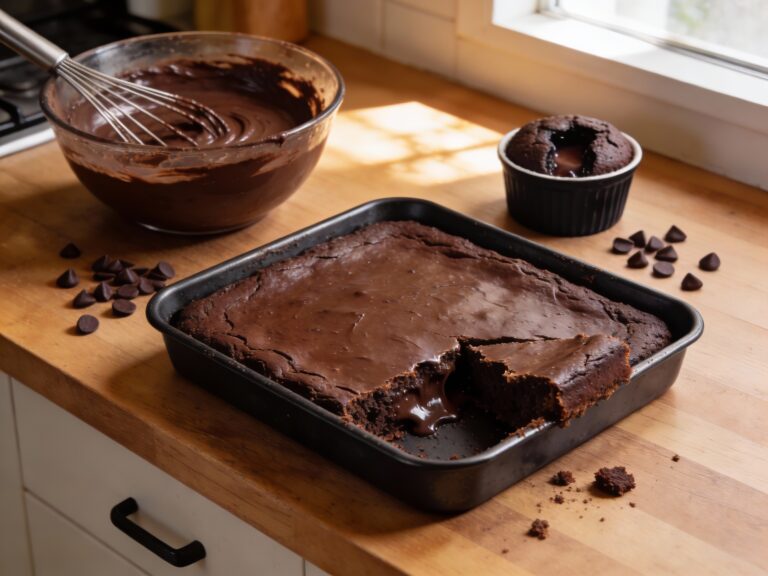
Chocolate: Replace 1/2 cup of the flour blend with 1/2 cup unsweetened cocoa powder. Add 1–2 tablespoons extra milk if batter looks thick.
-
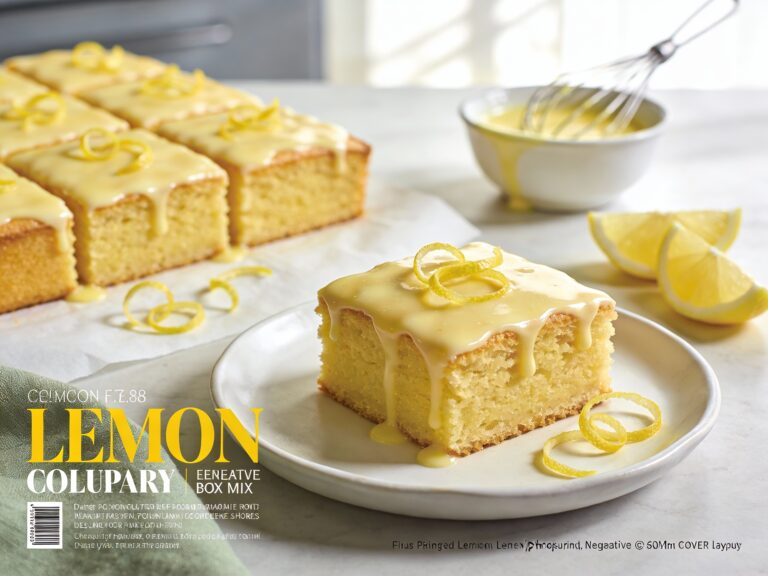
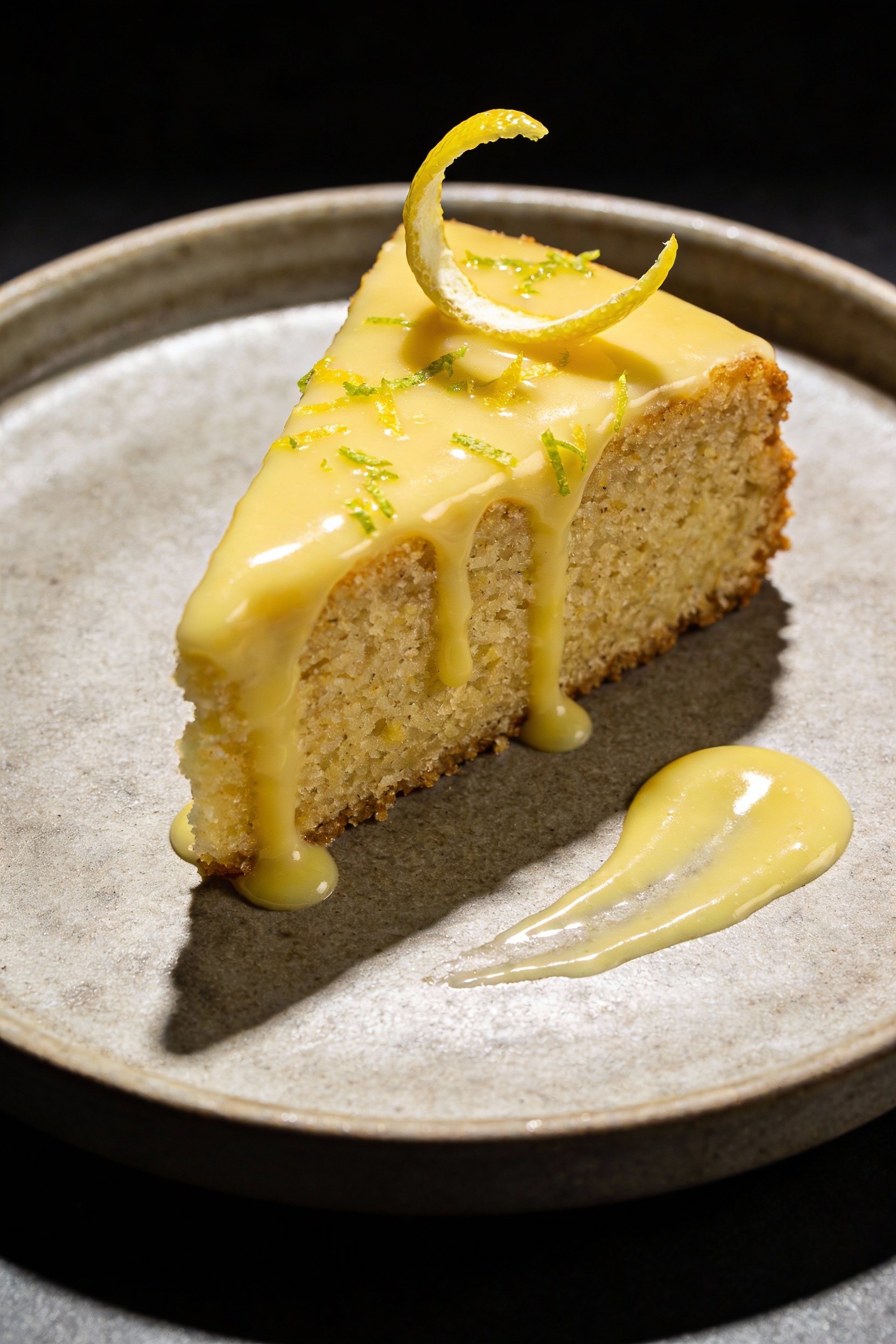
Lemon: Add zest of 2 lemons and 2 tablespoons lemon juice. Swap vanilla frosting for a lemon glaze made with powdered sugar and lemon juice.
-
Funfetti: Fold in 1/2 cup gluten-free sprinkles after the batter rests. Use vanilla buttercream and extra sprinkles on top for maximum “party.”
-
Berry swirl: Dollop thick jam over the batter in the pans and swirl gently with a knife. Don’t overdo it or you’ll create jam tunnels.
-
Mocha: Add 1 tablespoon instant espresso powder to the milk. Pair with chocolate frosting or a coffee glaze.
FAQ
What flour blend works best for a tender crumb?
Use a gluten-free all-purpose blend designed for baking cakes, ideally one that includes xanthan gum. Blends that mix rice flour, starches, and a bit of protein tend to bake up softer and less gritty.
Do I need xanthan gum if my blend already has it?
No. Adding extra can make the cake oddly gummy. If your blend lists xanthan gum (or guar gum), skip adding more unless the cake consistently crumbles for you.
Can I make this dairy-free?
Yes. Use plant-based butter, a thick dairy-free yogurt, and unsweetened non-dairy milk. The key is keeping that moisture-and-fat balance so the crumb stays plush.
Why did my cake sink in the middle?
Usually it’s underbaking, overbeating the batter, or opening the oven too early. Bake until the center springs back, and let it cool gradually so the structure sets instead of collapsing.
Can I bake this as cupcakes or a sheet cake?
Absolutely. For cupcakes, start checking around 16–20 minutes. For a 9×13 sheet cake, start checking around 28–35 minutes and use the same spring-back test.
How do I keep gluten-free cake from tasting sandy?
Rest the batter for 10 minutes, use sour cream or Greek yogurt, and avoid overbaking. Those three fix most texture issues faster than buying ten new flours.
My Take
I like cake that tastes like it has no business being “special diet” anything. This base delivers that bakery-style softness without needing a science lab or a dozen obscure ingredients.
The batter rest is the unsexy step that changes everything, and once you do it, you’ll never go back. If you want one recipe that makes you look like you have your life together, this is it.
And if someone asks, “Are you sure this is gluten-free?” just smile. Let them sit in that confusion for a minute. It’s good for them.
Printable Recipe Card
Want just the essential recipe details without scrolling through the article? Get our printable recipe card with just the ingredients and instructions.