Easy Caramelized Onions (no Burn, Extra Sweet) Tonight
Make glossy, jammy onions in under an hour—no scorching, no constant stirring. Perfect topper for burgers, steak, pizza, eggs, and dips.
You know that glossy mound on a restaurant burger that tastes like sweet magic? That’s caramelized onions done right. Most home cooks scorch them, crank the heat, and end up with bitter strands they pretend are “rustic.” Not here. This method keeps the heat in check, builds flavor fast, and makes onions so sweet they’ll practically pass for onion jam. Want chef-level results without babysitting the pan? Keep reading and grab a wide skillet.
The Secret Behind This Recipe
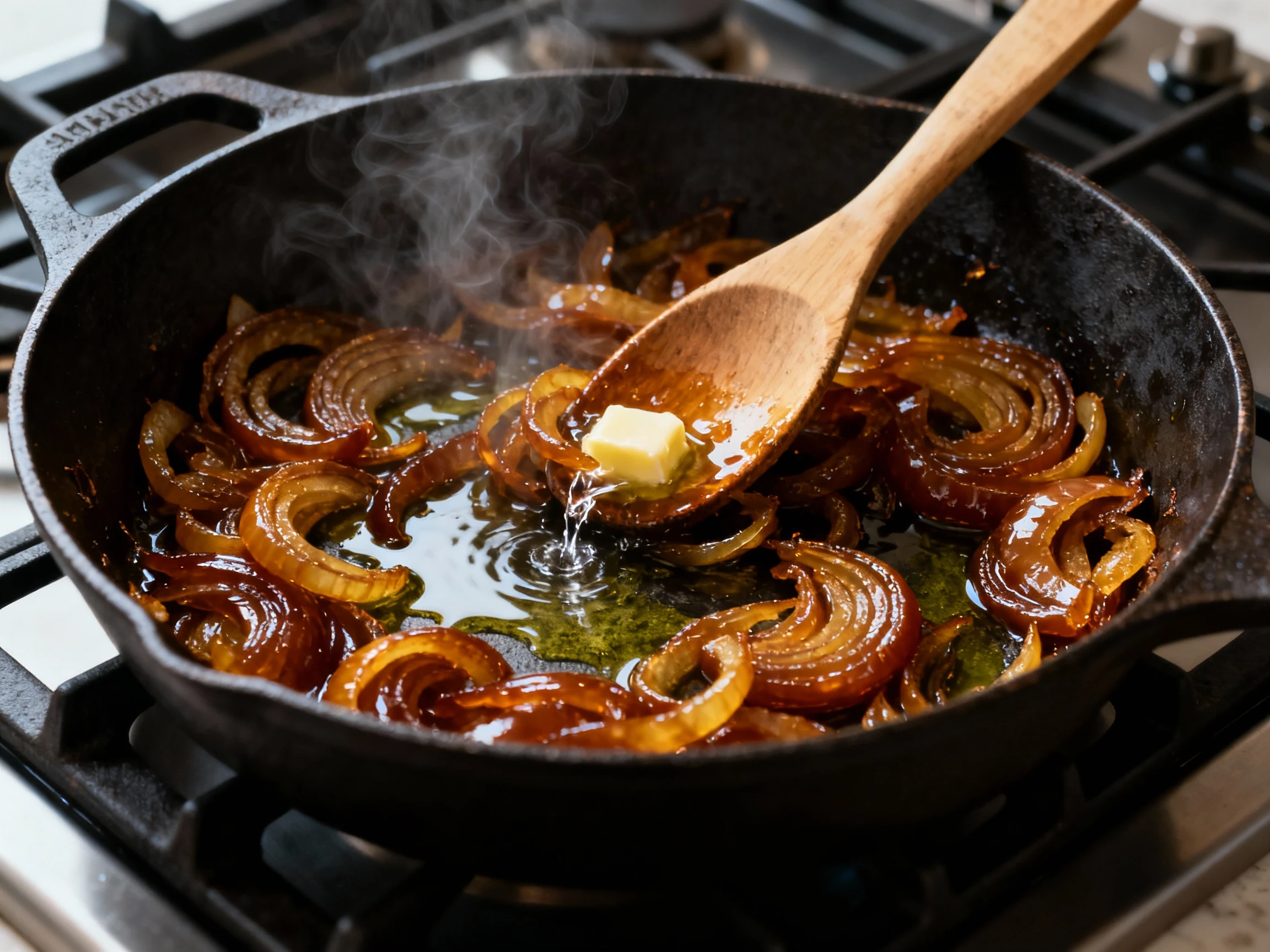
Caramelizing onions is a slow transformation, not a sprint. The trick is managing heat and moisture so the natural sugars brown without burning. Use a wide pan, low heat, and controlled deglazing with splashes of water to keep fond from turning bitter. A mix of butter and olive oil gives both flavor and a higher smoke point—win-win.
Salt early to draw out water, which jumpstarts the sweat. Then let time do its thing. Cover early, uncover to caramelize, and scrape down the pan often. Want them extra sweet? Add a tiny pinch of sugar if your onions are out of season. For speed, you can use a micro pinch of baking soda (like, 1/16 teaspoon). It raises pH and accelerates browning, but go easy—too much makes onions mushy and weird.
Ingredients
- 2 pounds (900 g) yellow onions, halved and thinly sliced
- 1.5 tablespoons unsalted butter
- 1.5 tablespoons olive oil
- 1 teaspoon kosher salt, plus more to taste
- 1/2 teaspoon sugar (optional, for extra sweetness)
- Freshly ground black pepper, to taste
- 2–4 tablespoons water, as needed for deglazing
- 1 teaspoon balsamic vinegar (optional, for finishing)
- Pinch of baking soda (optional; about 1/16 teaspoon)
How to Make It – Instructions
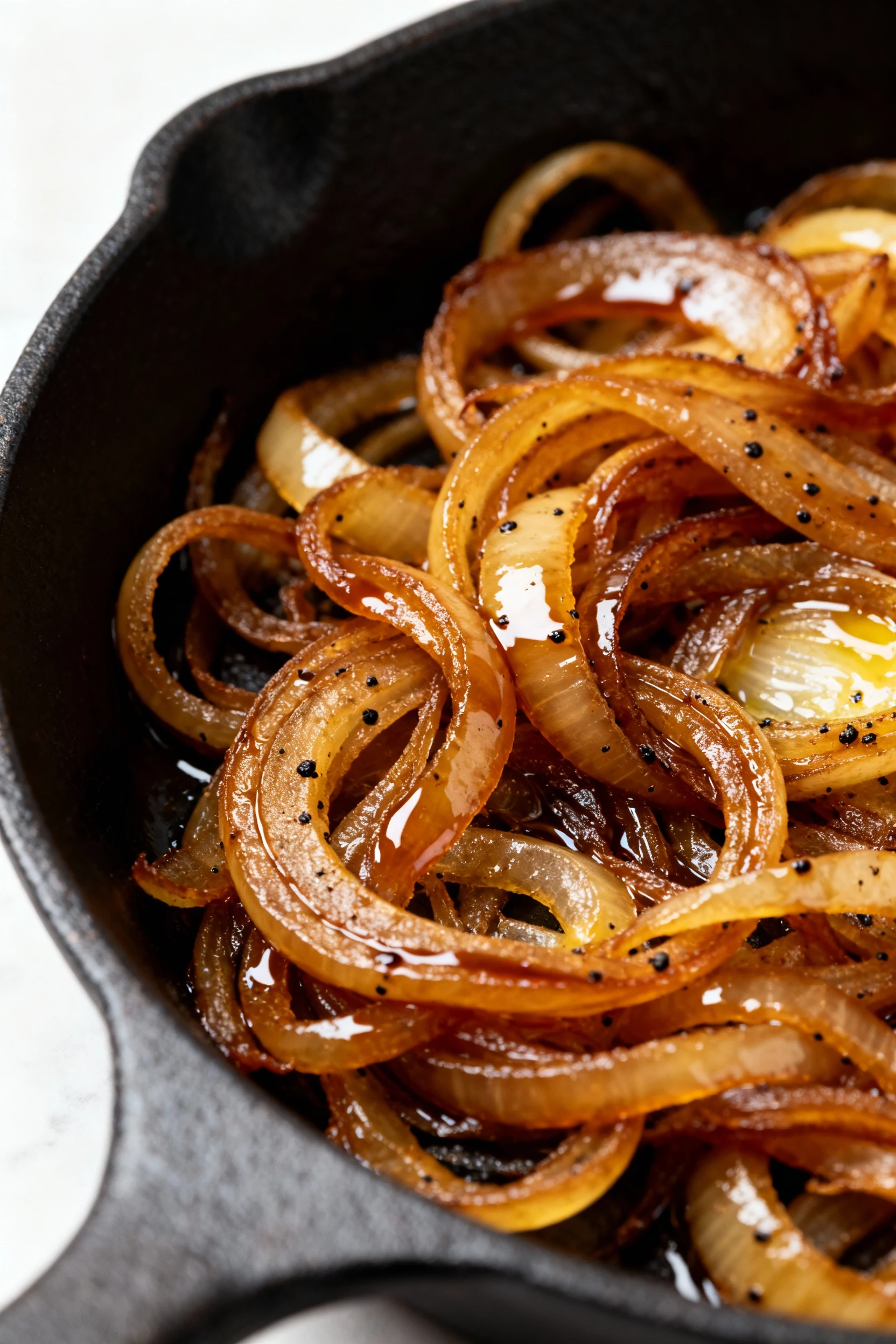
- Pick the right pan: Use a wide, heavy skillet (10–12 inches). More surface area means faster evaporation and better browning.
- Prep the onions: Halve, peel, and slice thinly pole-to-pole (root to stem). This keeps the slices intact instead of shreddy.
- Heat the fat: Set the skillet over medium-low heat. Add butter and olive oil; warm until butter melts and foam subsides.
- Add onions + salt: Toss in onions and 1 teaspoon salt. Stir to coat. If using baking soda, add a tiny pinch now—think “just dust the tip of a spoon,” IMO.
- Cover and sweat: Cover the pan for 8–10 minutes. Stir once or twice as onions soften and release water. You’re building momentum without scorch risk.
- Uncover and caramelize: Remove the lid. Keep heat on low to medium-low. Stir every 3–4 minutes, letting onions sit to pick up color before moving them.
- Deglaze smartly: When fond builds on the pan and onions look dry, add 1–2 tablespoons water to dissolve the browned bits. Scrape and fold that flavor back in. Repeat as needed.
- Boost sweetness (optional): If onions taste lean, sprinkle 1/2 teaspoon sugar. This helps in off-season when onions aren’t as sweet. Don’t overdo it—we’re enhancing, not candying.
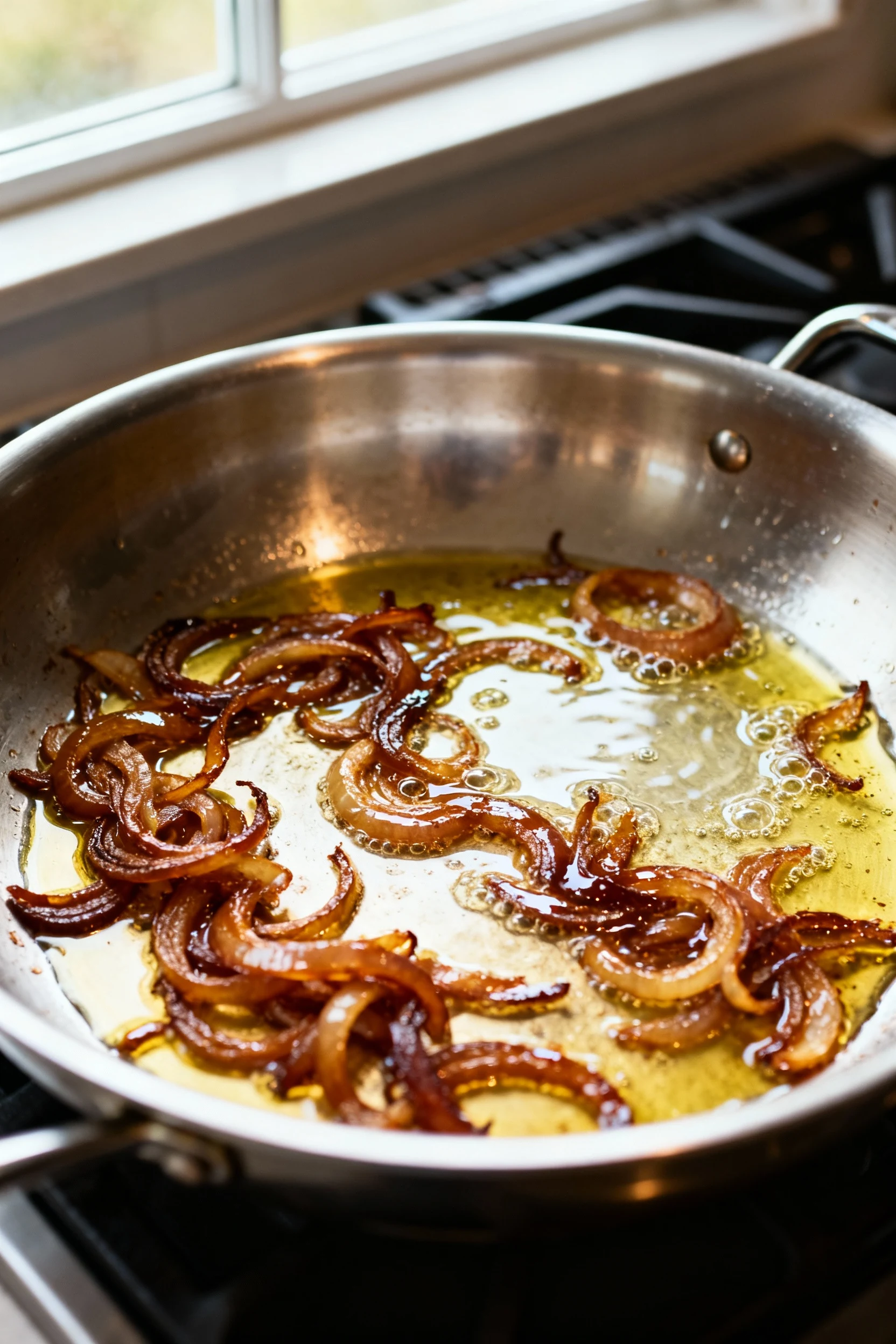
- Stay patient: Continue the cycle of stir, wait, and micro-deglaze for 25–35 minutes. You want deep golden-brown, soft, and jammy strands. If edges darken too fast, lower the heat.
- Finish the flavor: When onions are mahogany and glossy, add 1 teaspoon balsamic to brighten. Season with pepper and a pinch more salt if needed.
- Serve hot or stash: Use immediately or let cool for storage. If you see the faintest char, a splash of water plus gentle scraping usually saves it—FYI.
Storage Tips
- Fridge: Store in an airtight container for 5–7 days. A thin film of olive oil on top helps keep them moist and protected.
- Freezer: Portion into small containers or freezer bags; press flat for easy stacking. They freeze well for up to 3 months.
- Reheating: Warm gently over low heat with a splash of water or stock. Microwave on 50% power in short bursts, stirring between.
- Batch hack: Make a double batch, freeze in ice cube trays, then pop out “onion pucks” for quick burgers, omelets, and soups.
- Avoid dryness: If they look parched after thawing, add a teaspoon of butter or oil while reheating.
What’s Great About This
- No-burn method: Low heat and water deglazing keep sugars caramelizing, not scorching.
- Consistent results: Wide pan + routine scraping delivers the same restaurant-level texture every time.
- Extra sweet: Controlled moisture and optional sugar give jammy, balanced sweetness without bitterness.
- Flexible timing: You can nudge the process faster with baking soda or go classic for maximum control.
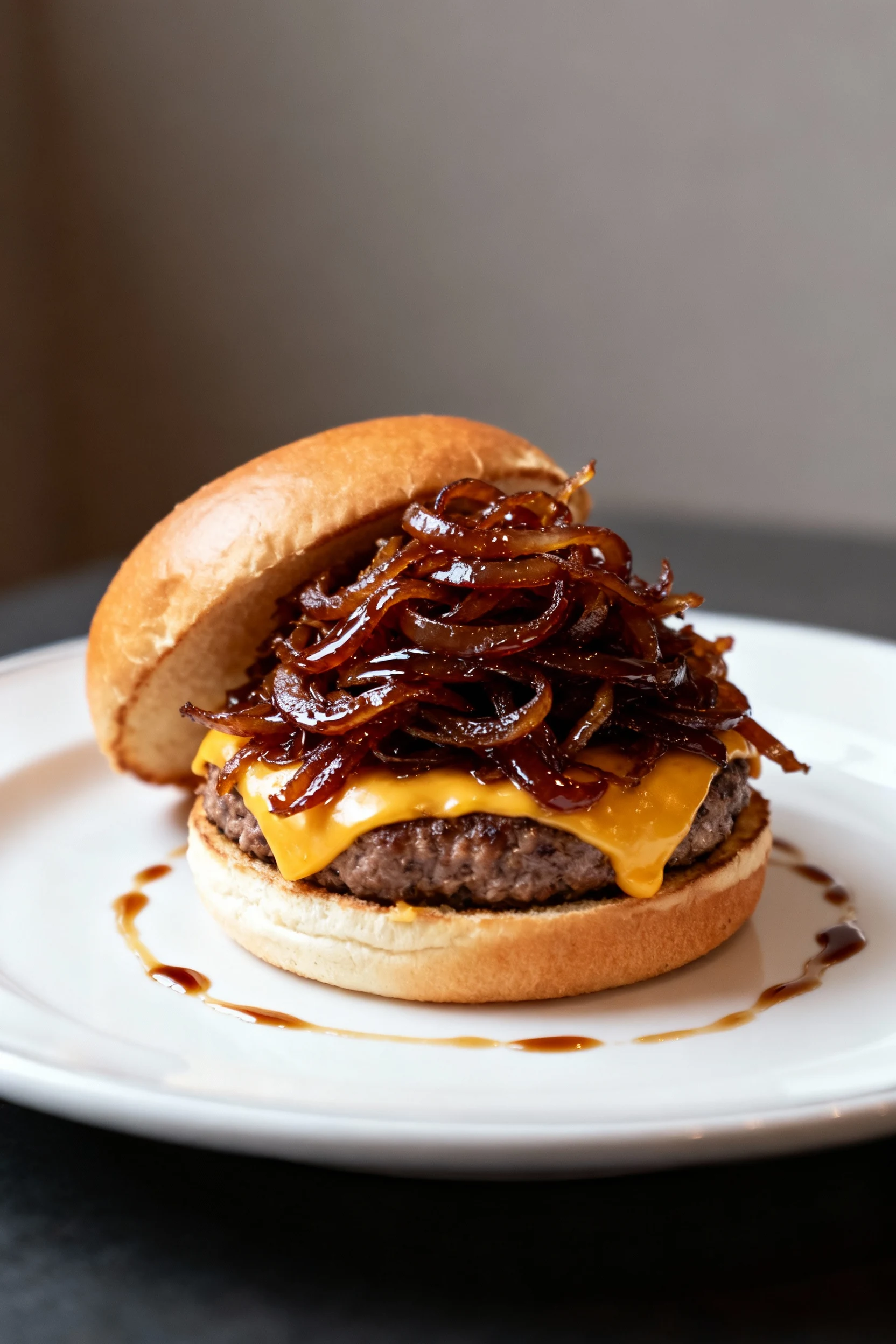
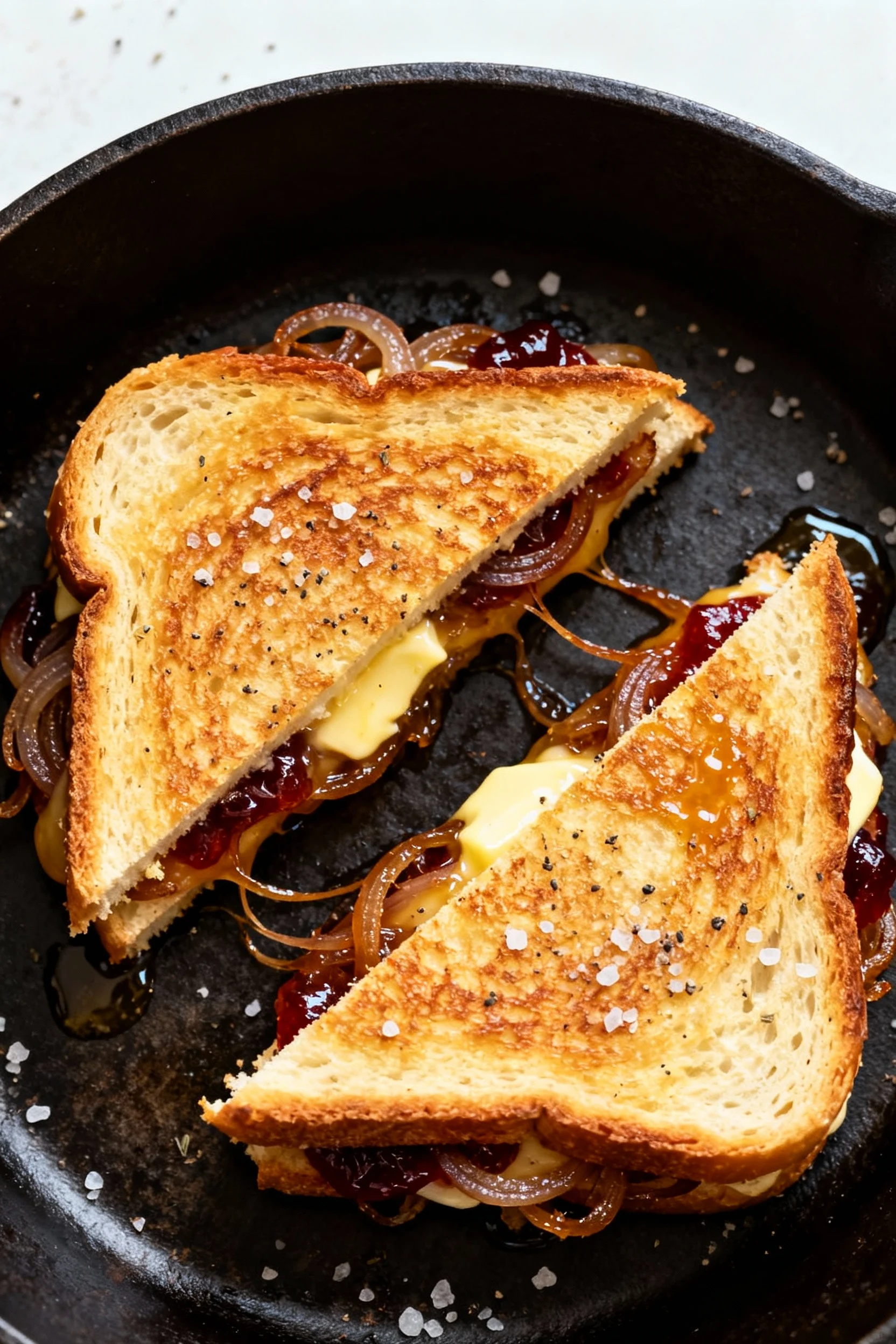
- Ridiculously versatile: Burgers, steaks, grilled cheese, pizza, pasta, dips, eggs—these elevate almost everything.
- Budget-friendly: Onions, butter, oil. That’s it. ROI on flavor is absurd.
Avoid These Mistakes
- Cranking the heat: High heat cooks the outside, not the inside, and leads to bitter burnt bits. Keep it chill.
- Neglecting the pan: You don’t need to stir constantly, but ignoring the fond build-up invites scorching. Scrape regularly.
- Skipping salt early: Salt draws out water, helps onions sweat, and prevents dry patches. Don’t wait.
- Too much baking soda: A tiny pinch speeds browning; more than that can turn onions mushy and soapy. Less is more.
- Using a small pan: Crowding traps steam and stalls browning. Go wide, not deep.
- Walking away for 15 minutes: Nice try. Stir every few minutes to manage moisture and color.
Alternatives
- Different onions: Yellow are classic. Sweet onions (Vidalia, Walla Walla) caramelize faster and sweeter. Red onions give a winey, rich vibe.
- Fats: Swap butter for ghee for nuttier flavor and higher smoke point. Go all-olive oil for dairy-free. A splash of neutral oil raises smoke point.
- Deglazing liquids: Instead of water, use stock, dry white wine, or apple cider for layered flavor. Keep additions small to avoid steaming.
- Oven method: Toss sliced onions with oil and salt; spread in a roasting pan; bake at 375°F, stirring occasionally for 45–60 minutes. Less stirring, slightly different texture.
- Slow cooker: Set on low 8–10 hours with butter/oil and salt. Finish in a hot pan to add color. Great for big batches.
- Seasonings: Thyme, bay leaf, or a pinch of smoked paprika add depth. Finish with sherry vinegar or lemon for brightness.
- No sugar route: If you’re a purist, skip sugar entirely. Go low and slow; your onions will still turn deeply sweet.
FAQ
How long does it really take to caramelize onions?
On the stovetop, expect 35–45 minutes for deep, jammy onions using low to medium-low heat. You can shave a few minutes with a micro pinch of baking soda, but patience wins on flavor and texture.
Can I speed this up without burning?
Yes, use a tiny pinch of baking soda and stir a bit more frequently. Keep the heat moderate and add small splashes of water to deglaze. TBH, there’s a floor to the time; rushing too hard sacrifices flavor.
Do I need both butter and olive oil?
Butter adds rich flavor; olive oil raises the smoke point and keeps things stable. The combo is ideal. If you must choose, use olive oil for no-burn reliability and finish with a knob of butter at the end.
Why add water instead of more oil?
Water dissolves fond and cools the pan slightly, preventing scorching while pulling browned bits back into the onions. Oil lubricates but doesn’t deglaze. Small water additions are your safety net.
What type of onions work best?
Yellow onions are the classic choice for balanced sweetness and savory depth. Sweet onions caramelize faster and taste sweeter. Red onions give a richer color and subtle wine-like notes.
Can I caramelize pre-sliced onions from the store?
You can, but check thickness. Pre-sliced onions are often inconsistent, which means uneven cooking. If using them, slice any thick pieces thinner for uniform results.
Why did my onions turn bitter?
Heat was too high or the fond burned. Lower your heat, stir every few minutes, and deglaze with water before the browned bits get too dark. A touch of acid (balsamic or lemon) can balance mild bitterness.
Should I use sugar or not?
Totally optional. Sugar helps if your onions are out of season and taste flat. Use a light hand—about 1/2 teaspoon for 2 pounds—to enhance, not overpower.
Can I make these in advance for a party?
Absolutely. Make a day or two ahead, chill, and reheat gently with a splash of water. For big batches, the oven or slow cooker method saves time and stove space.
What’s the best way to reheat without drying?
Low heat, small pan, and a splash of water or stock. Stir occasionally until glossy. Finish with a little butter if you want that restaurant sheen.
Final Thoughts
Caramelized onions are the easiest way to turn “good” into “wow.” With a wide pan, low heat, and smart deglazing, you get sweetness without the burn—every time. Make a batch, freeze a few portions, and start upgrading every bite that crosses your kitchen. Your burgers won’t know what hit them.
Printable Recipe Card
Want just the essential recipe details without scrolling through the article? Get our printable recipe card with just the ingredients and instructions.