Discard Recipes That Turn Leftover Starter Into Weeknight Wins
Use sourdough discard to whip up fast, budget-friendly bakes and snacks—minimal effort, maximum flavor, perfect for busy weeknights.
Your sourdough starter is a tiny business. When you toss the leftovers, you’re literally trashing free inventory. That “discard” is flavor, lift, and texture ready to be deployed in minutes. Today, we’ll turn it into a master batter that lands pancakes, waffles, flatbreads, and crackers with almost zero planning. More wins, less waste, and honestly—your weekday self will send a thank-you note.
What Makes This Recipe So Good
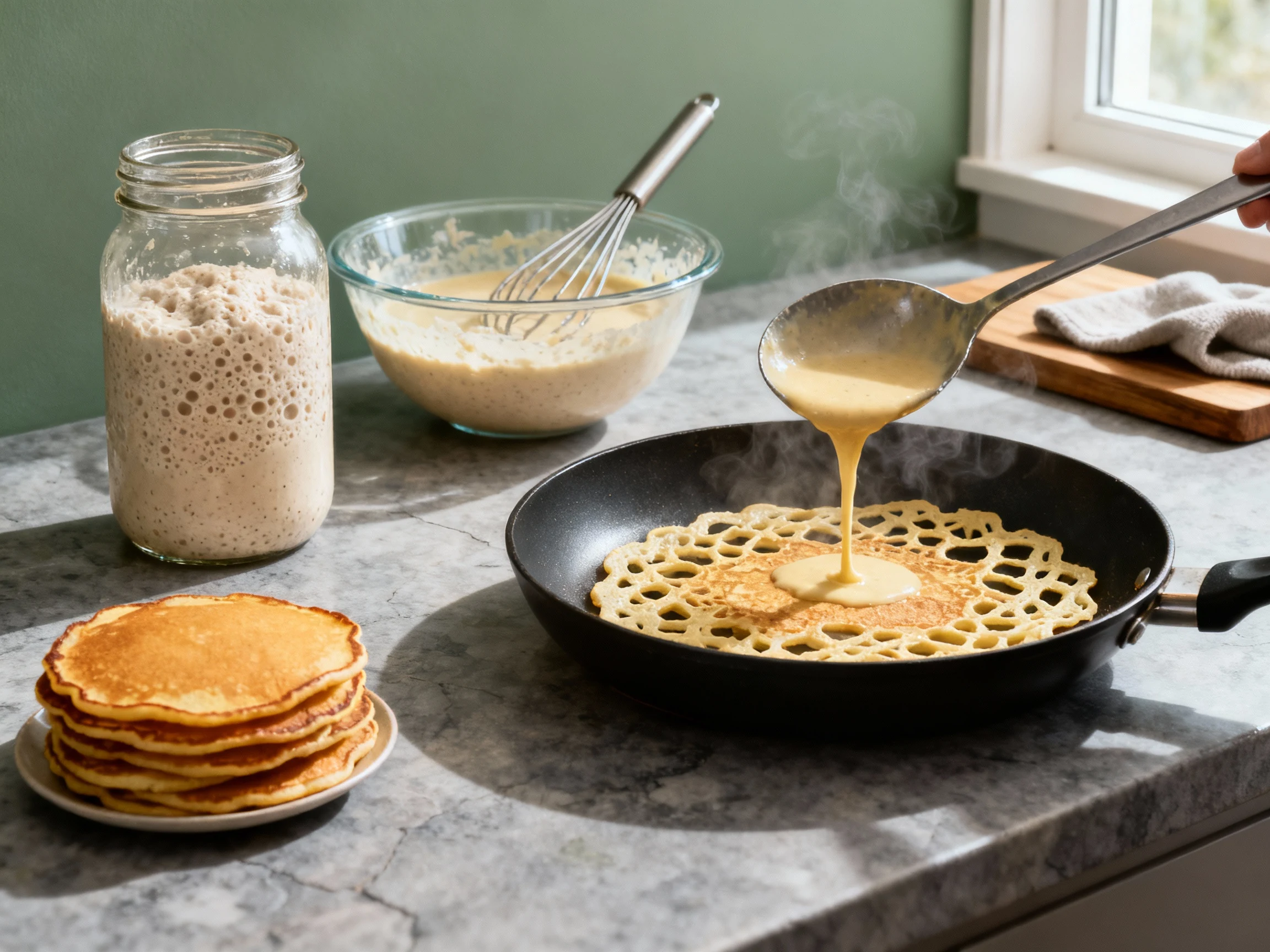
This master discard batter is a utility player. It flips from breakfast to snack to dinner without drama or complicated steps. Keep one bowl, a whisk, and a skillet nearby and you can spin out pancakes at 7 AM, flatbread at 7 PM, and crackers anytime you feel snacky.
- Zero waste, zero fuss: Use what you’ve already got. No starter guilt, no extra shopping list.
- Fast: The batter mixes in 5 minutes. Rest briefly and you’re cooking.
- Flavor-forward: Discard adds mild tang and complexity. It tastes like you tried harder than you did.
- Flexible: Sweet or savory, dairy or dairy-free, gluten or gluten-free—choose your lane.
- Budget-friendly: Pantry staples deliver high ROI. IMO, this is the smartest way to stretch your starter.
What You’ll Need (Ingredients)
- 1 cup (240g) sourdough discard at 100% hydration, cold or room temp
- 3/4 cup (180ml) milk or buttermilk (dairy or plant-based)
- 1 large egg
- 1 cup (120g) all-purpose flour (or a 1:1 gluten-free blend)
- 1 teaspoon baking powder
- 1/2 teaspoon baking soda (helps balance acidity for better lift)
- 1 teaspoon fine sea salt (reduce to 1/2 tsp if going sweet)
- 2 tablespoons (28g) melted butter or neutral oil
- Optional sweet: 2 tablespoons sugar or honey + 1 teaspoon vanilla
- Optional savory: chopped scallions, shredded cheese, herbs, black pepper, garlic powder
- For crackers: extra flour for a stiffer dough + flaky salt and olive oil
How to Make It – Instructions
- Whisk wet: In a mixing bowl, combine the sourdough discard, milk, egg, and melted butter or oil until smooth.
- Season: Add salt. If making sweet batter, add sugar and vanilla now. If going savory, add pepper or garlic powder.
- Lift: Sprinkle in baking powder and baking soda. Whisk briefly just to combine—no need to go wild.
- Build body: Add flour and whisk until no dry spots remain. It should look like pancake batter: pourable, not thin.
- Rest: Let the batter sit 10 minutes. This activates leavening and relaxes the flour, giving you tender results.
- Heat: Warm a nonstick skillet or griddle over medium. Lightly grease with butter or oil.
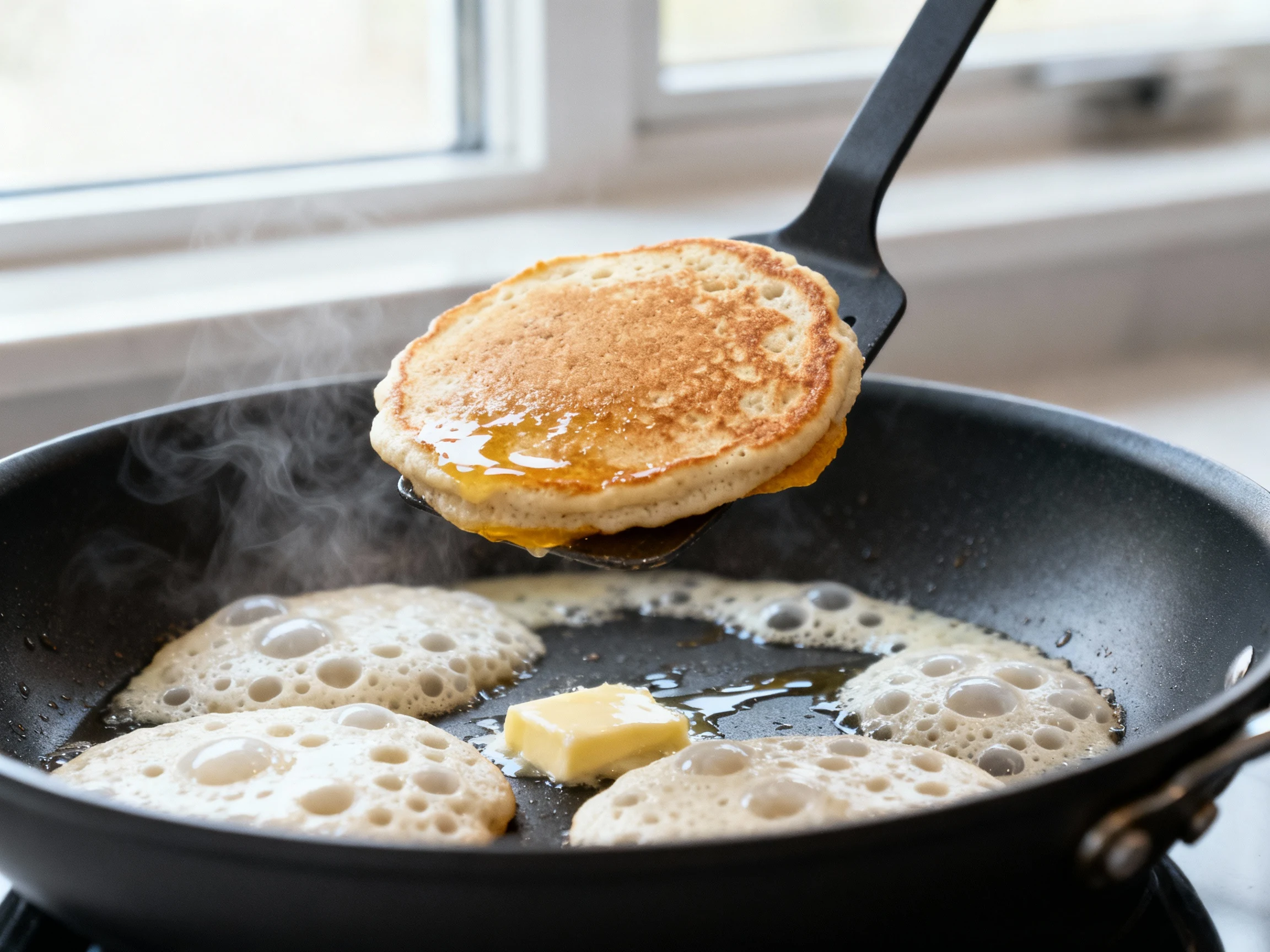
- Pancakes: Scoop 1/4 cup portions. Cook 2–3 minutes until bubbles form and edges set, flip, and cook 1–2 minutes more.
- Waffles: Preheat iron and lightly oil. Pour batter to fill and cook per your iron’s instructions until crisp and golden.
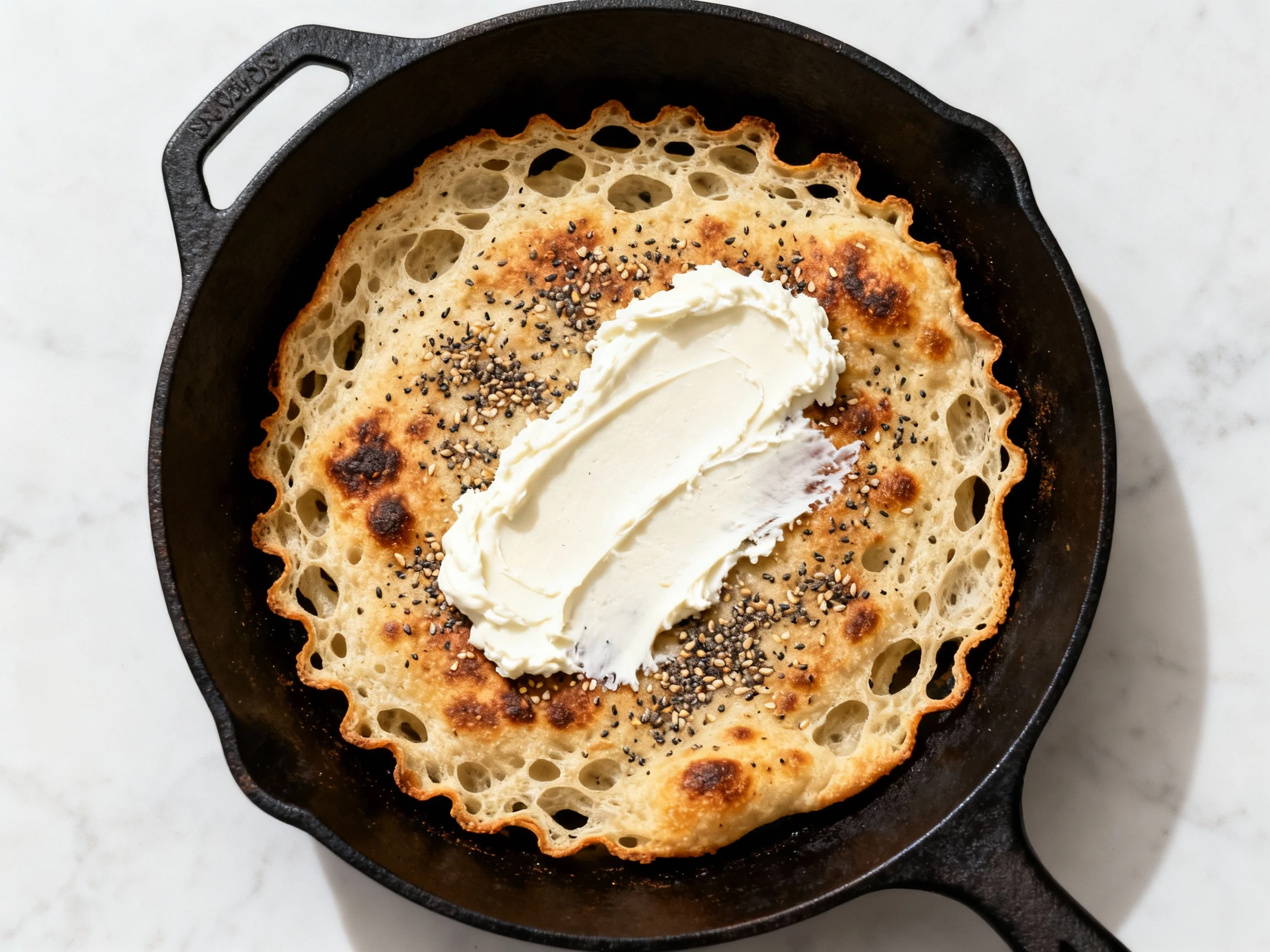
- Skillet flatbread: Thin the batter with 2–4 tablespoons milk. Swirl a ladle into a hot pan for a lacy, quick flatbread; cook 1–2 minutes per side.
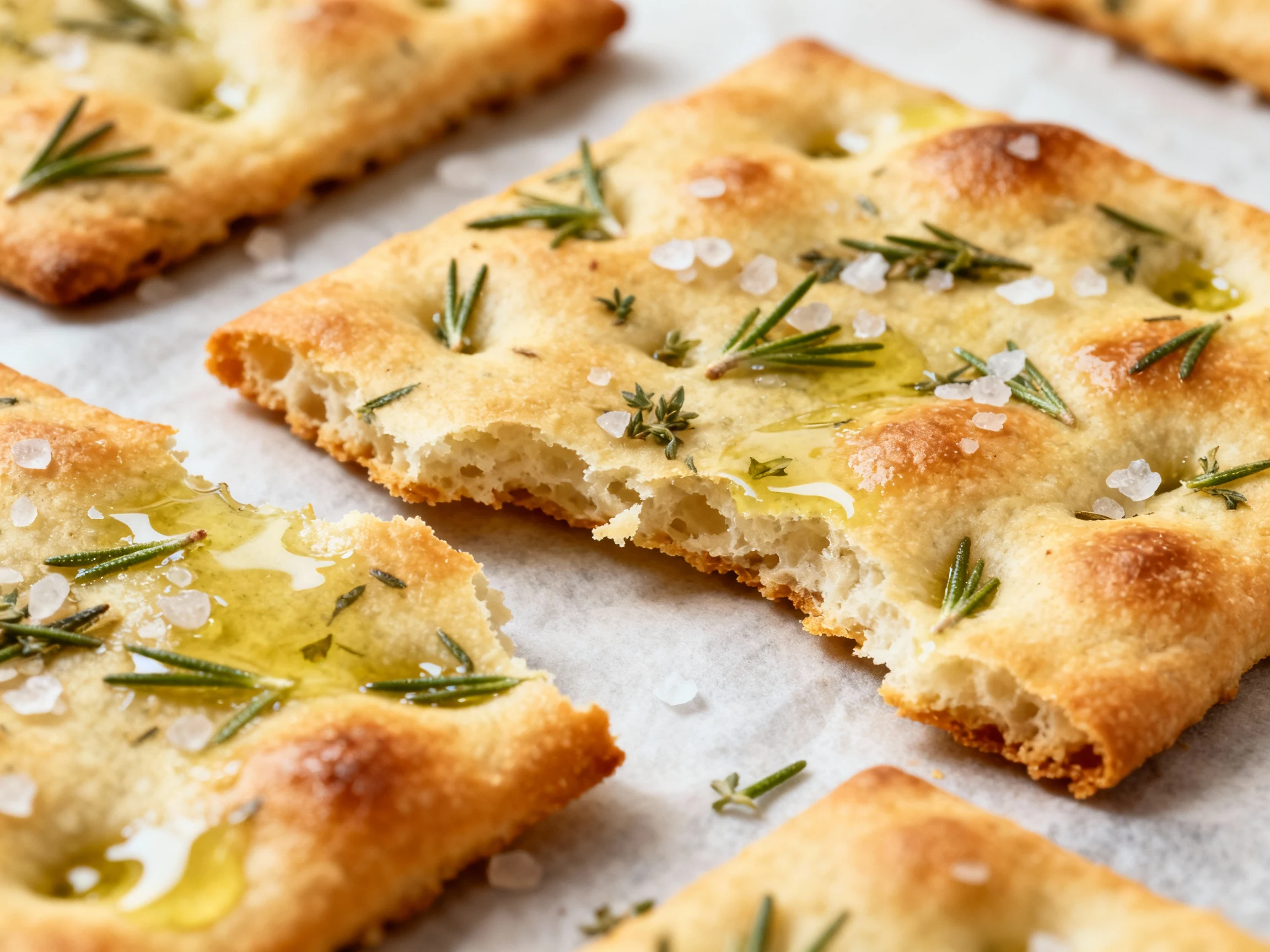
- Crackers: Add 1/2–3/4 cup flour to the batter to make a soft dough. Knead lightly, roll thin, brush with olive oil, sprinkle salt, and bake at 375°F (190°C) for 10–15 minutes until crisp.
Keeping It Fresh
Store cooked pancakes, waffles, and flatbreads in an airtight container at room temperature for up to 24 hours. For longer storage, refrigerate 3–4 days. Reheat in a hot skillet or toaster (microwave works, but crispness takes a vacation).
The batter itself keeps covered in the fridge for 24 hours, though the lift fades. FYI, if you hold it, add a pinch more baking powder before cooking. Crackers stay crisp in a sealed jar for a week; re-crisp in a 300°F (150°C) oven for 5 minutes if they go soft.
Freezer game? Absolutely. Freeze pancakes or waffles in single layers, then bag. Reheat straight from frozen in toaster or oven at 350°F (175°C) for 10 minutes. Flatbreads freeze well too; warm in a skillet until flexible again.
What’s Great About This
- One batter, many wins: Breakfast, lunch, side, snack—your schedule, your call.
- Handles your discard’s mood swings: Whether it’s fresh or a few days old, this recipe adapts.
- Customizable: Sweet berries or savory scallions? Go wild. Or tame. Your kitchen, your rules.
- No special gear needed: A whisk and a pan get it done. Waffle iron is a bonus, not a requirement.
- Consistent results: Proper leavening + brief rest = fluffy centers and crisp edges.
Don’t Make These Errors
- Skipping the rest: It’s 10 minutes. That patience pays off in texture and lift.
- Overmixing: Whisk just until combined. Too much action = tough, sulky pancakes.
- Wrong heat: Too hot burns the outside and leaves raw centers; too low dries things out. Medium heat is the sweet spot.
- Ignoring acidity: Very tangy discard needs baking soda for balance. Don’t skip it.
- Overloading mix-ins: Cheese and scallions are great, but there is a tipping point where pancakes become chaos.
- Not seasoning: A little salt makes flavors pop. Even sweet versions need a pinch.
- Guessing thickness: Batter should be pourable. Too thin? Add 1–2 tablespoons flour. Too thick? Splash in milk.
Variations You Can Try
- Cheesy Scallion Pancakes: Fold in 1/2 cup shredded cheddar and 1/3 cup sliced scallions. Serve with chili crisp.
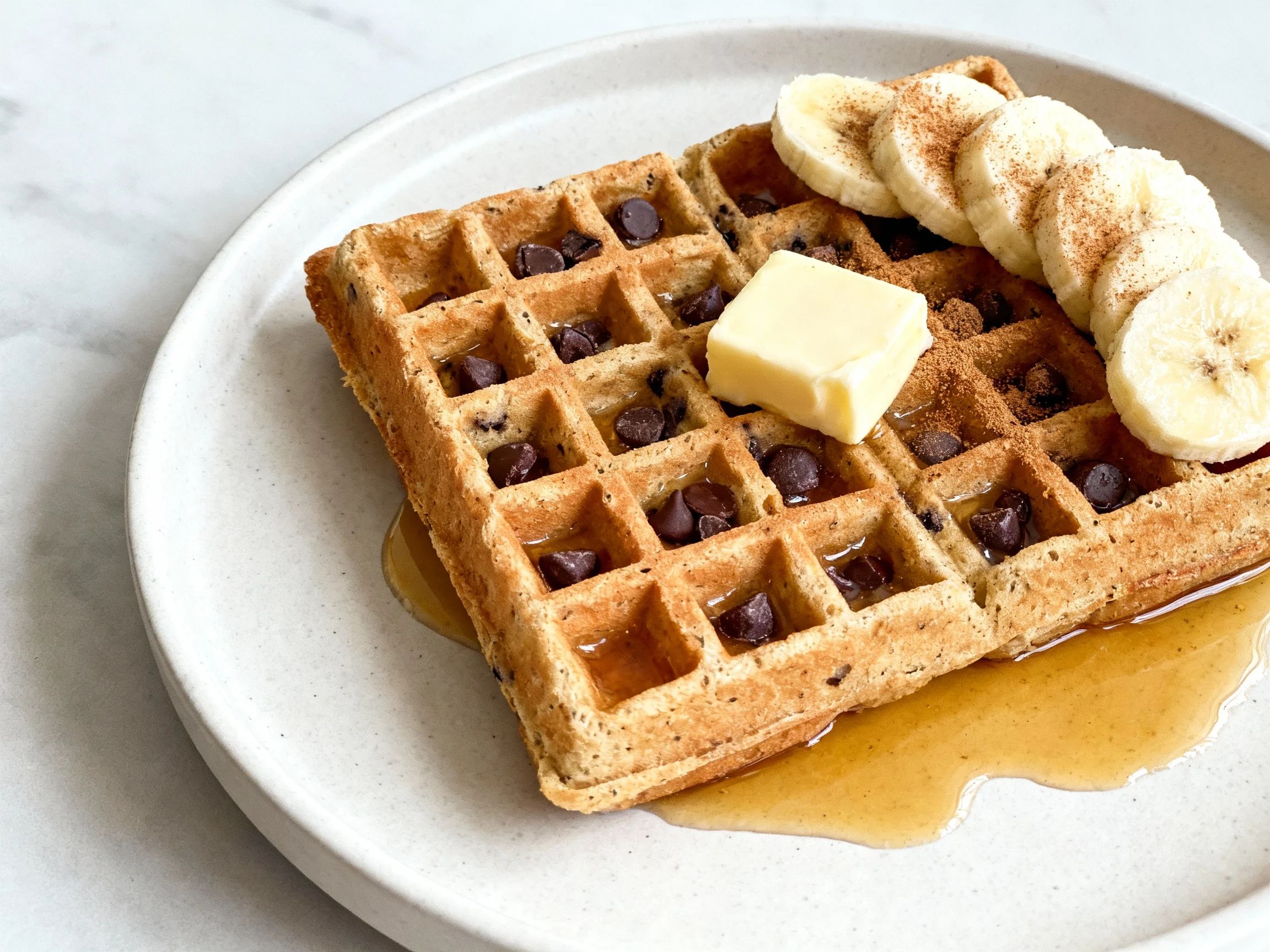
- Banana-Chocolate Chip Waffles: Add 1 mashed ripe banana and 1/2 cup chocolate chips. Use cinnamon and vanilla.
- Everything Bagel Flatbread: Top flatbread with everything seasoning and a swipe of cream cheese.
- Herb & Olive Oil Crackers: Knead in chopped rosemary and thyme. Brush with olive oil; sprinkle flaky salt.
- Cinnamon Sugar Griddle Cakes: Mix 1 teaspoon cinnamon into the batter. Dust finished cakes with cinnamon sugar.
- Garlic Butter Naan-Style Flatbread: Add 1 grated garlic clove to batter. Brush hot flatbread with melted butter and parsley.
- Pizza Skillet: Make a thicker flatbread, top with sauce and cheese, cover to melt. Instant mini pie.
- Savory Breakfast Sandwich: Cook small pancakes, then stack with egg, bacon, and hot sauce.
FAQ
What is sourdough discard?
Discard is the portion of starter you remove during feeding to keep the culture balanced. It’s flour, water, and live yeast/bacteria. It’s not trash—it’s ready-to-cook flavor. Use it in quick bakes where commercial leaveners provide lift.
Is discard safe to eat?
Yes, assuming your starter is healthy and smells pleasantly tangy. If it smells putrid, has pink/orange streaks, or shows mold, toss it and start fresh. Healthy discard is mildly acidic and perfect for cooking.
Can I use discard straight from the fridge?
Absolutely. Cold discard works fine. If it’s very stiff, let it warm a few minutes to loosen. The batter will still mix smoothly, and the brief rest brings everything together.
How does acidity affect leavening?
Acidic discard plays nicely with baking soda, which neutralizes acid and creates bubbles. Using a mix of baking powder and baking soda gives reliable lift and balances the tang. If your discard is super sour, add an extra pinch of baking soda.
Can I make this gluten-free?
Yes. Use a 1:1 gluten-free flour blend. The batter texture may be slightly different, so adjust thickness with a splash of milk or a tablespoon of flour. Results are still tasty and satisfying.
What about egg-free or dairy-free options?
Swap the egg for a flax egg (1 tablespoon ground flax + 3 tablespoons water, rested 5 minutes). Use plant milk and oil instead of butter. Lift stays solid, and flavor remains great.
How do I fix batter that’s too thin or thick?
If too thin, add flour 1 tablespoon at a time. If too thick, add milk 1–2 tablespoons at a time. The goal: a pourable batter that mounds slightly on a spoon.
Can I use old discard?
Older discard is more sour and may be thicker. It’s fine if it smells cleanly tangy. Balance with a little extra baking soda, and consider adding herbs or cheese for savory versions to complement the sharper flavor.
How should I store discard?
Keep a container in the fridge and add to it over the week. Stir before using. If it separates, that’s normal; just recombine. Use within a week for best results, and feed your main starter on schedule.
In Conclusion
Leftover starter shouldn’t live in the bin. With this master batter, you’ve got a fast path to pancakes, waffles, flatbreads, and crackers anytime. It’s flexible, cheap, and delicious—exactly what busy kitchens need. Save money, save time, and turn “waste” into wins, again and again.
Printable Recipe Card
Want just the essential recipe details without scrolling through the article? Get our printable recipe card with just the ingredients and instructions.