Delicious Cake Recipes That Wow Any Crowd Fast
Bake bakery-level cakes at home with simple steps, bold flavor, and reliable timing—perfect for birthdays, potlucks, and lazy Sundays.
You don’t need a fancy mixer, a culinary degree, or a pantry that looks like a cooking show set. You need a plan that works, flavors that slap, and steps that don’t betray you at minute 27. This guide gives you a small lineup of crowd-pleasing cakes you can make on a weeknight and still brag about on the weekend. Want a cake that tastes expensive but uses normal-people ingredients? Good. Let’s make your oven earn its rent.
Think of this as your “one playbook, multiple wins” approach. You’ll get one master method, then you’ll flip the flavor switch depending on what you crave: chocolate, lemon, vanilla, carrot, or berries. The goal is simple: moist crumb, clean slices, and frosting that doesn’t slide off like it’s trying to escape. Ready?
The Secret Behind This Recipe
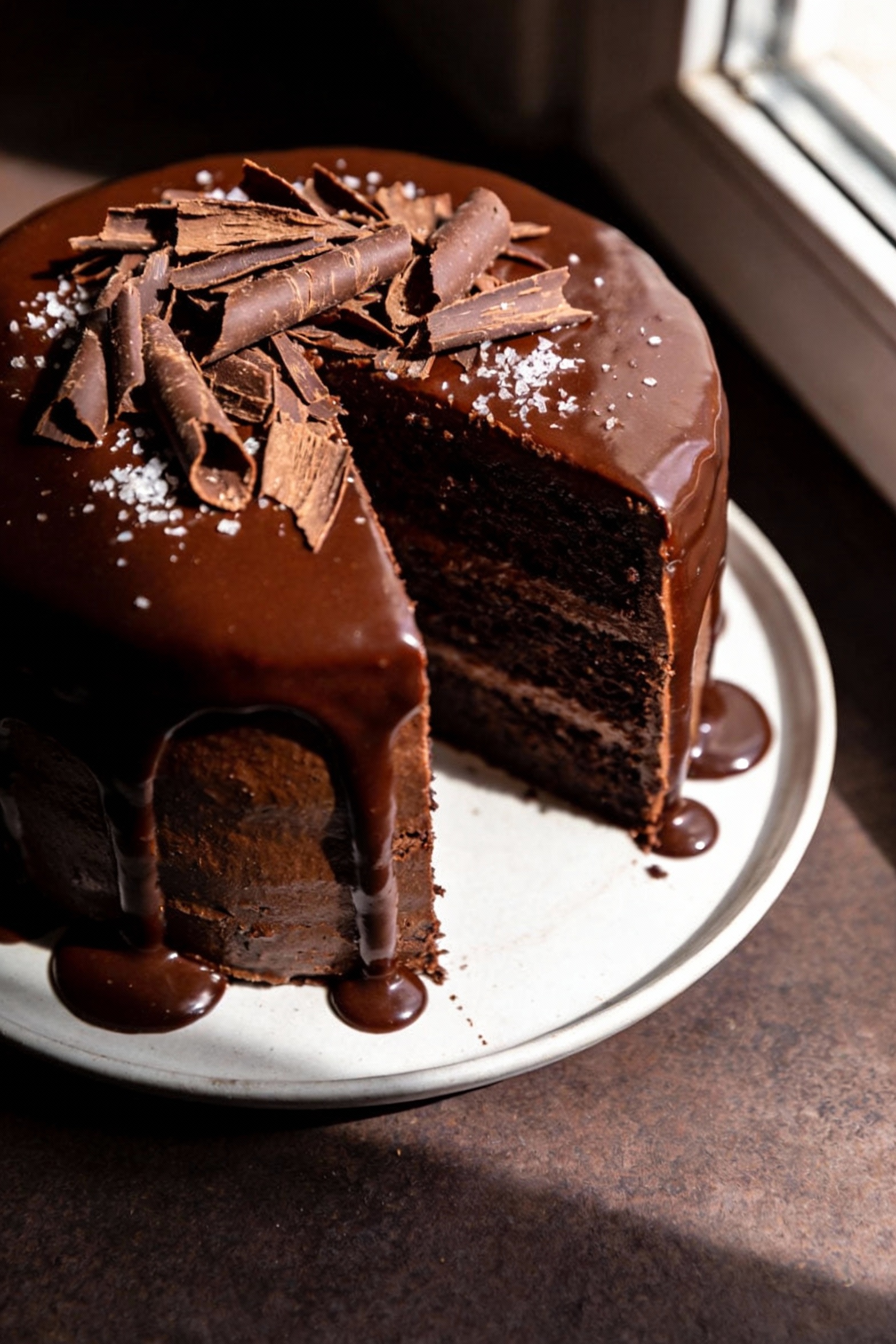
The real secret is control, not complexity. Control your moisture with sour cream or yogurt, control your lift with fresh leaveners, and control your texture by stopping the mixer before it turns your batter into rubber. Most “mystery dry cake” problems come from overbaking and overmixing, not a lack of rare ingredients.
Second secret: build flavor in layers. A pinch of salt makes sweetness taste louder. Espresso makes chocolate taste deeper, not like coffee. Citrus zest brings aroma that hits before the first bite even lands. It’s basically legal cheating.
Third secret: temperature timing. Room-temp eggs and dairy mix smoothly, so you don’t end up with a lumpy batter and a sad crumb. And letting the cake cool fully before frosting prevents that “melting buttercream waterfall” moment. You wanted a cake, not a frosting slip-n-slide.
Ingredients Breakdown
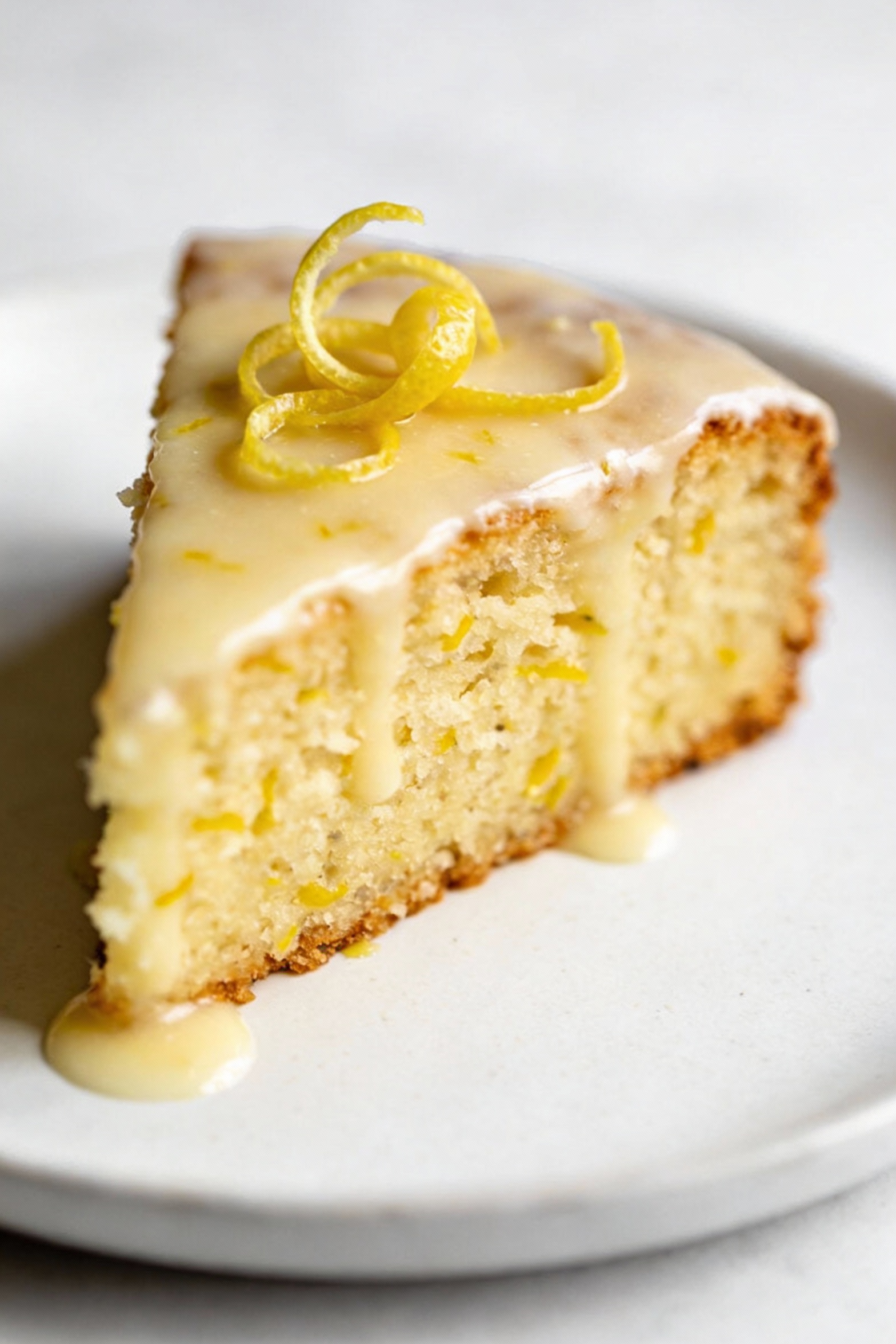
This is a flexible master ingredient list for one 9-inch layer cake (or 12 cupcakes). Pick one flavor variation from the list to customize it.
- All-purpose flour: 2 cups
- Granulated sugar: 1 1/2 cups
- Baking powder: 2 teaspoons
- Baking soda: 1/2 teaspoon
- Fine salt: 3/4 teaspoon
- Unsalted butter (room temp): 1/2 cup
- Neutral oil (canola/vegetable): 1/3 cup
- Eggs (room temp): 2 large
- Vanilla extract: 2 teaspoons
- Sour cream or full-fat yogurt: 3/4 cup
- Milk or buttermilk: 1/2 cup
- Optional flavor boosters (choose one): cocoa powder, lemon zest, spices, berries, espresso powder
For a simple frosting that behaves: you can do a classic buttercream, a tangy cream cheese frosting, or a shiny chocolate ganache. Pick one based on the cake vibe.
- Vanilla buttercream: 3/4 cup unsalted butter, 3 cups powdered sugar, 2 tablespoons milk, 1 teaspoon vanilla, pinch of salt
- Cream cheese frosting: 8 oz cream cheese, 1/2 cup butter, 2 1/2 cups powdered sugar, 1 teaspoon vanilla, pinch of salt
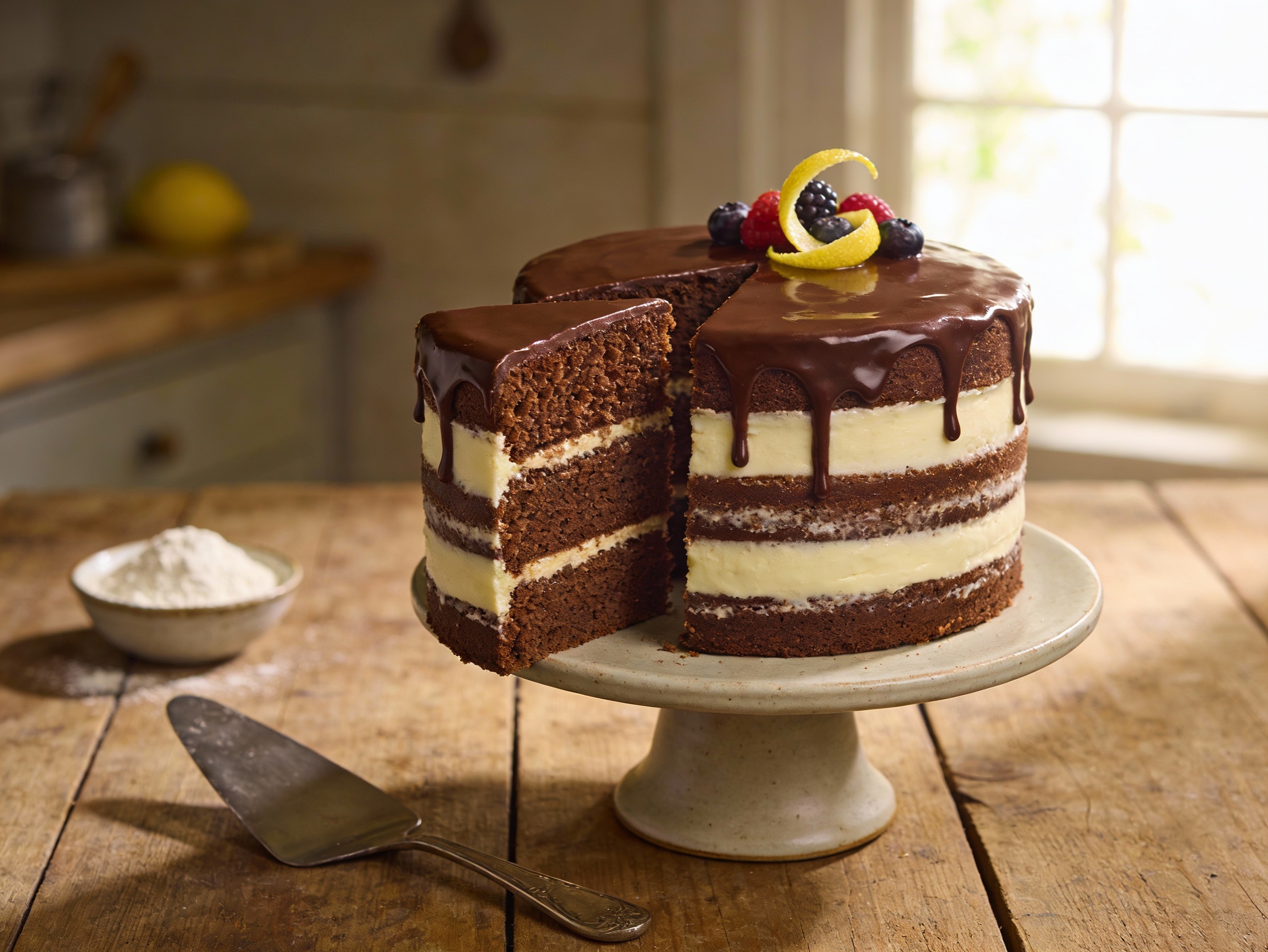
- Chocolate ganache: 8 oz chocolate, 3/4 cup warm heavy cream, pinch of salt
Cooking Instructions
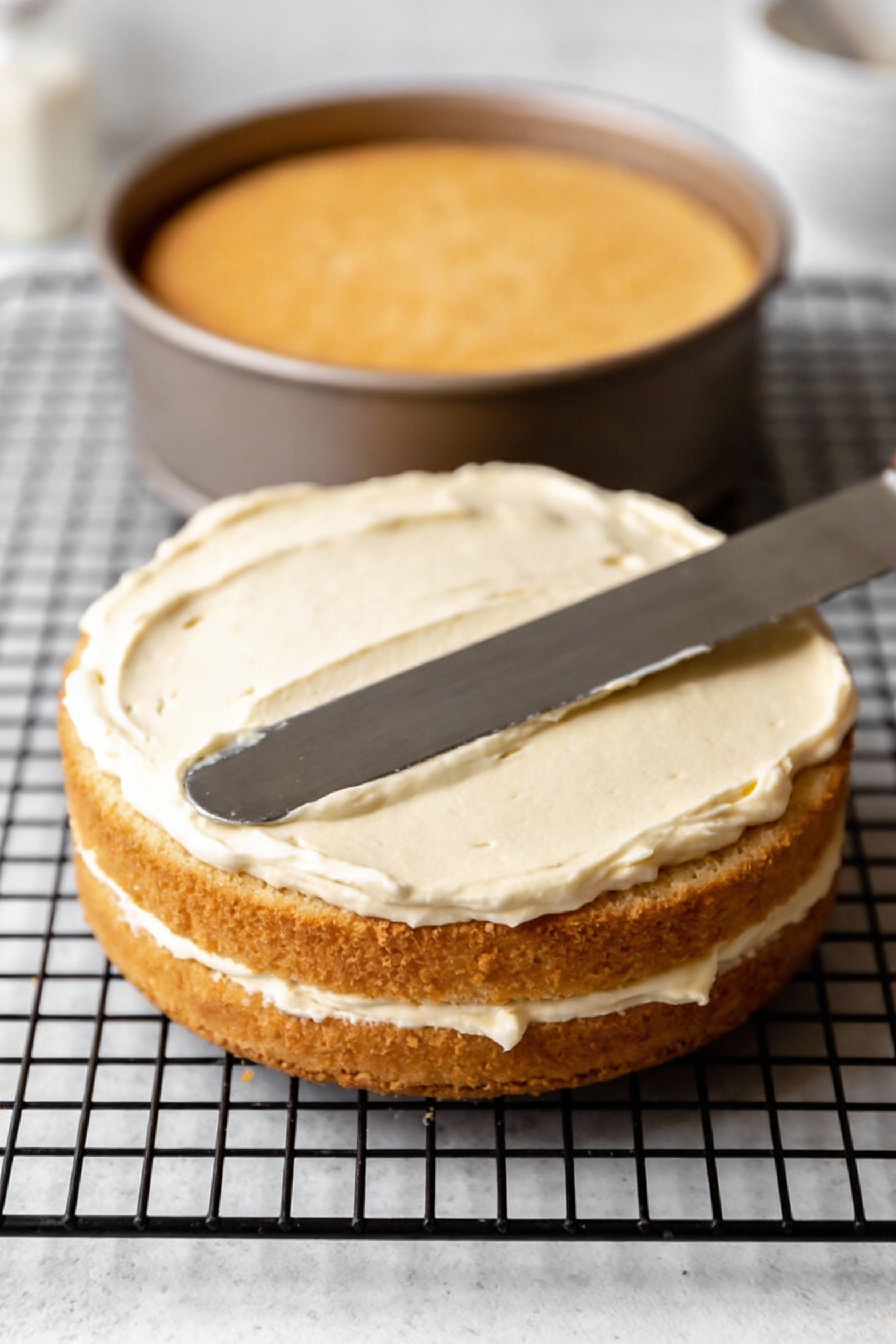
Use this as your master listicle. Then choose a variation in the “Recipe Variations” section to finish the flavor.
- Preheat and prep: Heat oven to 350°F. Grease and line a 9-inch round pan, or prep a cupcake tin with liners.
- Mix dry: Whisk flour, sugar, baking powder, baking soda, and salt in a large bowl until evenly combined.
- Cream butter and add oil: Beat butter until smooth, then drizzle in oil and mix until glossy and cohesive.
- Add eggs and vanilla: Add eggs one at a time, mixing just until each disappears. Stir in vanilla.
- Add sour cream and milk: Mix in sour cream (or yogurt). Add milk (or buttermilk) and mix briefly. The batter should look silky, not beaten to death.
- Fold in your flavor: Add your chosen variation ingredients (cocoa, zest, spices, berries) and mix on low until just combined.
- Pan and level: Pour batter into the pan and tap once or twice to pop big air pockets. Smooth the top.
- Bake smart: Bake 28–35 minutes for a cake, 18–22 minutes for cupcakes. Pull when a toothpick shows a few moist crumbs, not wet batter.
- Cool fully: Cool 10 minutes in the pan, then turn out onto a rack. Cool completely before frosting. Yes, completely.
- Frost like a pro: Level the cake if needed. Apply a thin crumb coat, chill 15 minutes, then add the final frosting layer.
- Finish and flex: Add zest, shaved chocolate, toasted nuts, or berries on top. Keep it simple; it’ll look intentional.
Preservation Guide
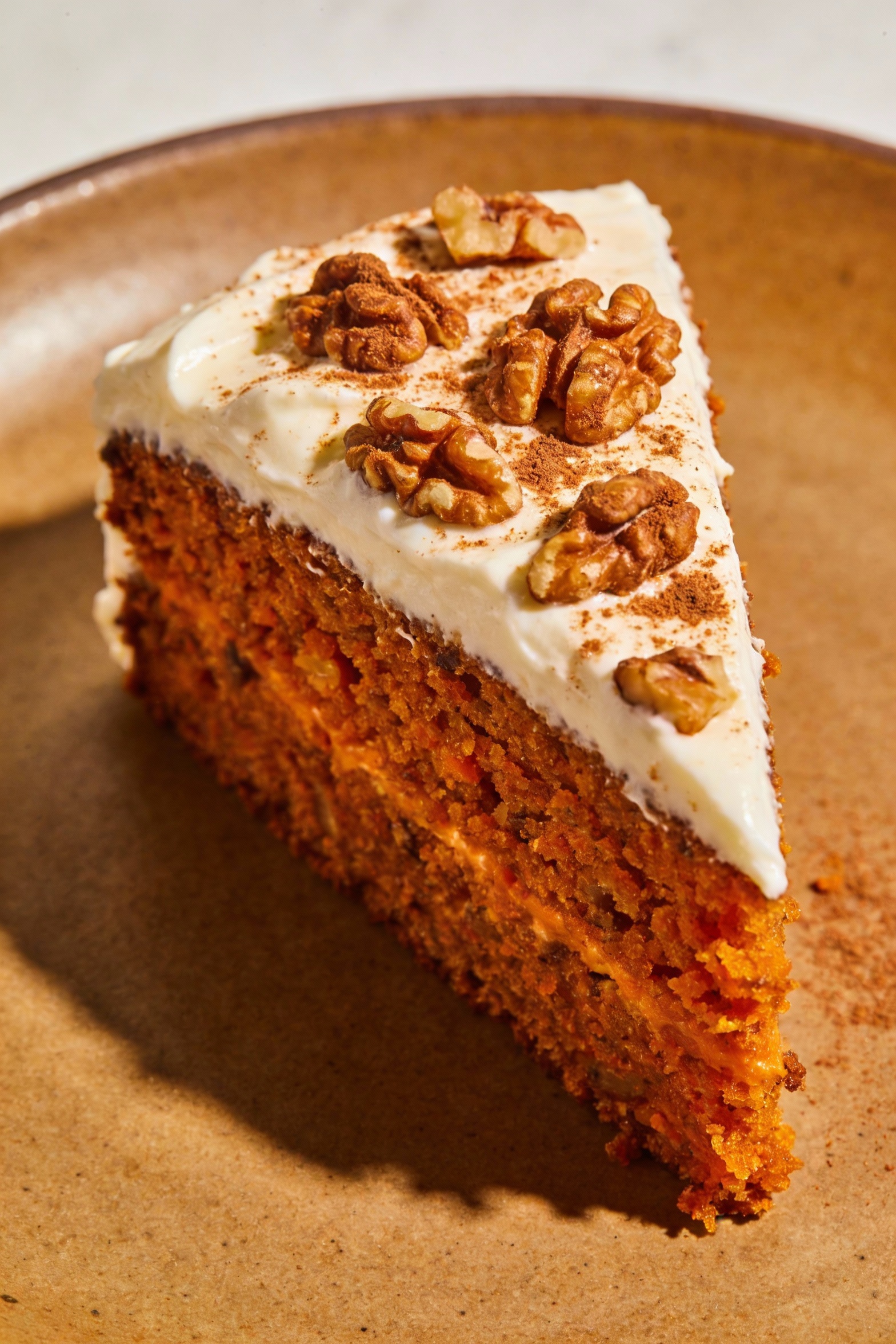
Room temperature works for short-term storage, but only if your frosting behaves. Buttercream cakes can sit covered for 1–2 days in a cool room. Cream cheese frosting needs the fridge because it won’t “be brave” at warm temps.
For refrigeration, cover the cake well so it doesn’t taste like your fridge’s personality. Chill up to 5 days, but bring slices to room temp before serving for the best flavor. Cold cake tastes muted, like it’s refusing to make eye contact.
Freezing is your best friend for future-you. Wrap unfrosted layers tightly in plastic wrap and then foil; freeze up to 2 months. Thaw wrapped at room temp for 1–2 hours, then frost. FYI, frozen cake often tastes even moister because it locks in water.
Why This is Good for You
Let’s not pretend cake is a salad, but it can still bring real wins. Baking at home means you control portion size, ingredient quality, and sweetness levels. You can also sneak in upgrades like yogurt for tenderness and protein, or fruit for flavor and fiber.
There’s also the mental-health angle: making something warm and sweet can reset a rough day fast. Sharing cake builds connection, and that’s not nothing. IMO, a reliable cake recipe is basically a social superpower.
Plus, this master method helps you avoid ultra-processed shortcuts. You get big flavor without weird additives you can’t pronounce. Your future self will appreciate that, even if your frosting spatula doesn’t.
Avoid These Mistakes
- Overmixing after flour: This makes a tough, bready cake. Mix just until the batter looks uniform.
- Guessing your oven temperature: Ovens lie. If your cakes always overbrown or stay raw in the middle, use an oven thermometer.
- Overbaking “just to be safe”: Dry cake is what happens when you bake for reassurance. Pull when moist crumbs cling to the tester.
- Frosting warm cake: Warm cake melts frosting, then your layers slide like they’re late for a meeting.
- Skipping salt: Salt makes chocolate richer and vanilla louder. Without it, sweetness tastes flat.
- Adding too many wet mix-ins: Too much fruit or syrup makes gummy streaks. Measure and toss fruit with a little flour first.
Recipe Variations
Pick one of these and plug it into the master instructions. Each variation keeps the same base but changes the vibe fast.
1) Fudgy Chocolate Celebration Cake
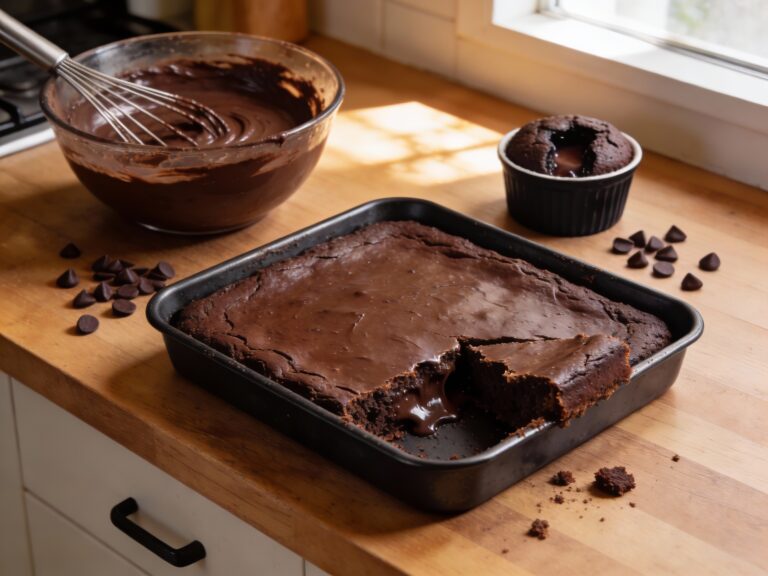
Add 3/4 cup unsweetened cocoa powder and 1 teaspoon espresso powder to the dry mix. Use buttermilk instead of milk for extra depth. Frost with chocolate ganache or a cocoa buttercream. This one tastes like you spent money.
2) Bright Lemon Yogurt Cake
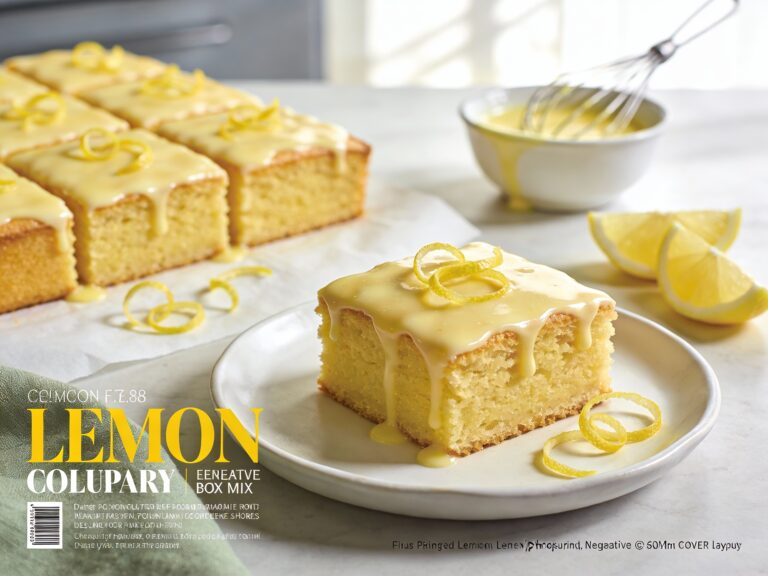
Add zest of 2 lemons and 3 tablespoons fresh lemon juice. Swap milk for buttermilk, and keep the sour cream or yogurt as written. Finish with cream cheese frosting or a simple lemon glaze. It’s sunny, sharp, and weirdly addictive.
3) Classic Vanilla Birthday Cake
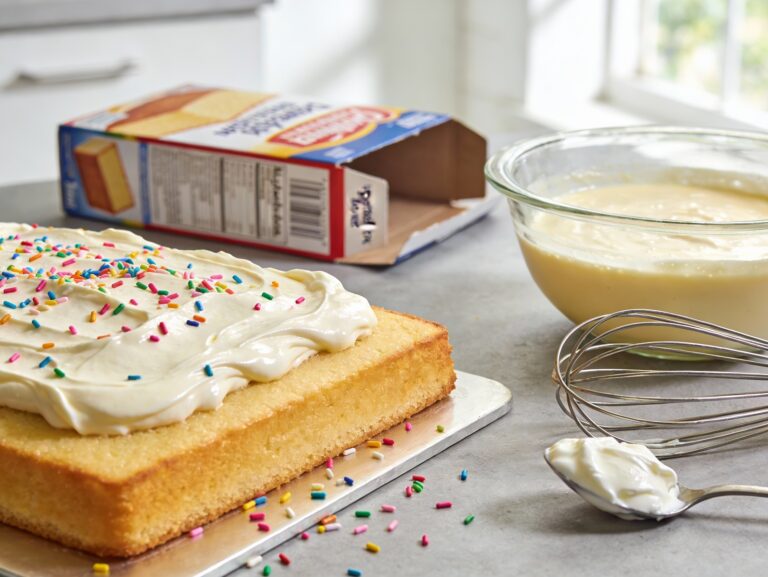
Keep the base as written, but use 1 tablespoon vanilla extract (yes, a full tablespoon). Add 2 tablespoons of milk if the batter feels thick. Pair with vanilla buttercream and rainbow sprinkles if you want maximum nostalgia.
4) Carrot Spice Cake That Actually Stays Moist
Add 2 teaspoons cinnamon, 1/2 teaspoon nutmeg, and a pinch of cloves. Fold in 1 1/2 cups finely grated carrots and 1/2 cup chopped toasted walnuts. Use cream cheese frosting. People will ask for the recipe like it’s their job.
5) Berry Swirl Tea-Time Cake
Fold in 1 cup berries tossed with 1 tablespoon flour. For a swirl, spoon in half the batter, add a few tablespoons of jam, then top with remaining batter and gently swirl with a knife. Keep frosting light, or just dust with powdered sugar.
FAQ
Can I make this cake without a mixer?
Yes. Use a whisk and a sturdy spatula, and focus on mixing until just combined. The batter won’t judge you, but overmixing will.
What’s the best pan if I only own one?
A 9-inch round pan works for almost everything, and it bakes evenly. If you have a 9×13 pan, reduce bake time checks and start testing around 25 minutes.
How do I keep my cake from doming?
Lower your oven temp by 15–25°F and bake a little longer, or use cake strips. Doming happens when the edges set before the center catches up.
Can I reduce the sugar?
You can cut 10–15% without wrecking the structure, but don’t go wild. Sugar affects moisture, tenderness, and browning, not just sweetness.
Why did my cake sink in the middle?
Usually it’s underbaked, overmixed, or the oven door got opened too early. Also check that your baking powder and baking soda aren’t expired.
What frosting is easiest for beginners?
Ganache is the most forgiving: warm cream plus chopped chocolate, then stir. It looks fancy with almost no effort, which feels slightly unfair in a good way.
How do I get clean slices?
Chill the cake for 20 minutes, then slice with a hot, clean knife. Wipe the blade between cuts if you want those sharp bakery edges.
My Take
I like cakes that taste bold without acting high-maintenance. This master method hits that sweet spot: it’s forgiving, it scales, and it doesn’t require you to “fold gently while whispering affirmations.” You can make it for a birthday, a breakup, or a random Tuesday where you need a win.
If you want the biggest upgrade with the smallest effort, pick one: add zest, add espresso powder, or add a pinch more salt. Those three moves make a homemade cake taste like it came from a place with nice lighting and expensive boxes. And if someone asks where you bought it, you can smile and say, “Oh, you know,” like you’re mysterious.
Printable Recipe Card
Want just the essential recipe details without scrolling through the article? Get our printable recipe card with just the ingredients and instructions.