Dehydrator Recipes to Turn Snacks Into Craveable Gold
Make snack prep cheap, shelf-stable, and shockingly tasty—fruit chips, veggie crisps, jerky, and herbs with minimal gear.
You pay $7 for a bag of “healthy” chips, then finish it in four bites. Not the move. With a simple dehydrator, you turn peak-season produce and lean meat into a stash of snacks that crush cravings for pennies. Clean ingredients, big flavor, zero mystery oils. This is a high-ROI kitchen habit that pays you back every week. Ready to build your own snack factory at home?
What Makes This Special
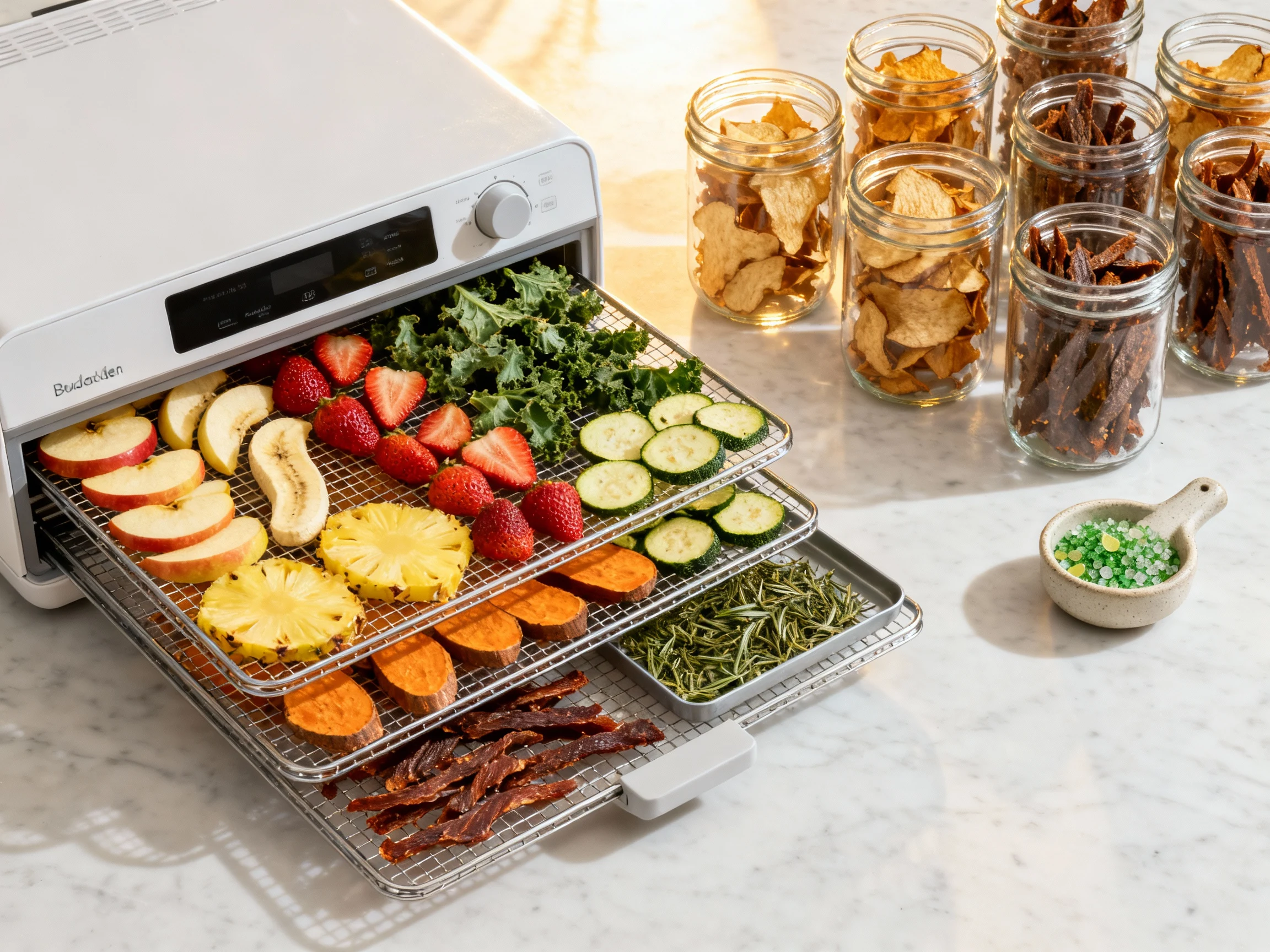
Most guides show one thing. This one hands you a flexible playbook that makes fruit chips, veggie crisps, classic jerky, and aromatic herb blends—all in one batch flow. It’s built for a cheap dehydrator, a knife, and some zip-top bags. No chef cred required.
We’re using simple pre-treats, smart slicing, and precise temps so you nail texture every time. The result: snacks that are low-waste, budget-friendly, and ridiculously addictive. FYI, these also make elite hiking fuel, lunchbox wins, and party trays.
Ingredients Breakdown
Fruit Chips
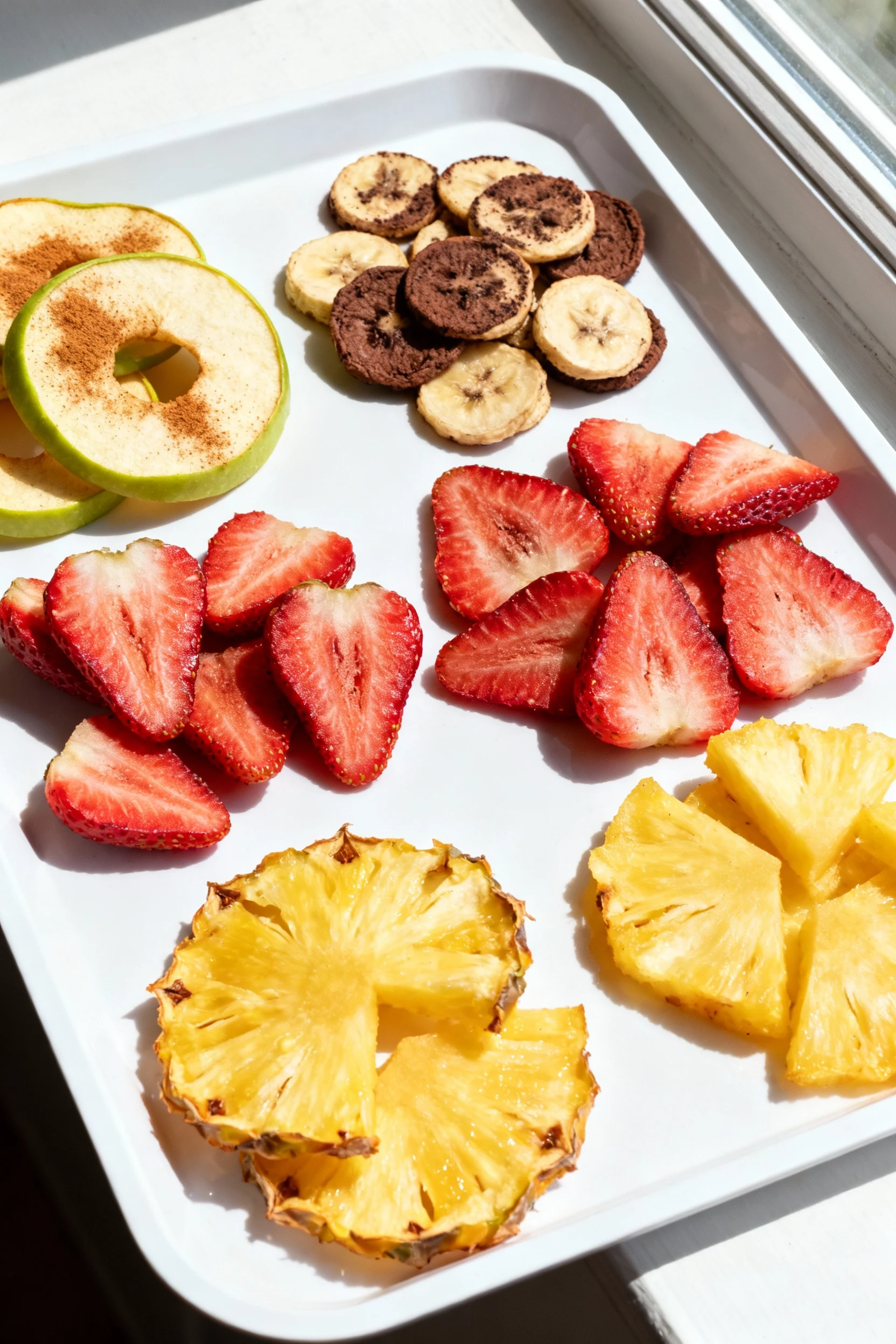
- Apples (Granny Smith or Honeycrisp) — 4 medium
- Bananas — 4 medium
- Strawberries — 1 lb
- Pineapple — 1 small
- Lemon juice or citric acid — 2 tbsp lemon or 1 tsp citric acid in 4 cups water
- Optional: Cinnamon, cardamom, vanilla, or a light sprinkle of sugar
Veggie Crisps
- Zucchini — 2 medium
- Sweet potatoes — 2 medium
- Kale — 1 bunch
- Sea salt — 1–2 tsp
- Garlic powder — 1 tsp
- Smoked paprika — 1 tsp
- Chili flakes — 1/2 tsp (optional)
- Optional light spritz: olive oil or avocado oil (go easy for crispness)
Jerky Marinade
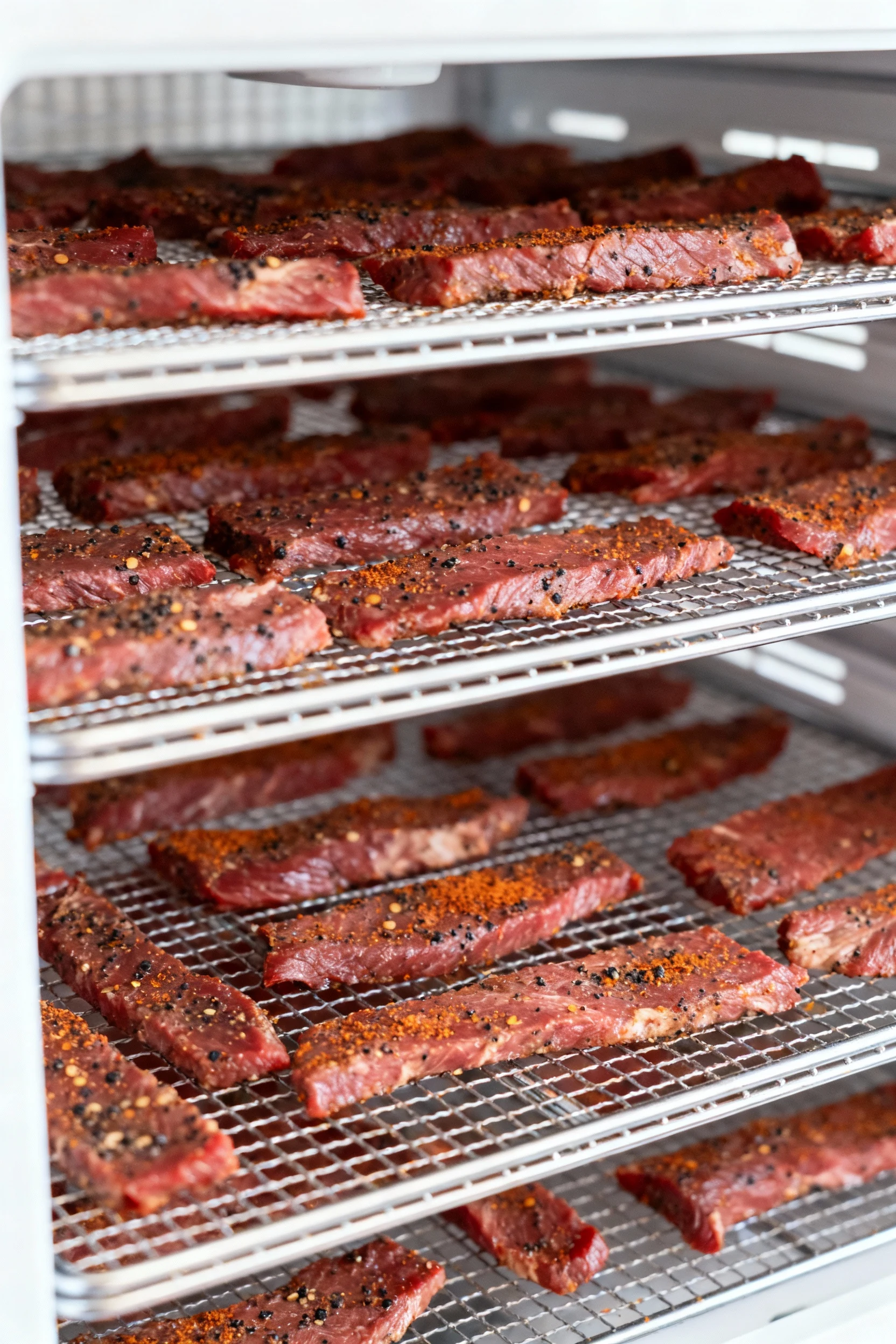
- Lean beef (eye of round, top round) or turkey — 2 lbs, trimmed
- Soy sauce or tamari — 1/2 cup
- Worcestershire — 2 tbsp
- Apple cider vinegar — 2 tbsp
- Brown sugar or honey — 2 tbsp
- Black pepper — 1 tsp
- Garlic powder — 1 tsp
- Onion powder — 1 tsp
- Smoked paprika — 1 tsp
- Optional: Liquid smoke — 1/2 tsp
Herb & Citrus Salt
- Fresh parsley, basil, thyme, rosemary — 2 cups packed total
- Lemon zest — from 2 lemons
- Kosher salt — 1/2 cup
Fruit Leather (Bonus)
- Applesauce — 2 cups
- Mixed berries — 2 cups, pureed
- Honey or maple — 1–2 tbsp (optional)
- Lemon juice — 1 tbsp
Step-by-Step Instructions
- Prep your gear. Wash trays, line sticky items with mesh sheets or parchment, and set your dehydrator near good airflow. Label a few jars or bags for finished snacks. Organization saves you from chaos.
- Slice evenly like a pro. Use a sharp knife or mandoline. Aim for 1/8-inch slices for fruit and veg chips, 1/4-inch strips for jerky. Uniform thickness = uniform dryness. Sounds obvious, but it’s the #1 mistake.
- Pretreat fruit. Mix your lemon or citric bath. Dip apple, banana, and strawberry slices for 3–5 minutes. Drain well. This stops browning and boosts color. Pineapple doesn’t need it—nature did the work.
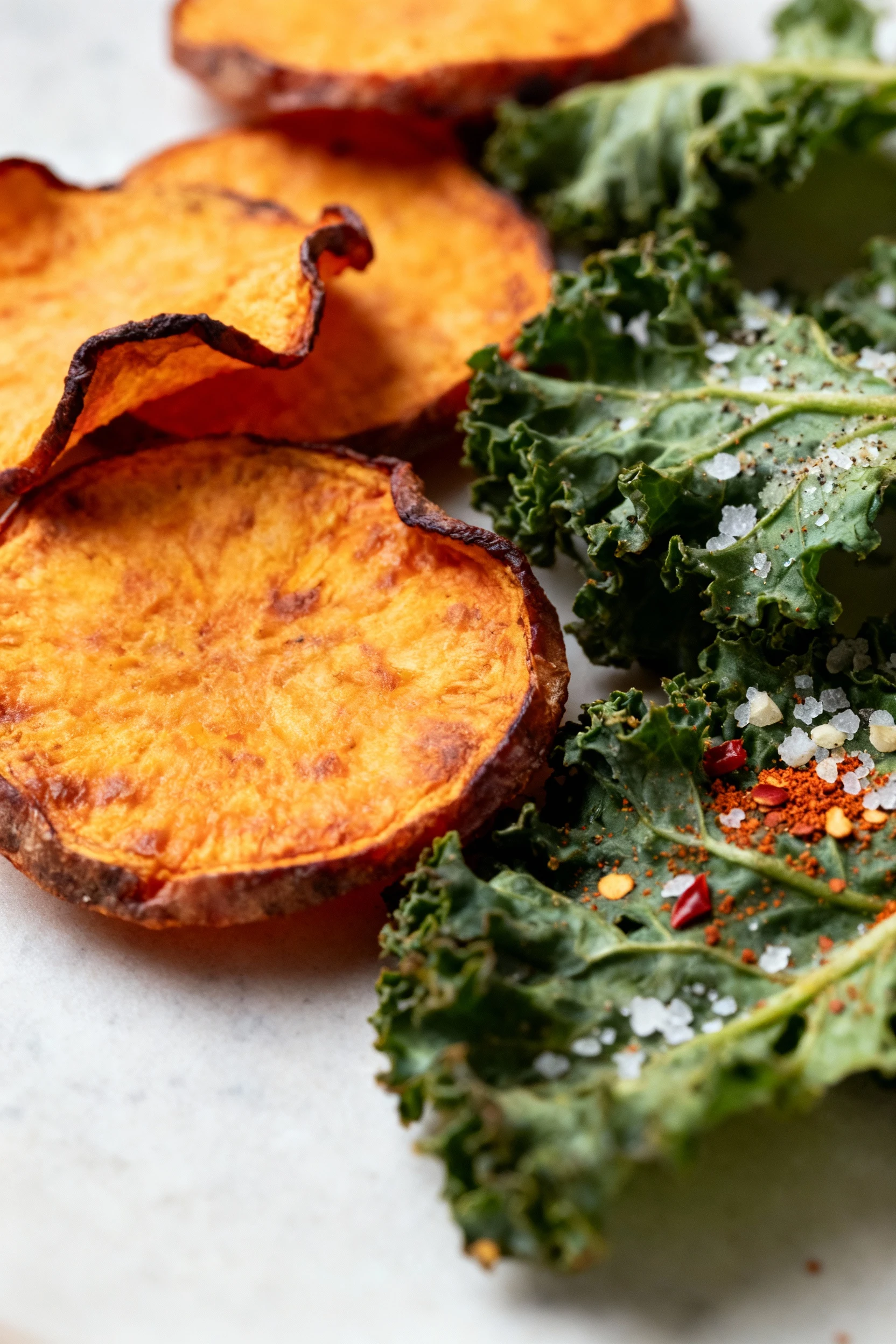
- Season veggies. Toss zucchini, sweet potato, and kale with salt, garlic, smoked paprika, and chili. Use a very light oil spritz if you want extra snap. Too much oil? Say goodbye to crisp and hello to flop.
- Marinate jerky. Freeze the meat 30–45 minutes for easier slicing, then cut against the grain. Mix marinade, coat strips, and chill 4–24 hours. Longer soak = deeper flavor. TBH, overnight is the sweet spot.
- Load the trays. Arrange slices in single layers with space between. Don’t overlap. For kale, keep leaves flat and spread out. For fruit leather, spread puree 1/8–1/4 inch thick on lined trays.
- Set temps and times.
- Fruit chips: 135°F for 6–10 hours (apples), 6–8 hours (bananas/strawberries), 8–12 hours (pineapple).
- Veggie crisps: 125–135°F for 6–10 hours (zucchini/kale), 8–12 hours (sweet potato).
- Herbs: 95–110°F for 2–6 hours, just until crisp.
- Jerky: For food safety, start at 160°F for 1 hour, then lower to 145–155°F until done (4–8 hours). You want firm, bendy strips that don’t snap.
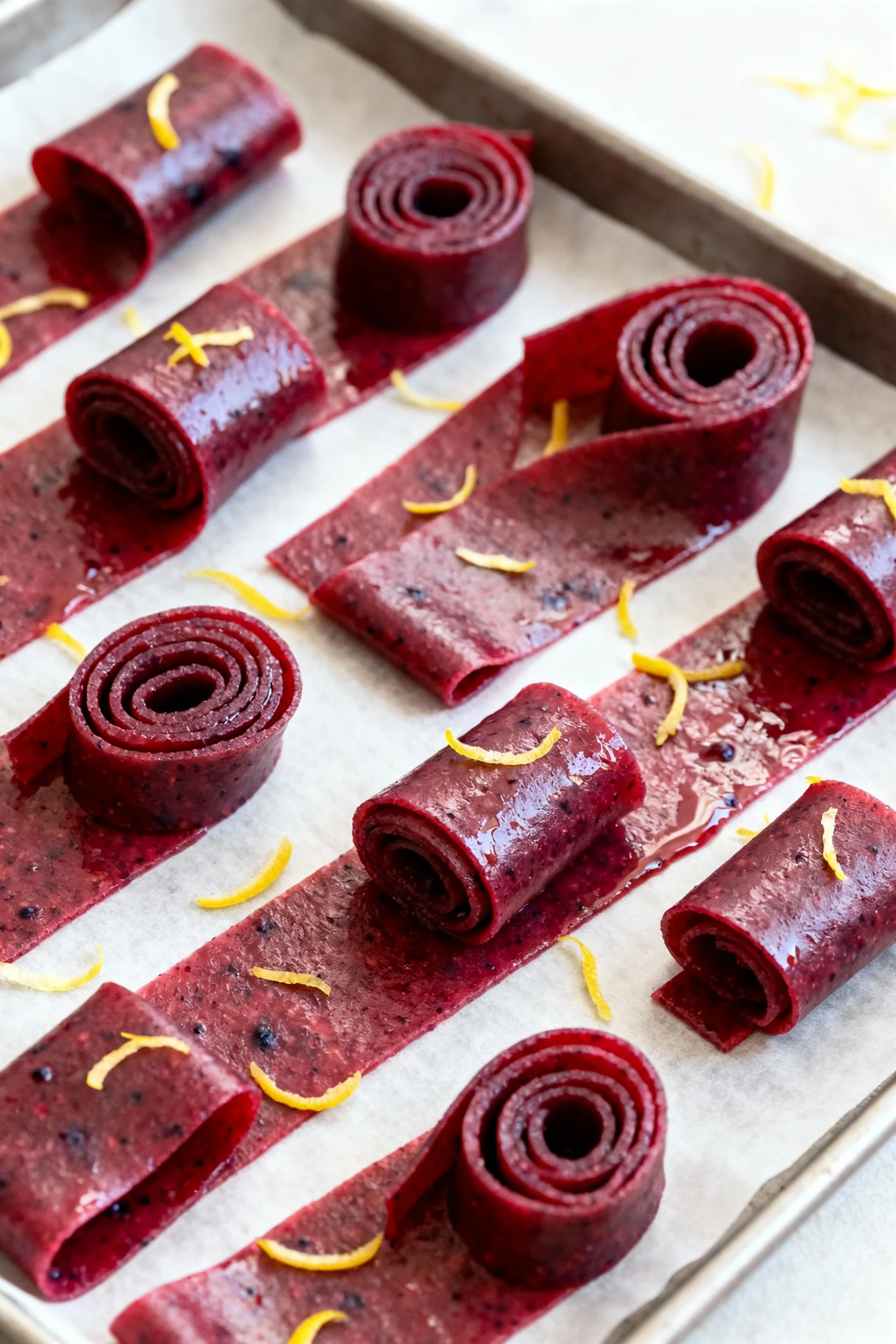
- Fruit leather: 135°F for 6–8 hours, peel when the surface isn’t tacky.
- Rotate and check. Swap tray positions every 2–3 hours for even drying. Test fruit by snapping a piece; it should be crisp or leathery with no wet spots. Jerky should bend and crack, but not break.
- Cool completely. Let everything cool to room temp on the trays for 30–60 minutes. Packing warm food causes condensation and stealth mold. Not cute.
- Condition the batch. Store in clean jars for 3–7 days. Shake daily. If you see fog, stickiness, or clumping, it’s not dry enough—back in the dehydrator it goes.
- Store smart. Move fully conditioned snacks to airtight jars, vacuum bags, or mylar with oxygen absorbers. Label with date and type. Future you will thank you.
- Bonus tricks. Grind crispy fruit into flavor powders for yogurt and oatmeal. Pulse veggie crisps into savory crumbs for salads. Mince jerky into protein sprinkles for trail mixes.
Preservation Guide
Cool and condition: Always cool to room temp, then condition in jars for 3–7 days. Shake daily and check for condensation. If any moisture shows up, re-dehydrate and repeat conditioning.
Packing: Use airtight glass jars, vacuum-sealed bags, or mylar with oxygen absorbers. Add a food-safe desiccant for extra insurance. Store in a dark, cool cabinet—heat is the enemy.
Shelf life (pantry): Fruit chips 6–12 months, veggie crisps 4–8 months, herbs and salts 12–24 months, jerky 1–2 months (or freeze jerky for up to 6 months).
Rehydration: For cooking, soak fruit in hot water 10–20 minutes, veg 20–30 minutes. Jerky is designed for snacking, but you can simmer chopped jerky in soups to soften.
Why This is Good for You
Ingredient control: No mystery oils, dyes, or additives. You set the salt and sugar, then lock in flavor with spices instead of fillers. IMO, that’s real “clean eating,” not the label hype.
Nutrition with convenience: Dehydrated fruit keeps fiber and micronutrients; veggie crisps deliver crunch without deep-frying. Jerky is portable protein that actually satisfies.
Budget wins: Buy produce in season, dry it, and enjoy peak flavor later. You reduce food waste and dodge markup. If saving money is a hobby, welcome to your new favorite pastime.
Prep power: Shelf-stable snacks support meal planning, travel, hiking, and emergencies. No fridge? No problem. Your pantry becomes a tactical snack arsenal.
Avoid These Mistakes
- Uneven slicing: Thick-thin chaos = uneven drying. Use a mandoline or take your time.
- Skipping pretreats: Apples and bananas brown fast. A quick lemon bath keeps them beautiful.
- Overloading trays: Crowding blocks airflow. Leave gaps and run extra batches if needed.
- Wrong temps: Herbs at 135°F? You’ll cook them. Keep herbs low (95–110°F), jerky starts high for safety.
- Packing while warm: Warm food = condensation = mold. Always cool completely.
- Oily marinades: Too much oil ruins crisp textures and can go rancid. Keep it minimal.
- Ignoring conditioning: Skipping this step invites hidden moisture and spoilage. Don’t risk it.
- Not checking doneness: Wet spots hide. Snap test fruit; bend test jerky. Be picky.
Different Ways to Make This
- Oven method: Set to 170°F or the lowest setting. Prop the door slightly with a wooden spoon for airflow. Expect longer times; rotate sheets often.
- Air fryer with dehydration mode: Small batches, fast airflow. Use mesh trays and go low (120–135°F) for chips and herbs.
- Solar/sun drying: Works in hot, dry climates. Use screens and covers to block bugs. Only attempt low-moisture items (herbs, thin apple slices).
- Freeze-dryer alternative: If you have one, it yields super-light texture and marathon shelf life. It’s pricey, but elite for long-term storage.
- Flavor riffs (fruit): Cinnamon-vanilla apples, chili-lime pineapple, cocoa-dusted bananas.
- Flavor riffs (veg): Ranch-style kale (garlic, onion, dill), BBQ sweet potato (paprika, brown sugar, pepper), za’atar zucchini.
- Jerky variations: Teriyaki (soy, ginger, honey), black pepper and espresso, chipotle-lime. Turkey loves citrus-heavy marinades.
- Herb blends: Lemon-parsley salt, rosemary-garlic rub, basil powder for popcorn. It’s a shortcut to “chef-y” without the chef.
FAQ
Do I need a high-end dehydrator to get great results?
Nope. A basic model with adjustable temperature and decent airflow is enough. Rotate trays, slice evenly, and watch your times. You’ll get 90% of the results for 10% of the price—classic leverage.
How thin should I slice fruit and jerky?
Go 1/8 inch for fruit and vegetables if you want crisp chips. Use 1/4 inch for jerky to balance chew and dry time. Thicker cuts take longer and can dry unevenly.
How do I keep apples and bananas from browning?
Pretreat slices in a solution of 2 tbsp lemon juice (or 1 tsp citric acid) in 4 cups cold water for 3–5 minutes. Drain well before loading trays. Bonus: it brightens flavor.
Is jerky safe without heating to 160°F first?
For best safety, start jerky at 160°F for 1 hour, then drop to 145–155°F to finish. This initial heat step helps ensure pathogens are handled. Don’t skip it; it’s simple and smart.
Can I dehydrate frozen fruit or veggies?
Yes. Thaw, pat dry, and proceed. Frozen fruit often dries faster and can be softer. Watch closely and test for dryness—no wet centers allowed.
How long do chips stay crispy?
Properly dried and conditioned chips stay crisp for 6–12 months in airtight containers. Moisture is the enemy; add a desiccant if your climate is humid. Keep them out of sunlight and away from heat.
Which items are easiest for beginners?
Apples, bananas, strawberries, zucchini, and herbs are straightforward. Sweet potato chips and jerky need a bit more attention but are totally doable. Start simple, build confidence, then flex.
Do I have to use sugar or oil?
No. You can go zero-added sugar and minimal or no oil. Spice blends, citrus, and vanilla deliver big flavor. If you want a touch of sweetness, stick to a light dusting—control is the whole point.
Can I dehydrate dairy like yogurt?
You can make yogurt “bark” or drops at low temps, but texture can be tricky and shelf life is shorter. For long storage, dairy isn’t ideal. Stick to fruit, veg, herbs, and jerky for reliability.
What’s the best way to tell if jerky is done?
Do the bend test. A finished strip bends and cracks along the surface but doesn’t snap. It should feel dry, not sticky. If it’s still tacky, keep drying and re-check every 30 minutes.
The Bottom Line
With smart slicing, simple pretreats, and dialed-in temps, you turn everyday groceries into elite snacks that last. You control the ingredients, save real money, and build pantry power that’s actually fun. Start with apples, zucchini, herbs, and a small batch of jerky, then scale. Your dehydrator just became the most underrated tool in your kitchen—use it like a pro.
Printable Recipe Card
Want just the essential recipe details without scrolling through the article? Get our printable recipe card with just the ingredients and instructions.