Cod Recipes for Fast Flaky Dinners With Big Flavor
Fast, flaky fish made bold with pantry spices, one-pan cooking, and budget-friendly swaps. Crispy or saucy results in under 20 minutes.
Most people overcook cod by three minutes and then blame the fish. You won’t after this, because you’re getting a game plan that’s simple, repeatable, and wildly tasty. We’re talking golden crust, juicy center, and a sauce that basically makes itself in the pan. No chef tricks, no fancy gear, just a few ingredients you already own and timing you can nail on the first try. Want restaurant-level results without a 20-step recipe? Buckle up.
What Makes This Recipe So Good
- Ready in 15–20 minutes. From cold fish to plated dinner in less time than it takes rice to cook.
- Foolproof juicy center. A quick sear and gentle finish keep cod moist, not mushy.
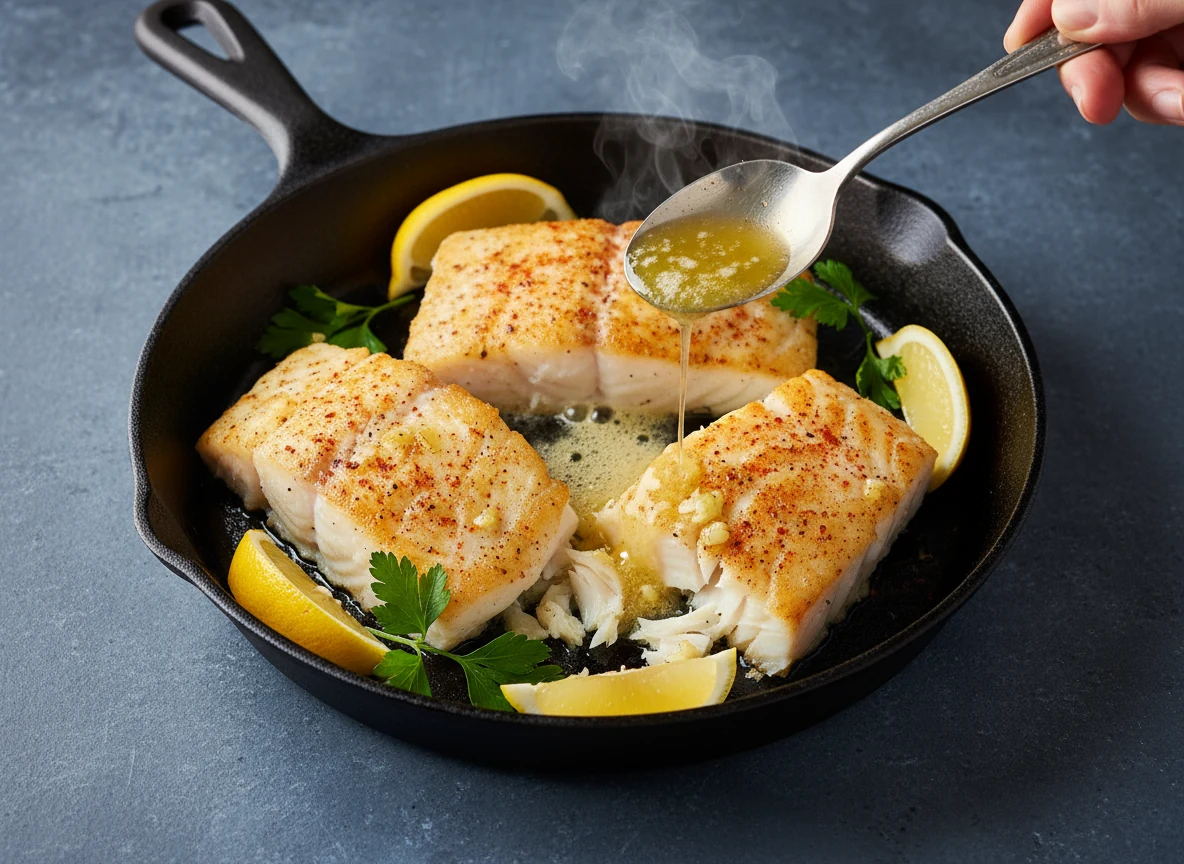
- One pan, minimal mess. You sear, baste, and sauce in the same skillet. Cleanup is a breeze, IMO.
- Big flavor, small effort. A smart spice rub and lemon-garlic butter do the heavy lifting.
- Budget-friendly protein. Cod is affordable, lean, and versatile. Win-win.
- Flexible technique. Pan-sear, finish in the oven, or air-fry—your choice.
- Works from frozen (thawed) fillets. No need for pristine market timing; frozen cod performs great when thawed right.
- Endless riffs. Mediterranean, miso, curry, tacos—you can pivot flavors without relearning the method.
What Goes Into This Recipe – Ingredients
- 4 cod fillets (5–6 ounces each, 1–1.25 inches thick), skinless preferred
- 1 teaspoon kosher salt (plus more to taste)
- 1/2 teaspoon black pepper
- 1 teaspoon smoked paprika
- 1/2 teaspoon garlic powder
- 1 teaspoon lemon zest (from 1 lemon)
- 1 tablespoon all-purpose flour (optional, for light crust; use rice flour for gluten-free)
- 2 tablespoons olive oil (or avocado oil)
- 2 tablespoons unsalted butter
- 2 cloves garlic, minced
- 1 tablespoon capers (optional, for briny pop)
- 2 tablespoons fresh parsley, chopped
- Lemon wedges, for serving
Instructions
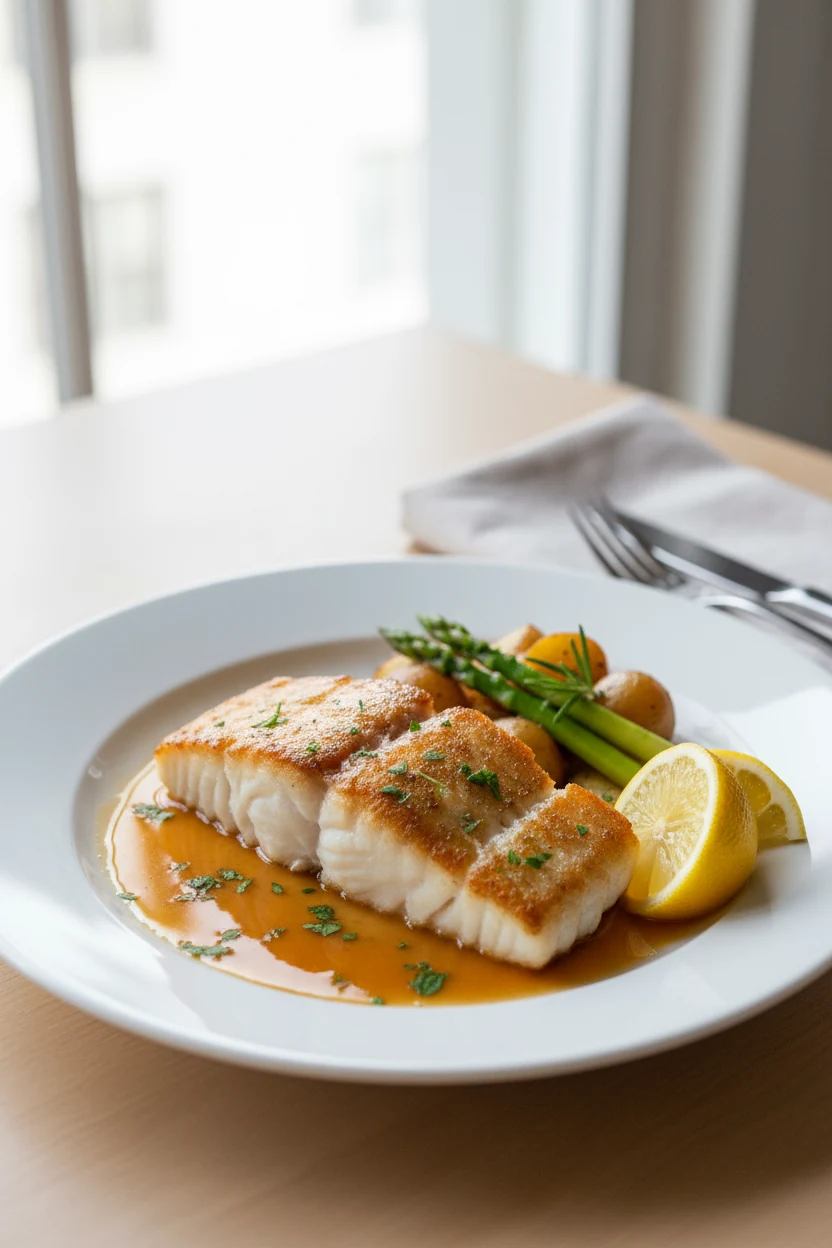
- Pat dry like you mean it. Use paper towels to remove surface moisture from the cod. Dry fish browns; wet fish steams.
- Season smart. Mix salt, pepper, smoked paprika, garlic powder, and lemon zest. Lightly dust the top side of each fillet with the seasoning. If using flour, sprinkle a very thin layer on the presentation side only.
- Preheat the pan. Heat a large stainless or cast-iron skillet over medium-high until hot, about 2–3 minutes. Add olive oil and heat until shimmering.
- Lay it down and commit. Place fillets in the skillet, seasoned side down. Press gently for 5 seconds to ensure contact. Don’t move them.
- Get the golden sear. Sear undisturbed for 2–3 minutes until edges look opaque and the surface is golden.
- Flip and finish gently. Flip fillets. Reduce heat to medium-low. Add butter, garlic, and capers (if using) to the side of the pan.
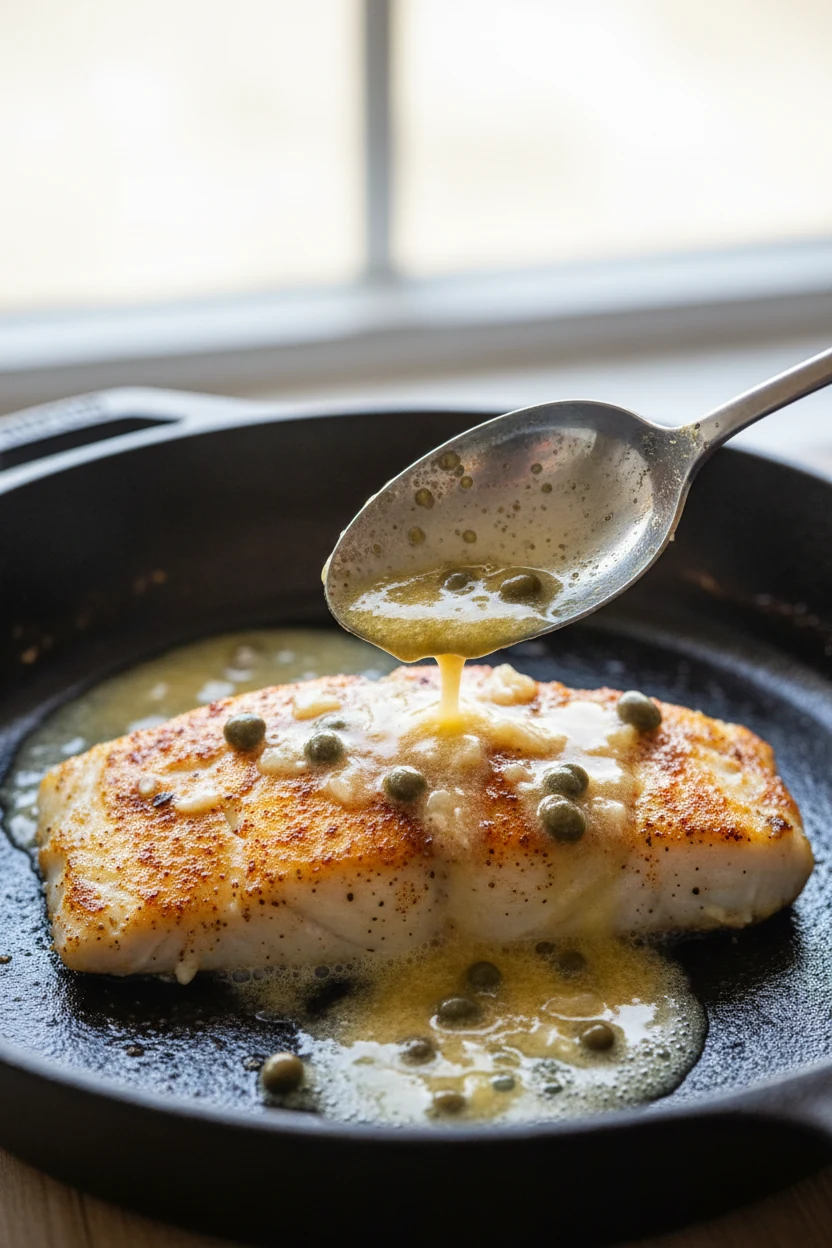
- Baste for flavor. Tilt the pan and spoon the foaming butter over the fish for 60–90 seconds.
- Check doneness. Cod is perfect at an internal temperature of 130–135°F in the thickest part, when it flakes easily but still looks moist. Expect carryover cooking to add a couple degrees.
- Optional oven finish. For very thick fillets, transfer the skillet to a 375°F oven for 3–5 minutes after basting.
- Rest and sauce. Move cod to warm plates. Quickly swirl a splash of water or stock into the pan to loosen fond. Stir in parsley. Taste and season.
- Serve. Spoon sauce over the fish. Add lemon wedges. Pair with greens, rice, or roasted potatoes and feel very smug about dinner.
- Cleanup tip. While plates are still warm, wipe the skillet with a damp paper towel. Boom—nearly no mess.
How to Store
Fridge: Cool leftovers, then store in an airtight container for 2–3 days. Keep sauce separate if possible to preserve texture.
Freezer: Cooked cod can be frozen for up to 2 months. Wrap tightly, then bag. Thaw overnight in the fridge for best results.
Reheat gently:
- Oven: 275°F for 10–12 minutes until warm. Add a pat of butter or drizzle of olive oil to prevent drying.
- Skillet: Low heat with a splash of water or stock; cover and steam-warm for 3–5 minutes.
- Microwave: 50% power in 30–40 second bursts, covered with a damp paper towel. Not glamorous, but effective, FYI.
Health Benefits
- Lean, high-quality protein. Roughly 20+ grams per 4-ounce serving to support muscle and satiety.
- Low in fat and calories. Great for calorie-conscious eating without sacrificing satisfaction.
- Micronutrient-rich. Cod offers B12, iodine, and selenium, supporting metabolism and thyroid health.
- Omega-3s, modest but meaningful. Less than salmon, but still beneficial for heart and brain health.
- Lower mercury choice. Generally lower than larger predatory fish, making it a smart, family-friendly option.
Pitfalls to Watch Out For
- Skipping the pat-dry step. Excess moisture kills browning and flavor. It’s two paper towels—just do it.
- Overcrowding the pan. If the fillets touch, they steam. Cook in batches for a legit crust.
- Pan too cold. No sizzle = no sear. Preheat until the oil shimmers.
- Moving the fish too soon. Let the crust form. If it sticks, it’s not ready to flip.
- Overcooking past 140°F. That’s where dryness lives. Pull at 130–135°F and let carryover do its thing.
- Too much acid too early. Long soaks in lemon can “ceviche” the surface and turn it mealy. Add acids late or keep marinades under 20 minutes.
- Thawing wrong. Thaw frozen cod overnight in the fridge or under cold running water. Never at room temp.
Recipe Variations
- Crispy Panko Baked Cod: Brush fillets with Dijon and mayo, top with panko mixed with olive oil, lemon zest, paprika, and parsley. Bake at 425°F for 10–12 minutes until flaky and golden.
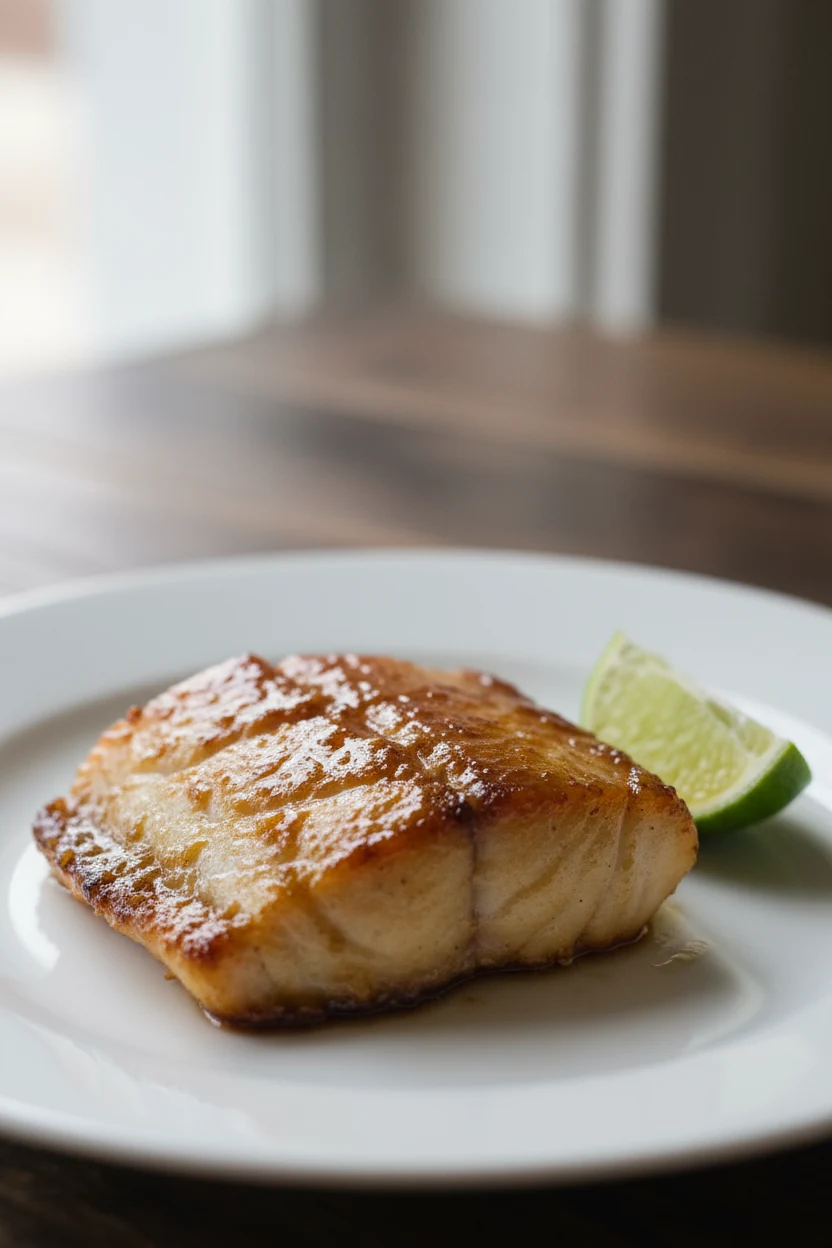
- Miso-Glazed Broiled Cod: Whisk white miso, honey, rice vinegar, and a splash of soy. Brush on cod and broil on the top rack for 5–7 minutes until caramelized. Add a squeeze of lime.
- Coconut Curry Poached Cod: Simmer coconut milk, red curry paste, garlic, ginger, and fish sauce for 5 minutes. Nestle cod and poach gently for 6–8 minutes. Finish with lime and cilantro.
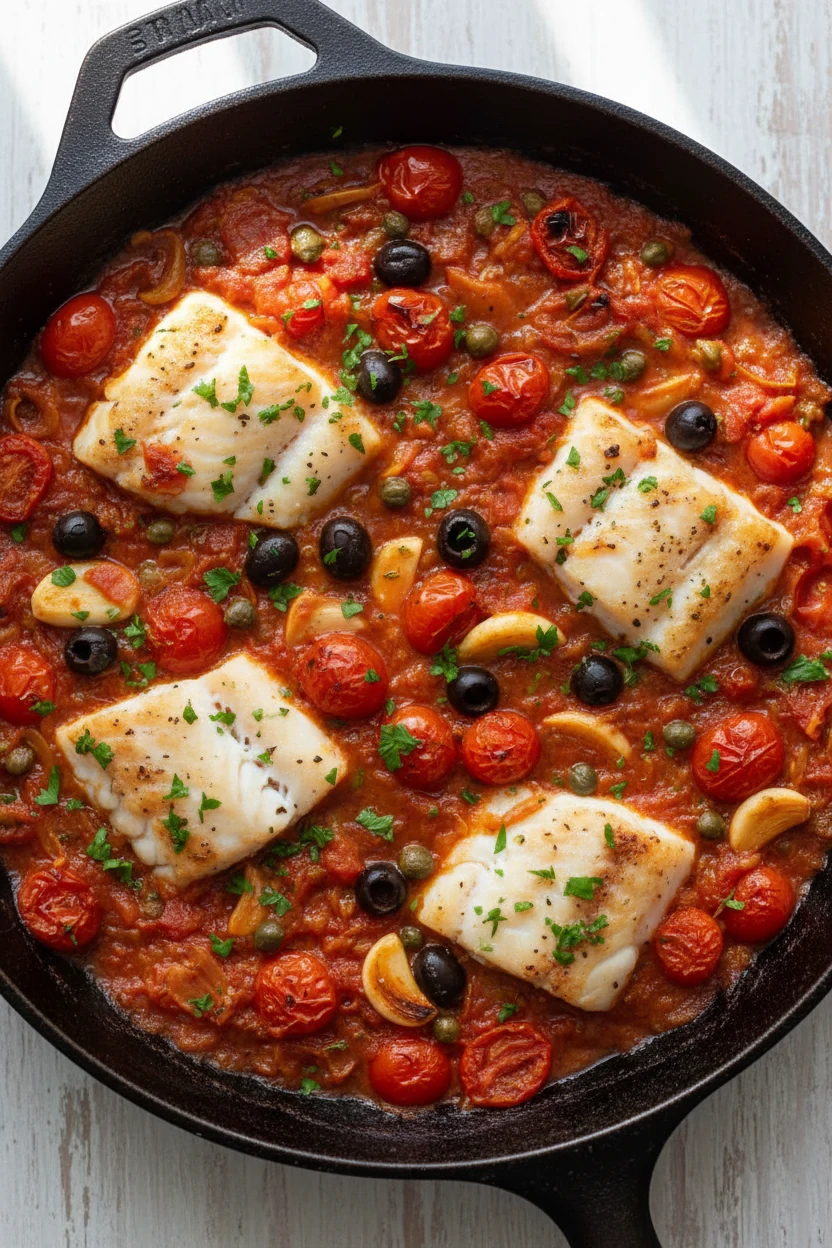
- Tomato-Olive Mediterranean Bake: In a skillet, simmer cherry tomatoes, garlic, olives, capers, and olive oil until saucy. Add cod and bake at 400°F for 8–10 minutes. Top with parsley.
- Baja-Style Fish Tacos: Season cod with chili powder, cumin, and salt. Pan-sear, flake, and serve on warm tortillas with lime crema, cabbage slaw, and salsa. Party-level good, TBH.
- Lemon Pepper Air-Fryer Cod: Spray fillets, season with lemon pepper and paprika. Air-fry at 390°F for 7–9 minutes. Finish with melted butter and parsley.
- Herb Butter Sheet-Pan Dinner: Toss potatoes and green beans with olive oil and salt; roast at 425°F for 15 minutes. Add cod topped with herb butter and roast 10 minutes more.
- New England-Style Cod Chowder: Sauté onions, celery, bacon; add potatoes, stock, and thyme. Simmer, stir in milk or cream, then gently add cod for 5–7 minutes until just cooked.
FAQ
What kind of cod should I buy?
Look for firm, translucent fillets with a mild, briny smell. Atlantic and Pacific cod both work great; just aim for thicker pieces (about 1 inch) so you have a wider margin for perfect doneness. If your market labels it “scrod” or “true cod,” you’re still good.
Fresh vs. frozen: which is better?
High-quality frozen cod that’s flash-frozen at sea can beat “fresh” fish that’s days old. If buying frozen, thaw overnight in the fridge or under cold running water in a sealed bag. Pat very dry before seasoning for best browning.
What internal temperature should I cook cod to?
For juicy, restaurant-style texture, aim for 130–135°F and let carryover cooking finish the job. The USDA recommends 145°F; if you go that high, keep the rest of the technique gentle to avoid dryness.
Can I make this gluten-free or dairy-free?
Yes. Use rice flour or skip the flour entirely for gluten-free. For dairy-free, replace butter with olive oil or a plant-based butter and you’ll still get a rich, flavorful sauce.
What if my cod keeps breaking apart?
It’s either too thin, too wet, or you’re flipping too early. Choose thicker fillets, pat them dry, and wait for a natural release before flipping. Also, don’t poke at it constantly—cod is delicate, not a stress ball.
Which pan is best?
Stainless steel and cast iron both sear beautifully when properly preheated. Nonstick works too, but won’t brown as deeply. Whatever you choose, get it hot and use enough oil to coat the surface.
How do I avoid a fishy smell in the kitchen?
Use very fresh fish and high heat for a quick cook. Ventilate, wipe the pan while it’s warm, and simmer a splash of water with lemon slices for a minute after cooking. Bonus: it makes the sauce pan-cleaning easier, FYI.
Can I swap in another fish?
Yes. Haddock, pollock, halibut, or even tilapia will respond well to the same method. Adjust timing based on thickness and check for doneness early the first time you try a new fish.
Wrapping Up
You don’t need culinary school to make cod taste incredible—you just need heat control, a simple seasoning mix, and a quick butter baste. Master this basic method once and you’ll have a plug-and-play framework for dozens of variations, from tacos to miso to weeknight sheet-pan dinners.
Keep a pack of cod in the freezer, a lemon on the counter, and paprika in the spice rack, and you’ve got a fast, reliable dinner plan on standby. Simple, scalable, and consistently delicious—exactly what home cooking should be, IMO.
Printable Recipe Card
Want just the essential recipe details without scrolling through the article? Get our printable recipe card with just the ingredients and instructions.