Chicken Stir Fry Recipes for Bold Fast Weeknight Wins
Fast, saucy, and weeknight-proof: master a flexible base formula, swap veggies on the fly, and plate dinner in under 25 minutes.
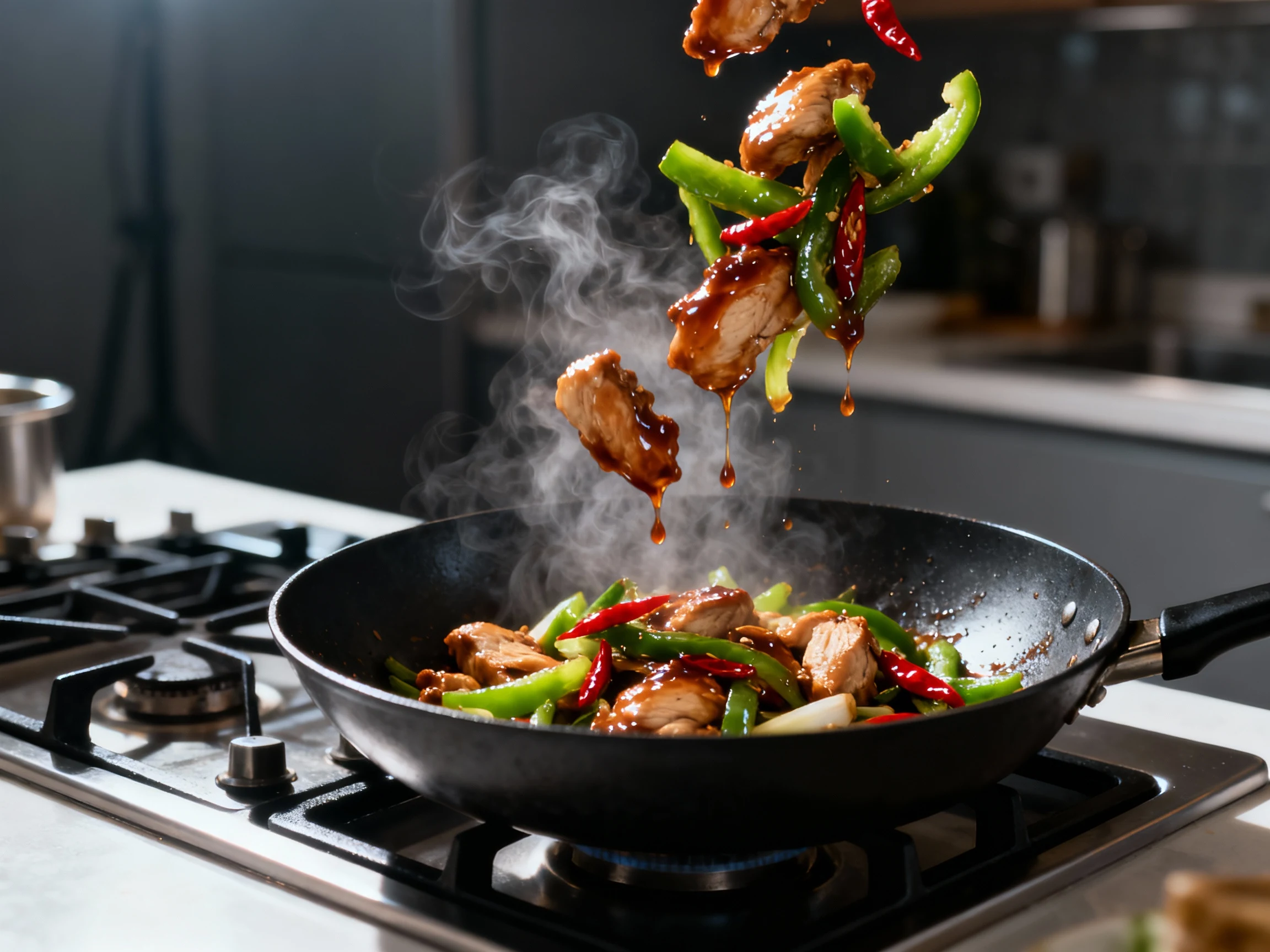
You don’t need a culinary degree or a carbon-steel wok shrine to make crazy-good stir-fry at home. You need heat, a smart sauce ratio, and a plan that doesn’t collapse the minute you’re out of broccoli. This is the playbook: tender chicken, crisp veggies, glossy sauce—done before your takeout app even loads. Once you learn the system, you can riff forever and still hit that sweet spot of salty-sweet-savory-crunchy. Ready to cook faster than your hunger escalates?
The Secret Behind This Recipe
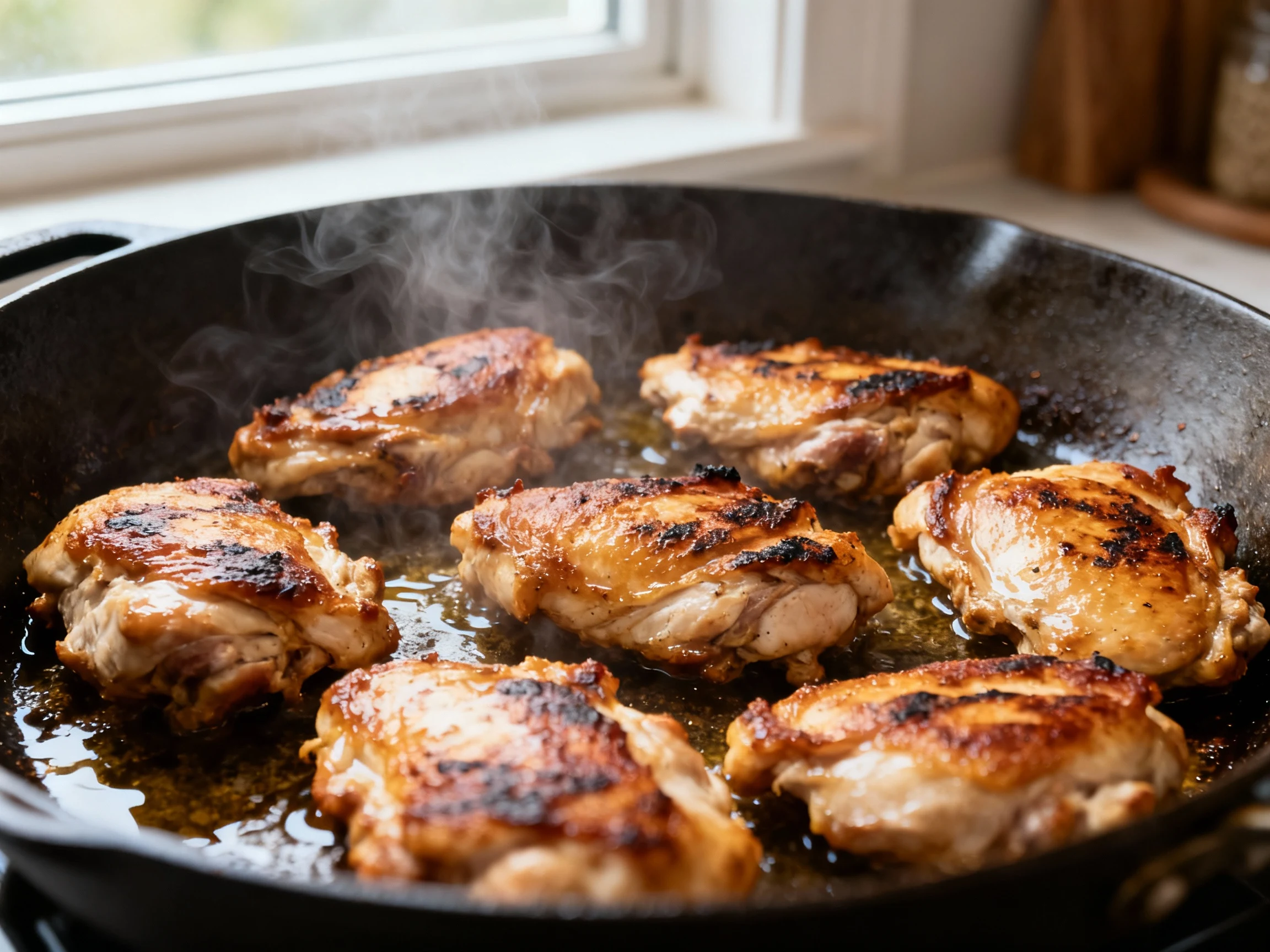
Great stir-fry is built on three levers: velveting the chicken for tenderness, heat management for char and snap, and a balanced sauce that clings instead of puddling. Velveting is a quick marinade with a bit of baking soda and cornstarch—this keeps the meat juicy and silky, not rubbery. High heat locks in flavor and keeps veggies crisp. And the sauce? It’s a simple template: stock + soy + oyster + acid + a touch of sweetness + cornstarch to thicken and glaze.
One more pro tip: batch your cooking. Sear chicken first, then veggies, then marry everything with the sauce at the end. This keeps the pan hot and the textures sharp. FYI, you don’t need a wok—just a large, heavy skillet that can handle serious heat without flinching.
Ingredients
For the Chicken
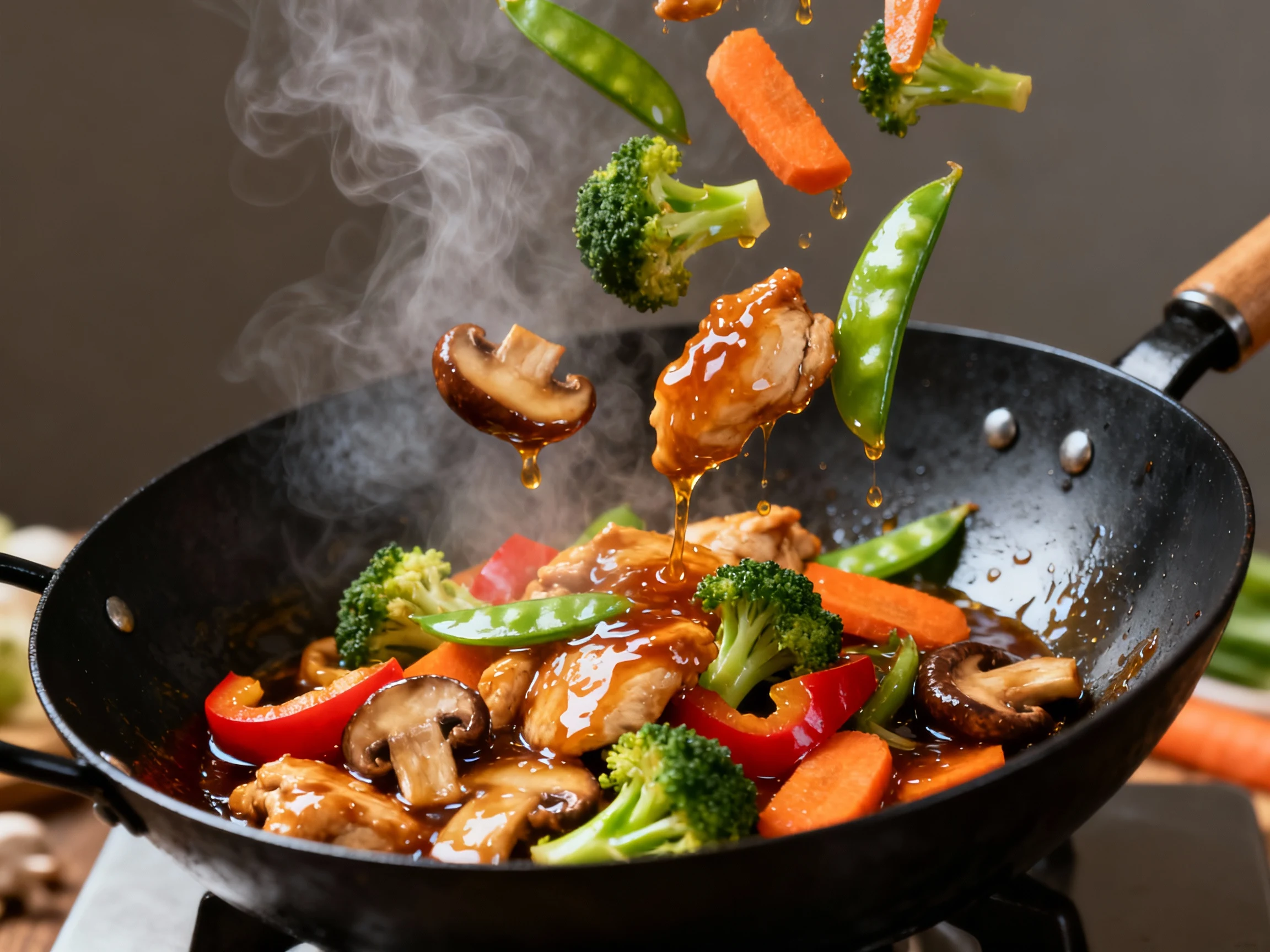
- 1 lb (450 g) boneless, skinless chicken thighs or breasts, thinly sliced against the grain
- 1 tbsp low-sodium soy sauce
- 1 tbsp Shaoxing wine (or dry sherry)
- 1 tsp cornstarch
- 1/4 tsp baking soda (use 1/8 tsp if using breast)
- 1 tsp neutral oil (to help the marinade coat evenly)
For the Sauce
- 1/2 cup low-sodium chicken stock (or water)
- 2 tbsp low-sodium soy sauce
- 2 tbsp oyster sauce
- 1 tbsp hoisin sauce (optional, for extra body)
- 1 tbsp rice vinegar (or 2 tsp lime juice)
- 1–2 tsp brown sugar or honey (to balance salt and heat)
- 2 tsp cornstarch (for thickening)
- 1/2 tsp toasted sesame oil
- 1/4 tsp white pepper
- 1–2 tsp chili-garlic sauce or 1/2 tsp red pepper flakes (optional)
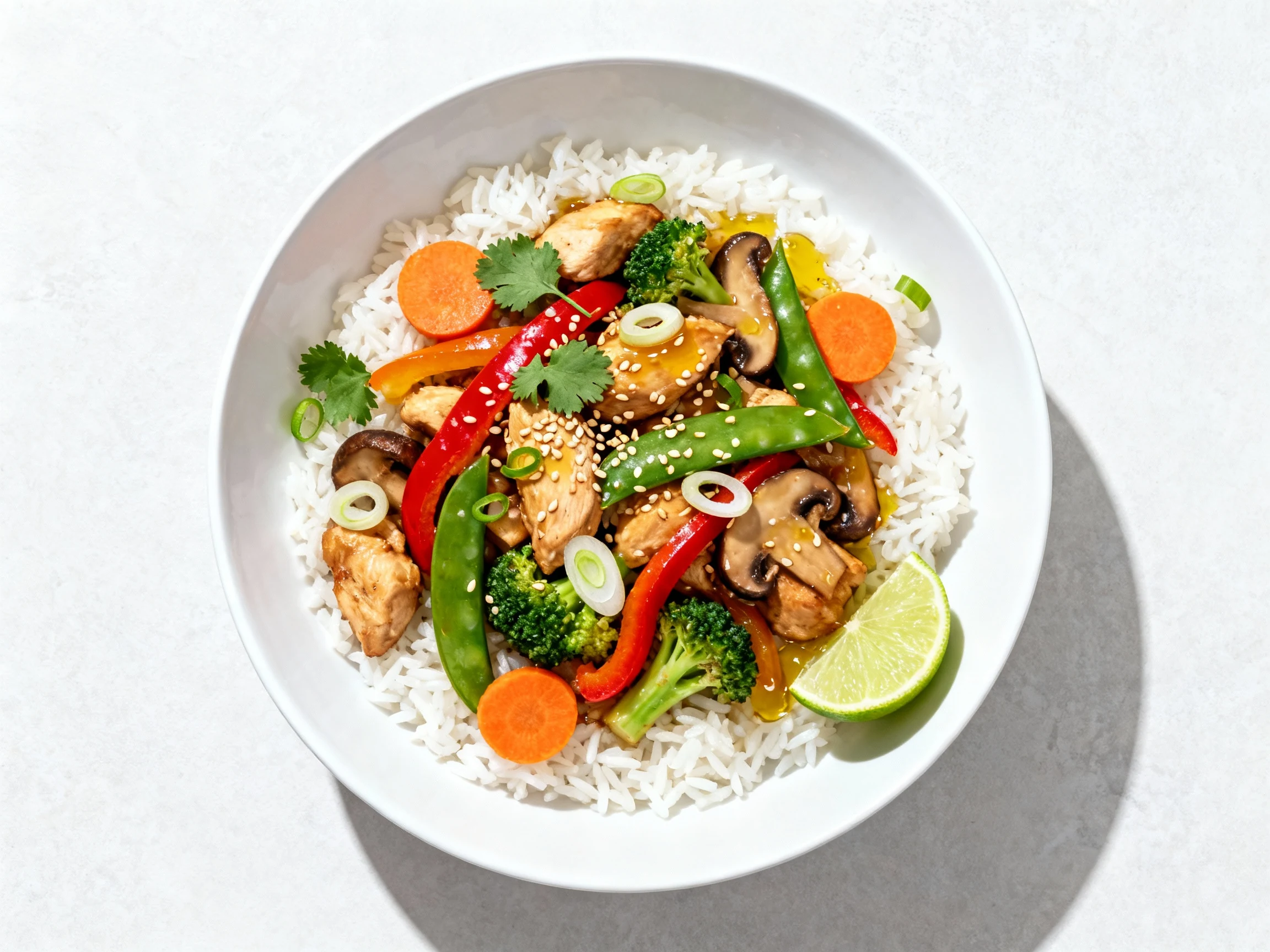
Aromatics & Vegetables
- 2 tbsp neutral high-heat oil (avocado, canola, peanut)
- 3 garlic cloves, minced
- 1 tbsp fresh ginger, minced
- 4 scallions, cut into 1-inch pieces (or 1 small onion, sliced)
- 2–3 cups mixed vegetables, such as:
- 1 bell pepper, thinly sliced
- 1 cup small broccoli florets
- 1/2 cup snap peas
- 1 small carrot, thinly sliced on the bias
- 1 cup mushrooms, sliced
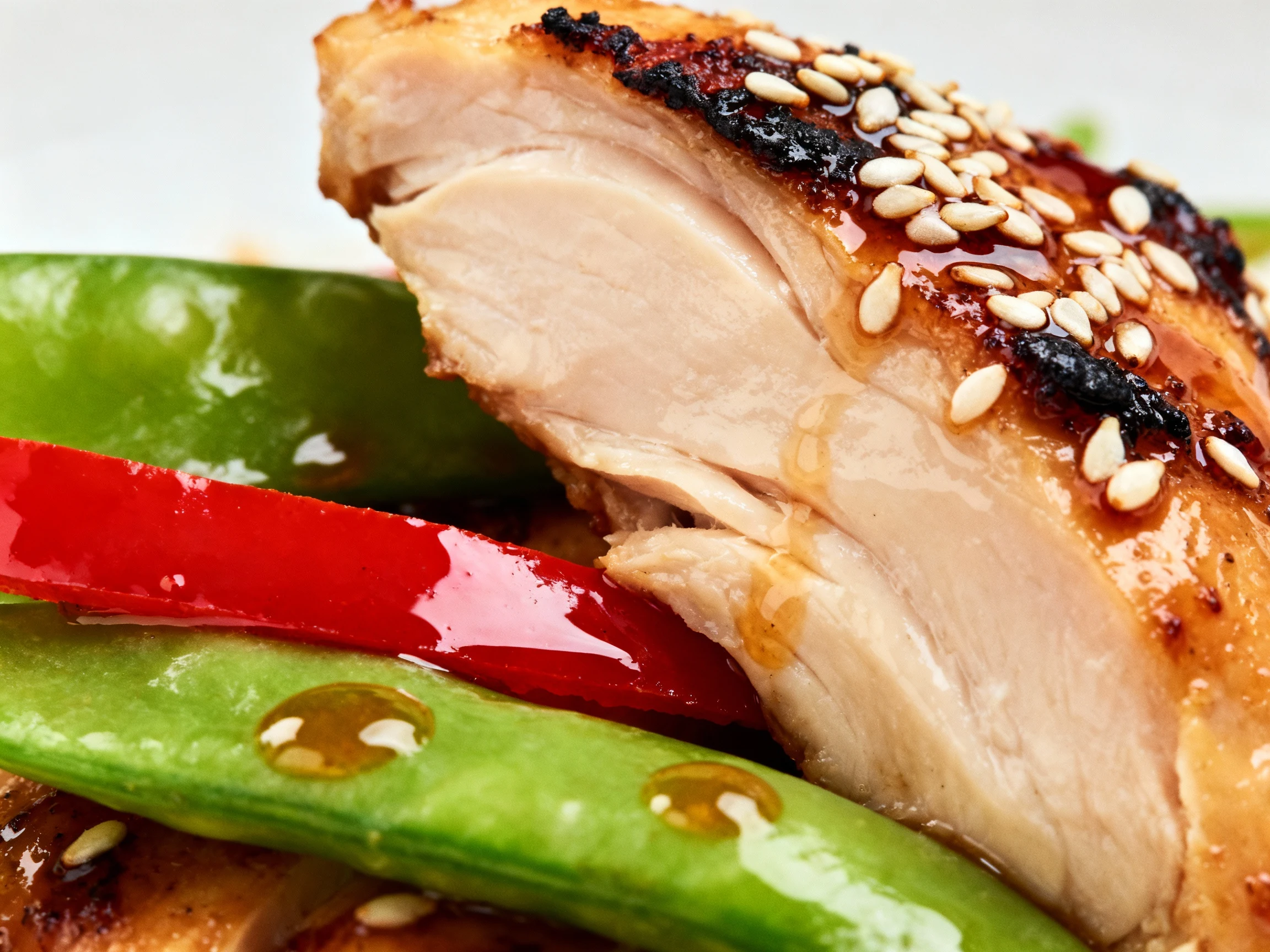
To Finish & Serve
- Extra toasted sesame oil, for drizzling (optional)
- Sesame seeds and chopped scallions or cilantro
- Steamed rice or noodles
- Lime wedges (optional)
Step-by-Step Instructions
- Slice and velvet the chicken. Pat the chicken dry and cut thin strips against the grain. Toss with soy sauce, Shaoxing, cornstarch, baking soda, and oil. Rest 15–20 minutes. Use less baking soda for breast to avoid mushiness.
- Stir together the sauce. In a measuring cup, whisk stock, soy, oyster, hoisin (if using), rice vinegar, sugar/honey, cornstarch, sesame oil, white pepper, and optional chili-garlic. Set it by the stove and give it a quick stir before you pour it in later.
- Preheat your pan like you mean it. Heat a wok or large heavy skillet over high until a drop of water skitters and vanishes. Add 1 tbsp oil and swirl.
- Sear the chicken in batches. Lay chicken in a single layer; don’t crowd. Cook 60–90 seconds until browned, flip, and cook another 45–60 seconds. Pull it slightly underdone and transfer to a plate. Repeat with remaining chicken if needed.
- Build flavor with aromatics. Add the remaining 1 tbsp oil. Toss in garlic, ginger, and the white/light parts of the scallions. Stir 15–20 seconds until fragrant (not burnt—this isn’t a campfire).
- Stir-fry the vegetables in waves. Hard veggies first (carrots, broccoli) for 1–2 minutes; then quick-cook veggies (bell pepper, snap peas, mushrooms) for another 1–2 minutes. Keep them moving. Goal: bright color with crisp-tender bite.
- Bring it together. Return chicken (and juices) to the pan. Give the sauce a stir and pour it in. It should bubble and thicken in 30–60 seconds. Toss to coat everything in glossy goodness.
- Taste and tune. Need more salt? Add a drizzle of soy. Too salty? A splash of stock or a pinch of sugar. Want more pop? A squeeze of lime or a dash more vinegar.
- Finish and serve. Kill the heat. Drizzle a few drops of sesame oil, sprinkle sesame seeds and scallions, and plate over rice or noodles. Optional: a spoon of chili crisp because, well, delicious.
Keeping It Fresh
Stir-fry shines hot from the pan, but it also plays nice with meal prep. Store leftovers in an airtight container for up to 4 days in the fridge. Reheat in a hot skillet with a splash of water for 1–2 minutes to revive the sauce and keep veggies lively. Microwaves work too—try 45-second bursts, stirring between rounds to avoid sad, overcooked edges.
Freezer strategy? Freeze the marinated raw chicken in a zip bag (flattened) for up to 2 months. Pre-chop and freeze sturdy veggies (like broccoli or carrots); add delicate ones fresh. Keep the sauce mixed and frozen in an ice cube tray for instant portions. When it’s go time, thaw the chicken quickly in cold water, stir-fry straight from there, and thank your past self.
Health Benefits
This is a high-value, high-protein dinner that doesn’t nuke your macros. Chicken brings lean protein for muscle repair; the rainbow of veggies adds fiber, vitamin C, vitamin A, potassium, and phytonutrients. You control the oil and the sodium, which gives you a huge edge over takeout.
Choose thighs for iron and juiciness; choose breast for lower fat—both are great, IMO. Use a neutral oil and keep it reasonable; you’re not deep-frying here. If sodium’s a concern, go low-sodium soy, increase the stock, and lean on acid (rice vinegar, lime) for brightness over salt.
Common Mistakes to Avoid
- Overcrowding the pan: This steams the chicken and veggies. Work in batches for browning and snap.
- Low heat: High heat is non-negotiable for sear and fast cook times. Preheat until the pan is properly hot.
- Soggy sauce: You need cornstarch and a full boil to activate thickening. Don’t add sauce to a lukewarm pan.
- Uneven cuts: If chicken strips vary wildly, you’ll get both raw and dry pieces. Keep sizes consistent.
- Too much baking soda: A little tenderizes; a lot turns mushy. Measure it—really.
- Adding aromatics too early: Garlic burns fast. Give it 15–20 seconds, then move on.
- Ignoring balance: Salt, sweet, acid, heat. If something tastes off, adjust the counter-flavor, not just the salt.
- Pouring cold, unstirred sauce: Cornstarch settles. Stir before you pour or it won’t thicken evenly.
Mix It Up
- Teriyaki Twist: Swap oyster + hoisin for 3 tbsp teriyaki, add 1 tsp grated garlic/ginger, and finish with pineapple chunks.
- Thai Basil Vibes: Use fish sauce (1–2 tsp) and extra chilies; toss in 1 packed cup Thai basil at the end. Add a squeeze of lime.
- Korean Gochujang: Stir 1–2 tbsp gochujang into the sauce, add 1 tsp honey, and garnish with roasted sesame seeds.
- Cashew Chicken: Toast 1/2 cup cashews in the pan first; remove, then proceed. Add them back at the end for crunch.
- Peanut Satay: Whisk 2 tbsp peanut butter into the sauce, plus a dash more vinegar. Thin with extra stock as needed.
- Lemon-Pepper Bright: Replace vinegar with fresh lemon juice and zest; add cracked black pepper and asparagus.
- Veg-Forward: Double the veggies, add tofu or tempeh cubes (pressed and seared). Same sauce, same steps.
- Low-Carb/Keto: Skip sugar; sweeten with monk fruit. Serve over cauliflower rice.
- Gluten-Free: Use tamari or certified gluten-free soy sauce; ensure oyster and hoisin are GF or use alternatives.
- No Booze: Replace Shaoxing with extra stock plus 1/2 tsp apple juice or rice vinegar for complexity.
FAQ
Can I use frozen vegetables?
Yes—add them straight from the freezer on high heat. Choose stir-fry blends with similar-sized pieces, and cook off excess moisture before adding the sauce so it stays glossy, not watery.
What if I don’t have a wok?
Use a wide, heavy skillet (12 inches if you have it). Preheat thoroughly and don’t crowd. The large surface area helps you sear instead of steam, which is what you want.
How do I keep the chicken tender, not rubbery?
Velvet it: a quick marinade with soy, a touch of baking soda, and cornstarch. Slice thin against the grain, cook hot and fast, and pull it slightly underdone before finishing in the sauce. That combo delivers silky, juicy bites.
How spicy is this, and how do I adjust?
Baseline is mild with optional kick. Add chili-garlic sauce or flakes to taste. Start small, taste at the end, and bump heat by 1/2 teaspoon at a time—because your tongue can’t Ctrl+Z.
Can I prep it in the morning for dinner?
Absolutely. Slice chicken and veggies, mix the sauce, and stash them separately in the fridge. Marinate chicken up to 12 hours if you skip the baking soda; if using baking soda, keep it to about 2 hours max to avoid mushiness.
What’s the best oil for stir-fry?
Use a high-smoke-point neutral oil: avocado, peanut, or canola. Save extra-virgin olive oil for salad dressing; it can scorch at stir-fry temps and hijack the flavor.
How do I get restaurant-style gloss and that elusive “wok hei”?
Gloss comes from cornstarch plus a full boil. “Wok hei” needs fierce heat, dry ingredients, and movement. Preheat until ripping hot, avoid overcrowding, and let food contact the metal long enough to sear before you stir. Home burners won’t match restaurant BTUs, but you can get close. FYI, carbon-steel pans help.
Breast vs thighs—what’s better here?
Thighs are juicier and forgiving; breasts are lean and quick. Both work. If you use breast, reduce baking soda slightly and be extra vigilant with cook time. Pull early, finish in the sauce, and you’re golden.
The Bottom Line
This isn’t just another stir-fry—it’s a system. Velvet the chicken, crank the heat, and nail a balanced sauce, and you’ll crank out a fast, flexible dinner on autopilot. Once you’ve got the base move set, remix it with different veggies, aromatics, and flavor profiles all week long. Your schedule stays busy, your plate stays interesting, and your takeout habit? Consider it officially on notice.
Printable Recipe Card
Want just the essential recipe details without scrolling through the article? Get our printable recipe card with just the ingredients and instructions.