Chicken Orzo Soup Recipes for Cozy Fast Weeknight Wins
Speedy one-pot comfort with lemon, herbs, and lean protein—ready in 30 minutes and ideal for weeknights, meal prep, or sniffly days.
You want a soup that tastes like you fussed for hours but fits between meetings and bedtime. This is it. We’re talking rich broth, silky orzo, juicy chicken, and a bright pop of lemon that wakes up your taste buds like a morning alarm. It’s hearty enough to satisfy, light enough to avoid “food nap” territory, and ridiculously simple. If you can sauté vegetables and boil water, you can make this. Bonus: it scales like a dream for family nights or IRL soup envy at the office.
The Secret Behind This Recipe
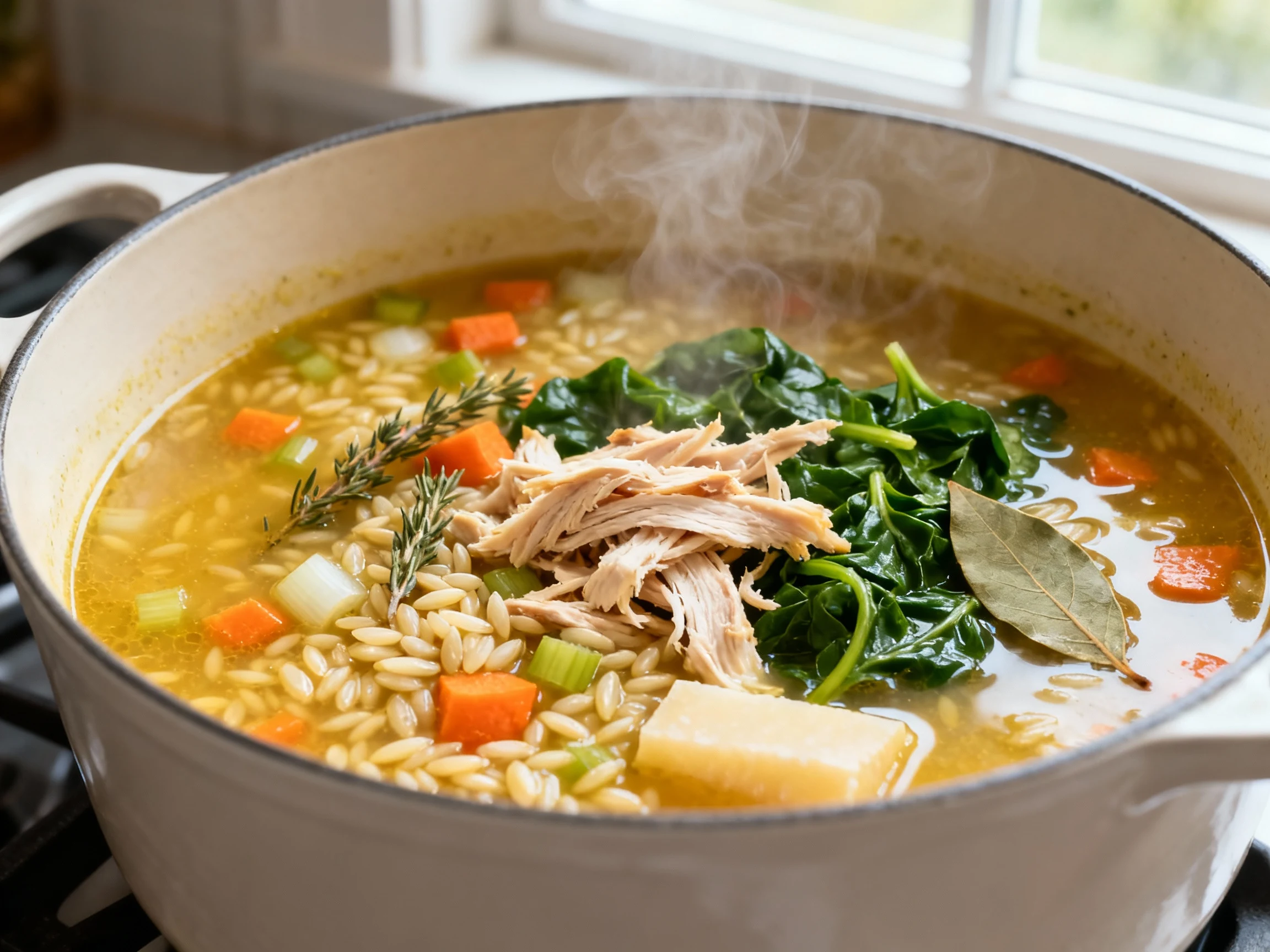
Orzo cooks in the broth, releasing just enough starch to make the soup feel velvety without cream. No flour. No cornstarch. Just technique. Toast the orzo briefly in the pot after the aromatics—this adds a faint nuttiness and helps it keep its bite.
Lemon + fresh herbs at the end keep flavors bright. Add lemon juice and dill off the heat so they stay vivid and don’t turn bitter or muddy. The soup goes from good to “where has this been all my life?” in 10 seconds flat.
Rotisserie chicken is your cheat code. Shred it and fold it in at the end for tender meat and 10 minutes saved. Prefer raw chicken? Simmer thighs early in the broth, shred, and carry on like a pro.
Optional umami hack: Drop in a Parmesan rind while simmering, then fish it out before serving. Subtle, savory depth without extra salt—FYI, it’s magic.
Yield: 6 bowls (or 4 huge ones). Total time: About 30–35 minutes (with cooked chicken).
Ingredients Breakdown
- 2 tablespoons olive oil – For sautéing and flavor.
- 1 medium yellow onion, diced – Sweet base note.
- 2 carrots, diced – Color and natural sweetness.
- 2 celery ribs, diced – Classic aromatic backbone.
- 4 garlic cloves, minced – Do not skimp.
- 1 teaspoon lemon zest – Brightens from the inside out.
- 1 tablespoon fresh thyme leaves (or 1 teaspoon dried) – Earthy herbal lift.
- 1 bay leaf – Quiet background complexity.
- 8 cups (2 quarts) low-sodium chicken broth – Use the good stuff; it’s the canvas.
- 3 cups cooked shredded chicken (rotisserie works great) or 1¼ pounds raw boneless, skinless chicken thighs – Choose your adventure.
- 1 cup (200 g) dry orzo – The star carb.
- 4 cups baby spinach – Wilts beautifully; adds color and nutrients.
- ¼ cup fresh lemon juice (about 1–2 lemons) – Add at the end.
- 2 tablespoons chopped fresh dill – Fresh, anise-kissed finish; parsley works too.
- 2 tablespoons chopped fresh parsley – Brightens and balances.
- 1–1½ teaspoons kosher salt, to taste – Adjust based on your broth.
- ½–1 teaspoon freshly ground black pepper – Peppery kick.
- ½ teaspoon red pepper flakes (optional) – For gentle heat.
- 1 Parmesan rind (optional) – Adds savory depth; remove before serving.
- Lemon wedges and extra dill for serving – Not optional if you’re extra.
How to Make It – Instructions
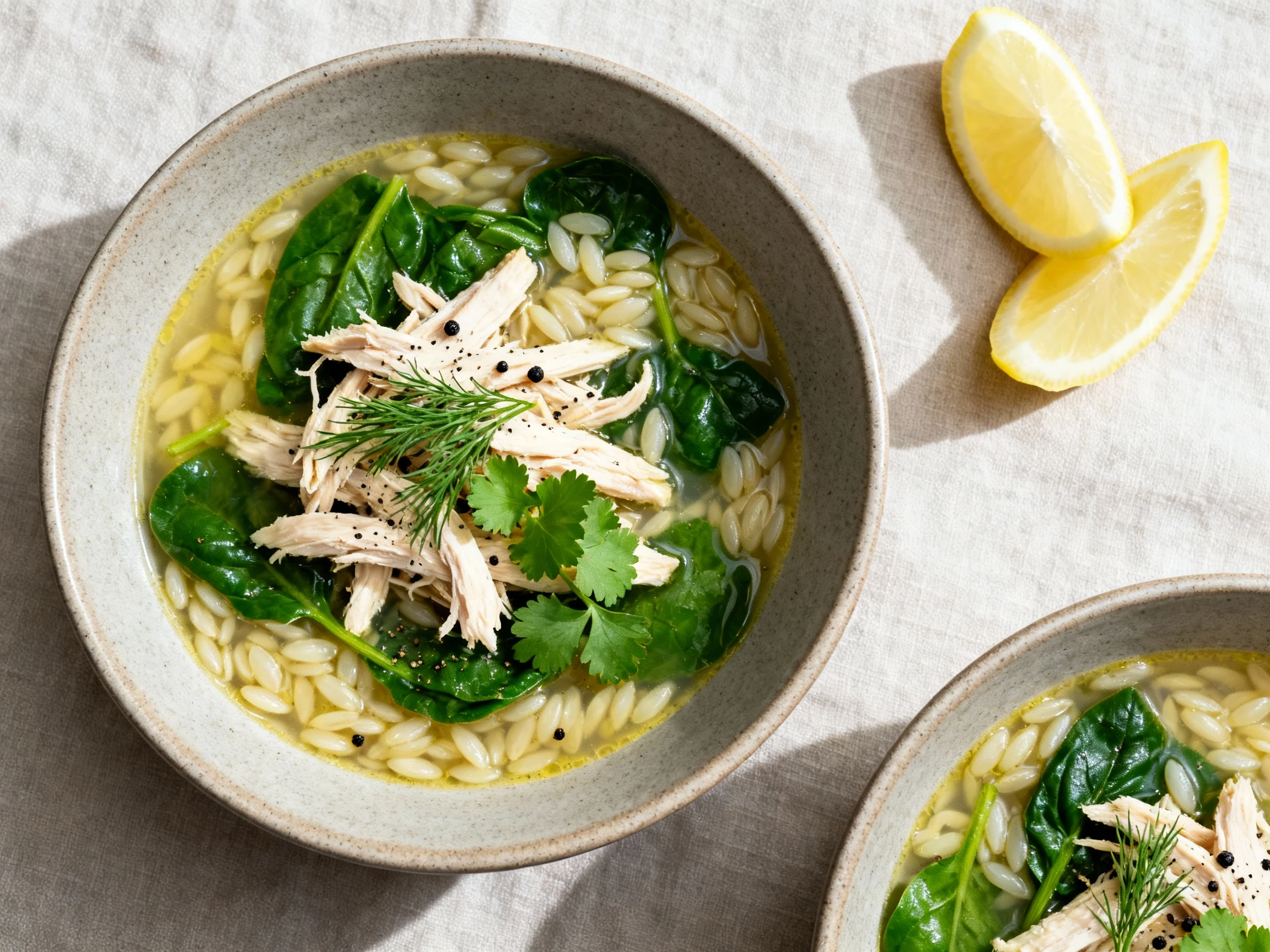
- Warm a large pot over medium heat and add the olive oil. Stir in the onion, carrots, and celery with a pinch of salt. Cook until softened and glossy, about 5–7 minutes, stirring occasionally.
- Add the garlic, lemon zest, thyme, and bay leaf. Cook 1 minute until fragrant. If using, drop in the Parmesan rind now.
- Pour in the chicken broth and bring to a gentle boil. Taste the broth; season lightly now so flavors build as you go.
- If using raw chicken thighs: Add them to the pot now, reduce to a simmer, and cook 12–15 minutes until just cooked through. Remove, shred with two forks, and set aside. Keep the pot simmering.
- Add the dry orzo to the simmering broth. Stir, then reduce to a lively simmer and cook 7–9 minutes, stirring a few times so it doesn’t stick. Aim for al dente—tender with a tiny bite.
- Return the shredded cooked chicken (rotisserie or the thighs you just shredded) to the pot. Stir in the spinach and let it wilt, 1–2 minutes.
- Turn off the heat. Stir in lemon juice, dill, and parsley. Taste and adjust salt, pepper, and lemon. It should taste bright and balanced, not sour or flat.
- Fish out the bay leaf (and Parmesan rind if used). Ladle into bowls. Finish with more dill, black pepper, and a squeeze of lemon. Flex on your past self.
Storage Tips
- Fridge: Cool, then store in airtight containers for up to 4 days. The orzo will keep absorbing broth; add a splash of water or stock when reheating.
- Freezer: For best texture, freeze without the orzo. Chill the soup (with chicken and veggies), freeze up to 3 months, then reheat and cook fresh orzo directly in the hot broth. If already combined, it’s still fine to freeze—just expect softer pasta.
- Reheating: Warm gently on the stove over medium, thinning with broth or water. Microwaves are fine, but stir halfway. Add a fresh squeeze of lemon to wake it up.
- Meal prep tip: Store cooked orzo and broth in separate containers. Combine when serving to keep the pasta ideal—IMO, this is the pro move.
Why This is Good for You
- High-quality protein: Chicken brings satiety and supports muscle recovery without weighing you down.
- Complex carbs that behave: Orzo gives steady energy. When cooked al dente, it feels indulgent without the crash.
- Hydration and electrolytes: Broth keeps you hydrated, and the natural sodium helps post-workout or on cold days.
- Phytonutrient boost: Spinach, dill, parsley, carrots, celery, and lemon add vitamins A, C, K, folate, and antioxidants.
- Low on effort, big on payoff: When a meal tastes this good and takes this little time, you actually cook more—consistency beats perfection, every time.
Don’t Make These Errors
- Overcooking the orzo: It should be al dente in the pot. Remember it keeps cooking as it sits. Pull it a minute early if you’re meal prepping.
- Adding lemon too soon: Boiling lemon juice mutes the brightness. Stir it in off the heat for maximum zing.
- Skipping the sauté: Raw veggies tossed in broth taste flat. Sautéing unlocks sweetness and depth.
- Forgetting to taste as you go: Broths vary wildly in salt. Season in layers, not just at the end.
- Boiling chicken breast hard: If using breast meat from raw, simmer gently or it turns dry. Thighs are way more forgiving, FYI.
- Neglecting fresh herbs: Dried dill won’t land the same. If you can’t get dill, use parsley and a little fresh mint for a clean finish.
Alternatives
- No dill? No problem: Swap with parsley and a touch of mint, or go Italian with basil and a pinch of oregano.
- Grain swaps: Try small pasta like ditalini, acini di pepe, or stelline. For gluten-free, use GF orzo or cooked rice (stir in at the end so it doesn’t blow out).
- No chicken: Chickpeas or white beans bring protein and creaminess. Use vegetable broth and finish with extra herbs and lemon.
- Creamy version: Whisk 1 beaten egg with 1 tablespoon cornstarch and ½ cup warm broth, then stream it into the hot soup off heat while stirring—silky without dairy (avgolemono vibe). Or add ¼ cup cream for a richer finish.
- Veggie upgrades: Swap spinach for kale (simmer 5–7 minutes), add peas in the last 2 minutes, or toss in chopped zucchini with the orzo.
- Flavor profiles: Greek-leaning? Use oregano, extra dill, and lemon. Italian? Add a rosemary sprig and finish with grated Parmesan. Cozy heat? Stir in a spoon of Calabrian chili or harissa.
- Slow cooker: Add aromatics, broth, raw thighs, and seasonings; cook on LOW 3–4 hours. Shred chicken, stir in orzo and cook on HIGH 20–30 minutes until al dente. Finish with greens, lemon, and herbs.
- Instant Pot: Sauté aromatics, add broth and raw thighs, and cook on High Pressure 8 minutes; quick release, shred chicken. Stir in orzo, sauté function 4–6 minutes until al dente. Finish with spinach, lemon, and herbs.
FAQ
How do I keep the orzo from turning mushy?
Cook it just to al dente and serve right away. If you plan to store leftovers, undercook the orzo by 1 minute, or cook the orzo separately and combine just before eating. A quick stir during cooking prevents sticking and uneven softening.
Can I use chicken breast instead of thighs?
Yes. Simmer gently until it hits 165°F, then shred. Breast dries out faster, so keep the heat moderate and time it closely. If using cooked rotisserie breast, add at the end just to warm through.
Does this freeze well with pasta in it?
Technically yes, but texture takes a hit. For best results, freeze the soup without orzo and add freshly cooked orzo when reheating. If it’s already combined, freeze anyway—just know the pasta will be softer after thawing.
What can I use instead of dill?
Parsley is the safest swap. For a fresh twist, mix parsley with a little mint or chives. Basil leans Italian, and tarragon brings a subtle licorice note—use lightly so it doesn’t dominate.
How do I thicken the soup without cream?
Two easy moves: cook the orzo directly in the broth so its starch naturally thickens, and add a Parmesan rind while simmering for body and umami. For extra silkiness, use the egg-and-broth slurry trick off the heat.
Can I make it ahead for meal prep?
Absolutely. Store the broth and chicken in one container and the cooked orzo in another. Combine when reheating and finish with fresh lemon and herbs. This keeps the pasta perfect and the flavors bright, IMO.
What if my soup tastes bland?
Salt incrementally and add acid. Start with ¼ teaspoon salt at a time, then splash in more lemon until the flavors pop. A drizzle of good olive oil and a grind of pepper at the end also wake it up fast.
Is orzo gluten-free?
Traditional orzo is wheat-based. Use gluten-free orzo or sub cooked rice or small-cut gluten-free pasta. Keep the same method and finish with lemon and herbs to maintain the vibe.
In Conclusion
This bowl hits the rare trifecta: fast, nourishing, and wildly satisfying. You build flavor with simple moves, finish with lemon and herbs, and get a soup that feels chef-y without drama. Keep it classic, go creamy, swap the herbs—your call. The only real rule? Don’t forget that final squeeze of lemon. Your future self will be grateful you cooked this tonight.
Printable Recipe Card
Want just the essential recipe details without scrolling through the article? Get our printable recipe card with just the ingredients and instructions.