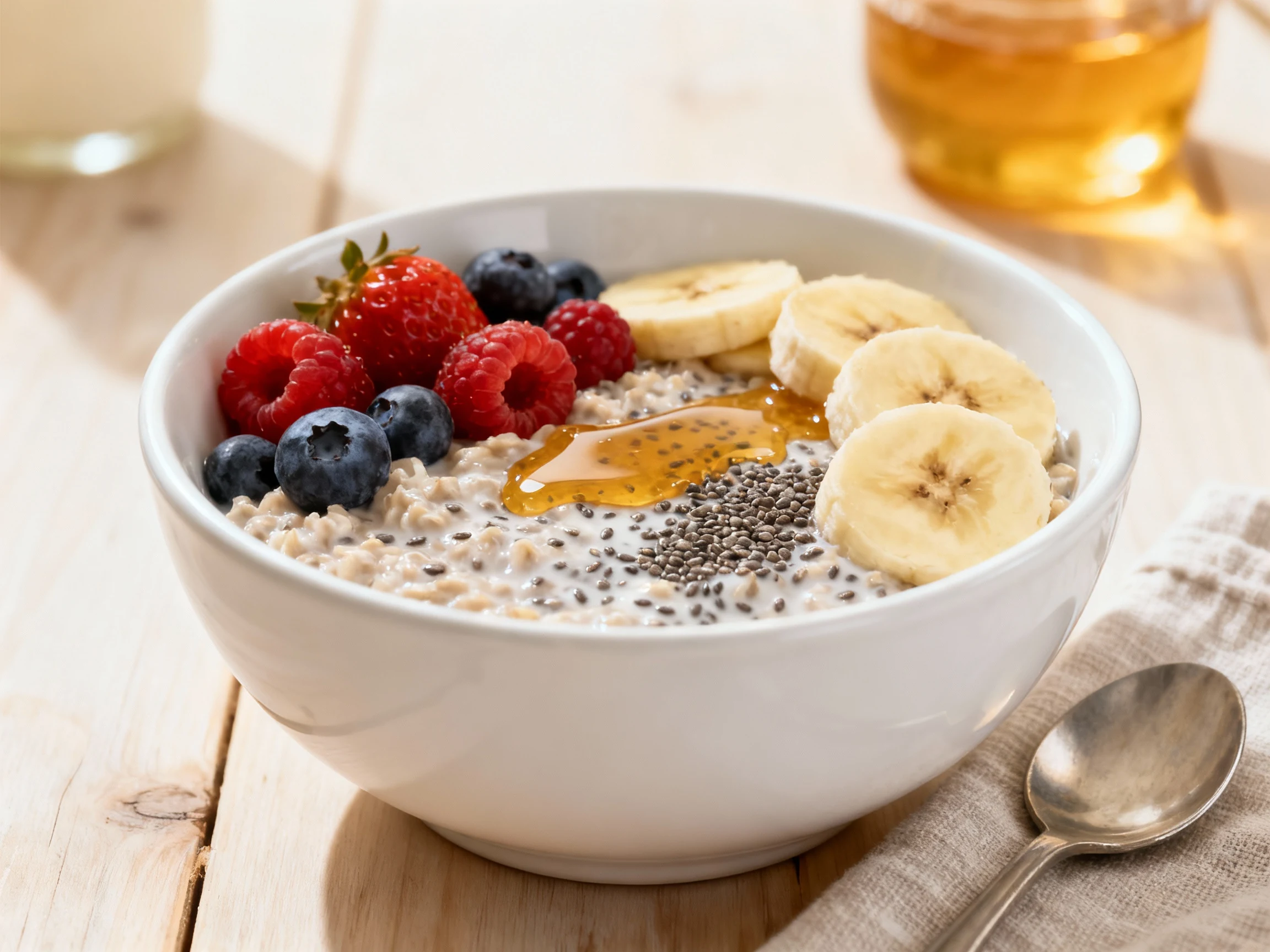
Chia Seeds Benefits Recipes: Energize Your Day No Fuss
Make one base chia pudding and smoothie boosters that showcase energy, fiber, omega-3s—ready in minutes and perfect for busy meal prep.
If breakfast keeps ghosting you by 10 a.m., you don’t need more coffee—you need a strategic upgrade. Chia delivers big-time: satiety, steady energy, and spoonable comfort you can assemble in five minutes flat. This recipe turns tiny seeds into a creamy, dessert-adjacent breakfast that sneaks in fiber, protein, and omega-3s. You’ll get a base pudding you can remix all week, plus quick add-ins for smoothies when you want to sip and go. Minimal effort, maximum payoff—because your schedule won’t wait, and neither should your hunger.
Why This Recipe Works
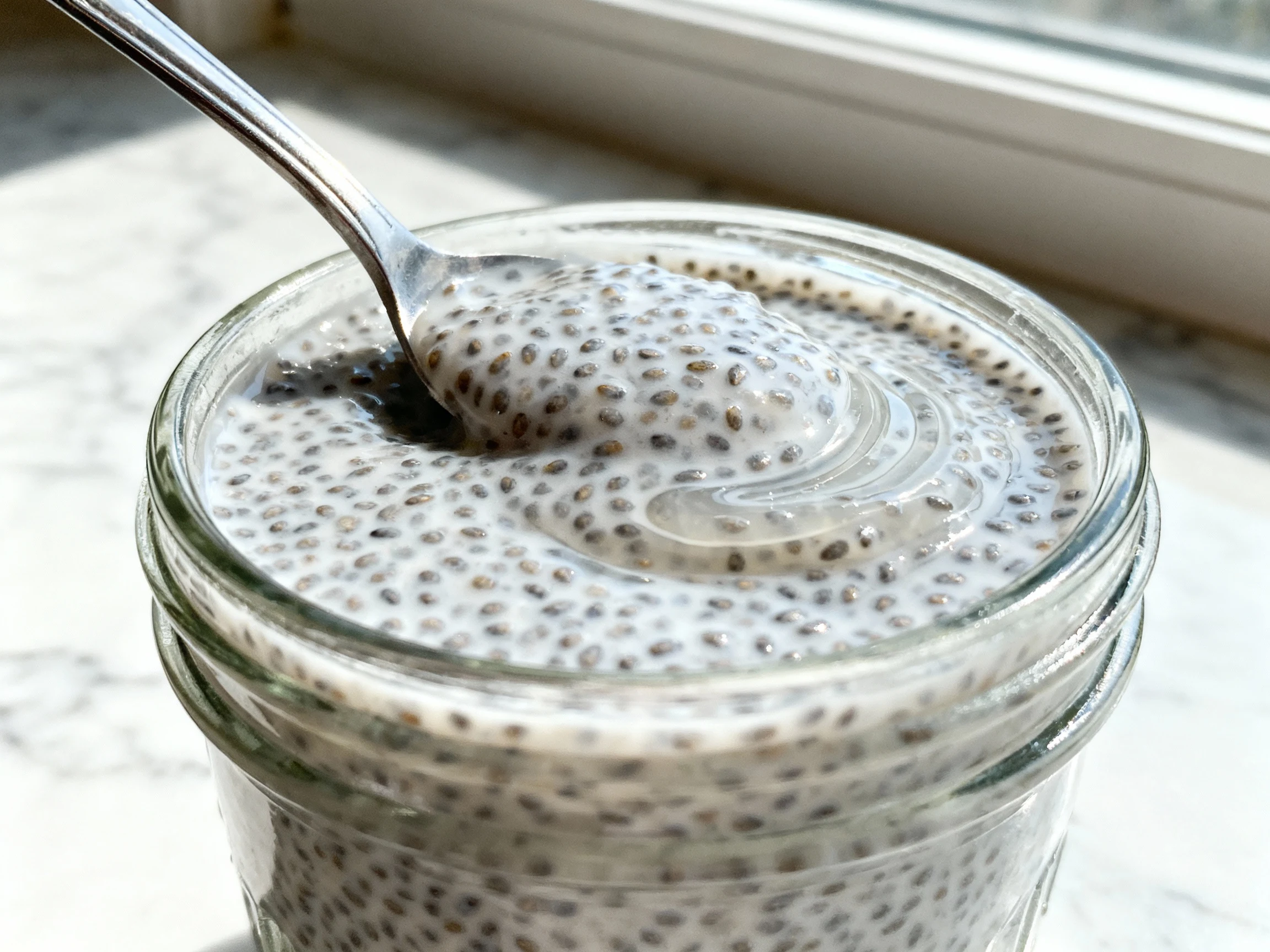
Chia seeds absorb liquid and form a gel thanks to soluble fiber and mucilage on their outer shell. That gel creates a pudding-like texture that slows digestion and keeps you full. The sweet spot ratio is 3 tablespoons chia to 1 cup liquid (about 1:8 by volume) for a creamy, scoopable result that isn’t gluey.
Flavor matters as much as texture. A pinch of salt and a splash of vanilla crank up sweetness and complexity without extra sugar. Stirring once after 10–15 minutes breaks up clumps and guarantees even hydration. You’ll get a consistent, luscious spoonful every time—no gritty bits, no clumps, no disappointment.
Time does heavy lifting. Give it at least 30 minutes for a quick set or overnight for ultimate creaminess. The result: a flexible base you can morph into chocolate, berry, or PB&J profiles—plus, it doubles as a smoothie booster for days when you can’t be bothered with a spoon.
What You’ll Need (Ingredients)
Yield: 2 servings (about 2 cups total) • Prep: 5 minutes • Rest: 30–120 minutes (or overnight)
- Chia seeds: 3 tablespoons (about 36 g)
- Milk of choice: 1 cup (240 ml) — dairy, almond, oat, soy, or coconut
- Maple syrup or honey: 1–2 teaspoons (5–10 ml), to taste
- Vanilla extract: 1/2 teaspoon (2.5 ml)
- Pinch of fine salt (about 1/16 teaspoon)
- Optional texture boosters: 2 tablespoons unsweetened yogurt (dairy or coconut) for extra creaminess
- Optional spices: 1/4 teaspoon cinnamon, or a pinch of cardamom
- Toppings (choose 2–3): fresh berries, sliced banana, nut butter, toasted coconut, cacao nibs, chopped nuts, lemon zest
Let’s Get Cooking – Instructions
- Whisk the base: In a jar or bowl, whisk milk, sweetener, vanilla, salt, and any spices until smooth. If using yogurt, whisk it in now. Tip: Salt makes everything taste sweeter—don’t skip it.
- Add chia seeds: Sprinkle the seeds over the liquid while whisking. Keep whisking for 20–30 seconds to distribute evenly. Even dispersion = no clumps.
- Rest briefly: Let the mixture sit for 10–15 minutes, then stir again to break up any settling. This second stir is the unsung hero of perfect pudding.
- Set: Cover and refrigerate for at least 30 minutes for a quick set or 2 hours/overnight for a thicker, creamier result.
- Adjust (if needed): Too thick? Stir in 1–2 tablespoons more milk. Too loose? Add 1 teaspoon more chia, stir, and chill 10 minutes.
- Serve: Portion into bowls or jars. Add toppings like berries and nut butter. Go for contrasting textures—creamy + crunchy = chef’s kiss.
- Optional smoothie booster: If you prefer a drinkable breakfast, blend 1/2 cup prepared chia pudding into your favorite smoothie for extra body and fiber.
Storage Instructions
Store the pudding in airtight containers in the fridge for up to 4 days. Keep toppings separate until serving to preserve texture. For grab-and-go convenience, portion into individual jars.
You can freeze chia pudding for 1–2 months in freezer-safe containers. Thaw overnight in the fridge and stir well before eating. FYI: Freezing can slightly loosen the texture—just add a spoonful of chia or a dollop of yogurt if you want it thicker.
What’s Great About This
- High in fiber: ~10 g per serving supports gut health and steady energy.
- Omega-3s on autopilot: Plant-based ALA helps balance your fat profile.
- Protein friendly: Boost with yogurt or protein powder for lasting fullness.
- Zero-cook, zero-stress: Five minutes today pays off all week.
- Customizable: One base; endless flavors—sweet or even savory, if you dare.
- Meal prep gold: Make once, enjoy multiple breakfasts.
- Allergy-friendly: Easily gluten-free, dairy-free, and refined sugar-free.
- Budget-savvy: Seeds cost pennies per serving and deliver premium nutrition.
What Not to Do
- Don’t eyeball the ratio. Too little liquid yields paste; too much yields soup. Start at 3 Tbsp chia to 1 cup liquid.
- Don’t skip the mid-set stir. Chia sinks and clumps if you set it and forget it.
- Don’t use stale or bitter seeds. Rancid chia smells off—like old oil. Fresh seeds taste neutral and slightly nutty.
- Don’t overload sweeteners. Balance with fruit, spices, and a pinch of salt instead. Your energy levels will thank you.
- Don’t ignore add-ins. If adding protein powder or cocoa, increase liquid by 2–4 tablespoons to keep it creamy.
- Don’t mix in juicy fruits too early. They’ll water down the pudding. Add right before serving for maximum pop.
Recipe Variations
- Chocolate Banana Pudding: Add 1 tablespoon unsweetened cocoa powder and 2–4 extra tablespoons milk to the base. Top with sliced banana and 1 teaspoon peanut butter. Optional: 1 teaspoon espresso powder for mocha vibes.
- Berry Lemon Parfait: Layer base pudding with 1/2 cup Greek yogurt and 1/2 cup mashed berries. Finish with lemon zest and a drizzle of honey. Bright, tangy, and high-protein.
- PB&J Remix: Stir 1 tablespoon peanut butter into the base and top with 2 tablespoons crushed raspberries or chia jam. Sprinkle with crushed peanuts for crunch.
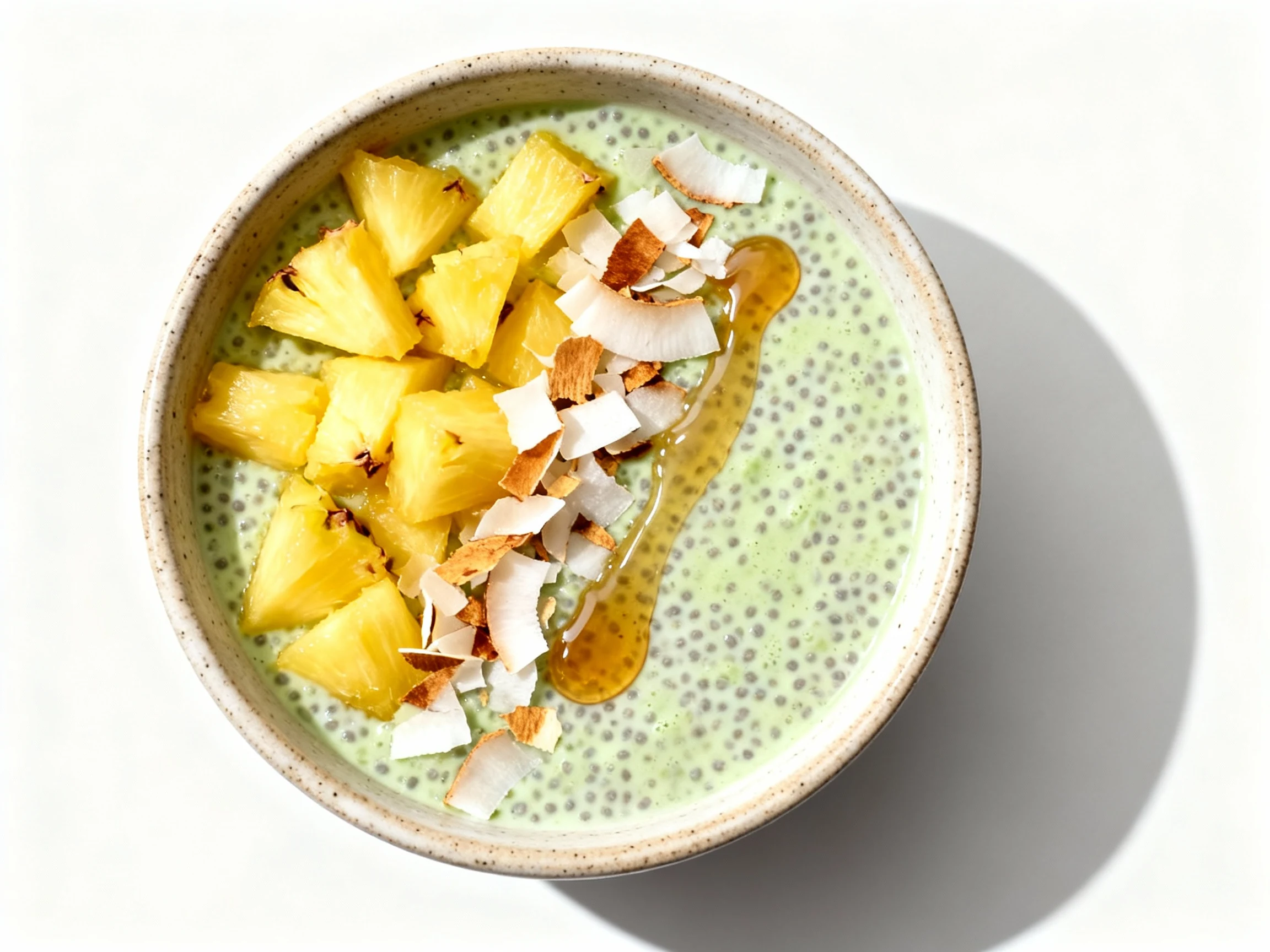
- Tropical Matcha: Whisk 1/2–1 teaspoon matcha into the milk before adding chia. Use coconut milk, then top with pineapple and toasted coconut. Add 1 teaspoon maple if needed.
- Apple Pie Spice: Add 1/2 teaspoon cinnamon, a pinch of nutmeg, and 1/4 teaspoon vanilla. Top with diced apple sautéed in a little ghee and maple. Dust with extra cinnamon.
- Vanilla Latte: Swap 1/3 cup of the milk with strong cooled coffee. Sweeten lightly and top with cacao nibs. IMO, the perfect 10 a.m. pick-me-up.
- Savory Herb Bowl: Use unsweetened almond milk and skip sweetener/vanilla. Stir in 1 teaspoon tahini, lemon juice to taste, and chopped herbs. Top with cherry tomatoes, cucumber, and a drizzle of olive oil. Yes, savory chia is a thing—surprisingly great.
- Smoothie Booster Gel: For smoothies, pre-soak 1 tablespoon chia in 3 tablespoons water for 10 minutes to form a gel. Blend gel with fruit, milk, and protein for a thicker, more satisfying smoothie.
FAQ
Are chia seeds safe to eat without soaking?
Yes, but soaking improves texture and digestibility. Dry seeds absorb liquid wherever they land, so they may feel odd in your mouth or throat if you don’t drink enough water. Soaked chia = smoother ride for your digestion and better culinary results.
What’s the ideal daily amount of chia?
Most people do well with 1–2 tablespoons (12–24 g) per day. That delivers fiber and omega-3s without overloading your system. If you’re new to high fiber, start with 1 tablespoon and increase gradually, with plenty of water.
Can I use water instead of milk?
Yes, but expect a lighter, less creamy result. To keep flavor high, add 1–2 teaspoons sweetener, a pinch of salt, and extra vanilla or citrus zest. You can also blend water with 1 tablespoon nut butter for a quick DIY “milk.”
Why is my chia pudding too runny or too thick?
Runny? You likely used too much liquid or didn’t let it set long enough. Add 1 teaspoon chia and chill 10 more minutes. Too thick? Stir in 1–3 tablespoons milk. Remember the baseline ratio: 3 Tbsp seeds : 1 cup liquid.
Can I make this low-carb or keto?
Absolutely. Use unsweetened almond or coconut milk and a keto-friendly sweetener like liquid stevia or allulose. Add full-fat yogurt or coconut cream for richness. Net carbs stay low while fullness stays high.
Is there a difference between black and white chia?
Nutritionally, they’re almost identical. White chia blends visually with lighter bases, while black chia looks speckled. Choose based on aesthetics—your spoon won’t know the difference.
Do I need to grind chia seeds?
No. Chia gels beautifully whole. Grinding can release more omega-3s but also shortens shelf life. If you grind, store in the fridge in an airtight container and use within a couple of weeks.
Can kids eat chia pudding?
Yes, as part of a varied diet and with adequate fluids. Start with smaller portions and mild flavors like vanilla or berry. If texture-sensitive, blend the set pudding for a smoother result—same benefits, fewer protests.
Will chia seeds cause bloating?
They can if you jump from low to high fiber overnight. Build up slowly and hydrate well. A squeeze of lemon or a bit of ginger in your pudding can also help. If issues persist, scale back and reintroduce gradually. FYI: most people adapt within a week.
How long do chia seeds last?
Stored in a cool, dark place, whole chia seeds last 1–2 years. Keep them in an airtight container to protect the delicate fats. If they smell off or taste bitter, it’s time for a new bag.
Wrapping Up
You just got a five-minute system for better mornings: a creamy base pudding that’s endlessly customizable, plus a quick gel to supercharge smoothies. With the right ratio, a mid-set stir, and smart add-ins, you’ll lock in fiber, omega-3s, and flavor without breaking a sweat. Batch a few jars, rotate toppings, and watch your energy stay steady until lunch. Simple, strategic, and delicious—exactly how breakfast should be.
Printable Recipe Card
Want just the essential recipe details without scrolling through the article? Get our printable recipe card with just the ingredients and instructions.