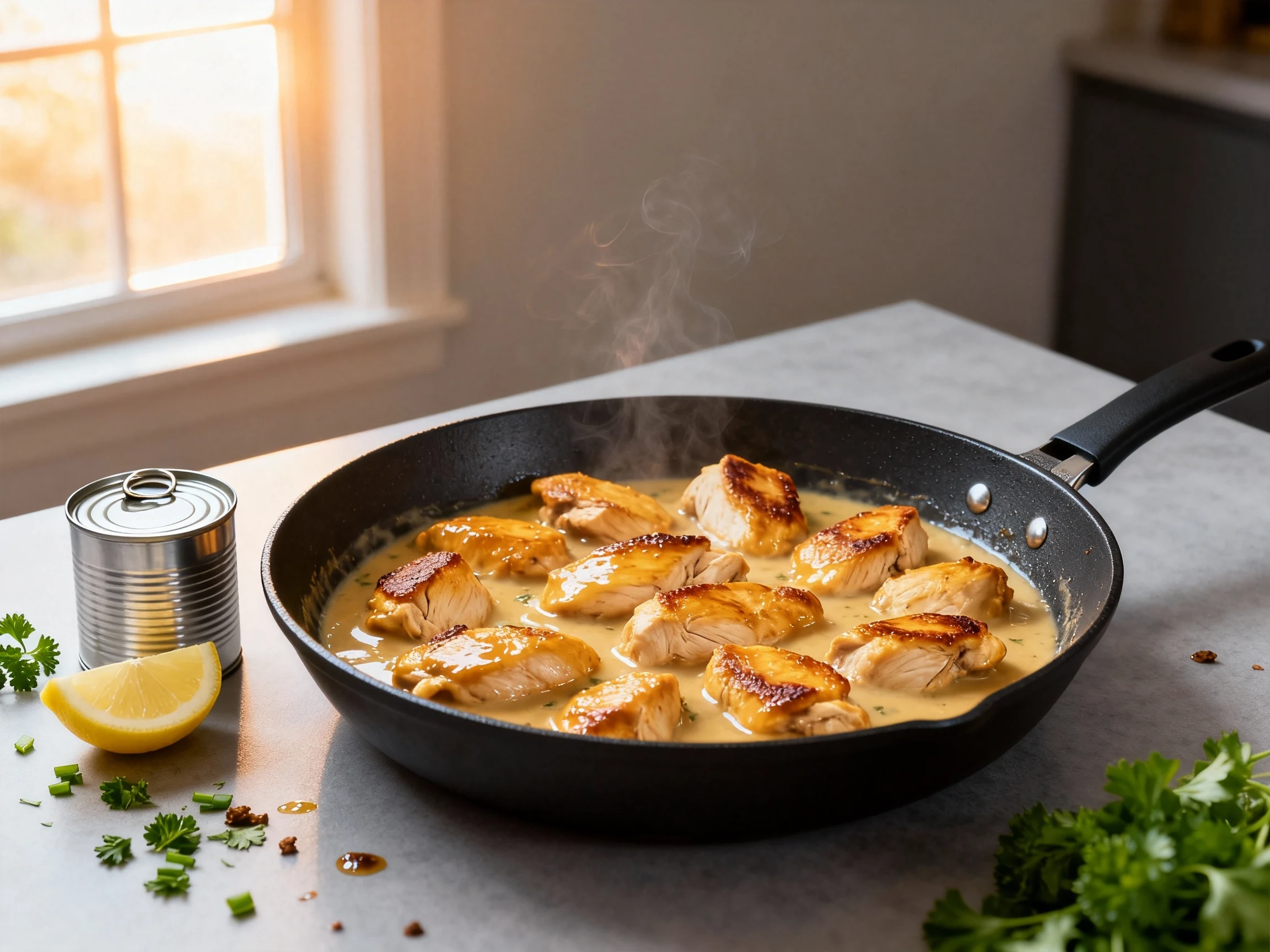
Canned Chicken Recipes for Fast Tasty Meals Tonight
Turn pantry chicken into weeknight wins: budget-friendly, 20-minute meals with big flavor, minimal cleanup, and zero culinary school.
You don’t need a private chef; you need a plan that works when the clock is rude and your stomach is louder. Canned chicken is the quiet MVP in your pantry—pre-cooked, protein-rich, and ready to play in almost any dish you love. TBH, it’s like having rotisserie chicken that never spoils and never judges your schedule. If you can open a can and stir a pan, you’re five steps from dinner.
This guide gives you a legit base recipe that nails flavor and texture, then shows you how to flip it into tacos, pasta, soup, fried rice, and more. We’ll keep it budget-smart, weeknight-fast, and kid-and-roommate-approved. Expect crisp edges, juicy bites, and sauces that don’t taste like “Tuesday.”
What Makes This Recipe So Good
Speed with zero compromise: The chicken is already cooked, so you’re building flavor, not babysitting raw meat. That means dinner in 15–20 minutes, consistently.
Budget-friendly and predictable: Canned chicken costs less than takeout, stores well, and portions easily. No guessing games—just reliable protein, whenever.
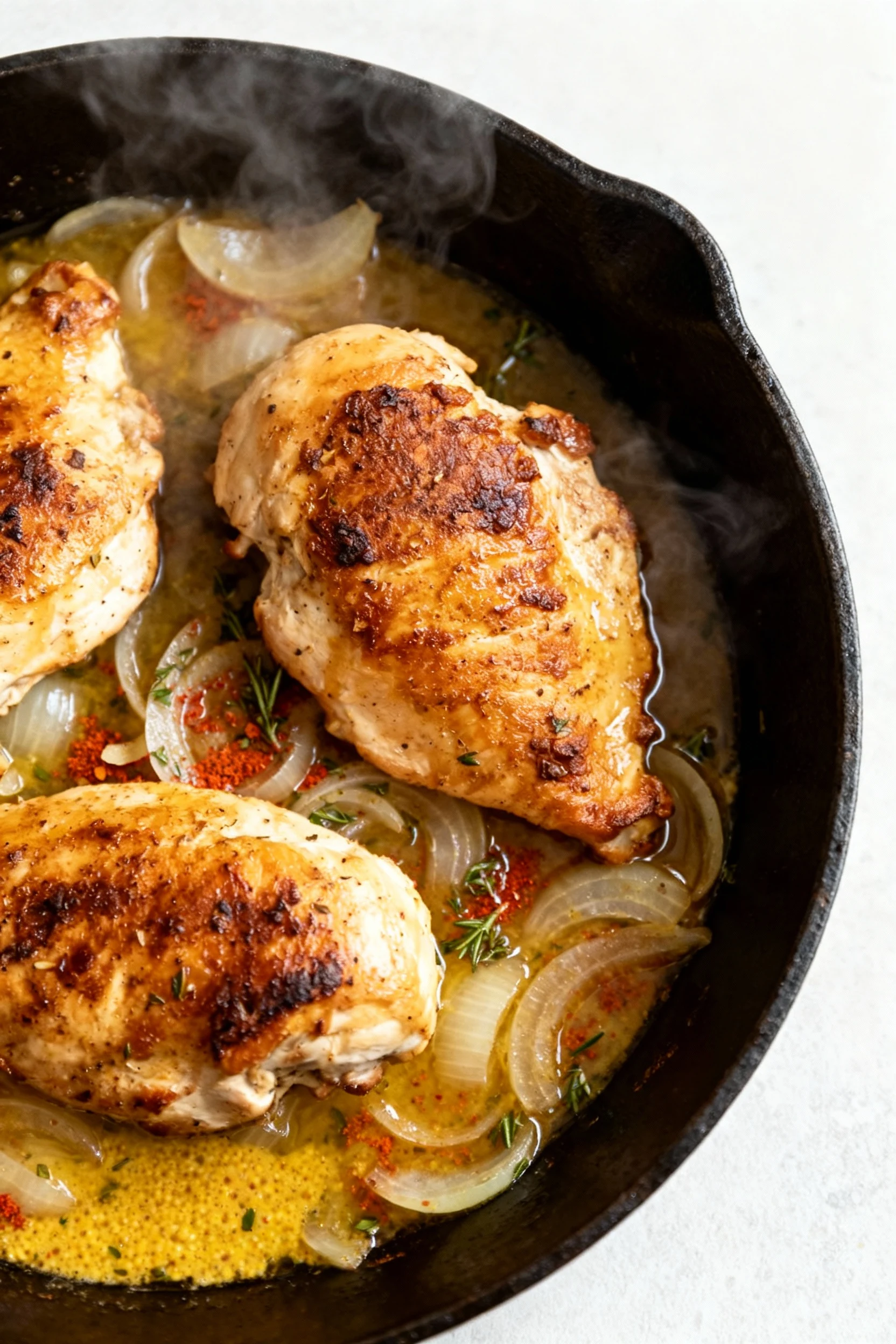
Texture that slaps (in a good way): A quick pan sear plus a simple sauce turns “plain” into golden, savory bites with real chew and moisture, not mush.
Ultra-flexible: This base method morphs into tacos, flatbreads, bowls, soups, and pasta with minimal tweaks. One technique, countless dinners.
Minimal cleanup: One skillet. One bowl for sauce. That’s it. Your sink can relax now.
Ingredients Breakdown
Here’s the base pantry-skillet recipe you’ll use as your springboard. Amounts serve 4 and scale easily.
- 2 cans (12.5 oz/354 g each) chunk chicken breast, drained and patted dry
- 2 tablespoons olive oil (or avocado oil)
- 1 tablespoon unsalted butter (for flavor and browning)
- 1 small yellow onion, finely chopped
- 2 cloves garlic, minced
- 1 teaspoon smoked paprika (or sweet paprika)
- 1 teaspoon dried Italian seasoning (or oregano + thyme)
- 1/2 teaspoon ground black pepper
- 1/4–1/2 teaspoon kosher salt (start low; adjust to taste)
- 1/2 cup low-sodium chicken broth (or water)
- 1 tablespoon Dijon mustard (adds depth)
- 1/2 cup Greek yogurt or sour cream (creamy finish; optional)
- 1 tablespoon lemon juice (acidity wakes everything up)
- Fresh parsley or chives, chopped, for garnish
Optional Add-Ons and Easy Swaps
- Veggies: Diced bell pepper, mushrooms, spinach, or frozen peas (1–2 cups total)
- Heat: Red pepper flakes or a squeeze of sriracha
- Umami: 1 teaspoon soy sauce or Worcestershire sauce
- Dairy-free: Skip butter and yogurt; add 1–2 teaspoons olive oil + splash of coconut milk
- Herb switch-ups: Swap Italian seasoning for taco seasoning, curry powder, or cajun spice to pivot cuisines
Step-by-Step Instructions
- Prep the chicken. Open, drain, and pat the chicken very dry. Dry chicken browns better and doesn’t taste watery.
- Heat the pan. Set a large skillet over medium-high heat. Add olive oil and butter until sizzling.
- Sauté aromatics. Add onion with a pinch of salt; cook 2–3 minutes until translucent. Stir in garlic; cook 30 seconds, just until fragrant.
- Bloom the spices. Sprinkle in smoked paprika, Italian seasoning, and black pepper. Stir 20–30 seconds to wake them up.
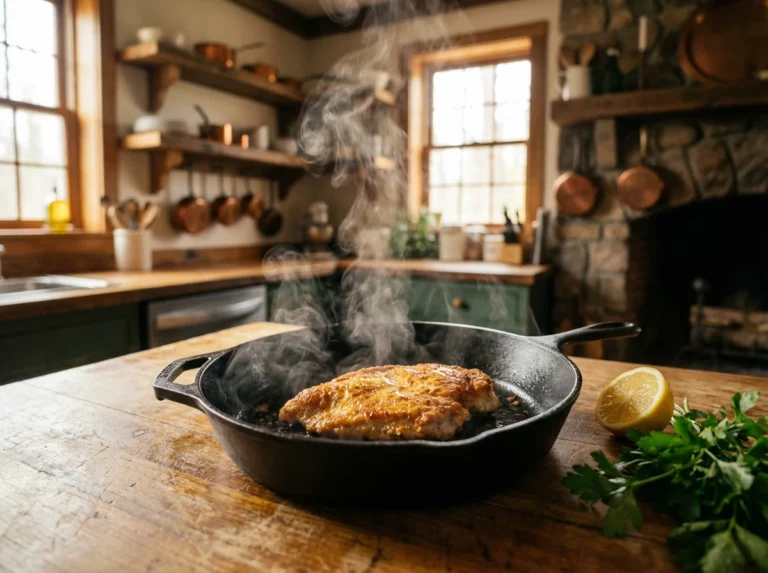
- Get the chicken golden. Add the chicken in an even layer. Press gently with a spatula and don’t stir for 2–3 minutes to get crisp edges. Then toss.
- Build the sauce. Stir in broth and Dijon. Simmer 1–2 minutes, scraping up tasty browned bits from the pan.
- Finish creamy (optional but recommended). Reduce heat to low. Stir in Greek yogurt until smooth and glossy. Do not boil after adding dairy—gentle heat only.
- Brighten and balance. Add lemon juice; taste and adjust salt. If it needs “something,” it’s probably acid or salt, not more spice.
- Garnish + serve. Sprinkle with herbs. Serve over rice, tucked in wraps, or alongside roasted veggies. FYI, it’s elite on garlic toast.
Preservation Guide
- Fridge: Store cooked chicken in an airtight container up to 4 days. Keep sauce and carbs (like rice or pasta) separate for best texture.
- Freezer: Portion into freezer-safe containers; freeze up to 2 months. Thaw overnight in the fridge for fastest, safest results.
- Reheat: Rewarm gently on the stovetop over medium-low heat. Add a splash of broth or water to loosen the sauce. Microwave in 45-second bursts, stirring between.
- Crisp recovery: If you want re-crisped edges, reheat a portion in a lightly oiled skillet for 3–4 minutes.
- Label smart: Note the flavor profile on the container (e.g., “Buffalo,” “Curry”). Future-you will thank present-you.
Why This is Good for You
Lean protein, high satiety: Canned chicken delivers 20+ grams of protein per serving with minimal prep. Protein keeps you full and supports muscle recovery, IMO the king of macro ROI.
Customizable calories: Go creamy with yogurt, or keep it light with extra veggies and broth. You control oils, salt, and carb pairings.
Less food waste: Shelf-stable means fewer sad, forgotten chicken breasts. You’re buying what you use and using what you buy.
Nutrient boosters: Add spinach, peppers, or mushrooms and you’re sneaking in fiber, vitamins, and color like a pro. Health meets flavor—no compromise.
Pitfalls to Watch Out For
- Over-salting: Some canned chicken is briny. Taste before salting and choose low-sodium broth.
- Mushy texture: Don’t over-stir. Press, sear, and flip. Let the chicken sit to build those crisp edges.
- Skipping the dry step: Water is the enemy of browning. Pat the chicken dry for maximum flavor.
- Boiling your dairy: Yogurt or sour cream will split if you crank the heat. Keep it gentle.
- Flat flavors: If it tastes boring, add acid (lemon, lime, vinegar) before you add more salt or spice.
- Weak aromatics: Onions and garlic are your base notes. Don’t rush them. Thirty extra seconds can change dinner.
- Overcrowded pan: Use a skillet big enough to give the chicken space. Steam = soggy, spread = crispy.

Different Ways to Make This
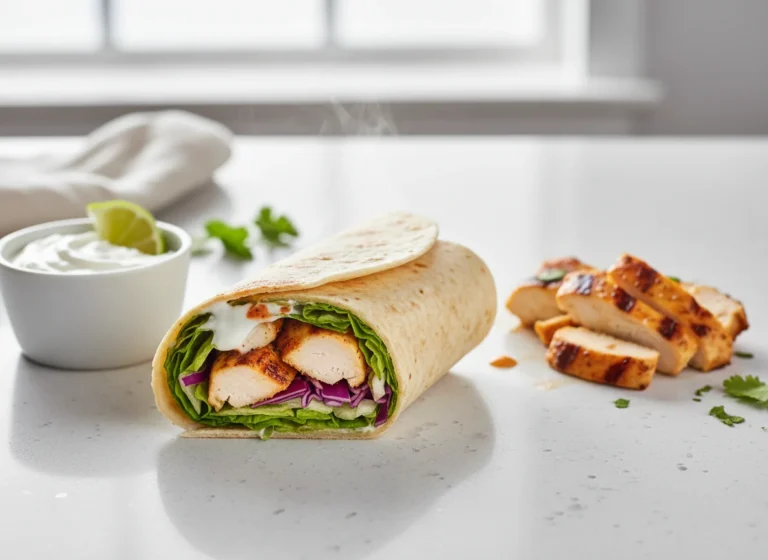
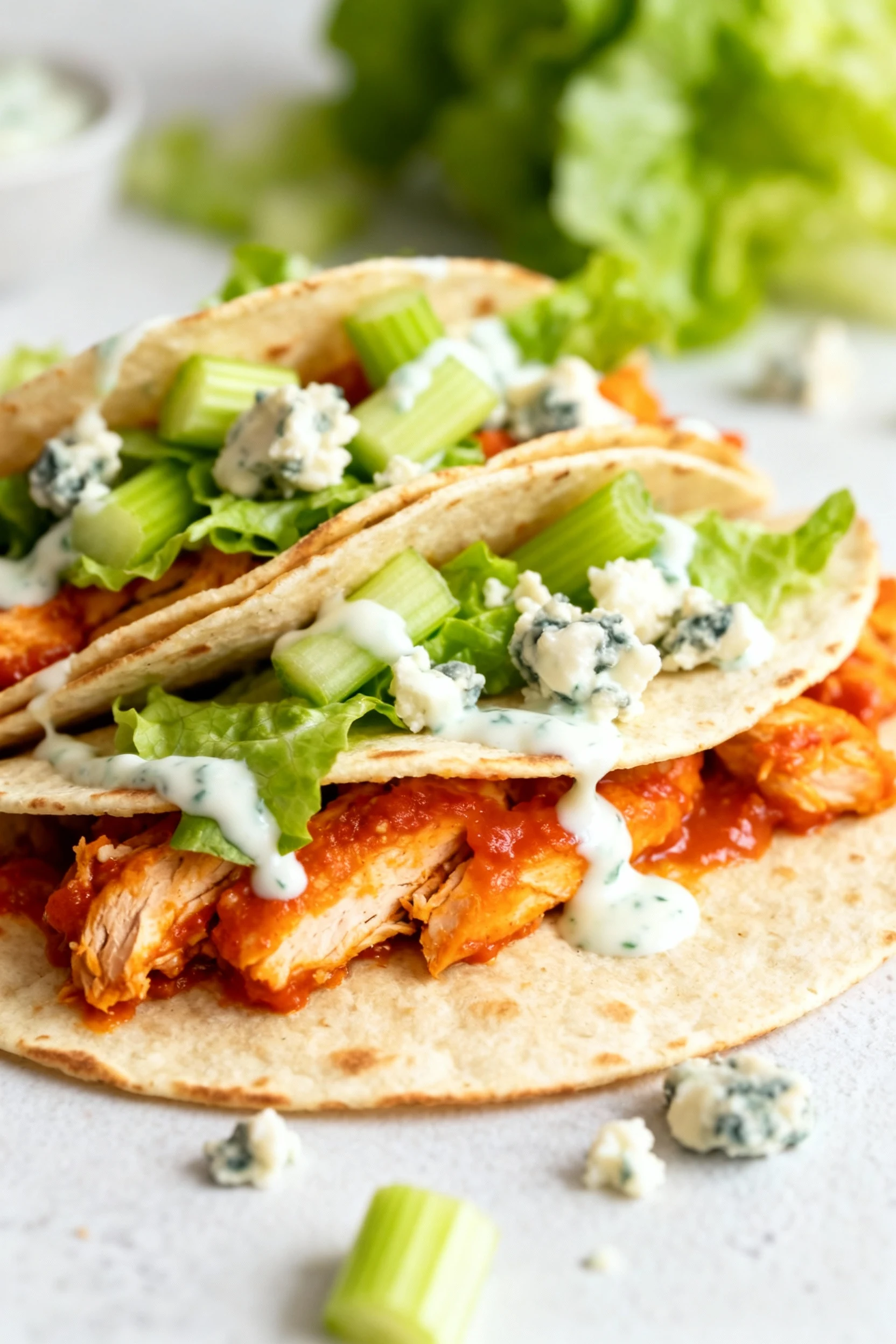
- Buffalo Wraps: Toss the finished chicken with hot sauce and a pat of butter. Stuff into wraps with lettuce, celery, and blue cheese or ranch.
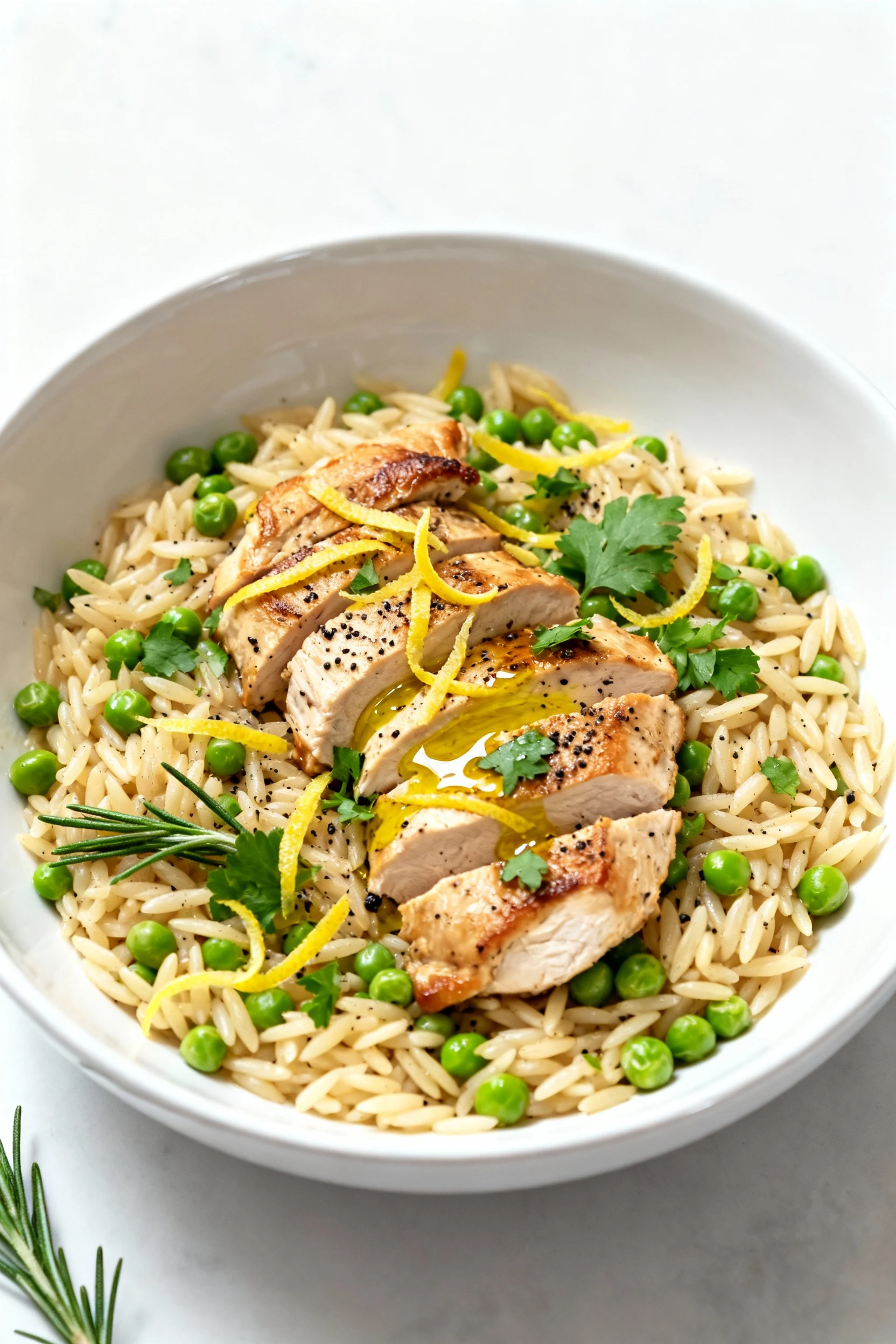
- Lemon Herb Orzo: Skip paprika; use extra lemon, parsley, and a pinch of rosemary. Fold into cooked orzo with peas and a drizzle of olive oil.
- Chicken Taco Skillet: Swap Italian seasoning for taco seasoning. Add corn and black beans. Serve in tortillas with pico and avocado.
- Creamy Alfredo Pasta: Stir in Parmesan and a splash of pasta water instead of broth. Toss with fettuccine and cracked pepper.
- Curry Night: Use curry powder + garlic + ginger. Swap yogurt for coconut milk. Add spinach and finish with lime and cilantro.
- Tortilla Soup Shortcut: Thin the base with extra broth, diced tomatoes, corn, and cumin. Simmer 10 minutes. Top with tortilla strips and lime.
- BBQ Flatbreads: Mix chicken with BBQ sauce. Spread on naan with red onion and mozzarella. Bake at 425°F (220°C) for 8–10 minutes.
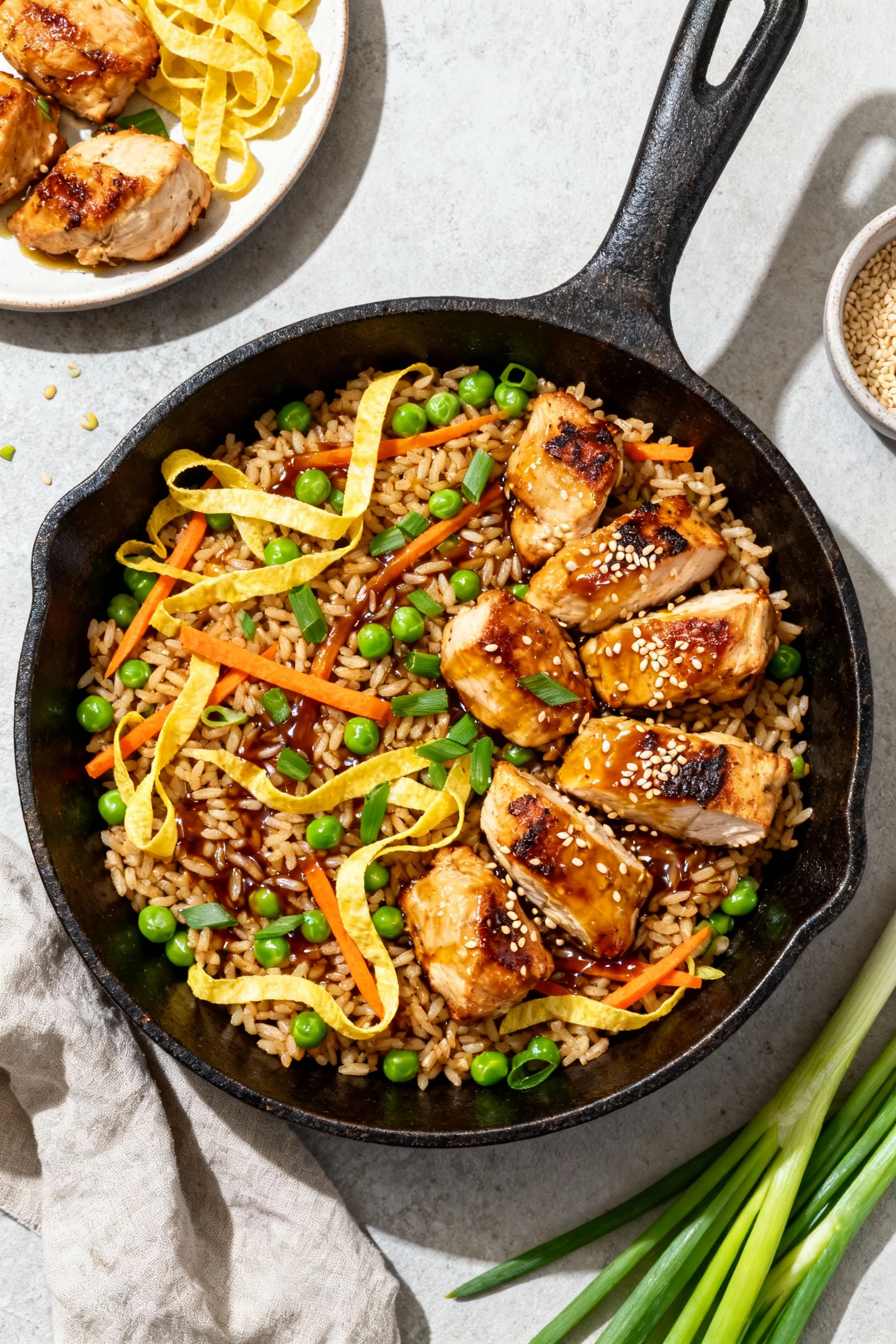
- Fried Rice: Sear chicken with soy sauce and sesame oil. Add day-old rice, peas, carrot, and scrambled egg. Finish with scallions.
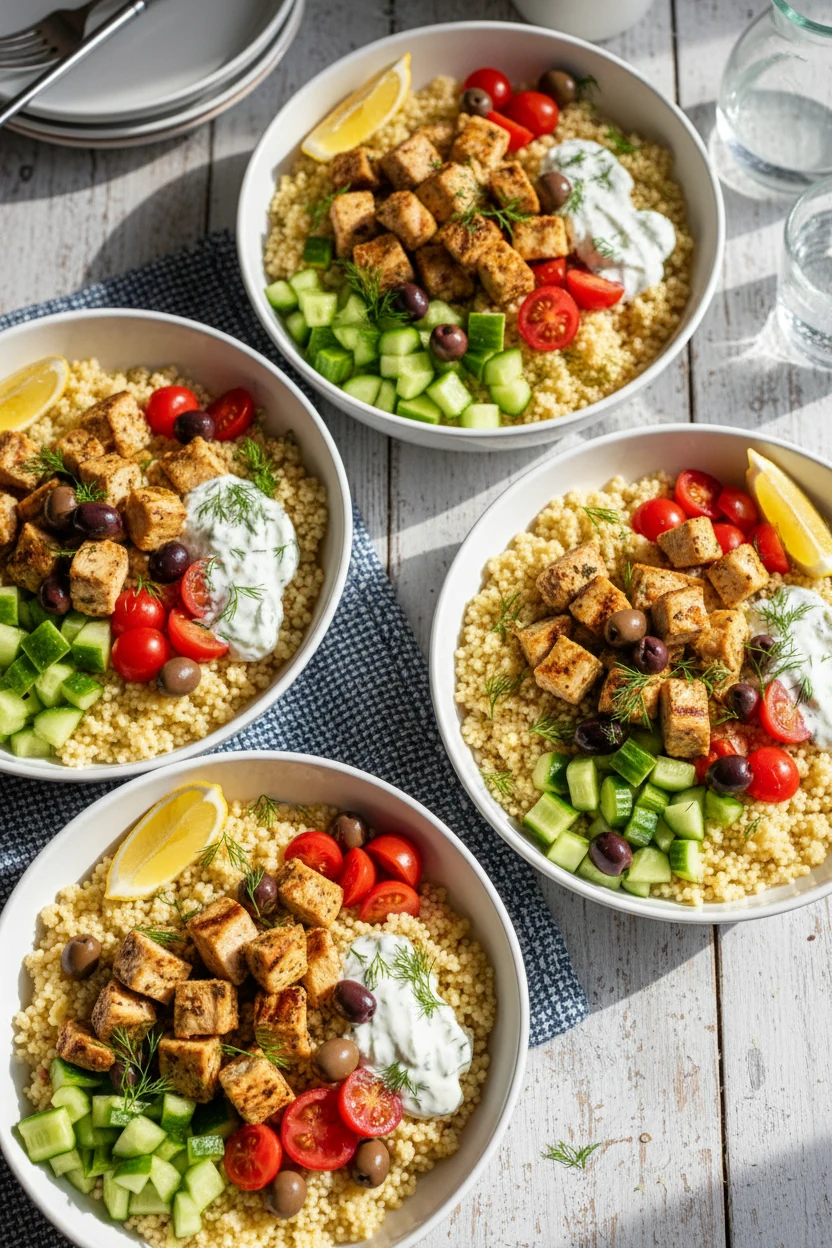
- Mediterranean Bowls: Season with oregano, lemon, and garlic. Serve over couscous with cucumber, tomato, olives, and tzatziki.
- Creamy Mushroom Skillet: Add sliced mushrooms with the onions. Finish with thyme, yogurt, and a splash of sherry vinegar.
FAQ
Is canned chicken already cooked?
Yes. It’s fully cooked during the canning process, which is why it’s safe to use straight from the can. You’re just reheating and seasoning to make it delicious.
How do I make canned chicken taste more like rotisserie?
Brown it in a hot pan with butter and oil, then season with paprika, garlic, onion powder, and a little poultry seasoning. Finish with lemon and a touch of honey for that savory-sweet vibe.
What’s the best way to avoid a mushy texture?
Pat the chicken dry, spread it in an even layer, and let it sear undisturbed for a couple minutes. Use medium-high heat and avoid overcrowding the pan.
Can I swap in fresh or rotisserie chicken?
Absolutely. Use an equal amount of shredded rotisserie or diced cooked chicken. The steps stay the same; you’ll just need slightly less salt if the rotisserie is seasoned.
How can I reduce sodium in this dish?
Choose low-sodium canned chicken, rinse it briefly, and use low-sodium broth. Control salt at the end and lean on acids (lemon, vinegar) and herbs for flavor instead.
Can I make this dairy-free?
Yes. Skip the butter and yogurt. Use extra olive oil for sautéing and finish the sauce with coconut milk or a dairy-free yogurt alternative.
How long does opened canned chicken last in the fridge?
Once opened, transfer leftovers to an airtight container and refrigerate up to 3–4 days. Don’t store it in the can.
Is it safe to eat canned chicken cold?
It’s safe because it’s fully cooked. For flavor, most people prefer it warmed and seasoned, but cold is fine for salads, wraps, and sandwiches.
What brands or types should I look for?
Seek out chunk-style breast meat with short ingredient lists. Low-sodium options give you more control. If possible, pick cans packed in water rather than broth to avoid extra salt.
Why add lemon or acid at the end?
Acid sharpens flavors and balances richness. It turns a good skillet into a great one—bright, lively, and restaurant-level satisfying.
In Conclusion
Canned chicken is the weeknight cheat code that doesn’t feel like cheating. With a hot pan, a few pantry spices, and a smart finish of yogurt and lemon, you get crisp, juicy, flavor-packed bites in minutes. From tacos to pasta to soups, this one base recipe unlocks dozens of fast, budget-friendly meals. Keep a couple cans on deck, and dinner stops being a question—it becomes a system that works every single time.
Printable Recipe Card
Want just the essential recipe details without scrolling through the article? Get our printable recipe card with just the ingredients and instructions.