Cakes Recipes for Every Craving in One Smart Guide
From 30-minute bakes to crowd-pleasing showstoppers, get no-fail tips, smart swaps, and time-saving tricks to nail dessert.
Here’s the truth: great cake isn’t a mystery; it’s a formula. When you control moisture, structure, and flavor, you stop guessing and start winning birthdays. Think one master batter, five plug-and-play variations, and frosting choices that turn “eh” into “encore.” Want bakery-level crumb without six bowls and a culinary degree? You’re about to get it—plus the shortcuts your favorite cafe won’t tell you.
What Makes This Special
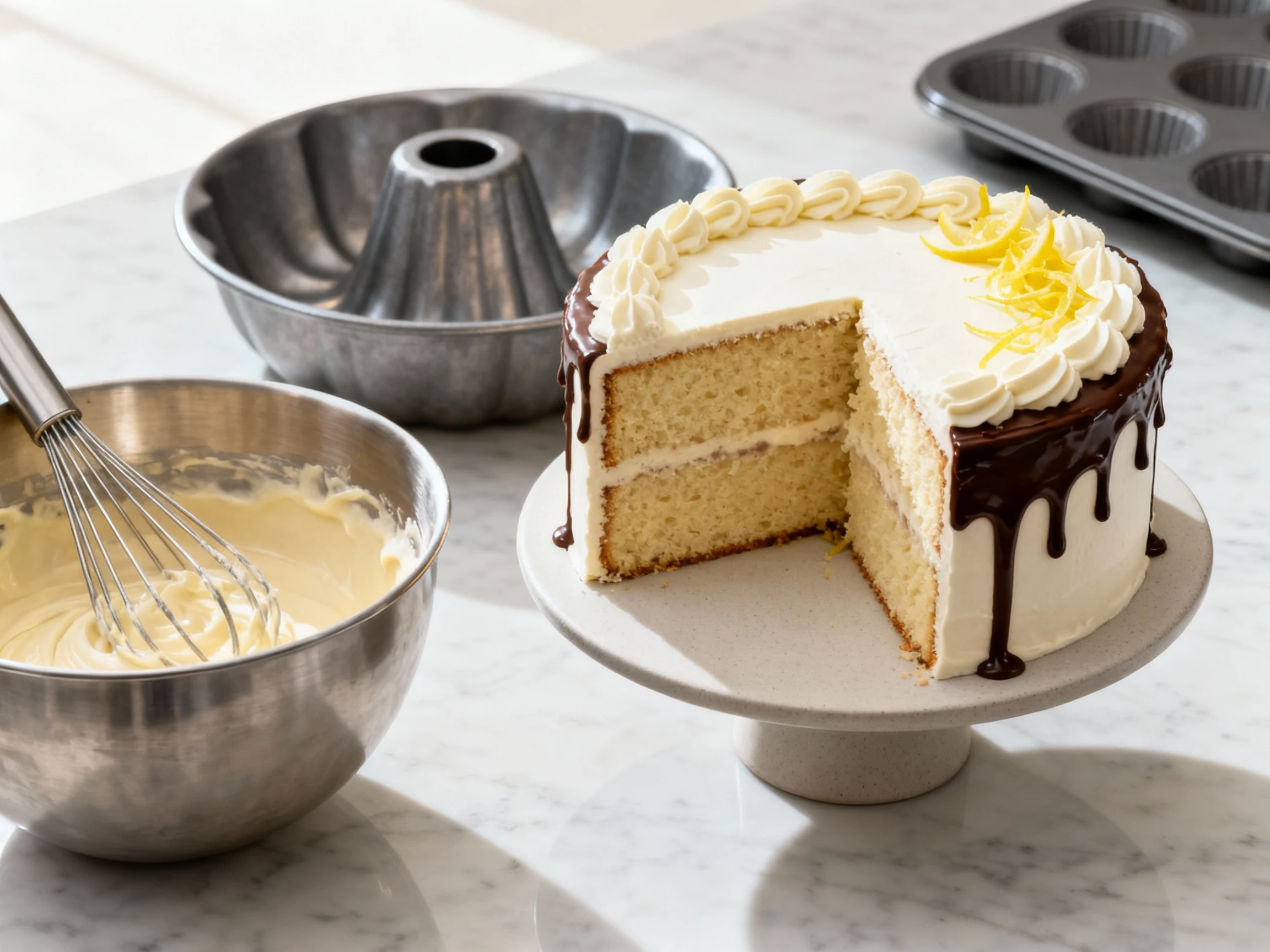
This playbook centers on a master cake batter that adapts to chocolate, lemon, carrot, or gluten-free without sabotaging texture. You get consistency and flexibility—like having a Swiss Army knife for dessert.
- One base, many flavors: Switch a few ingredients, keep the same method.
- Moisture insurance: Buttermilk and sour cream create tender crumb and prevent dryness.
- Scalable: Bake as layers, sheet cake, bundt, cupcakes, or even air-fryer minis.
- Pro results, home effort: Clear ratios, simple steps, and reliable timing.
Bonus: built-in frosting options—classic buttercream, cream cheese, ganache, or whipped cream—so your cake looks legit and tastes even better.
Ingredients Breakdown
Master Batter (Vanilla Butter Cake)
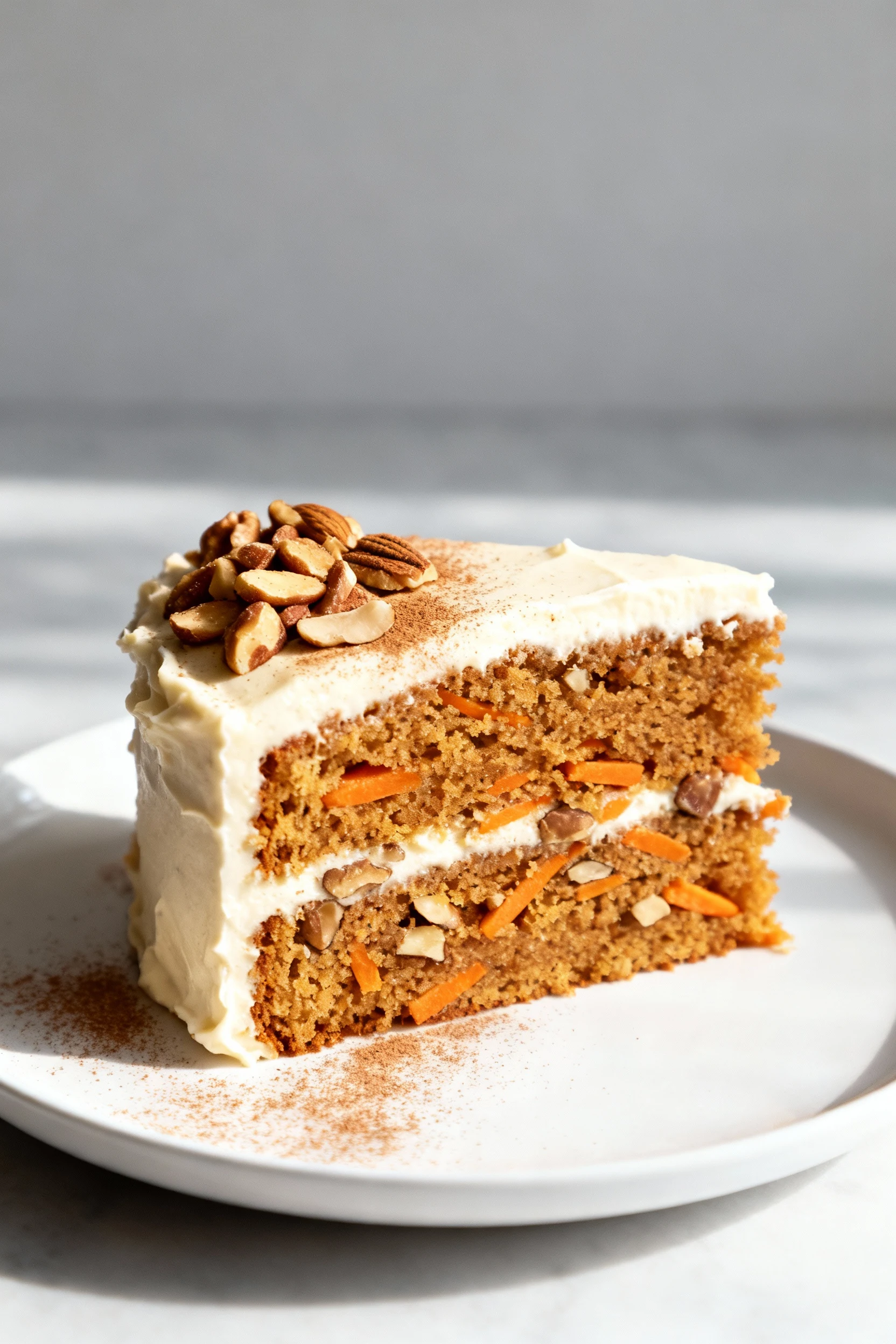
- All-purpose flour: 2 1/2 cups (315 g)
- Baking powder: 2 tsp
- Baking soda: 1/2 tsp
- Fine salt: 1/2 tsp
- Unsalted butter, softened: 1 cup (227 g)
- Granulated sugar: 1 1/2 cups (300 g)
- Eggs, room temp: 3 large + 1 yolk
- Buttermilk, room temp: 1 cup (240 ml)
- Sour cream, room temp: 1/4 cup (60 g)
- Vanilla extract: 2 tsp
FYI: Room-temperature dairy and eggs help emulsify for a fine, even crumb.
Chocolate Variation (Rich and Balanced)
- Replace 1/2 cup (63 g) flour with 1/2 cup (50 g) Dutch-process cocoa
- Add 1/4 cup (60 ml) hot coffee (boosts chocolate flavor)
- Optional: 1/2 tsp espresso powder
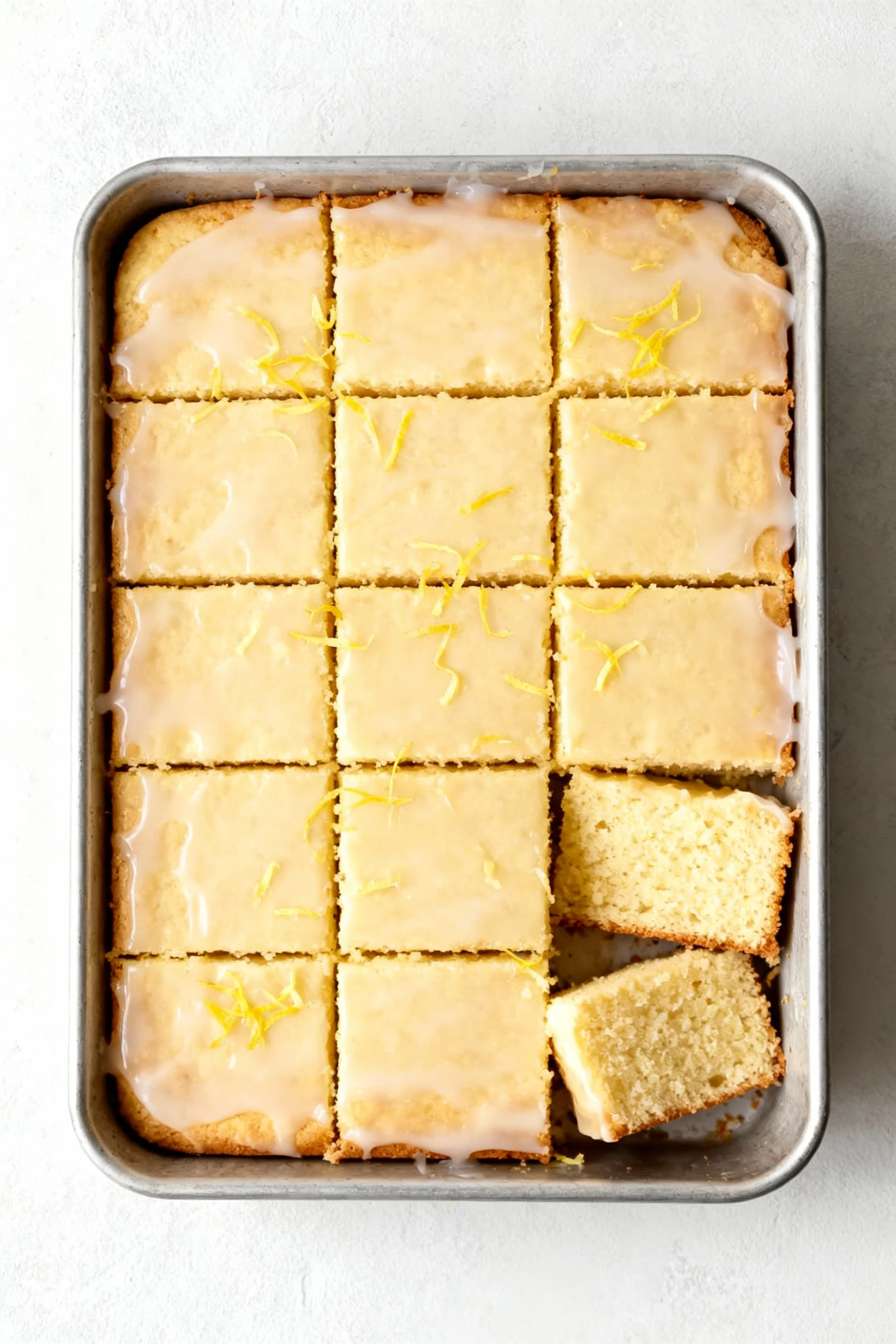
Lemon Yogurt Variation (Bright and Tender)
- Swap buttermilk for 1 cup (240 g) Greek yogurt
- Add zest of 2 lemons + 2 tbsp fresh lemon juice
- Optional: 1 tsp lemon extract
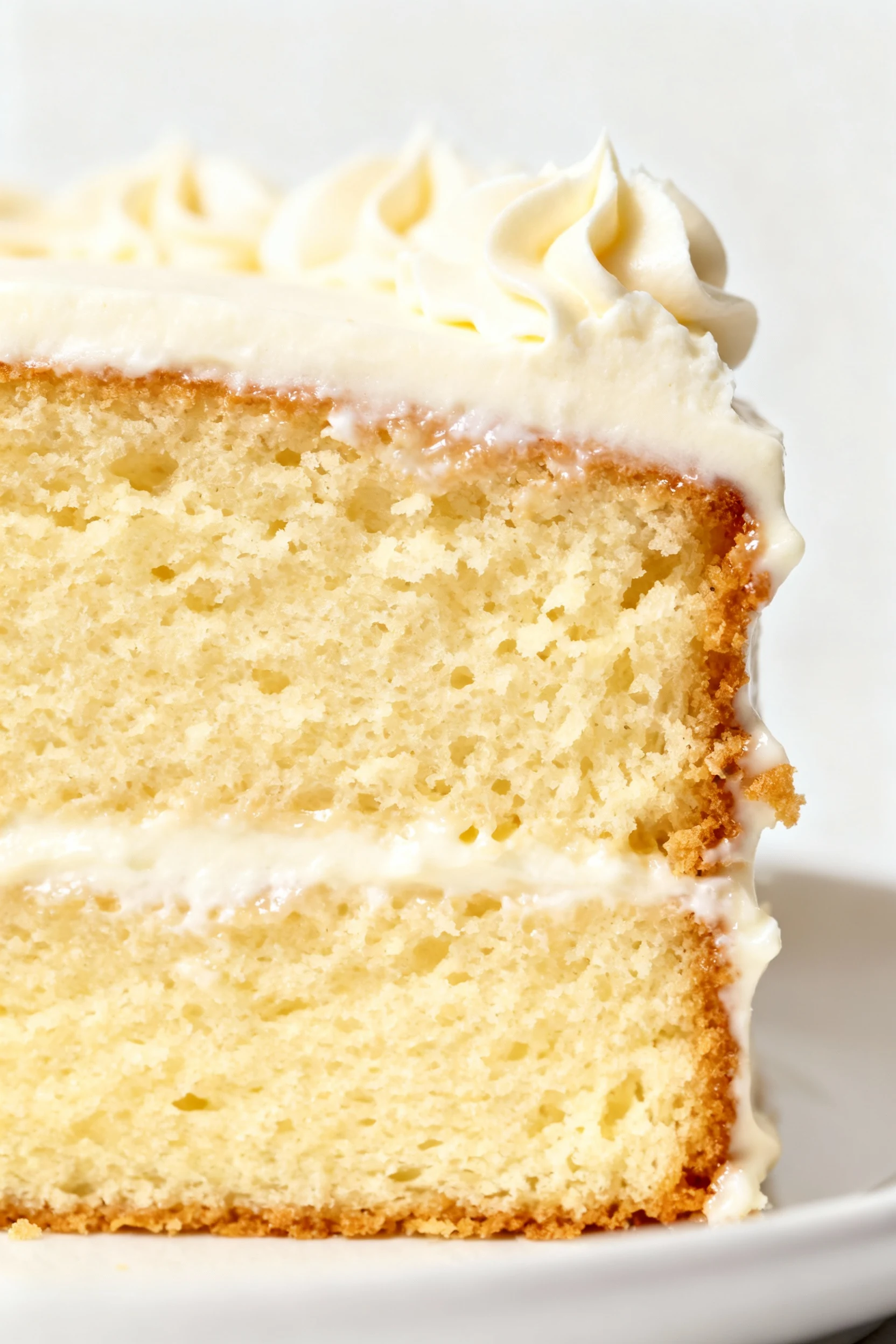
Carrot Spice Variation (Classic Crowd-Pleaser)
- Add 2 cups finely grated carrots (packed, but not wet)
- Swap 1/2 cup (100 g) white sugar for 1/2 cup (100 g) light brown sugar
- Add 1 tsp cinnamon + 1/4 tsp nutmeg
- Optional: 1/2 cup crushed pineapple (well-drained) and 1/2 cup chopped nuts
Gluten-Free Option (Use a Trustworthy Blend)
- Use 2 1/2 cups (315 g) 1:1 gluten-free baking flour
- Add 1 tsp xanthan gum if your blend doesn’t include it
- Increase sour cream to 1/3 cup (80 g) for moisture
Frostings
- Vanilla Buttercream: 1 cup (227 g) softened butter, 3–3 1/2 cups (360–420 g) powdered sugar, 2–3 tbsp milk or cream, 2 tsp vanilla, pinch salt
- Cream Cheese Frosting: 8 oz (226 g) cream cheese, 1/2 cup (113 g) softened butter, 3 cups (360 g) powdered sugar, 1 tsp vanilla, pinch salt
- Chocolate Ganache: 8 oz (226 g) semisweet chocolate, 8 oz (240 ml) heavy cream; warm cream, pour over chopped chocolate, rest 5 min, whisk
- Stabilized Whipped Cream: 1 cup (240 ml) heavy cream, 2 tbsp powdered sugar, 1 tsp vanilla; whip to medium peaks
Step-by-Step Instructions
- Prep pans and oven: Preheat to 350°F (175°C). Grease and line two 8-inch round pans, a 9×13 sheet pan, or a bundt pan. For cupcakes, line 24 wells.
- Mix dry: Whisk flour, baking powder, baking soda, and salt. This distributes leavening so you don’t get pocketed rise.
- Cream butter and sugar: Beat 3–4 minutes until pale and fluffy. This captures air for lift. Don’t rush—fluff equals height.
- Add eggs: Mix in three eggs one at a time, then the extra yolk. Scrape the bowl. Add vanilla. If the batter looks slightly curdled, it’s fine—flour will fix it.
- Emulsify dairy: Beat in sour cream. Then alternate dry ingredients with buttermilk in 3 additions: dry, milk, dry, milk, dry. Stop when combined; overmixing toughens crumb.
- Variation add-ins: For chocolate, whisk cocoa into dry and add hot coffee after buttermilk. For lemon, add zest and juice with the buttermilk. For carrot, fold in carrots (and pineapple/nuts if using) at the end.
- Pan and bake: Divide batter. Tap pans to release bubbles. Bake until a toothpick has a few moist crumbs: Layers 25–32 min, 9×13 30–38 min, bundt 45–55 min, cupcakes 18–22 min.
- Cool correctly: Rest in pan 10–15 minutes, then transfer to a rack. Cool fully before frosting unless you enjoy sliding icing and regrets.
- Frost: Choose your frosting. For ultra-smooth layers, do a crumb coat (thin layer), chill 20 minutes, then finish with a thicker coat.
- Finish like a pro: Add sprinkles, citrus zest, toasted nuts, or a ganache drip. Serve at room temp for best flavor.
Pan Size Cheatsheet
- Two 8-inch rounds: standard for layered cakes (serves 12–16)
- 9×13 sheet: casual crowd-pleaser (serves 15–20)
- Bundt: longer bake, dramatic pattern (serves 12–16)
- Cupcakes: 24 standard or 36 minis (adjust time)
Preservation Guide
Room temperature: Uncut cake with buttercream holds 2 days, covered. Keep away from heat and sunlight; butter melts and flavors fade.
Refrigerator: Frostings with cream cheese or whipped cream need chilling. Store airtight up to 4–5 days, then bring to room temp 1 hour before serving.
Freezer: Wrap unfrosted layers in plastic + foil. Freeze up to 2–3 months. Thaw wrapped on the counter to prevent condensation.
Slice strategy: Freeze individual slices in zip bags. Microwave 10–15 seconds to refresh. Want to revive a dry cake? Brush with simple syrup (1:1 sugar:water).
IMO: Frost after thawing for the cleanest look and best texture.
Health Benefits
Cake isn’t kale, but it isn’t a villain either. Eggs bring protein and choline for brain health, while dairy offers calcium. Cocoa has flavanols linked to heart health (science says yes, chocolate can be good).
Use nuts for healthy fats and crunch; carrots or pineapple add fiber and vitamins. Lemon provides vitamin C and bright flavor, so you can use less frosting and still feel satisfied.
Focus on portion awareness and quality ingredients. Real butter, real vanilla, and balanced sugar deliver a cake that tastes richer, so you eat less and enjoy more.
What Not to Do
- Don’t overmix: Once flour is in, gluten builds fast. Mix just to combine.
- Don’t eyeball flour: Spoon and level or weigh. Scooping packs flour and dries your cake.
- Don’t open the oven early: Heat loss collapses rise. Peek after 20 minutes for cupcakes, 25 for layers.
- Don’t frost warm cake: You’ll get tears, crumbs, and sliding frosting. Cool completely.
- Don’t skip room temp: Cold eggs and butter won’t emulsify; your crumb suffers.
- Don’t ignore pan prep: Grease + parchment equals clean release. No one wants a cake excavation.
Different Ways to Make This
- Sheet cake: Easy decoration, high slice count. Top with buttercream and sprinkles.
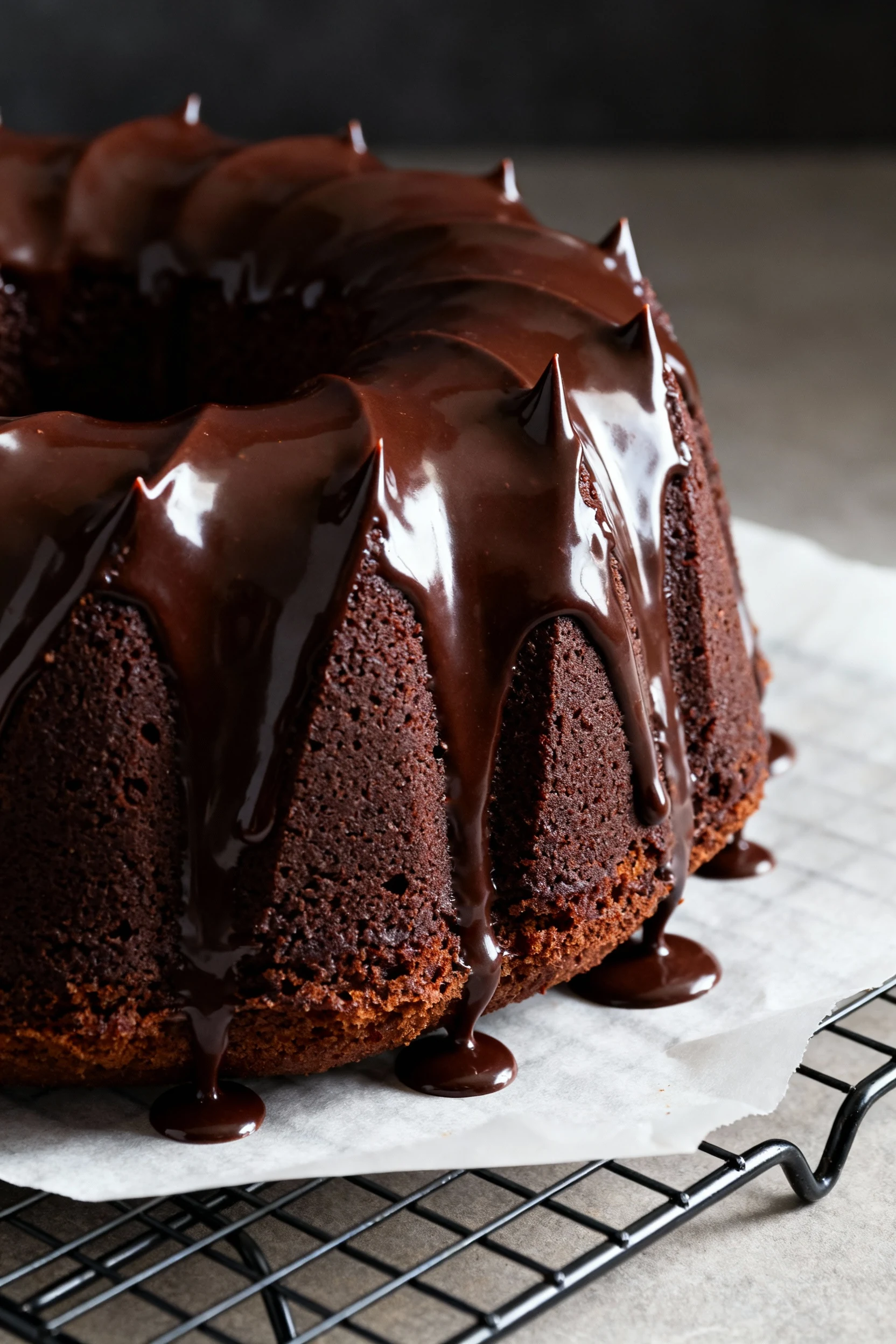
- Bundt: Bake longer for dramatic ridges. Glaze with lemon or drizzle with ganache.
- Cupcakes: Faster bake, perfect for parties. Pipe frosting swirls; add a zest or cocoa dust.
- Mini loaves: Great for gifting. Wrap individually and add a bow; freezer-friendly too.
- Air fryer: Small batches at 300–320°F (150–160°C), 12–18 minutes depending on size. Check early.
- Mug cake hack: Whisk 6 tbsp master batter with 1 tbsp milk; microwave 60–75 seconds. Not fancy, but clutch.
FAQ
Can I make the cake without a stand mixer?
Yes. Use a hand mixer or whisk and a sturdy arm. Cream butter and sugar longer (4–5 minutes) to get that fluffy base. Scrape the bowl often so pockets don’t slip through.
Why does my cake dome in the center?
Oven temp runs hot or the batter piled high in the middle. Bake at a true 350°F (use an oven thermometer), and tap the pan to level. For perfectly flat layers, use cake strips around the pan edges.
My cake sank—what went wrong?
Likely underbaked, over-leavened, or the oven door opened early. Measure baking powder/soda accurately, and don’t check before the minimum time. Toothpick should come out with moist crumbs, not wet batter.
How do I keep my cake moist?
Use buttermilk and sour cream (built-in moisture insurance), don’t overbake, and let it cool in the pan for 10–15 minutes. You can also brush layers with simple syrup before frosting for extra softness.
Can I reduce the sugar?
Yes—up to 15% without hurting structure. The crumb may be slightly less tender. In carrot cake, swap some white sugar for brown to keep moisture and flavor.
What’s the best pan material?
Light-colored aluminum conducts evenly and avoids dark edges. Nonstick is fine but can overbrown; reduce bake time by a couple minutes and watch closely.
How do I convert this to cupcakes?
Fill liners 2/3 full and bake at 350°F for 18–22 minutes. Check at 18. Cool in the pan 5 minutes, then move to a rack. Frost when completely cool.
What if I need dairy-free?
Use plant butter and full-fat coconut milk or oat milk plus 1 tbsp vinegar to mimic buttermilk. Frost with dairy-free buttercream or a dark chocolate glaze made with coconut cream.
Why use buttermilk instead of regular milk?
Acid in buttermilk reacts with baking soda for a better rise and soft crumb. It also adds tang that makes sweetness feel balanced, so flavors pop instead of cloy.
How should I measure flour properly?
Spoon flour into the cup and level with a straight edge, or weigh: 2 1/2 cups equals about 315 g. Packed flour is the fast lane to dry cake—avoid it.
The Bottom Line
A stellar cake follows a simple playbook: smart moisture, balanced leavening, and clean technique. With this master batter and a few targeted swaps, you’ll hit chocolate, lemon, carrot, and gluten-free without sacrificing texture. Choose a frosting, pick your pan, and bake with confidence—because dessert should be easy, delicious, and a little showy, right?
Printable Recipe Card
Want just the essential recipe details without scrolling through the article? Get our printable recipe card with just the ingredients and instructions.