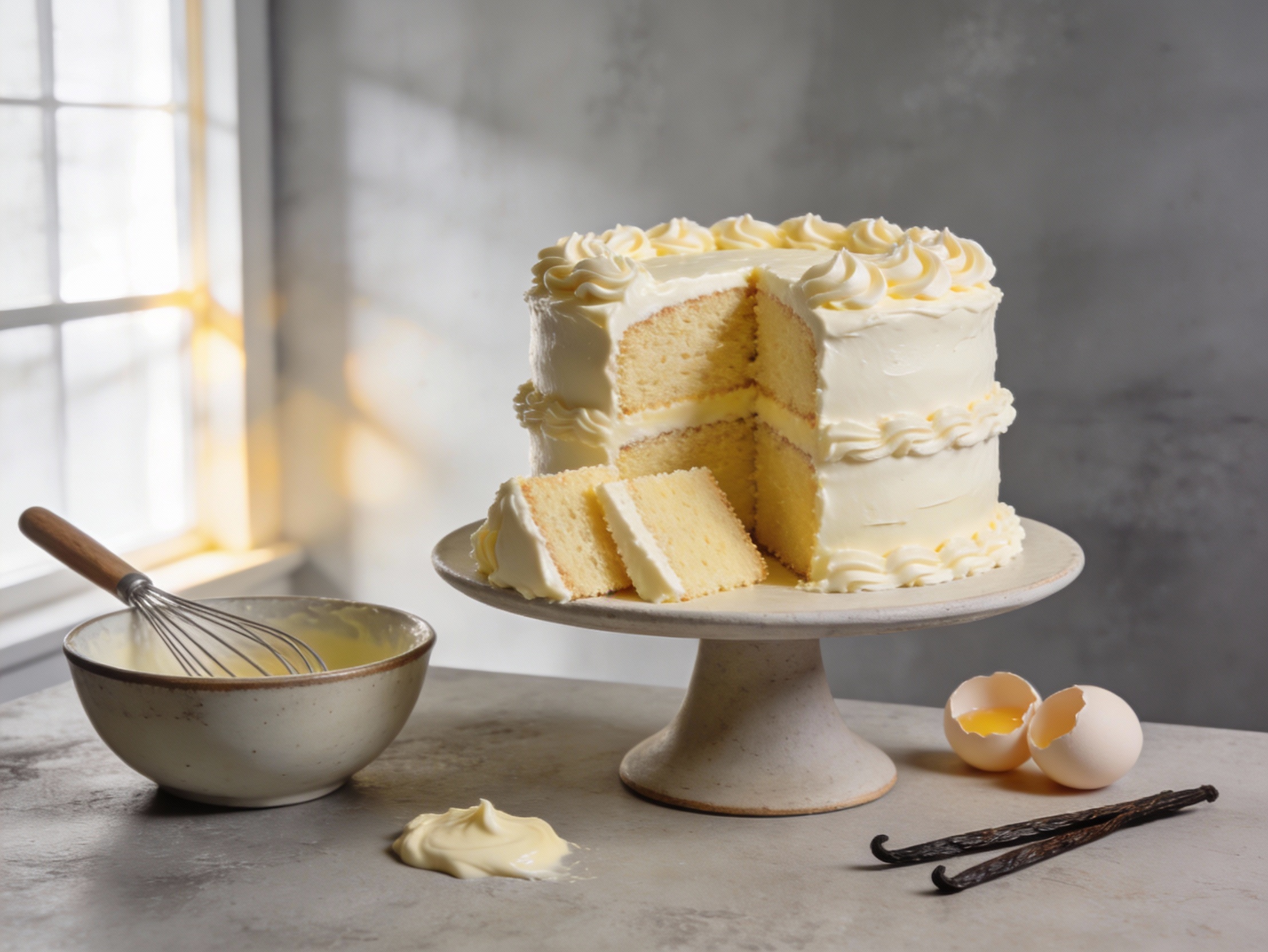
Cake Recipes From Scratch That Make You Look Pro
Bake a tender, fluffy vanilla layer cake with bold flavor, simple steps, and bakery-style results without fancy gear.
You don’t need a secret family recipe. You need a repeatable system that makes your cake come out fluffy, level, and unapologetically delicious every single time.
This is the kind of cake that gets “Who made this?” energy at birthdays, potlucks, and random Tuesdays when you want attention.
Store-bought mixes promise a shortcut, then still somehow taste like disappointment. This one tastes like you actually tried, even if you didn’t.
And yes, you can pull this off with one bowl, a whisk, and basic ingredients. No culinary degree. No tears. Minimal drama.
What Makes This Recipe Awesome
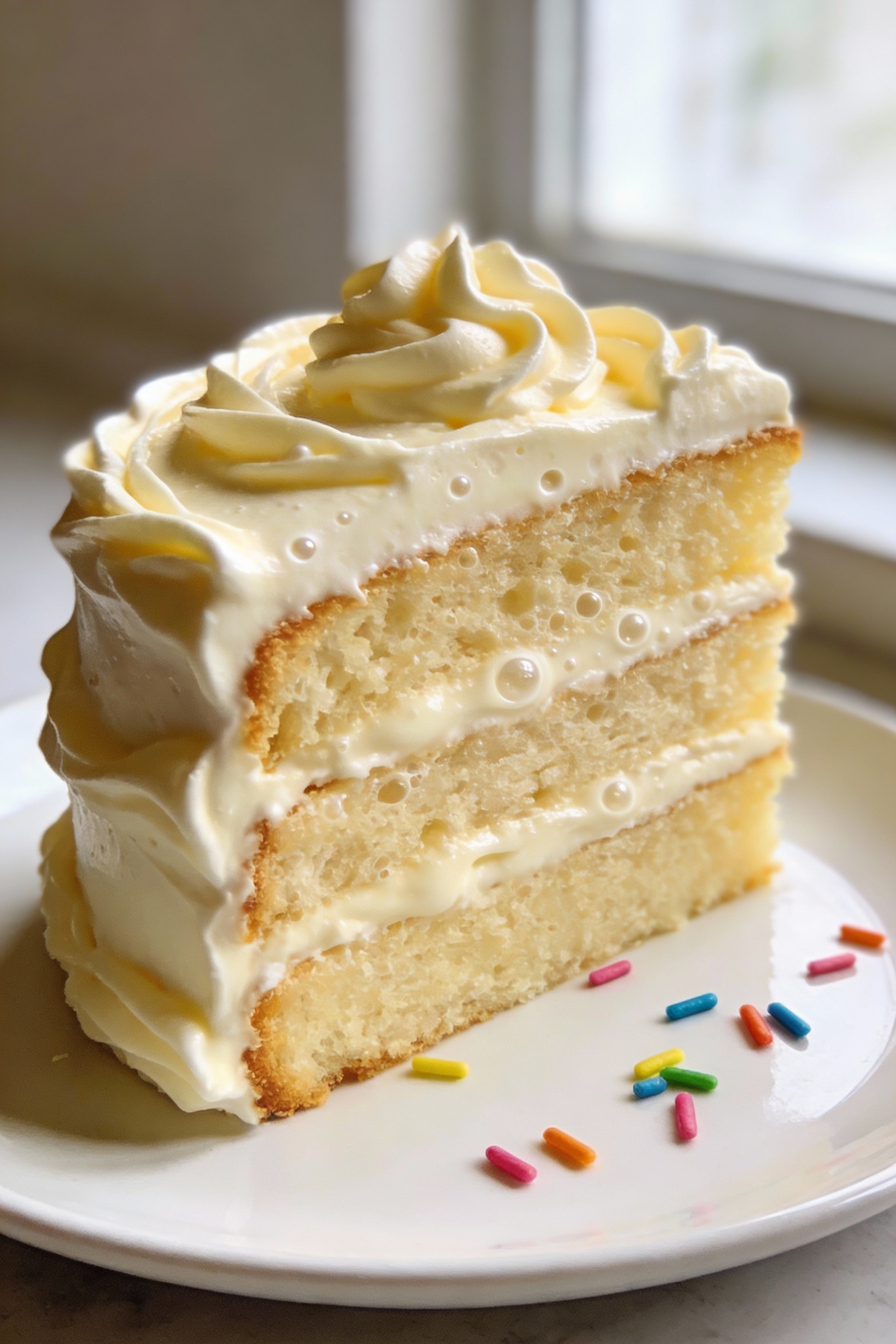
This is a classic vanilla layer cake built for real kitchens: reliable rise, fine crumb, and a soft bite that stays moist for days.
It uses the “reverse creaming” approach, which sounds fancy but basically means you mix butter into dry ingredients first. Translation: fewer lumps, less overmixing, more consistent texture.
The frosting is a not-too-sweet vanilla buttercream that pipes nicely and doesn’t taste like you’re chewing powdered sugar. Shocking, I know.
Best part: you can scale it, flavor it, and decorate it without the cake turning into a crumbly tantrum.
Shopping List – Ingredients
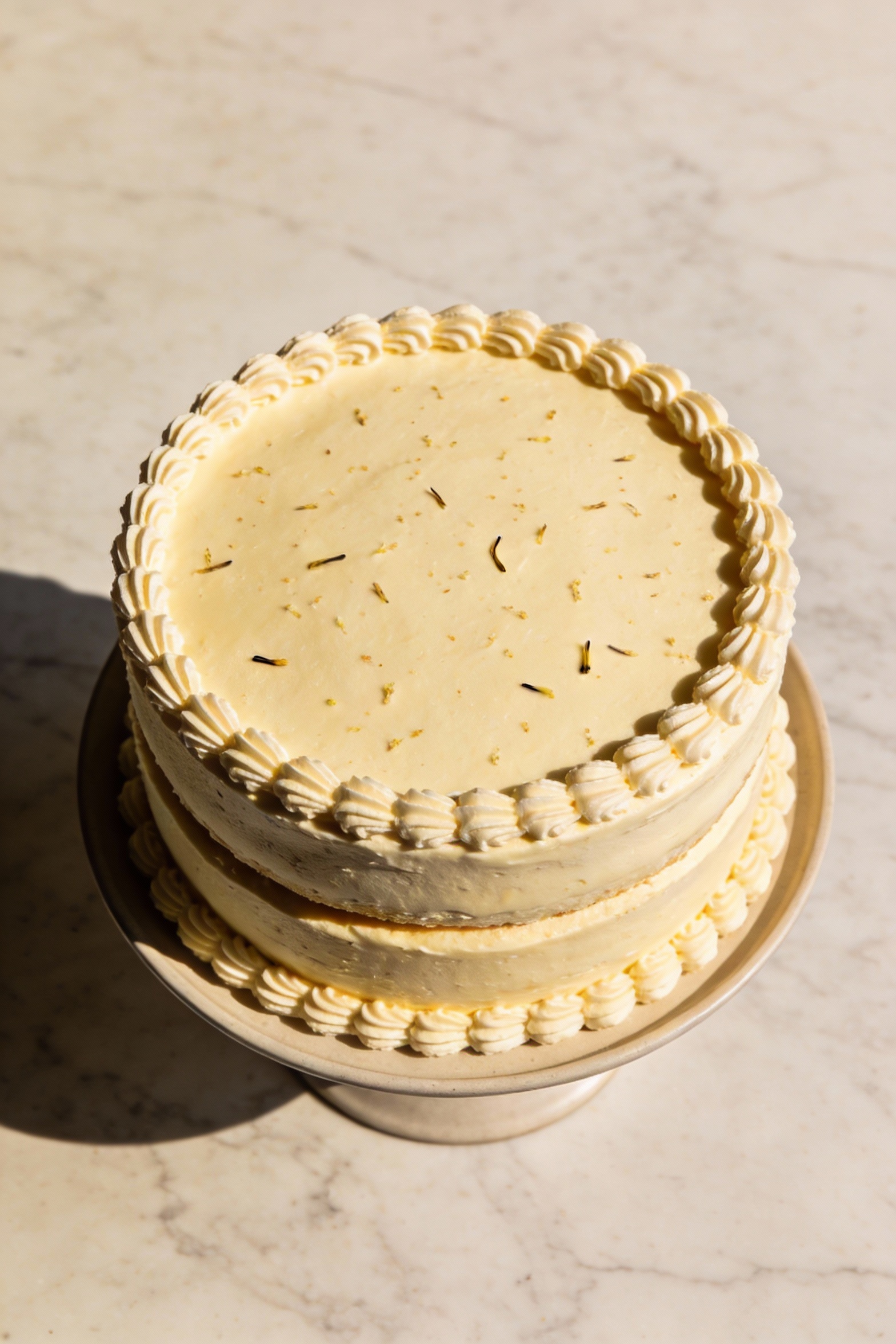
Grab everything first, then bake like you own the place.
- All-purpose flour: 2 1/2 cups (about 325g)
- Granulated sugar: 1 3/4 cups (about 350g)
- Baking powder: 2 1/2 teaspoons
- Baking soda: 1/2 teaspoon
- Fine salt: 1 teaspoon
- Unsalted butter, softened: 3/4 cup (170g)
- Neutral oil (canola/vegetable): 1/4 cup (60ml)
- Large eggs, room temperature: 3
- Vanilla extract: 2 tablespoons
- Buttermilk, room temperature: 1 cup (240ml)
- Sour cream, room temperature: 1/2 cup (120g)
- Hot water: 1/2 cup (120ml)
- Powdered sugar (for frosting): 4 to 5 cups (480g to 600g)
- Unsalted butter, softened (for frosting): 1 cup (226g)
- Heavy cream or milk (for frosting): 2 to 4 tablespoons
- Pinch of salt (for frosting): to taste
The Method – Instructions
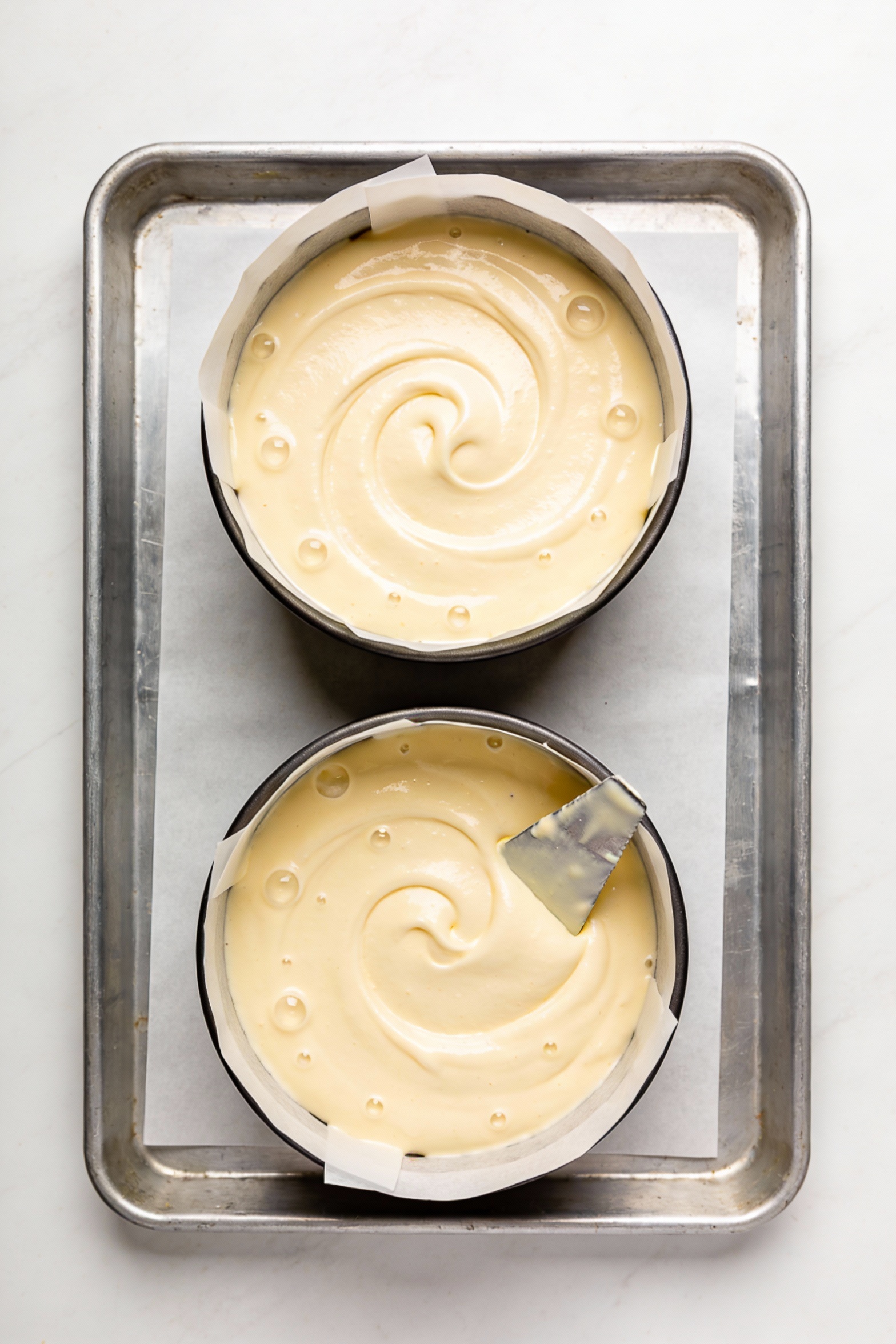
Two 8-inch layers, one silky frosting, zero need for heroics.
-
Get set up: Heat oven to 350°F (175°C). Grease two 8-inch round pans, line bottoms with parchment, and lightly flour the sides.
-
Mix the dry: In a large bowl, whisk flour, sugar, baking powder, baking soda, and salt until uniform.
-
Reverse cream like a boss: Add softened butter to the dry mix. Beat or mix vigorously until it looks like damp sand and no big butter chunks remain.
-
Add oil for insurance: Mix in the oil. This helps keep the cake tender and moist even if you slightly overbake. Not that you will, obviously.
-
Add eggs and vanilla: Add eggs one at a time, mixing well after each. Stir in vanilla. The batter should look thick and smooth.
-
Bring in the tang team: In a separate cup or bowl, whisk buttermilk and sour cream until smooth.
-
Alternate liquids: Add the buttermilk mixture to the batter in two additions, mixing just until combined each time. Scrape the bowl so flour pockets don’t ambush you later.
-
Finish with heat: Pour in the hot water and mix until the batter loosens and turns silky. Don’t panic if it looks thinner; that’s the point.
-
Pan and level: Divide batter evenly between pans. Tap each pan on the counter a couple times to pop big air bubbles.
-
Bake: Bake 28 to 34 minutes, until the tops spring back and a toothpick comes out with a few moist crumbs.
-
Cool correctly: Cool in pans 10 minutes, then turn out onto a rack. Peel parchment and cool completely before frosting, unless you enjoy melted frosting soup.
-
Make the buttercream: Beat butter until fluffy, 2 to 3 minutes. Add powdered sugar gradually, then vanilla and a pinch of salt. Stream in cream 1 tablespoon at a time until smooth and spreadable.
-
Assemble: Level cake tops if needed. Frost the first layer, add the second, apply a thin crumb coat, chill 15 minutes, then finish frosting.
Preservation Guide
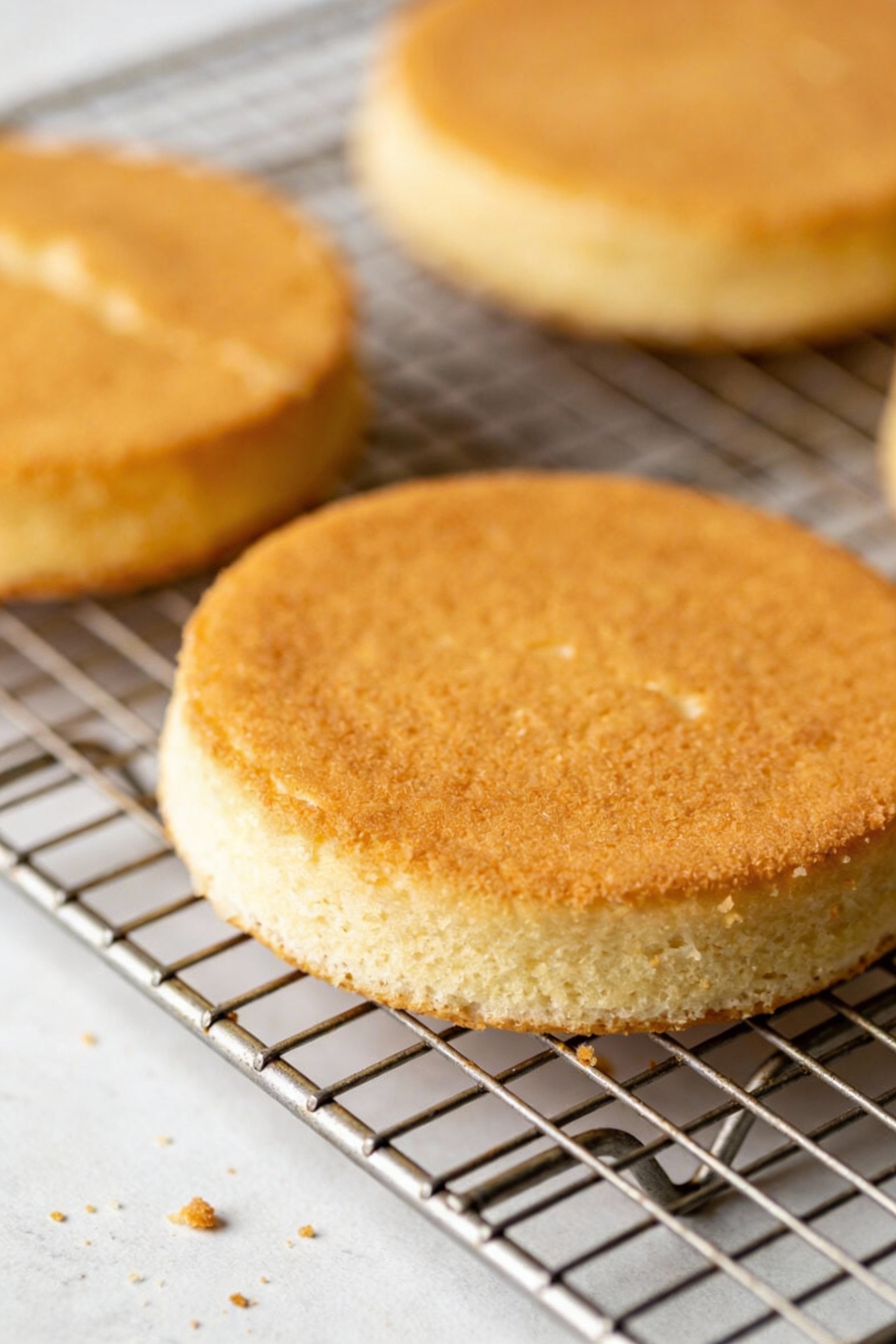
Good cake deserves a plan, not a sad uncovered plate on the counter.
Room temperature: Keep the frosted cake covered for up to 2 days if your kitchen isn’t a sauna. Use a cake dome or an inverted bowl hack.
Refrigerator: Store covered up to 5 days. Let slices sit 30 to 60 minutes before eating so the crumb softens and the flavor wakes up.
Freezer: Wrap unfrosted layers tightly in plastic wrap, then foil, and freeze up to 2 months. Thaw wrapped at room temp to prevent condensation from turning your cake into a sponge.
Benefits of This Recipe
This cake hits that sweet spot: impressive enough for celebrations, easy enough for normal people with normal schedules.
- Consistent texture: Reverse creaming reduces overmixing and keeps the crumb fine and even.
- Moist for days: Oil plus sour cream keeps it tender, even after chilling.
- Simple ingredients: No weird additives, no “cake enhancer” mystery powder, no vibes-based measuring.
- Flexible flavor base: Vanilla plays well with fruit, chocolate, spices, and fillings.
- Decorates cleanly: Sturdy layers slice well and hold frosting without collapsing into regret.
Avoid These Mistakes
Small details make the difference between “bakery-style” and “why is it dense?” energy.
- Cold ingredients: Cold eggs and dairy can seize the batter and mess with rise. Room temp helps everything blend smoothly.
- Overbaking: Pull it when you see moist crumbs, not when it’s bone-dry. You can’t frost your way out of desert cake.
- Skipping parchment: Grease alone can betray you. Parchment is cheap; your time isn’t.
- Overmixing after liquids: Mix just until combined once the wet goes in. Overmixing builds gluten and makes the cake tough.
- Frosting warm layers: Warm cake melts buttercream and creates slippery layers. Chill if you’re impatient, FYI.
Recipe Variations
Same base, different personality. Pick your mood.
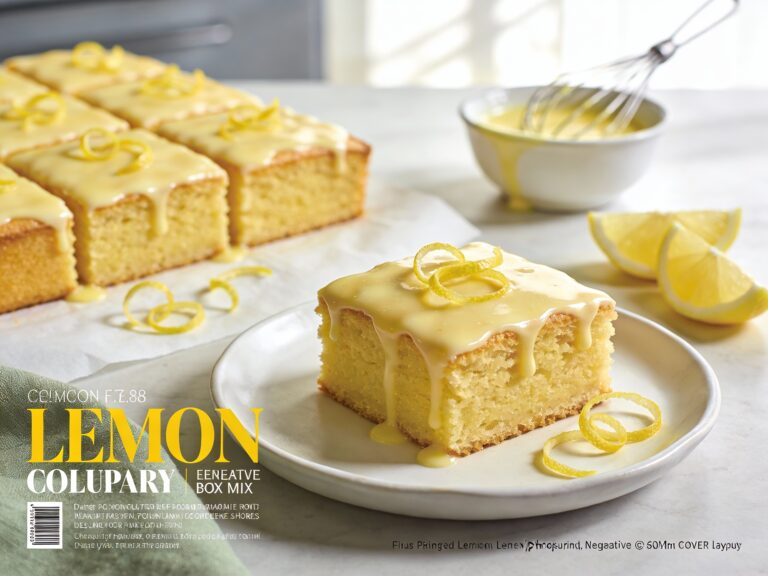
- Lemon pop: Add 1 tablespoon lemon zest to the sugar and swap 1 tablespoon vanilla for lemon extract. Add 1 to 2 tablespoons lemon juice to frosting.
- Confetti birthday: Fold in 1/2 cup rainbow jimmies at the end. Use jimmies, not nonpareils, unless you want color bleed chaos.
- Chocolate swirl: Remove 1 cup batter, stir in 2 tablespoons cocoa plus 1 tablespoon milk, then swirl into pans.
- Strawberry shortcake vibe: Fill layers with lightly sweetened whipped cream and sliced berries; keep it chilled and eat within 24 hours.
- Spiced vanilla: Add 1 teaspoon cinnamon and 1/4 teaspoon nutmeg to the dry ingredients for a cozy twist.
FAQ
Can I make this as a sheet cake instead?
Yes. Pour the batter into a greased and parchment-lined 9×13-inch pan and bake about 30 to 38 minutes. Start checking early because ovens love to freestyle, IMO.
What if I don’t have buttermilk?
Mix 1 cup milk with 1 tablespoon lemon juice or vinegar and let it sit 5 to 10 minutes. It won’t be identical, but it will still give you a tender crumb and good flavor.
How do I get flat cake layers?
Use bake-even strips if you have them, or lower your oven to 325°F and bake a bit longer. Also, don’t overfill pans, and make sure your oven actually holds temperature.
Can I reduce the sugar?
You can reduce the sugar by up to about 10% without wrecking the structure, but don’t get aggressive. Sugar doesn’t just sweeten; it also helps with moisture and tenderness.
How do I know when it’s done without overbaking?
Look for a gentle spring-back when you press the center, edges pulling slightly from the pan, and a toothpick with a few moist crumbs. Clean toothpick often means you already went a hair too far.
Can I make the frosting less sweet?
Yes. Use 4 cups powdered sugar, add a bigger pinch of salt, and whip longer for more air. You can also replace 2 to 3 tablespoons of powdered sugar with cornstarch-free powdered milk for a lighter sweetness.
The Bottom Line
This is the dependable vanilla cake you can bake for birthdays, brunch, or “I need a win today” moments. It tastes rich, slices clean, and doesn’t require fancy tools or magic ingredients.
Follow the method, respect the cooling time, and you’ll get a cake that makes people assume you’re secretly a baker. Let them believe it.
Printable Recipe Card
Want just the essential recipe details without scrolling through the article? Get our printable recipe card with just the ingredients and instructions.