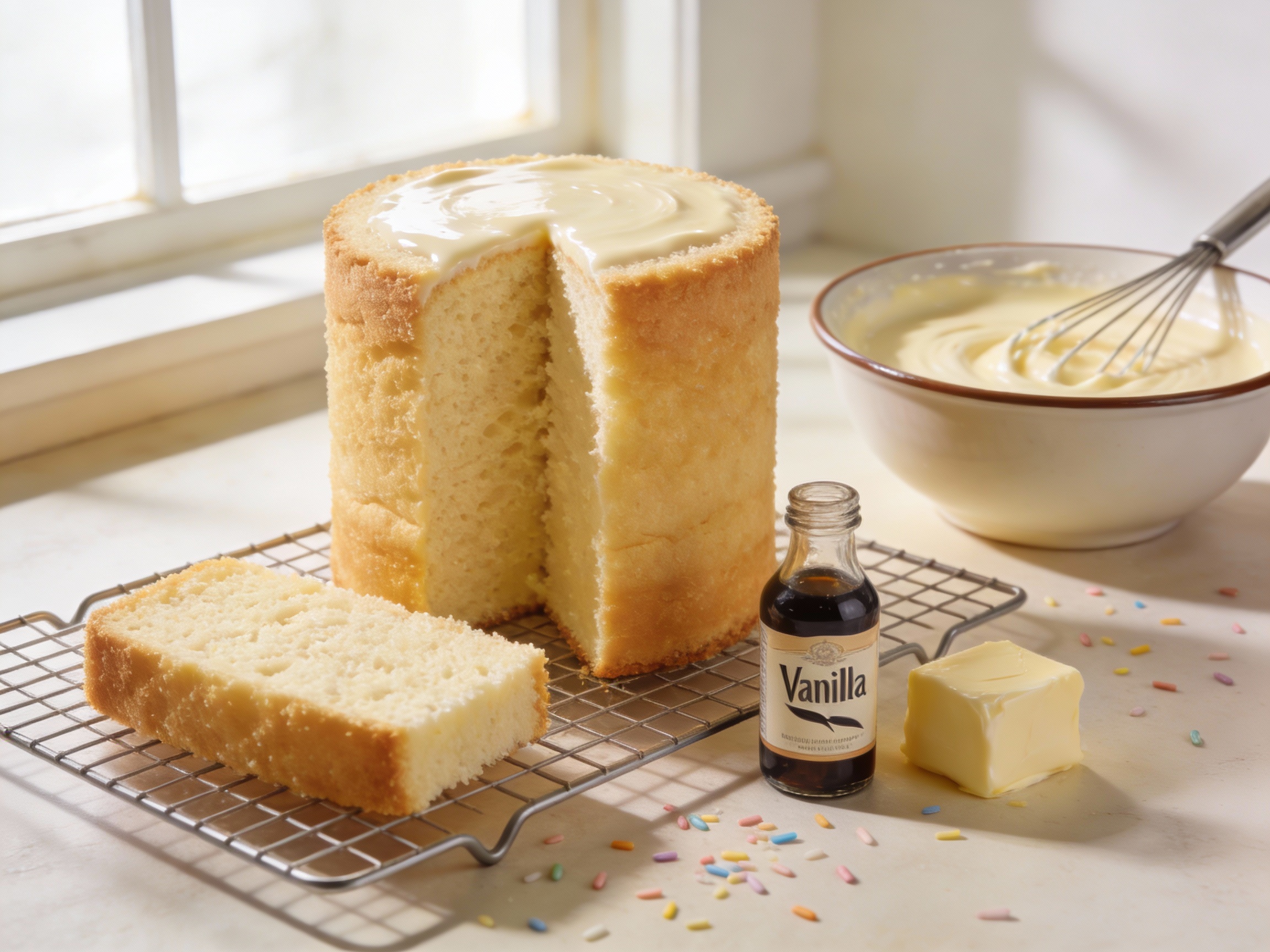
Cake Recipes That Make Everyone Think You’re a Pro
One foolproof vanilla base turns into bakery-style layers, cupcakes, or sheet cake with simple swaps and zero drama.
You know that moment when someone takes a bite, pauses, and then suddenly needs the “recipe”? That’s the whole game. Most cakes fail for boring reasons: dry crumbs, flat flavor, or a bake that goes from “perfect” to “sad brick” in five minutes. This one fixes the fundamentals so you get a plush, tender crumb and real vanilla punch every time. Then you remix it into whatever vibe you need, from birthday layers to low-effort sheet cake. Because honestly, why work harder when you can just work smarter?
What Makes This Recipe So Good
This is a high-reliability vanilla cake with a tight-but-tender crumb, big flavor, and a forgiving batter. It uses room-temperature dairy for better emulsification, which means a smoother batter and more even rise. A blend of butter and neutral oil gives you the best of both worlds: butter flavor and oil moisture. You also get a simple mixing method that avoids overworking the flour, so the cake stays soft instead of chewy. FYI, “overmixing” sounds fake until you eat a rubbery slice and suddenly believe in consequences.
The batter scales easily, so you can bake two 8-inch layers, a 9×13 sheet, or cupcakes without reinventing anything. The flavor profile stays neutral enough for any frosting, but not so bland it tastes like sweet air. Add a pinch of salt and real vanilla, and it goes from “meh” to “why is this so good?” fast. IMO, the real flex is consistency: the cake tastes like you meant to do this.
Shopping List – Ingredients
- All-purpose flour 315 g
- Baking powder 10 g
- Baking soda 3 g
- Fine salt 5 g
- Unsalted butter 115 g, room temperature
- Neutral oil 60 g (canola, vegetable, or avocado)
- Granulated sugar 300 g
- Large eggs 3, room temperature
- Pure vanilla extract 15 ml
- Buttermilk 240 ml, room temperature
- Sour cream or full-fat Greek yogurt 120 g, room temperature
- Hot coffee or hot water 120 ml
If you don’t have buttermilk, mix 240 ml milk with 15 ml lemon juice or vinegar and wait 10 minutes. If you don’t have sour cream, use full-fat Greek yogurt. If you don’t have vanilla, you technically can proceed, but your cake will taste like it forgot its personality.
How to Make It – Instructions
-
Prep the pans and oven. Heat oven to 175°C. Grease and line two 8-inch round pans, or grease a 9×13 pan. Paper on the bottom saves your sanity.
-
Mix the dry ingredients. Whisk flour, baking powder, baking soda, and salt in a bowl until evenly combined. This prevents random bitter pockets of leavener.
-
Cream butter, oil, and sugar. Beat butter, oil, and sugar for 2 to 3 minutes until lighter and fluffy. Don’t rush this or the cake loses lift.
-
Add eggs and vanilla. Beat in eggs one at a time, scraping the bowl after each addition. Add vanilla and mix just until smooth.
-
Alternate dry and dairy. Add the flour mix in three additions, alternating with buttermilk in two additions. Mix on low and stop as soon as you no longer see dry flour.
-
Fold in sour cream. Add sour cream and gently mix until the batter looks silky. This is where the plush texture comes from.
-
Finish with hot liquid. Pour in hot coffee or hot water and mix briefly until combined. The batter will look looser, and that’s the point.
-
Bake. For two 8-inch layers, bake 26 to 32 minutes. For a 9×13, bake 32 to 40 minutes. A toothpick should come out with a few moist crumbs, not raw batter.
-
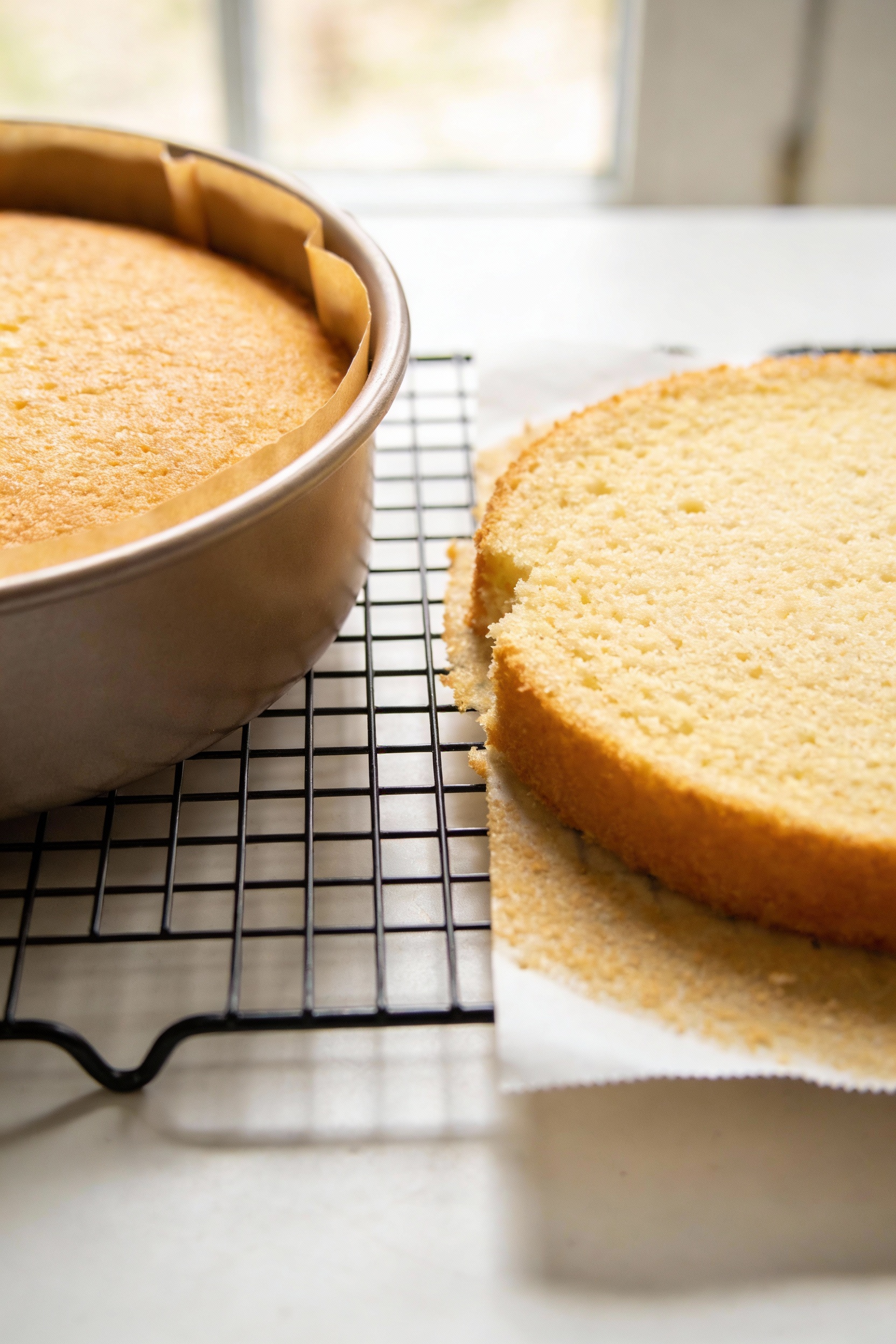
Cool correctly. Cool in the pan 10 minutes, then turn out onto a rack. Let cool completely before frosting unless you enjoy frosting soup.
-
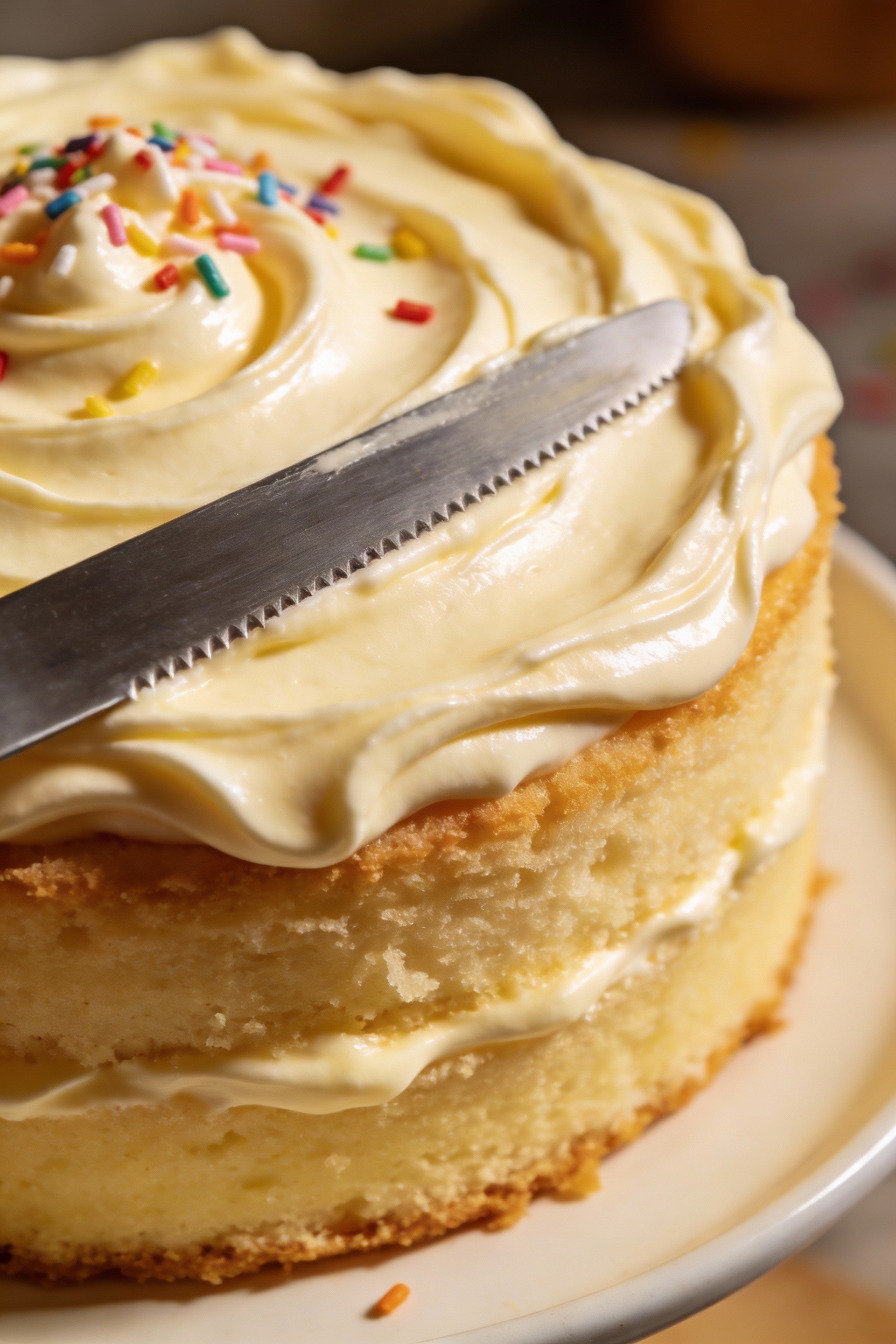
Frost and serve. Pair with buttercream, cream cheese frosting, chocolate ganache, or whipped frosting. Add sprinkles if you want instant “party” energy.
Storage Tips
Store unfrosted cake layers tightly wrapped at room temperature for up to 2 days. If your kitchen runs warm, move them to the fridge after day one. For frosted cake, refrigerate in a covered container and bring slices to room temperature before eating. Cold cake tastes muted, like it’s trying not to bother anyone.
For longer storage, freeze the layers. Wrap each cooled layer in plastic wrap, then foil, and freeze up to 2 months. Thaw overnight in the fridge, then unwrap and let sit at room temperature for 30 to 60 minutes before frosting. This also makes your decorating easier because slightly chilled layers crumble less.
Nutritional Perks
It’s cake, not kale, but it still has a few wins. Eggs and dairy add protein, plus calcium and some B vitamins. Using a blend of butter and oil helps the cake stay moist longer, so you don’t “need” extra frosting just to fix dryness. If you portion slices reasonably, this dessert fits into real life without becoming a full-time hobby.
Want a slightly better macro vibe? Pair it with fresh berries and a lighter frosting, or serve smaller slices with coffee. Also, happiness counts as a nutrient, and this cake brings plenty.
Avoid These Mistakes
-
Using cold ingredients. Cold eggs and dairy don’t emulsify well, so the batter can split and bake unevenly.
-
Overmixing after adding flour. Mix just until combined, or gluten shows up and ruins the tender crumb.
-
Incorrect measuring. If you scoop flour straight from the bag, you can pack in too much and dry the cake out. Weigh it if possible.
-
Opening the oven too early. The center needs time to set; early peeking can trigger a collapse.
-
Overbaking. Pull it when you see moist crumbs on a tester. A clean toothpick often means you already went too far.
-
Frosting while warm. Unless your goal is a glossy slip-and-slide, wait until fully cool.
Different Ways to Make This
This base recipe works like a template. You can keep the structure and change the flavor with simple swaps, which means less trial-and-error and more “look what I made” moments. Pick one option at a time so the batter stays balanced.
-
Lemon poppy seed. Add 2 teaspoons lemon zest and 30 ml lemon juice. Stir in 2 tablespoons poppy seeds with the dry ingredients.
-
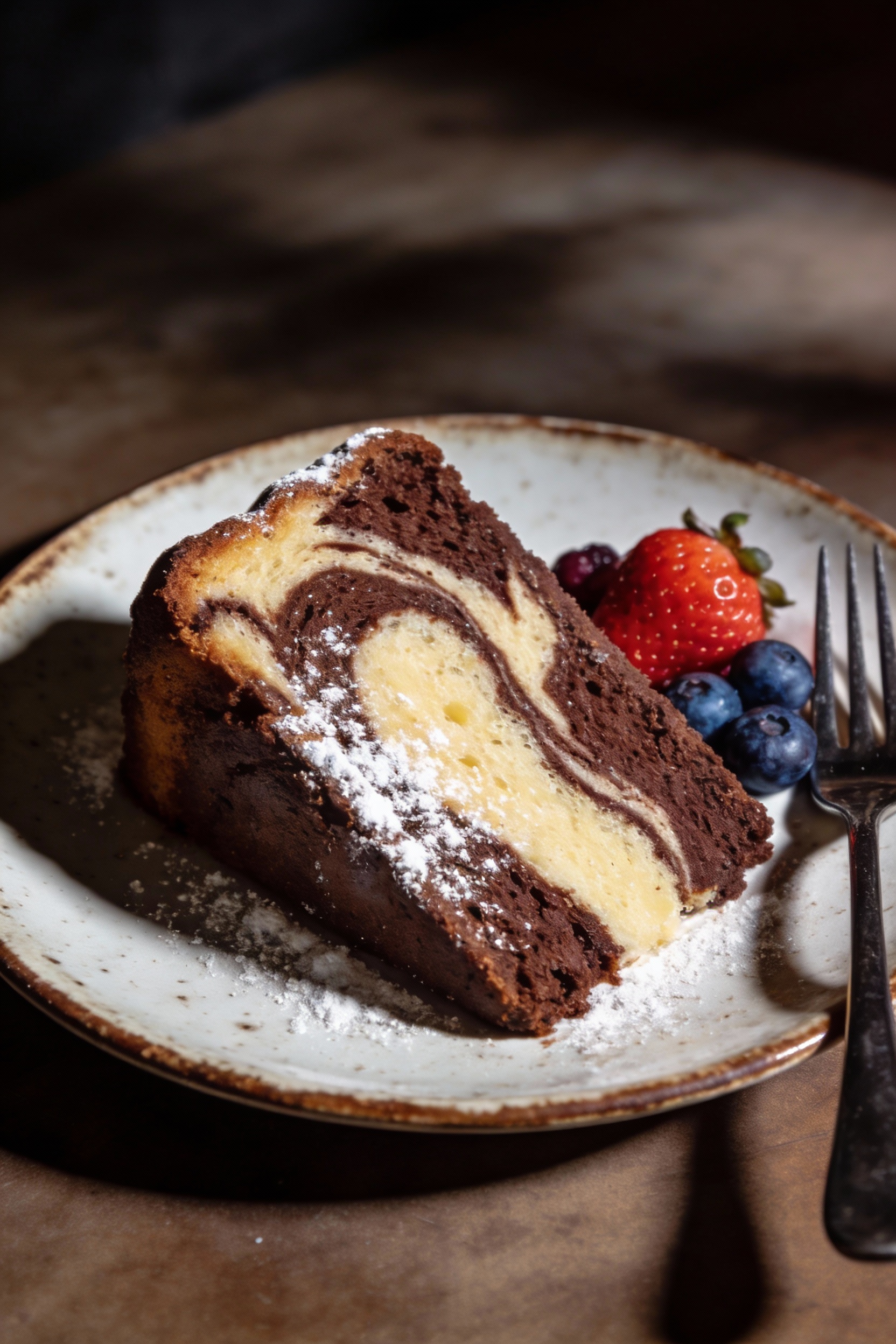
Chocolate vanilla marble. Split batter in half and whisk 30 g cocoa powder plus 30 ml hot water into one half. Swirl lightly in the pan.
-
Funfetti. Fold in 120 g rainbow jimmies right before baking. Avoid nonpareils; they bleed and look like a craft project.
-
Spiced chai. Add 2 teaspoons cinnamon, 1 teaspoon cardamom, and a pinch of cloves to the dry mix. Pair with brown sugar buttercream.
-
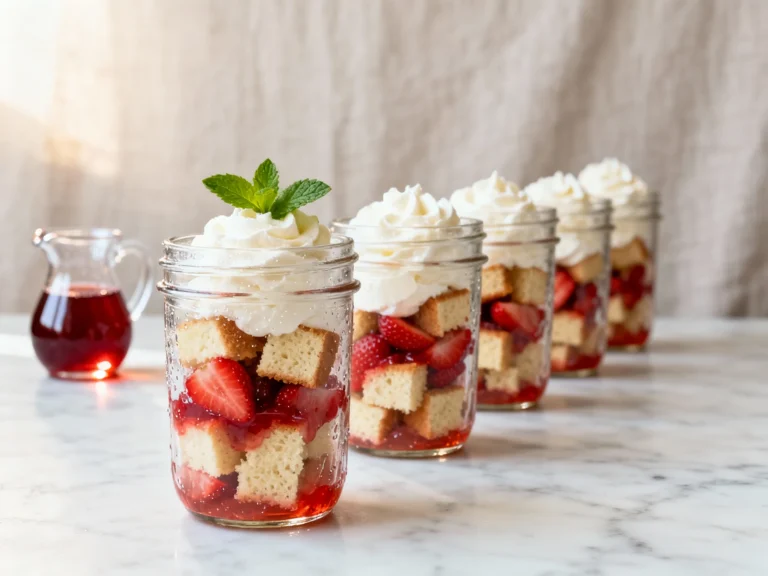
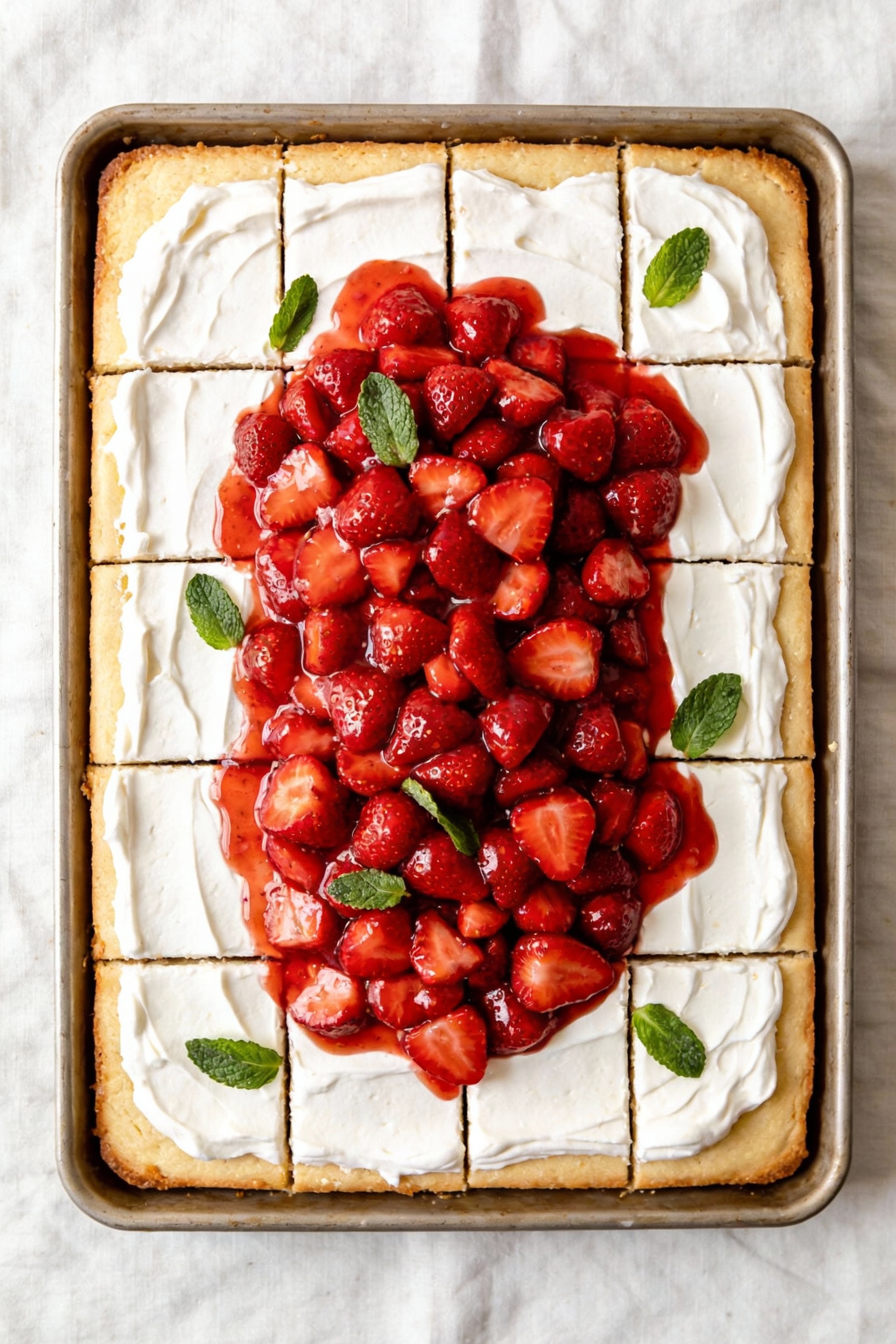
Strawberry shortcake vibe. Bake as a sheet cake, top with whipped frosting, and pile on macerated strawberries.
-
Cupcakes. Fill liners about two-thirds full and bake at 175°C for 18 to 22 minutes. Don’t overfill unless you enjoy cleaning overflowed batter off a pan.
FAQ
Can I make this into three cake layers?
Yes. Divide batter into three 8-inch pans and start checking around 20 to 24 minutes. The layers bake faster because they’re thinner, so don’t assume the same timing.
What frosting works best with this cake?
Vanilla buttercream gives a classic bakery feel, cream cheese frosting adds tang, and chocolate ganache makes it taste expensive. If you want a lighter bite, use stabilized whipped cream frosting and keep the cake chilled.
Can I substitute cake flour for all-purpose flour?
Yes. Use the same weight and expect a slightly softer, finer crumb. If you only measure by cups, cake flour can throw things off, so a scale helps.
Why add hot coffee or hot water?
Hot liquid helps bloom the batter’s flavor and improves texture by loosening the mix without extra fat. Coffee won’t make it taste like coffee; it just deepens the vanilla and dairy notes.
How do I know when the cake is done without drying it out?
Look for a golden top, slight pull from the pan edges, and a tester that comes out with moist crumbs. If it’s fully clean, you likely baked past peak tenderness.
Can I reduce the sugar?
You can reduce by about 10 to 15 percent, but sugar affects moisture and tenderness, not just sweetness. If you cut too much, the cake can bake up drier and less fluffy.
In Conclusion
This vanilla base gives you a soft crumb, strong flavor, and the kind of consistency that makes you look wildly competent. You get one recipe that bends into layers, cupcakes, or a sheet cake without chaos. Keep your ingredients warm, stop mixing when the flour disappears, and pull the cake before it overbakes. Then customize the flavor and act surprised when people ask for the recipe. Sure, you can tell them, or you can enjoy the mystery for a minute.
Printable Recipe Card
Want just the essential recipe details without scrolling through the article? Get our printable recipe card with just the ingredients and instructions.