Bundt Cake Recipes That Instantly Impress Your Guests
Bake show-stopping cakes with simple techniques and flavors that make every slice a celebration worth remembering.
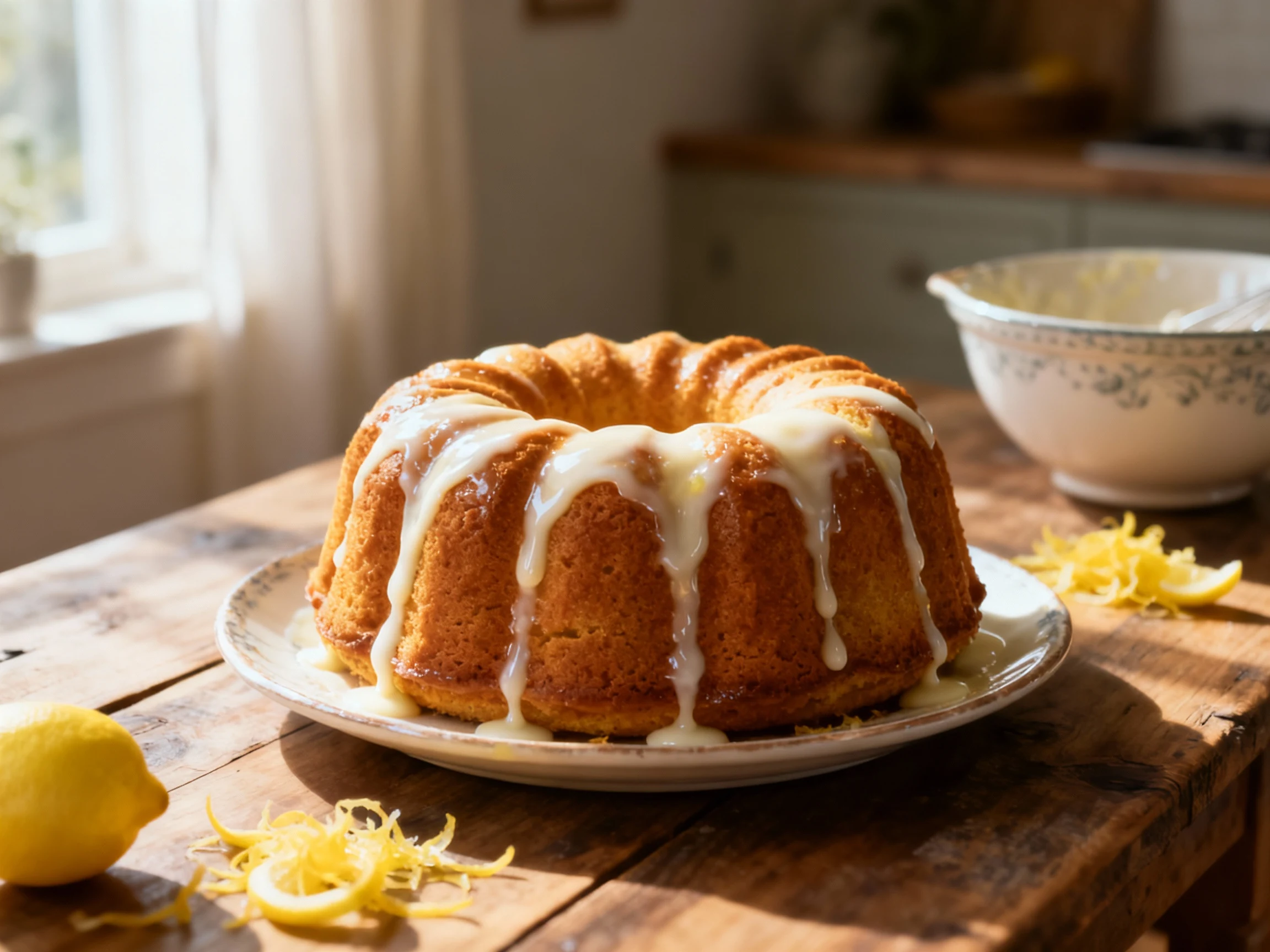
You know that friend who “just whipped something up” and somehow it looks like a food magazine cover? Yeah, that could be you. Bundt cakes have this magical ability to make people think you spent hours in the kitchen, even if you didn’t. They’re the undercover superheroes of the dessert world—easy to make, yet impossible to ignore. The curves, the beautifully defined ridges, the swirl of glaze—pure edible art. And honestly, why settle for boring sheet cake when you can turn heads with something that’s gorgeous without even trying?
Why You’ll Love This Recipe
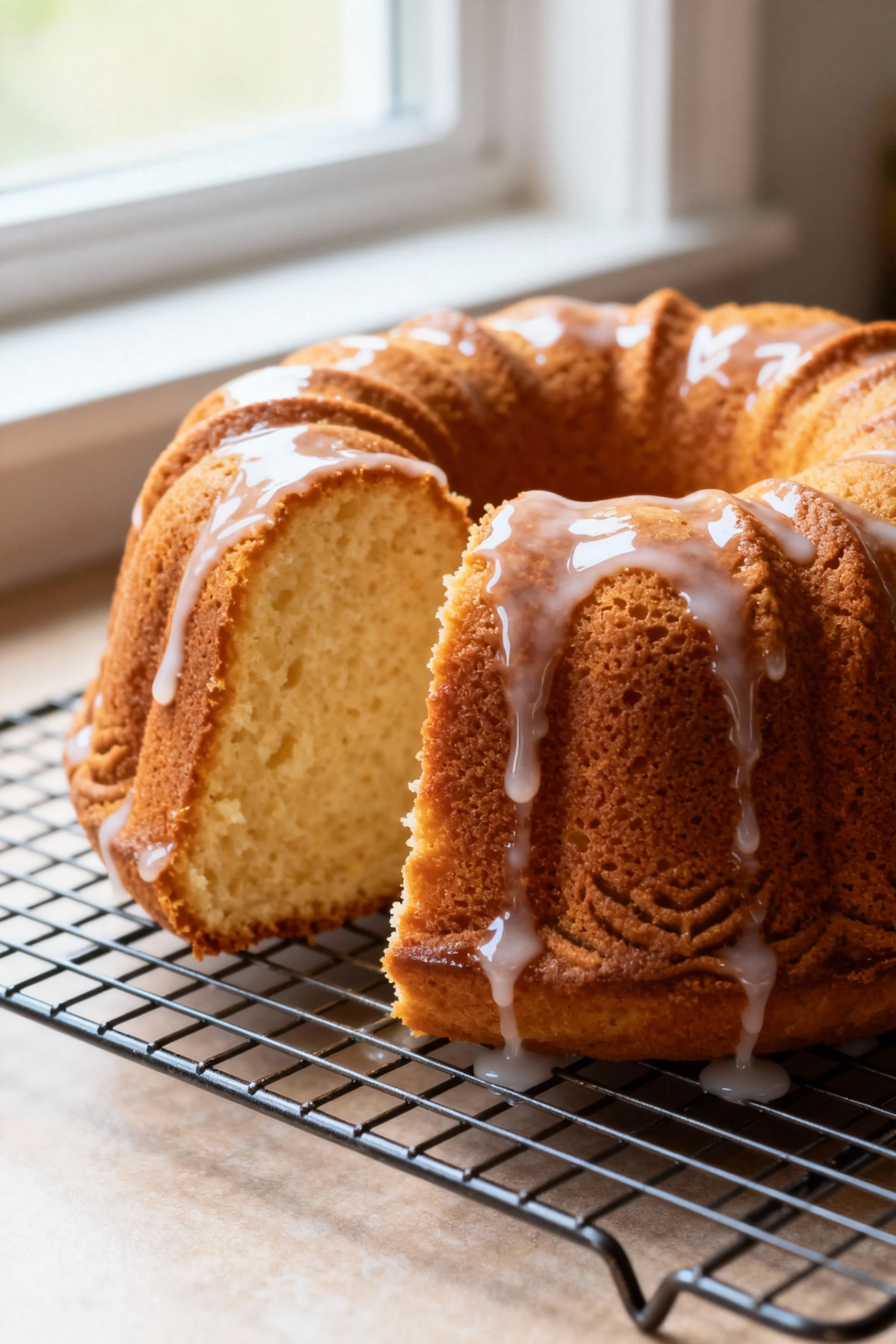
This bundt cake approach brings together the aesthetics of ornate baking with the practicality of a weekday dessert. It’s beginner-friendly yet packs enough flavor depth to wow seasoned bakers. You won’t need exotic ingredients or specialized tools beyond a bundt pan. Plus, it’s versatile—equally at home at holiday tables, casual brunches, or Tuesday night indulgences. In short, it’s a lightly “extra” dessert without the stress.
Ingredients Breakdown
- 2 ½ cups all-purpose flour
- 1 teaspoon baking powder
- ½ teaspoon baking soda
- 1 teaspoon salt
- 1 cup unsalted butter, softened
- 2 cups granulated sugar
- 4 large eggs
- 1 teaspoon pure vanilla extract
- 1 cup sour cream
- ½ cup whole milk
- Zest of 1 lemon (optional, for brightness)
- Glaze or icing of choice
Instructions
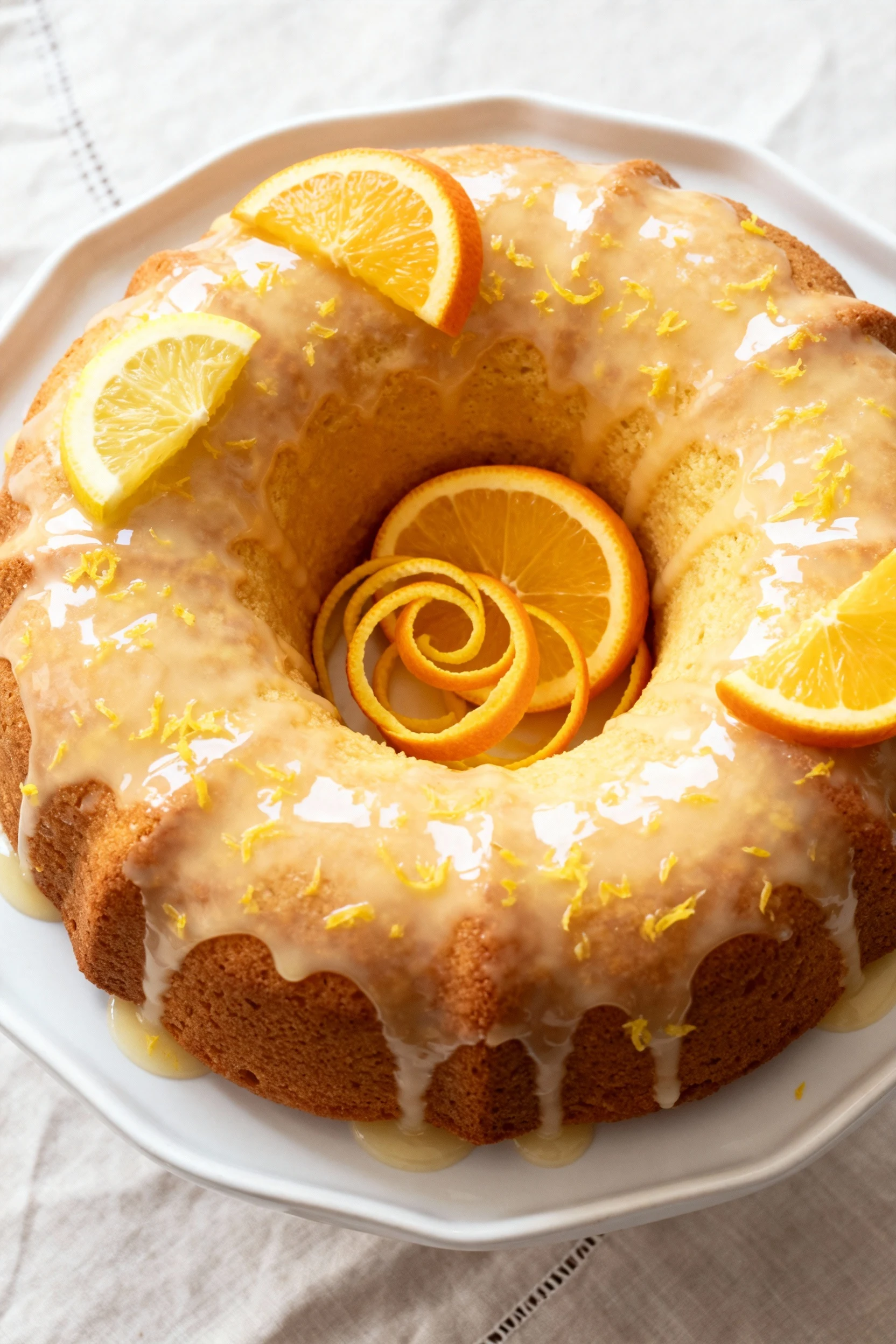
- Preheat your oven to 350°F (175°C) and grease your bundt pan thoroughly—every nook and cranny counts.
- In a medium bowl, whisk flour, baking powder, baking soda, and salt. Set aside.
- Using a stand or hand mixer, cream butter and sugar until light and fluffy.
- Add eggs one at a time, mixing well after each. Stir in vanilla extract.
- Alternate adding the dry mixture and the sour cream/milk combo to the wet mixture. Begin and end with dry ingredients. Throw in lemon zest if you’re feeling fancy.
- Pour batter evenly into the bundt pan, spreading gently to ensure consistency.
- Bake for 50–60 minutes, or until a toothpick inserted into the thickest part comes out clean.
- Cool in the pan for 10–15 minutes, then flip onto a wire rack. Let cool completely before glazing, unless you’re into melty drizzle chaos (we won’t judge).
Storage Tips
Store at room temp in an airtight container for up to 3 days—yes, it actually stays moist. For longer storage, wrap slices tightly in plastic wrap and freeze for up to two months. Thaw on the counter for a few hours before serving. Avoid refrigerating unless you enjoy dry cake; the chill robs it of tenderness faster than Monday mornings rob happiness.
Health Benefits
No, this isn’t a superfood salad—but here’s the deal: using real butter and eggs means you’re getting quality fats and proteins. Swap out some flour for almond meal, and you add fiber and vitamin E. Lemon zest offers a hit of vitamin C, and if you opt for a dark chocolate glaze, you get antioxidants too. Just don’t try to convince your personal trainer it’s a salad substitute, okay?
What Not to Do
- Skip greasing the pan—unless you want modern art in cake-removal form.
- Overmix the batter; air is your friend but gluten overdevelopment is not.
- Forget cooling before glazing, unless sticky chaos is your aesthetic choice.
- Use cheap imitation vanilla; your taste buds will rebel.
Alternatives
Want to shake things up? Swap lemon zest for orange zest plus a pinch of cinnamon for warm, cozy vibes. Try marbling chocolate batter with vanilla for a striking two-tone effect. Replace sour cream with Greek yogurt for tang and protein. Or go all-out with add-ins like fresh berries, chopped nuts, or even shredded coconut. The bundt pan is basically a stage—so let your ingredients perform.
FAQ
Can I make this gluten-free?
Yes—replace the all-purpose flour with a 1:1 gluten-free baking blend. Check your baking powder to ensure it’s GF-friendly.
What kind of glaze works best?
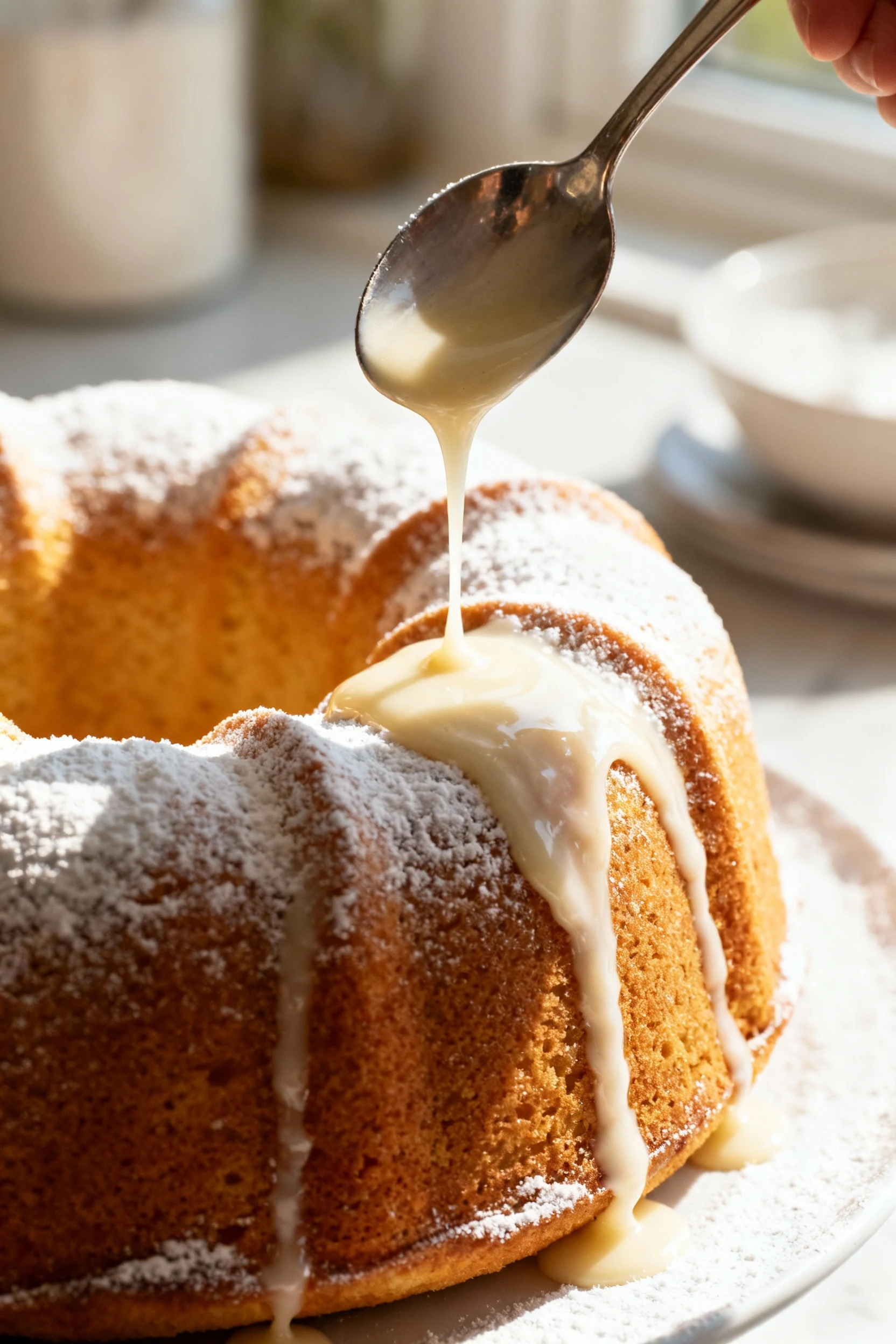
A simple powdered sugar glaze is classic, but citrus glazes or thin chocolate ganache can level up your flavor game.
How do I prevent the cake from sticking?
Grease every crevice with melted butter or non-stick spray, then lightly sprinkle flour over it. Tap out excess flour before adding batter.
Can I bake this in a regular cake pan?
Technically yes, but you lose the iconic ring and ridges. It won’t have the same dramatic visual impact—it’s a bundt cake for a reason.
Is it okay to halve the recipe?
You can, but be mindful that baking time will drop significantly with less batter. Check for doneness earlier.
Final Thoughts
Bundt cake delivers wow factor with remarkably little effort. It’s that rare baking project where you don’t need artistic skills—your pan does half the work. Invest a little time in prepping your ingredients and pan properly, and you’ll have dessert that sparks compliments from the first slice. Honestly, few things beat the combo of a rich, moist crumb and a flawless glaze flowing down sculpted curves. So go forth, bake boldly, and maybe pretend it was way harder than it actually was—your secret’s safe with us.
Printable Recipe Card
Want just the essential recipe details without scrolling through the article? Get our printable recipe card with just the ingredients and instructions.