Brisket Recipes to Impress Guests Without Losing Sleep
Perfect for weekend gatherings, this guide helps you serve tender, flavorful brisket while keeping your sanity intact.
You know that one dish that makes people think you have a secret culinary degree? For many of us, that’s brisket. It’s the kind of slow-cooked wonder that makes friends show up early and family members linger after dessert. But here’s the truth: making a brisket that’s juicy and packed with flavor doesn’t require a chef’s hat or a day off work. In fact, the right recipe can be downright low-effort. Stick around—by the end of this, you’ll have brisket bragging rights without the agony.
What Makes This Special
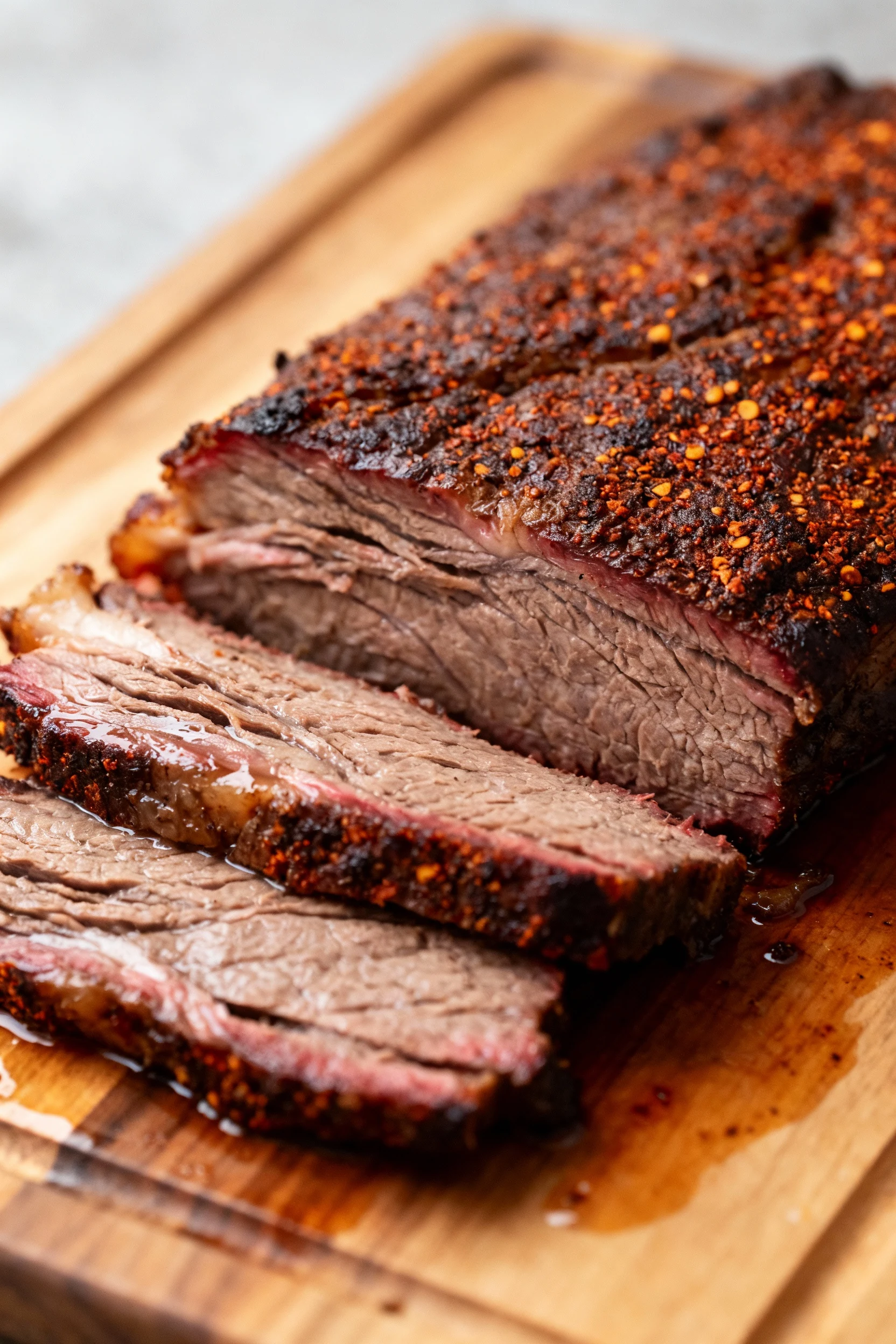
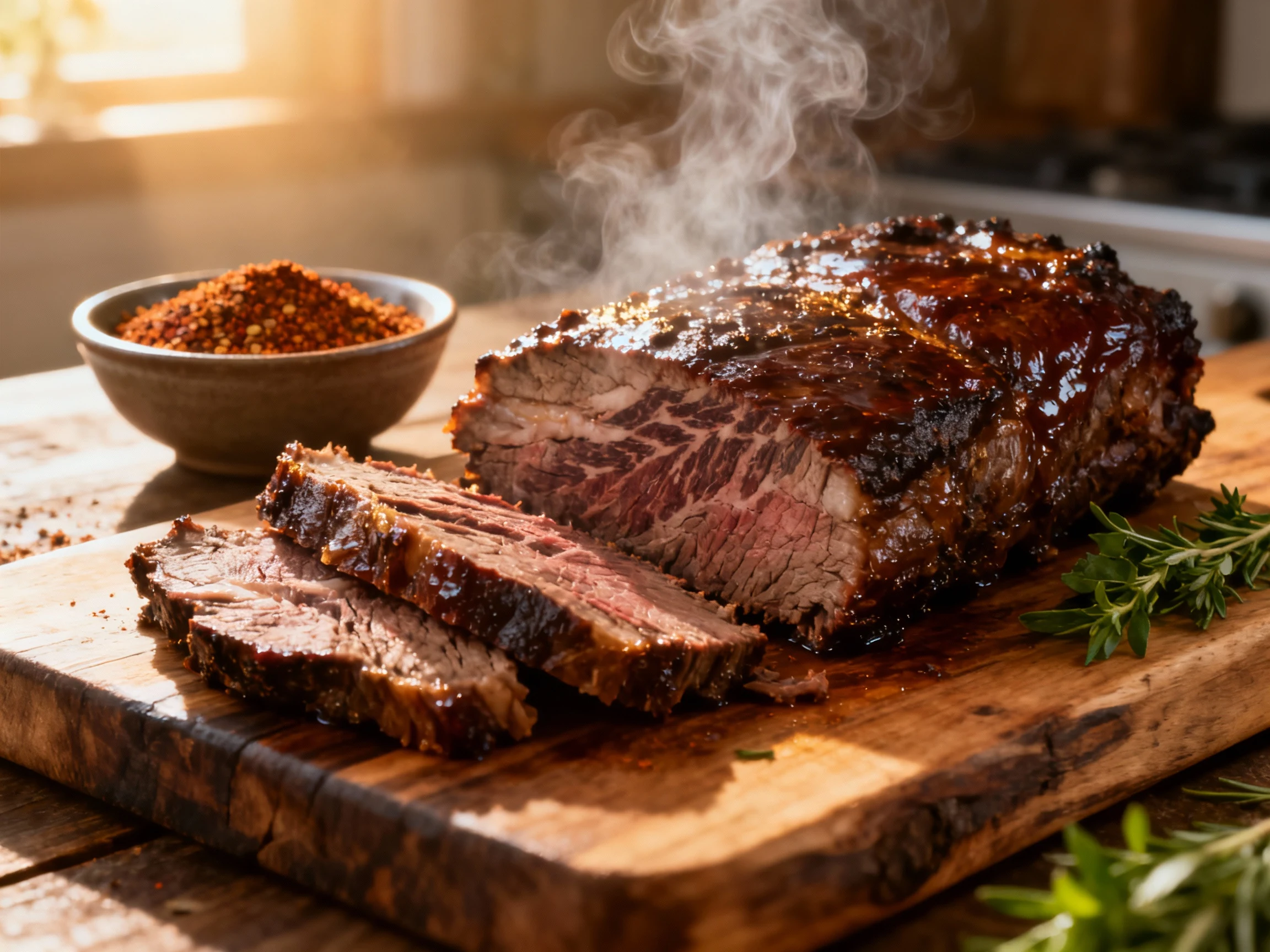
Most home cooks shy away from brisket thinking it’s too tricky. The secret? It’s forgiving. Brisket thrives on low heat and patience, making it perfect for anyone who can set a timer and resist peeking every five minutes. Pair that with a well-balanced rub and slow roasting or smoking, and you’re looking at meat so tender it practically apologizes for melting in your mouth. This recipe also works for everything from casual family dinners to holiday spreads—versatility is its middle name.
Ingredients Breakdown
- 4–5 pounds beef brisket, trimmed
- 2 tablespoons kosher salt
- 1 tablespoon freshly ground black pepper
- 2 tablespoons smoked paprika
- 1 teaspoon garlic powder
- 1 teaspoon onion powder
- 1 teaspoon dried thyme
- 1/2 cup beef broth
- 1/4 cup Worcestershire sauce
- 2 tablespoons olive oil
- Optional: 1/4 cup BBQ sauce for finishing glaze
Cooking Instructions
- Prep the brisket: Pat the brisket dry with paper towels. Season generously with salt, pepper, paprika, garlic powder, onion powder, and thyme.
- Sear for flavor: Heat olive oil in a large skillet over medium-high heat. Sear each side of the brisket for 3–4 minutes until a crust forms.
- Set the stage: Place the brisket in a roasting pan or slow cooker. Mix beef broth and Worcestershire, then pour over the brisket.
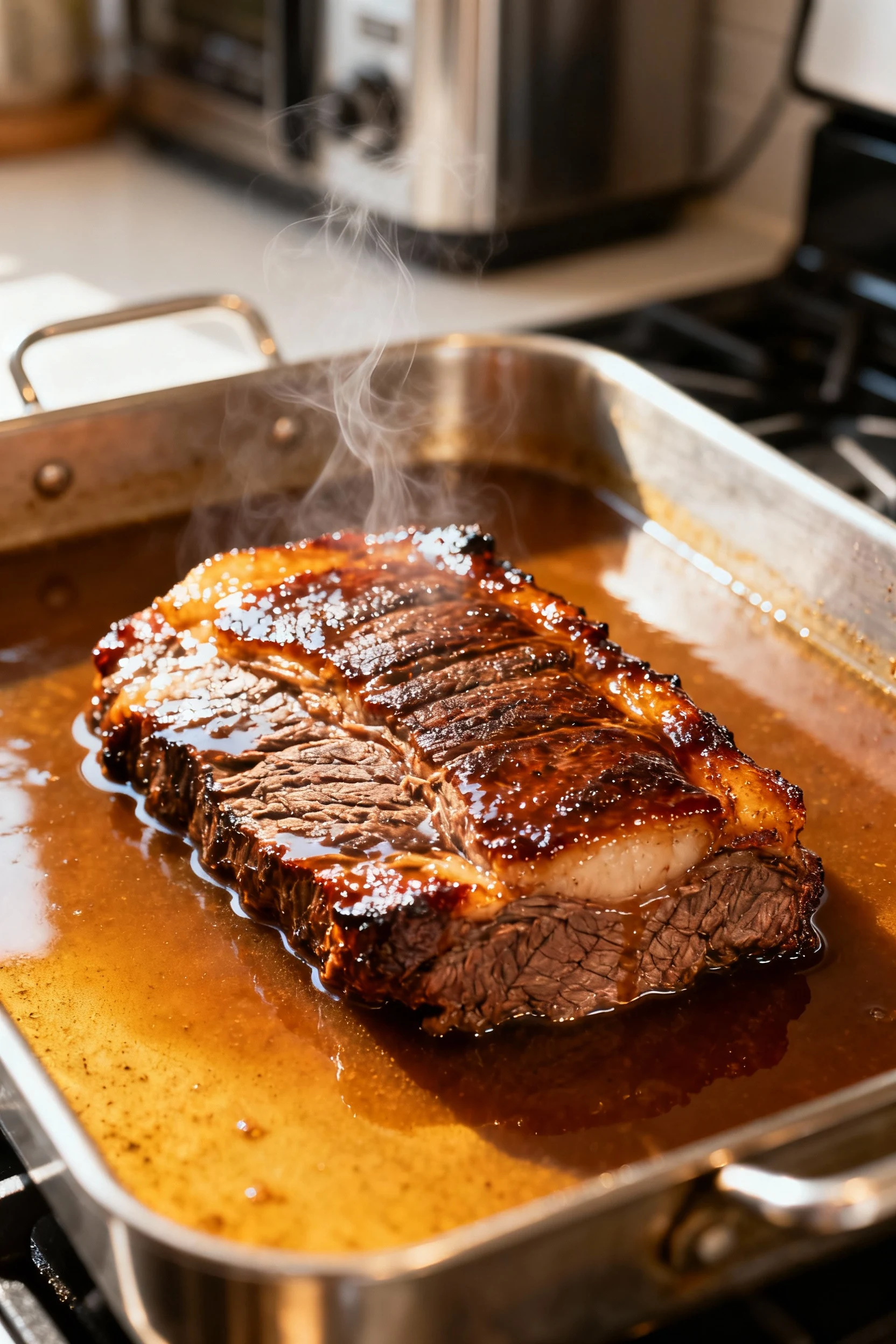
- Low and slow: Roast in an oven at 275°F (135°C) for 4–5 hours, or until the internal temperature reaches 195°F (90°C). In a slow cooker, cook on low for 8–9 hours.
- Optional glaze: Brush BBQ sauce over the brisket in the last 30 minutes of cooking for a sweet, smoky finish.
- Rest and serve: Let the brisket rest for 20 minutes before slicing against the grain for maximum tenderness.
How to Store
Wrap leftover brisket tightly in foil or plastic wrap, then store in an airtight container in the fridge for up to 4 days. For longer storage, freeze sliced brisket in a freezer-safe bag for up to 3 months—just thaw overnight in the fridge before reheating. Pro tip: add a splash of broth before reheating to bring it back to life.
Nutritional Perks
Brisket isn’t just comfort food—it’s protein-packed fuel. A serving (about 4 ounces) delivers roughly 28g of protein, essential amino acids, and iron to keep your energy levels steady. Depending on your rub and cooking method, it’s also relatively low-carb. Plus, this recipe avoids excessive sugar, keeping things balanced for most dietary preferences.
Common Mistakes to Avoid
- Cooking too hot: This makes brisket tough and dry. Keep it low and slow.
- Skipping the rest: Slice too soon and you lose precious juices—patience pays.
- Under-seasoning: Large cuts need bold, generous seasoning for flavor to penetrate.
- Overtrimming fat: Some fat is necessary for moisture and flavor—don’t turn it into diet brisket.
Recipe Variations
- Texas-style: Just salt, pepper, and smoke it low over oak wood until the bark is perfect.
- Coffee rub: Add finely ground coffee to the spice blend for a bold kick.
- Asian-inspired: Marinate in soy sauce, ginger, and garlic, then slow roast.
- Beer-braised: Swap the broth for a rich stout or lager for deeper flavor.
FAQ
Can I make brisket ahead of time?
Absolutely. In fact, brisket often tastes better the next day as the flavors deepen. Just reheat gently with a bit of broth.
Do I need a smoker for this recipe?
Nope. While smokers are great, the oven or slow cooker can still deliver tender, flavorful results. It’s all about low, steady heat.
How do I know when brisket is done?
Use a meat thermometer. You’re aiming for 195°F to 205°F for perfect tenderness—anything less and it’s chewy city.
Can I use this recipe for other cuts?
Yes, but adjust cooking times accordingly. Chuck roast, for example, cooks faster but won’t have the same texture as brisket.
What sides pair best?
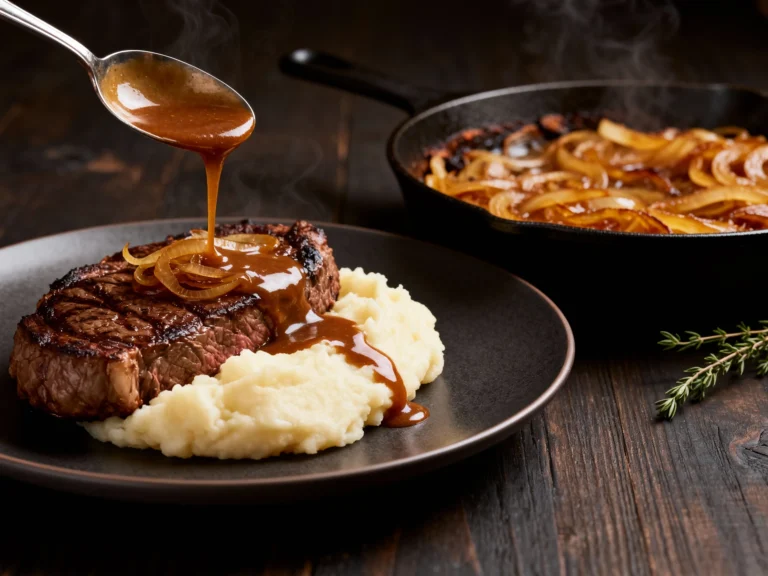
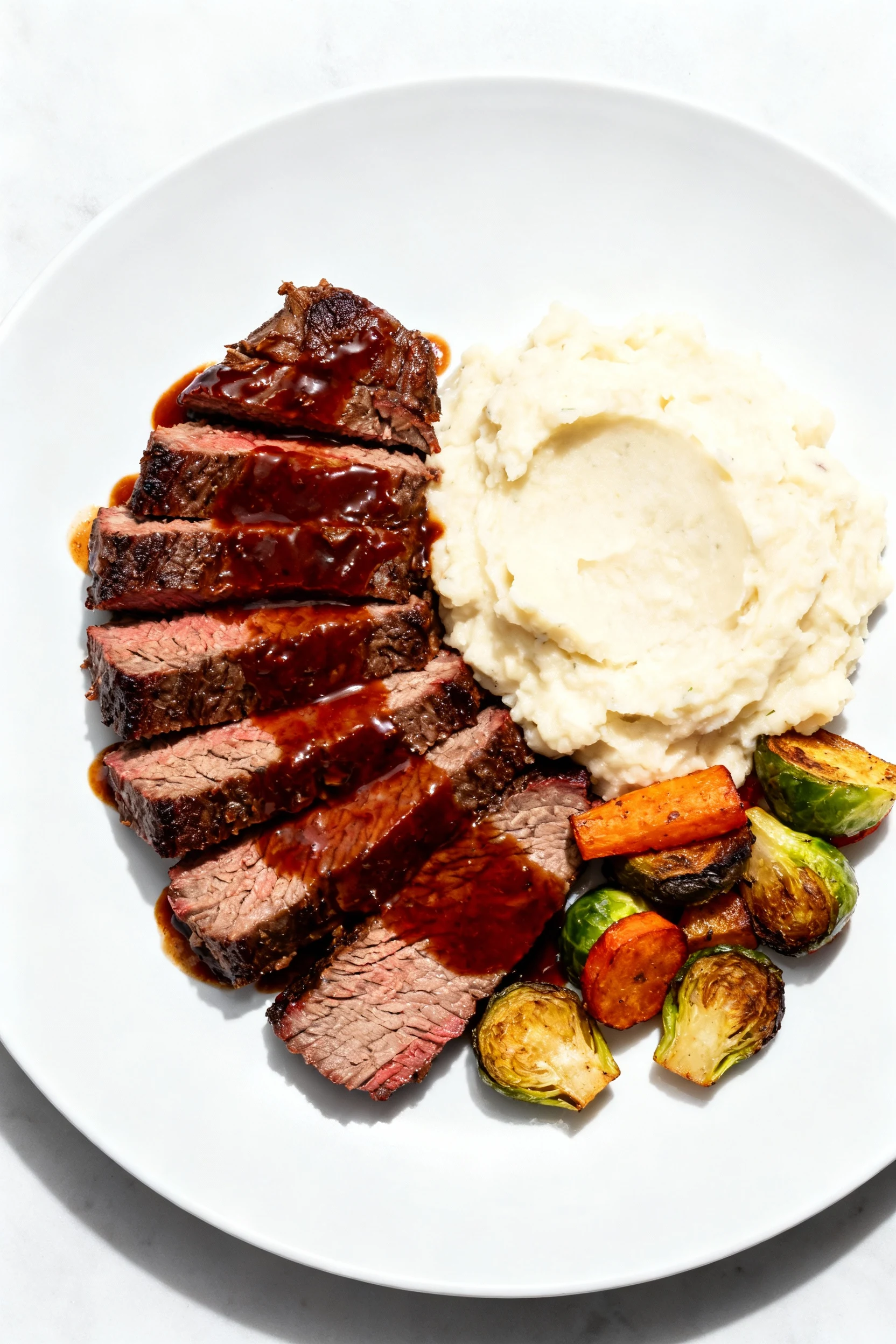
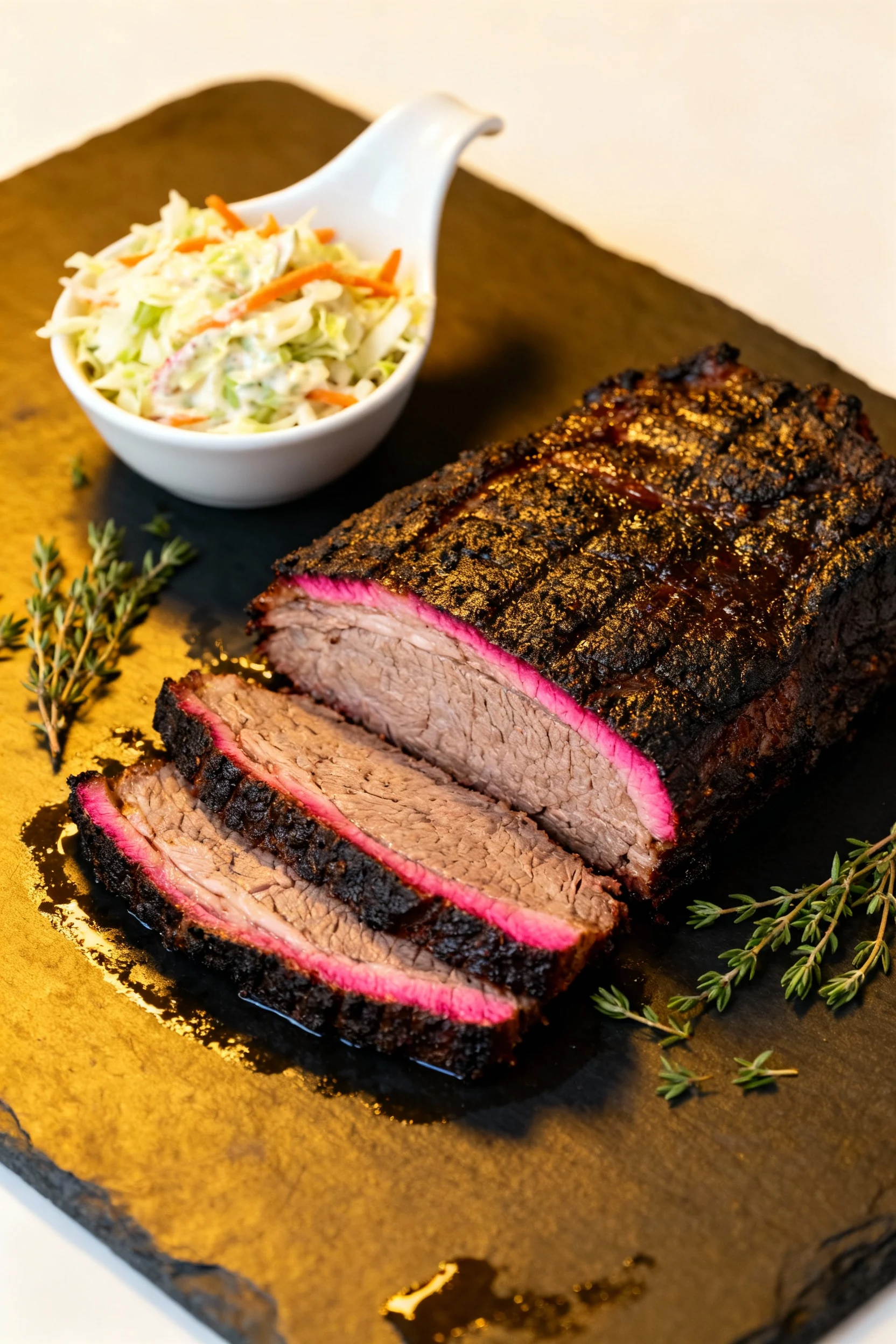
Think creamy mashed potatoes, tangy coleslaw, roasted vegetables, or a fresh green salad. Balanced sides make brisket shine.
Final Thoughts
Brisket recipes have a reputation for being time-consuming and complex, but the truth is they’re more about patience than skill. With the right seasoning, a steady heat, and a little know-how, you can put a show-stopping dish on the table without sweat. Whether you’re going classic Texas or experimenting with global flavors, brisket delivers guaranteed crowd-pleasing results. And IMO, that’s the kind of kitchen win worth chasing.
Printable Recipe Card
Want just the essential recipe details without scrolling through the article? Get our printable recipe card with just the ingredients and instructions.