Juicing Recipes to Boost Energy Immunity and Flavor Fast
Quick blends that boost energy, support immunity, and elevate flavor using budget produce and zero added sugar—perfect for busy mornings.
You want more energy, clearer skin, and a head start on your day, but you don’t have time to cook a five-course wellness dinner. Here’s the cheat code: fresh juice that tastes incredible and works even when you’re on a deadline. We’re talking bold flavors, smart produce combos, and simple steps that fit real life. FYI, this isn’t just “throw fruit in a machine and hope”—it’s a system that delivers. Give me 10 minutes and a shopping list, and I’ll give you a lineup you’ll actually crave.
What Makes This Recipe So Good
- It’s fast: Most of these blends go from fridge to glass in under 10 minutes. No fancy techniques or wild equipment needed.
- Balanced flavor: We pair vibrant fruits with hydrating veggies and bright acids, so you get punchy taste without a sugar bomb.
- Targeted benefits: Think energy from beets, immunity support from citrus and ginger, and hydration from cucumber and watermelon.
- Budget-friendly swaps: We use in-season produce and offer simple substitutions. Your wallet won’t tap out on day three.
- Beginner-proof method: Follow the 3–2–1 formula—three parts veg, two parts fruit, one part acid or herb—for consistently great results.
Shopping List – Ingredients
Grab these staples and you’ll be set to make a week’s worth of blends. Amounts below yield one 12–16 oz serving per recipe.
- Greens & hydrating veg: 1 large cucumber; 4 celery stalks; 2 cups spinach; 2 cups kale (stems removed)
- Root & powerhouse veg: 4 large carrots; 2 medium beets (peeled if earthy flavor bothers you)
- Citrus & brighteners: 4 lemons; 4 limes; 4 oranges
- Sweet fruit: 4 green apples; 2 red apples; 1 small pineapple; 1 mini watermelon (or 1/4 large); 1 pint strawberries
- Herbs & heat: 1 bunch mint; 1 bunch basil; small handful cilantro; 1 jalapeño
- Spices & boosters: 3-inch knob ginger; 2-inch knob fresh turmeric; black pepper; pinch sea salt
- Optional extras: chia seeds (soaked); coconut water; sparkling water; ice
Featured blends and exact quantities:
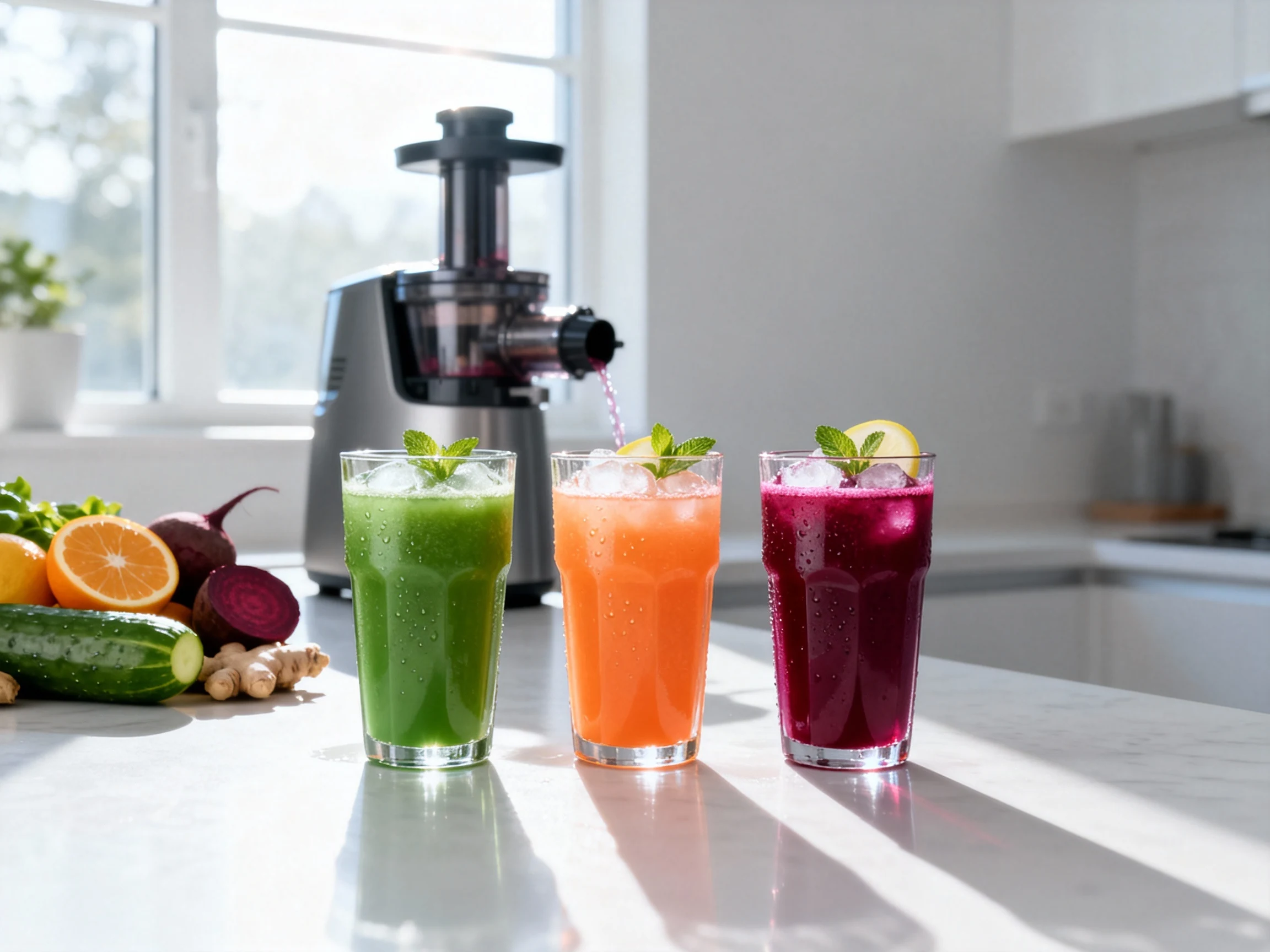
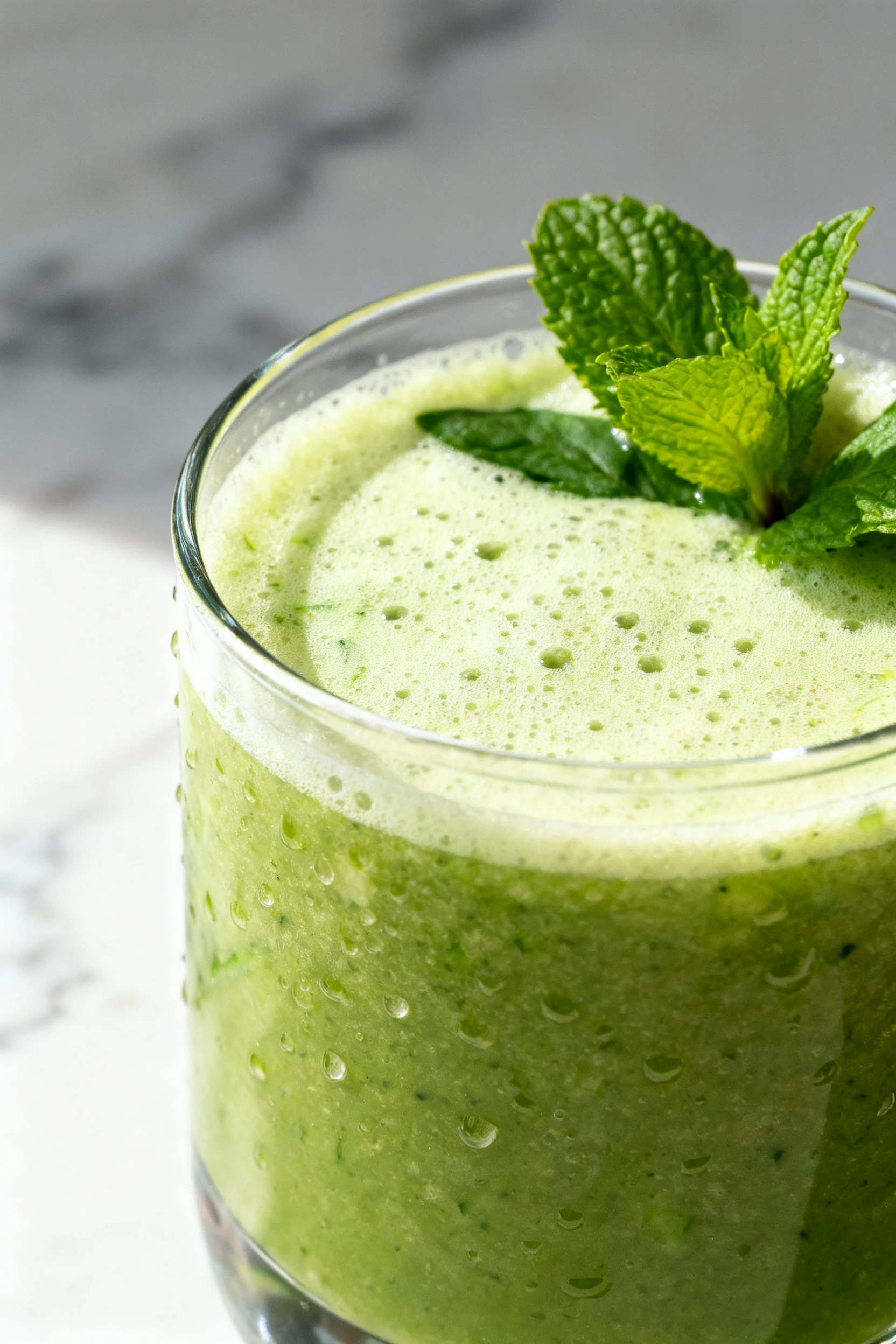
- Green Lightning: 1 cucumber, 2 celery stalks, 1 green apple, 1/2 lemon (peeled), 1-inch ginger, 1 cup spinach, small handful mint
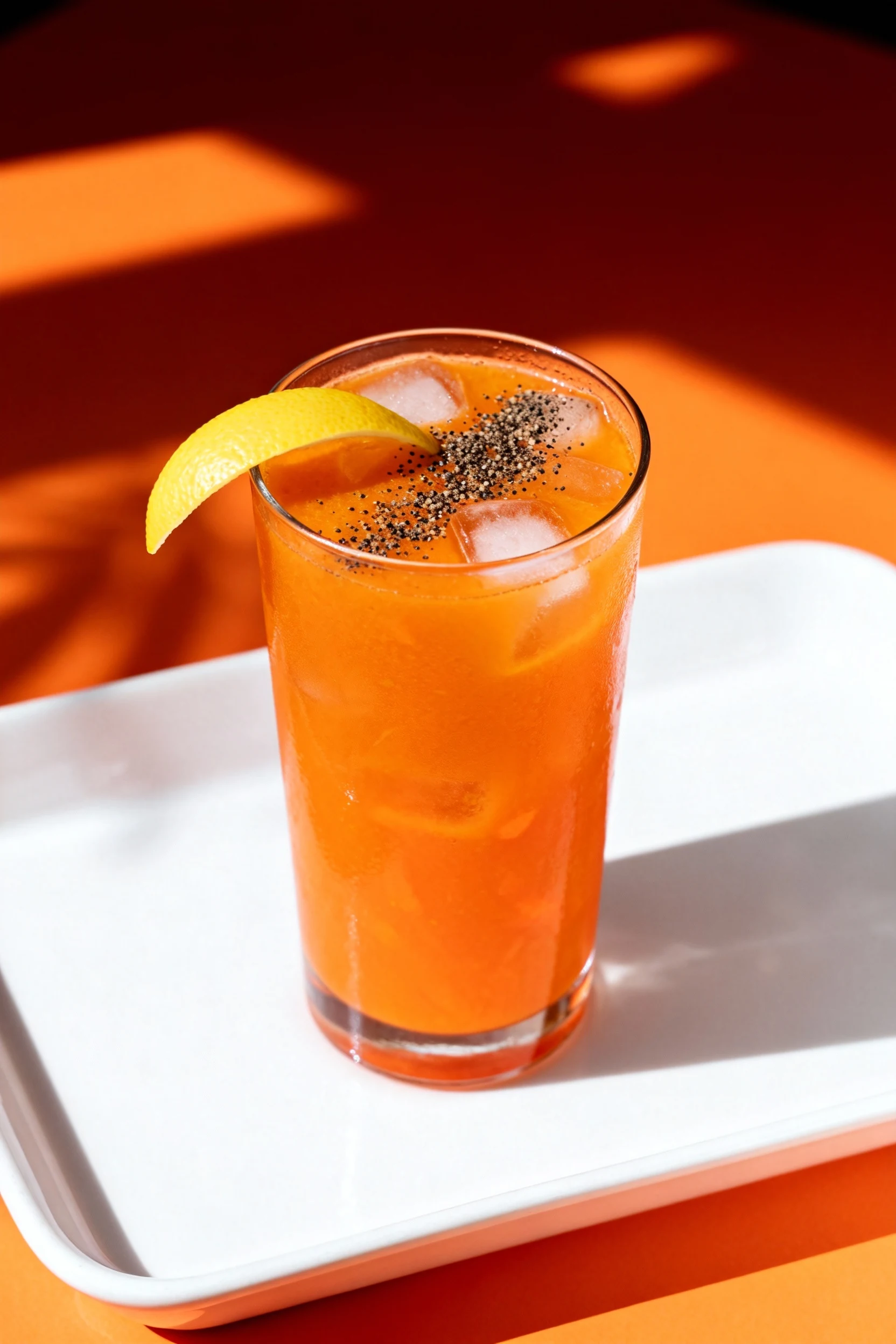
- Sunrise Carrot: 4 carrots, 1 orange (peeled), 1/2 lemon (peeled), 1-inch turmeric, 1/2-inch ginger, pinch black pepper
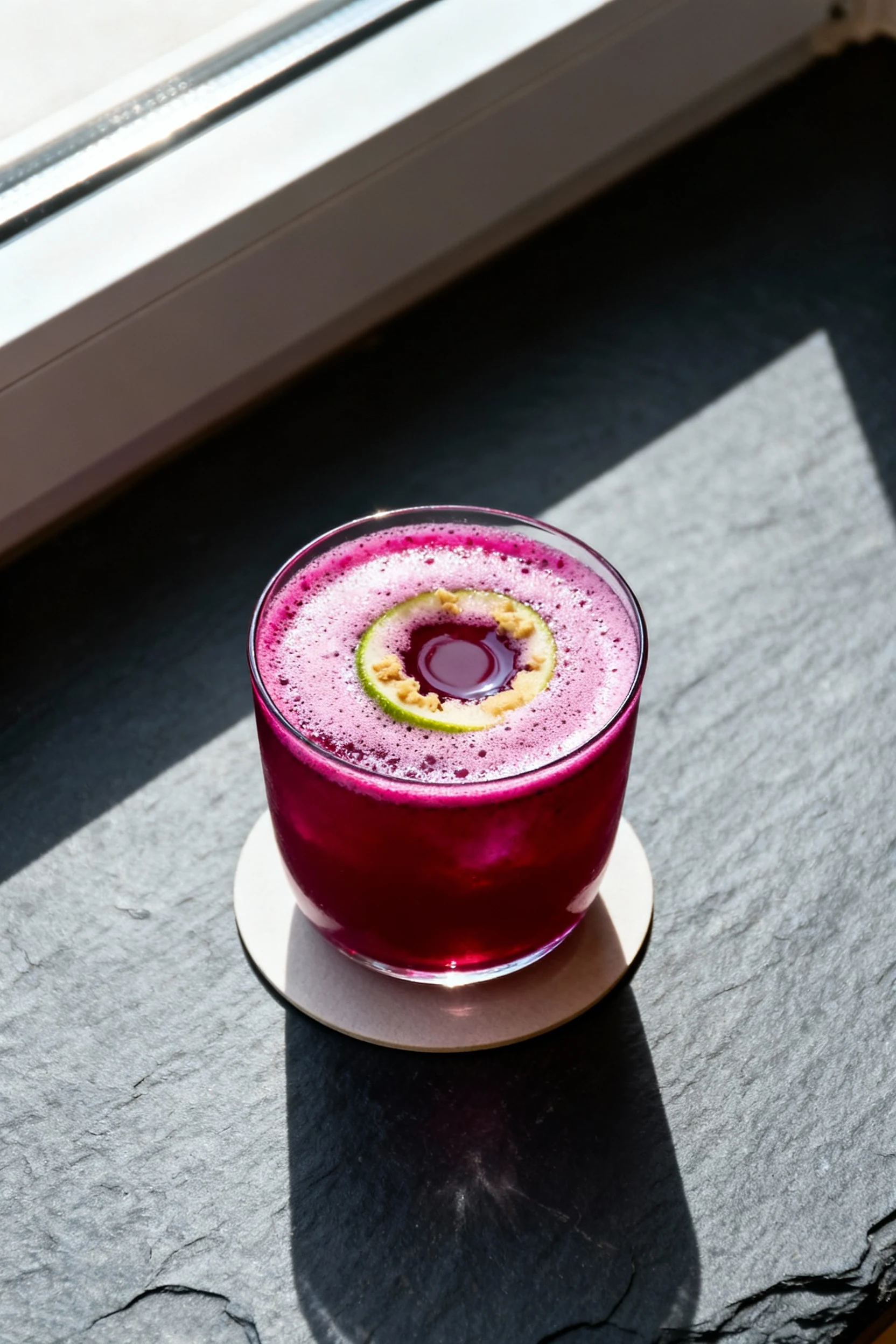
- Beet Charger: 1 medium beet, 1 green apple, 1/2 lime (peeled), 2 celery stalks, 1-inch ginger
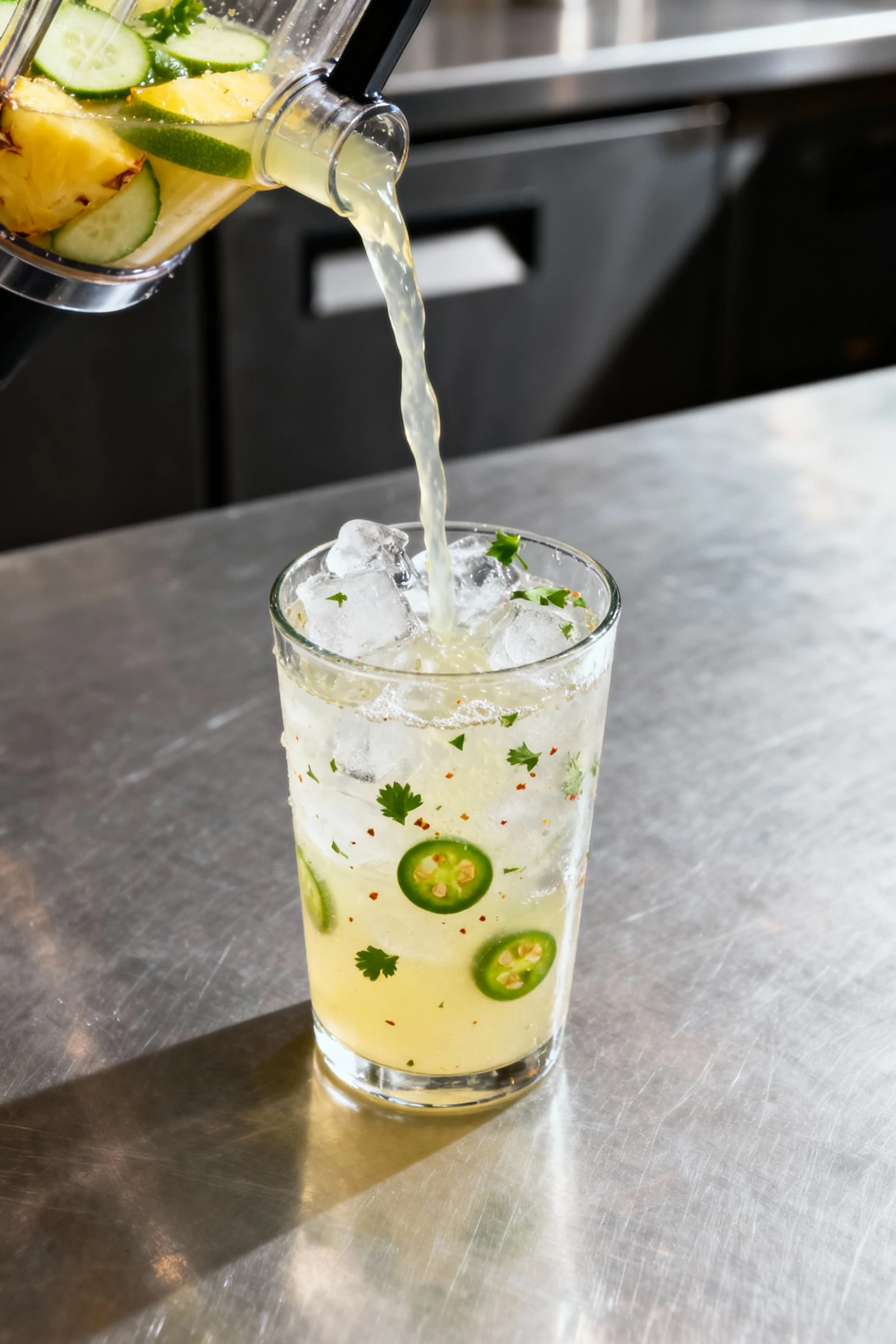
- Pineapple Cooler: 2 cups pineapple chunks, 1/2 cucumber, 1/2 lime (peeled), 1/4 jalapeño (seeded), small handful cilantro
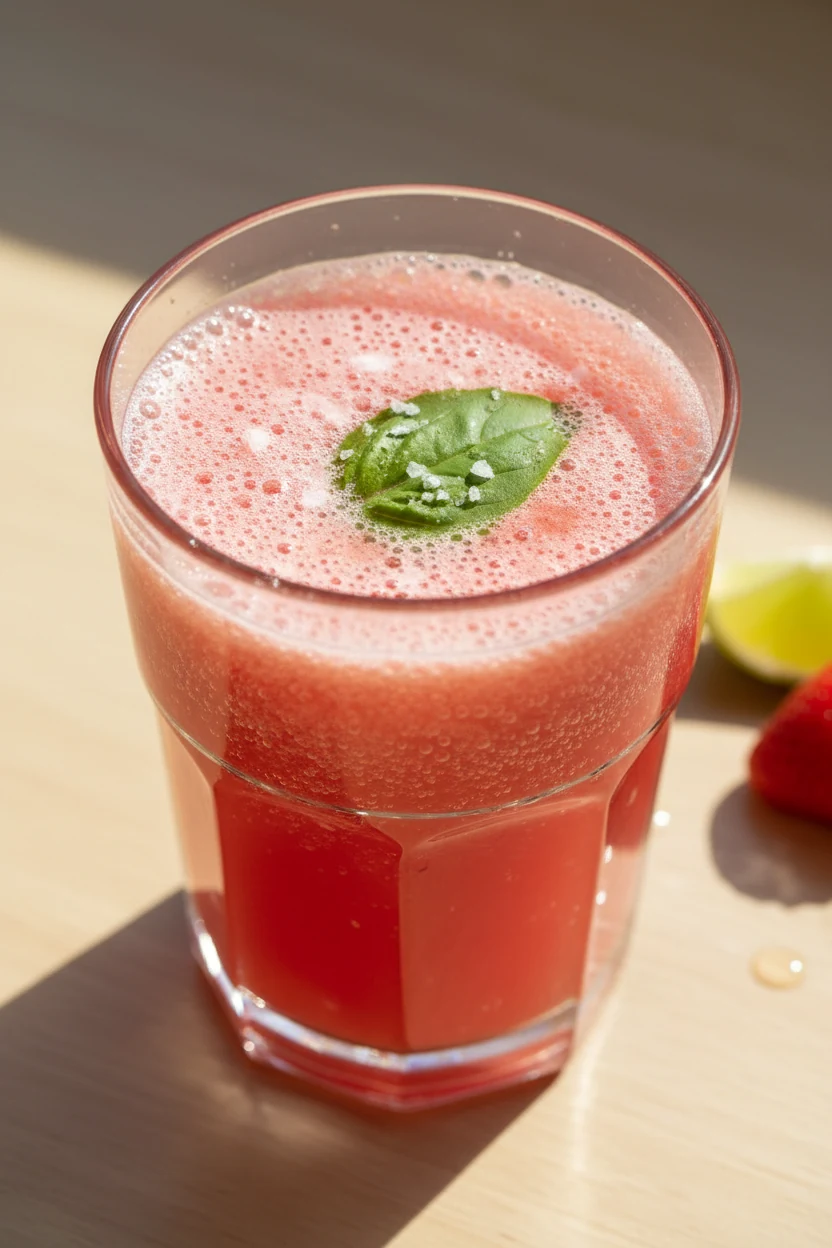
- Watermelon Refresher: 3 cups watermelon, 1 cup strawberries, 1/2 lime (peeled), 3–4 basil leaves, small pinch sea salt
Cooking Instructions
- Prep your produce like a pro. Wash thoroughly. Trim tough ends. Peel citrus (unless your juicer handles rinds well and you want extra oils). Chop into pieces that fit your chute.
- Chill everything. Cold produce = brighter flavor and better texture. If you can, refrigerate your fruit and veg for at least 30 minutes beforehand.
- Follow the recipe ratios. Use the quantities listed under each blend above. As a rule, lean into 3 parts veg, 2 parts fruit, 1 part acid/herb for balance.
- Order matters. Start with soft herbs and leafy greens, then add medium items (citrus, cucumber), and finish with firm produce (carrots, beets, apples) to push everything through.
- Juice smart, don’t rush. Feed produce steadily; don’t jam the chute. Let the juicer work so you extract more and waste less.
- Taste and tune. Need more brightness? Add a splash of lemon or lime. Too sharp? Juice another chunk of cucumber or apple. A pinch of salt can pop flavors, especially in melon blends.
- Serve immediately or seal tight. Pour over ice for max refreshment. If storing, fill bottles to the brim to limit oxygen and cap right away.
Keeping It Fresh
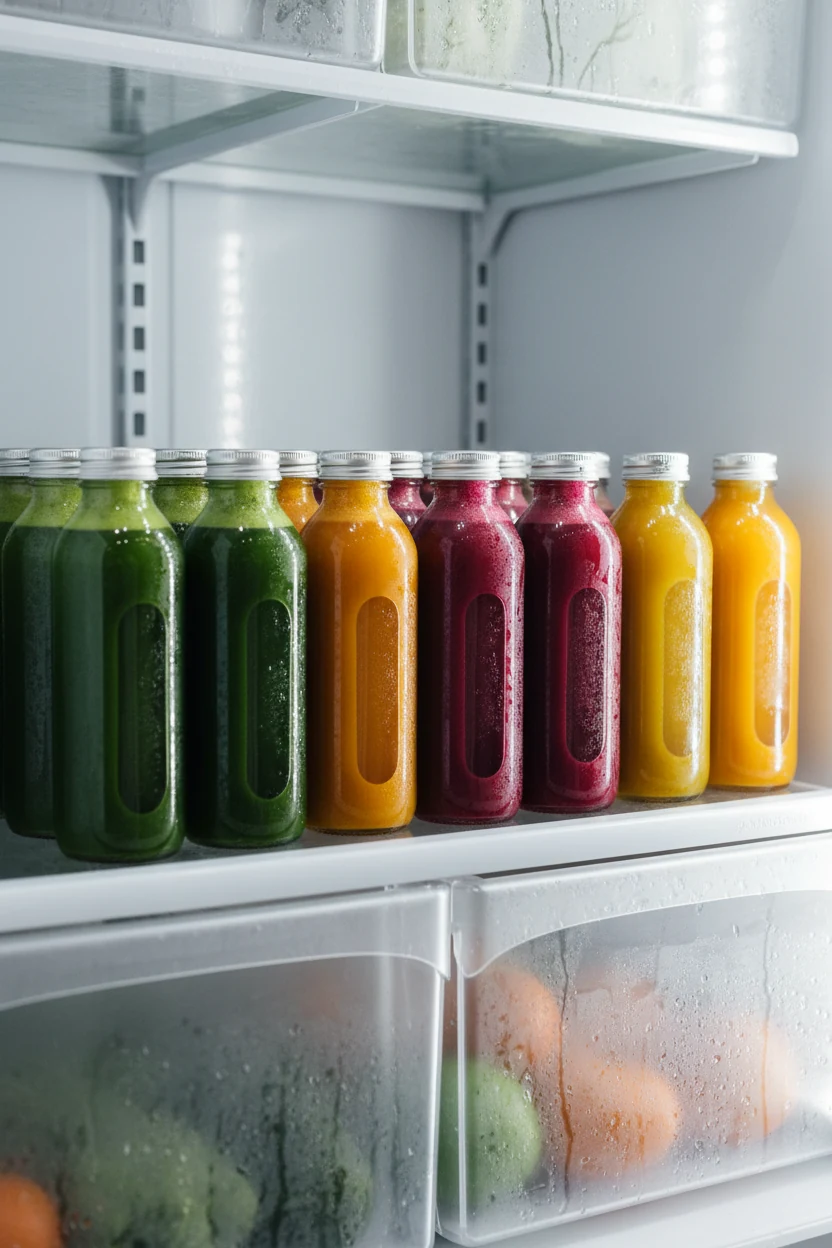
Air, heat, and light are your enemies here. Store juice in airtight, opaque bottles if possible and keep it in the coldest part of your fridge. A squeeze of lemon or lime slows oxidation and keeps color bright.
For best quality, drink within 24 hours. You can push to 48 hours for low-oxidation blends (carrot, beet), but flavors soften and nutrients decline. Want to go longer? Freeze in ice cube trays and blend with water or sparkling later.
Give stored juice a quick shake before drinking. If separation happens, that’s normal. What isn’t normal? Funky smells or fizzing—pitch it and make a fresh batch.
Health Benefits
- Energy support: Beets supply dietary nitrates that can enhance blood flow and exercise performance. Carrots and apples add natural sugars for a clean lift.
- Immunity boost: Citrus brings vitamin C, while ginger and turmeric contribute compounds associated with antioxidant and anti-inflammatory effects.
- Hydration: Cucumber, watermelon, and celery are water-rich, helping you rehydrate quickly—clutch after workouts or hot days.
- Gut comfort: Ginger can help with nausea and mild digestive discomfort. A tiny pinch of sea salt aids electrolyte balance in the watermelon blend.
- Micronutrient variety: Mixing colors covers more bases—beta-carotene from carrots, betalains from beets, bromelain from pineapple, and lycopene from watermelon.
Pitfalls to Watch Out For
- Too much fruit = sugar spikes. Keep it to two fruit servings max per 12–16 oz glass. Bulk with cucumber, celery, or leafy greens.
- Fiber FOMO. Juicing removes much of the fiber. Pair your juice with eggs, yogurt, nuts, or a chia pudding to steady blood sugar. TBH, your future self will thank you.
- Skipping the acid. Lemon or lime isn’t just flavor—it balances sweetness and slows browning. Don’t skip the squeeze.
- Dirty gear. Residue turns rancid fast. Disassemble and clean your juicer thoroughly after each use to avoid off flavors and, you know, germs.
- Medical considerations. If you take meds that interact with grapefruit or high-vitamin K greens, adjust accordingly. Kidney stone history? Go lighter on high-oxalate ingredients like beet and spinach. When in doubt, check with a pro.
- Heat kills vibe. Hot kitchens and long sits on the counter degrade taste and nutrients. Chill produce and refrigerate juice ASAP.
Mix It Up
Use these ideas to riff while keeping flavors balanced and benefits strong.
- Swap greens: Replace spinach with romaine for a mellower taste, or with kale for a heartier, peppery backbone.
- Play with herbs: Basil loves strawberries and watermelon; mint lights up pineapple and cucumber; cilantro brightens tropical blends.
- Add gentle heat: A sliver of jalapeño or a dash of cayenne wakes up sweet blends. Start small—you’re not proving anything to anyone.
- Make a spritzer: Top half a glass of juice with sparkling water and ice for a lighter, longer sip.
- Boost with function: Add 1/2 teaspoon spirulina to green blends, or 1 tablespoon soaked chia to your glass for a fiber hit (stir well; let it sit 5 minutes).
- Season strategically: A tiny pinch of sea salt lifts watermelon and citrus. Freshly cracked black pepper helps turmeric play nice and shine.
FAQ
Can I make these with a blender instead of a juicer?
Yes. Blend everything with a little water, then strain through a fine-mesh sieve or nut milk bag. You’ll get a texture close to juice and keep more control over thickness. It’s slightly more work, but the payoff is solid.
What type of juicer works best?
Masticating (slow) juicers extract a bit more and handle greens well. Centrifugal juicers work faster and cost less, but they can foam more and oxidize quicker. IMO, use what you have and focus on good combos and fresh produce.
How long does fresh juice last?
At peak quality, 24 hours in the fridge if you store it airtight, filled to the brim, and cold. Lower-oxidation blends like carrot or beet can stretch to 48 hours. If it smells off or tastes fizzy, toss it.
Do I need to peel fruits and veggies?
Peel citrus (the pith is bitter) and thick-skinned roots like old beets if you dislike earthy notes. Apple, cucumber, and carrot skins are fine when well-washed. Always remove anything waxed or gnarly.
What can I do with the pulp?
Use veggie pulp in soups, veggie burgers, or savory muffins. Fruit pulp works in quick breads, sorbet, or compost. If you’re feeling extra, mix pulp with oats, eggs, and spices for no-waste fritters.
Is juicing good for weight loss?
It can help you eat more produce, but liquid calories add up fast. Keep servings reasonable, prioritize veggie-heavy blends, and pair juice with protein and healthy fats. The goal is nourishment, not starvation theater.
Are these recipes kid-friendly?
Yes—just go light on ginger and skip the jalapeño. Start with pineapple, watermelon, and orange-forward blends, then sneak in cucumber and spinach. Keep portions smaller for little stomachs.
Can I pre-batch for the week?
Batch up to two days at a time. Store in airtight bottles, filled to the top, and add a splash of lemon or lime. Freeze extra in cubes and thaw as needed or blend into spritzers.
My Take
Great juice isn’t a luxury; it’s a simple habit with compounding returns. Keep it cold, keep it balanced, and focus on vegetables first. Use fruit like a spotlight, not a flood light. If you try one blend today, make it Green Lightning—the lemon-ginger kick and mint cool-down make it a morning MVP. Nail the basics, then riff; that’s how your kitchen turns into your favorite juice bar, minus the $12 price tag and the line out the door.
Printable Recipe Card
Want just the essential recipe details without scrolling through the article? Get our printable recipe card with just the ingredients and instructions.