Pound Cake Recipes That Never Fail at Home
Bake a buttery, tight crumb cake with pro-level flavor, plus smart swaps and fixes for common baking fails.
Most desserts ask for your time, your patience, and your sanity. Pound cake asks for accuracy, then pays you back in slices that taste expensive. If your cakes come out dry, sunken, or weirdly rubbery, it’s not “bad luck,” it’s a few fixable moves. You’re about to get a reliable base formula, plus variations that make people ask, “Where did you buy this?” Spoiler: you didn’t.
This article centers on one classic batter you can master, then remix into multiple flavors without starting over. You’ll learn what actually matters: temperature, mixing, and baking cues that don’t lie. Once you nail those, pound cake becomes your low-drama, high-reward dessert for brunch, gifting, or “I need something impressive by 7 p.m.” situations.
The Secret Behind This Recipe
The “secret” isn’t exotic ingredients; it’s control. Pound cake depends on a stable emulsion of butter, sugar, eggs, and flour, so the crumb bakes tight, velvety, and sliceable. If your ingredients fight each other because they’re cold, the batter breaks, and the cake bakes up dense in the wrong way.
Use room-temperature butter, eggs, and dairy, then cream long enough to trap air but not so long that the butter warms into grease. Add eggs slowly so the mixture stays smooth, then keep flour mixing minimal so you don’t build a chewy loaf by accident. Think of it like a simple business plan: fewer steps, executed perfectly.
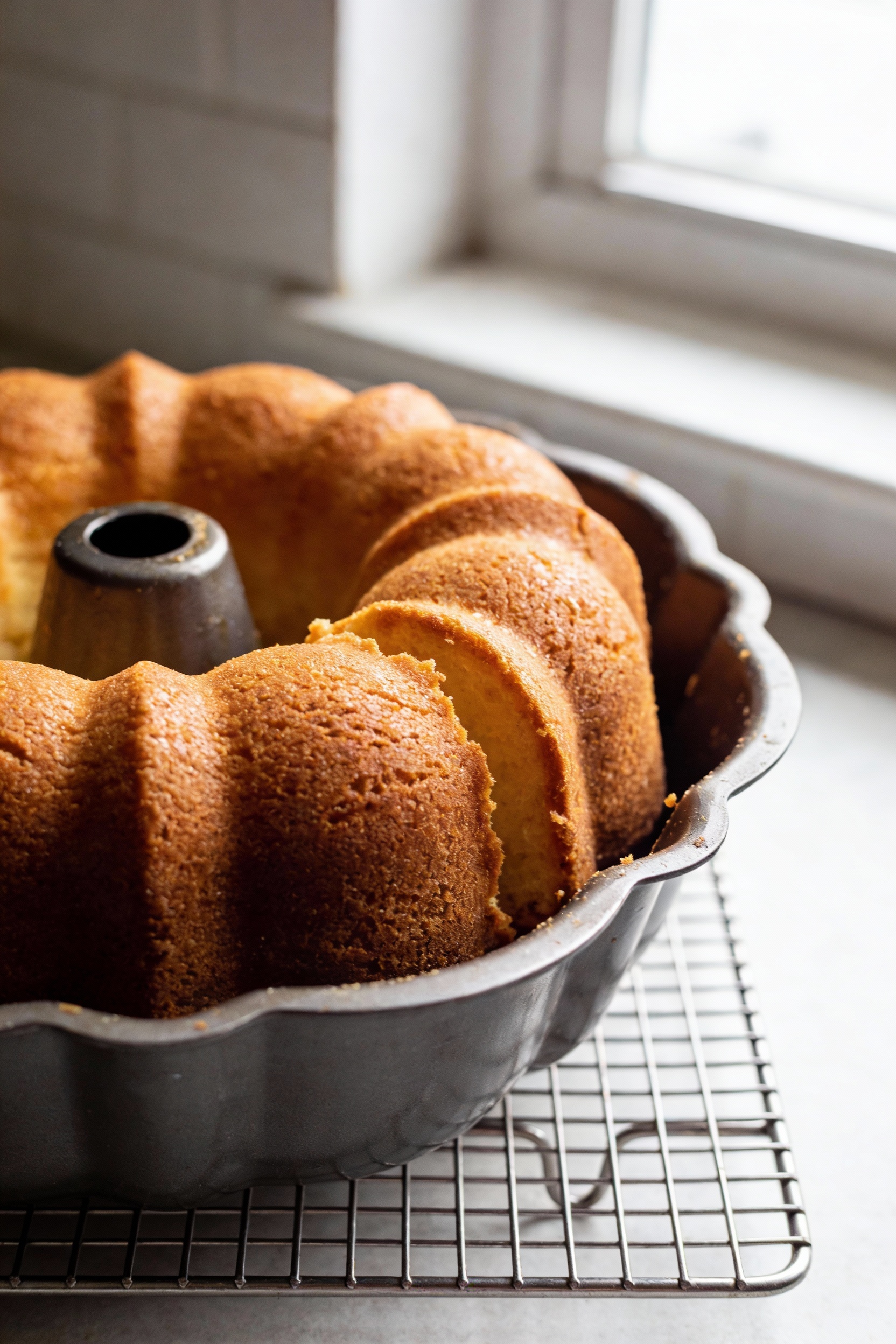
Finally, bake it low and steady. Pound cake loves a moderate oven that sets the edges without scorching the crust. You want a deep golden top, a clean tester, and a cake that pulls slightly from the pan, not a dramatic collapse like it just read your group chat.
What You’ll Need (Ingredients)
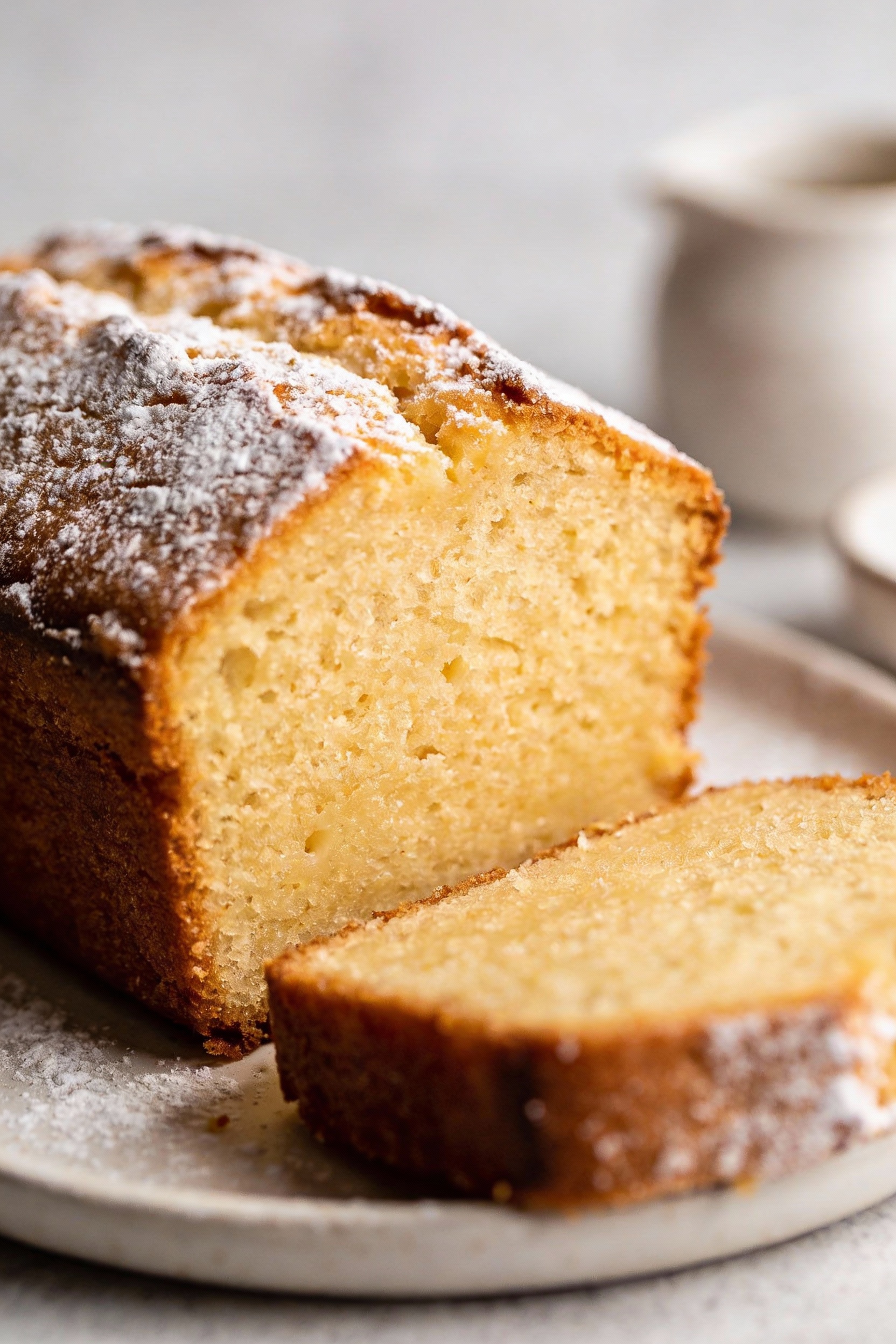
- Unsalted butter, room temperature: 1 1/2 cups (340 g)
- Granulated sugar: 2 1/2 cups (500 g)
- Large eggs, room temperature: 6
- Vanilla extract: 2 teaspoons
- Fine salt: 1/2 teaspoon
- All-purpose flour: 3 cups (360 g)
- Baking powder: 1/2 teaspoon
- Whole milk or buttermilk, room temperature: 3/4 cup (180 ml)
- Optional: finely grated lemon zest, 1 tablespoon
- Optional glaze: powdered sugar 1 cup (120 g) plus 2 to 3 tablespoons milk or lemon juice
Instructions
-
Prep the pan and oven. Heat oven to 325°F (165°C). Grease and flour a 10 to 12 cup Bundt pan, or line a 9×5 loaf pan with parchment and grease the sides.
-
Whisk dry ingredients. In a bowl, whisk flour, baking powder, and salt. This spreads the leavening evenly so you don’t get random “tunnels” later.
-
Cream butter and sugar. Beat butter and sugar on medium speed until pale and fluffy, about 4 to 6 minutes. Scrape the bowl halfway through, because ignoring the bowl walls is how lumpy batter wins.
-
Add eggs slowly. Add eggs one at a time, beating 20 to 30 seconds after each. If the batter looks slightly curdled, keep going; it usually smooths out once flour goes in.
-
Flavor it. Beat in vanilla (and lemon zest if using). Keep the mixer speed moderate so you don’t heat the butter too much.
-
Alternate flour and milk. Add the flour mixture in three additions, alternating with milk in two additions. Mix on low and stop as soon as you no longer see flour. Overmixing is the fastest route to “why is this chewy?”
-
Fill and level. Spoon batter into the pan and smooth the top. Tap the pan on the counter a couple times to release big air pockets.
-
Bake with patience. Bake 60 to 80 minutes for Bundt, or 70 to 90 minutes for loaf, depending on your pan and oven. Start checking at the 55 minute mark. The cake is done when a tester comes out clean and the top springs back when lightly pressed.
-
Cool the right way. Cool in the pan 15 minutes, then invert onto a rack and cool completely. If you glaze, wait until the cake cools or the glaze will melt into “sticky sadness.”
-
Optional quick glaze. Whisk powdered sugar with milk or lemon juice until pourable. Drizzle over cooled cake and let set 10 minutes before slicing.
Keeping It Fresh
Pound cake stores like a champ because the crumb is tight and rich. Keep it at room temperature, wrapped well, for 3 to 4 days. If your kitchen runs hot or humid, store it in an airtight container to prevent that tacky exterior.
For longer storage, freeze slices. Wrap each slice in plastic wrap, then place in a freezer bag and freeze up to 2 months. Thaw at room temperature for 30 to 60 minutes, or warm gently so it tastes like you “just baked it” (your secret is safe, IMO).
If you used a glaze, let it set fully before wrapping, or the wrap will weld itself to the top. If the cake feels a little dry on day four, toast a slice and add butter or berries. Yes, more butter on butter cake is a lifestyle choice.
Health Benefits
Let’s not pretend this is a kale smoothie. Still, pound cake can fit into a balanced life when you treat it like a portion-controlled indulgence. A small slice satisfies cravings better than chasing “diet desserts” that taste like compromise.
Eggs and milk add protein, plus calcium and B vitamins. If you add citrus zest, you get extra aroma and flavor so you can use a slightly smaller slice and still feel like you won. Pair it with fruit and plain yogurt for a more balanced plate, FYI.
If you want a lighter option, you can reduce sugar modestly or swap part of the flour for almond flour, but expect texture changes. Pound cake’s magic lives in its ratios, so tweak like a scientist, not like a random-number generator.
Common Mistakes to Avoid
-
Cold ingredients. Cold eggs and milk can make the batter split, which can lead to heavy texture and uneven rise.
-
Under-creaming butter and sugar. If you stop at “mixed,” you miss the air that helps the cake rise and stay tender.
-
Overmixing after flour. Once flour goes in, mix gently and briefly. Too much mixing develops gluten and turns tender cake into chew city.
-
Wrong pan prep. Bundt pans need thorough greasing and flouring, especially in the grooves. One missed spot and your cake tears like a bad breakup.
-
Overbaking. A few extra minutes can dry it out. Use visual cues, a tester, and oven knowledge, not vibes.
-
Slicing too soon. Warm pound cake crumbles more and can taste gummy. Let it cool so the crumb sets.
Mix It Up
Once the base works, flavor variations become plug-and-play. Keep the structure the same, and swap small components so you don’t sabotage the crumb. Here are crowd-pleasers that feel like completely different cakes.
-
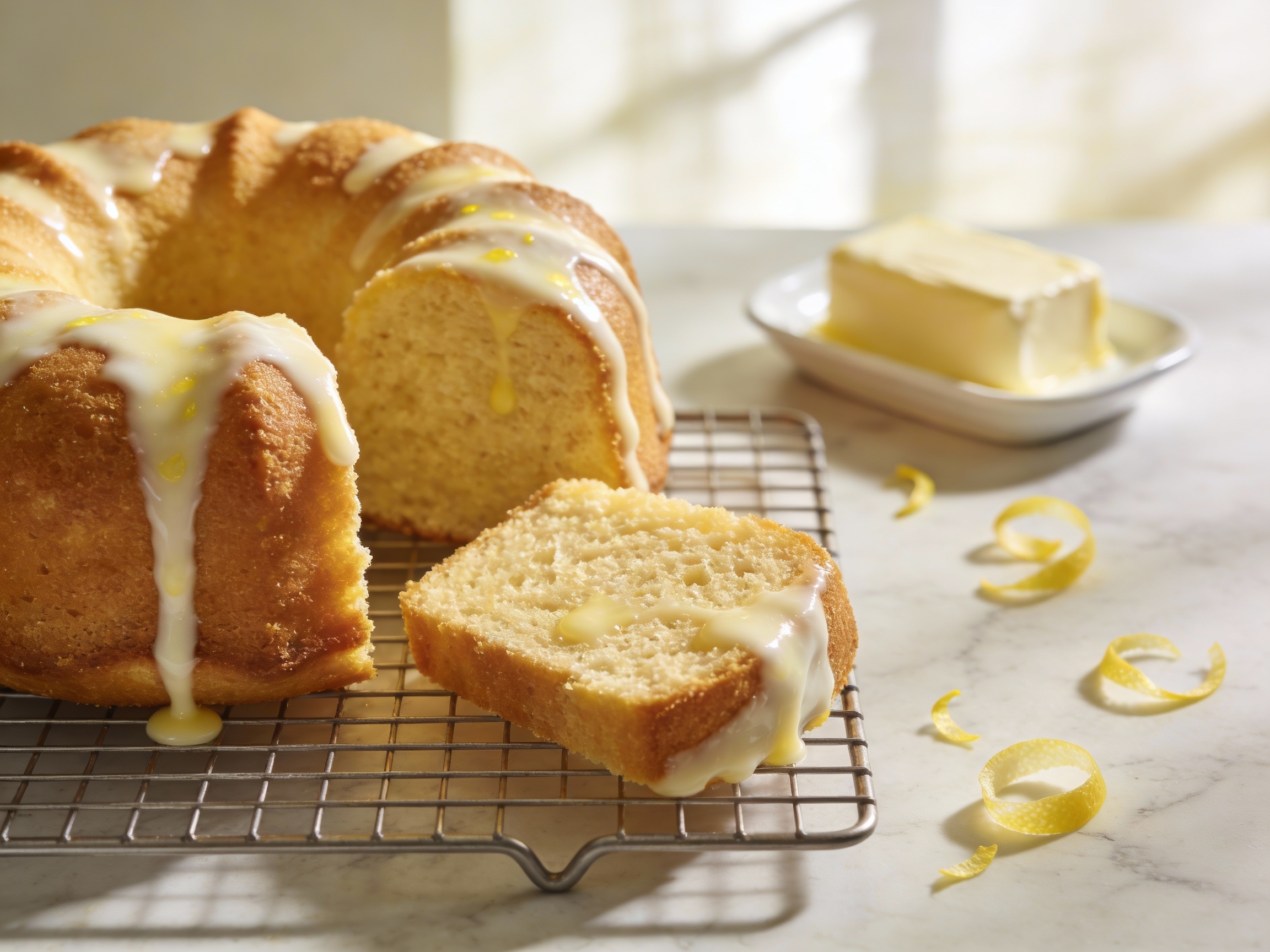
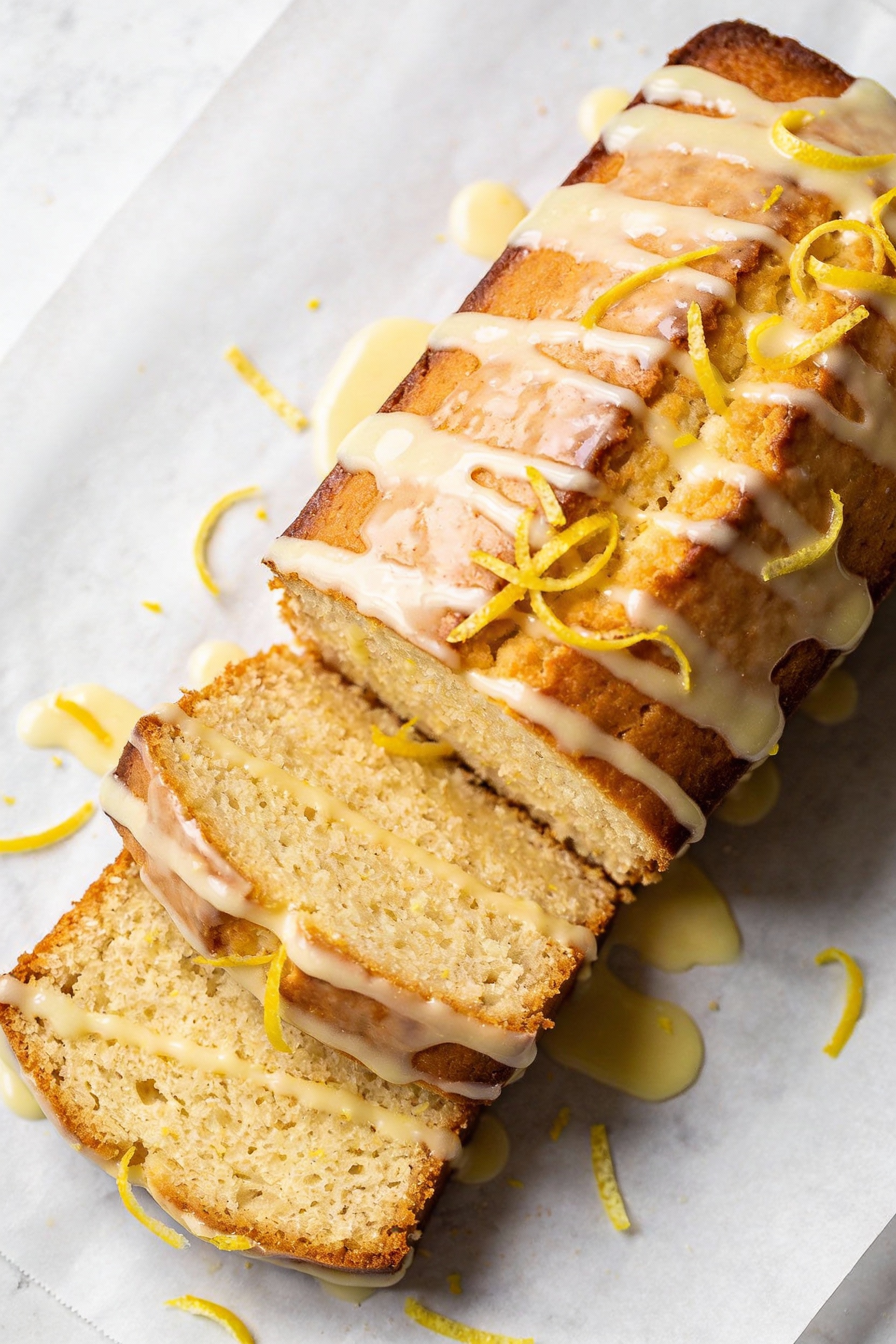
Lemon loaf. Add 1 tablespoon lemon zest and replace 2 tablespoons milk with lemon juice. Finish with lemon glaze.
-
Vanilla bean. Use 1 tablespoon vanilla bean paste instead of extract for bigger aroma and those tiny specks.
-
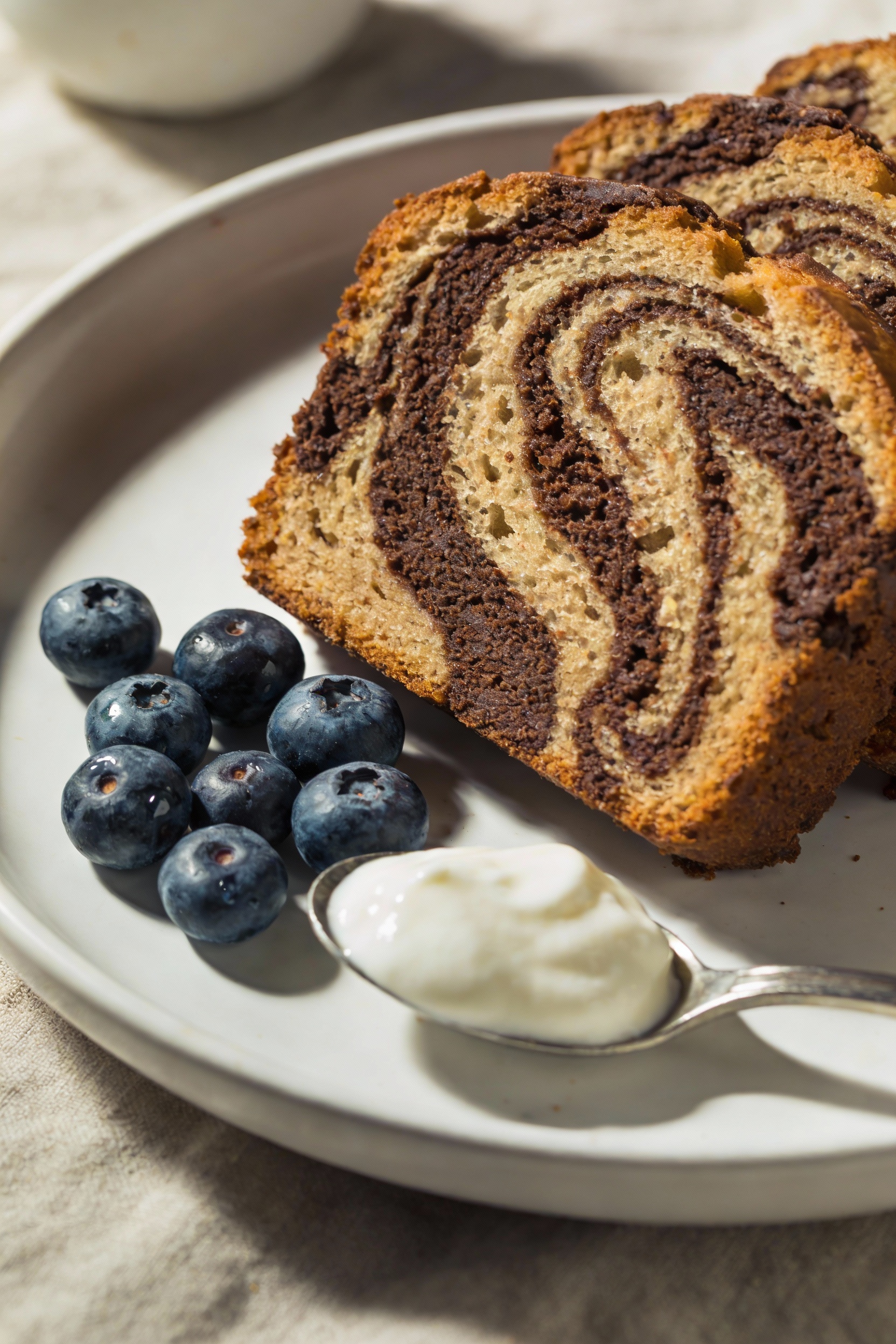
Chocolate marble. Remove 1 cup batter, mix with 2 tablespoons cocoa plus 1 tablespoon milk, then swirl into the pan with a knife.
-
Brown butter. Brown half the butter, cool until solid but soft, then cream with the remaining butter. Nutty flavor, bakery vibes.
-
Almond. Replace vanilla with 1 teaspoon almond extract and add 1/2 cup sliced almonds on top for crunch.
-
Berry burst. Fold in 1 to 1 1/2 cups blueberries tossed with 1 tablespoon flour. Use a loaf pan for best support.
FAQ
Why is my pound cake dry even when I follow the recipe?
Dryness usually comes from overbaking or measuring too much flour. Use a kitchen scale if you can, and start checking early since ovens vary. Also wrap the cooled cake well; exposure to air dries it fast.
Can I use cake flour instead of all-purpose flour?
Yes. Cake flour makes a finer, softer crumb. Swap by weight if possible, and expect the cake to feel a bit lighter and less “classic dense.”
What’s the best pan for pound cake?
A Bundt pan gives even baking and a pretty crust-to-crumb ratio. A loaf pan works too, but it often needs longer baking and careful tenting if the top browns too quickly.
How do I know when it’s done without overbaking?
Look for a deep golden top, slight pulling from the pan edges, and a tester that comes out clean. The center should spring back when lightly pressed. If the cake jiggles, it needs more time.
Can I make it ahead for a party?
Yes, and it’s often better the next day because flavors settle. Bake, cool completely, wrap tightly, and glaze or dust with powdered sugar shortly before serving.
Why did my cake sink in the middle?
Common causes include underbaking, opening the oven door too early, or too much air from aggressive mixing late in the process. Make sure your baking powder is fresh and your oven temperature is accurate.
The Bottom Line
Pound cake rewards basics done right: room-temperature ingredients, proper creaming, gentle mixing, and patient baking. Master the base and you’ll have a dependable dessert that slices clean, travels well, and upgrades any coffee break. Then take the same batter and remix it into lemon, marble, almond, or brown butter when you want extra attention without extra work.
Printable Recipe Card
Want just the essential recipe details without scrolling through the article? Get our printable recipe card with just the ingredients and instructions.