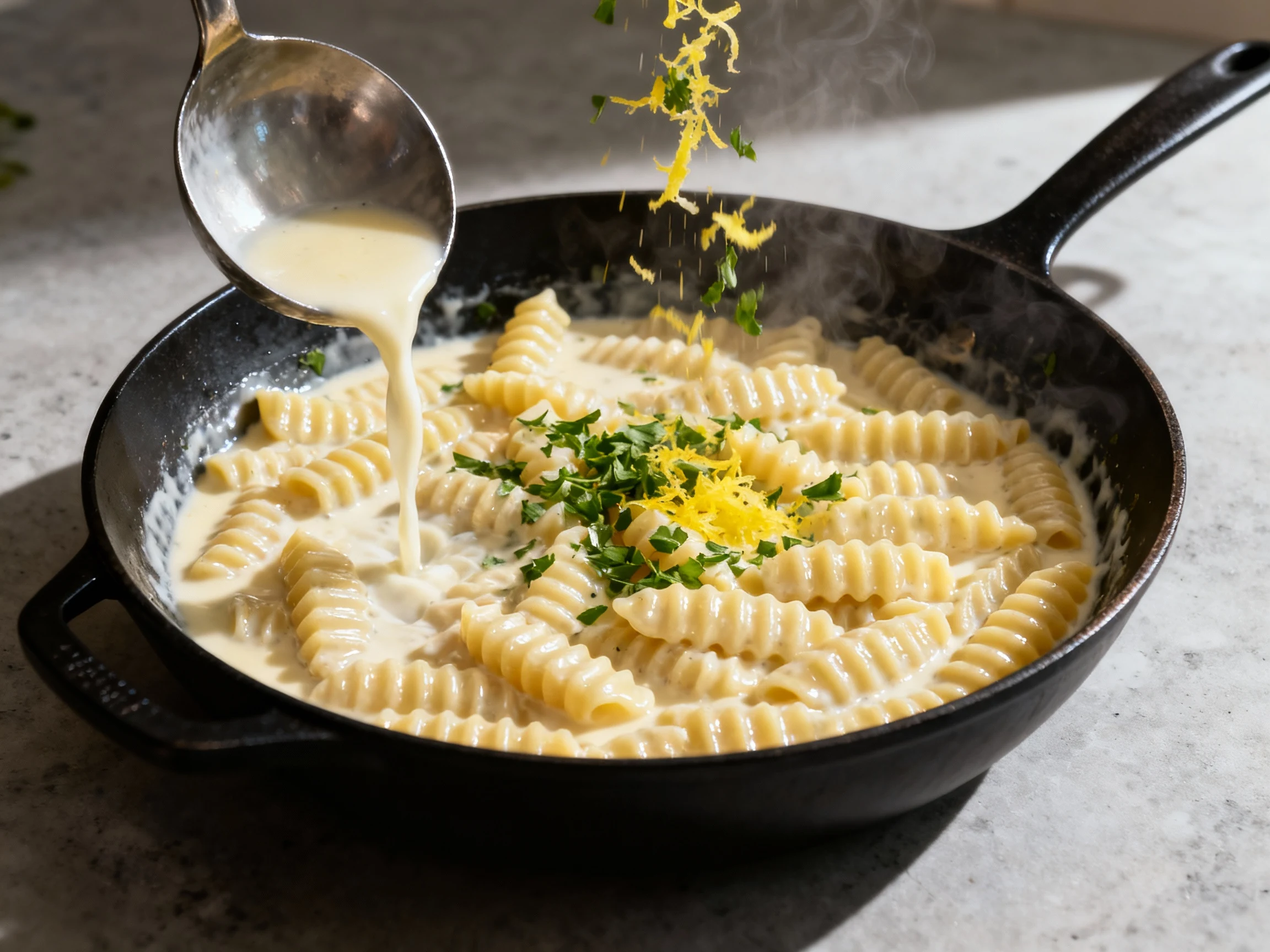
Creamy Pasta Recipes for Busy Weeknights That Wow
Silky sauces, fast prep, and big flavor—learn tricks to make weeknight noodles taste restaurant-level without fuss.
You’re one pot away from the kind of weeknight win that makes takeout look like a bad habit. The secret isn’t dumping more cheese; it’s learning how to coax fat, starch, and heat into a glossy, clingy sauce. Five smart moves and your fork will twirl like a pro—no culinary degree required. TBH, once you crack the code, you’ll cook from instinct and season like a boss. Ready to turn a Tuesday into a small celebration?
What Makes This Special
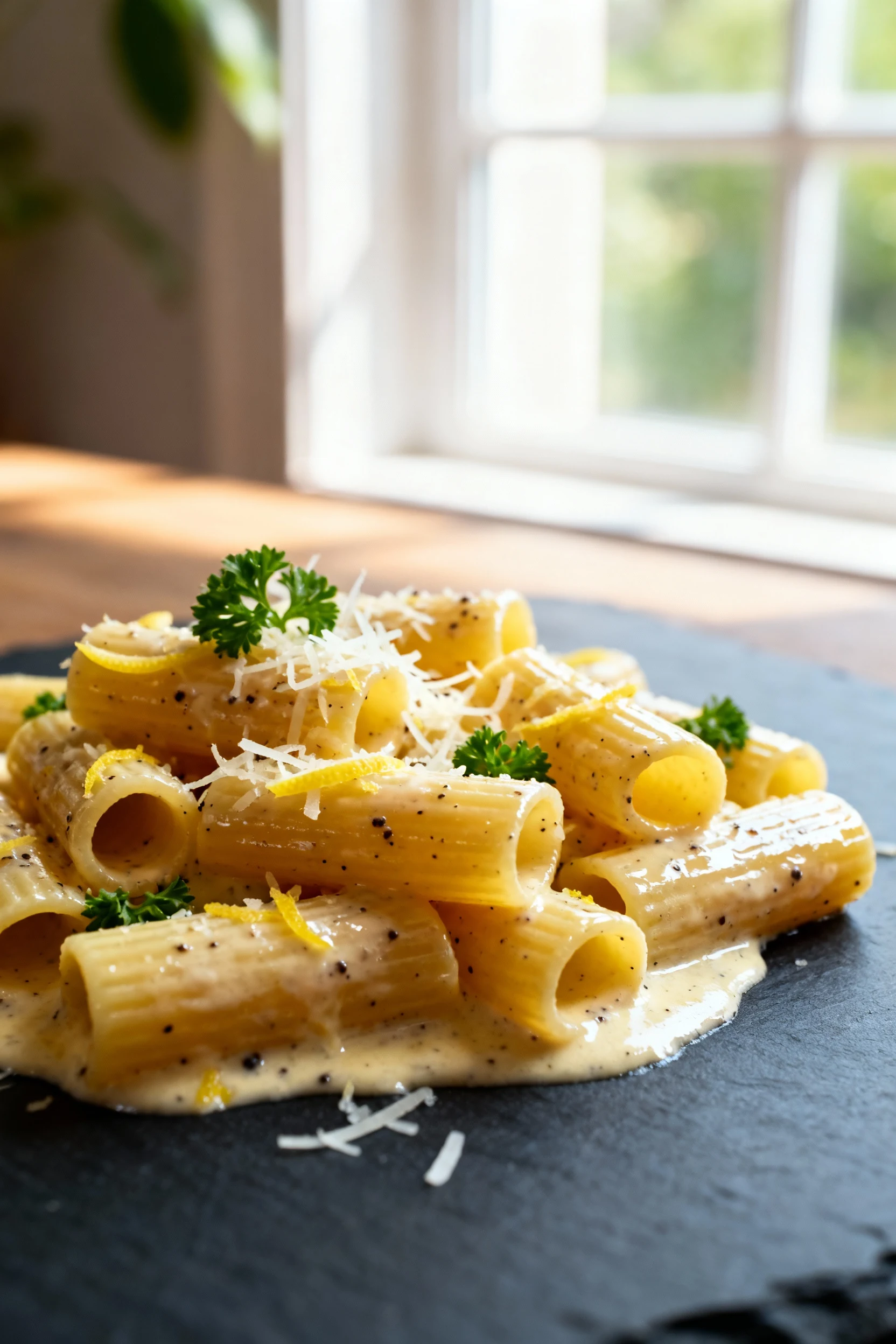
Most “creamy” pastas drown in dairy and still fall flat. This approach builds flavor first, then texture, so the cream enhances—not overwhelms. We lean on aromatics, acid, and umami to keep bites bright and craveable.
- Emulsion > thickness: The goal is a glossy sauce that hugs pasta. Use starchy pasta water to emulsify fat and cheese for that luxe, restaurant sheen.
- Layered flavor: Shallot, garlic, a splash of white wine, and lemon make cream feel lighter and more complex. No heavy, sleepy plates here.
- Cheese matters: Freshly grated hard cheese melts into silk. Pre-shredded? It fights you with anti-caking agents.
- Finish in the pan: Toss pasta in the sauce so starch releases and everything marries. IMO, this is the difference between “good” and “wow.”
- Flexible base: One method, infinite riffs—bacon and peas, miso mushrooms, lemon-spinach, or shrimp with a little heat.
Shopping List – Ingredients
Below is a base that serves 4 generously. Mix and match add-ins to create multiple creamy pasta styles without changing the core technique.
- 12 oz pasta (rigatoni, fusilli, radiatori, tagliatelle, or shells)
- Kosher salt (for well-salted pasta water)
- 2 tbsp unsalted butter
- 1 tbsp olive oil
- 2 cloves garlic, minced
- 1 small shallot, minced
- 1 cup heavy cream (or 3/4 cup heavy cream + 1/4 cup whole milk)
- 3/4 cup freshly grated Parmesan or Pecorino (avoid pre-shredded)
- 1/2–1 cup reserved pasta water (as needed)
- 1 tsp Dijon mustard (optional, helps emulsify)
- 1/2 tsp lemon zest + 1 tbsp lemon juice
- 1/4 tsp red pepper flakes (optional)
- 1/8 tsp freshly grated nutmeg (optional, warms the cream)
- Freshly ground black pepper + extra salt to taste
- Fresh herbs: parsley, chives, or basil for finishing
- Optional add-ins: 1 cup sautéed mushrooms; 1 cup peas; 2 cups spinach; 1 cup roasted cherry tomatoes; 6 oz cooked chicken; 8 oz shrimp; 4 oz bacon/pancetta
- Optional umami boosters: 1–2 tsp white miso or 2 anchovy fillets
- Optional deglaze: 1/4 cup dry white wine
- Crunchy topper (recommended): 1/2 cup toasted breadcrumbs or pangrattato
The Method – Instructions
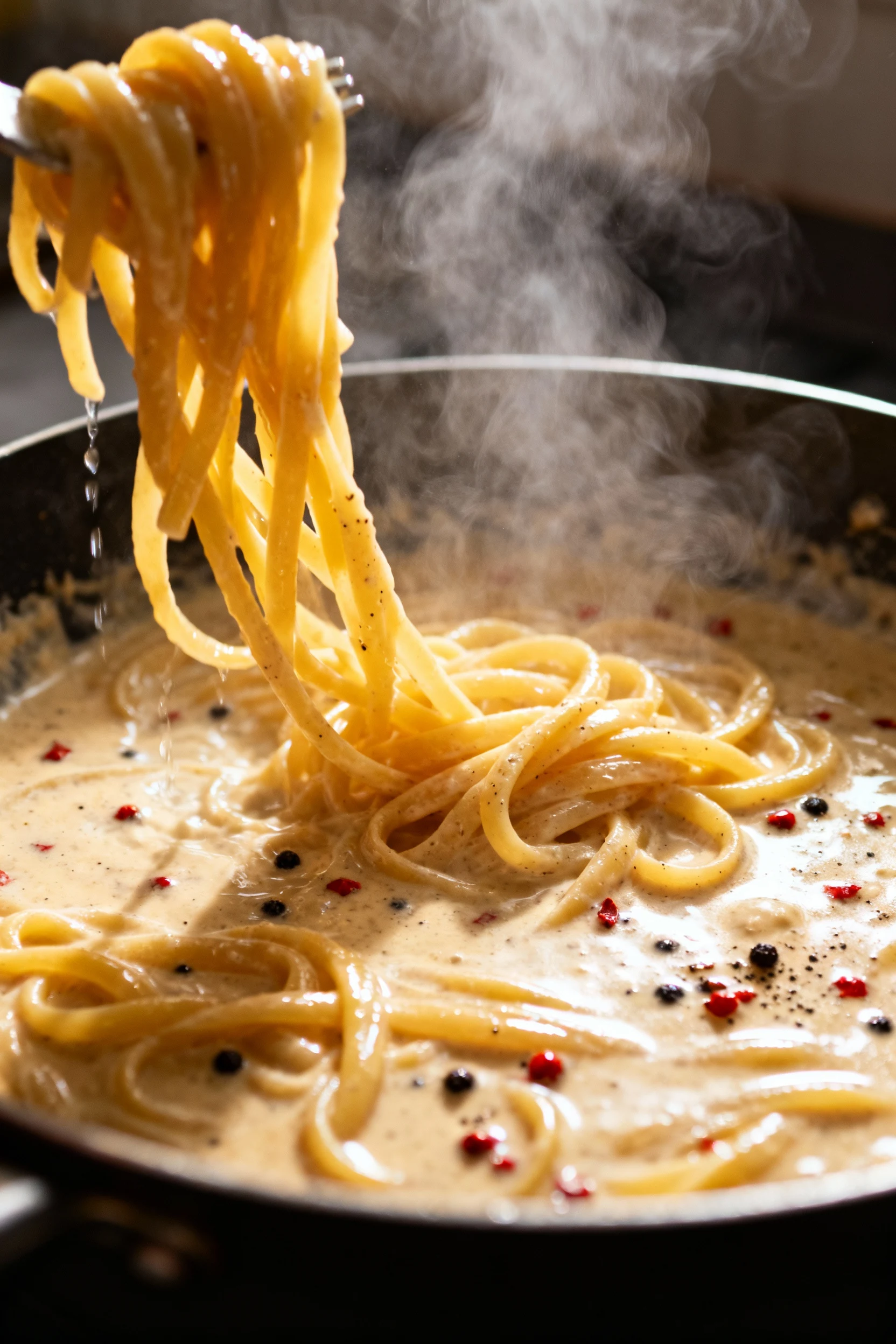
- Salt the water like you mean it. Bring a large pot of water to a boil and salt until it tastes pleasantly briny. Cook pasta until just shy of al dente. Reserve 1½ cups pasta water before draining.
- Start the flavor base. In a wide skillet, heat butter and olive oil over medium. Add shallot and a pinch of salt; sauté 2–3 minutes until translucent. Stir in garlic for 30–45 seconds until fragrant, not browned.
- Deglaze (optional but recommended). Add white wine and simmer 60 seconds to cook off alcohol, scraping up the tasty bits. If skipping wine, add a splash of pasta water instead to deglaze.
- Warm the cream—don’t boil. Pour in heavy cream, nutmeg, and red pepper flakes. Bring to a gentle simmer; keep it shy of a full boil so the fat doesn’t separate. Season lightly with salt and plenty of black pepper.
- Emulsify with cheese. Off the heat, whisk in Parmesan a handful at a time. Add 2–4 tbsp pasta water and the Dijon to help the sauce go glossy. Return to low heat and whisk until smooth.
- Marry the pasta to the sauce. Add drained pasta to the skillet. Toss vigorously, splashing in more pasta water as needed until every piece is coated. Aim for a sauce that clings and slides, not a thick paste.
- Brighten and finish. Stir in lemon zest and juice. Fold in your chosen add-ins (pre-cooked if needed) until warmed through. Off heat, shower with herbs and a final hit of black pepper.
- Top and serve. Taste, adjust salt, and add extra cheese if you want. Sprinkle toasted breadcrumbs for crunch. Plate immediately while the sauce is at peak silkiness.
How to Store
Cream sauces are best fresh, but leftovers absolutely work with a little TLC. Store in an airtight container in the fridge for 3–4 days. Keep add-ins in mind: seafood has the shortest shelf life.
- Stovetop reheat: Warm gently over low heat with a splash of milk or water. Stir constantly until creamy again.
- Microwave: Heat in short bursts, stirring between rounds. Add a spoonful of liquid if it looks tight.
- Freezer: Not ideal for cream sauces—they can split. If you must, freeze the sauce separate from pasta and re-emulsify with warm dairy and pasta water.
- Pro tip: Undercook pasta by 1 minute if planning to reheat; it’ll finish on round two.
Nutritional Perks
This style delivers comfort with smart tweaks. Use whole-grain or legume pasta for bonus fiber and protein. Add veggies like spinach, peas, or roasted tomatoes to bring vitamins and color.
Cheese and cream offer calcium and protein, and olive oil contributes heart-healthy fats. Lemon and herbs brighten without extra calories, keeping the plate lively instead of heavy.
Want it lighter? Swap half the cream for evaporated milk or Greek yogurt (tempered to avoid curdling). Portion matters—serve with a crisp salad, and the macro balance starts looking very civilized.
Pitfalls to Watch Out For
- Boiling the cream: High heat can split the sauce. Keep it to a gentle simmer.
- Using pre-shredded cheese: Anti-caking agents block smooth melting. Grate it fresh.
- Undersalting the pasta water: Bland noodles never recover. Salt the pot early and properly.
- Overcooking pasta: Mushy noodles don’t absorb sauce well. Go al dente, then finish in the pan.
- Skipping acid: Without lemon or wine, the richness feels flat. A touch of acid wakes it up.
- Too thick, too fast: Add pasta water gradually and toss. If it seizes, loosen with more warm liquid.
- Cold add-ins: They shock the sauce. Warm proteins or veggies before folding in.
Recipe Variations
- Garlic-Parmesan Alfredo 2.0: Double the garlic, skip wine, and finish with extra Parmesan and black pepper. Add nutmeg for subtle warmth.
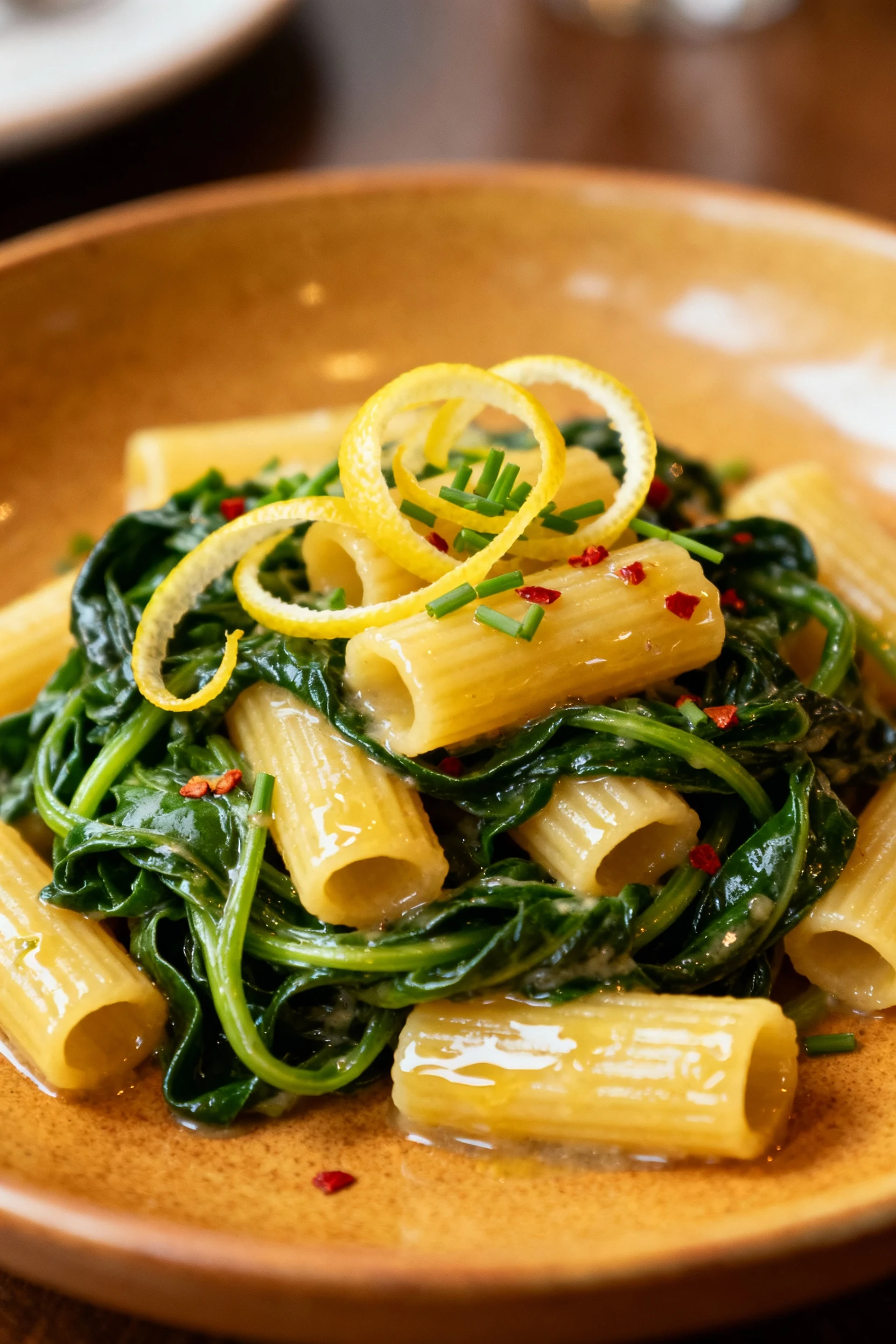
- Lemon Spinach Radiatori: Fold in 2 cups baby spinach until wilted. Boost lemon zest and juice; top with chives for a fresh finish.
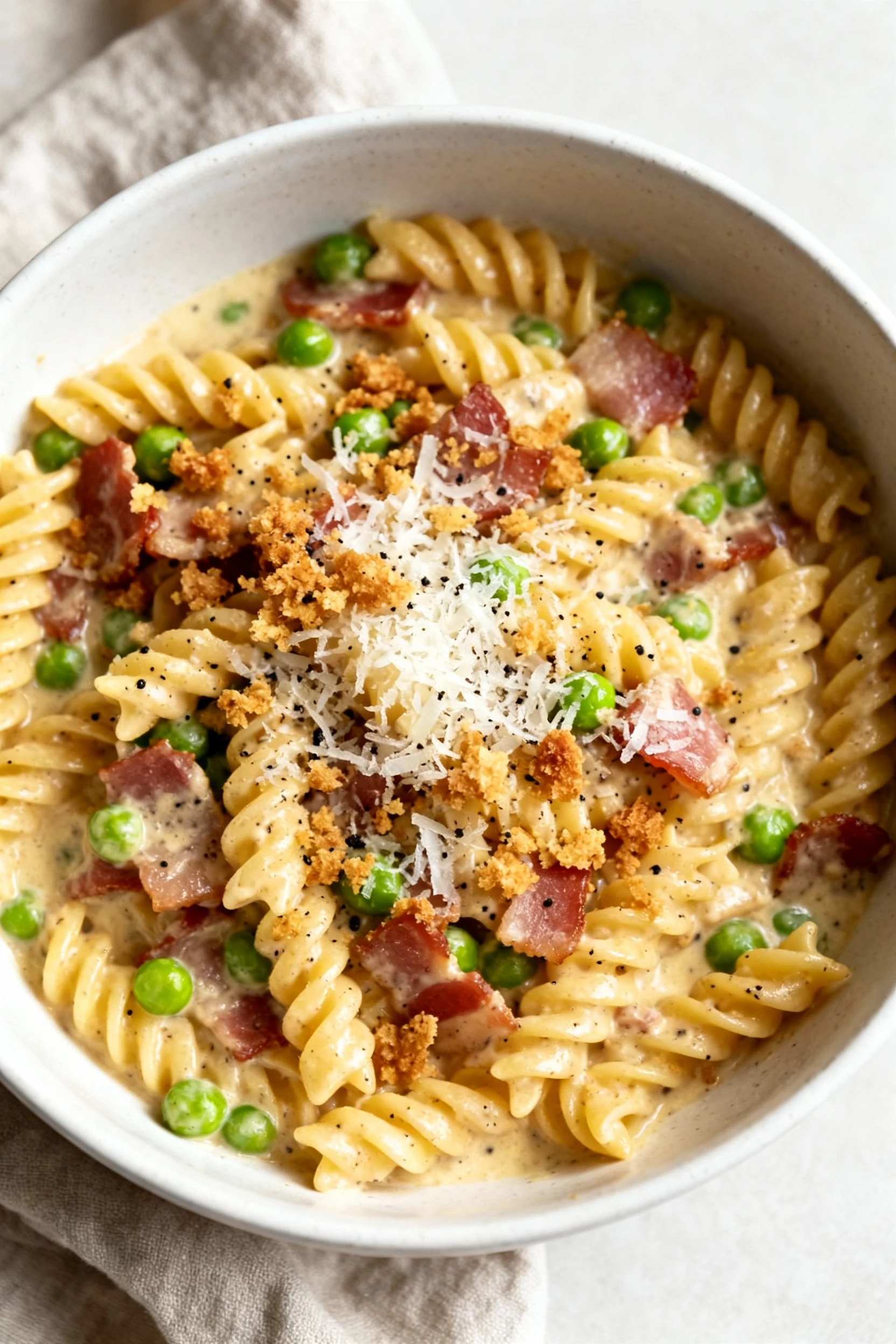
- Bacon & Sweet Pea Fusilli: Crisp 4 oz bacon or pancetta, remove, then build the sauce in the rendered fat. Toss in 1 cup peas and bacon at the end.
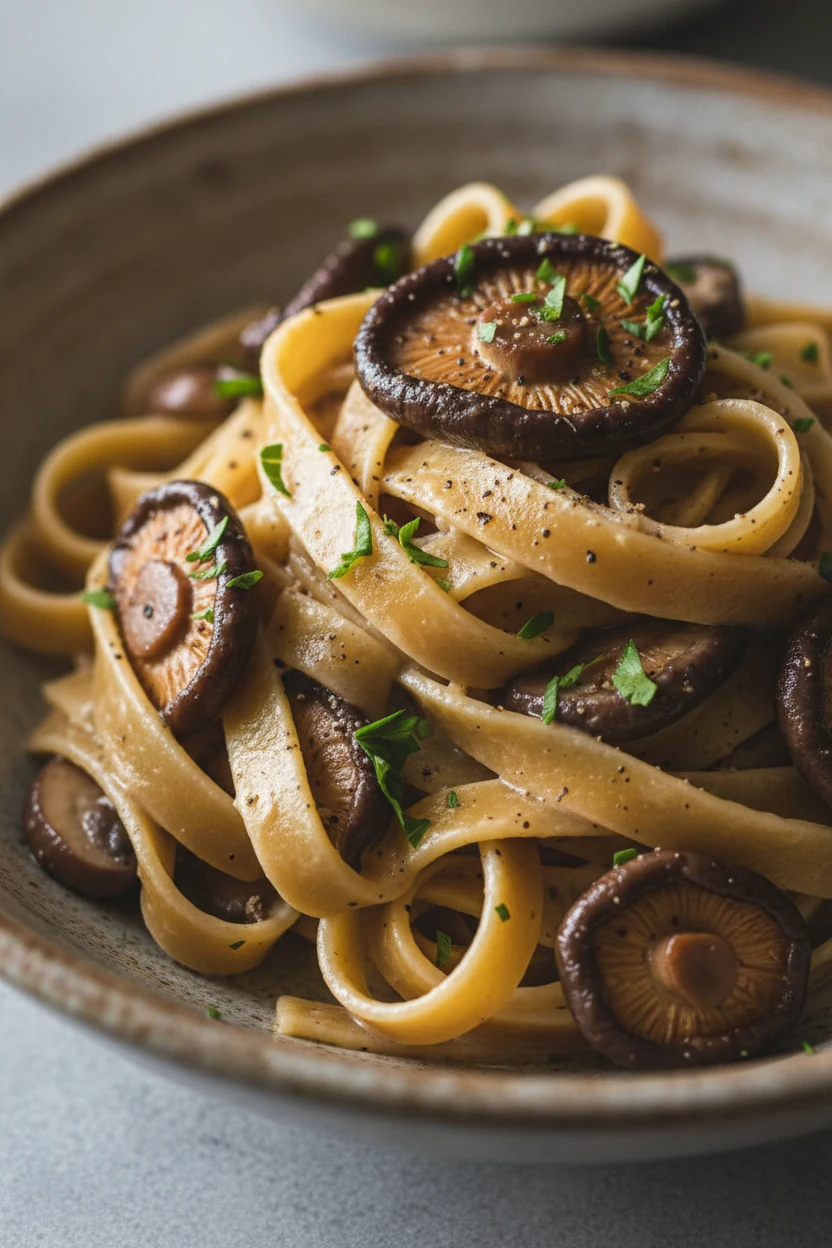
- Miso Mushroom Tagliatelle: Sauté 1 cup mushrooms until deeply browned. Whisk 1–2 tsp white miso into the sauce for umami magic.
- Smoked Salmon & Dill Farfalle: Fold in 4 oz flaked smoked salmon off heat. Add lemon and chopped dill; go light on extra salt.
- Pesto Cream Rigatoni: Stir 2 tbsp pesto into the finished sauce for basil-forward depth. Add cherry tomatoes for pop.
- Roasted Tomato Burrata Penne: Toss in 1 cup blistered cherry tomatoes. Plate and dot with torn burrata; drizzle olive oil.
- Chicken & Broccoli Comfort: Add 6 oz sliced cooked chicken and 1½ cups steamed broccoli. Finish with Parmesan and red pepper flakes.
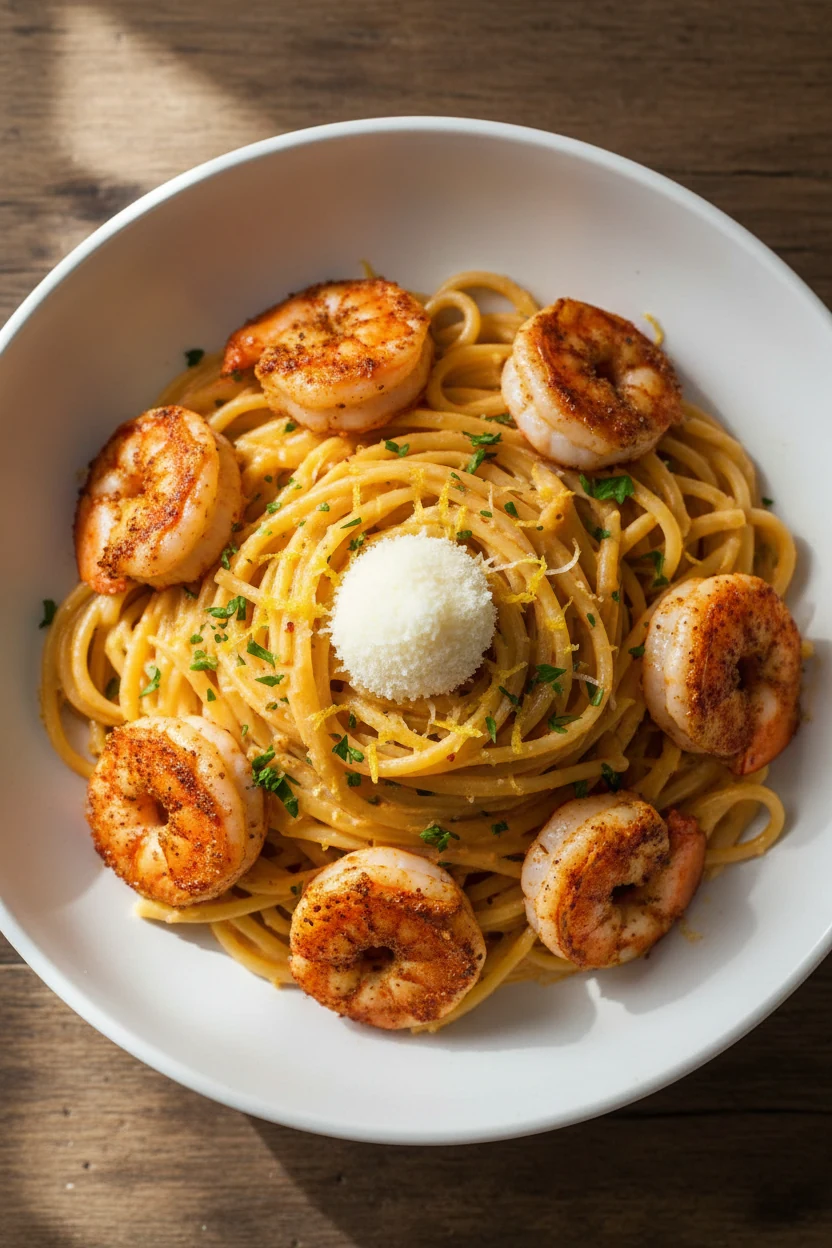
- Cajun Shrimp Cream: Season shrimp with Cajun spice, sear quickly, then fold into the base sauce. Balance heat with extra lemon.
- Vegan Cashew Cream Shells: Swap dairy with 1 cup cashew cream, nutritional yeast, and veggie stock. Emulsify with pasta water and finish with lemon.
FAQ
Which pasta shapes work best for creamy sauces?
Short, ridged shapes like rigatoni, fusilli, and radiatori hold creamy sauce in every groove, while broad noodles like tagliatelle offer a luxurious twirl. Shells are great for trapping peas and bacon. Long spaghetti can work, but you’ll get better cling with ridges or curves.
Can I substitute heavy cream?
Yes—evaporated milk, half-and-half, or a 50/50 mix of whole milk and mascarpone can get you close. Greek yogurt works if you temper it off heat and keep the pan low, because high heat can curdle it. Coconut cream is a solid dairy-free option with a mild sweetness.
How do I prevent the sauce from splitting?
Keep the heat moderate, add cheese off heat, and use pasta water to emulsify gradually. Acid helps, but add lemon at the end. If it starts to break, whisk in a splash of warm pasta water and a knob of butter to bring it back together. FYI, boiling is the enemy—gentle simmer is your friend.
What’s the right salt level for pasta water?
Think the sea: about 1–2 tablespoons kosher salt per 4 quarts of water. Taste the water—it should be pleasantly briny. Properly seasoned noodles mean you won’t need to over-salt the sauce later.
Can I make it gluten-free?
Absolutely. Use your favorite gluten-free pasta and watch the cook time closely—it can go from firm to soft quickly. Reserve that cooking water; its starch still helps emulsify the sauce. A touch of xanthan gum is optional if you want extra insurance.
Do I need Parmesan specifically?
Parmesan melts into a smooth, savory base, but Pecorino adds a sharper bite and works beautifully. Grana Padano is a milder alternative. Avoid pre-shredded; grate fresh for the best melt and flavor.
Can I make it ahead?
It’s best made fresh, but you can prep elements. Cook pasta 1 minute shy of al dente, keep sauce warm, then combine just before serving with pasta water to loosen. If fully cooling, reheat gently with liquid to re-emulsify.
How do I reheat without drying out?
Low heat plus a splash of milk or water, and constant stirring. Stovetop is best because you control the emulsion. Microwave in short bursts, stirring often, and add liquid as needed to restore silkiness.
In Conclusion
Great creamy pasta isn’t about drowning noodles in dairy—it’s about smart technique and balanced flavor. Build a solid base, emulsify with starchy water, and finish with acid and herbs for lift. Once you nail that, every add-in becomes a new hit you can whip up on autopilot.
Pick a variation, grab fresh cheese, and set a timer. In 20 minutes, you’ll have a bowl that turns a busy night into a mini event—no reservations required.
Printable Recipe Card
Want just the essential recipe details without scrolling through the article? Get our printable recipe card with just the ingredients and instructions.