Mahi Mahi Recipes for Weeknights—bright Fast Restaurant Worthy Wins
Fast fish dinners with bright citrus, buttery sear, and minimal cleanup. Restaurant-level flavor in 20 minutes, promise.
You can cook fish that tastes like it came off a chef’s line without buying fancy gear or spending an hour babysitting a pan. The trick is simple: hot pan, quick sear, bold citrus, and a finish that screams “I pay attention.” Most people overcook fish because they fear the unknown; you’ll nail it because you’ll use the thermometer and trust the sizzle. Want buttery edges, a tender center, and flavors that pop like fireworks? This is your playbook—clean, fast, repeatable, and wildly craveable.
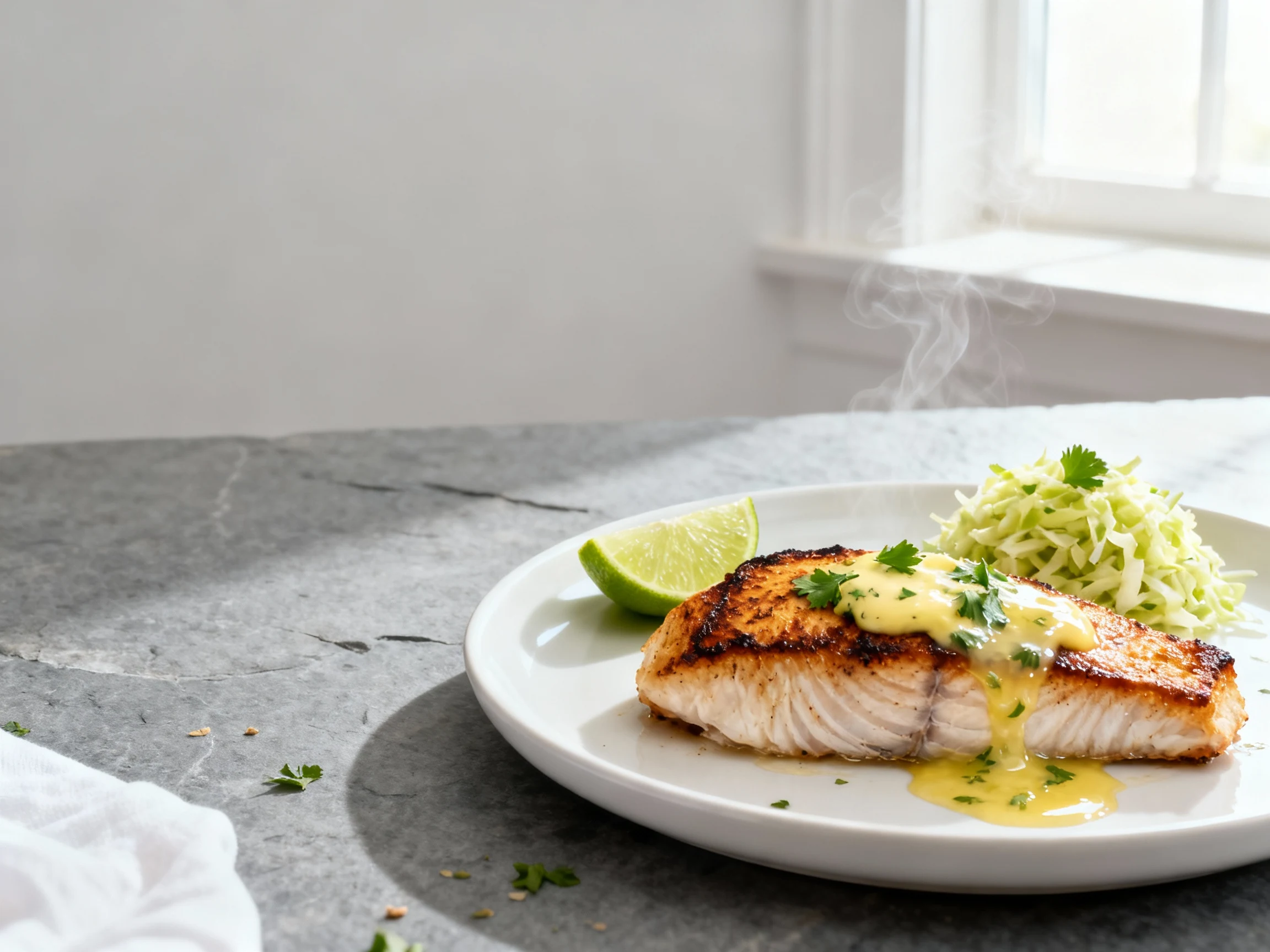
We’ll build a seared fillet with a punchy citrus herb butter and a crunchy, limey slaw to keep things fresh. If you’re thinking weeknight power move, this checks every box: speed, flavor, and leftovers that actually taste good. FYI, once you learn this method, you can riff endlessly and still get that restaurant-level result.
What Makes This Recipe Awesome
- Speed: From pan to plate in 20 minutes—no marinades, no drama.
- Texture: Deep golden crust outside, juicy flakes inside. That contrast? Chef magic.
- Flavor: Bright citrus, fresh herbs, and a touch of heat for balance. Nothing bland here.
- Flexible: Works in a skillet, on a grill, or under the broiler. Choose your adventure.
- Healthy-ish: High protein, clean fats, big flavors. You won’t miss heavy sauces.
- Minimal cleanup: One pan, quick slaw in a bowl, done.
Shopping List – Ingredients
For the Fish
- 4 mahi mahi fillets (about 6 oz each, skinless)
- 1 teaspoon kosher salt
- 1/2 teaspoon black pepper
- 1 teaspoon smoked paprika
- 1/2 teaspoon garlic powder
- 2 tablespoons olive oil
- 2 tablespoons unsalted butter
- 1 tablespoon fresh lemon juice
- 1 teaspoon lime zest
- Pinch red pepper flakes (optional)
Citrus Herb Butter
- 2 tablespoons unsalted butter, softened
- 1 clove garlic, finely minced
- 2 tablespoons chopped fresh parsley
- 1 tablespoon chopped fresh cilantro
- 1 teaspoon lemon zest
- 1/2 teaspoon honey (optional, for balance)
- Pinch sea salt
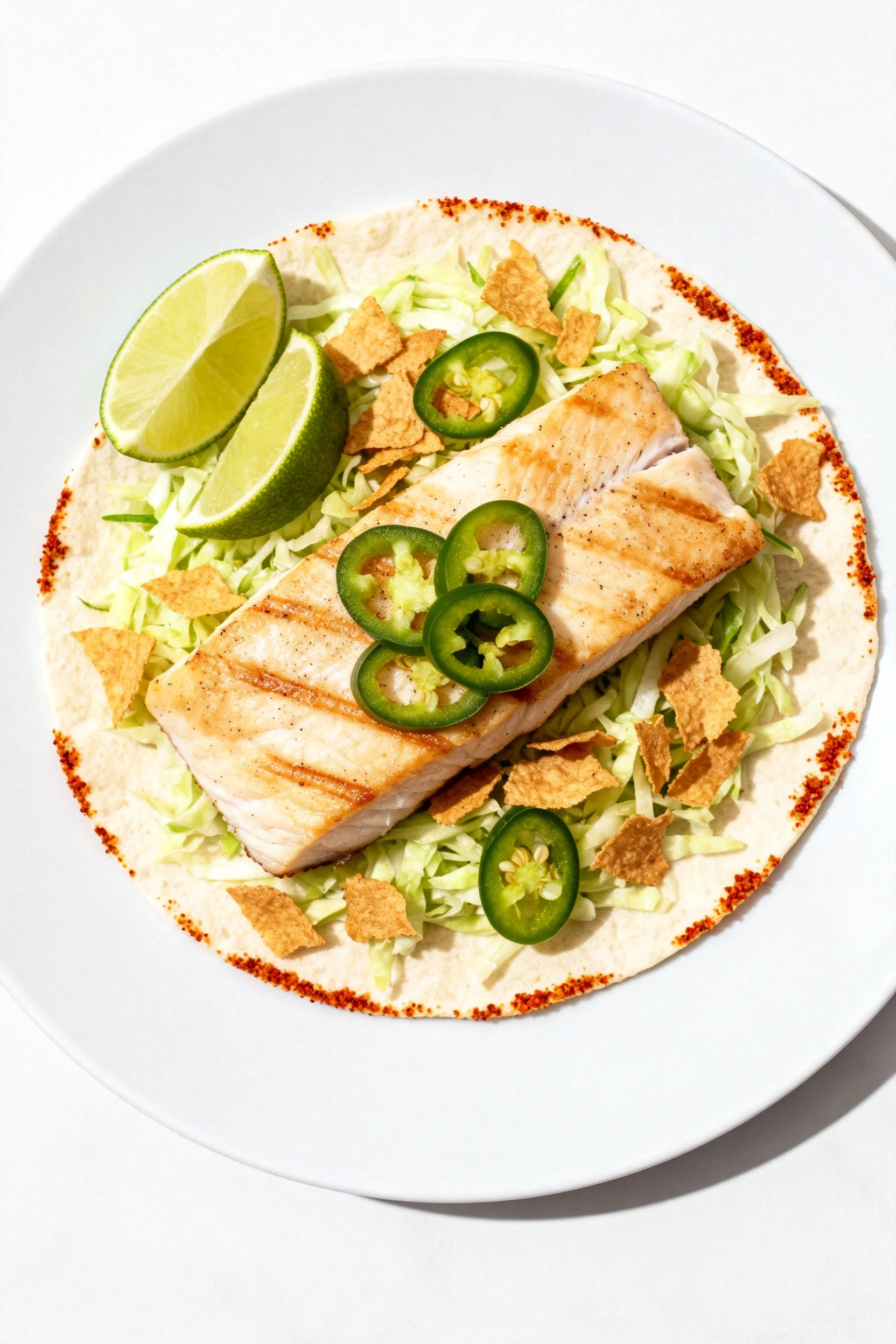
Quick Lime Slaw (Optional but Recommended)
- 2 cups shredded green cabbage (or a coleslaw mix)
- 2 tablespoons fresh lime juice
- 2 tablespoons mayonnaise or plain Greek yogurt
- 1 tablespoon olive oil
- 1 teaspoon honey
- 1/4 teaspoon kosher salt
- 1/4 teaspoon black pepper
- 1 small jalapeño, thinly sliced (optional)
How to Make It – Instructions
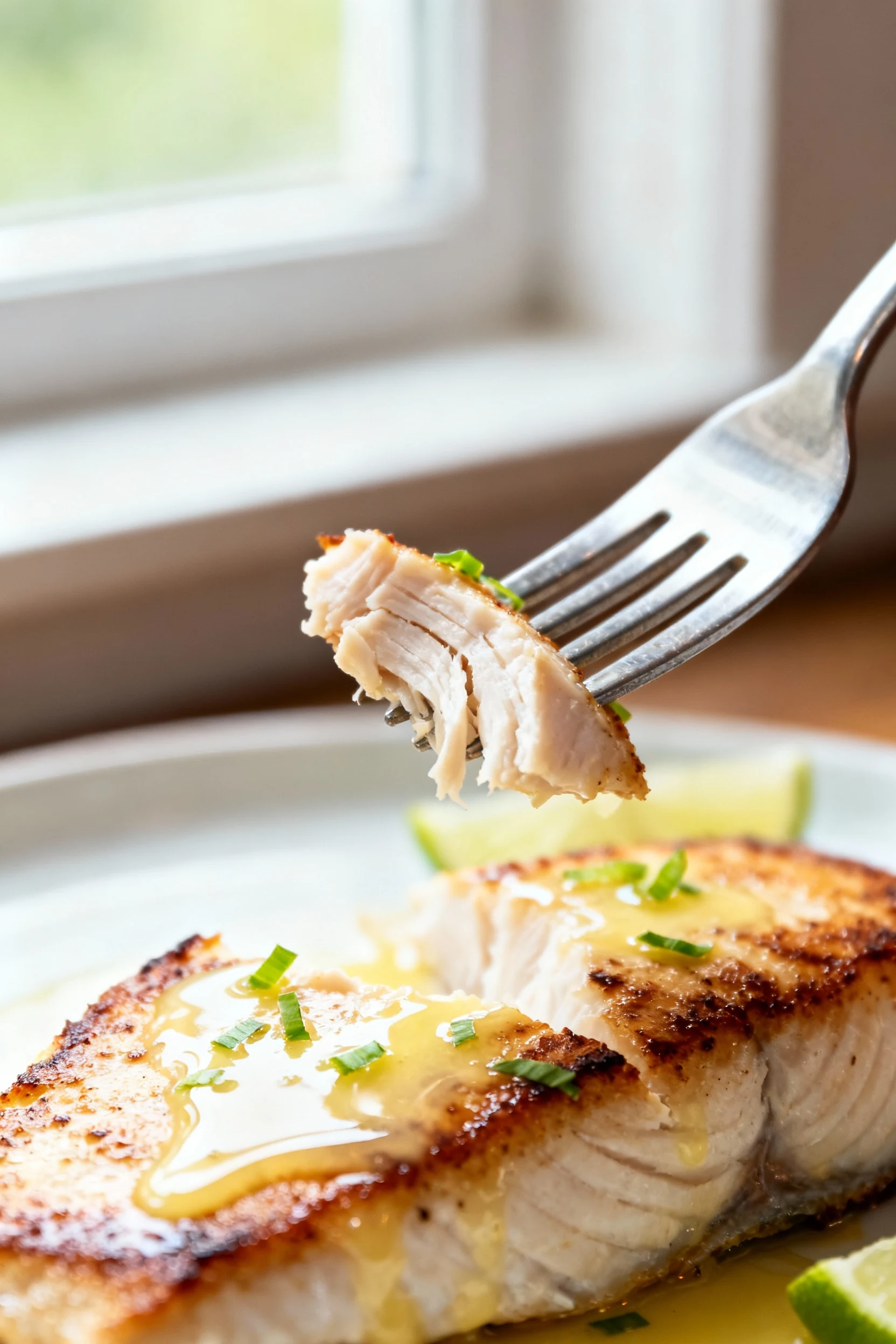
- Prep the fillets: Pat the fish very dry with paper towels. Season both sides with salt, pepper, smoked paprika, and garlic powder. Sprinkle lime zest over the top and press lightly so it sticks.
- Mix the citrus herb butter: In a small bowl, combine softened butter, garlic, parsley, cilantro, lemon zest, honey (if using), and a pinch of salt. Stir until smooth, then set aside. You’ll finish the fish with this.
- Make the slaw: In a bowl, whisk lime juice, mayo or yogurt, olive oil, honey, salt, and pepper. Toss with shredded cabbage and jalapeño. Taste and adjust brightness or salt. Chill while you cook.
- Heat the pan: Place a large nonstick or stainless skillet over medium-high heat. Add olive oil and heat until it shimmers (about 1 minute). If the oil isn’t hot, the fish won’t crisp—don’t rush this.
- Sear side one: Lay the fillets in the hot oil, presentation side down. Don’t crowd the pan. Press gently for 10 seconds to ensure even contact. Sear until the edges turn golden brown, 2–3 minutes.
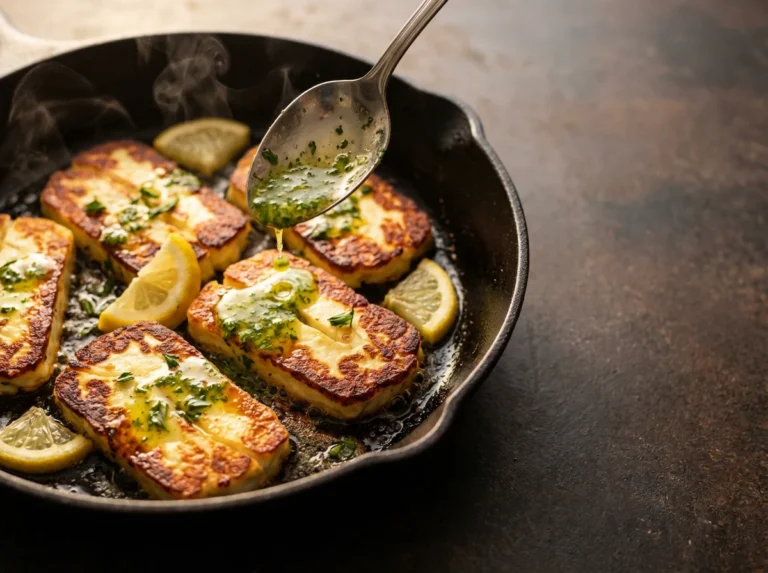
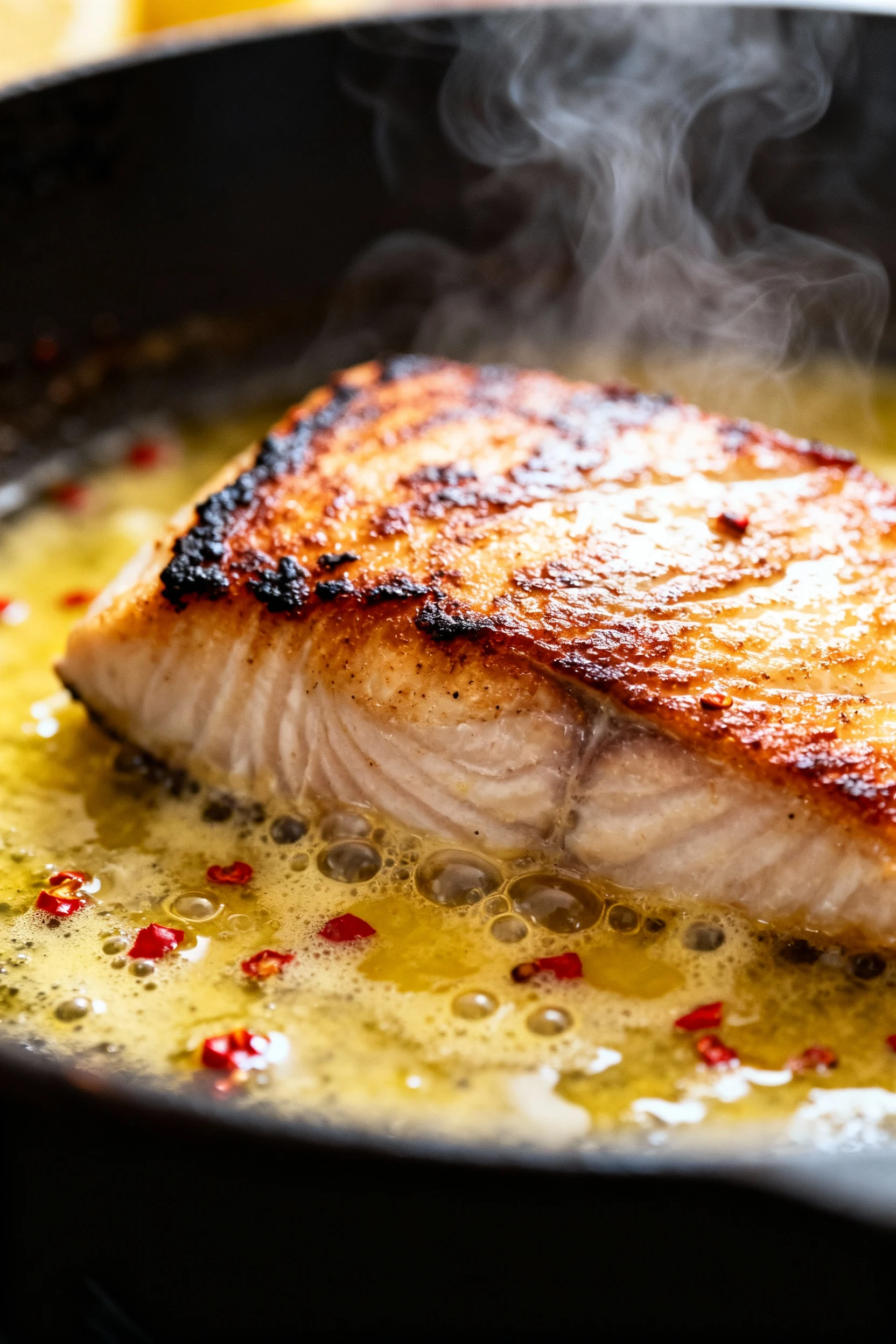
- Flip and baste: Flip the fillets. Add 2 tablespoons butter to the pan and tilt to pool. Spoon the butter over the fish repeatedly for 1–2 minutes. Splash in lemon juice and a pinch of red pepper flakes if you like heat.
- Check doneness: Aim for an internal temp of 130–135°F (juicy, tender). No thermometer? The center should be opaque with slight translucence and flake under gentle pressure.
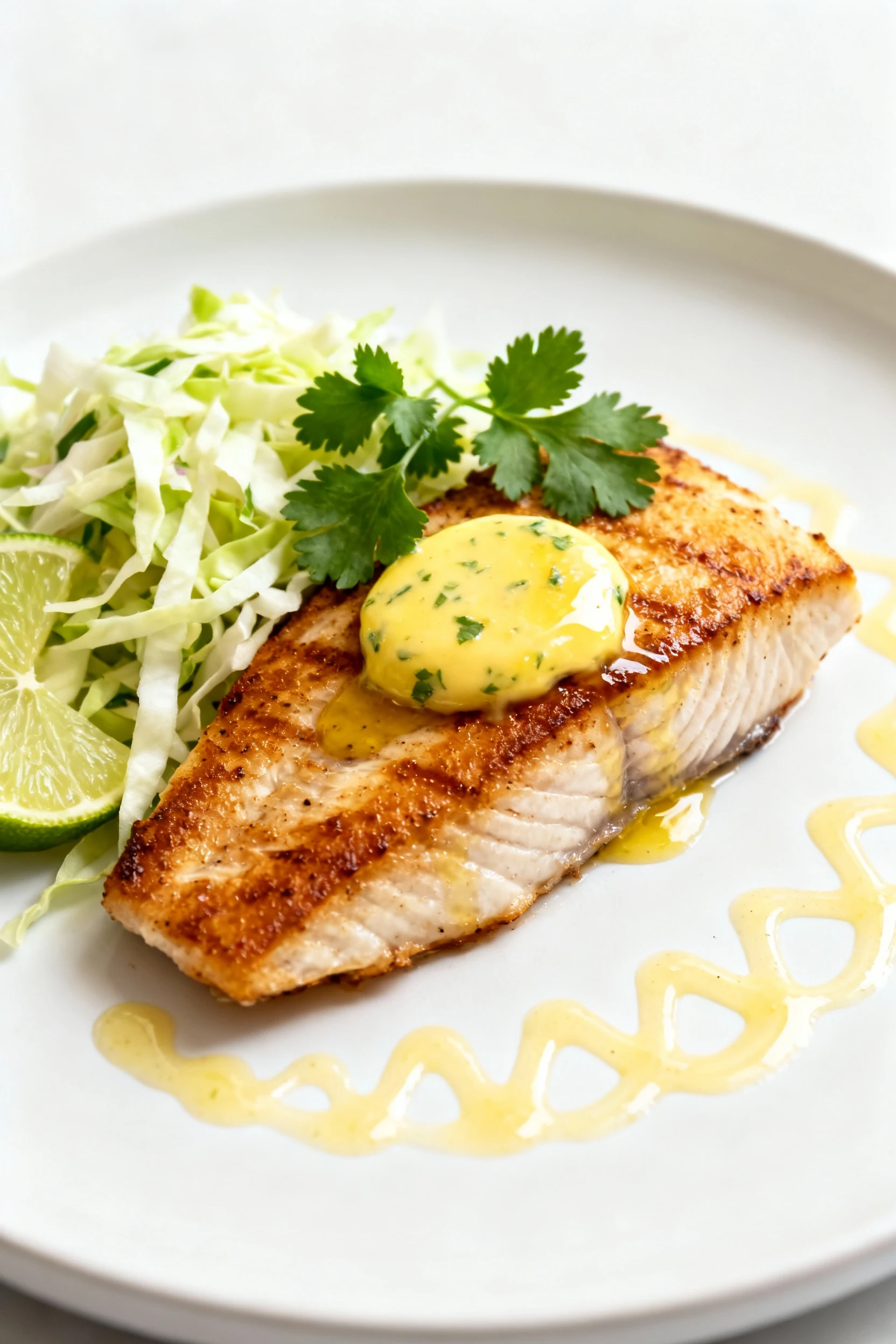
- Finish and rest: Transfer fillets to a plate. Top each with a dollop of citrus herb butter. Let rest 2 minutes so the butter melts and the juices settle.
- Serve: Pile the lime slaw onto plates, set the fish on top, and spoon any pan butter around. Add a final squeeze of lime if you’re a citrus person (same).
Preservation Guide
- Fridge: Store cooked fillets in an airtight container for 2–3 days. Keep slaw separate so it stays crisp.
- Freezer: Wrap fillets tightly and freeze up to 2 months. Skip freezing the slaw—it gets sad.
- Reheat: For best texture, warm in a 275°F oven for 8–10 minutes or until just heated through. Microwaves are fine in a pinch: 50% power, 60–90 seconds, to avoid rubbery fish.
- Revive flavor: Add a fresh squeeze of lemon or lime and a small pat of butter after reheating. That quick refresh matters.
What’s Great About This
- Restaurant quality at home: Crisp-sear plus citrus butter is a proven flavor formula.
- Balanced nutrition: Lean protein, fresh herbs, and a light slaw for crunch.
- Beginner-friendly: Short ingredient list, simple steps, obvious visual cues.
- Versatile: Serve with rice, potatoes, grilled veg, or simple salad.
- Scalable: Cooking for two or eight? Just use multiple pans or batch the sear.
Pitfalls to Watch Out For
- Wet fish = weak crust: If you skip patting the fillets dry, you’ll steam instead of sear.
- Cold fillets: Ice-cold fish drops pan temperature. Let fillets sit at room temp 10–15 minutes before cooking.
- Overcrowding: Too many fillets in one pan kills browning. Use two pans or cook in batches.
- Overcooking: Past 140°F, you’re in dry territory. Trust the thermometer.
- Underseasoning: Fish loves salt and acid. Don’t be shy—season well and finish with citrus.
- Wrong pan heat: If the oil isn’t hot, you won’t get color. If it’s smoking like crazy, you’ll scorch. Medium-high is your sweet spot.
Mix It Up
- Blackened Cajun: Rub with paprika, cayenne, garlic powder, onion powder, thyme. Sear, then finish with lemon.
- Mango-Avocado Salsa: Diced mango, avocado, red onion, lime, cilantro. Sweet and creamy against the savory crust—chef’s kiss.
- Miso-Honey Glaze: Whisk white miso, honey, rice vinegar, and a splash of soy. Brush on after flipping and baste to glossy perfection.
- Mediterranean Pan Sauce: Cherry tomatoes, olives, capers, garlic, parsley. Deglaze the pan with white wine and finish with butter.
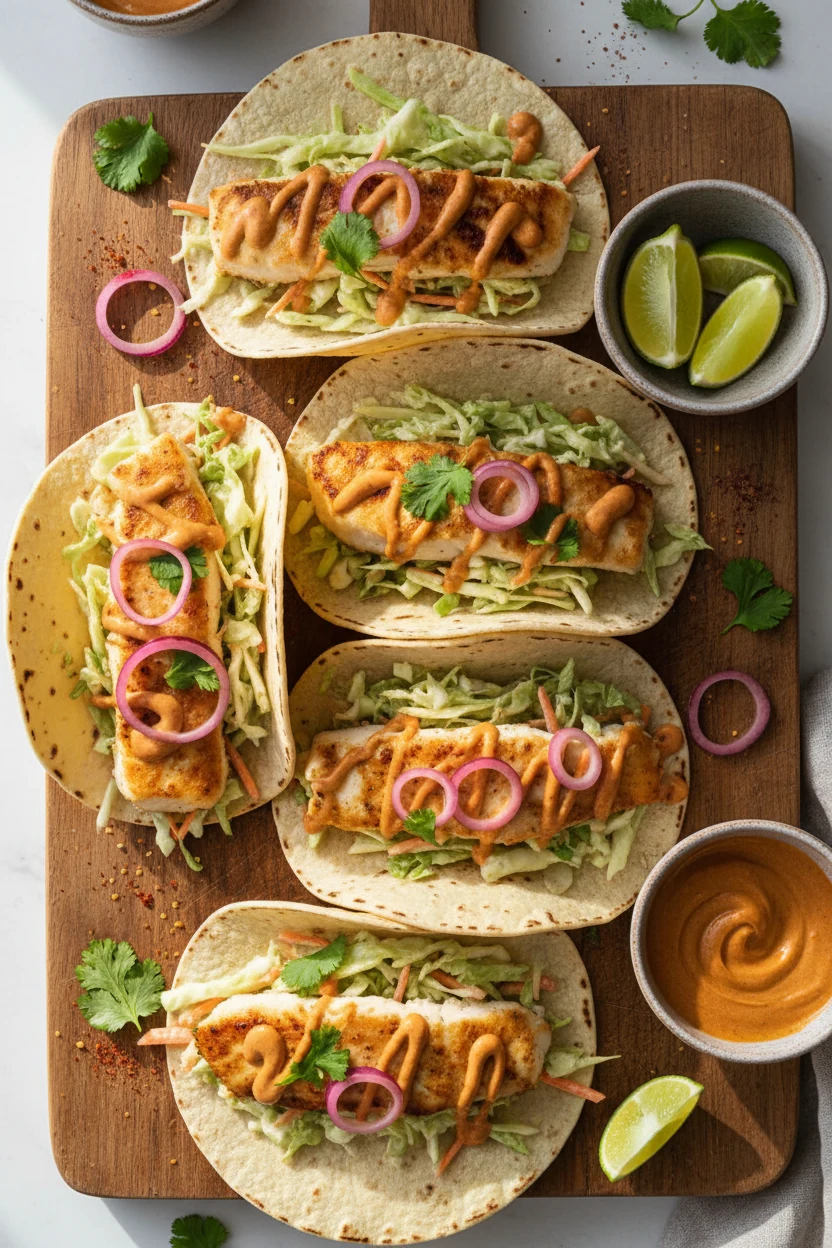
- Taco Night: Flake the fillets, add slaw, top with chipotle crema and pickled onions. Weeknight win, guaranteed.
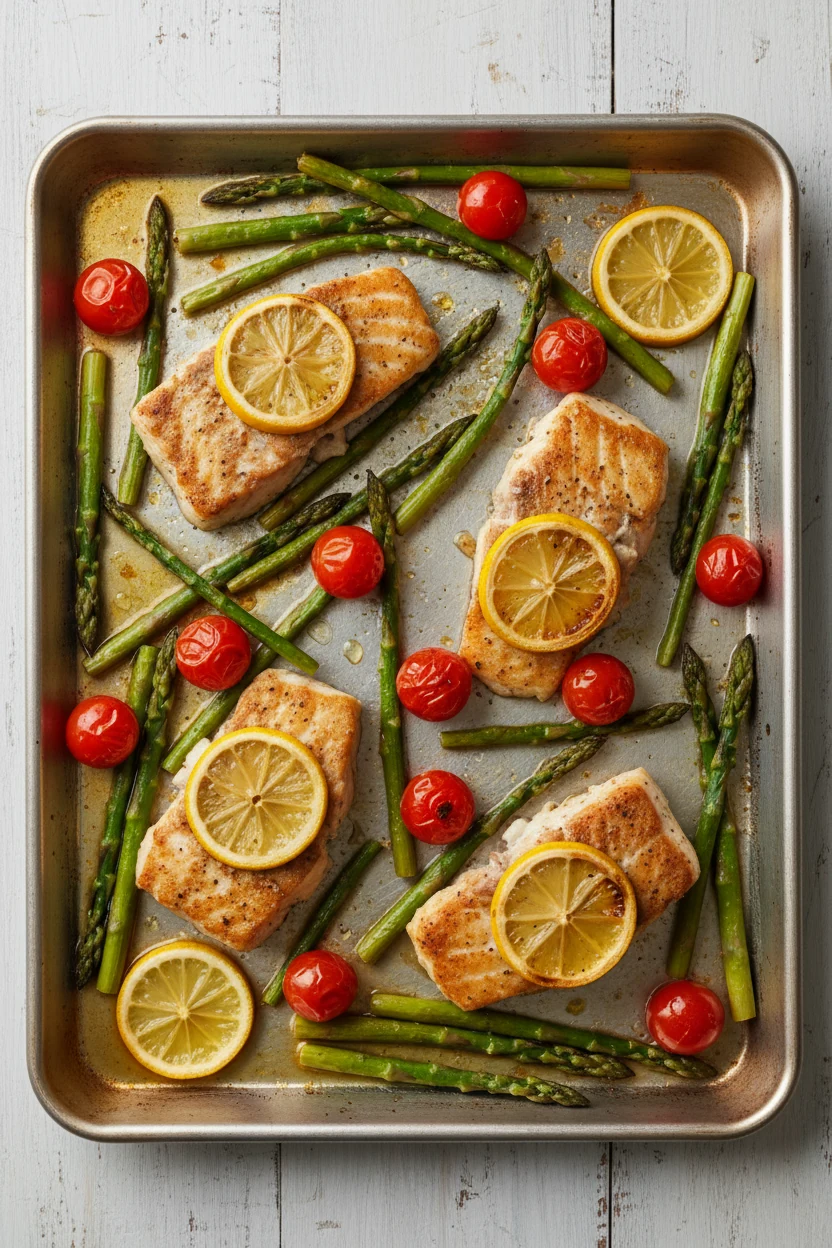
- Sheet-Pan Simplicity: Roast fillets at 425°F on a tray with asparagus, cherry tomatoes, and lemon slices. One pan, minimal mess.
- Grill It: Oil grates, medium-high heat, 3–4 minutes per side. Finish with citrus butter.
FAQ
How do I know when mahi is done without a thermometer?
Press the thickest part gently; it should flake but still feel springy, not firm like chicken. The center should be mostly opaque with a tiny hint of translucence. If it’s chalky and dry, you went too far—pull earlier next time.
Can I grill instead of pan-sear?
Absolutely. Oil the grates, preheat to medium-high, and cook 3–4 minutes per side. Brush on a little olive oil and salt before grilling, then finish with the citrus herb butter off heat. You get smoky notes plus that bright finish—best of both worlds.
What sides pair best?
Think contrast: herby rice, roasted potatoes, grilled asparagus, or a crunchy salad. Citrus-forward sides are killer—try lemony couscous or a tomato-cucumber salad. IMO, anything that doesn’t fight the buttery sauce wins.
Fresh vs. frozen—does it matter?
Use what you can find. Frozen fillets are great if they’re vacuum-sealed and thawed properly. Thaw in the fridge overnight or under cold running water, then dry thoroughly before seasoning. Quality beats “fresh” that’s been sitting around.
Is it okay to eat mahi slightly pink?
Yes. Aim for medium doneness—juicy and just opaque—with an internal temp of 130–135°F. Slight translucence is fine and often better for texture. If you prefer more done, take it to 140°F, but don’t push much past that.
How do I avoid a fishy smell at home?
Start with fresh fillets, dry them well, use hot oil, and keep the cook time short. A quick pan deglaze with lemon juice or white wine pulls aromas into a sauce instead of your kitchen. Vent fans and open windows help—old-school but effective.
What if I’m dairy-free?
Swap butter for olive oil or ghee and make a dairy-free salsa verde: parsley, cilantro, garlic, lemon zest, olive oil, salt. You’ll still get that rich, glossy finish without the dairy. FWIW, olive oil with citrus is a classic for a reason.
Final Thoughts
This method gives you fast, repeatable, restaurant-level fish without stress. Once you master the hot pan, quick baste, and citrus finish, you’ll cook confidently—and eat better—on autopilot. Keep it simple, stay bold with seasoning, and don’t overthink the timing. The result? A plate that tastes expensive, made by you, in minutes. That’s a weeknight win worth bragging about.
Printable Recipe Card
Want just the essential recipe details without scrolling through the article? Get our printable recipe card with just the ingredients and instructions.